What Eats Asparagus in Alaska, and When
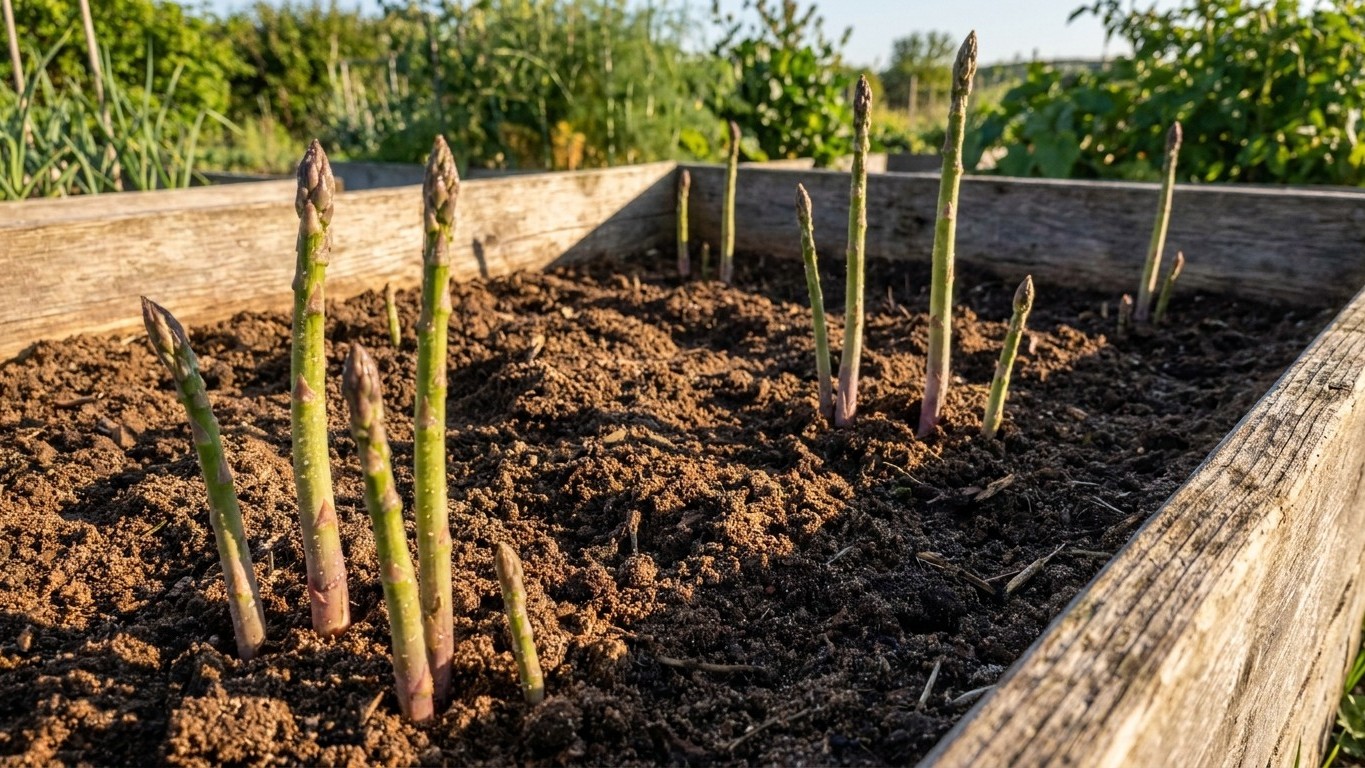
UAF Cooperative Extension documents five pests for Alaska gardens: aphids, cutworms, root maggots, slugs, and spruce beetle.
Home & garden, state by state
Everything we have worked out for Alaska: what to plant and when, which varieties finish in time, the pests that actually turn up here, and the jobs that pay off month by month. We also cover the rest of the property, from lawns and soil to home care and energy, because a garden rarely stops at the vegetable bed.
The numbers first, because everything else follows from them. Measured at the weather station in Anchorage, the last spring freeze runs May 3 to May 12 and the first fall freeze runs September 22 to October 1, USDA zones 1a-8a, 917 growing degree days in the year.
That is little accumulated warmth: tomatoes need a tunnel or a greenhouse here, whatever the frost dates suggest. Garlic does well: 34.8 weeks below 40 °F, comfortably past the six it needs to form a proper head.
Elsewhere on the property in Alaska: the pests that turn up here.
Figures from NOAA's 1991-2020 climate normals. A state is not one climate: elevation, a large lake or the coast can move these dates by two weeks either way, so check your own county with the extension service before you spend money.
UAF Cooperative Extension documents five pests for Alaska gardens: aphids, cutworms, root maggots, slugs, and spruce beetle.
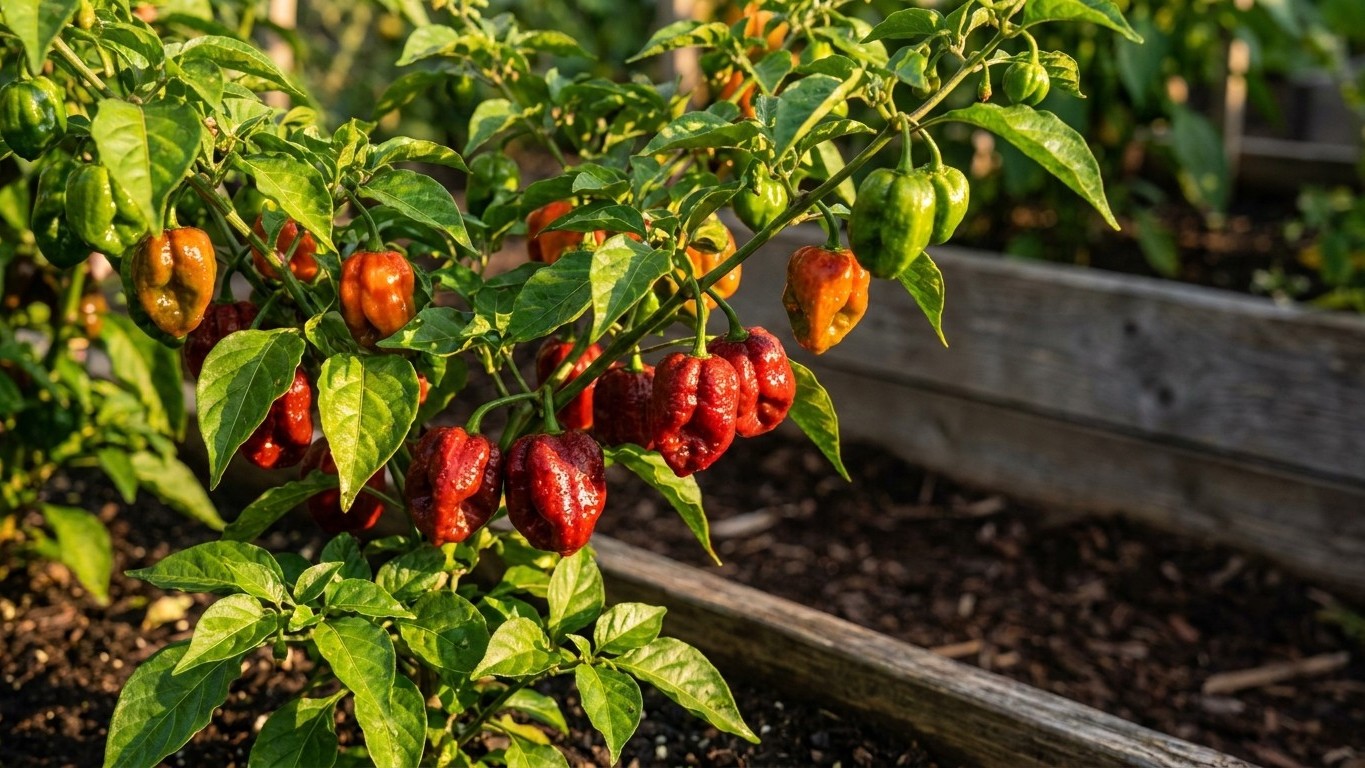
Only three of the five pests the state’s extension service documents actually feed on pepper plants.
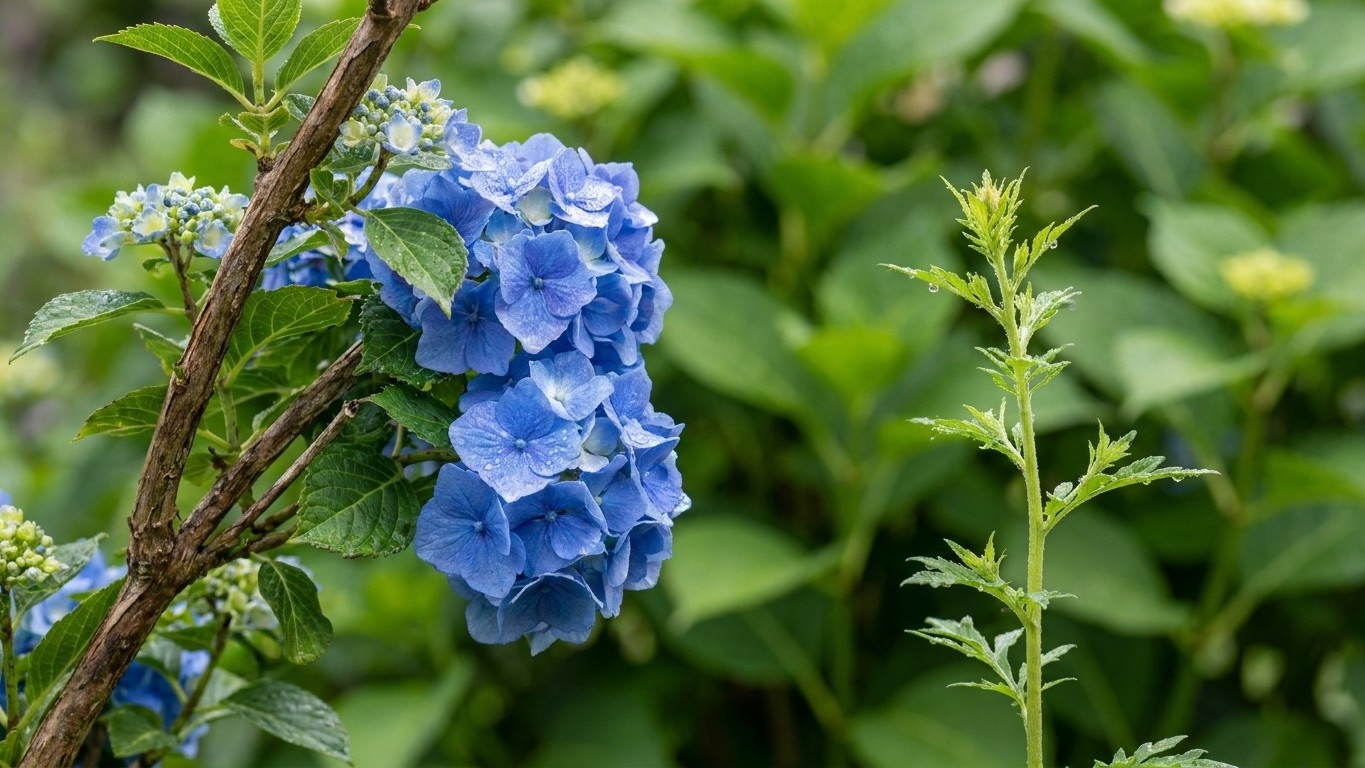
Hydrangeas can grow in most of Alaska’s populated areas, but not every type survives the winter above ground.
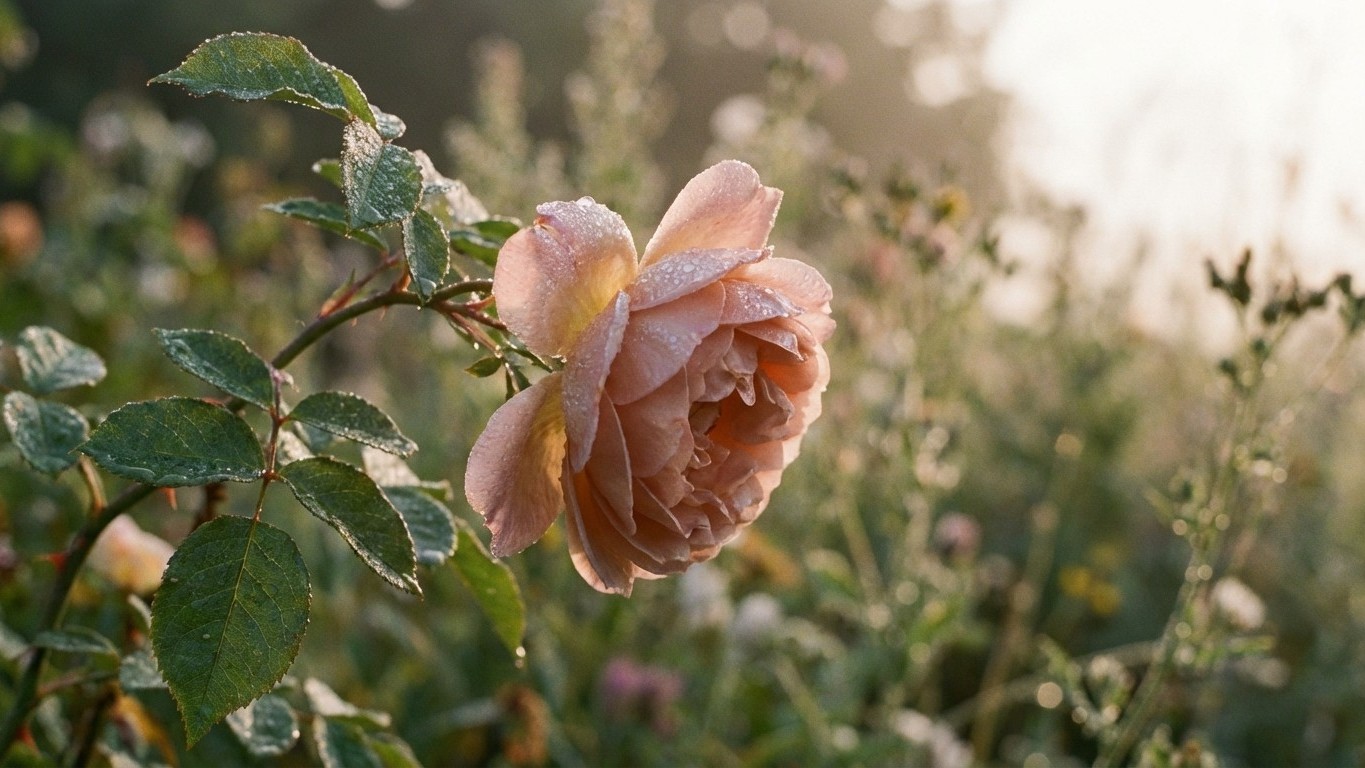
Roses grow in Alaska, but the calendar drives everything. In Anchorage, the last spring frost falls between May 3 and May 12, and the first fall frost…
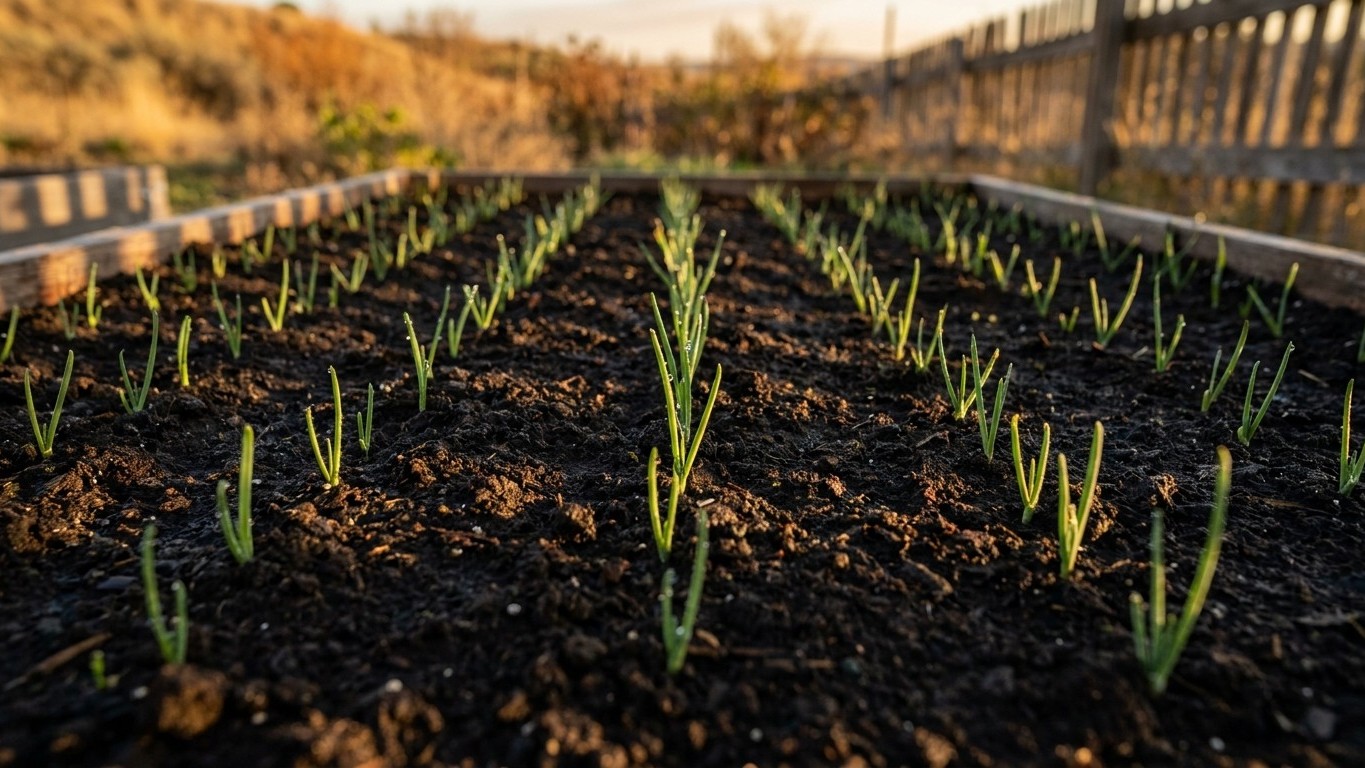
Garlic grown in Alaska faces a short list of pests, and only some of them ever touch the bulb.
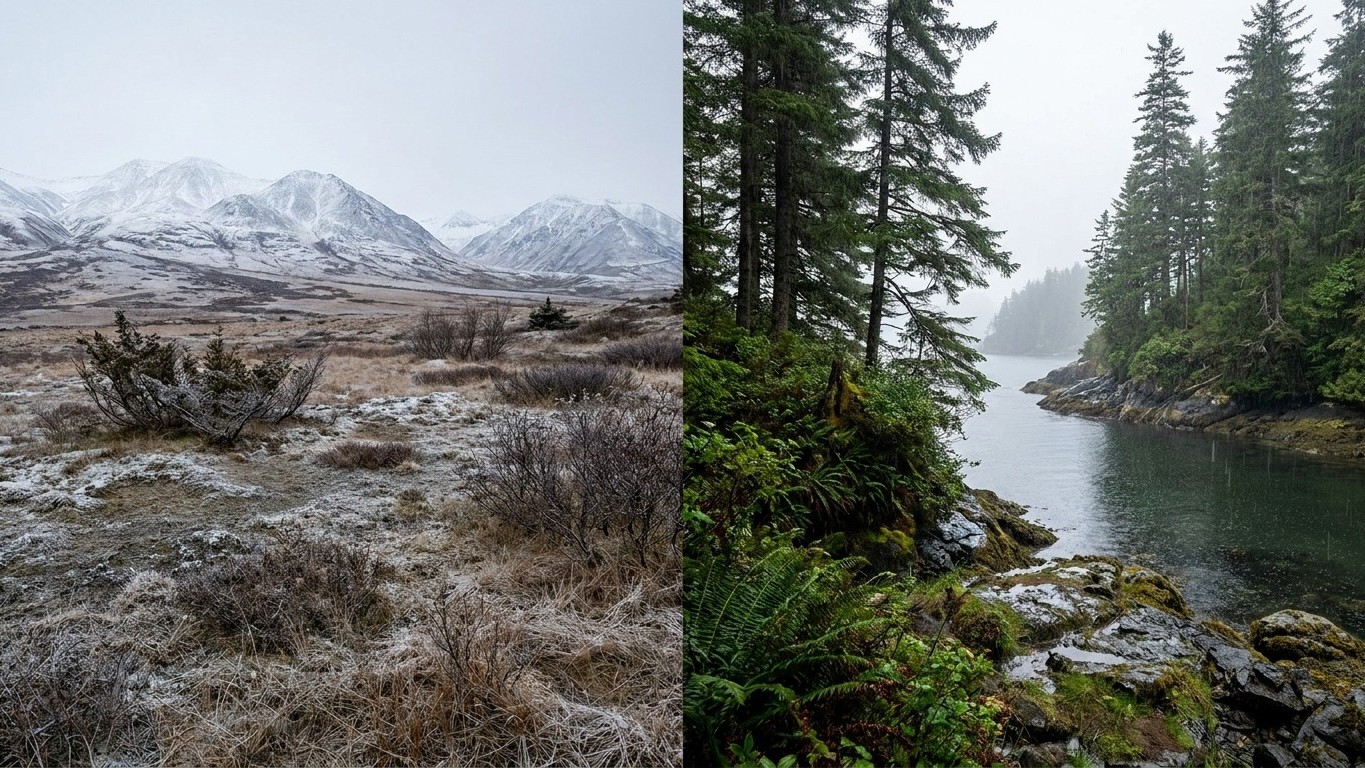
Alaska’s USDA hardiness range runs from 1a to 8a, the widest spread most territory pages on this site deal with.
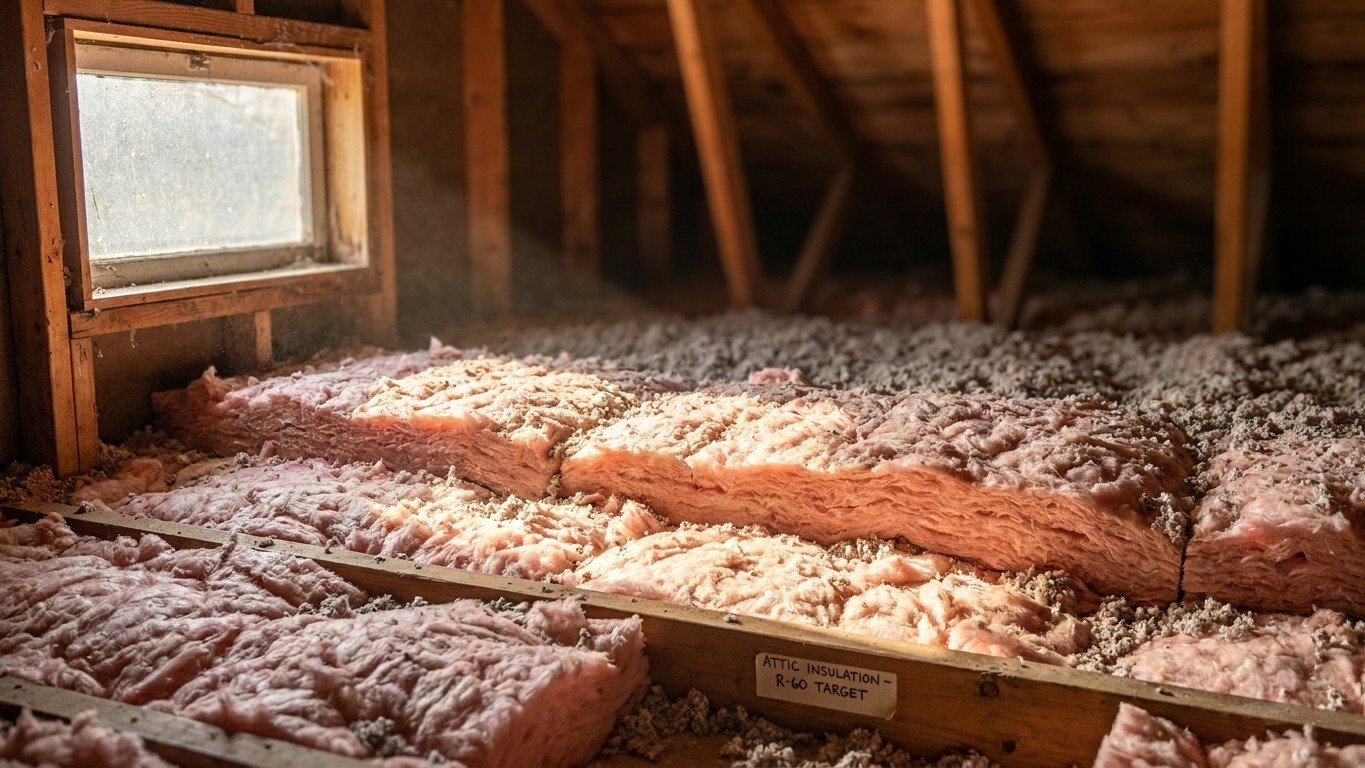
Alaska spans four IECC climate zones across its 27 counties, so there’s no single R-value that fits the whole state.
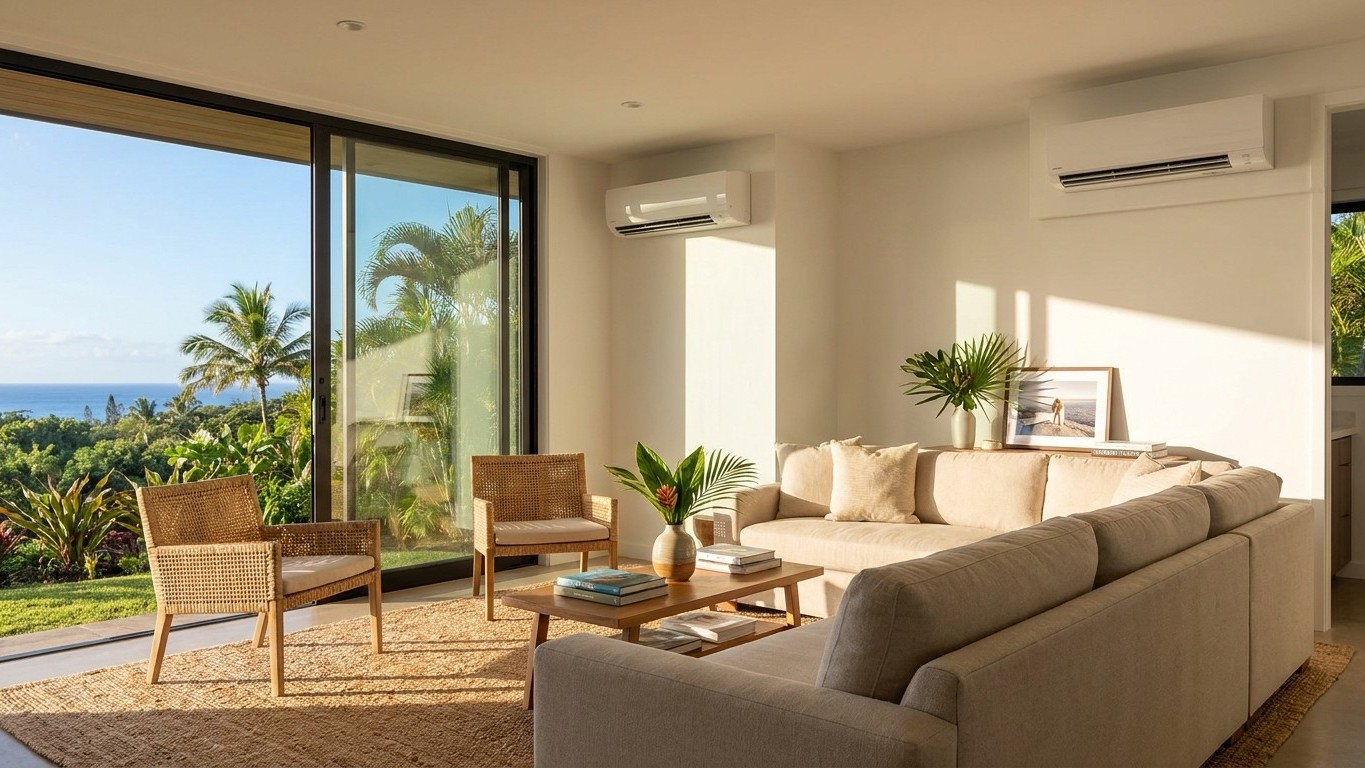
The short answer: in Alaska, “turning the heat off” isn’t really an event. July is the closest thing the state gets to a lull, and even then the furnace…
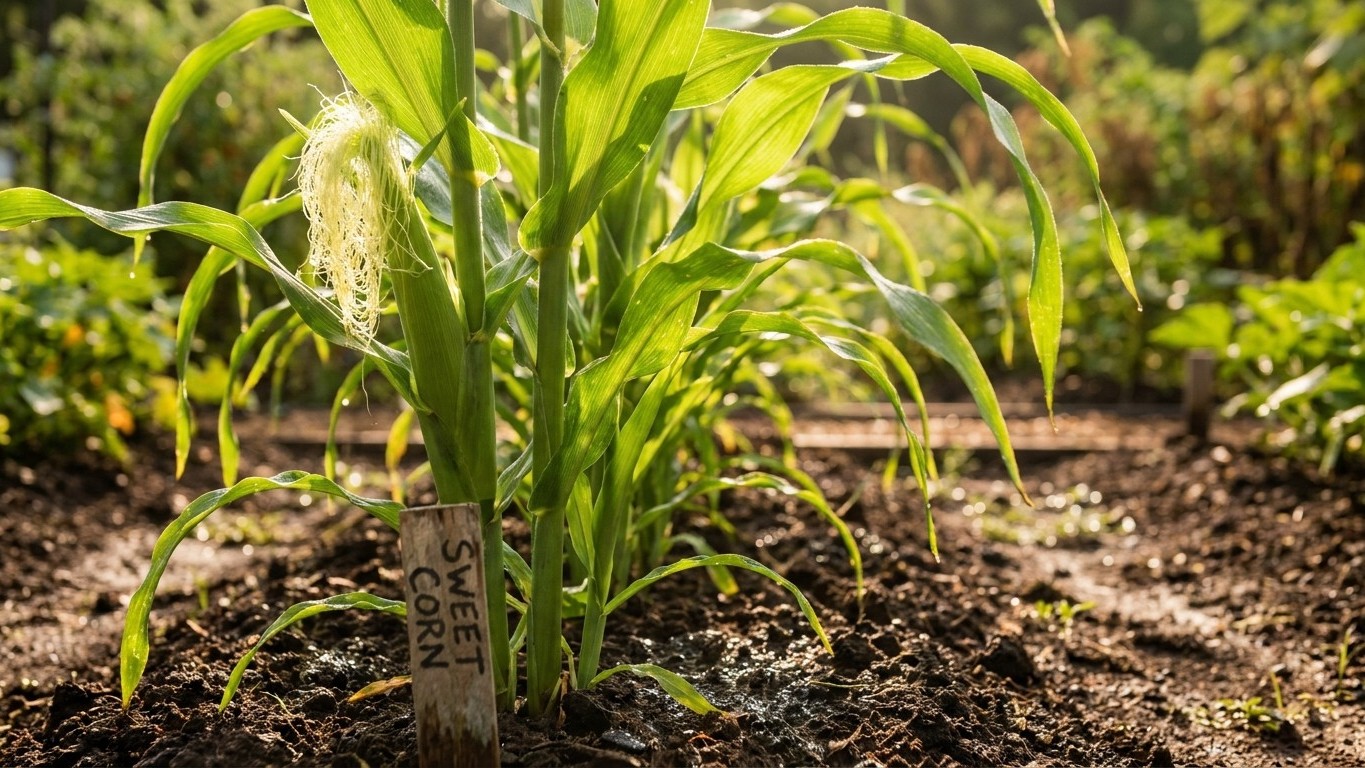
Yes, sweet corn can ripen in the Anchorage area, but only if you pick a short-season variety and hit the planting window exactly.
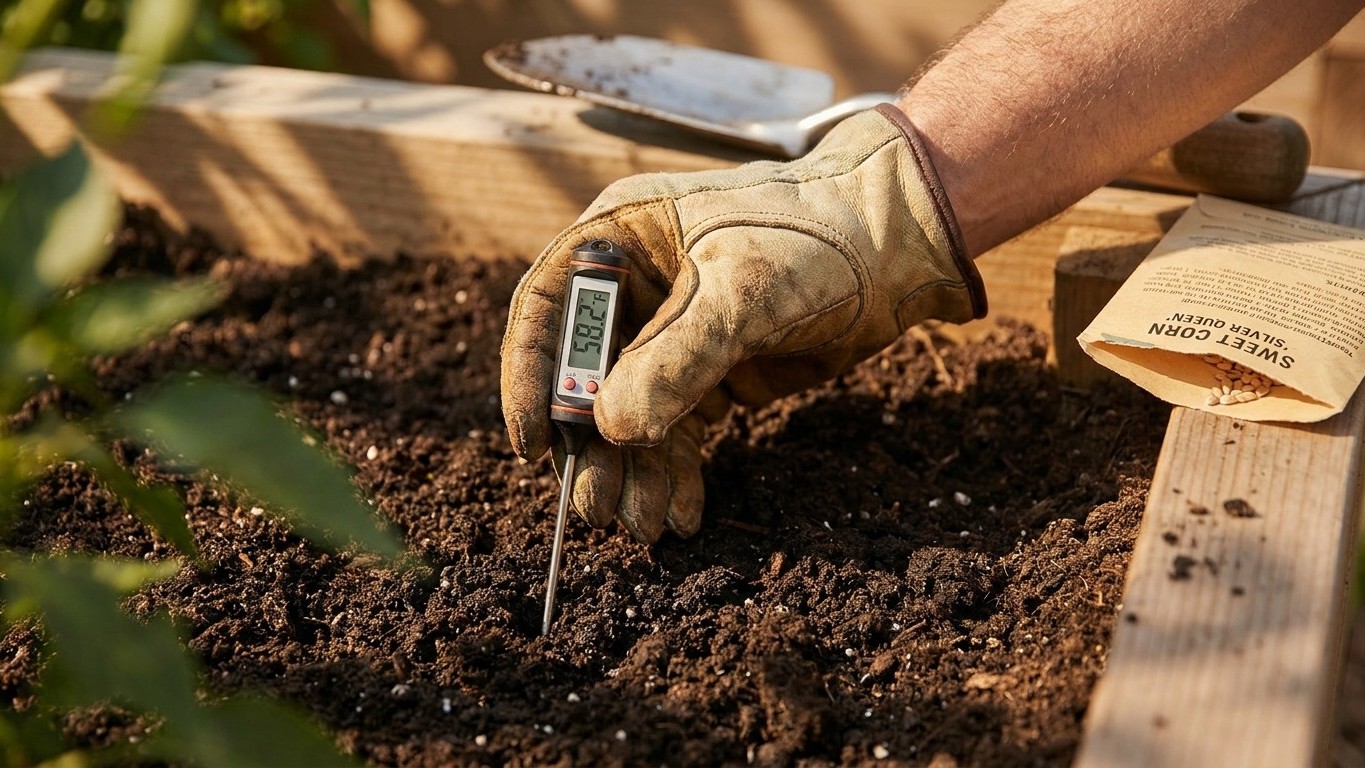
In most of coastal south-central Alaska, soil doesn’t clear the 60 F mark sweet corn needs until weeks after the last spring frost has passed.