When to Pull Carrots in Alaska, and How to Keep Them
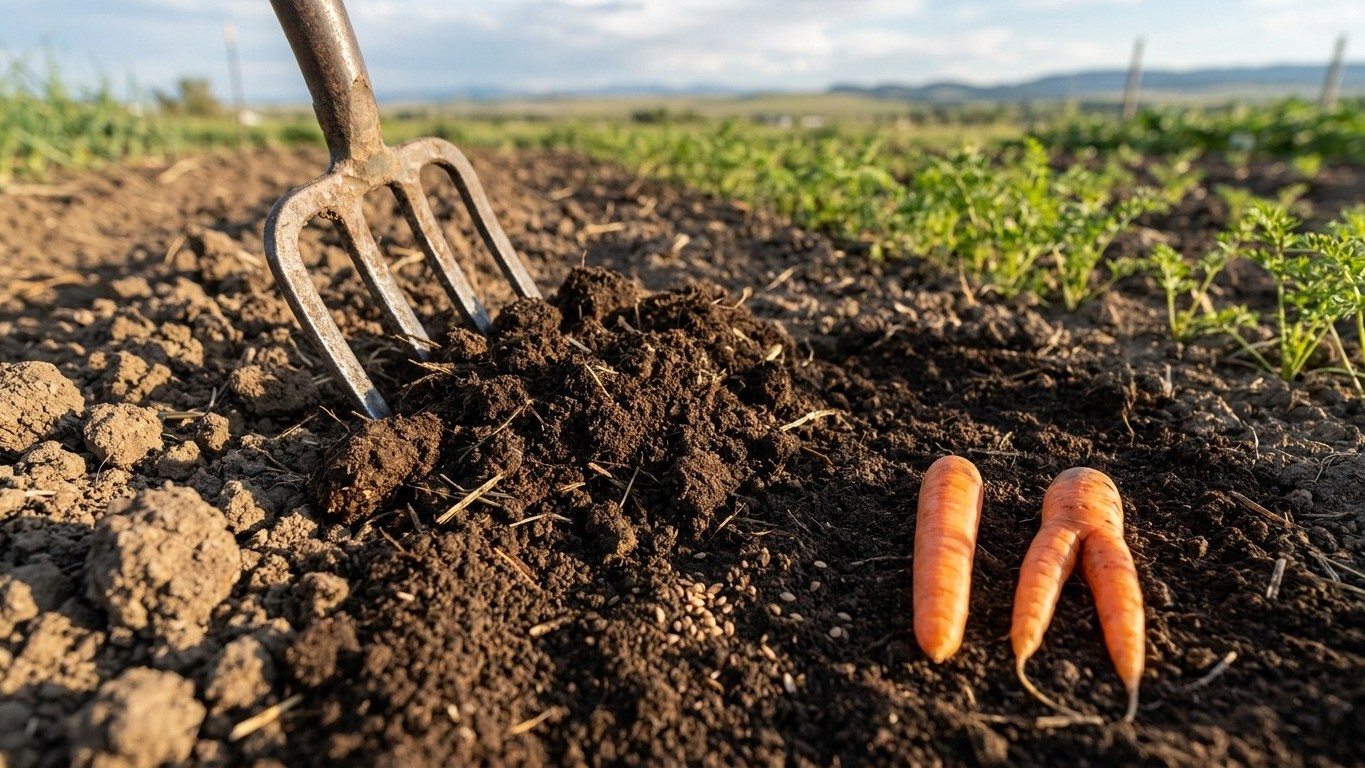
Carrots in Alaska come out of the ground when the shoulders push up through the soil surface and the tops start to yellow and flop, usually somewhere…
Home & garden, state by state
Everything we have worked out for Alaska: what to plant and when, which varieties finish in time, the pests that actually turn up here, and the jobs that pay off month by month. We also cover the rest of the property, from lawns and soil to home care and energy, because a garden rarely stops at the vegetable bed.
The numbers first, because everything else follows from them. Measured at the weather station in Anchorage, the last spring freeze runs May 3 to May 12 and the first fall freeze runs September 22 to October 1, USDA zones 1a-8a, 917 growing degree days in the year.
That is little accumulated warmth: tomatoes need a tunnel or a greenhouse here, whatever the frost dates suggest. Garlic does well: 34.8 weeks below 40 °F, comfortably past the six it needs to form a proper head.
Elsewhere on the property in Alaska: the pests that turn up here.
Figures from NOAA's 1991-2020 climate normals. A state is not one climate: elevation, a large lake or the coast can move these dates by two weeks either way, so check your own county with the extension service before you spend money.
Carrots in Alaska come out of the ground when the shoulders push up through the soil surface and the tops start to yellow and flop, usually somewhere…
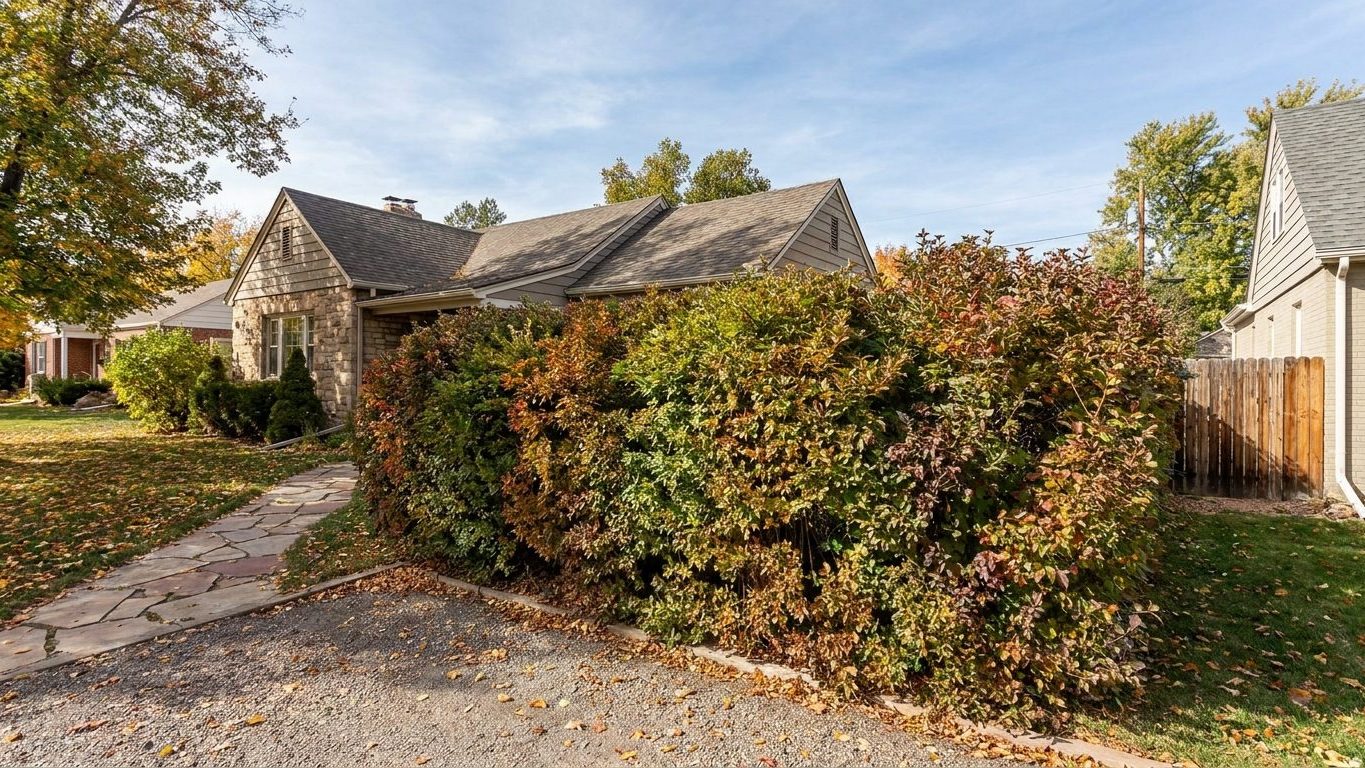
Search “hedge height law Alaska” and you won’t find a statewide number, because there isn’t one.
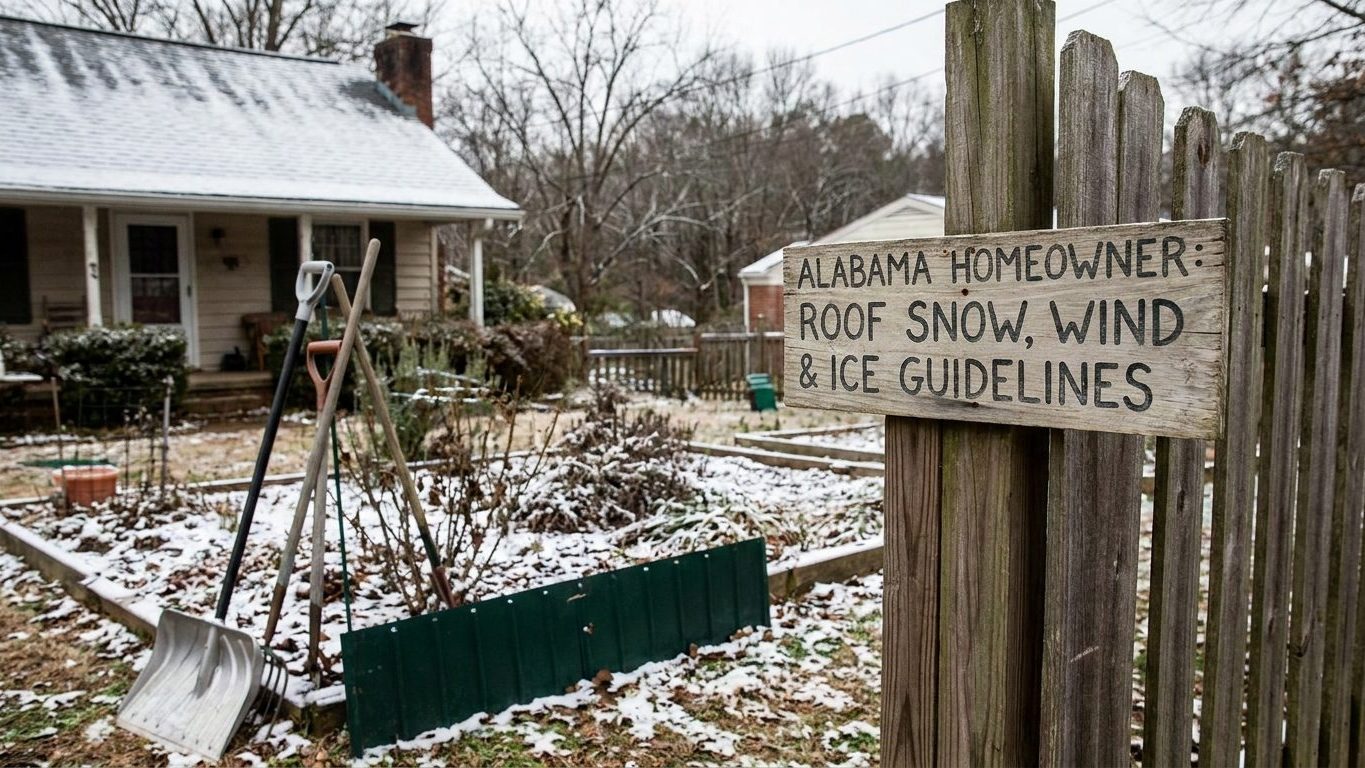
Anchorage’s ASCE 7-16 design figures for ground snow load and wind speed, what they convert to on a roof, and how Alaska handles ice barrier rules locally.
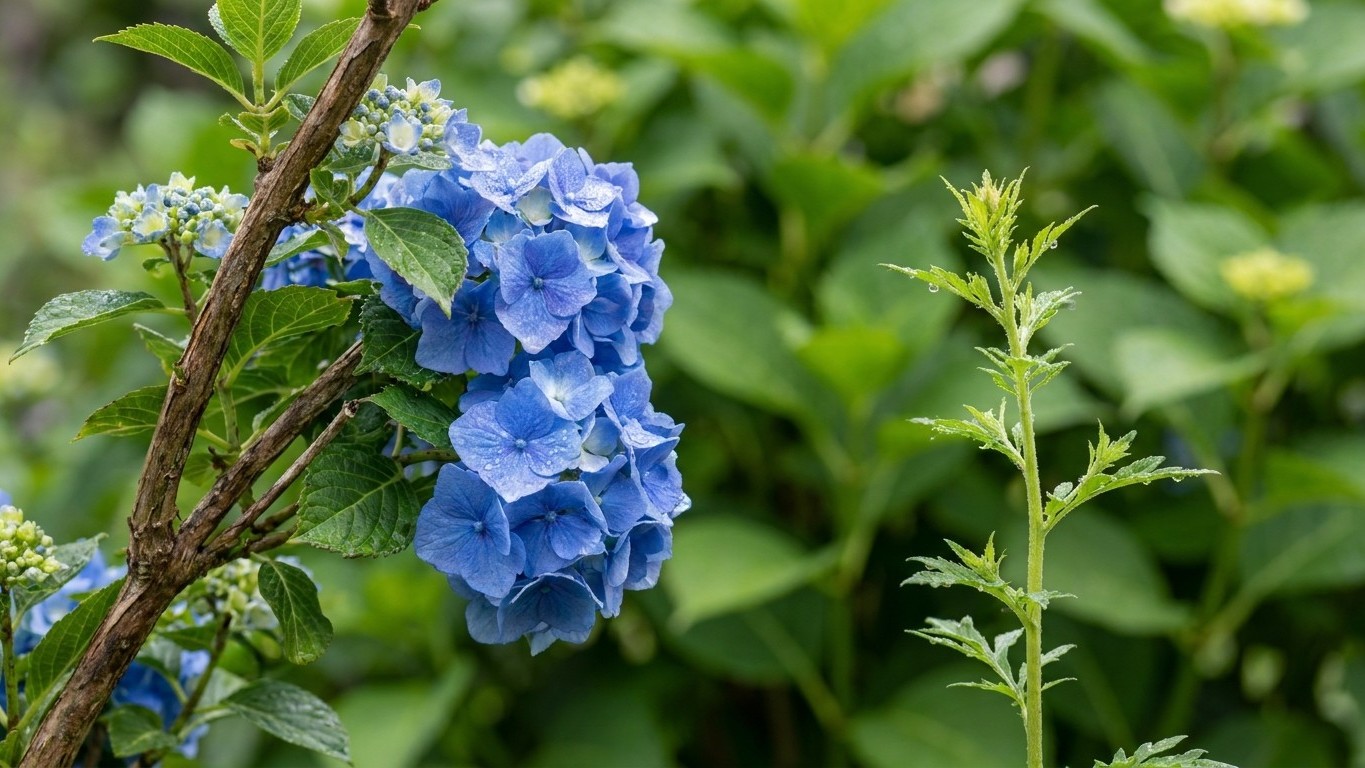
Protecting hydrangeas through an Alaska winter means having mulch, wraps, or burlap fully in place before the first fall frost hits Anchorage, typically…
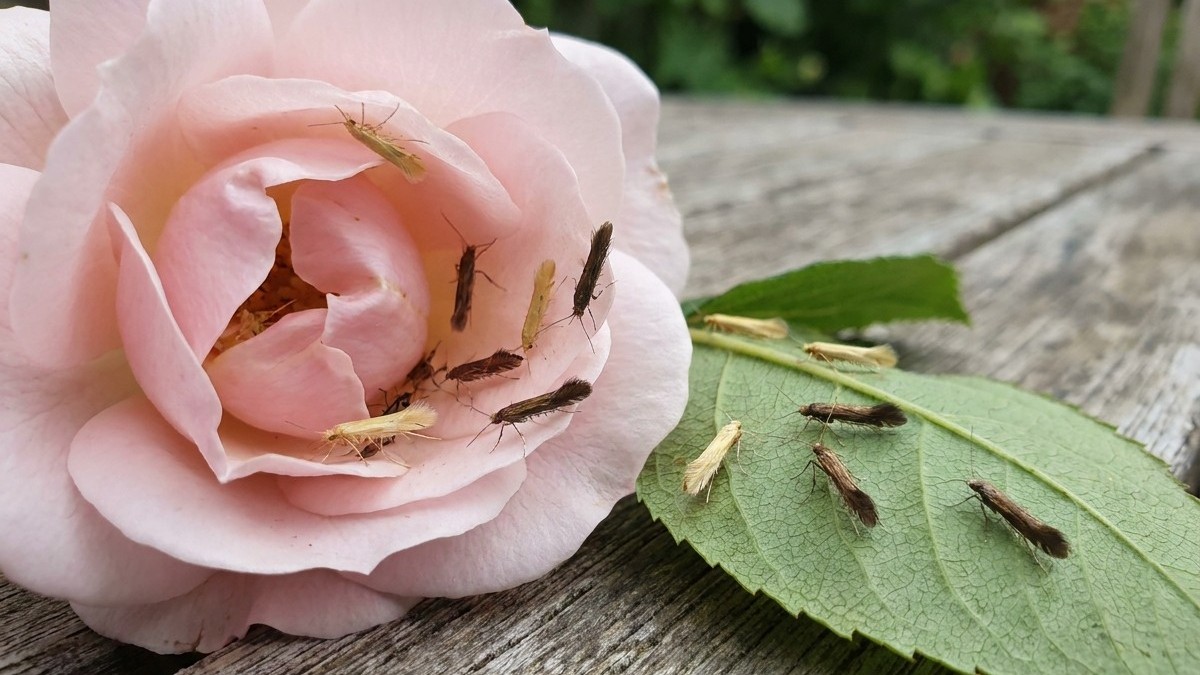
Roses in Alaska need winter protection almost everywhere the plant survives outdoors, because the state’s growing season is short and its winter cold is…
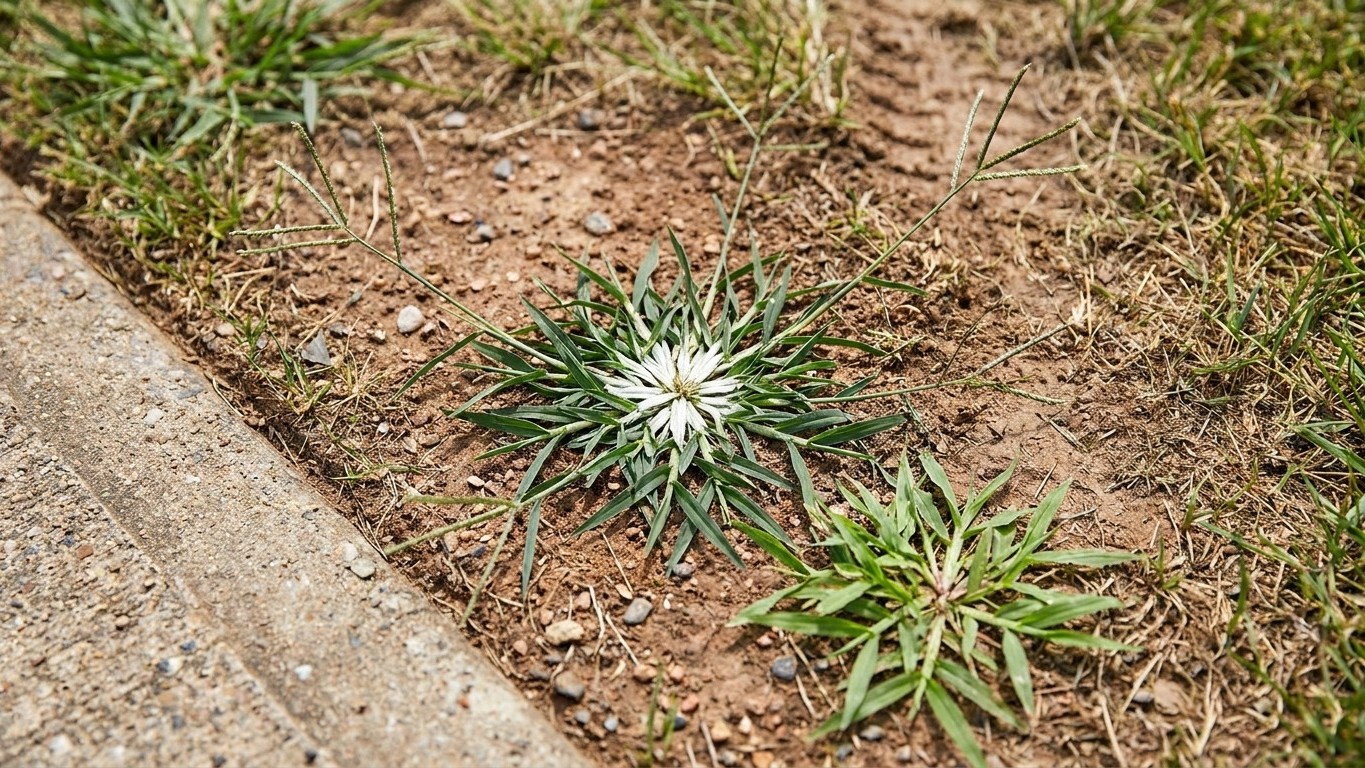
In and around Anchorage, the safe window for overseeding a cool-season lawn runs from mid-July through early-to-mid August, timed to give new grass…
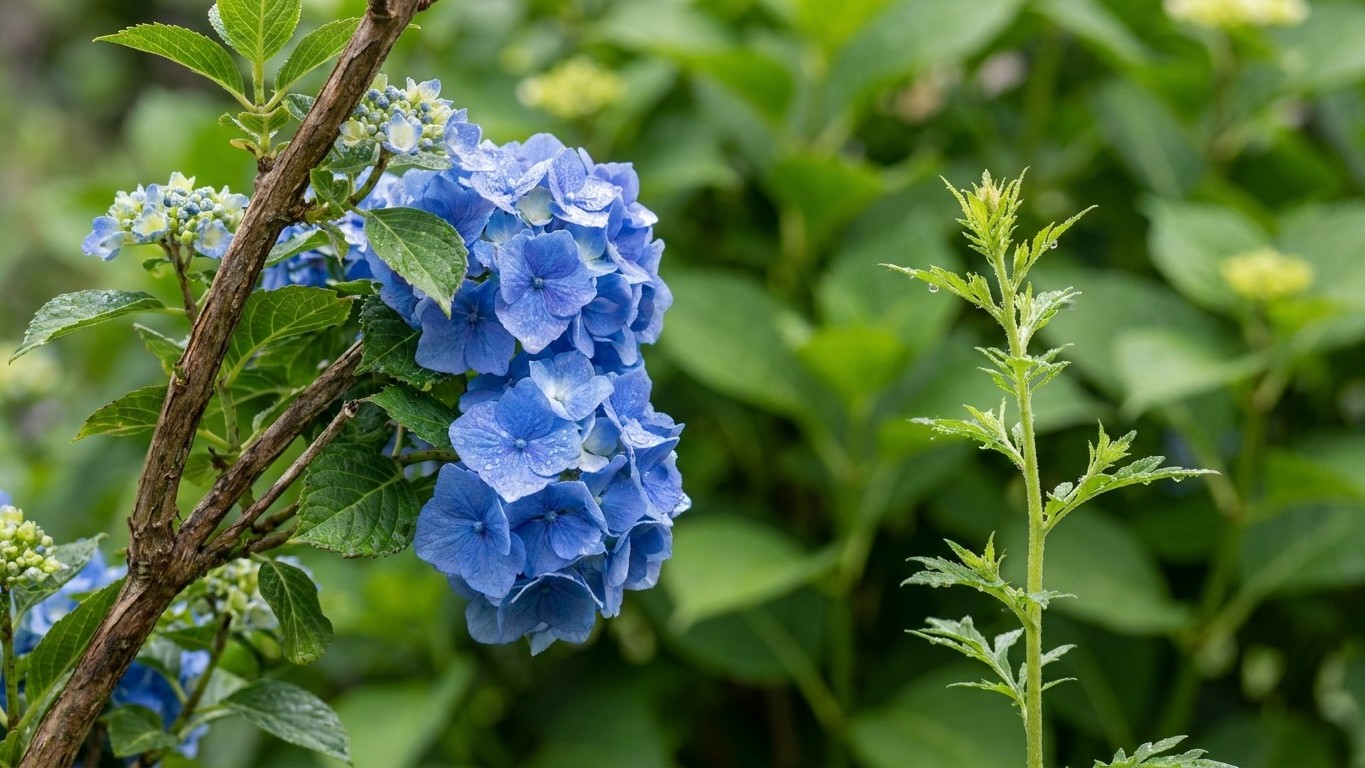
Panicle hydrangeas (Hydrangea paniculata) and smooth hydrangeas (Hydrangea arborescens) are the ones that make it through an Alaska winter, because they…
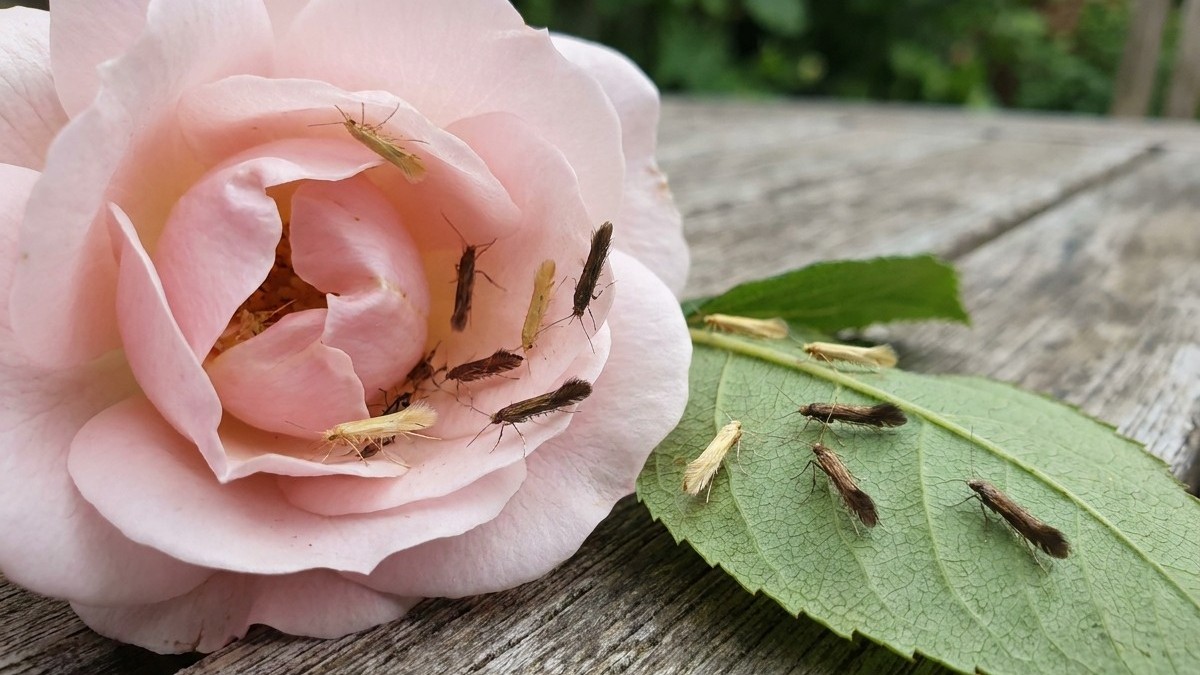
The roses that hold up in Alaska are the ones bred for extreme cold and grown on their own roots, not grafted onto a rootstock from a milder climate.
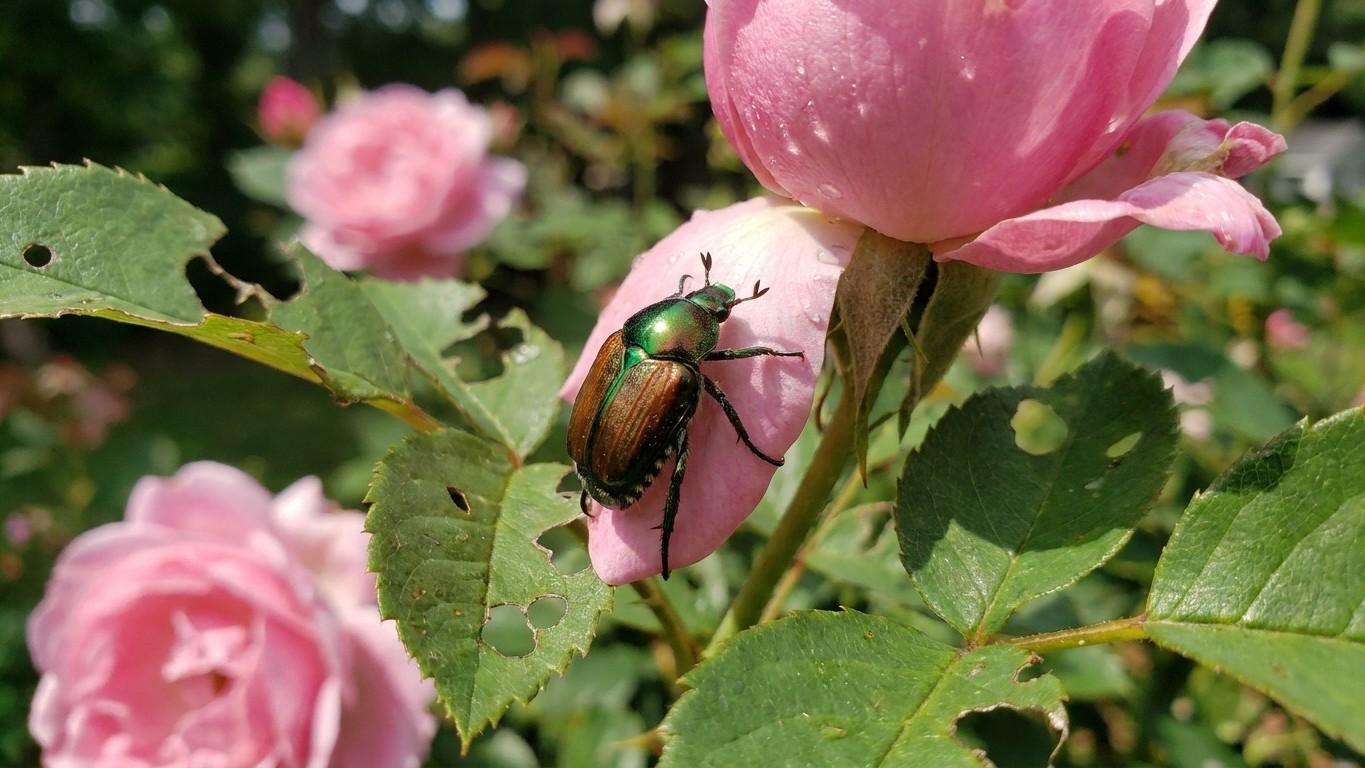
The safe window for pruning roses in Alaska sits after the danger of hard freeze has passed but before canes push out tender new growth that a late cold…
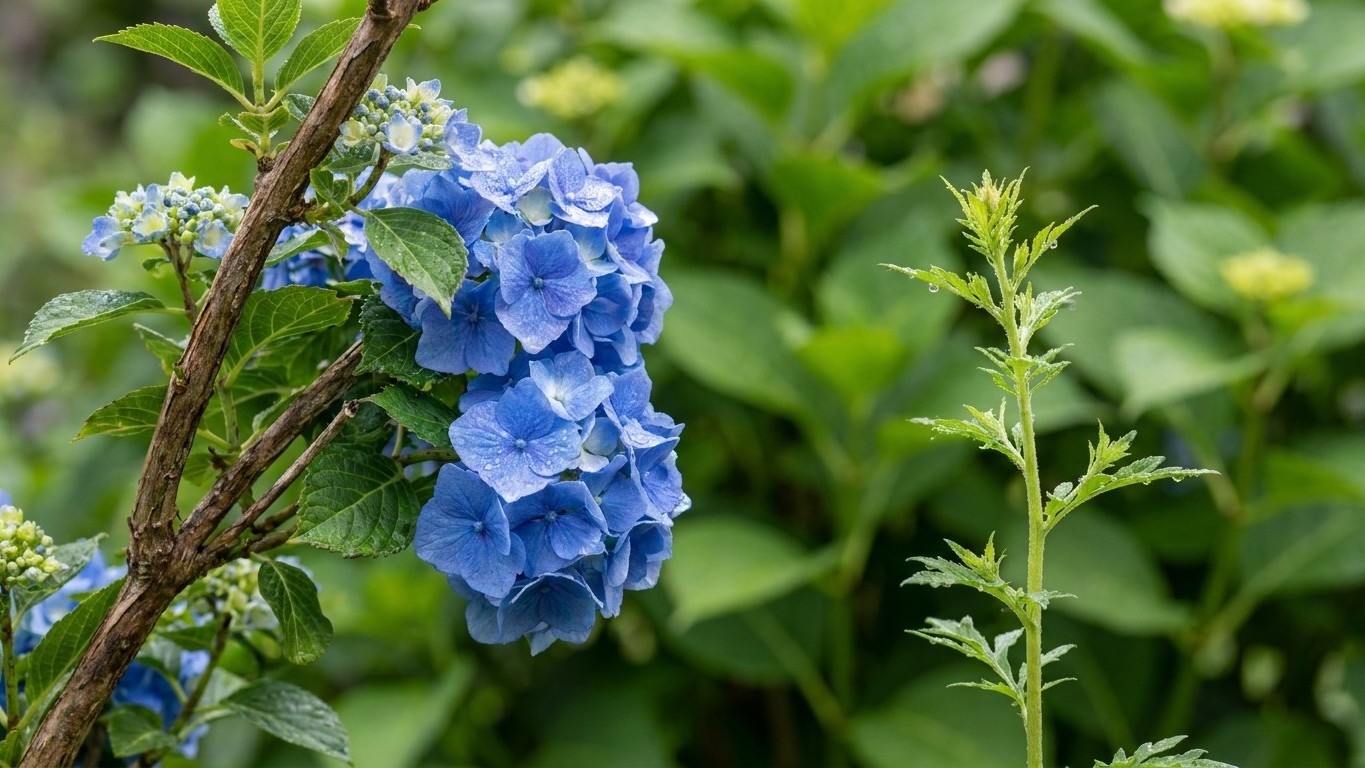
Hydrangeas in Alaska stay pink because most soils here sit at a neutral to alkaline pH, which locks up the aluminum that flowers need to turn blue.