Growing Spinach in Alaska: When Will It Bolt?
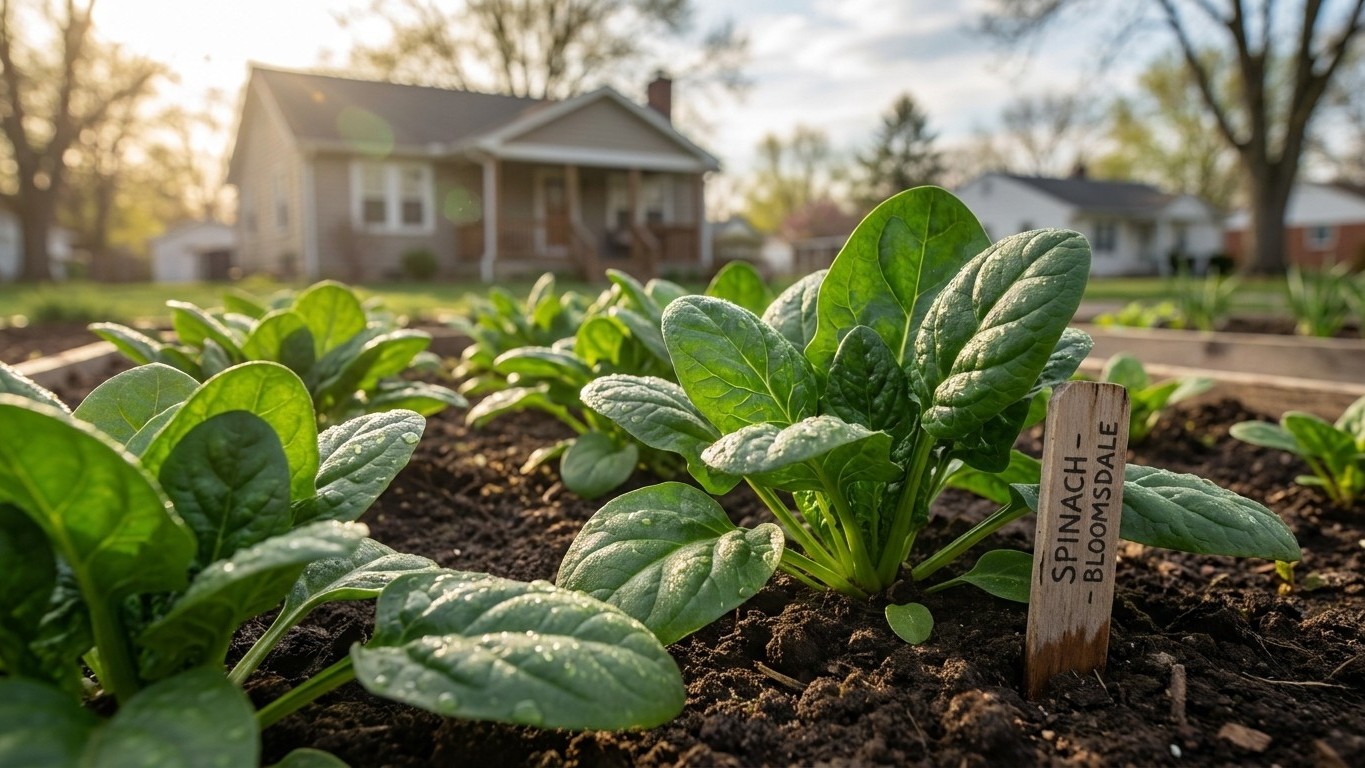
In Anchorage, the plant that flowers because of long days does exactly that no matter how cool the air stays.
Home & garden, state by state
Everything we have worked out for Alaska: what to plant and when, which varieties finish in time, the pests that actually turn up here, and the jobs that pay off month by month. We also cover the rest of the property, from lawns and soil to home care and energy, because a garden rarely stops at the vegetable bed.
The numbers first, because everything else follows from them. Measured at the weather station in Anchorage, the last spring freeze runs May 3 to May 12 and the first fall freeze runs September 22 to October 1, USDA zones 1a-8a, 917 growing degree days in the year.
That is little accumulated warmth: tomatoes need a tunnel or a greenhouse here, whatever the frost dates suggest. Garlic does well: 34.8 weeks below 40 °F, comfortably past the six it needs to form a proper head.
Elsewhere on the property in Alaska: the pests that turn up here.
Figures from NOAA's 1991-2020 climate normals. A state is not one climate: elevation, a large lake or the coast can move these dates by two weeks either way, so check your own county with the extension service before you spend money.
In Anchorage, the plant that flowers because of long days does exactly that no matter how cool the air stays.
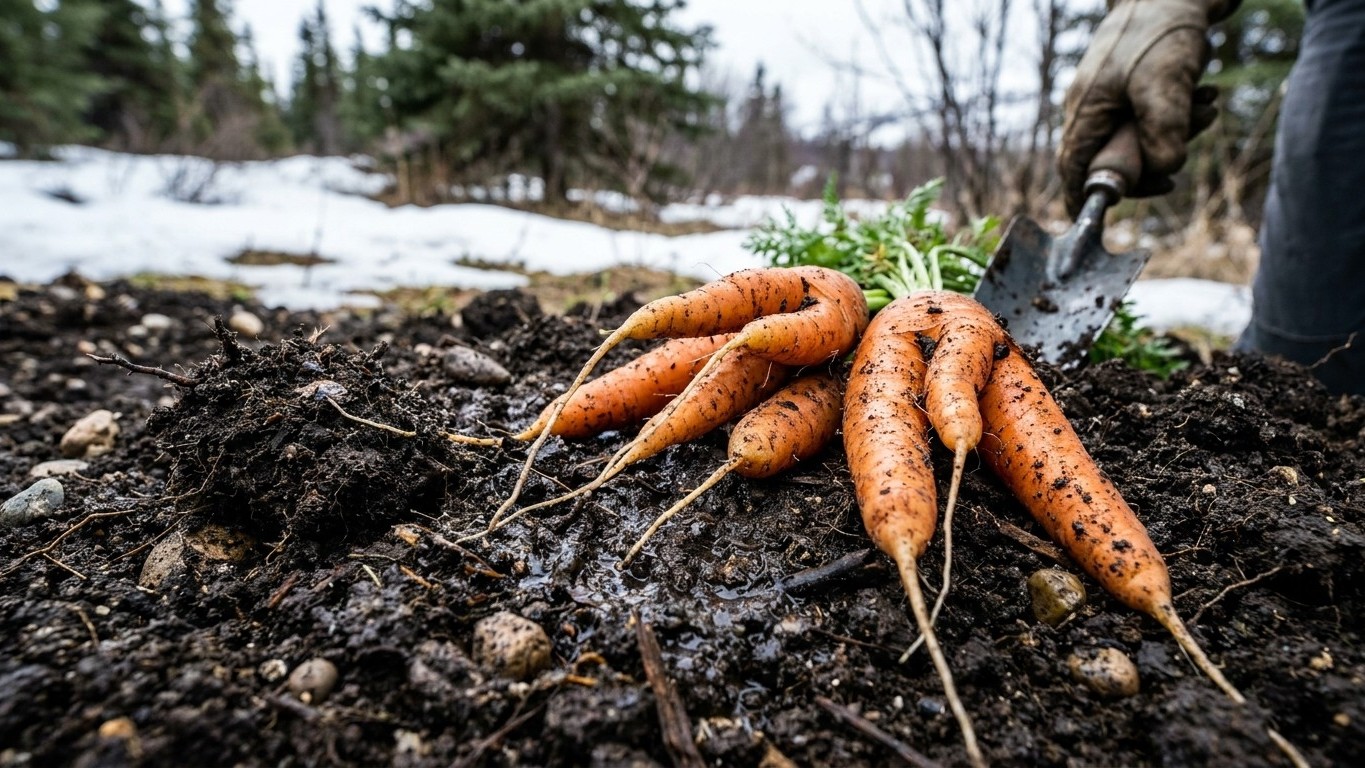
Alaska carrots go into the ground after the soil has thawed and the danger of frost has passed at your specific location, then you count forward, not…
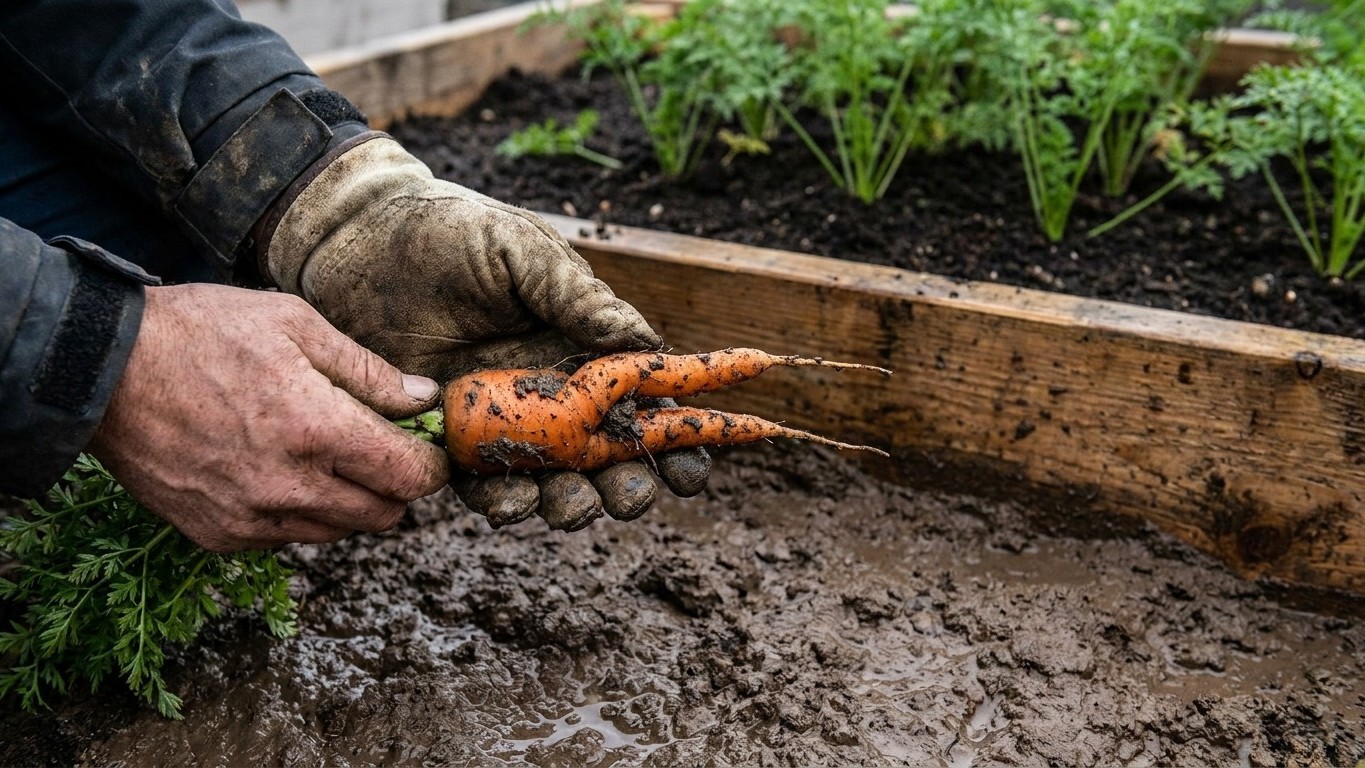
Yes, carrots planted straight into unmodified ground that matches Alaska’s representative soil profile are likely to fork or stall.
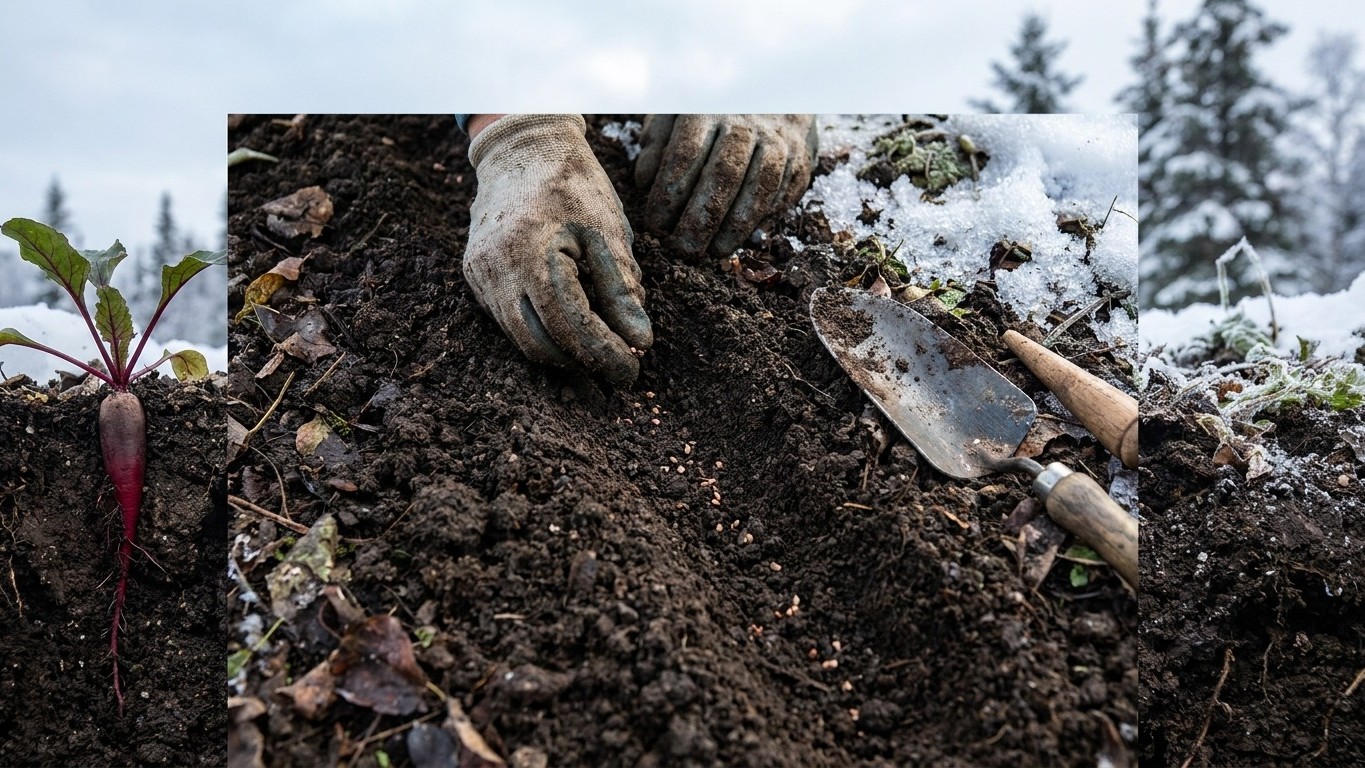
The safest window to sow beets outdoors in the Anchorage area runs from about April 12 to April 28, two to three weeks ahead of the average last spring…
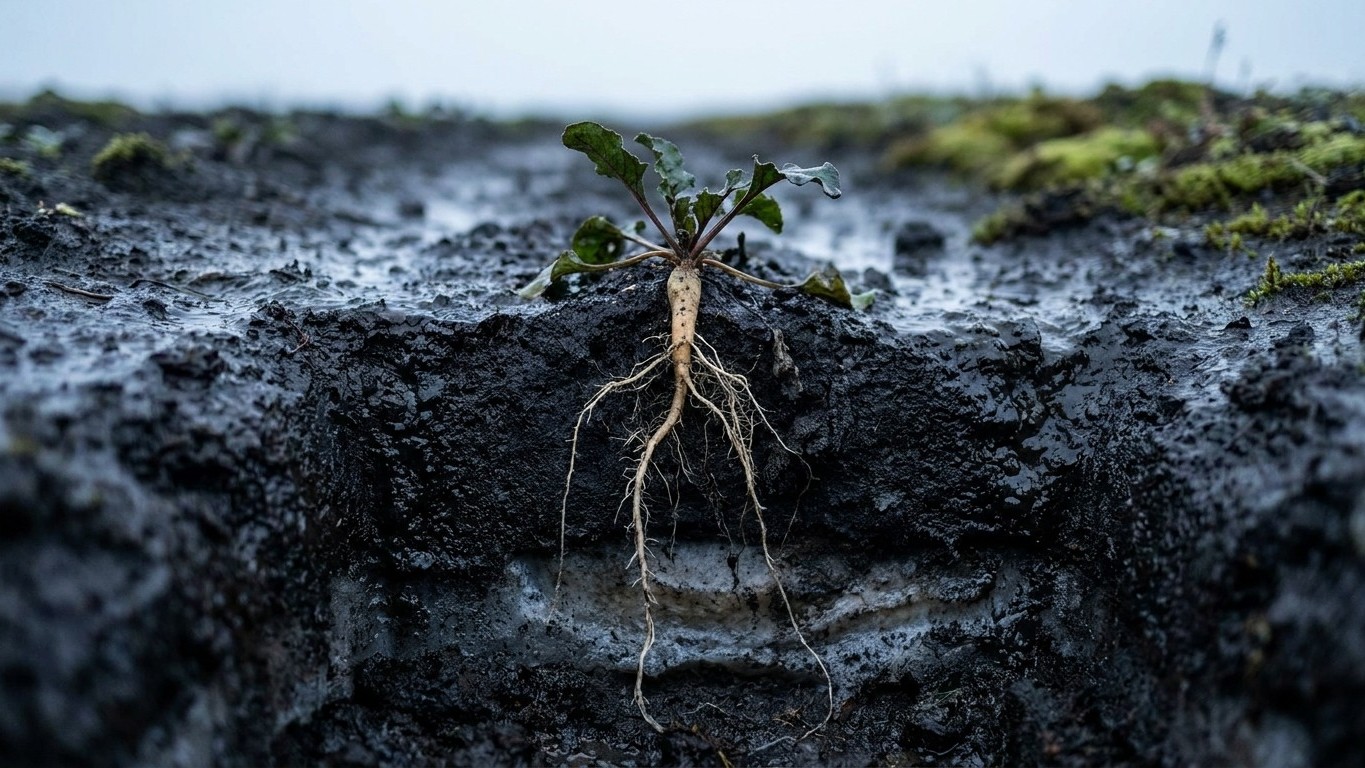
Alaska’s beets meet a soil built around permafrost, not root vegetables: strongly acid, poorly drained, and carrying organic matter that has nothing to…
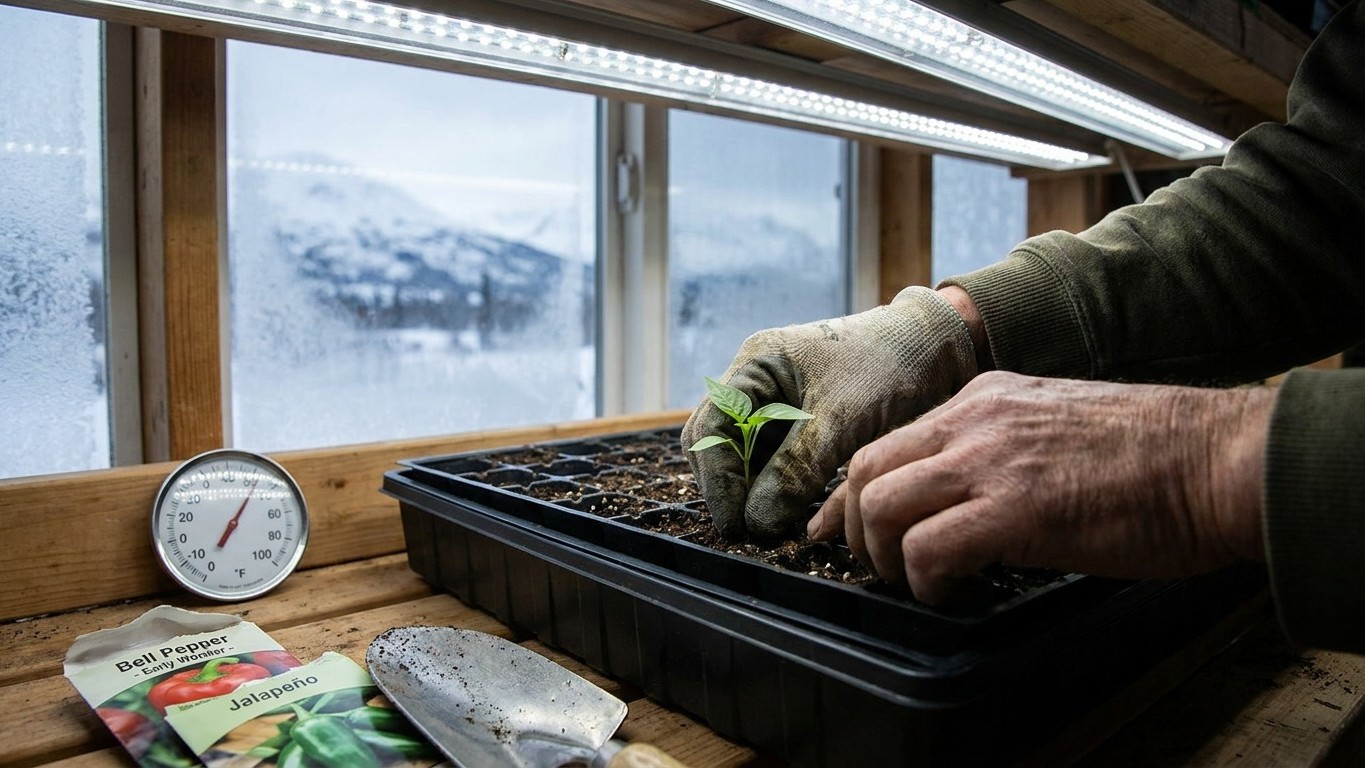
Peppers in the Anchorage area and most of Alaska’s populated growing regions should go into seed trays indoors in mid to late February through early March.
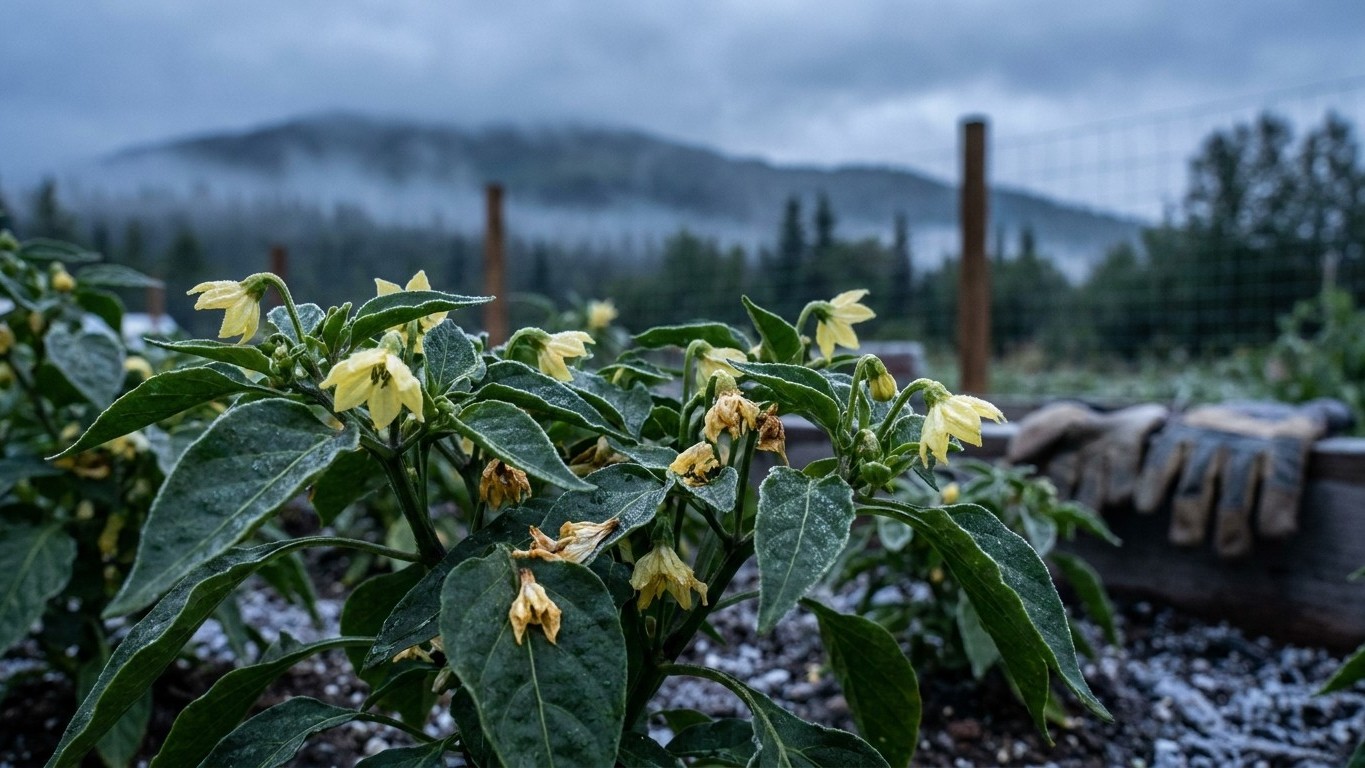
In Alaska, pepper plants rarely fail because of extreme heat. The Anchorage reference station logs zero days a year at or above 90 F, so scorching…
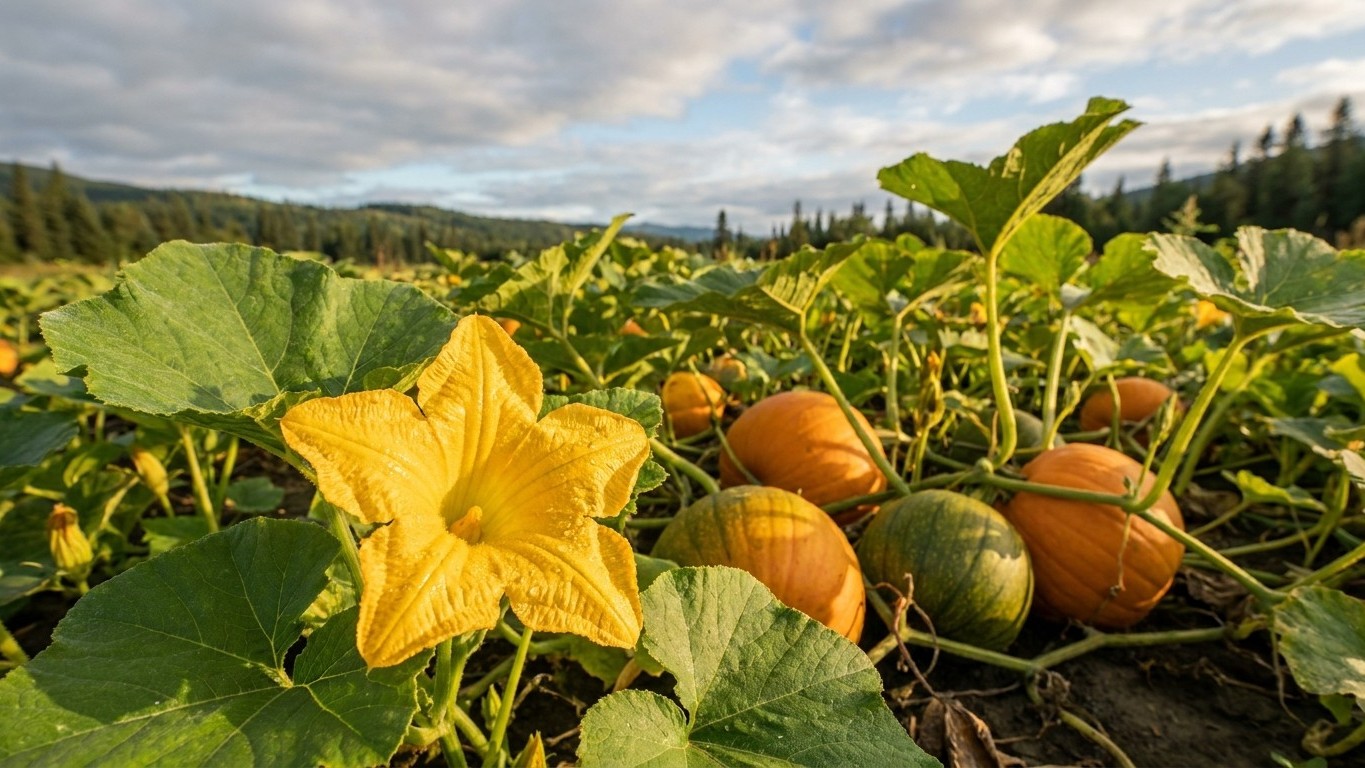
In most of Alaska’s populated areas, pumpkins can ripen outdoors, but only if the flowers open inside a narrow window that closes well before Labor Day.
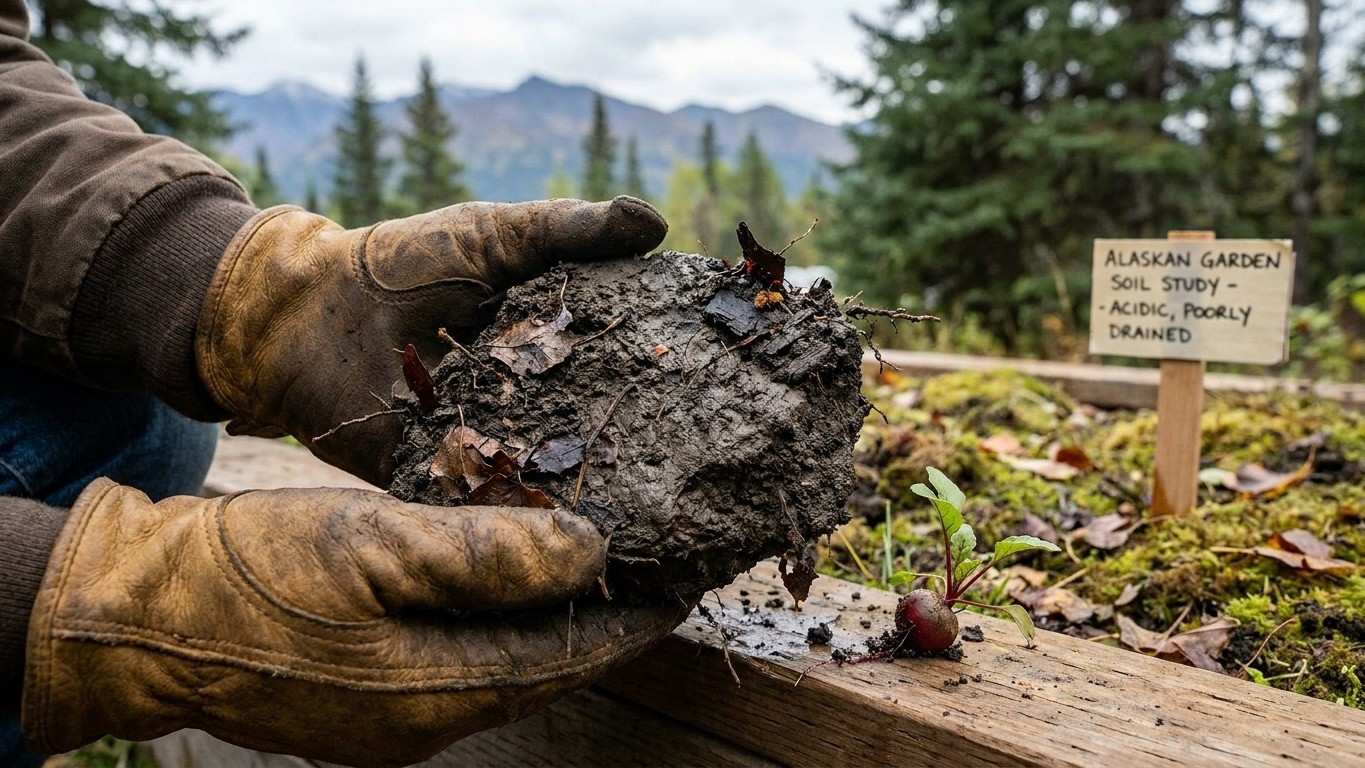
Beets sown directly in Alaska ground face two separate problems: soil that rarely resembles the deep, sandy loam beets prefer, and a six-week window…
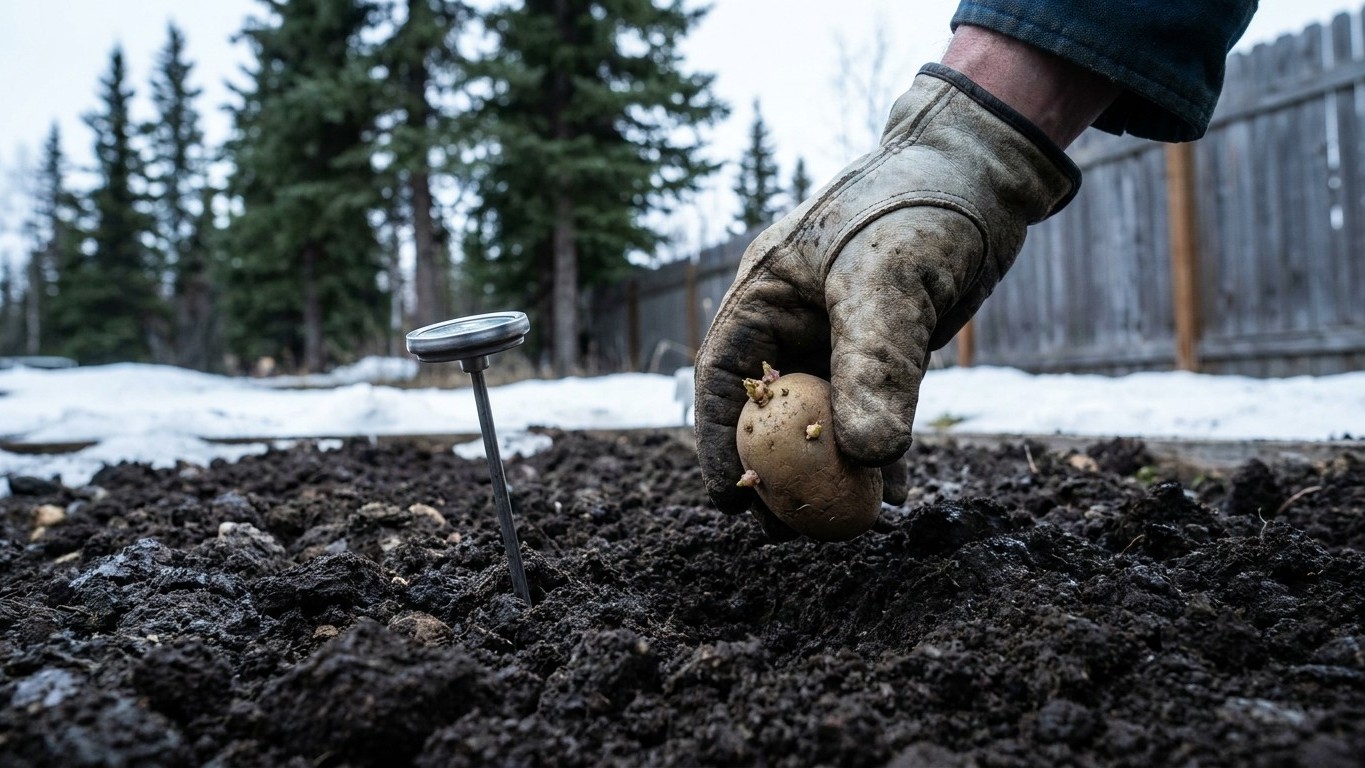
Plant potatoes in Anchorage between April 12 and April 28, counting back 14 to 21 days from the local last-frost window of May 3 to May 12 (NOAA NCEI…