Will Alaska Soil Hold an Asparagus Bed for Fifteen Years?
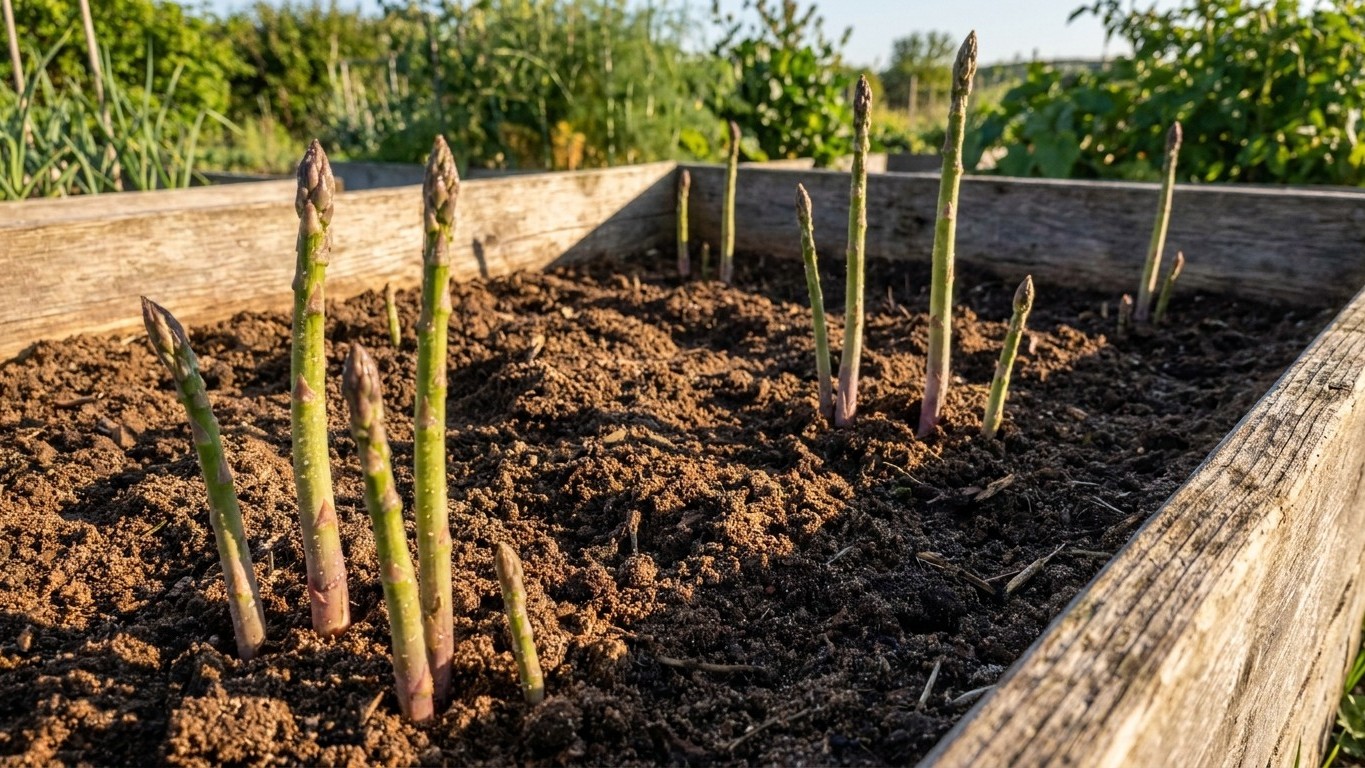
Fifteen years is the outer edge of an asparagus bed’s working life, and the source on this crop is blunt about what it needs to get there: soil that…
Home & garden, state by state
Everything we have worked out for Alaska: what to plant and when, which varieties finish in time, the pests that actually turn up here, and the jobs that pay off month by month. We also cover the rest of the property, from lawns and soil to home care and energy, because a garden rarely stops at the vegetable bed.
The numbers first, because everything else follows from them. Measured at the weather station in Anchorage, the last spring freeze runs May 3 to May 12 and the first fall freeze runs September 22 to October 1, USDA zones 1a-8a, 917 growing degree days in the year.
That is little accumulated warmth: tomatoes need a tunnel or a greenhouse here, whatever the frost dates suggest. Garlic does well: 34.8 weeks below 40 °F, comfortably past the six it needs to form a proper head.
Elsewhere on the property in Alaska: the pests that turn up here.
Figures from NOAA's 1991-2020 climate normals. A state is not one climate: elevation, a large lake or the coast can move these dates by two weeks either way, so check your own county with the extension service before you spend money.
Fifteen years is the outer edge of an asparagus bed’s working life, and the source on this crop is blunt about what it needs to get there: soil that…
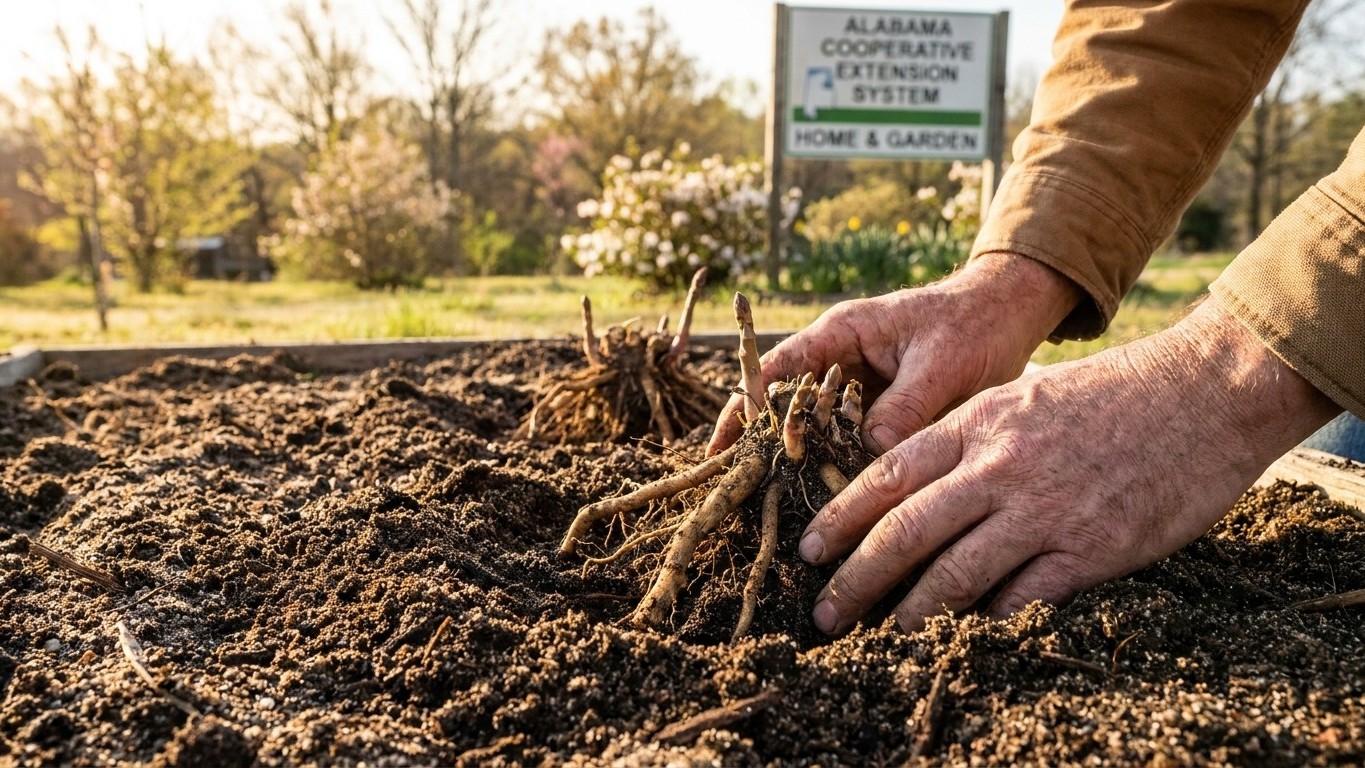
Plant asparagus crowns in Alaska in early spring, once the ground has thawed and can be worked, which lines up with the region’s frost window in the…
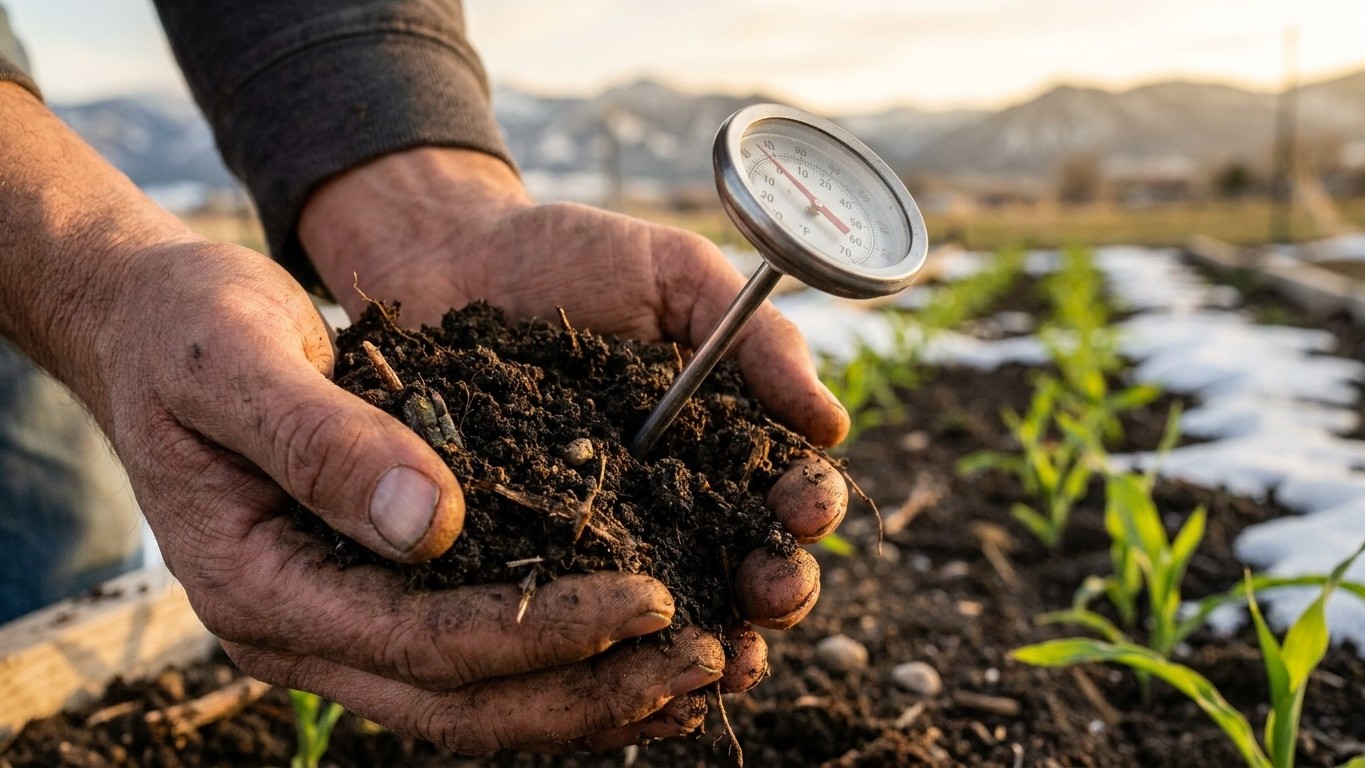
Sweet corn can ripen in Alaska’s mildest coastal pockets, but only if you start with soil already warm enough and pick a variety fast enough to finish…
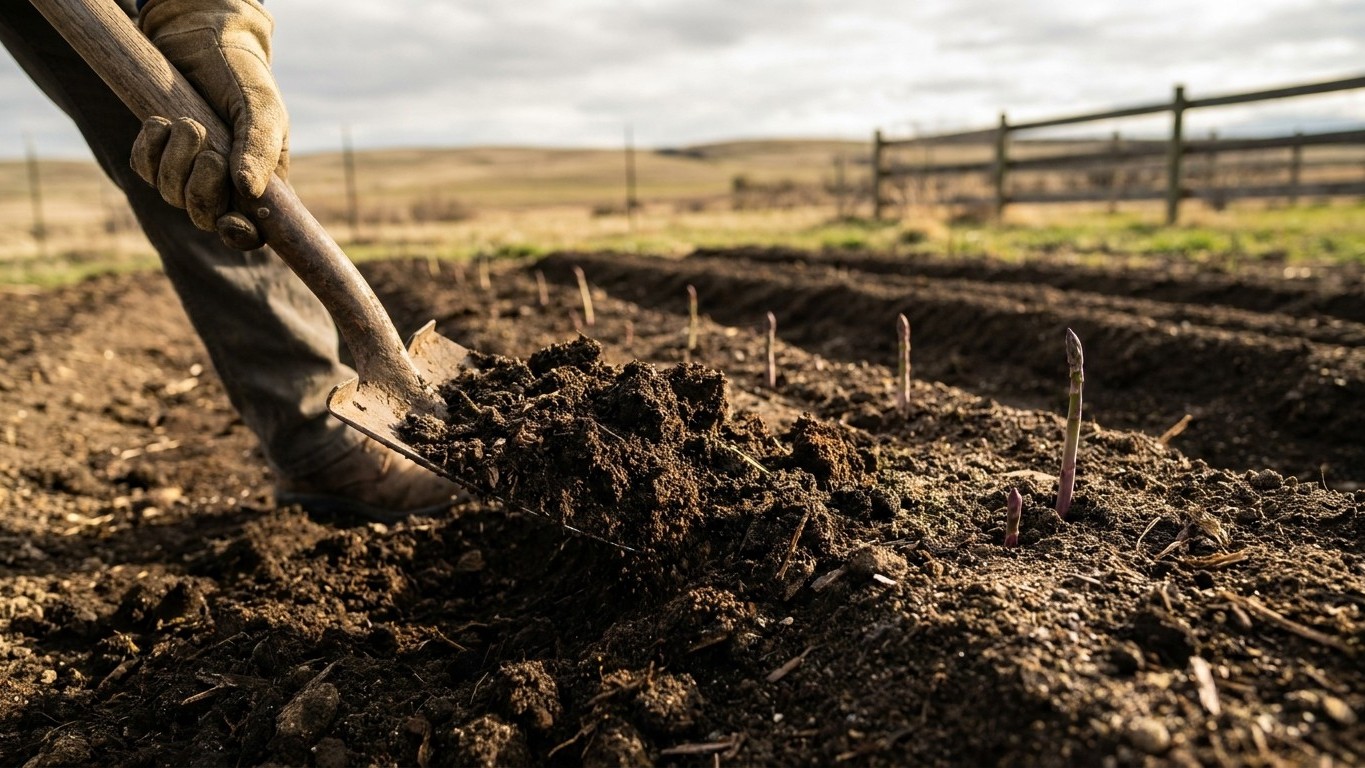
Yes, asparagus can be grown in Alaska, but the state’s representative soil is poorly drained, and that single fact matters more than climate ever will.
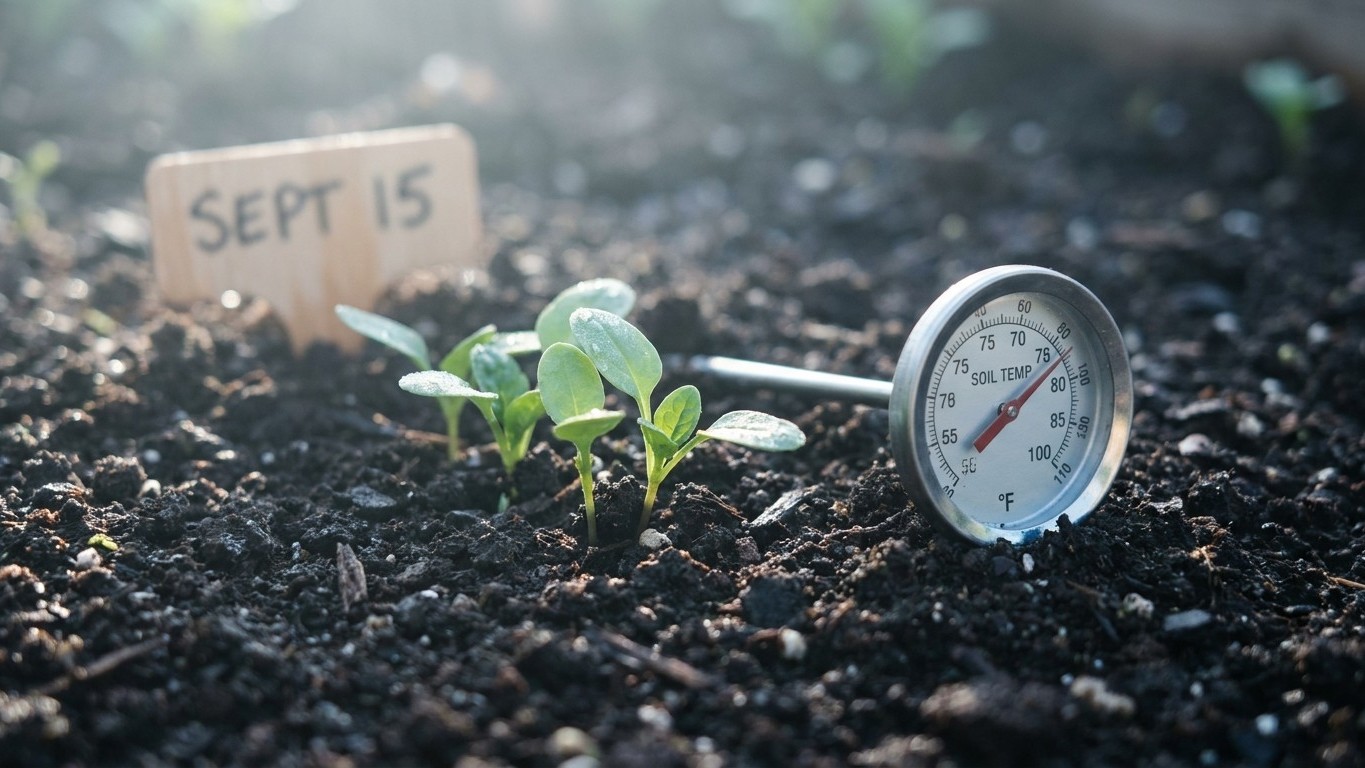
In Anchorage, autumn spinach goes into the ground roughly between July 9 and August 3, counting back 50 to 75 days from a harvest target just ahead of…
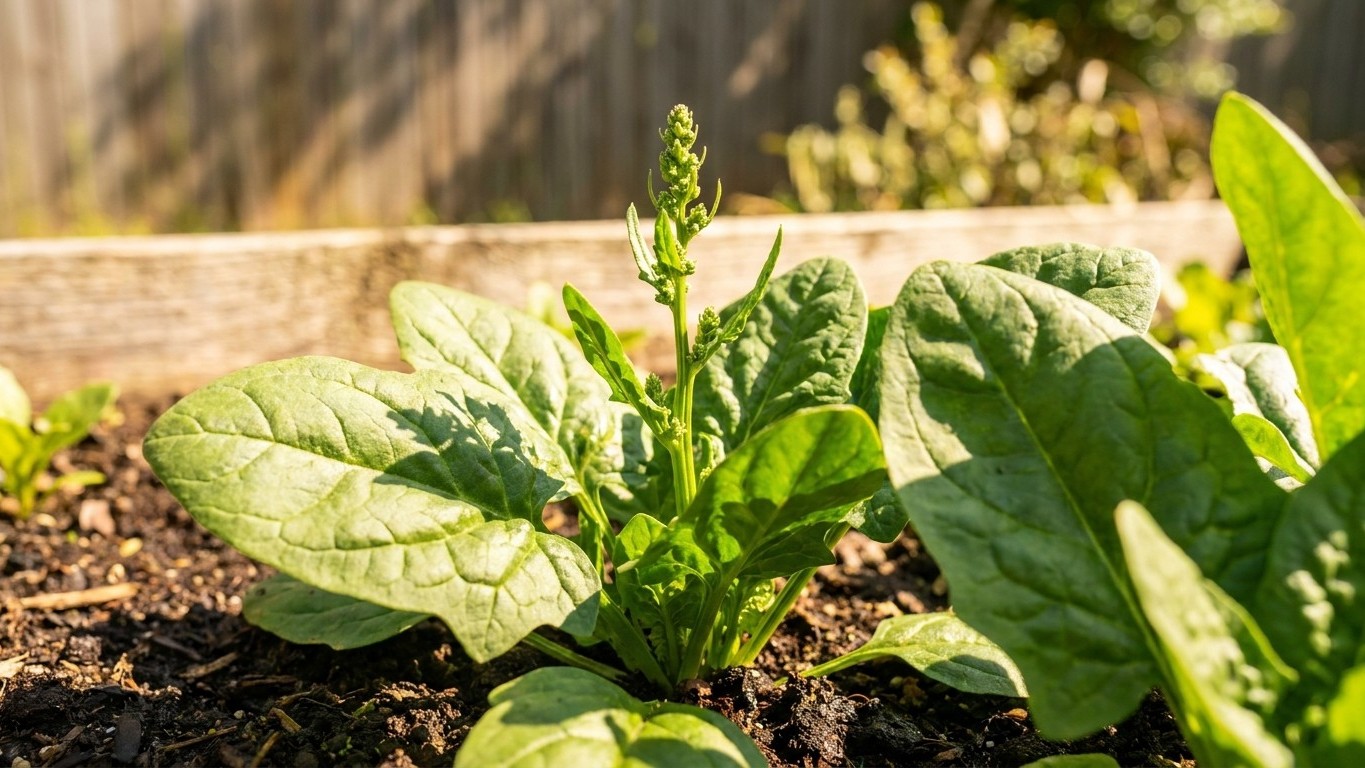
Yes, spinach in Anchorage bolts early regardless of how mild the summer feels, and heat has almost nothing to do with it.
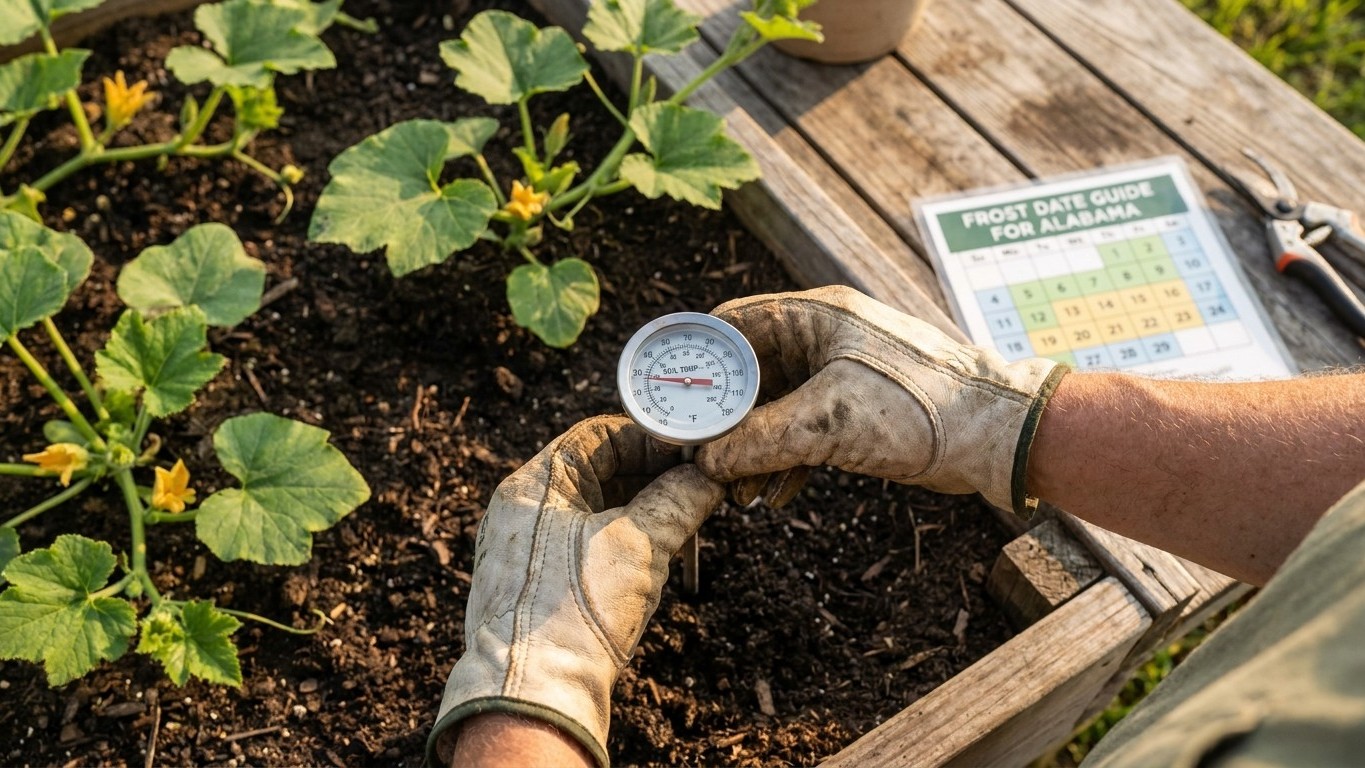
Sow pumpkins in Alaska once the soil, not the air, reaches 65°F, which in most of the state pushes actual sowing into early-to-mid June.
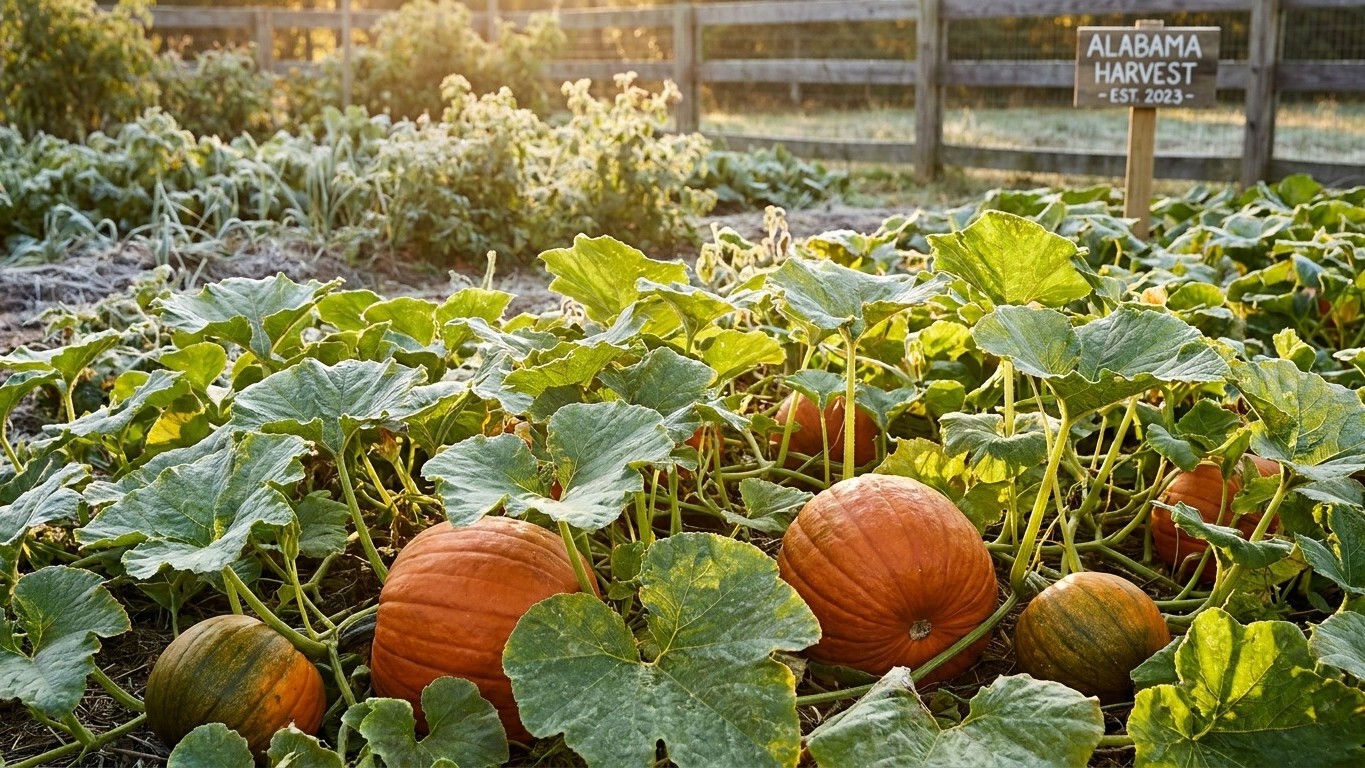
Anchorage and the milder coastal pockets of Alaska can ripen a pumpkin before frost, but only if the flower opens inside a narrow window in late summer…
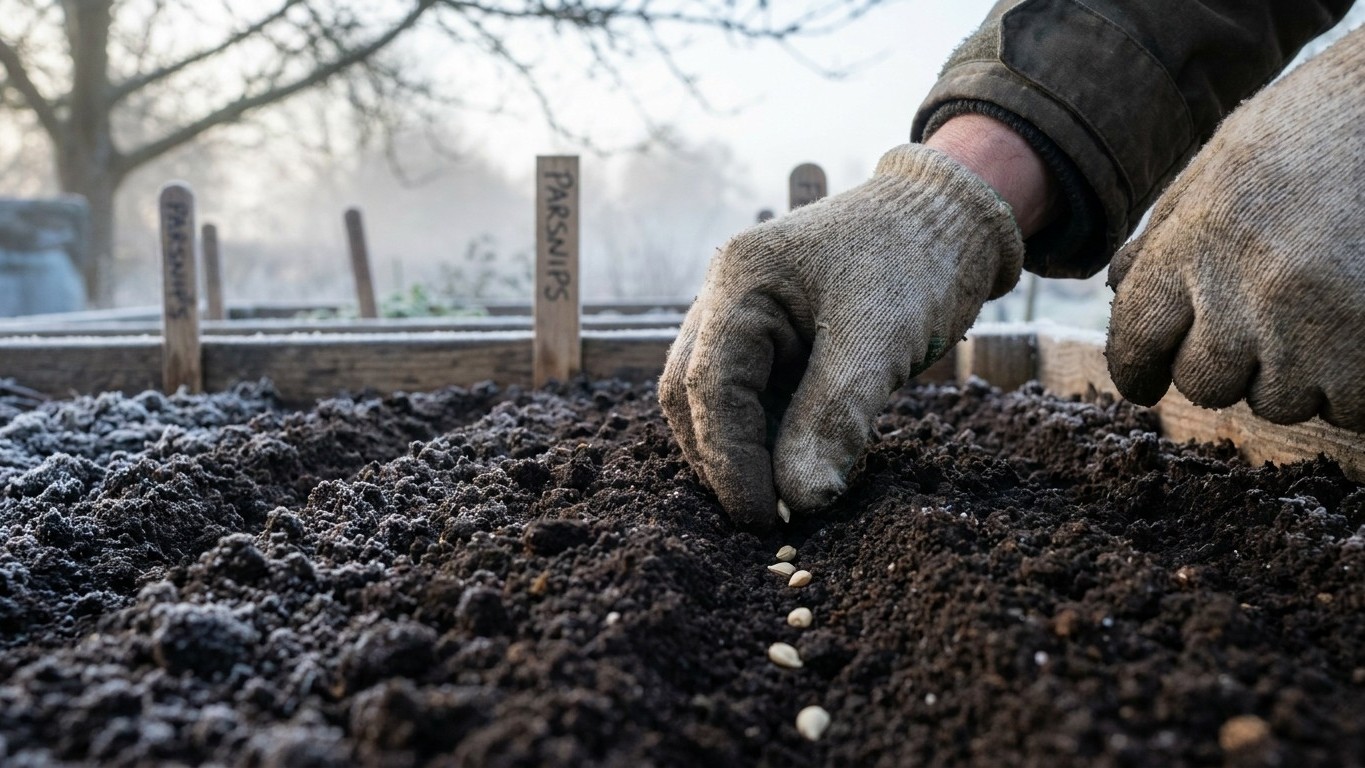
In the Anchorage area, sow parsnip seed directly into the garden bed from mid-April to late April, roughly two to three weeks before the average last…
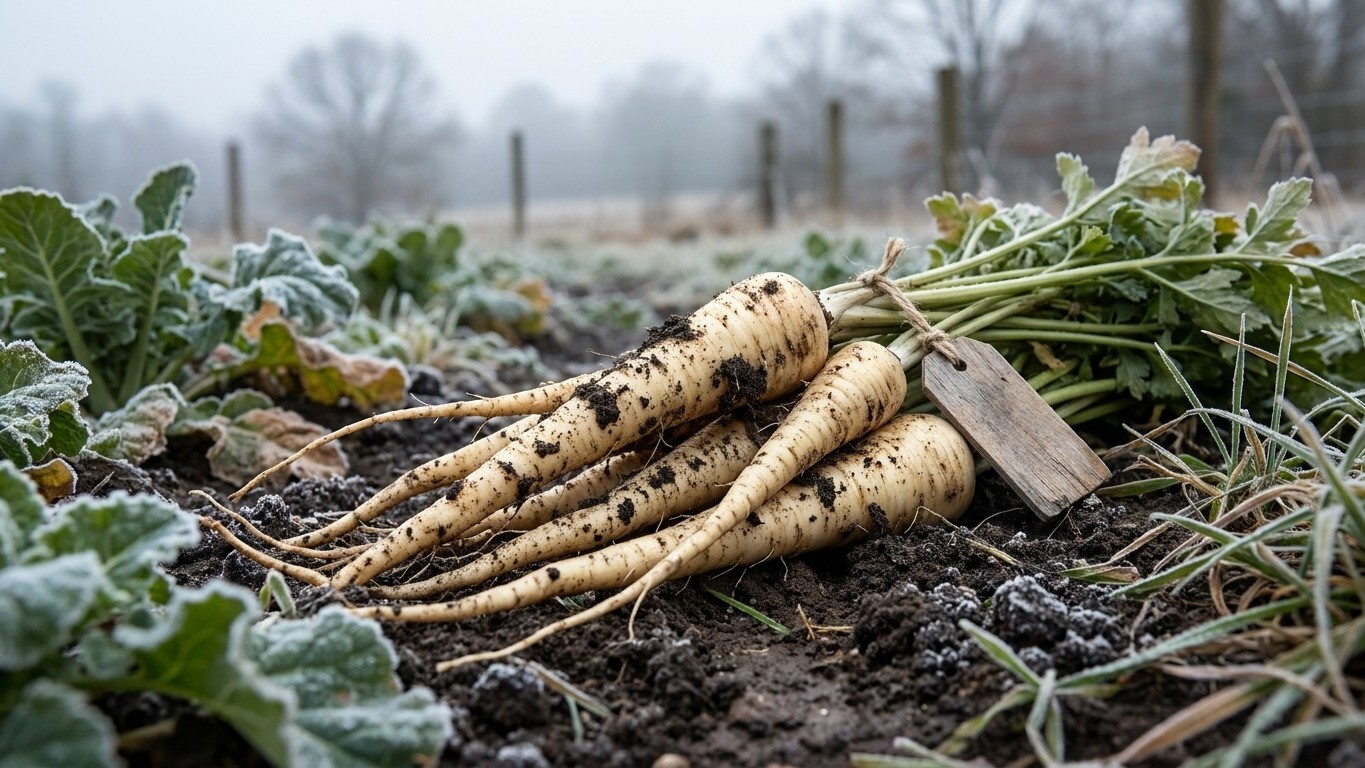
Yes, but the frost has to actually reach the roots before the ground locks up for the year.