Harvesting and Storing Potatoes in Alaska
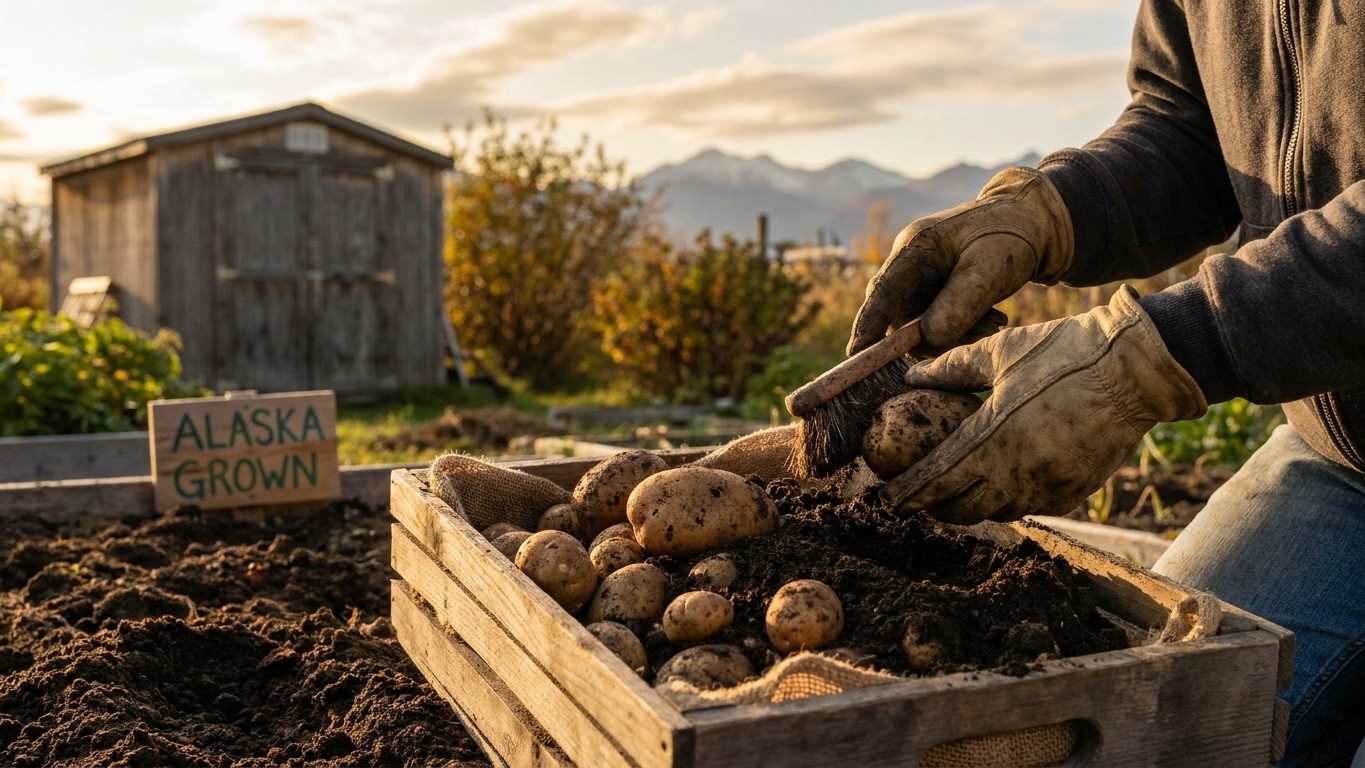
Alaska growers, especially around Anchorage, need to have potatoes out of the ground before the first fall frost, which NOAA NCEI Climate Normals place…
Home & garden, state by state
Everything we have worked out for Alaska: what to plant and when, which varieties finish in time, the pests that actually turn up here, and the jobs that pay off month by month. We also cover the rest of the property, from lawns and soil to home care and energy, because a garden rarely stops at the vegetable bed.
The numbers first, because everything else follows from them. Measured at the weather station in Anchorage, the last spring freeze runs May 3 to May 12 and the first fall freeze runs September 22 to October 1, USDA zones 1a-8a, 917 growing degree days in the year.
That is little accumulated warmth: tomatoes need a tunnel or a greenhouse here, whatever the frost dates suggest. Garlic does well: 34.8 weeks below 40 °F, comfortably past the six it needs to form a proper head.
Elsewhere on the property in Alaska: the pests that turn up here.
Figures from NOAA's 1991-2020 climate normals. A state is not one climate: elevation, a large lake or the coast can move these dates by two weeks either way, so check your own county with the extension service before you spend money.
Alaska growers, especially around Anchorage, need to have potatoes out of the ground before the first fall frost, which NOAA NCEI Climate Normals place…
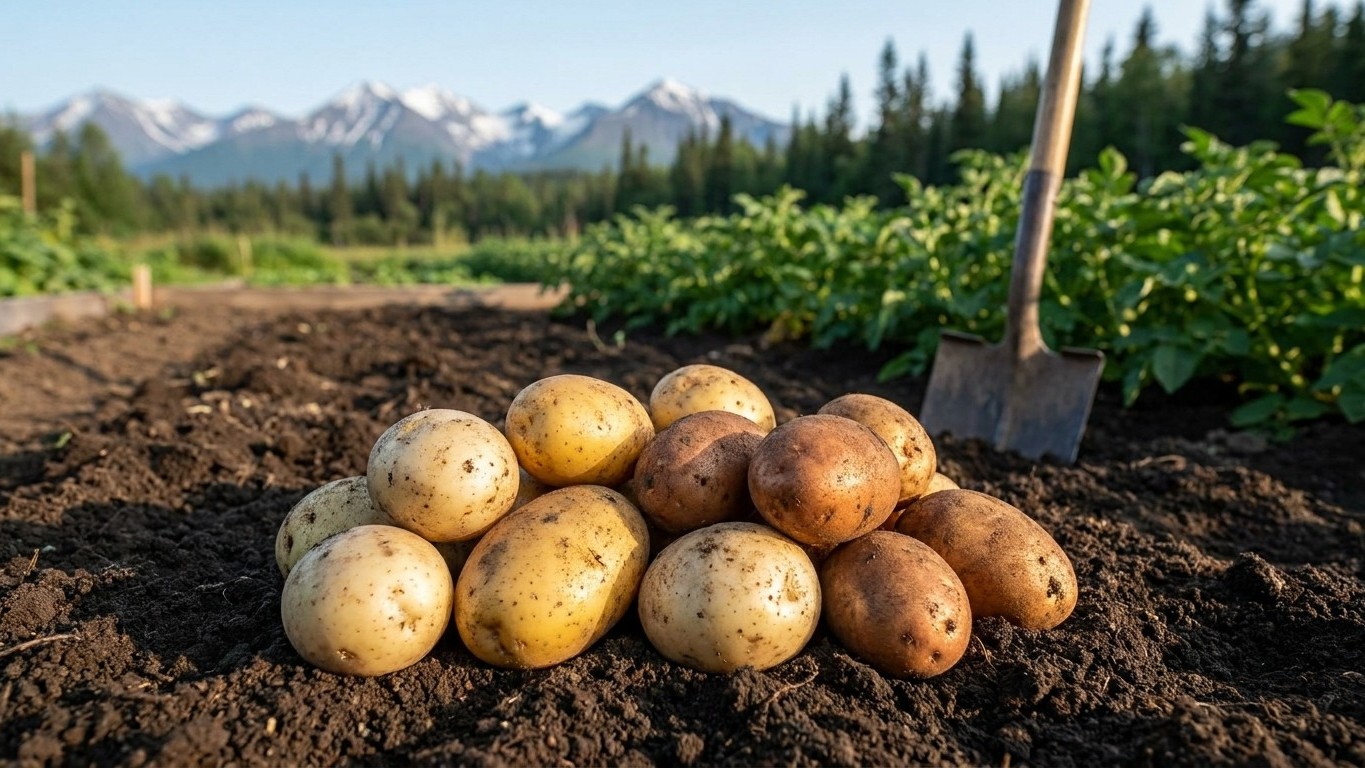
Alaska’s short growing season favors early and mid-season potato varieties bred for cool soil and quick tuber set, not the long-season types grown in…
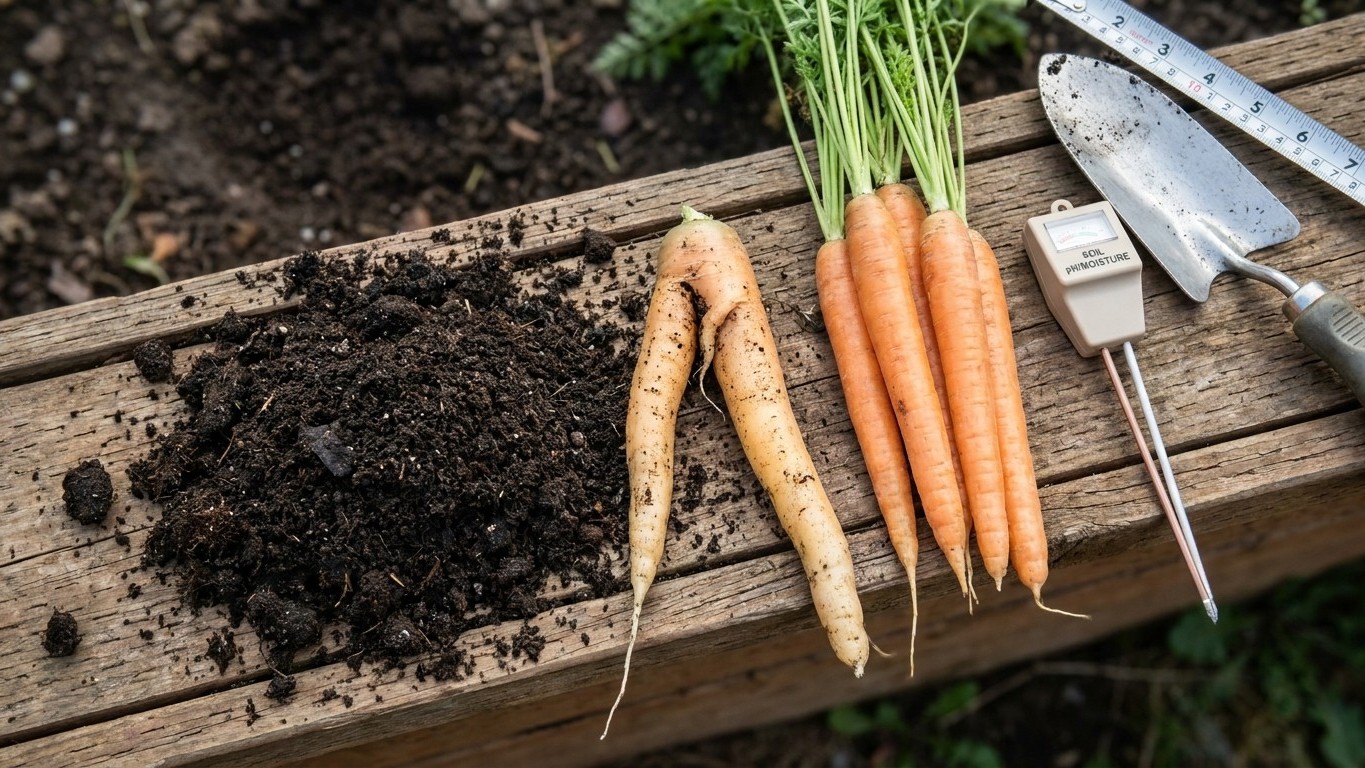
Alaska’s cold, acidic, poorly drained ground is not carrot-friendly by default, and the state’s signature soil actively encourages forked roots.
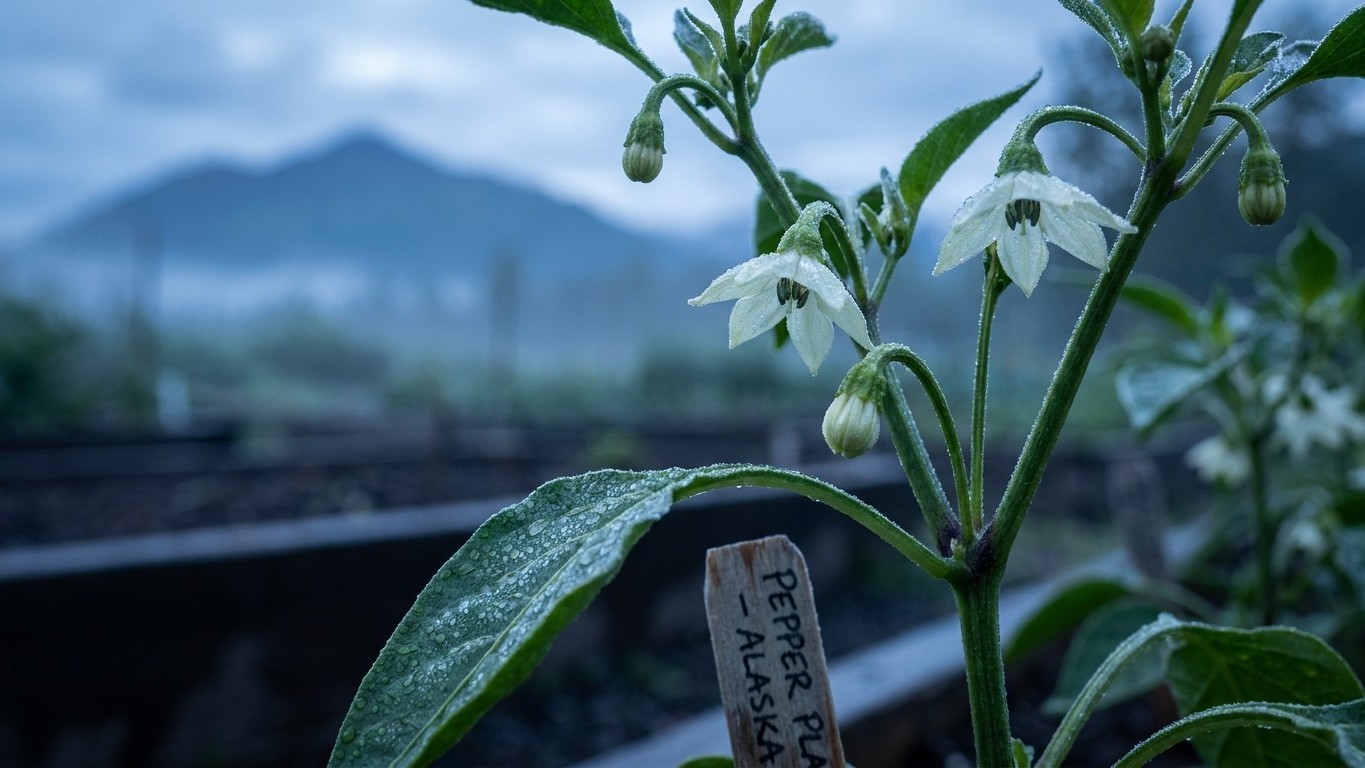
In Anchorage, the reference station for this state’s climate data shows essentially zero days a year at or above 90 F, so heat-driven blossom drop isn’t…
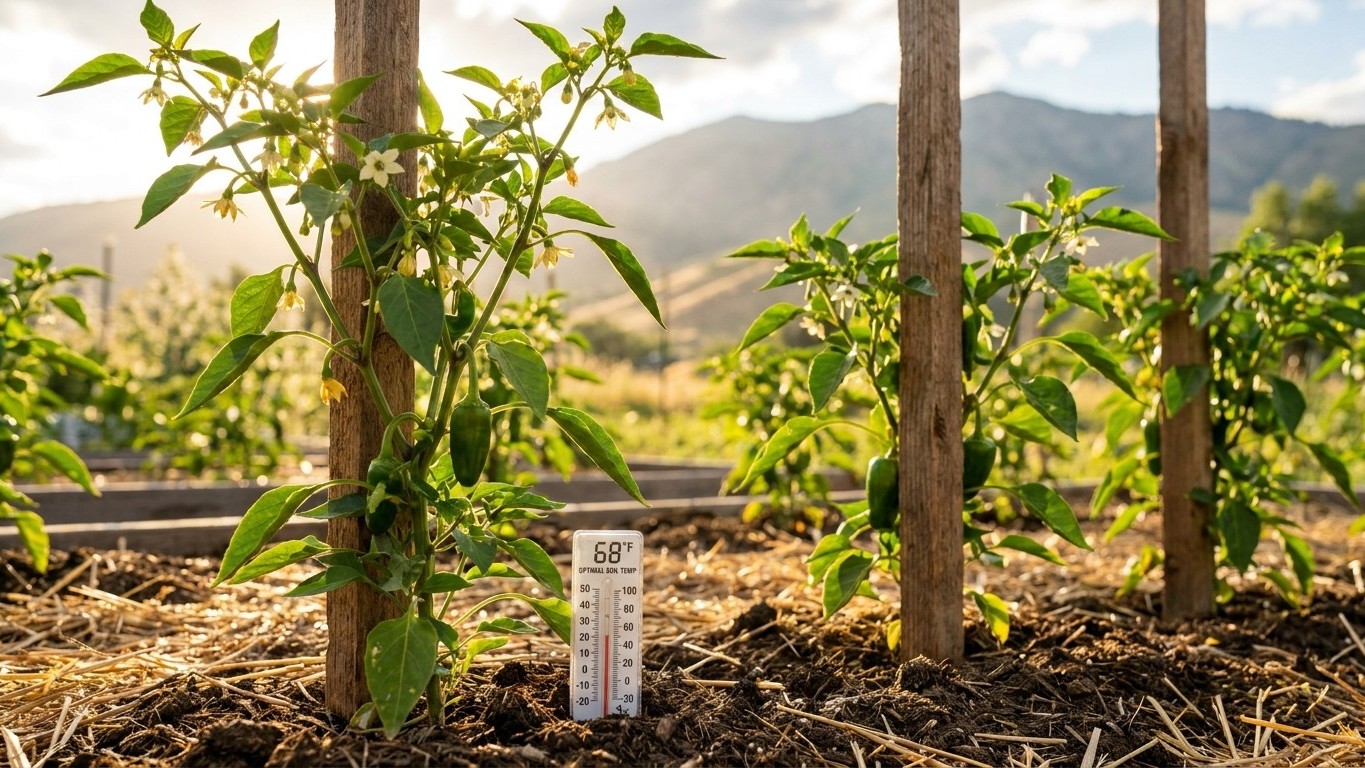
In Anchorage and most of coastal Southcentral Alaska, pepper fruit set has almost nothing to do with heat stress.
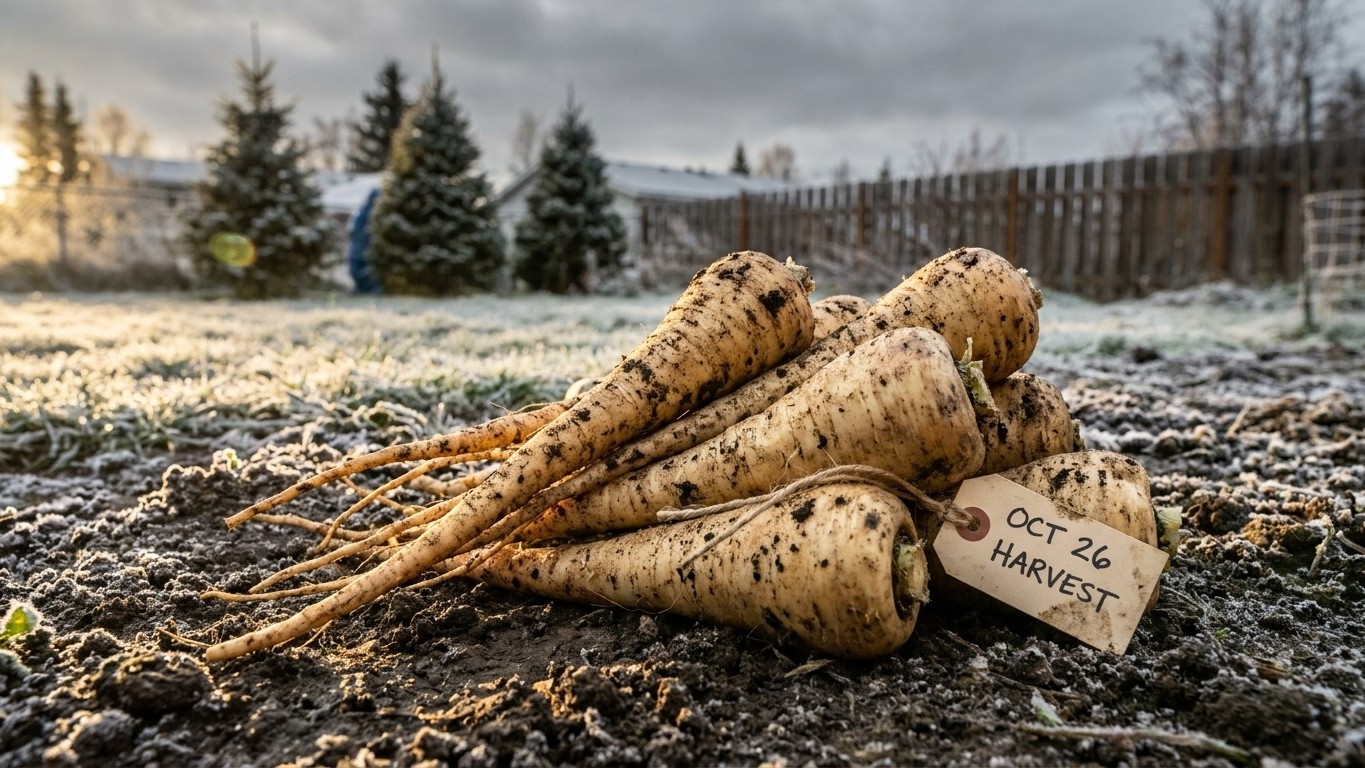
Yes, parsnips grown in the Anchorage area of Alaska will sweeten, and sweeten well.
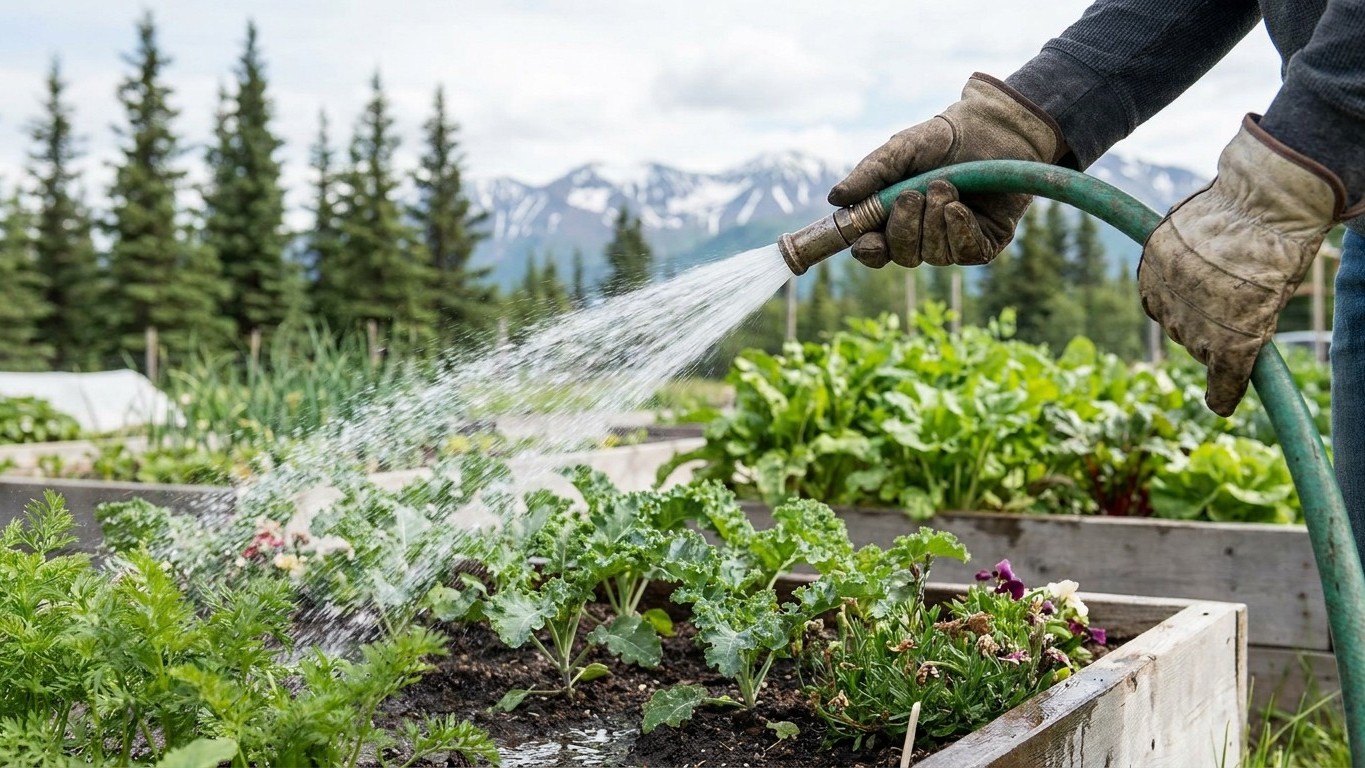
Alaska’s growing season runs cool and short, but the numbers that matter most for a hose in hand are rainfall and heat.
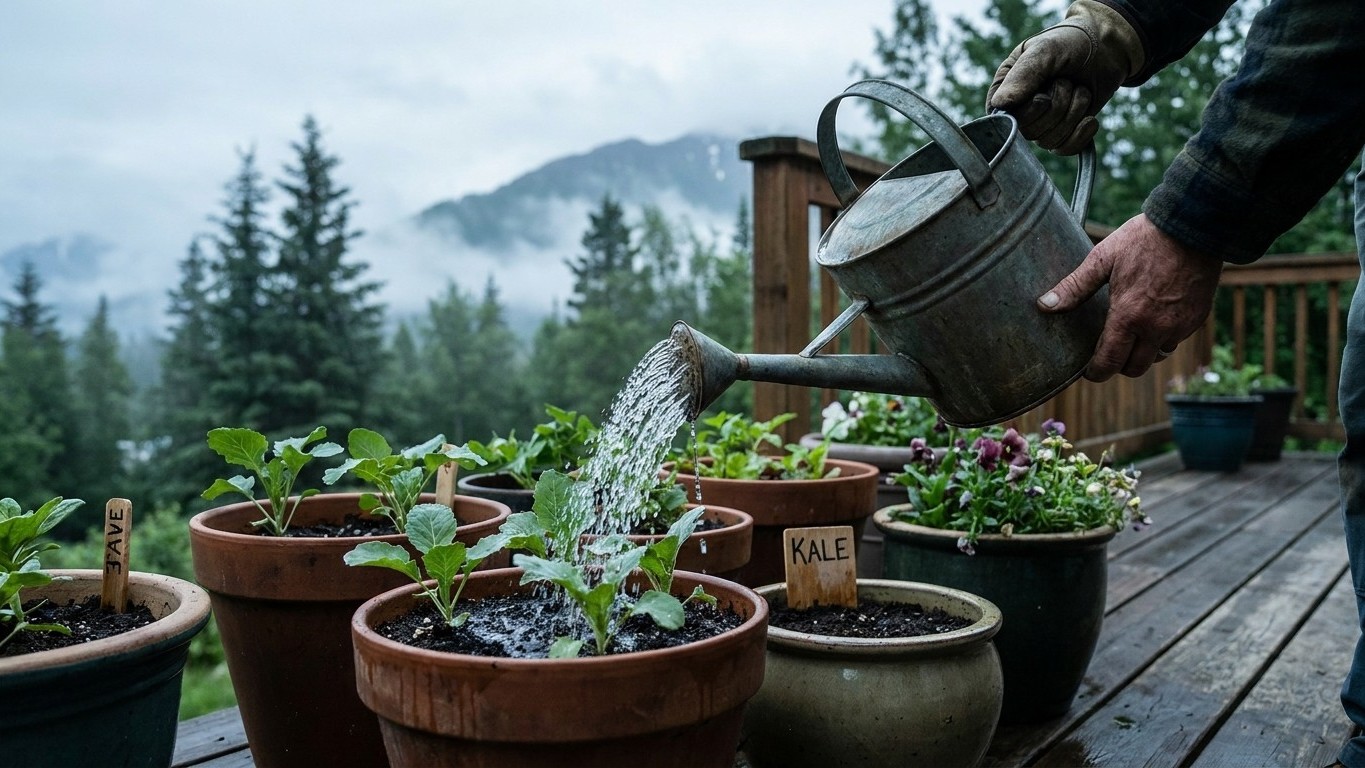
Alaska gardeners aren’t fighting heat, they’re fighting timing. The state’s reference station logs zero days a year at 90F or hotter, so evaporation…
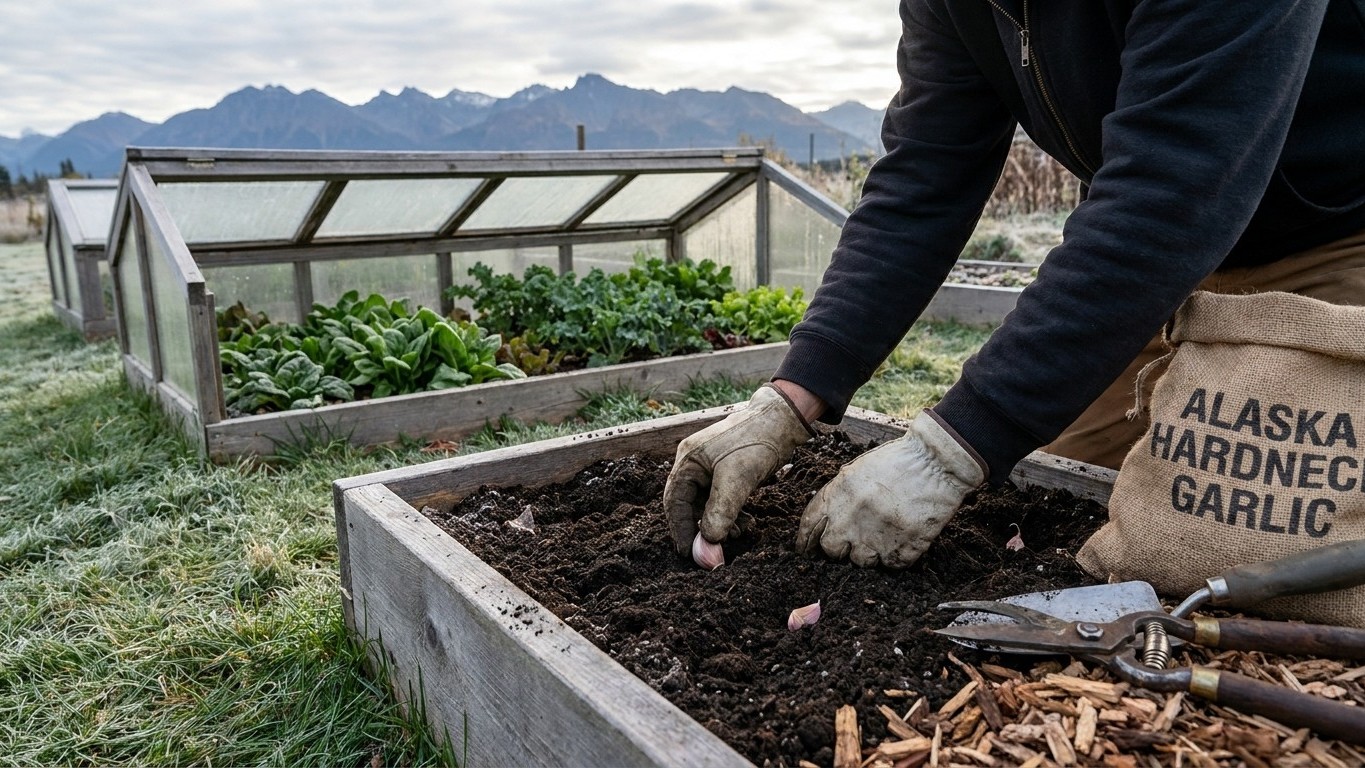
By September, most of Alaska is racing the calendar rather than planting into it.
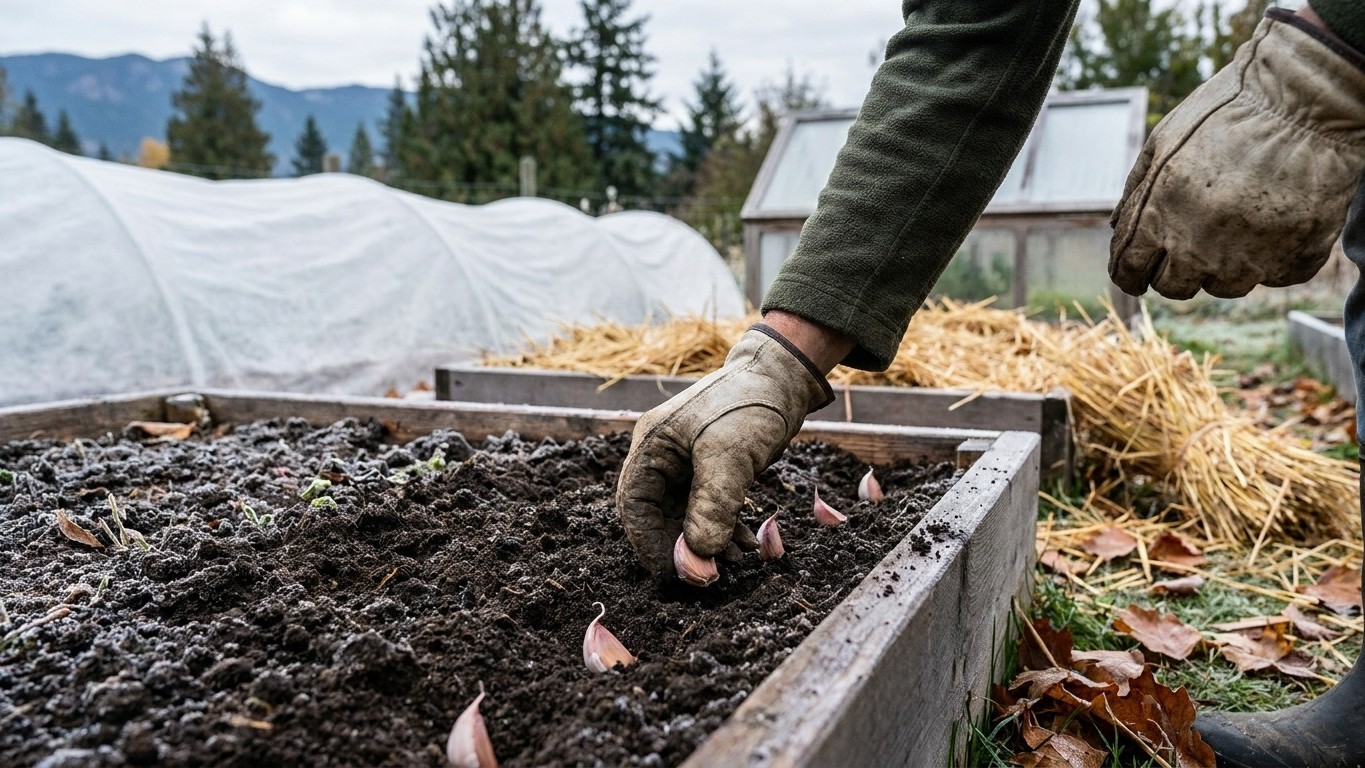
By October, Alaska has already crossed its first fall frost window (September 22 to October 1 in the Anchorage area, per NOAA).