When to Sow Sweet Corn in Arkansas
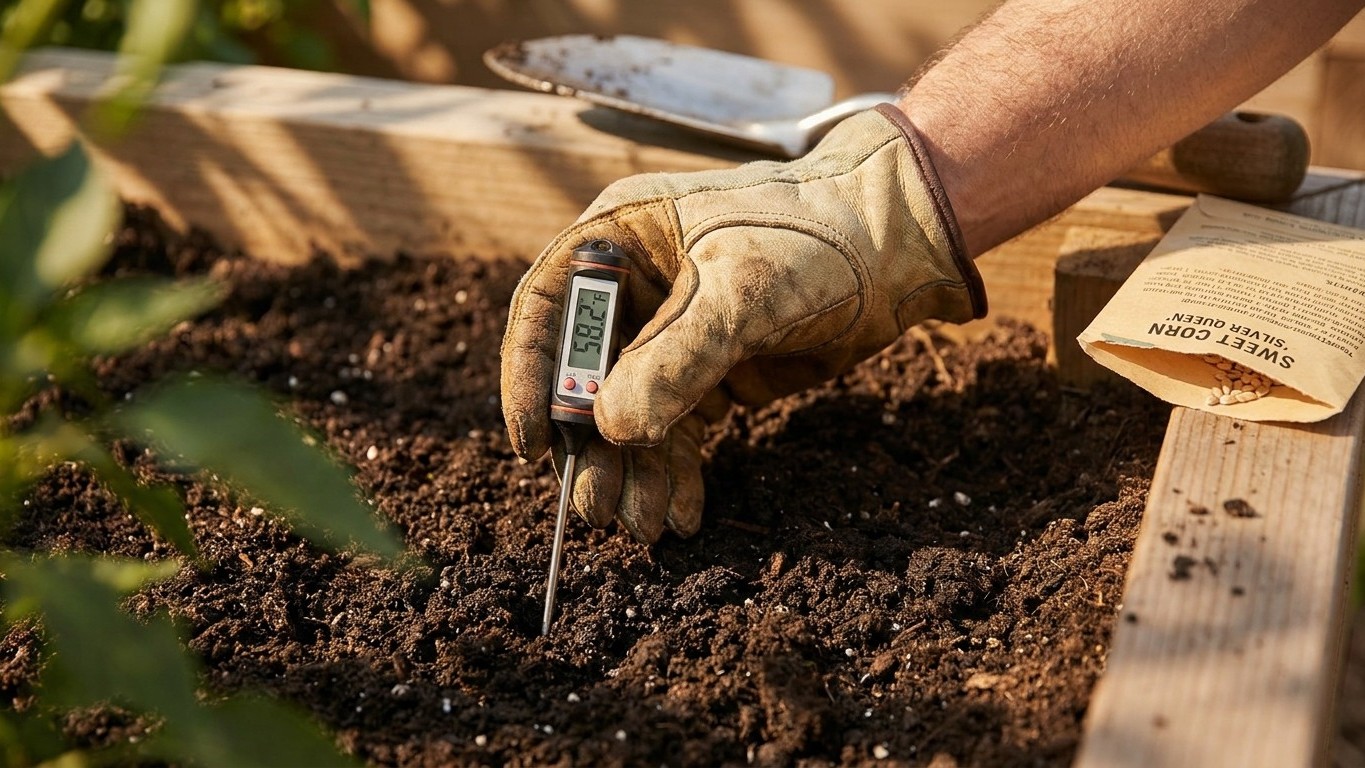
In Arkansas, sweet corn goes into the ground once soil temperature climbs above 60°F, and that milestone usually shows up well after the last spring…
Home & garden, state by state
Everything we have worked out for Arkansas: what to plant and when, which varieties finish in time, the pests that actually turn up here, and the jobs that pay off month by month. We also cover the rest of the property, from lawns and soil to home care and energy, because a garden rarely stops at the vegetable bed.
The numbers first, because everything else follows from them. Measured at the weather station in Little Rock, the last spring freeze runs March 12 to March 28 and the first fall freeze runs November 7 to November 20, USDA zones 6b-8a, 5,606 growing degree days in the year.
Garlic does well: 13 weeks below 40 °F, comfortably past the six it needs to form a proper head.
Elsewhere on the property in Arkansas: the pests that turn up here.
Figures from NOAA's 1991-2020 climate normals. A state is not one climate: elevation, a large lake or the coast can move these dates by two weeks either way, so check your own county with the extension service before you spend money.
In Arkansas, sweet corn goes into the ground once soil temperature climbs above 60°F, and that milestone usually shows up well after the last spring…
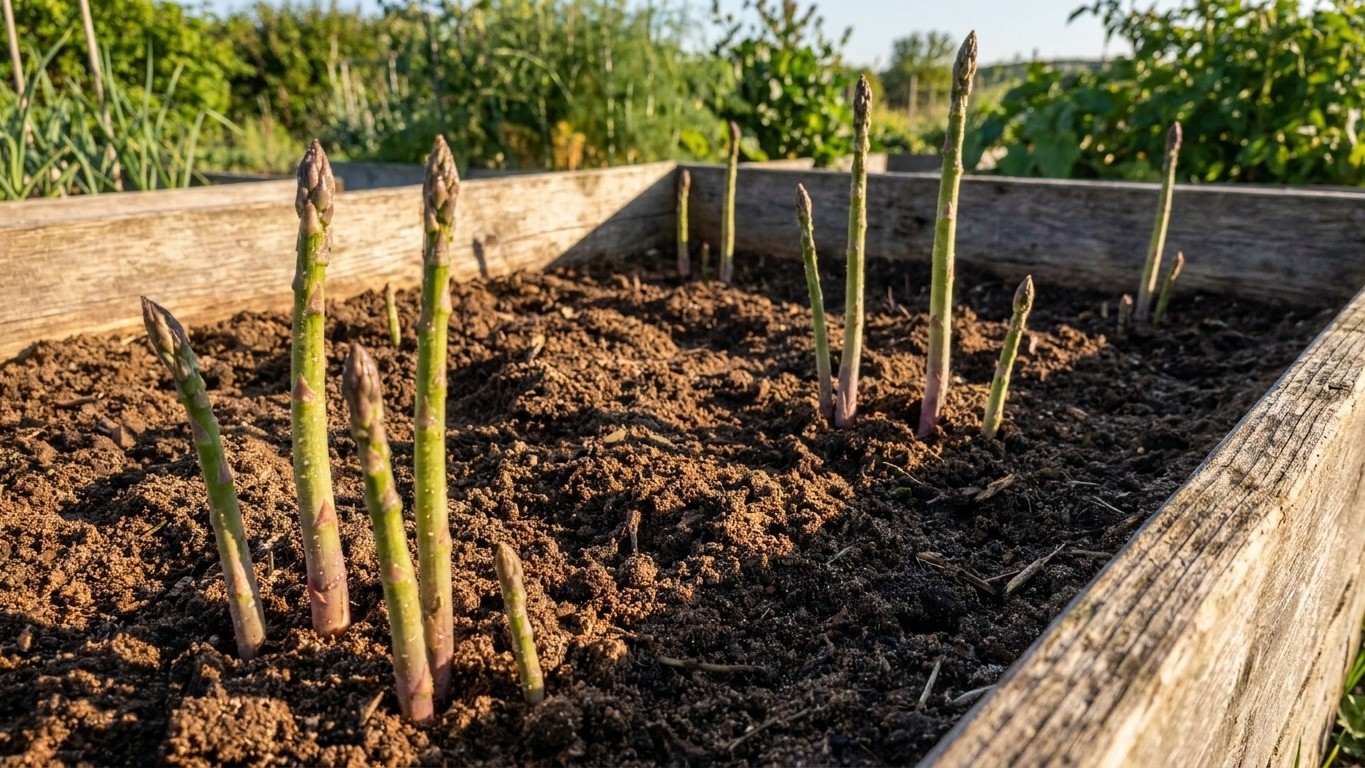
The short version: it depends on which patch of ground you’re standing on, not on the state as a whole.
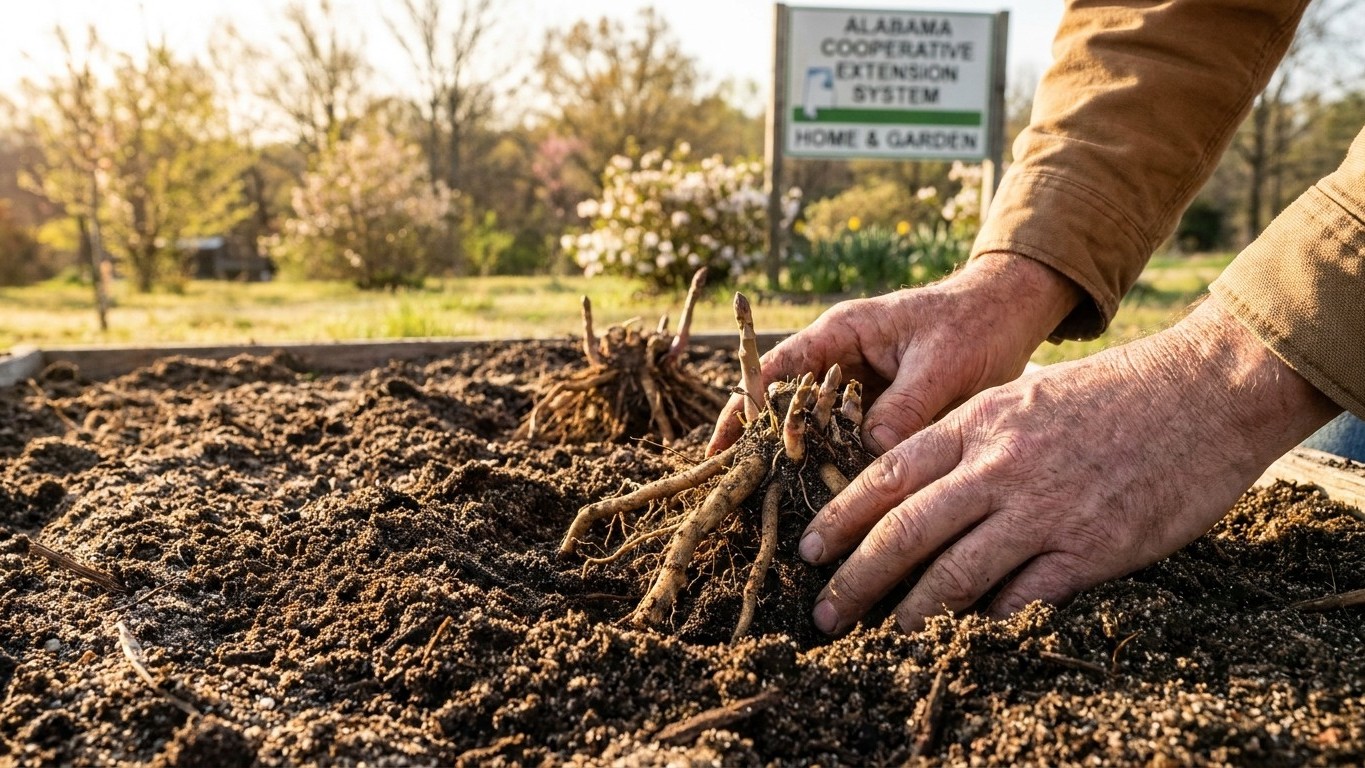
Plant asparagus crowns in Arkansas in early spring, once the soil has warmed and the last hard frost has likely passed.
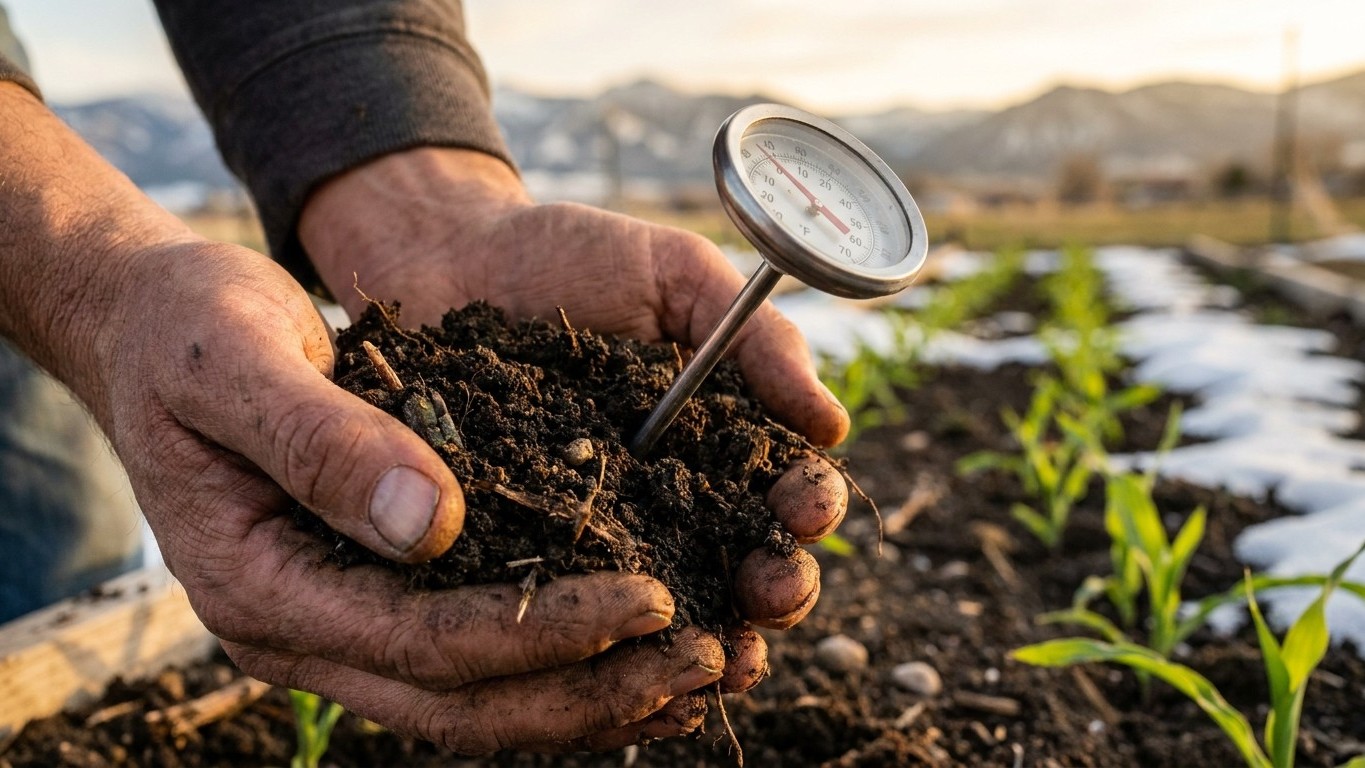
Sweet corn ripens in Arkansas, and the season here is generous enough that timing is rarely the problem.
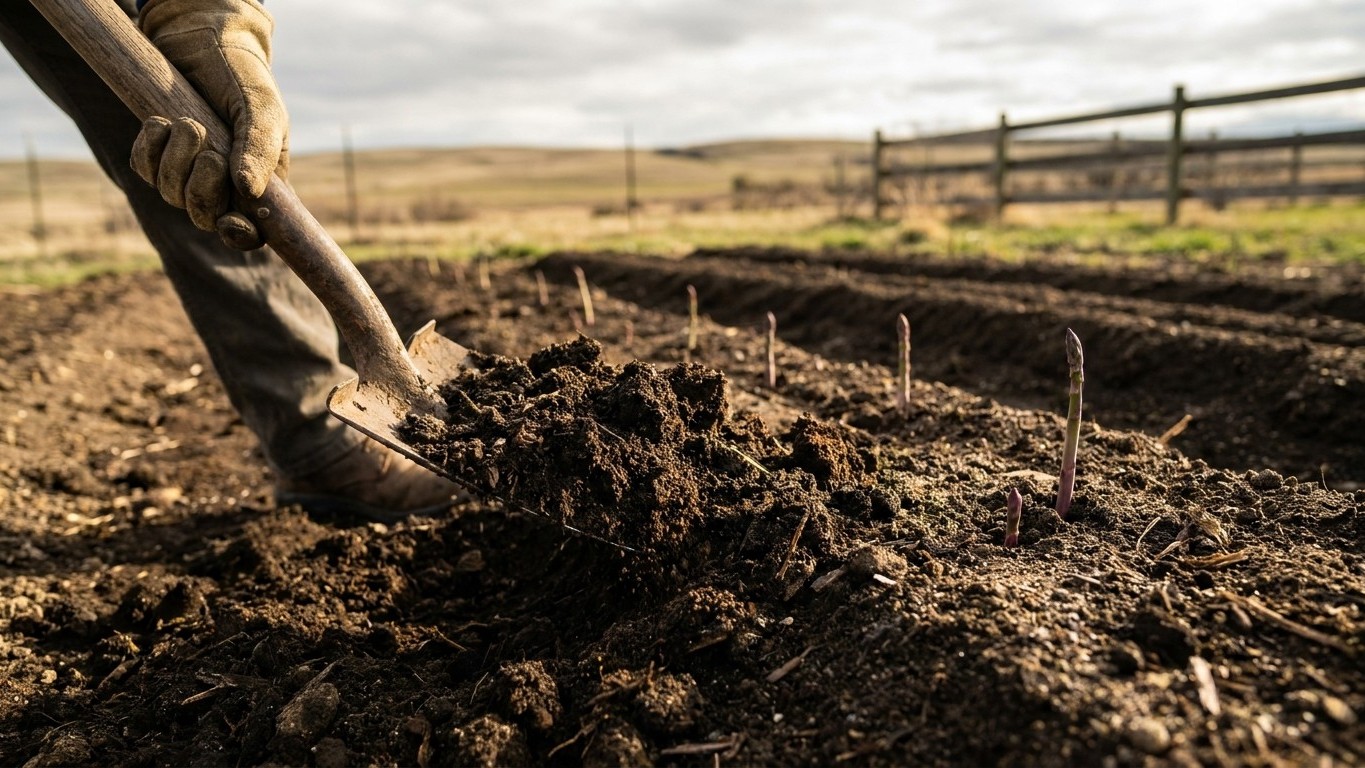
The Stuttgart series, Arkansas’s official state soil, is described by USDA as “somewhat poorly drained.” That single word matters more here than almost…
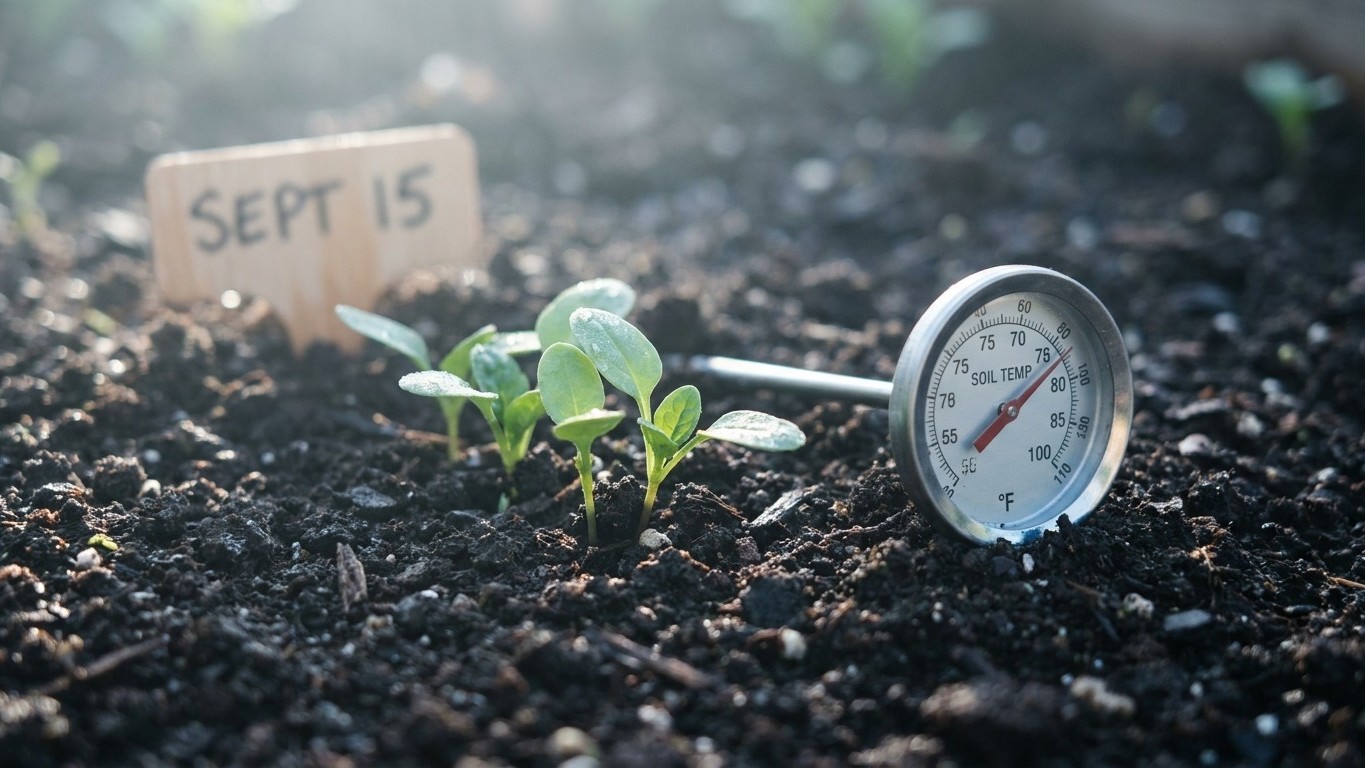
Autumn spinach in Arkansas goes into the ground once the soil cools below that 80°F germination ceiling, usually by mid-to-late September, timed so the…
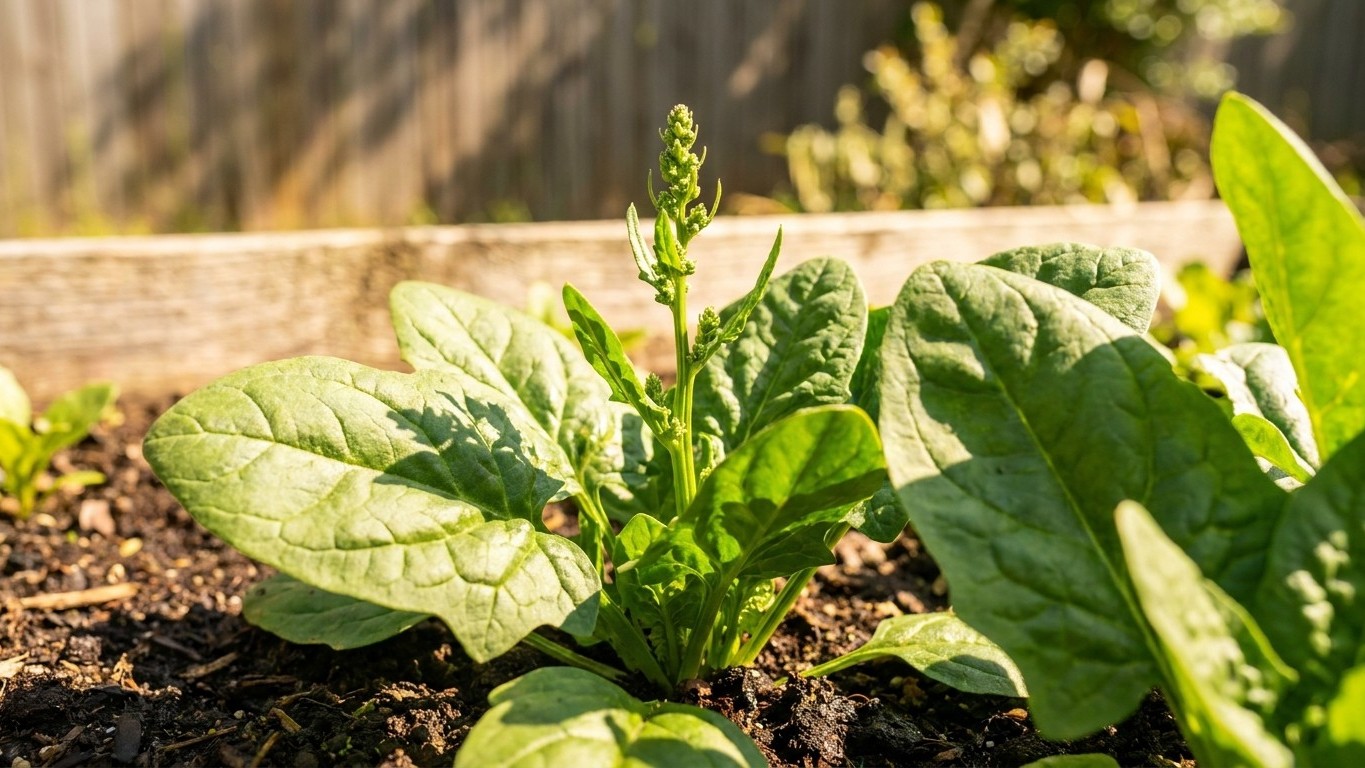
Yes, spinach bolts early almost every spring in Arkansas, and the cause isn’t just the state’s reputation for heat.
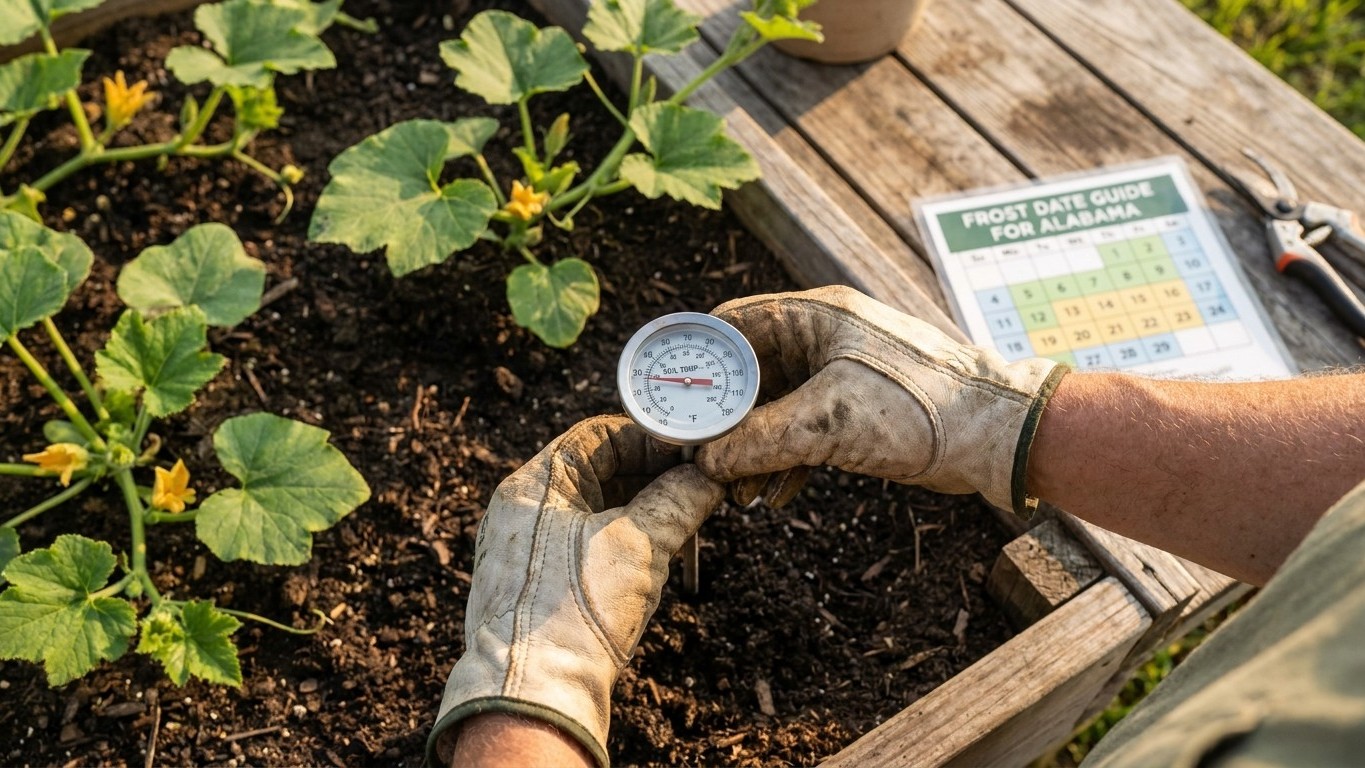
In Arkansas, sow pumpkin seeds once soil temperature reaches 65 F, which lands well after the last spring frost of March 12 to March 28.
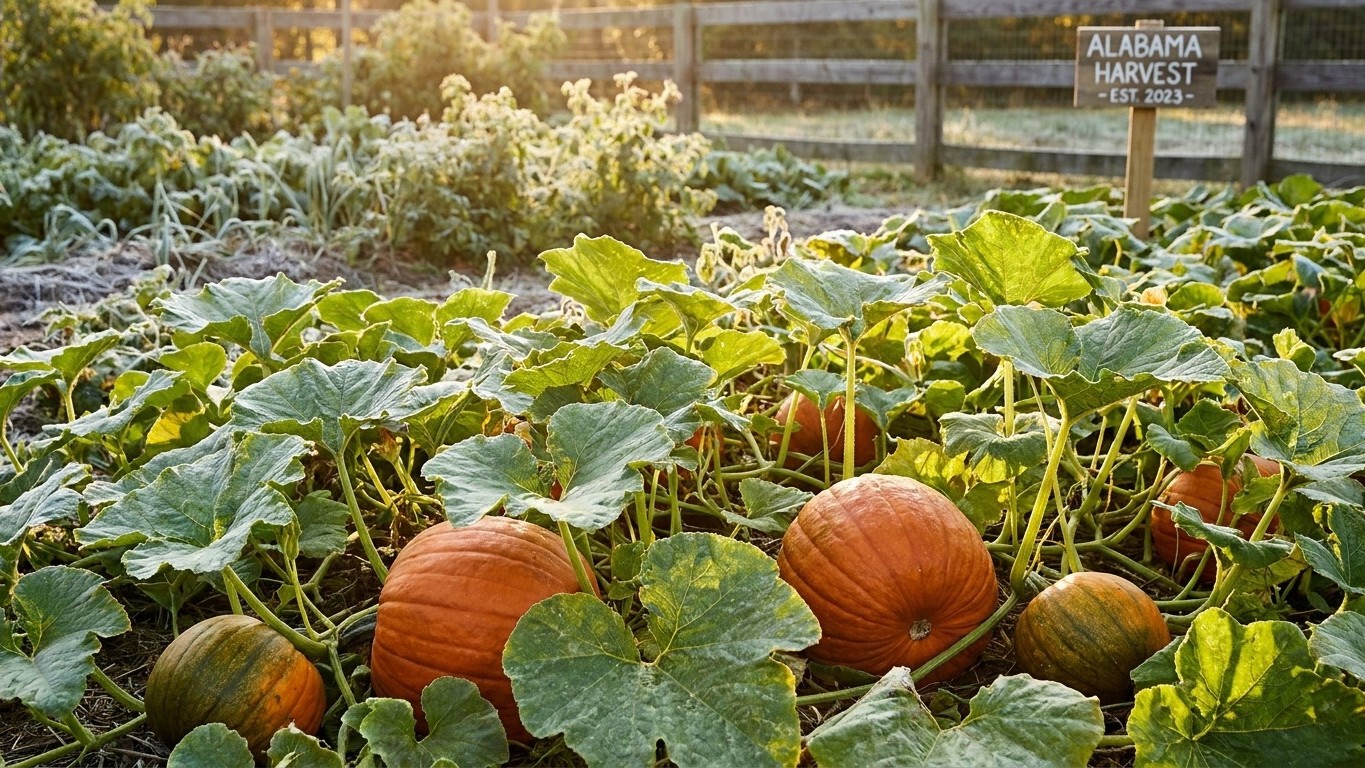
Some years, yes. Arkansas’s first fall frost lands somewhere between November 7 and November 20, and pumpkins need 45 to 55 days from the moment they…
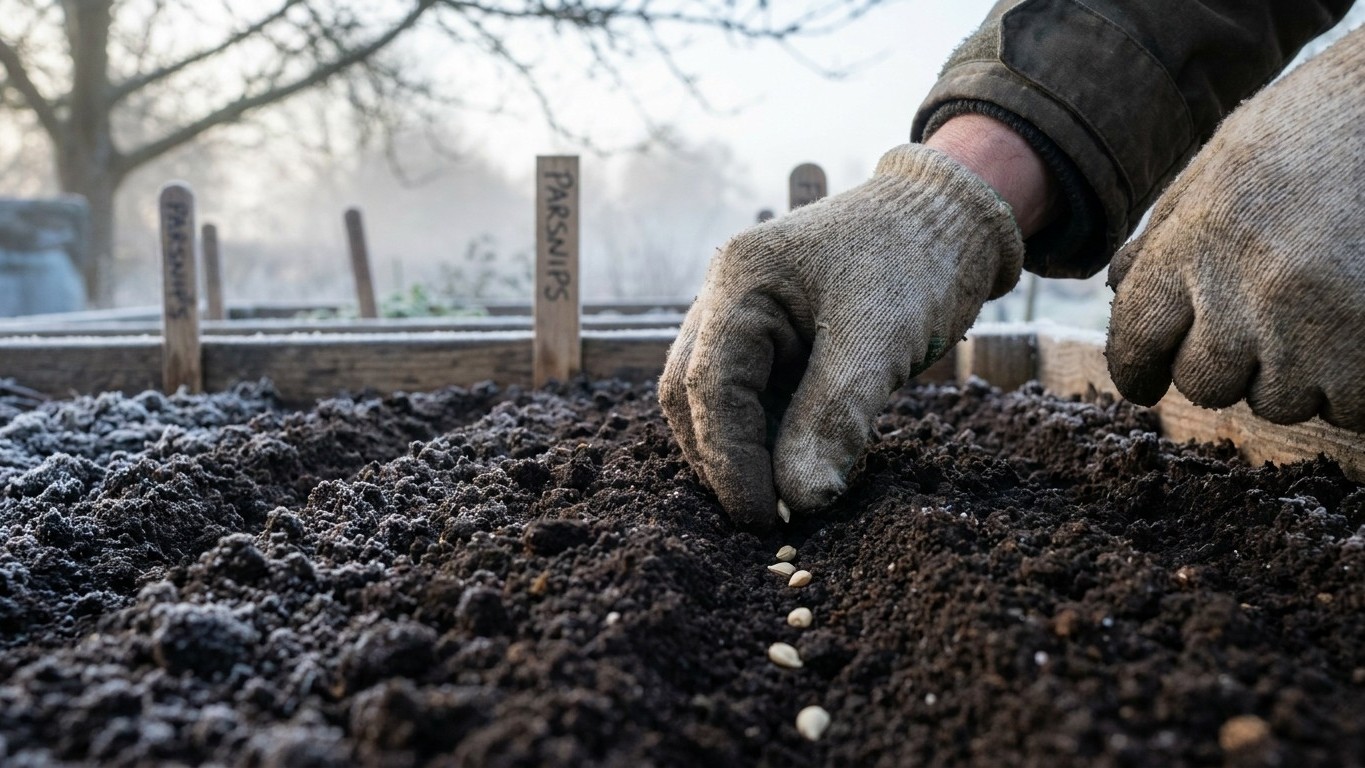
In Arkansas, sow parsnip seed directly in the garden from late February through mid-March, roughly two to three weeks ahead of the state’s last spring…