Roses That Hold Up in British Columbia
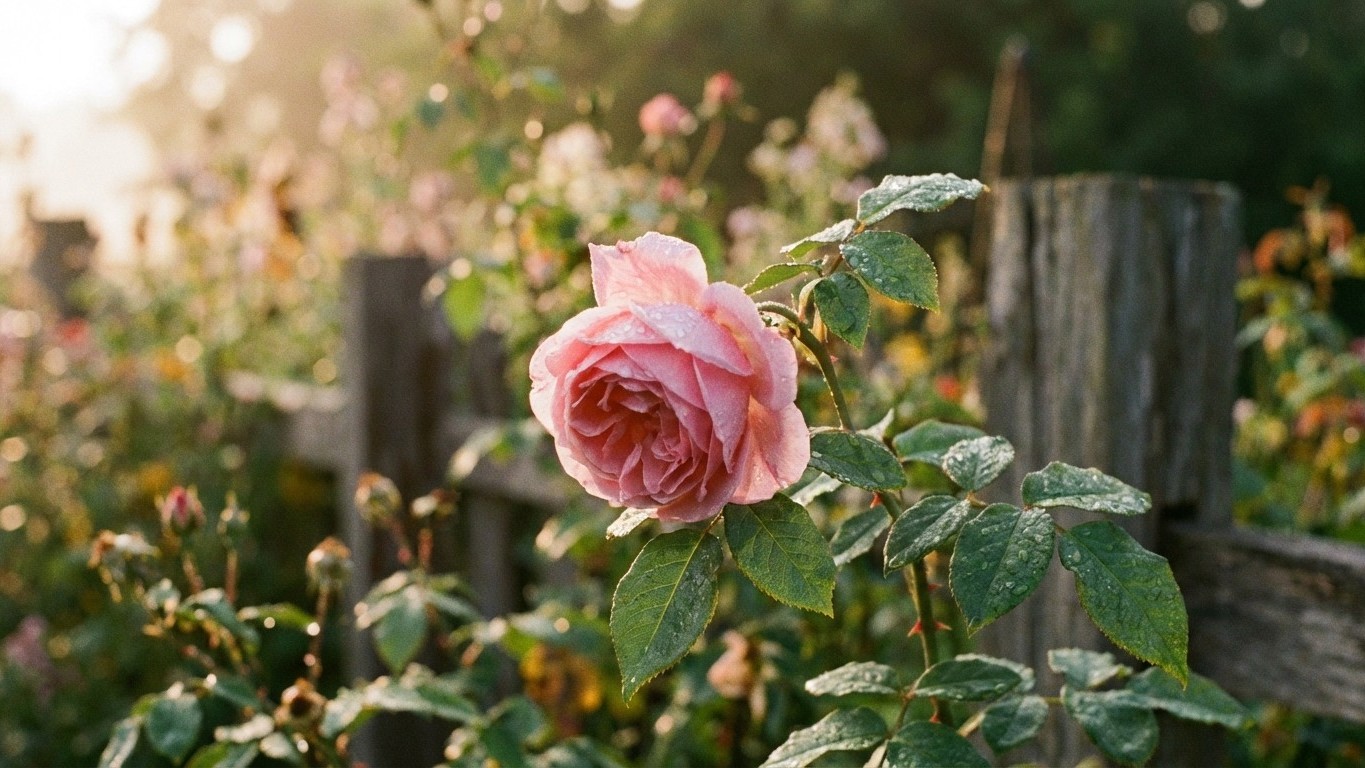
The roses that hold up across British Columbia are tough shrub types on their own roots: rugosas such as Hansa and Therese Bugnet, the Canadian-bred…
Home & garden, state by state
Everything we have worked out for British Columbia: what to plant and when, which varieties finish in time, the pests that actually turn up here, and the jobs that pay off month by month. We also cover the rest of the property, from lawns and soil to home care and energy, because a garden rarely stops at the vegetable bed.
The numbers first, because everything else follows from them. Measured at the weather station in Vancouver, the last spring freeze falls around March 18 and the first fall freeze falls around November 10, 1,738 growing degree days in the year.
That is enough for early varieties, tight for anything late. Garlic does well: 21.8 weeks below 40 °F, comfortably past the six it needs to form a proper head.
Elsewhere on the property in British Columbia: the pests that turn up here.
Figures from Environment and Climate Change Canada. A state is not one climate: elevation, a large lake or the coast can move these dates by two weeks either way, so check your own county with the extension service before you spend money.
The roses that hold up across British Columbia are tough shrub types on their own roots: rugosas such as Hansa and Therese Bugnet, the Canadian-bred…
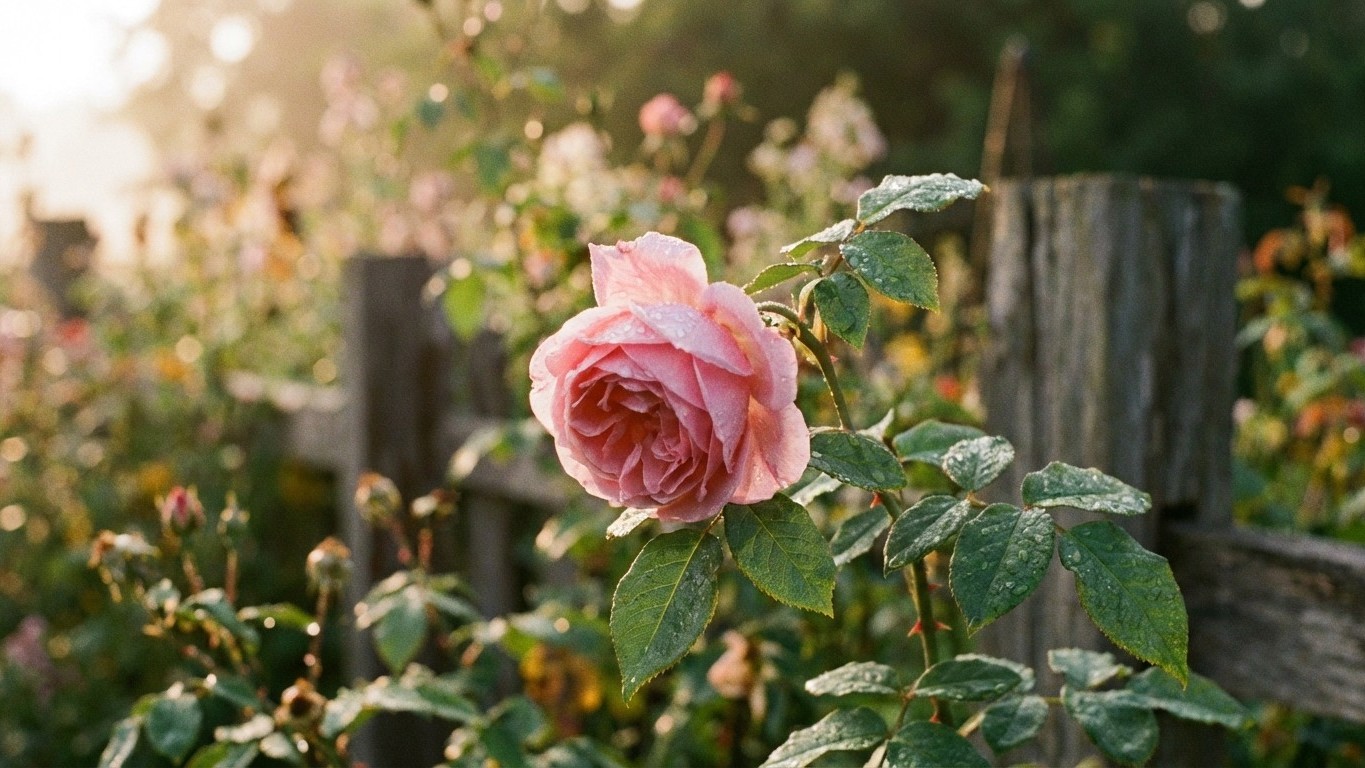
On the south coast, prune repeat-blooming roses from mid-March to early April, once the buds swell and the worst frosts have passed.
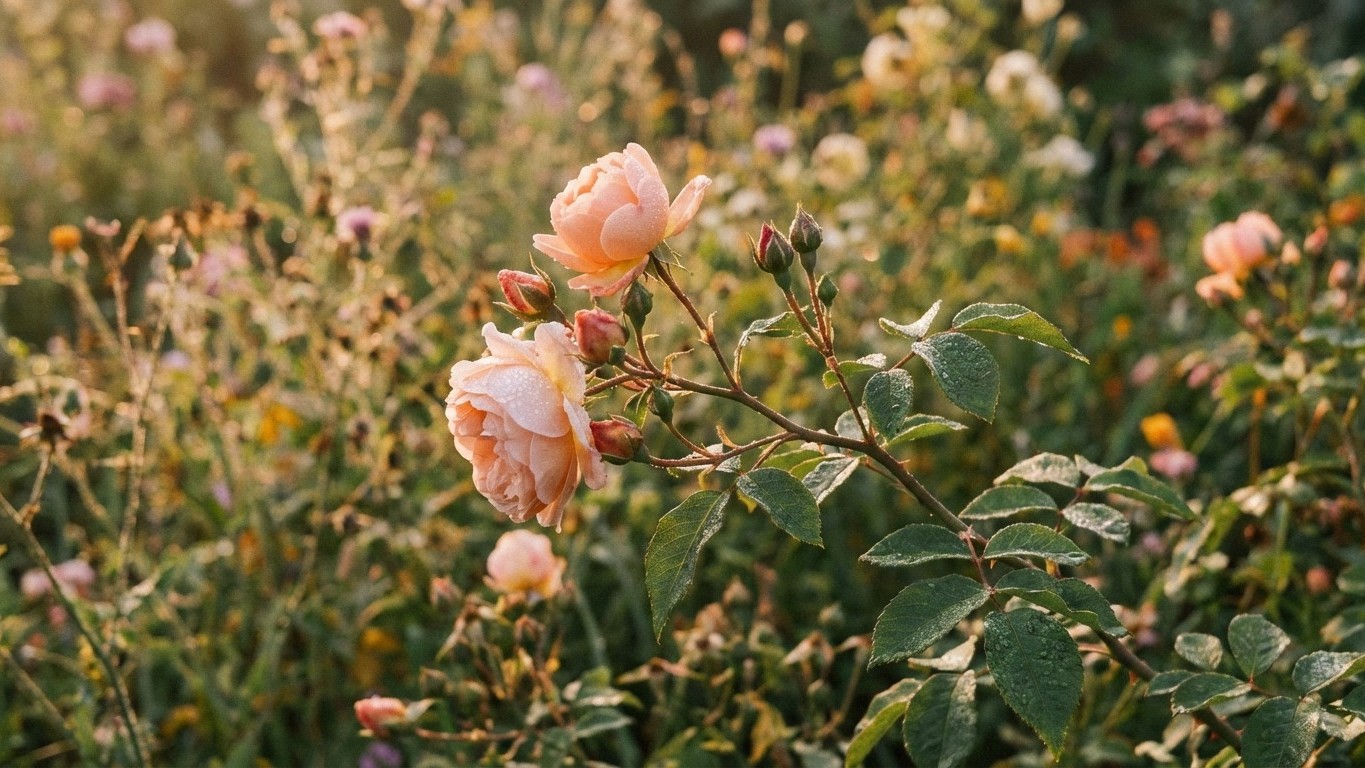
Four fungal diseases do most of the damage to roses in British Columbia: black spot, powdery mildew, downy mildew and rust.
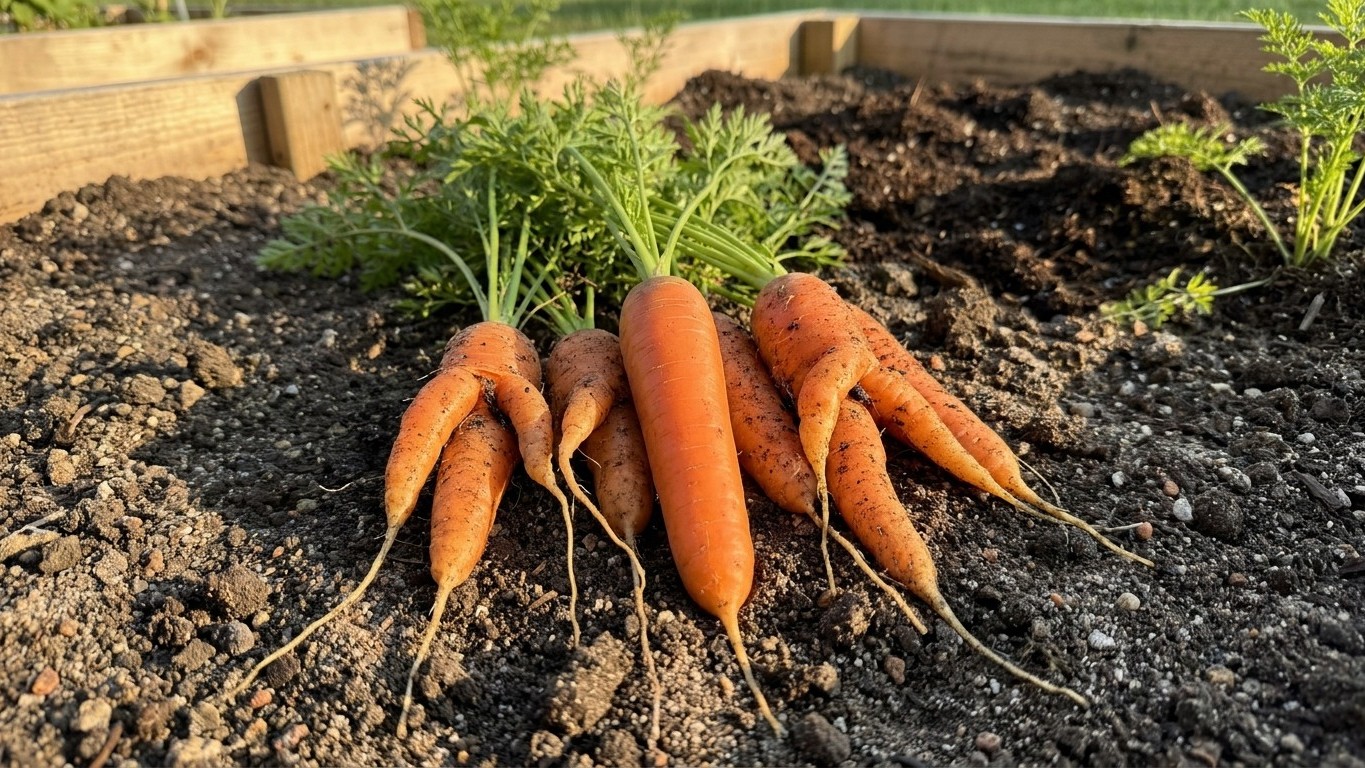
Count 70 to 100 days from the day the seed went into the ground. Carrots are sown in place, so there is no transplant date to start from.
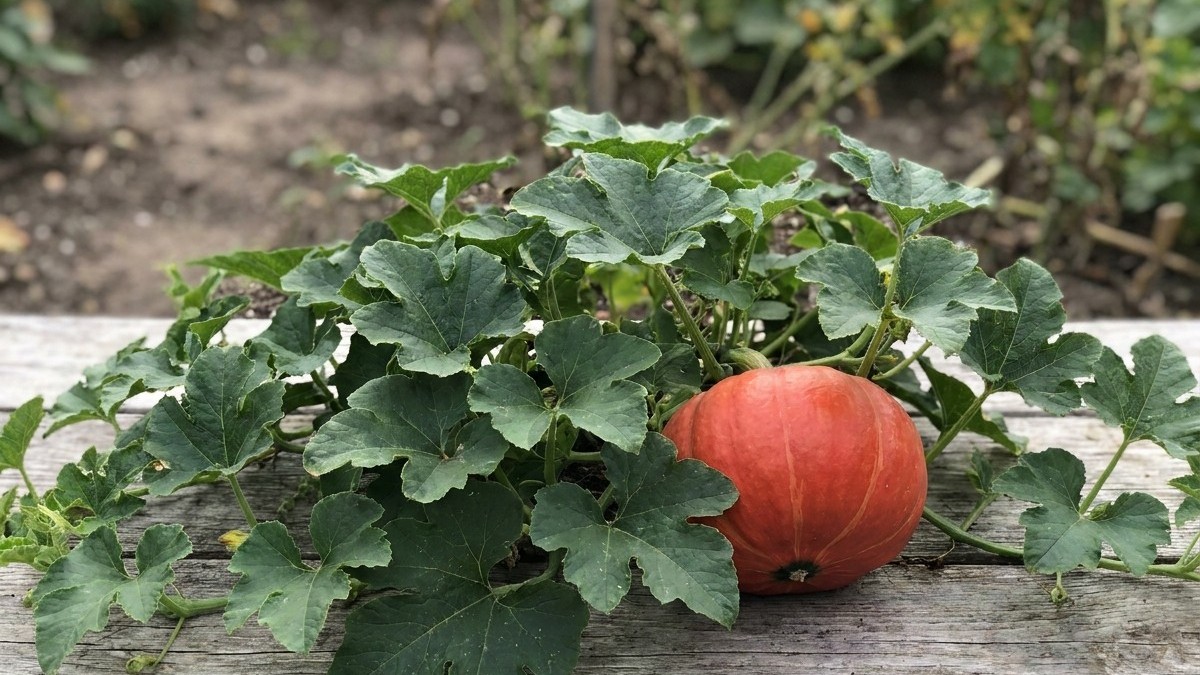
Cut pumpkins in British Columbia before the first fall frost, with the stem still attached.
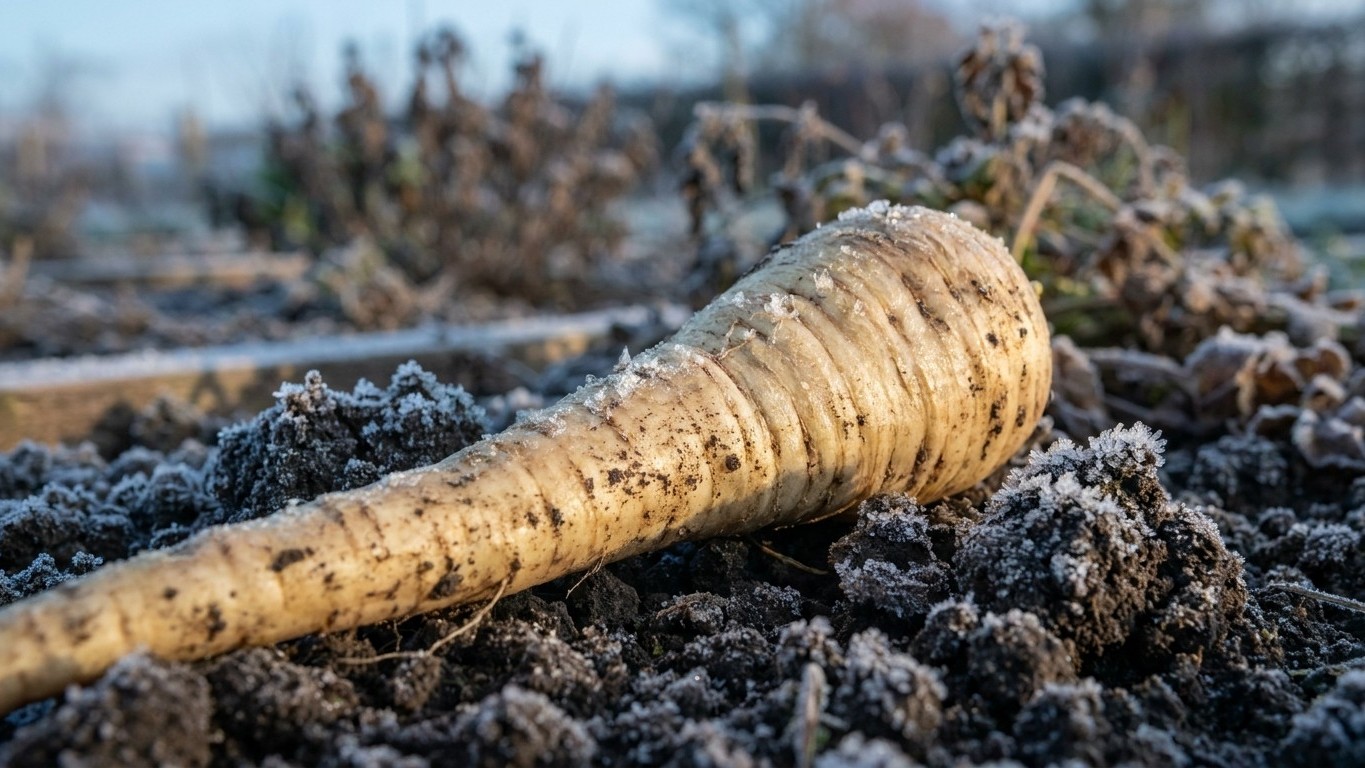
Lift parsnips after several weeks of frost. On the coast near Vancouver, that means late autumn onward, not the morning after the first cold night.
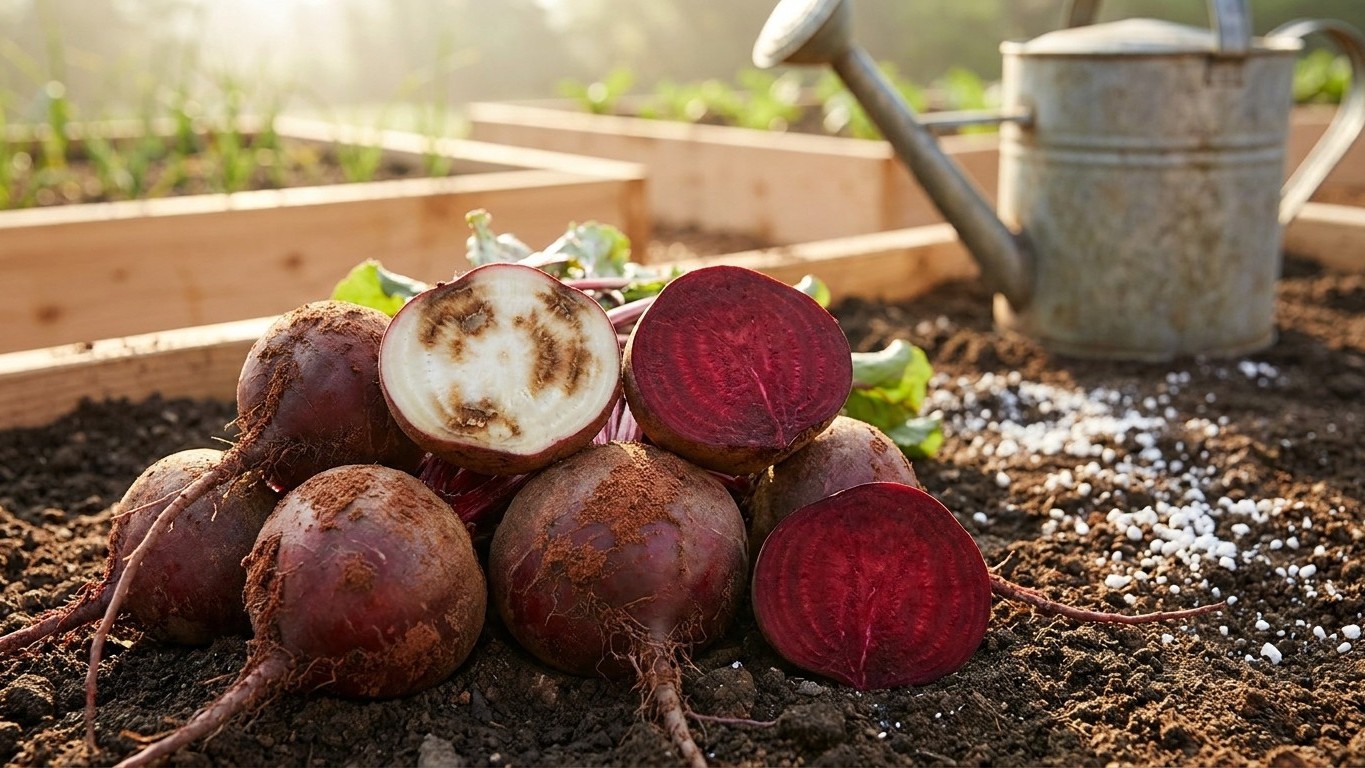
Count 60 to 80 days from the day the seed goes in, not from a transplant, because beets are sown where they will grow.
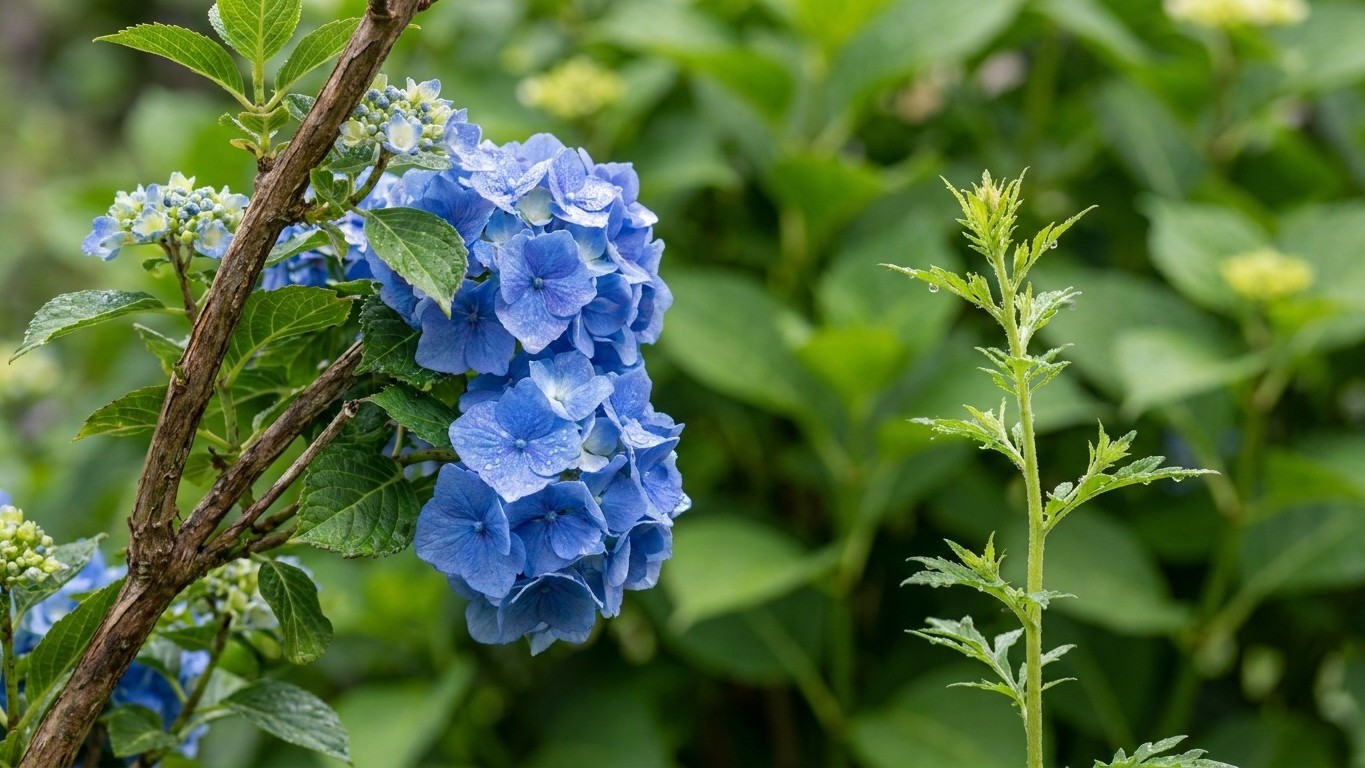
Protecting hydrangeas through a British Columbia winter is mostly a matter of timing, not heavy wrapping.
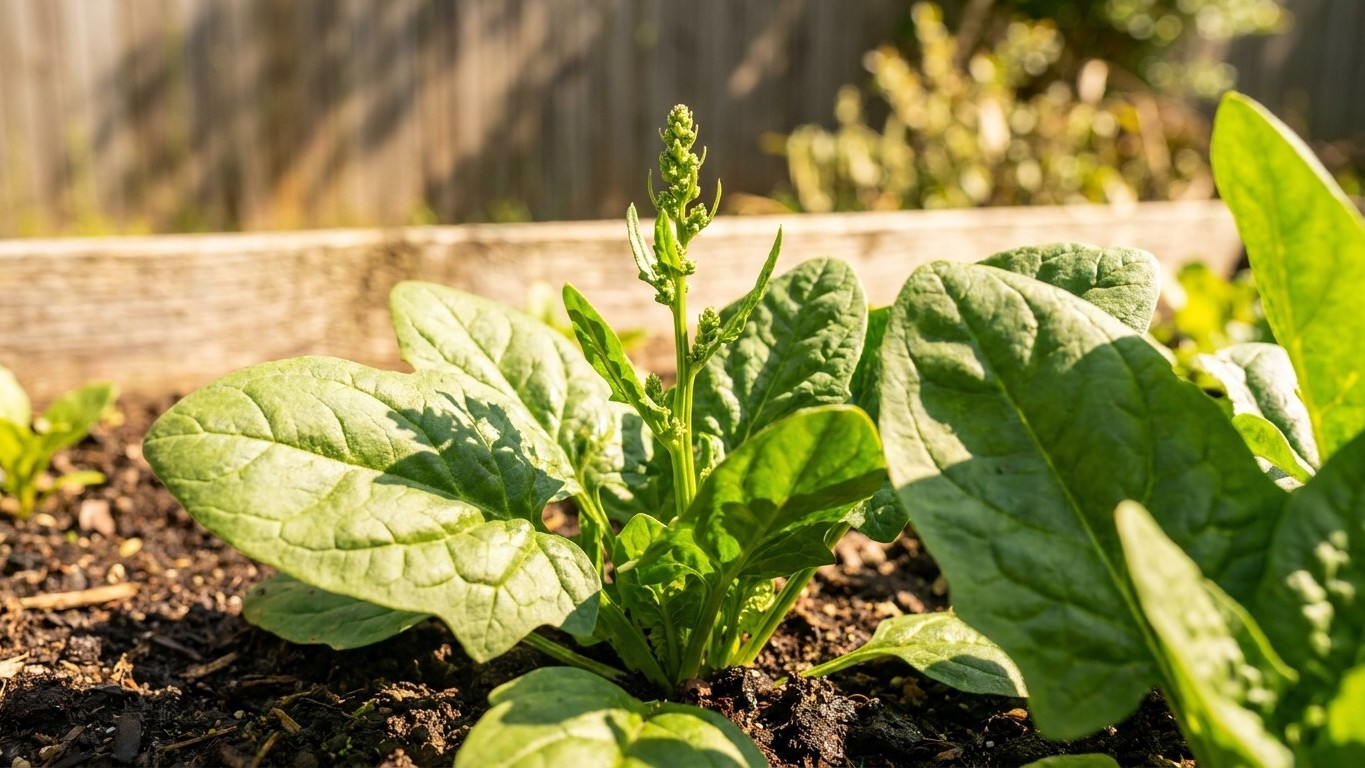
Cut spinach while the leaves are full-sized and the center of the plant is still a flat rosette.
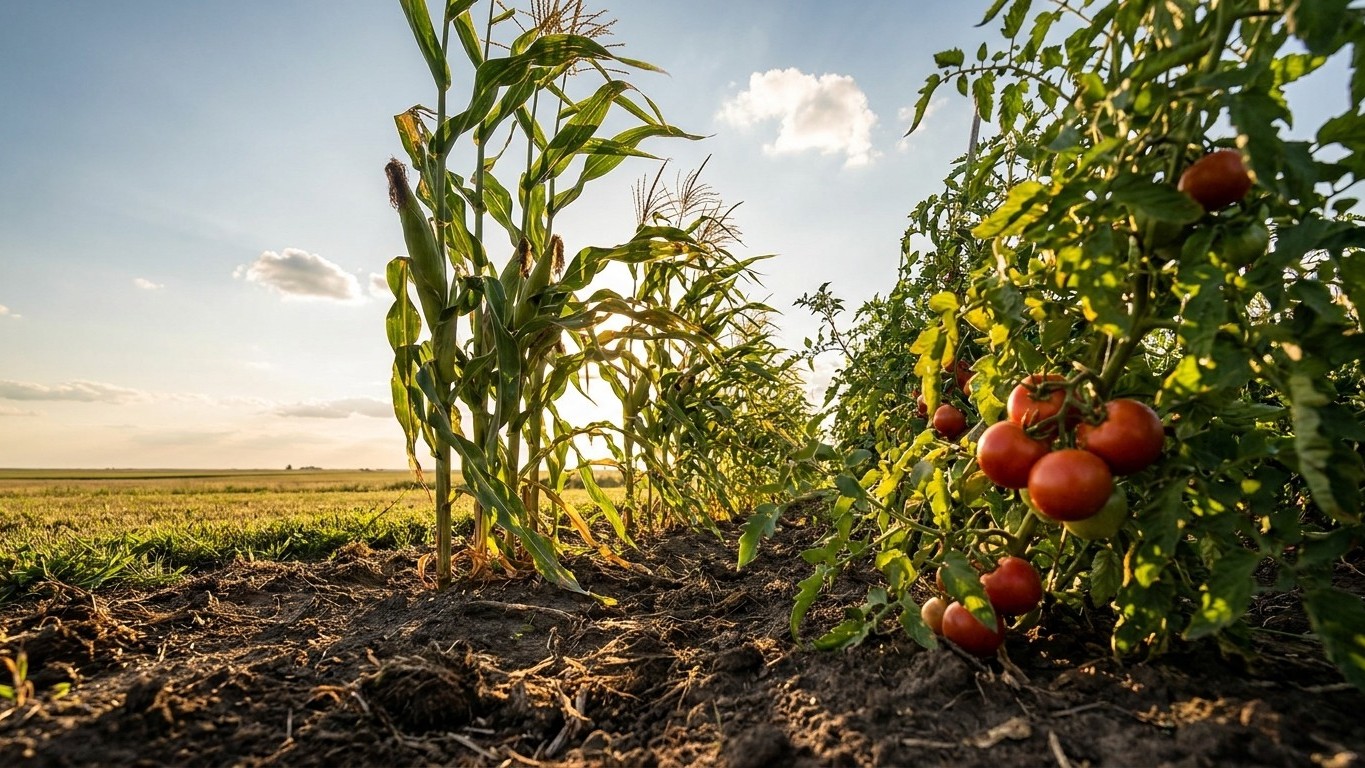
Sweet corn is ready roughly 60 to 90 days after planting, and the exact day comes from the plant: pick when the silks are dry and brown, the husks are…