What Eats Spinach in British Columbia, and When
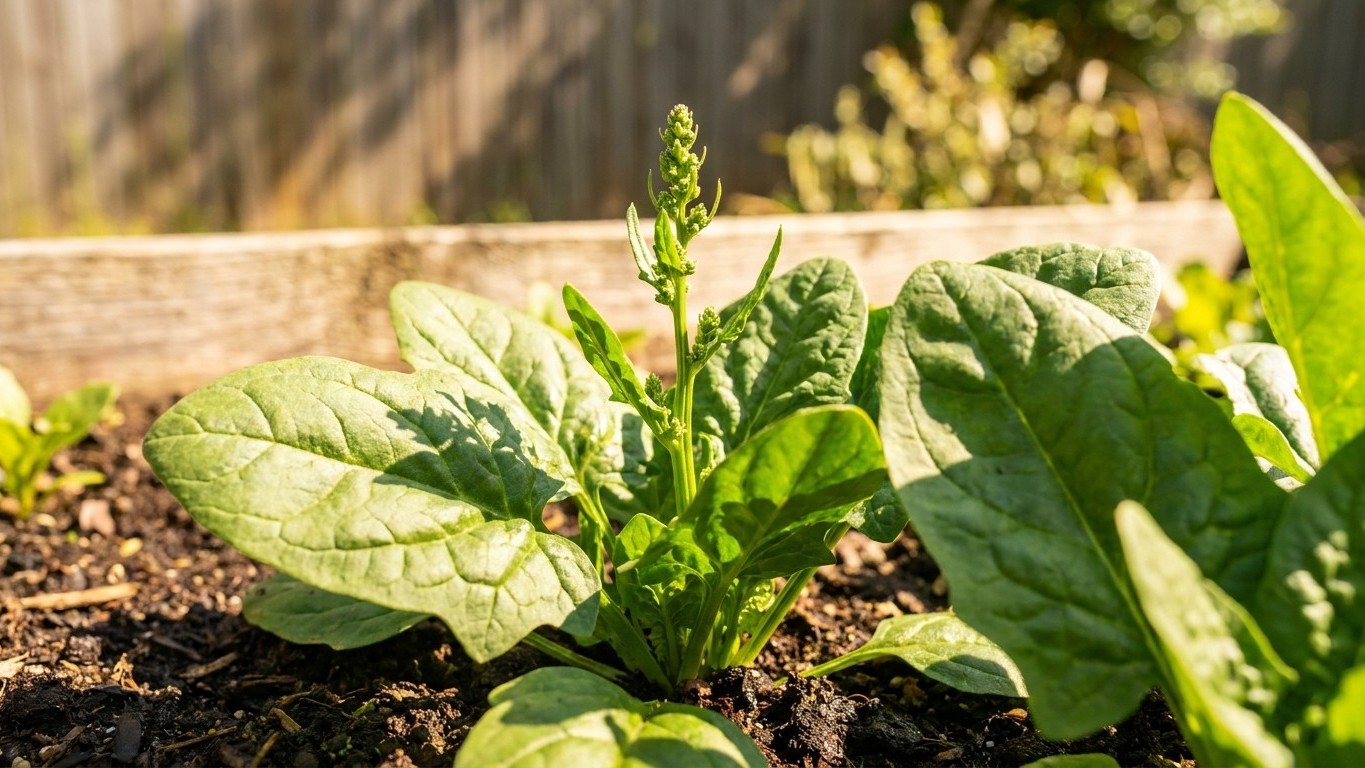
Spinach in British Columbia mostly answers to six pests: aphids, cutworms and armyworms, flea beetles, slugs, spider mites, and grasshoppers.
Home & garden, state by state
Everything we have worked out for British Columbia: what to plant and when, which varieties finish in time, the pests that actually turn up here, and the jobs that pay off month by month. We also cover the rest of the property, from lawns and soil to home care and energy, because a garden rarely stops at the vegetable bed.
The numbers first, because everything else follows from them. Measured at the weather station in Vancouver, the last spring freeze falls around March 18 and the first fall freeze falls around November 10, 1,738 growing degree days in the year.
That is enough for early varieties, tight for anything late. Garlic does well: 21.8 weeks below 40 °F, comfortably past the six it needs to form a proper head.
Elsewhere on the property in British Columbia: the pests that turn up here.
Figures from Environment and Climate Change Canada. A state is not one climate: elevation, a large lake or the coast can move these dates by two weeks either way, so check your own county with the extension service before you spend money.
Spinach in British Columbia mostly answers to six pests: aphids, cutworms and armyworms, flea beetles, slugs, spider mites, and grasshoppers.
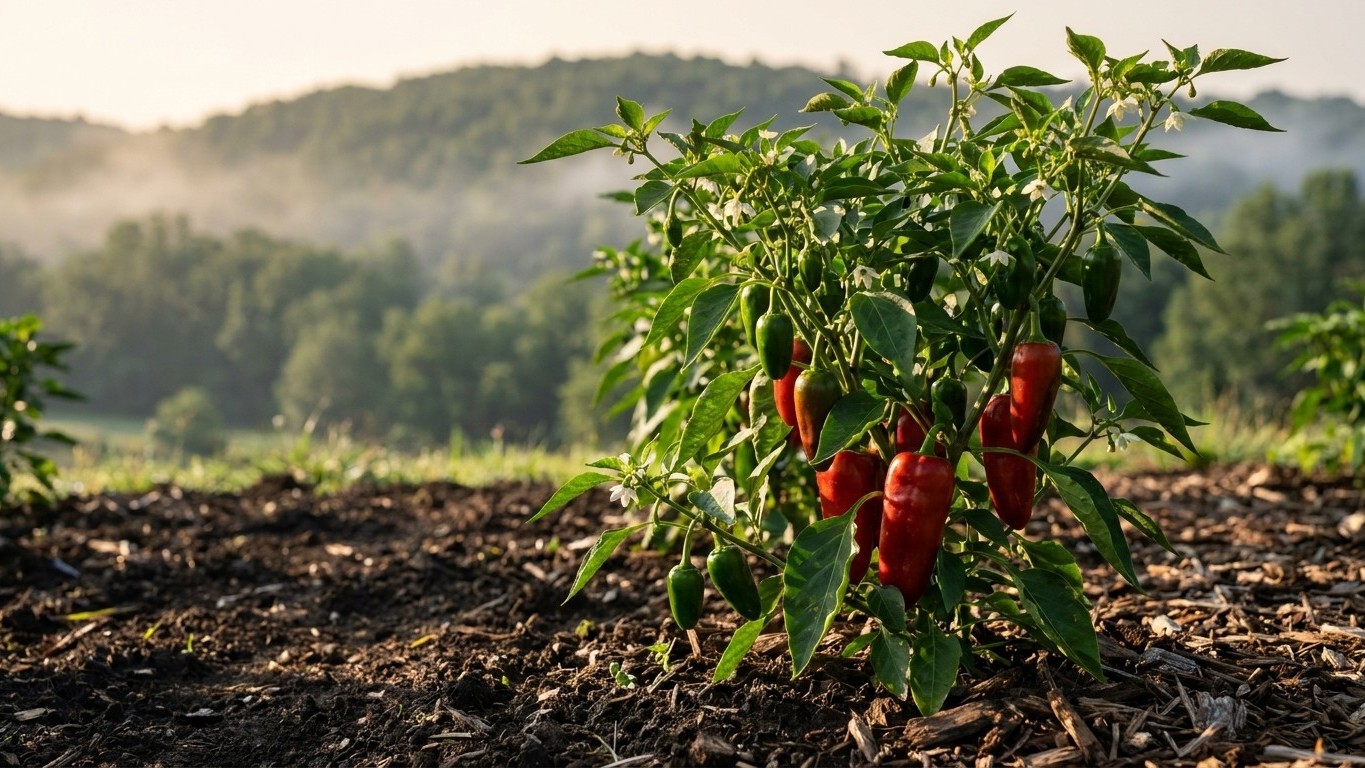
British Columbia gardens see pepper pressure from a short list of insects: aphids, Colorado potato beetle, cutworms, flea beetles, spider mites, tomato…
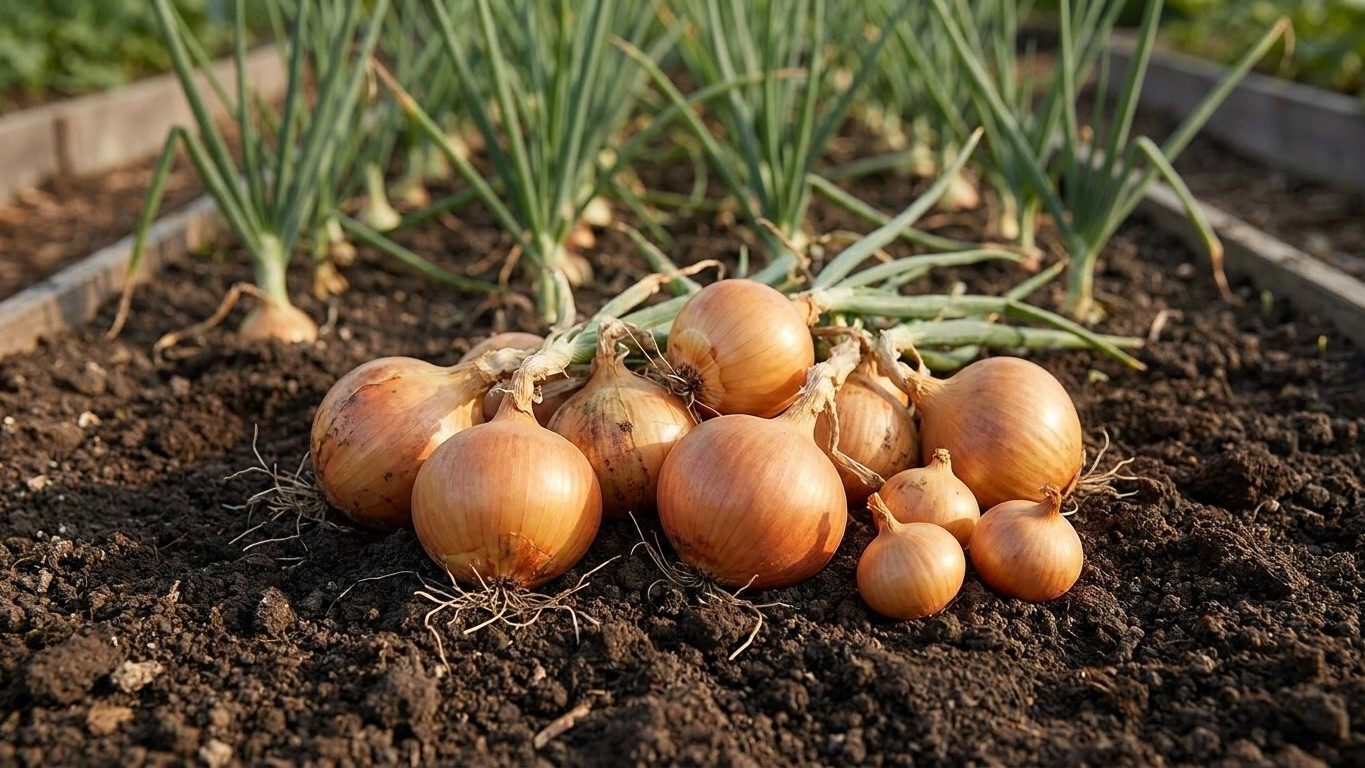
Only a handful of species out of a much longer regional pest list ever bother an onion crop in British Columbia’s Pacific Northwest growing conditions.
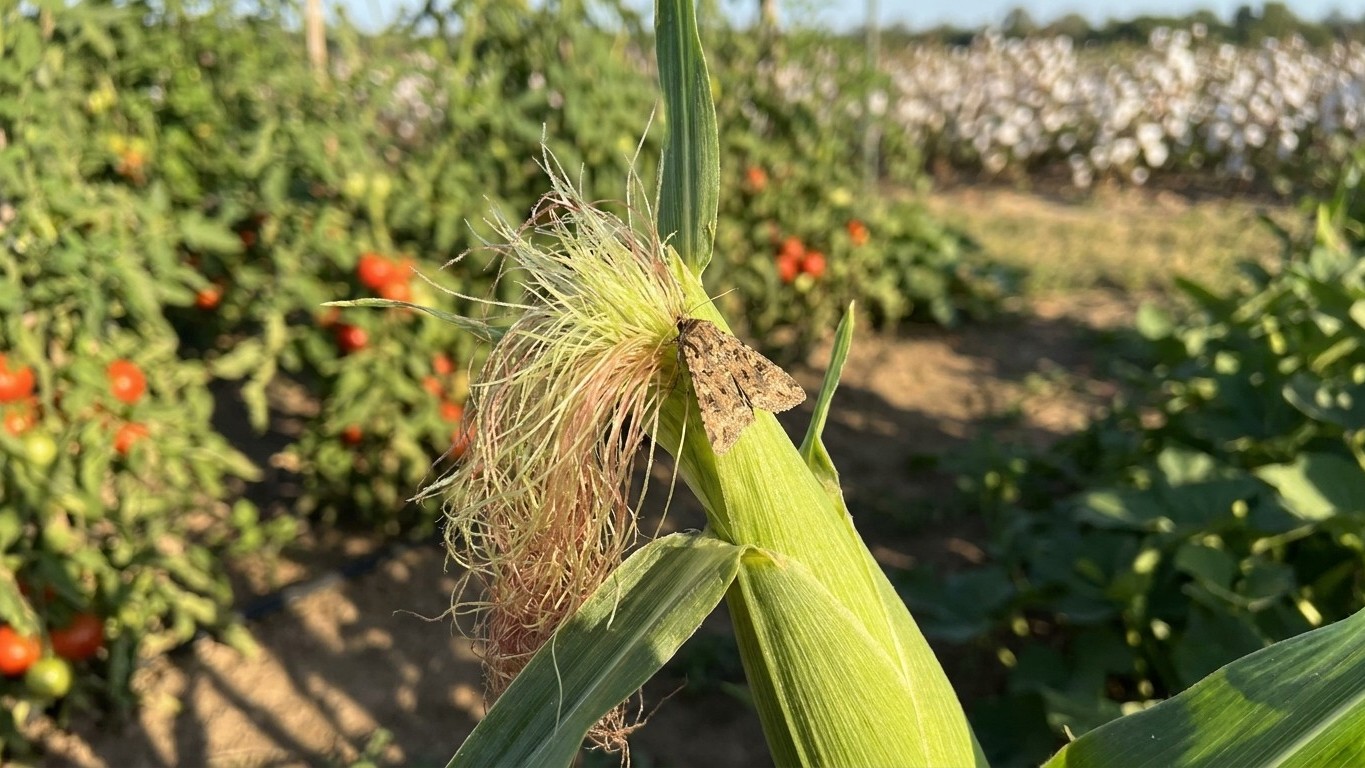
British Columbia’s corn growers deal mainly with corn earworm, cutworms and armyworms, wireworms, flea beetles, aphids, spider mites, slugs…
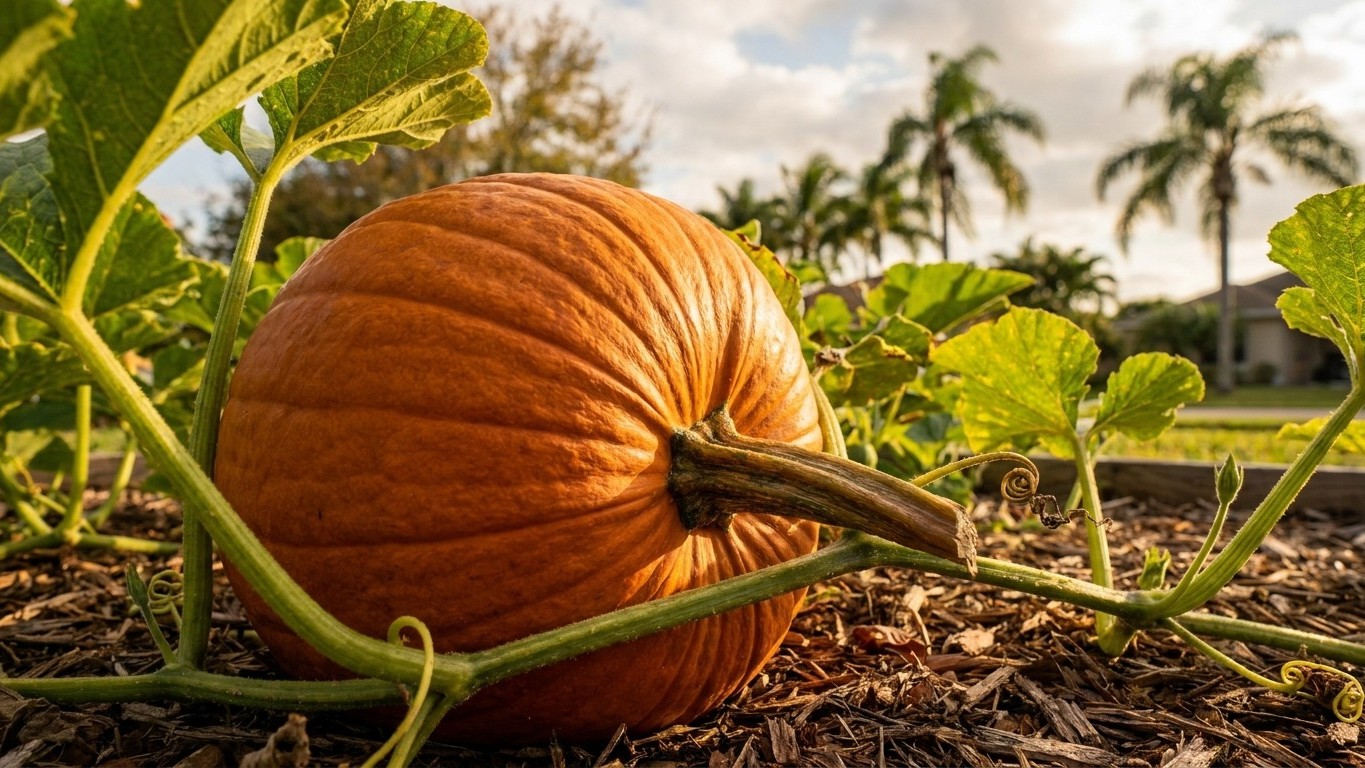
Nine pumpkin-feeding pests are documented for this region, and none of them wait for a calendar reminder.
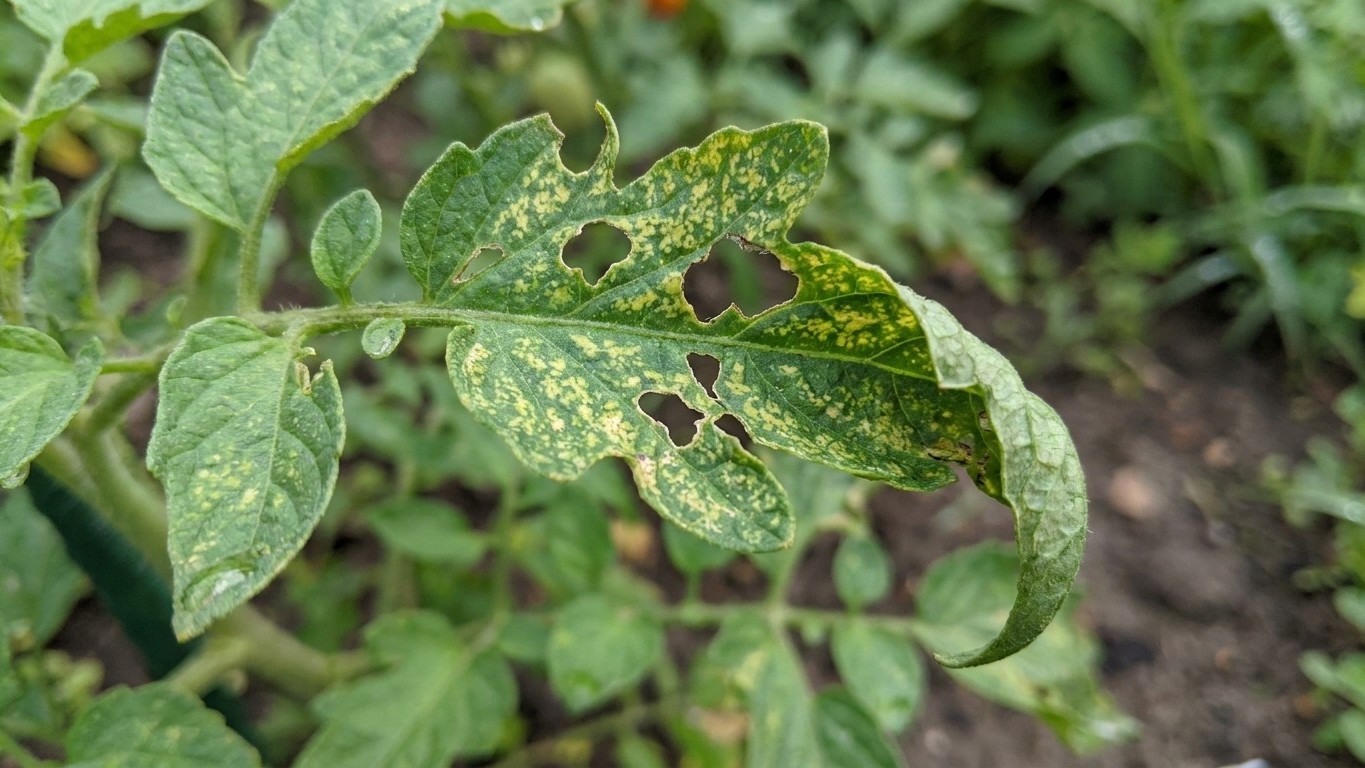
Nine insects and mollusks show up on potato in this region before the season’s done: Colorado potato beetle arrives first and does the most visible…
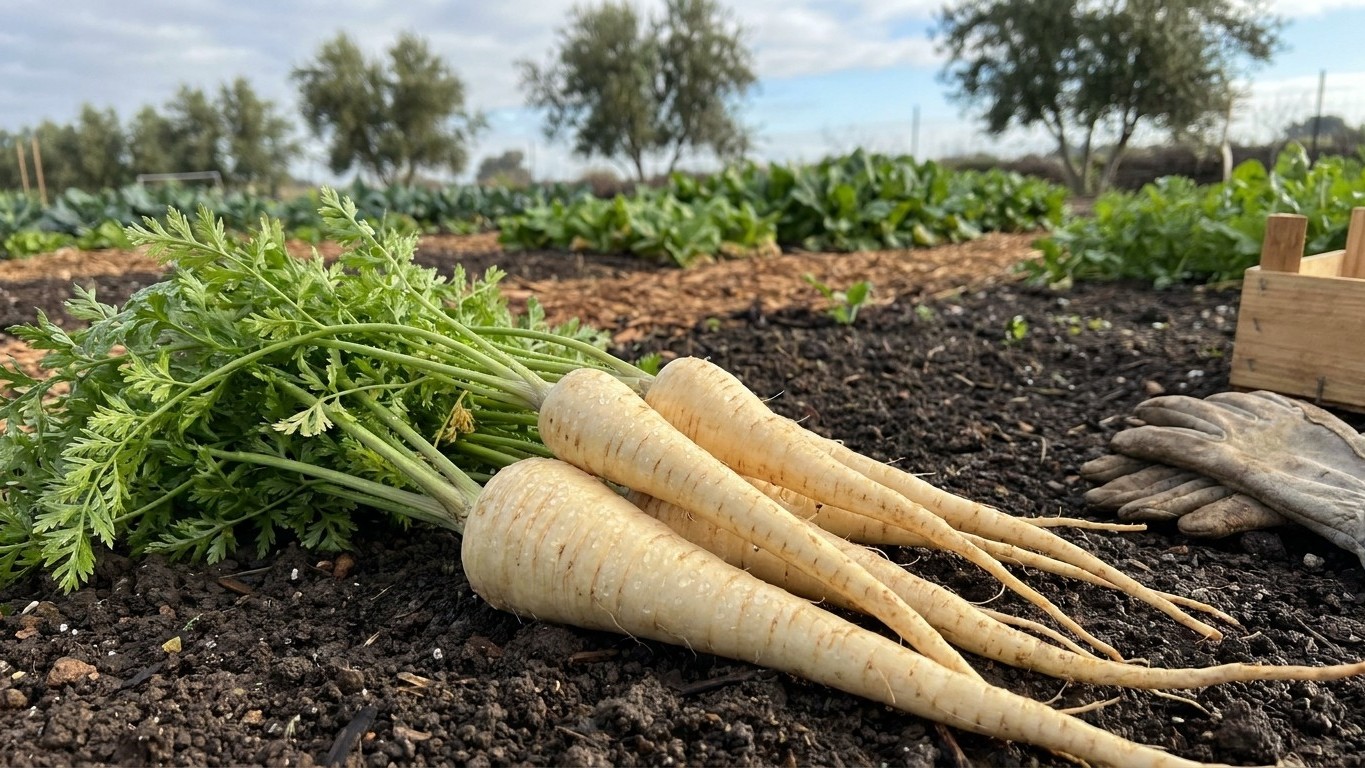
The pests documented for parsnip in this region are aphids, carrot rust fly, cutworms, flea beetles, grasshoppers, slugs, spider mites, and wireworms.
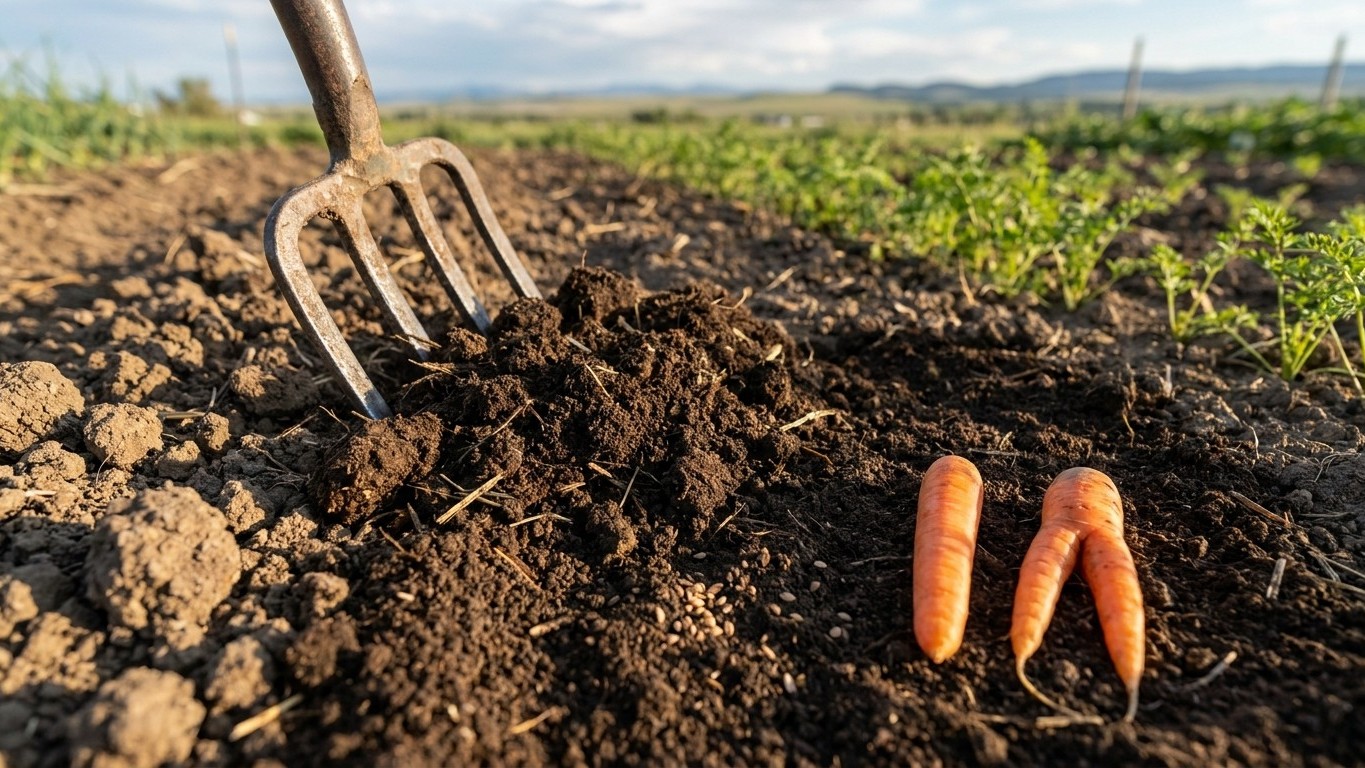
Eight species from the documented list actually feed on carrot in this growing region: aphids, carrot rust fly, cutworms, flea beetles, grasshoppers…
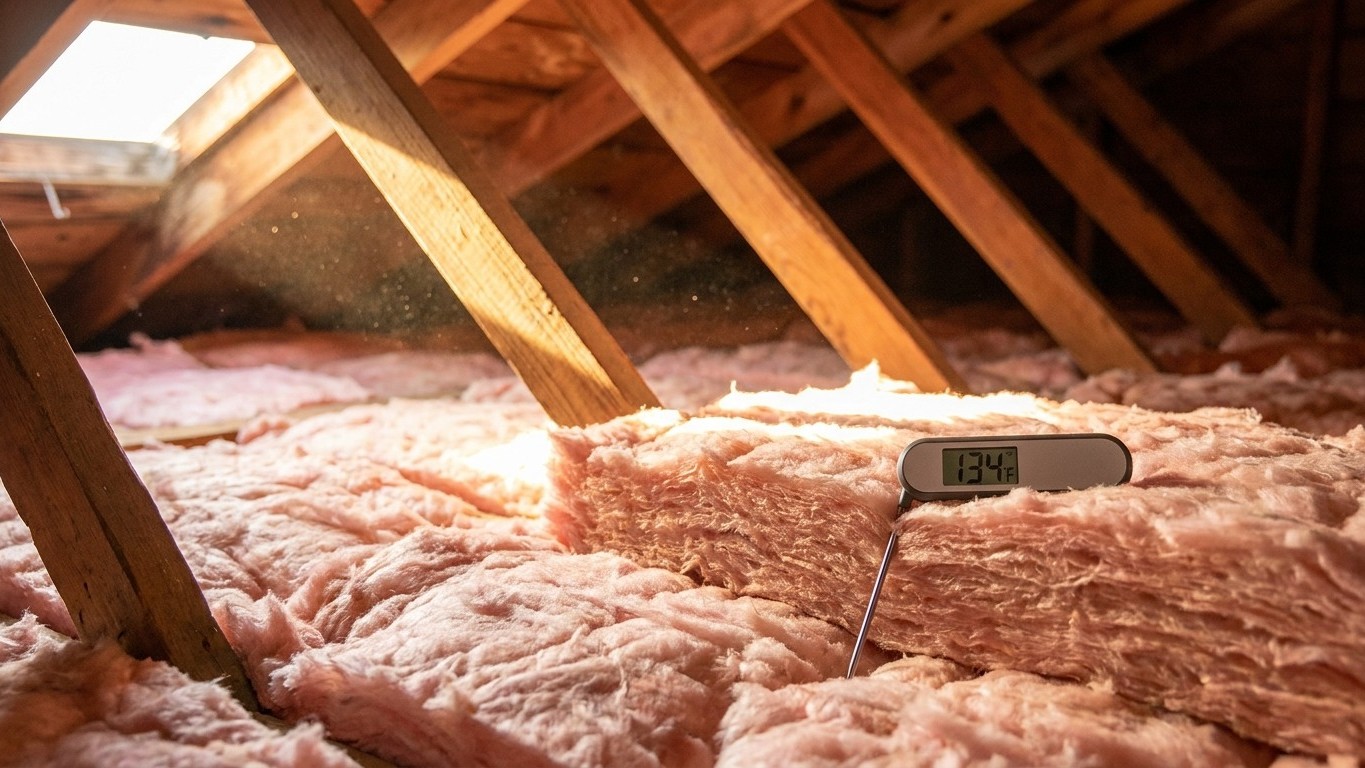
Yes, but the honest version of that answer for British Columbia looks different than it does for Texas or Arizona.
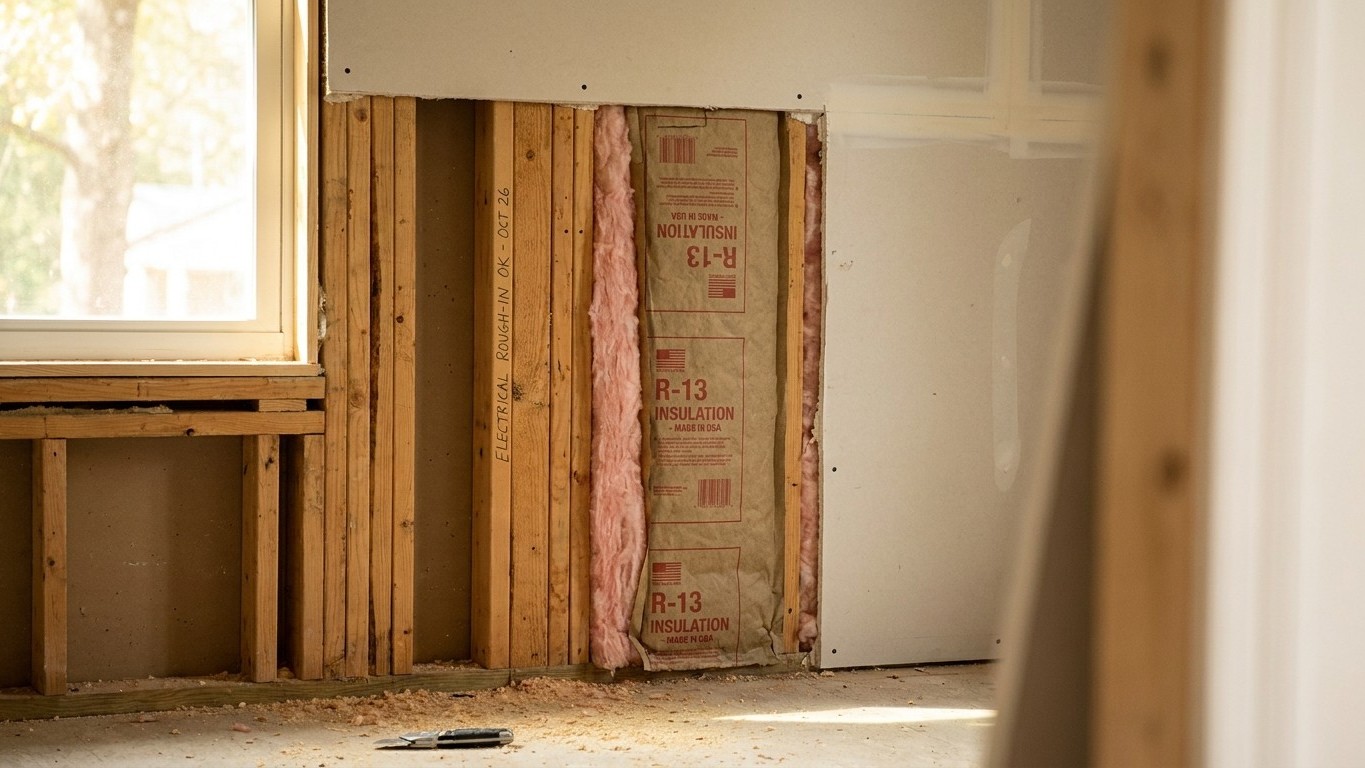
Yes. In British Columbia, as everywhere else the National Building Code applies, a vapour barrier is required in insulated wall assemblies.