When to Sow Beets in Connecticut
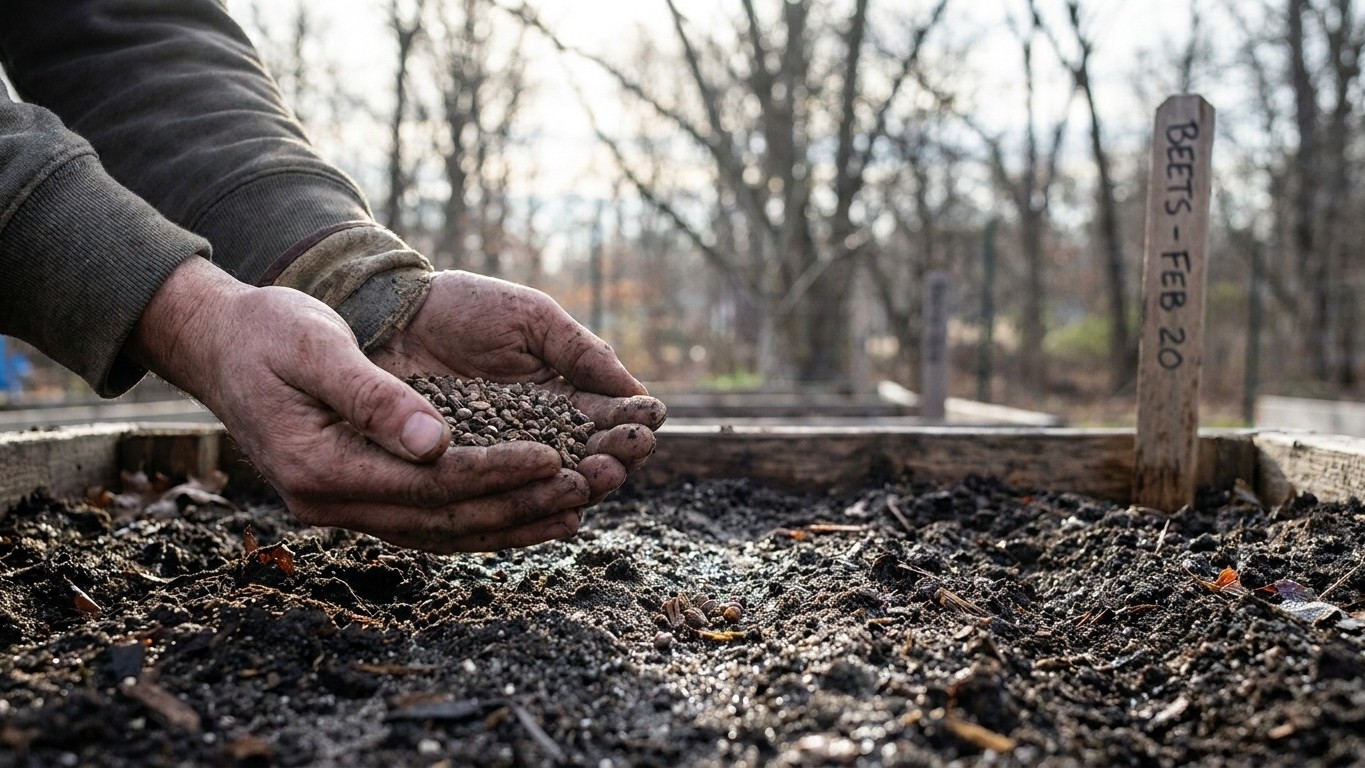
In most of Connecticut, the seed goes in the ground about two to three weeks before the last spring frost, which the coastal reference station near…
Home & garden, state by state
Everything we have worked out for Connecticut: what to plant and when, which varieties finish in time, the pests that actually turn up here, and the jobs that pay off month by month. We also cover the rest of the property, from lawns and soil to home care and energy, because a garden rarely stops at the vegetable bed.
The numbers first, because everything else follows from them. Measured at the weather station in Bridgeport, the last spring freeze runs April 2 to April 12 and the first fall freeze runs October 28 to November 10, USDA zones 6a-7b, 3,314 growing degree days in the year.
Garlic does well: 21.8 weeks below 40 °F, comfortably past the six it needs to form a proper head.
Elsewhere on the property in Connecticut: the pests that turn up here.
Figures from NOAA's 1991-2020 climate normals. A state is not one climate: elevation, a large lake or the coast can move these dates by two weeks either way, so check your own county with the extension service before you spend money.
In most of Connecticut, the seed goes in the ground about two to three weeks before the last spring frost, which the coastal reference station near…
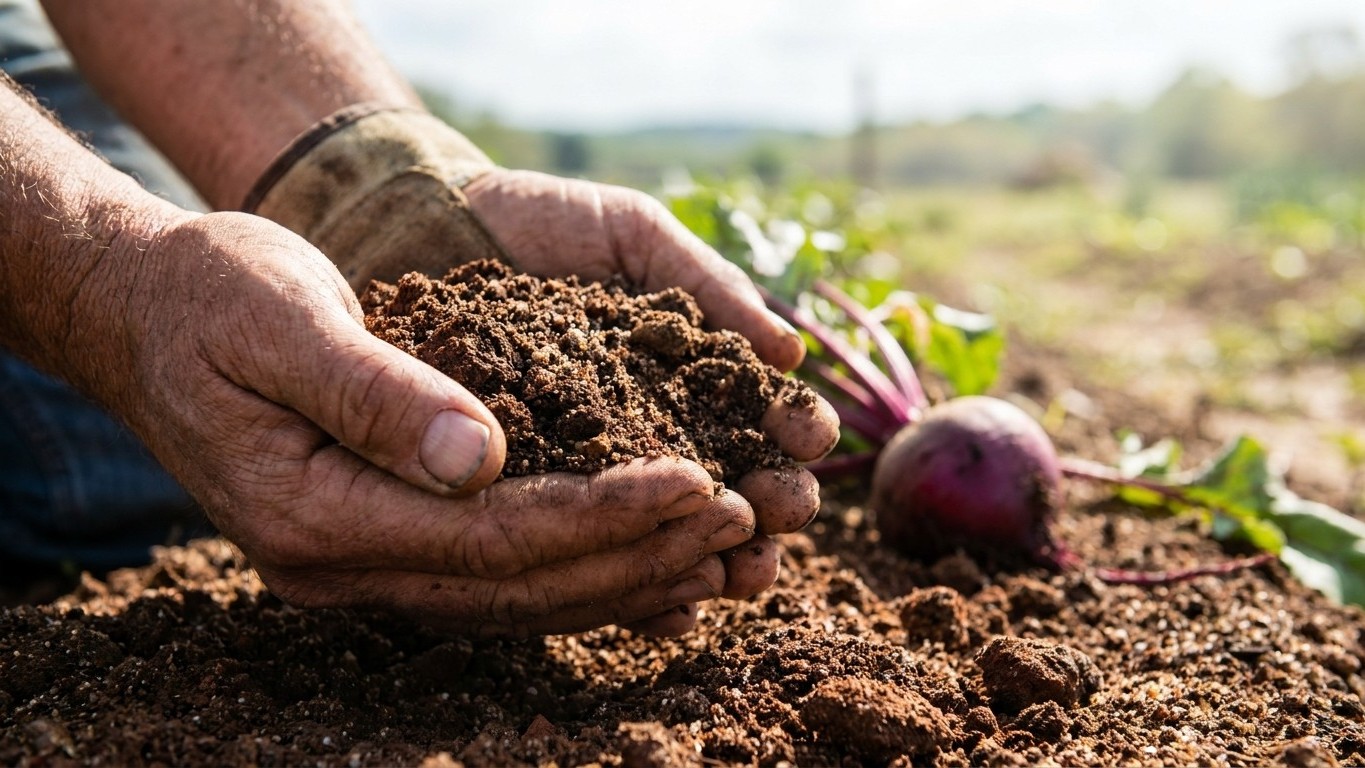
Connecticut’s representative soil, the Windsor series, is sand almost to a fault: 82 percent sand, excessively drained, strongly acid at the surface.
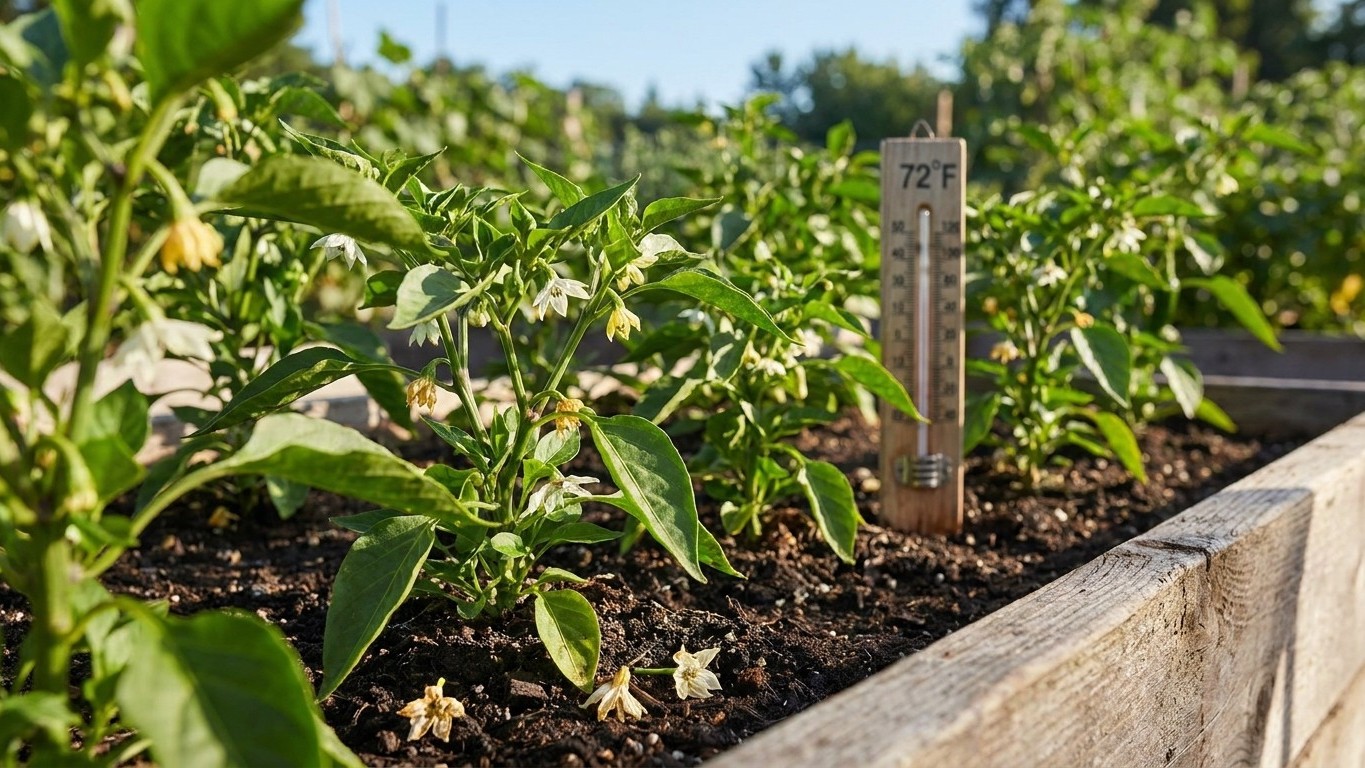
In Connecticut, most gardeners start pepper seed indoors between mid-January and early March, and the exact window comes from working backward from your…
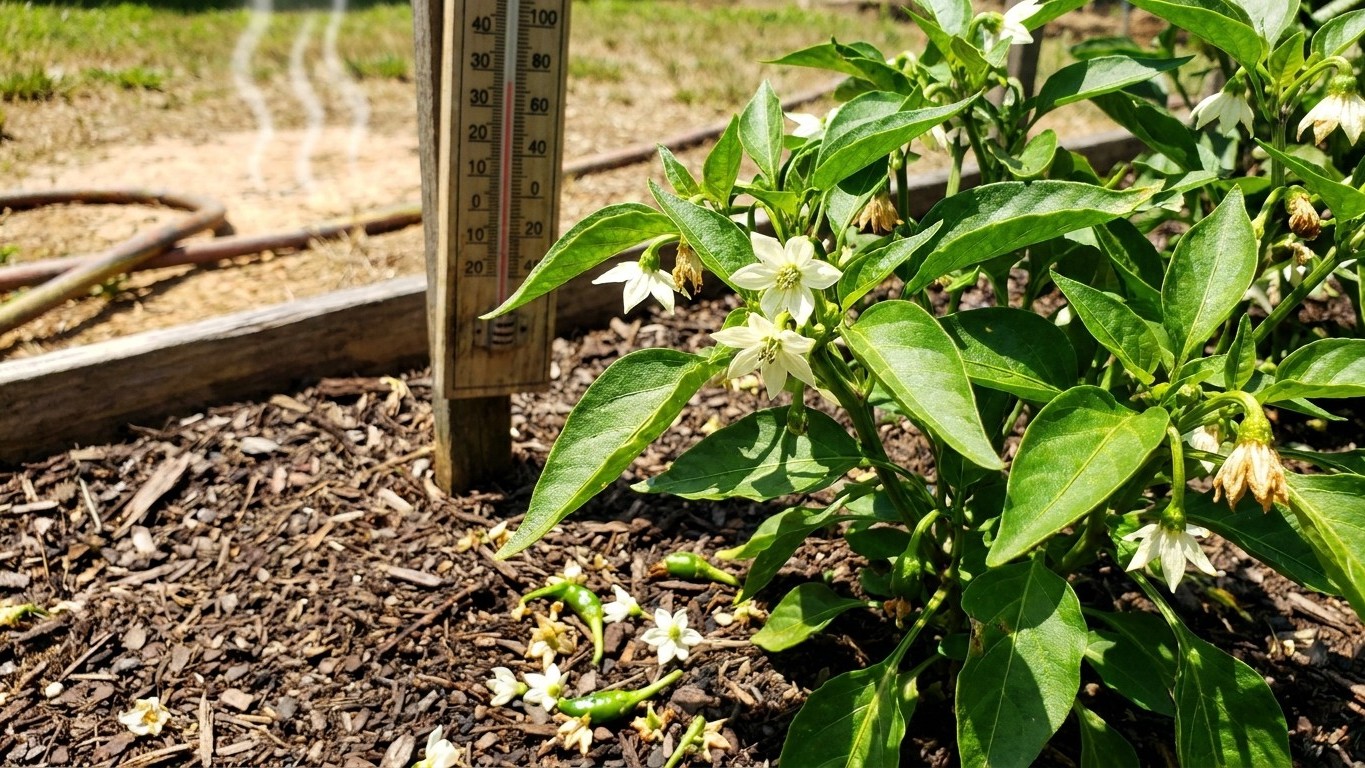
Peppers in Connecticut usually fail to set fruit because a heat spike pushes daytime temperatures past 90 F right when the plant is flowering, or because…
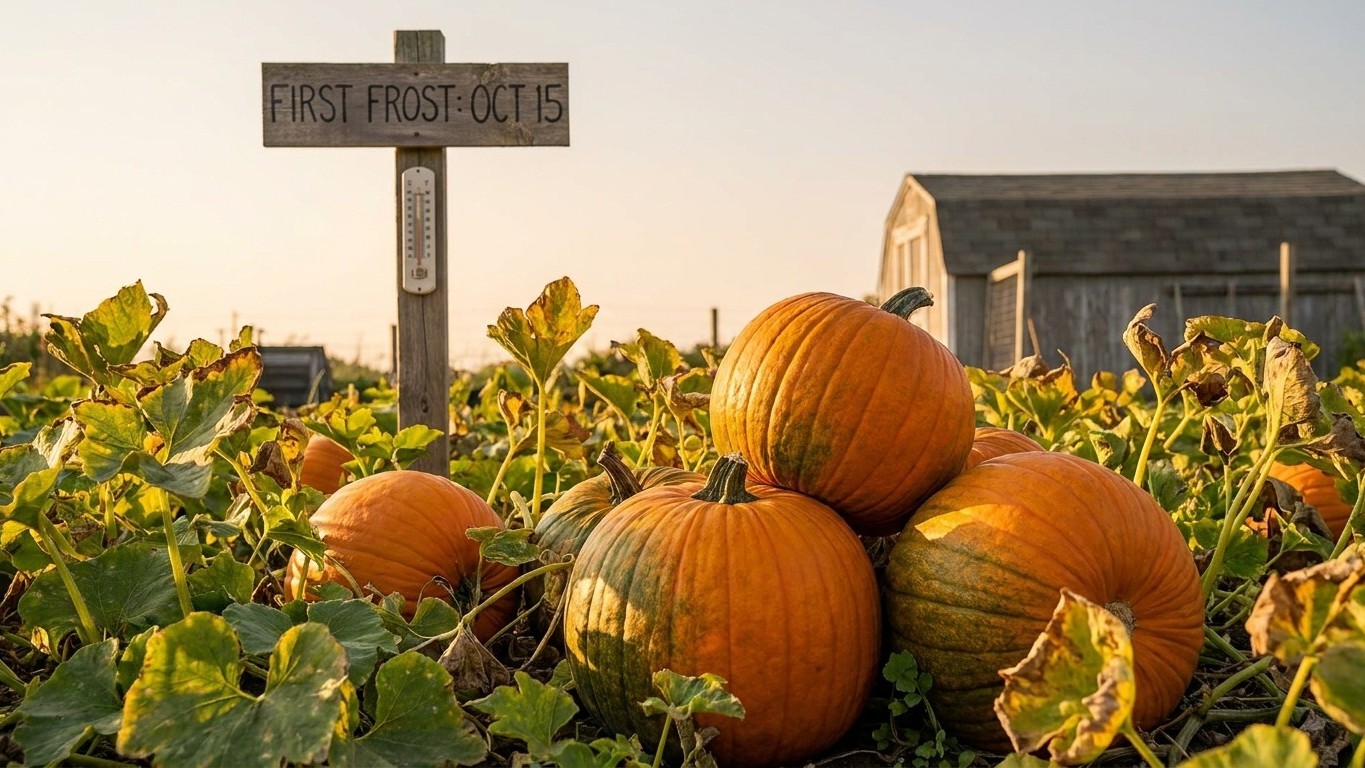
Connecticut’s first fall frost lands somewhere between October 28 and November 10, and a pumpkin needs 45 to 55 days between the moment its flower opens…
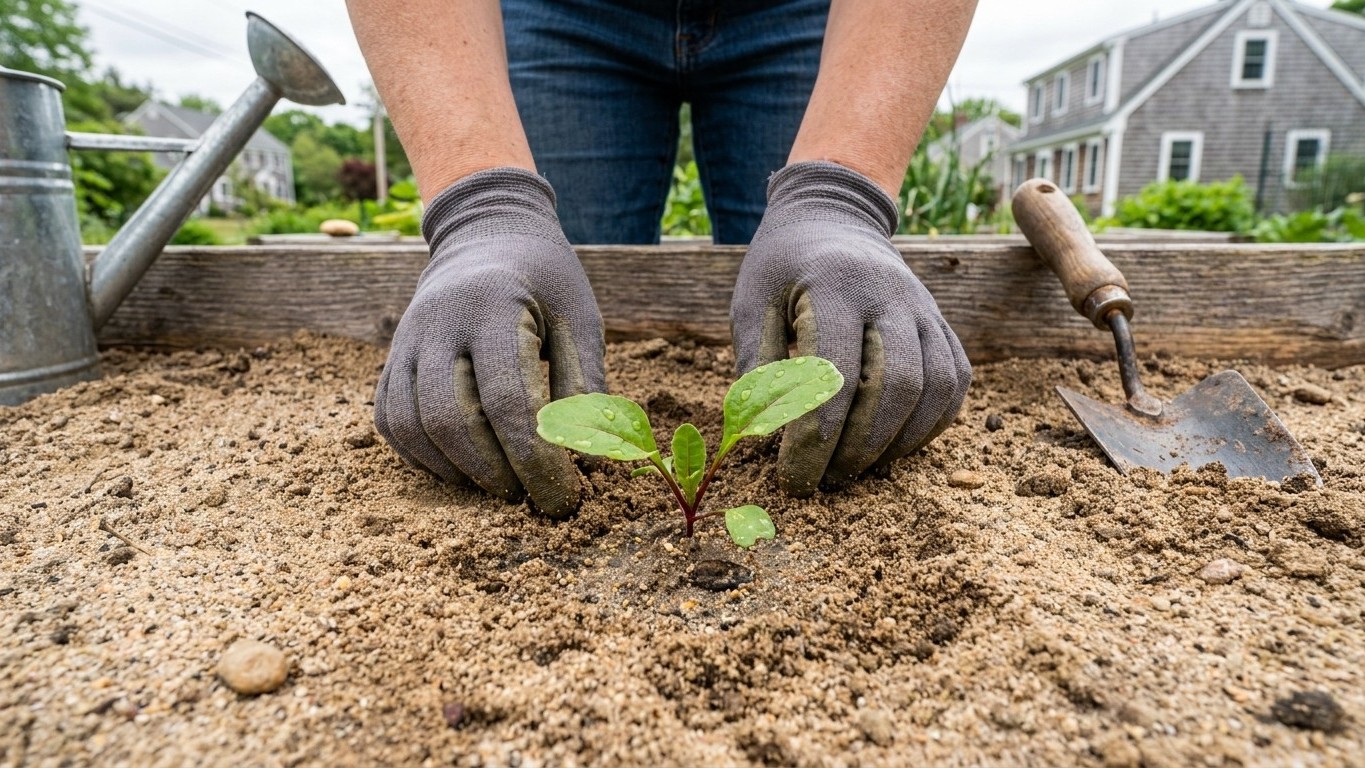
Connecticut’s representative soil runs sandy, acidic and drains fast, which pushes beet growers toward heavy amendment and tight water scheduling.
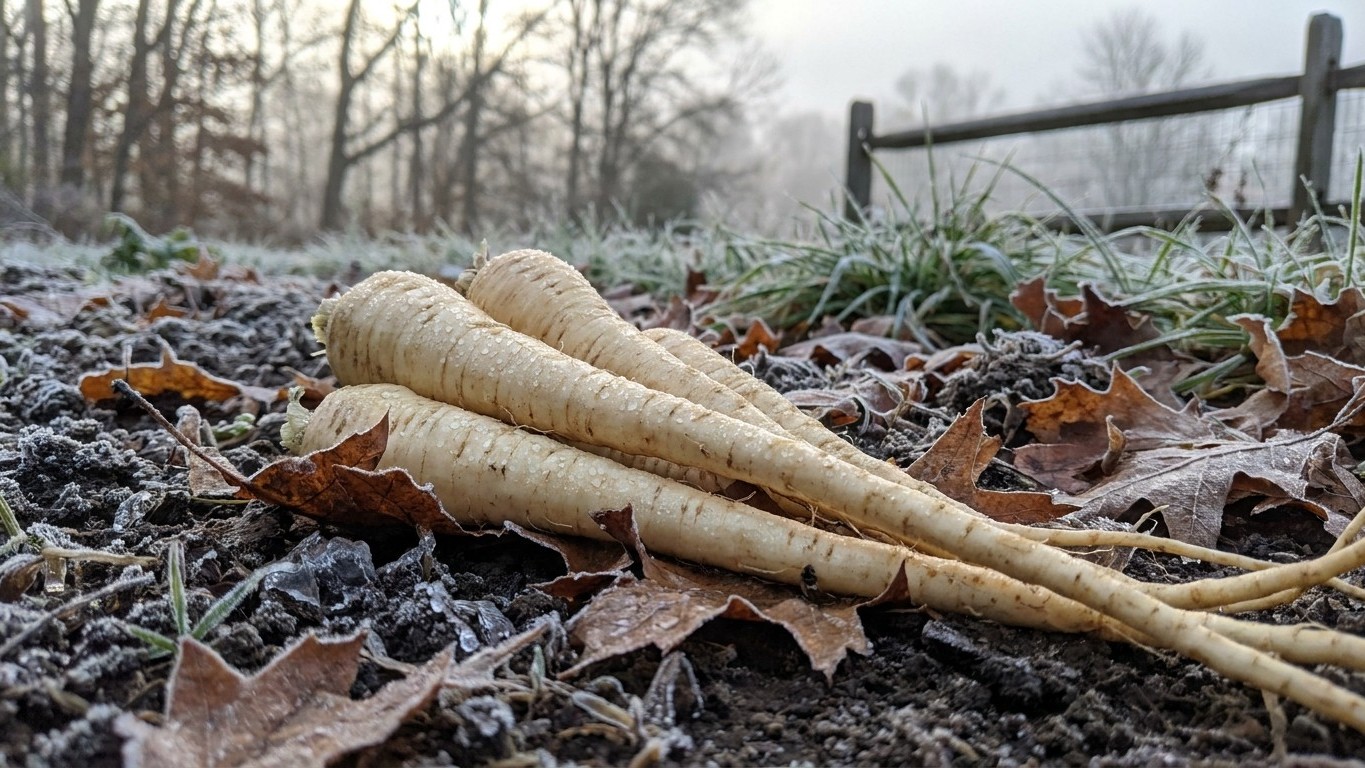
Yes, if you leave the roots in the ground into fall. Connecticut’s coldest month averages a nightly low of 24.4°F at the Bridgeport reference station…
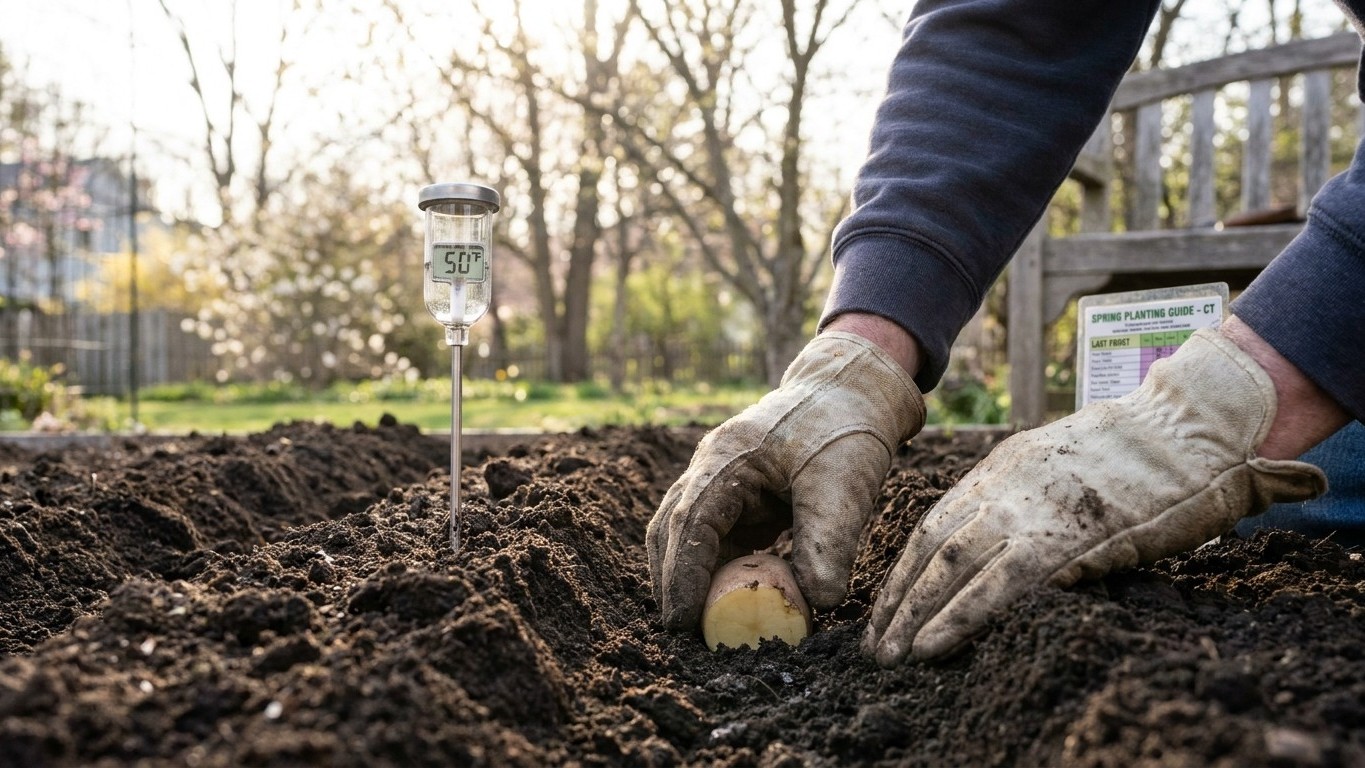
In Connecticut, potato planting isn’t set by a date on the calendar. It’s set by soil temperature working backward from the last spring frost, and the…
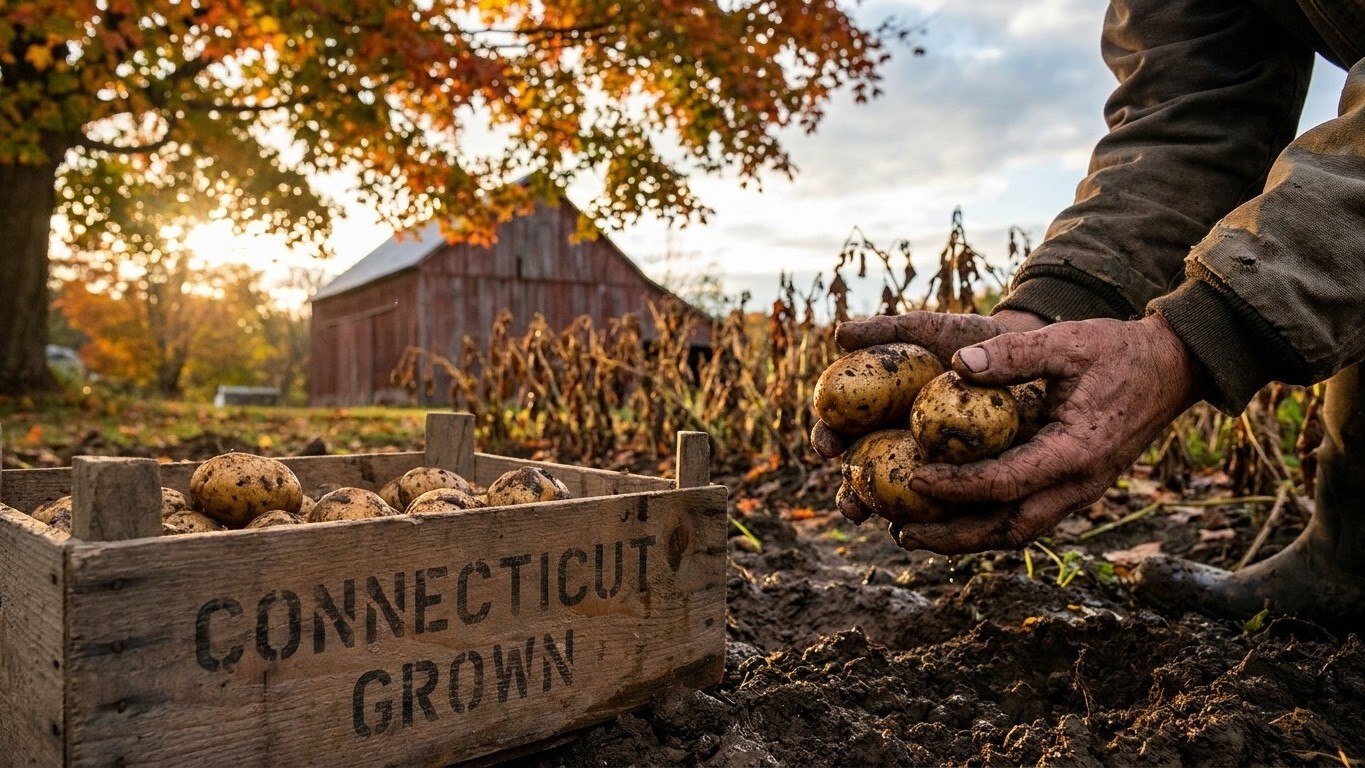
Connecticut potatoes come out of the ground before the soil itself freezes, timed against the state’s fall frost window.
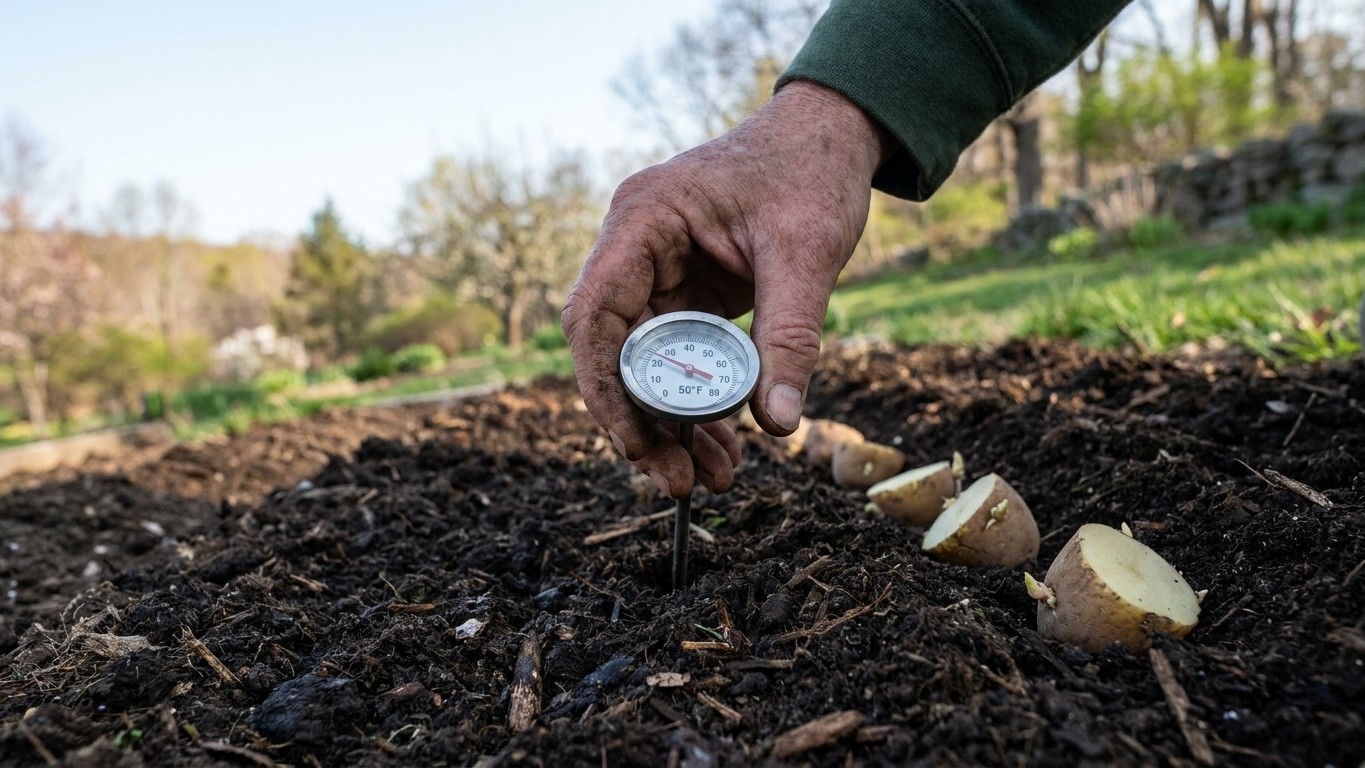
Connecticut gardeners get the most reliable results from early- and mid-season potato varieties, planted as soon as soil hits 50°F, which falls 14 to 21…