Why Hydrangeas Are Pink in Delaware, and How to Turn Them Blue
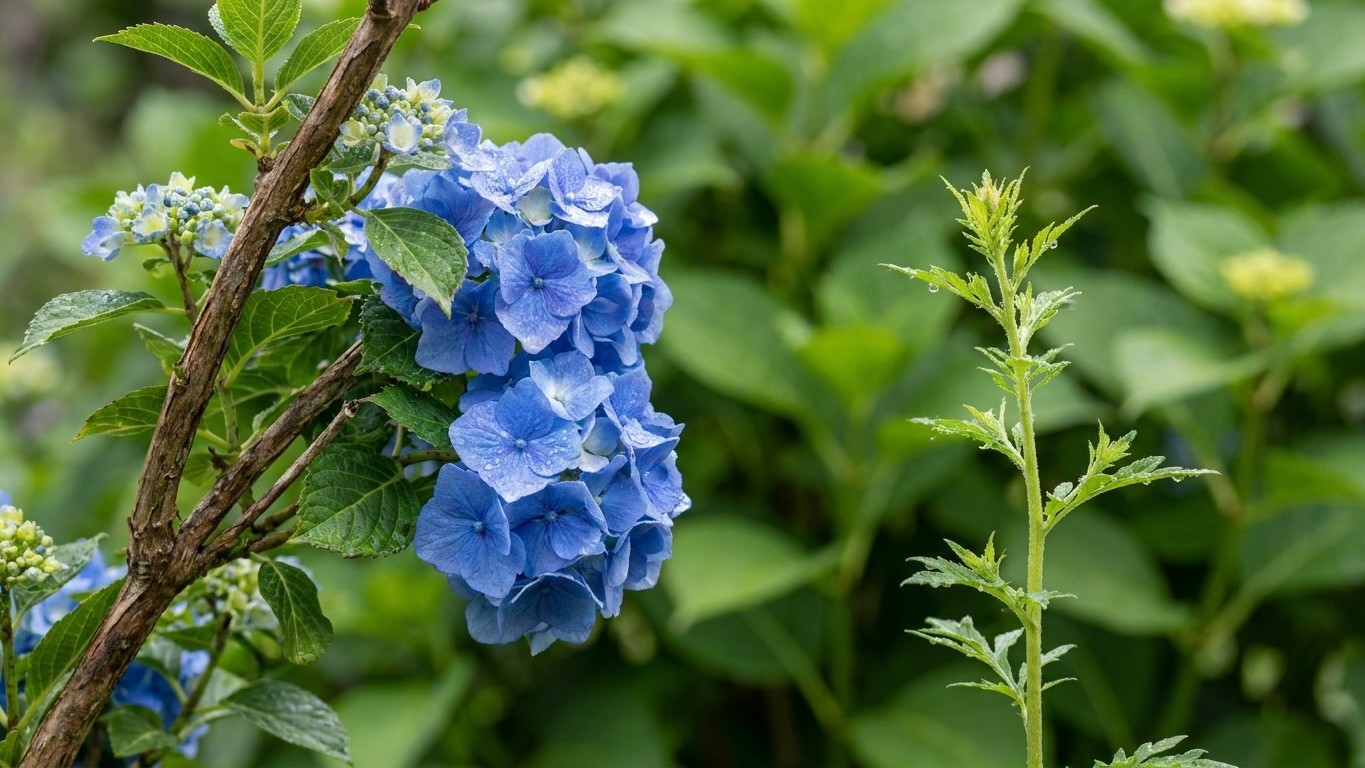
Hydrangeas turn pink in most Delaware gardens because the soil is near neutral or has been limed, and that keeps aluminum out of the plant.
Home & garden, state by state
Everything we have worked out for Delaware: what to plant and when, which varieties finish in time, the pests that actually turn up here, and the jobs that pay off month by month. We also cover the rest of the property, from lawns and soil to home care and energy, because a garden rarely stops at the vegetable bed.
The numbers first, because everything else follows from them. Measured at the weather station in Wilmington, the last spring freeze runs April 3 to April 14 and the first fall freeze runs October 26 to November 7, USDA zones 7a-8a, 3,937 growing degree days in the year.
Garlic does well: 21.8 weeks below 40 °F, comfortably past the six it needs to form a proper head.
Elsewhere on the property in Delaware: the pests that turn up here.
Figures from NOAA's 1991-2020 climate normals. A state is not one climate: elevation, a large lake or the coast can move these dates by two weeks either way, so check your own county with the extension service before you spend money.
Hydrangeas turn pink in most Delaware gardens because the soil is near neutral or has been limed, and that keeps aluminum out of the plant.
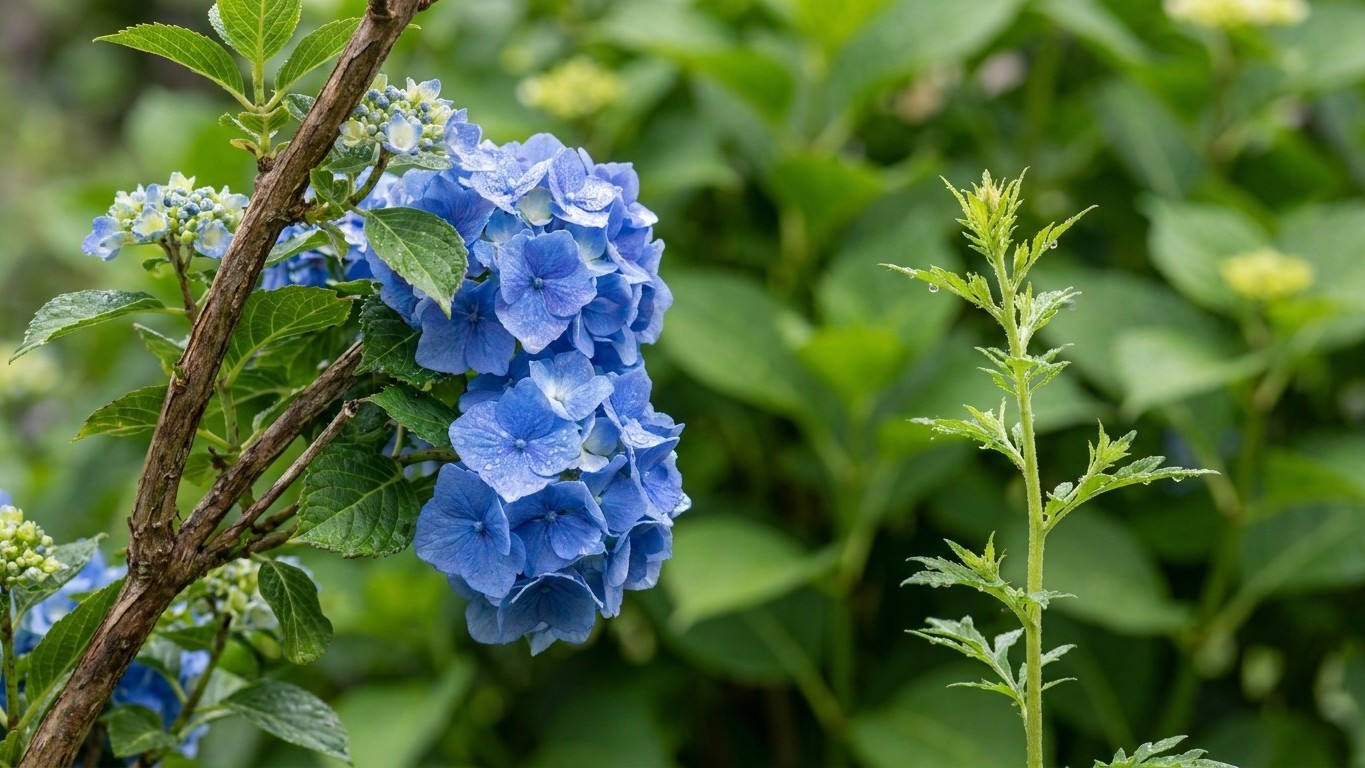
Prune hydrangeas that bloom on last year’s stems (bigleaf, mountain and oakleaf) in summer, right after the flowers fade.

Lift Delaware parsnips after the roots have sat through several frosty weeks, which at the Wilmington reference station means roughly late November to…
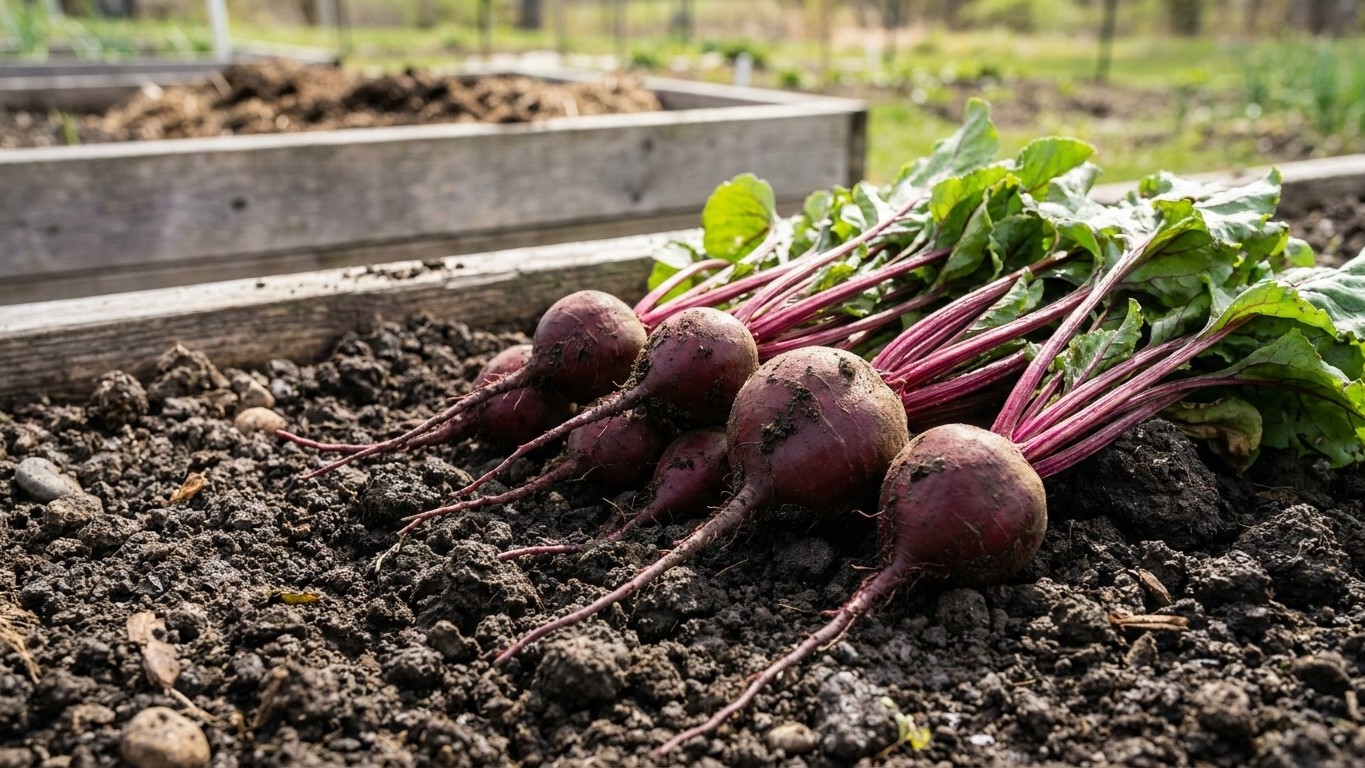
For spring sowings in Delaware, expect to pull beets from roughly mid-May into mid-to-late June.
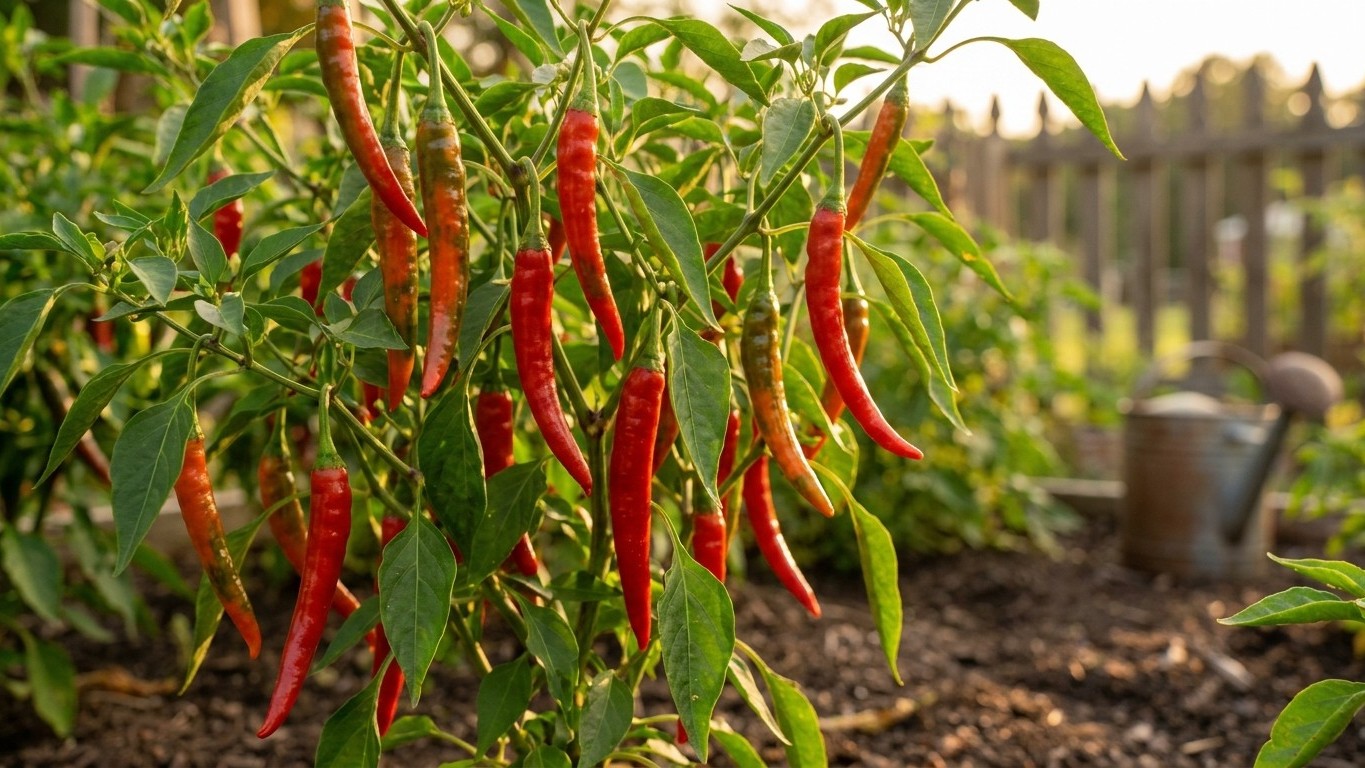
Pick peppers when the fruit has reached full size and feels firm, which Clemson Extension puts at about 70 to 85 days after transplanting.
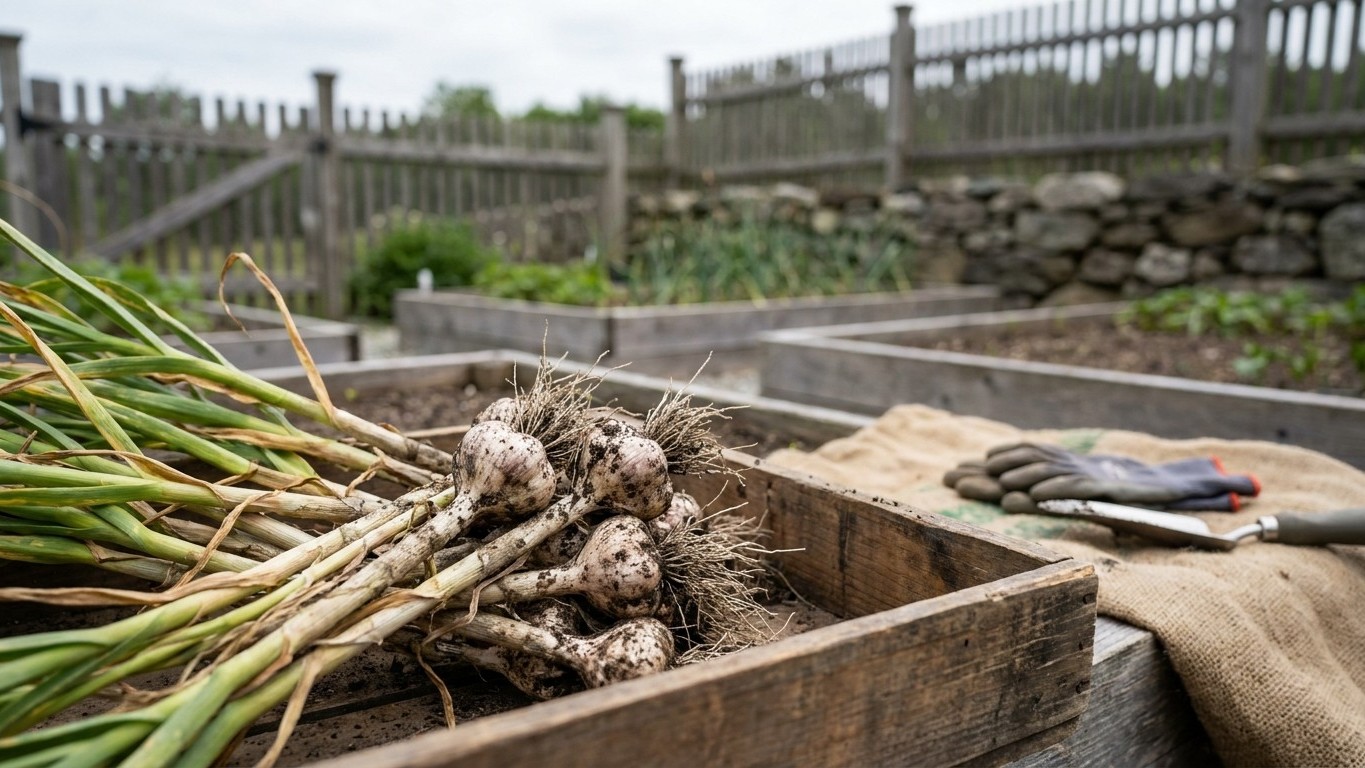
Garlic in Delaware gets attacked in four waves, and each one follows a stage of the crop rather than a date on the wall. Soil pests chew on cloves in fall.
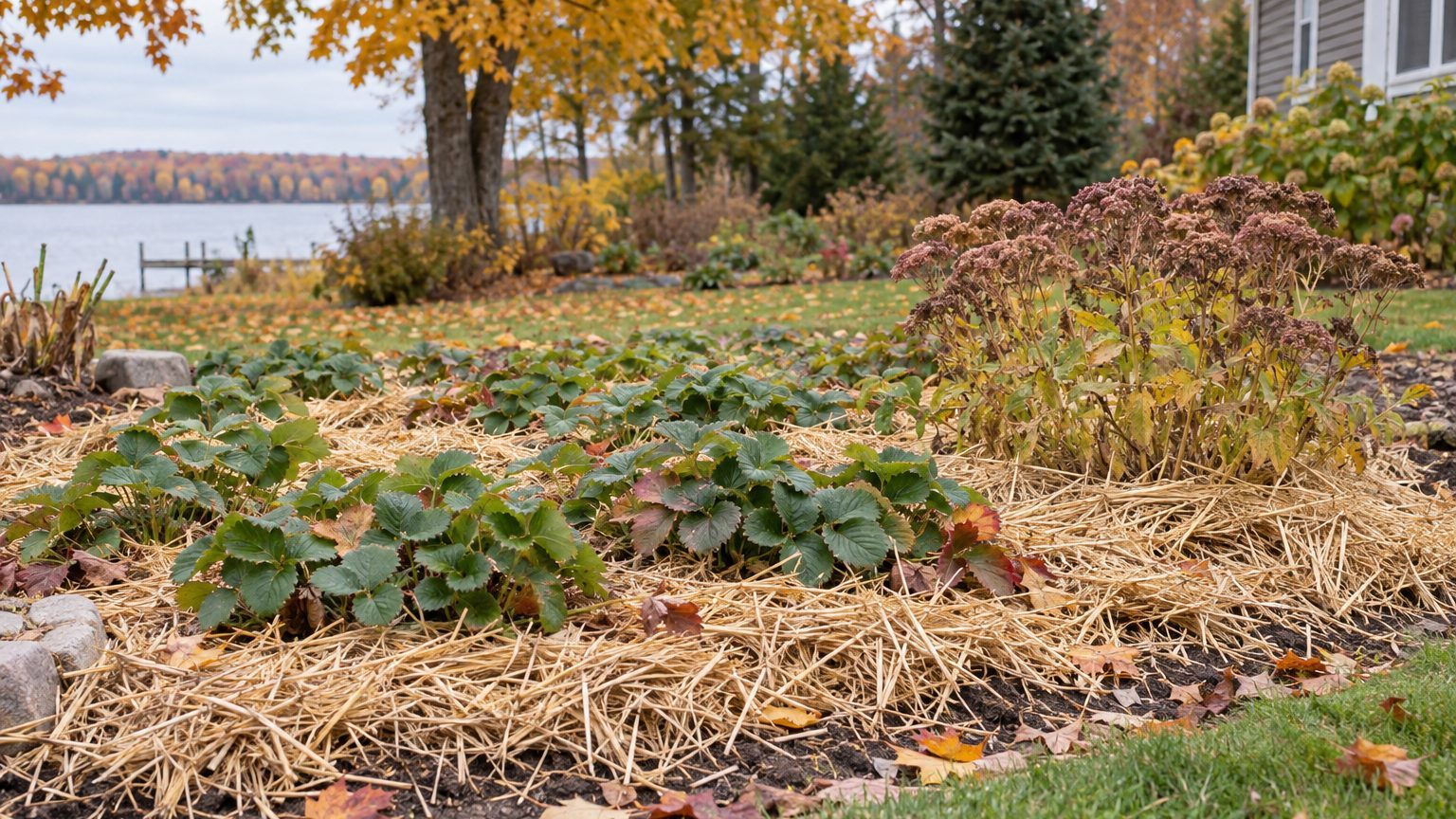
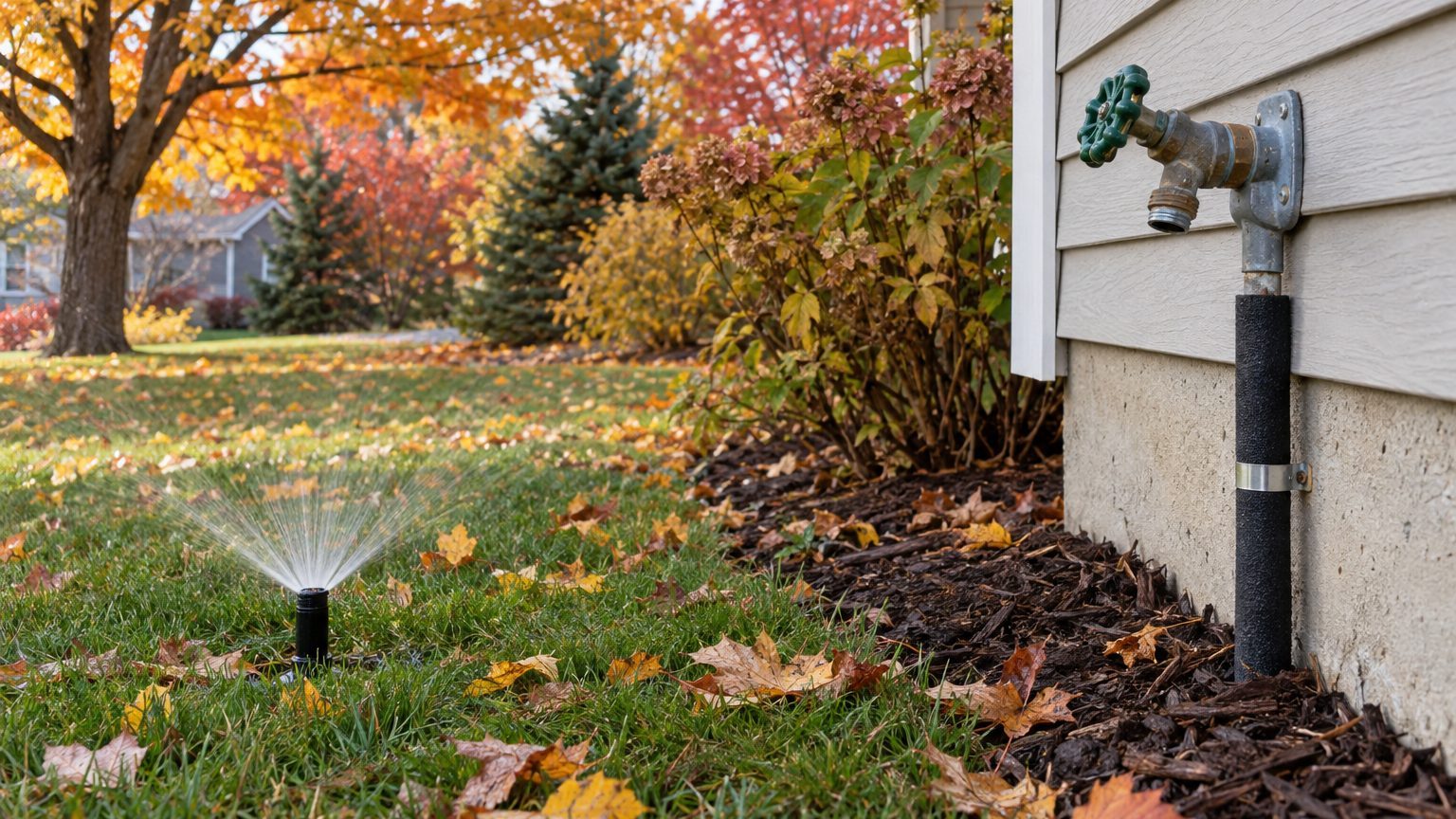
In Delaware, winter mulch goes on after the ground begins to freeze, not at the first frost.
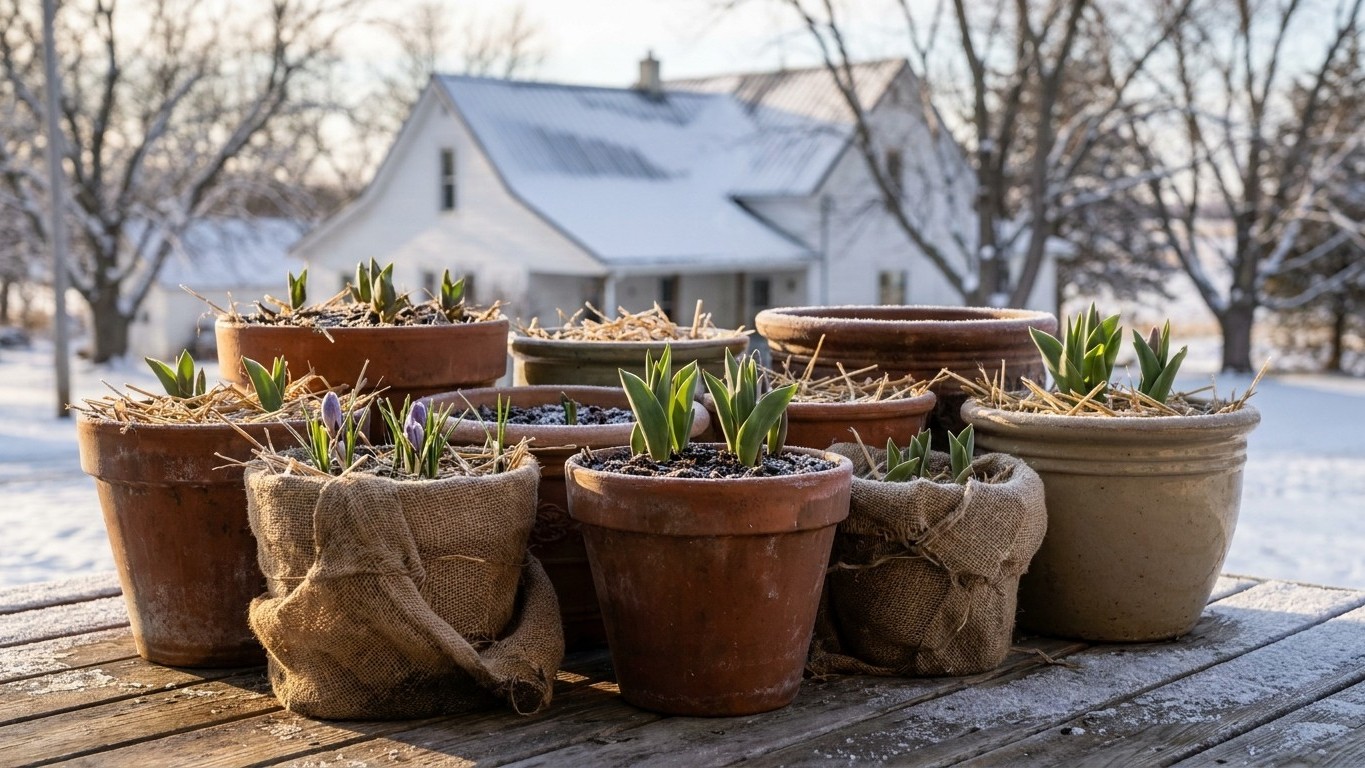
Dig dahlias, cannas and gladiolus in Delaware once a frost has blackened the foliage, within about a week or two.
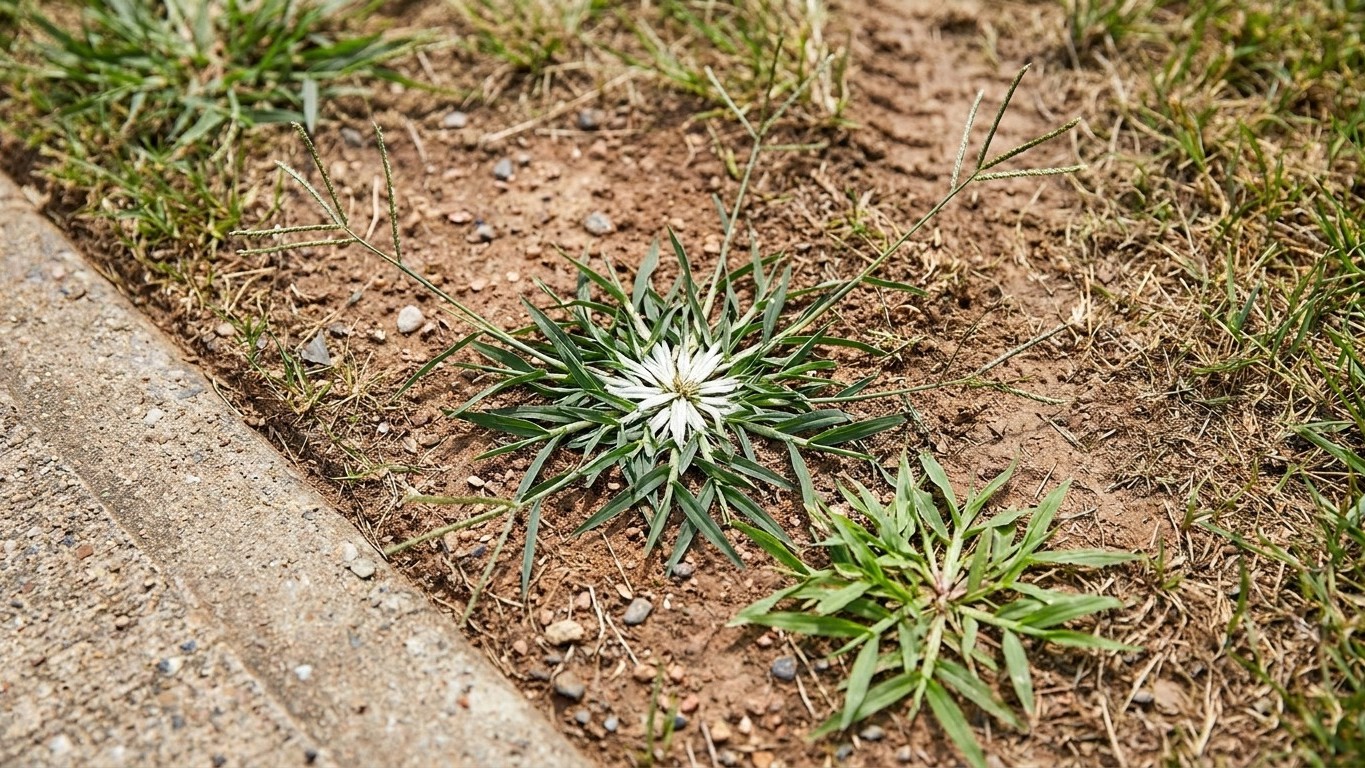
Mow Delaware lawns between 1.5 and 3.5 inches, and let the grass species pick the exact number. Tall fescue wants 3 to 3.5 inches.
Delaware’s first fall frost arrives between October 26 and November 7 at the Wilmington airport weather station, according to NOAA’s 1991-2020 Climate…