How Much Insulation Does a Home in West Virginia Need?
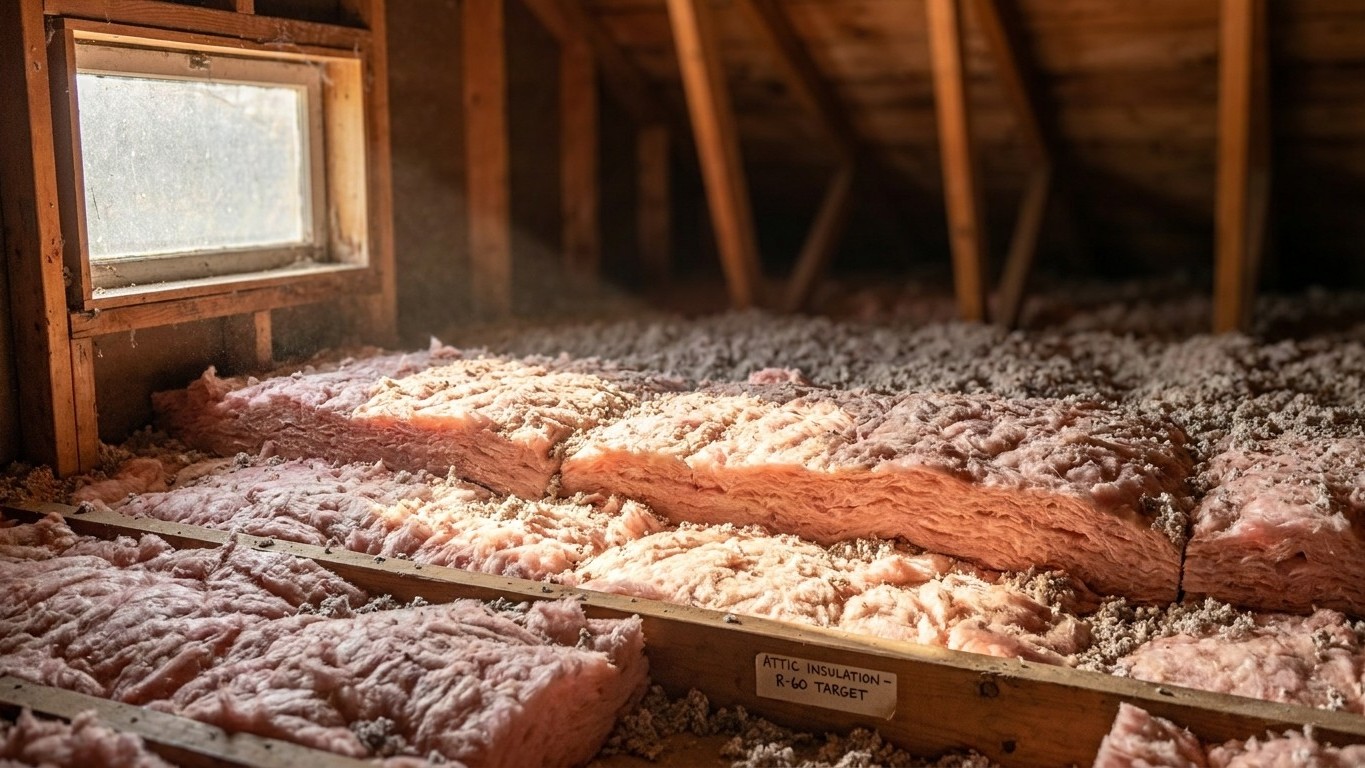
West Virginia doesn’t have one insulation answer. The state sits across two IECC climate zones, so the right R-value depends on which of the state’s 55…
Home & garden, state by state
West Virginia doesn’t have one insulation answer. The state sits across two IECC climate zones, so the right R-value depends on which of the state’s 55…
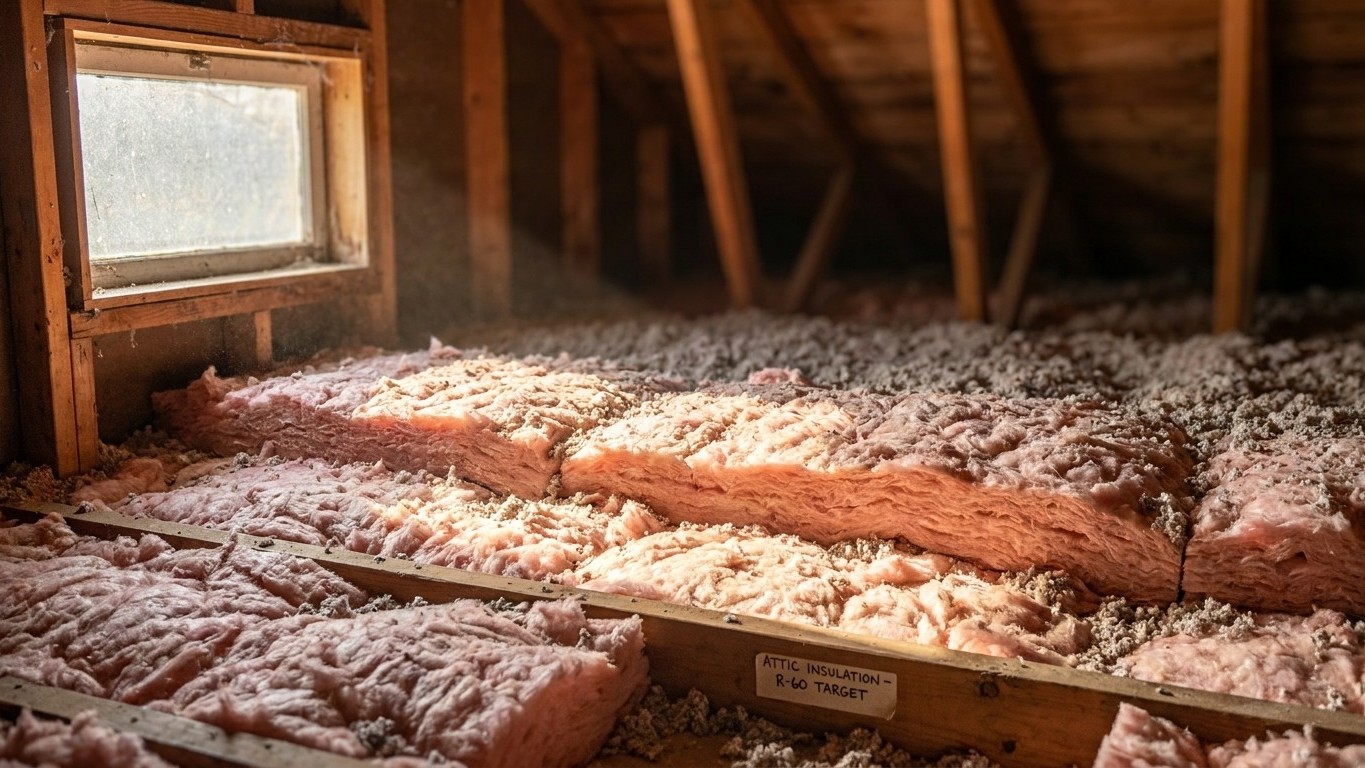
Washington spans four IECC climate zones across its 39 counties, so there’s no single R-value that fits every home in the state.
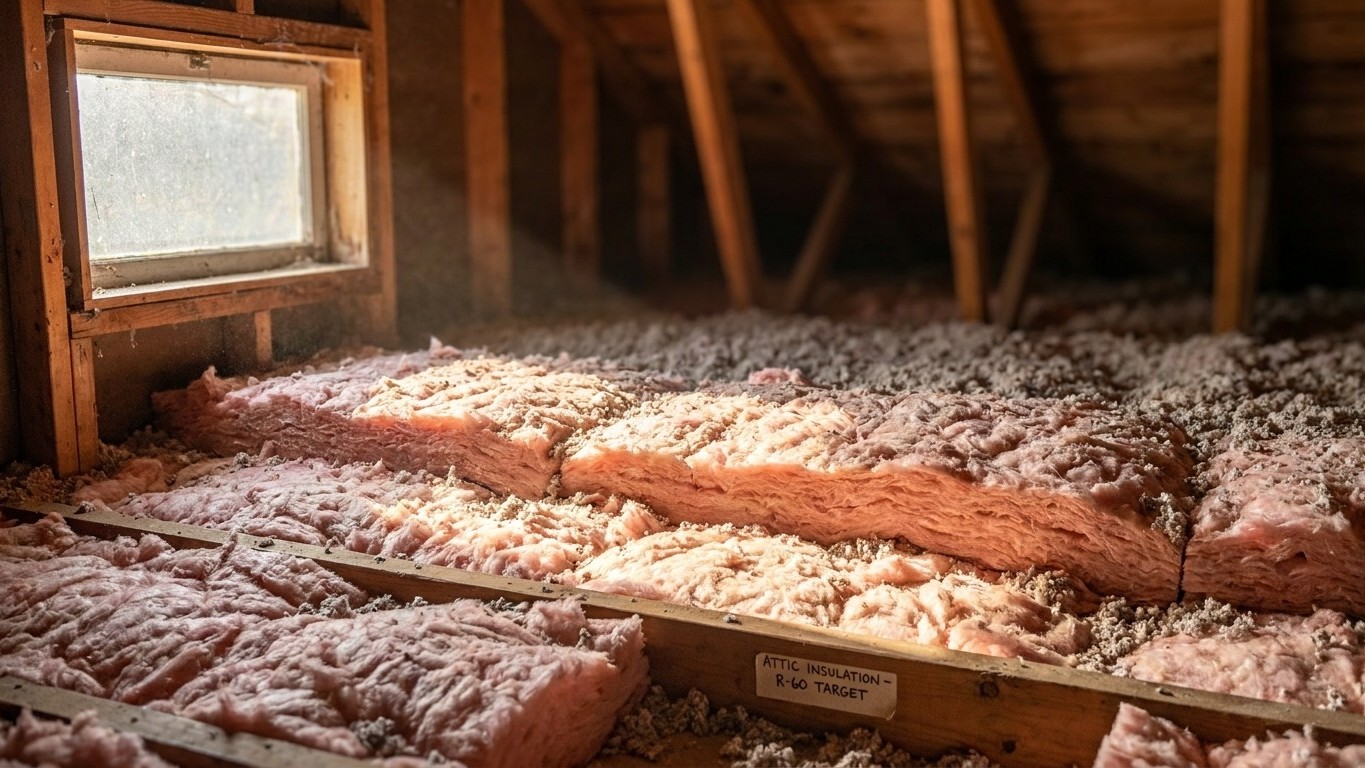
Virginia’s IECC climate zone map has a clear default: zone 4A applies to almost every county in the state, with 19 counties shifted to zone 3A and 5…
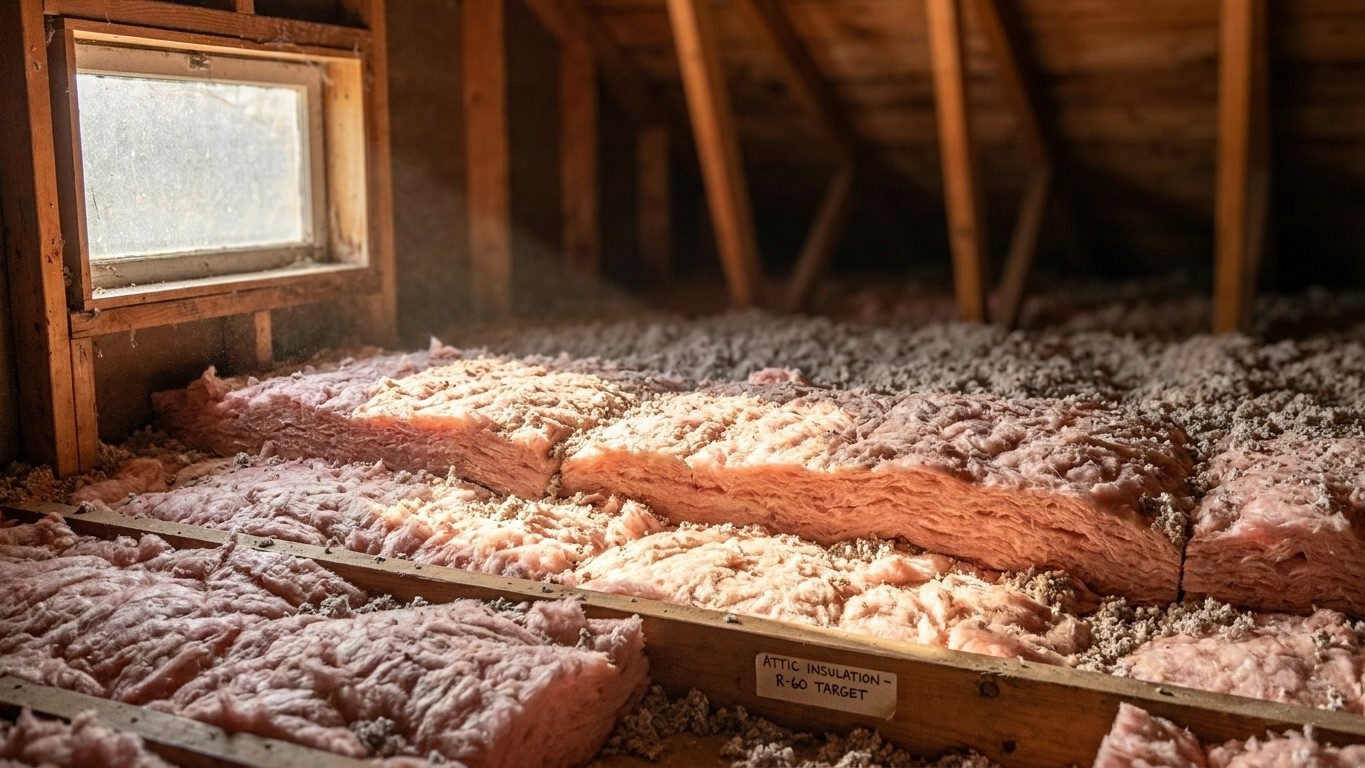
Vermont sits entirely in IECC climate zone 6A, so every county uses the same insulation row: attics need R60 if uninsulated (or R49 if topping up…
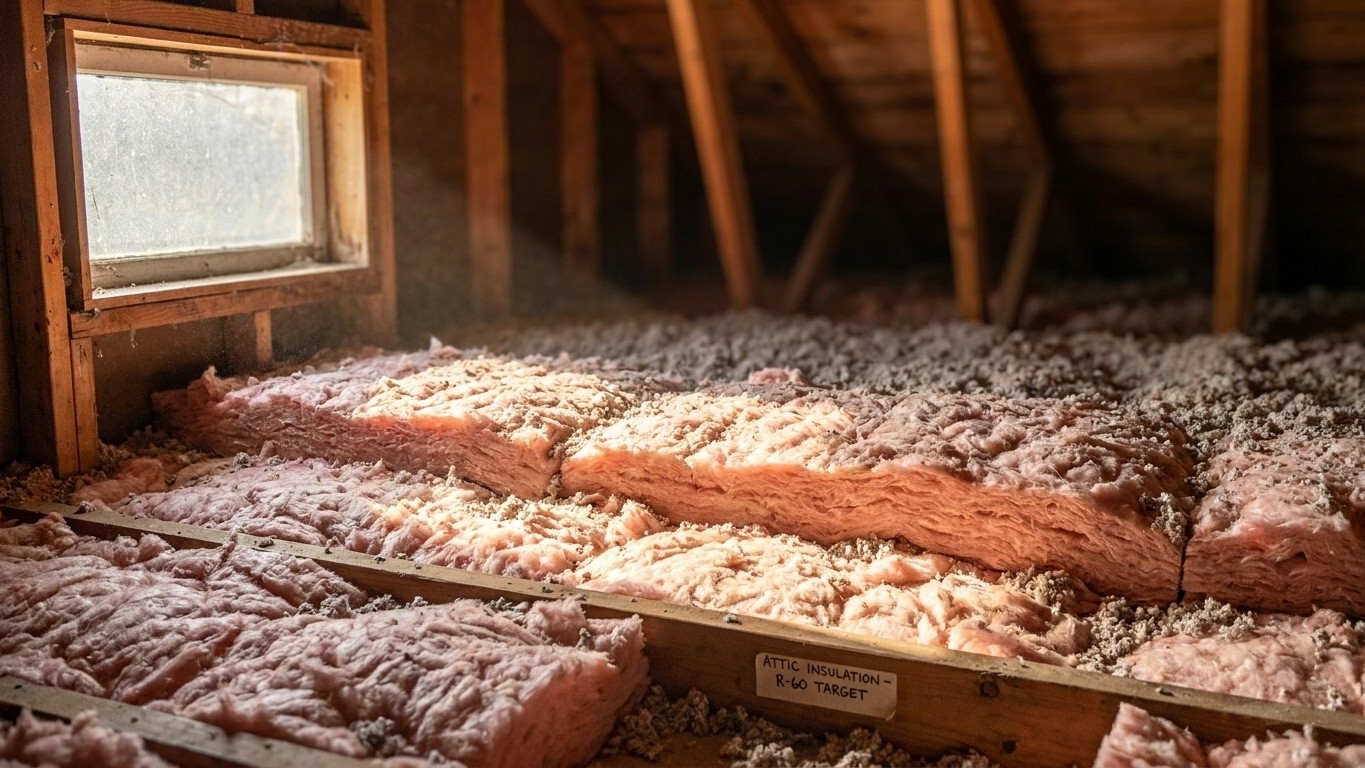
Utah has no single insulation number because it doesn’t sit in a single climate zone.
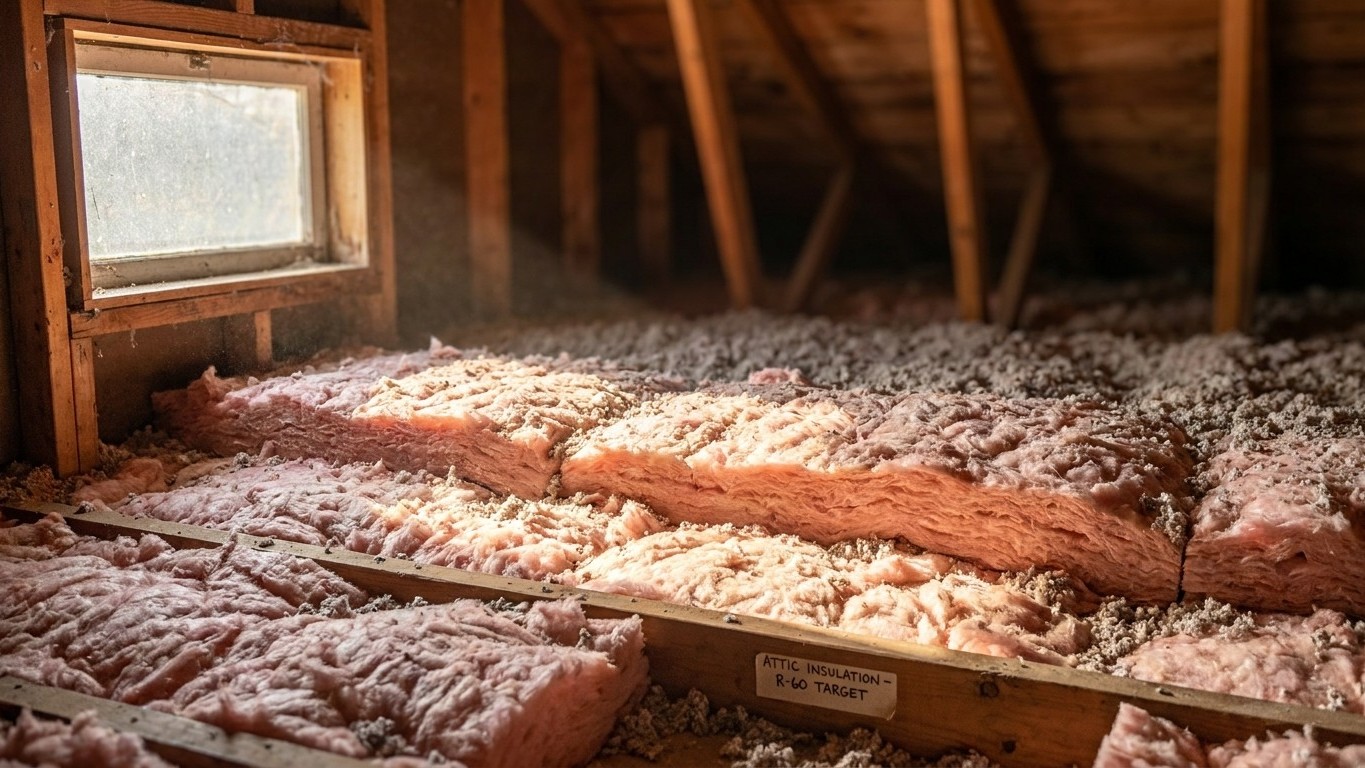
Texas covers six different IECC climate zones, so there’s no single R-value that fits the whole state.
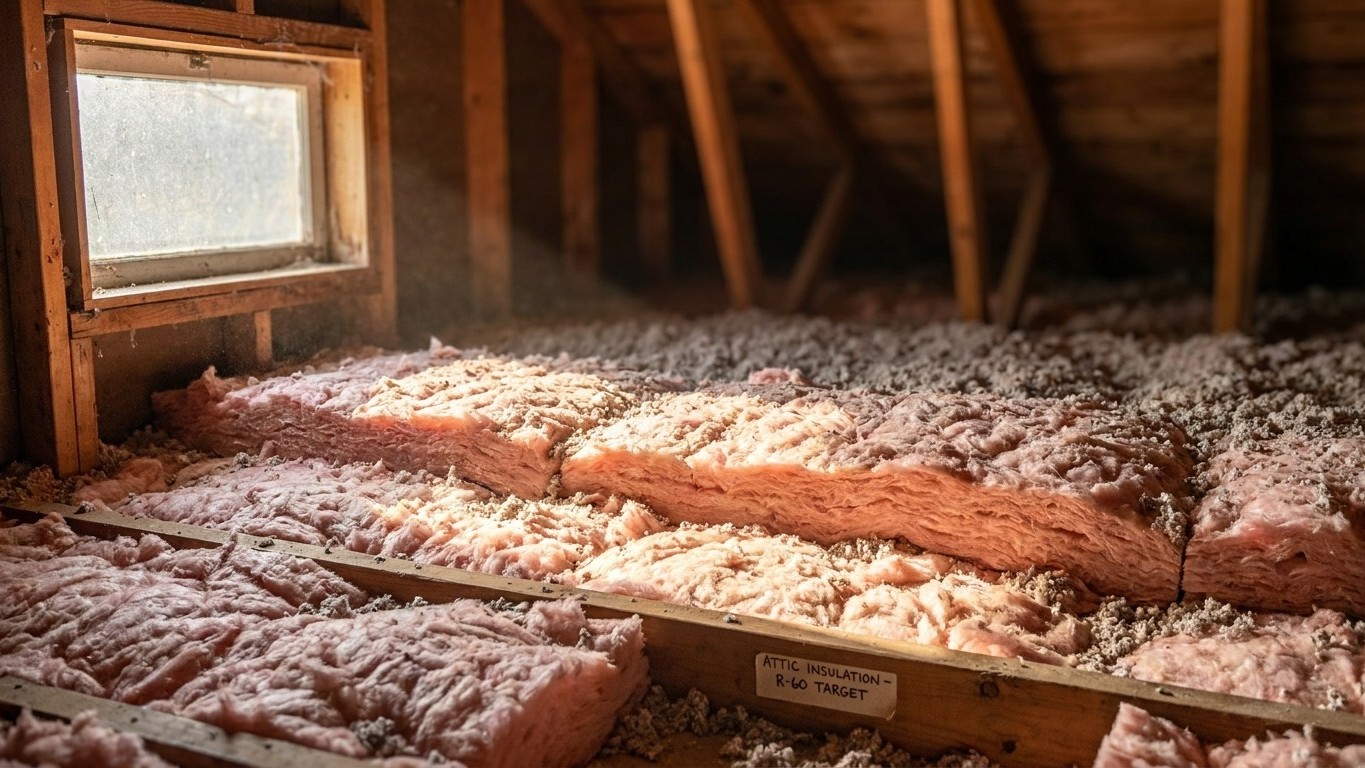
Tennessee sits across two IECC climate zones, 4A and 3A, and that split is the whole reason there’s no single R-value answer for “a home in Tennessee.” A…
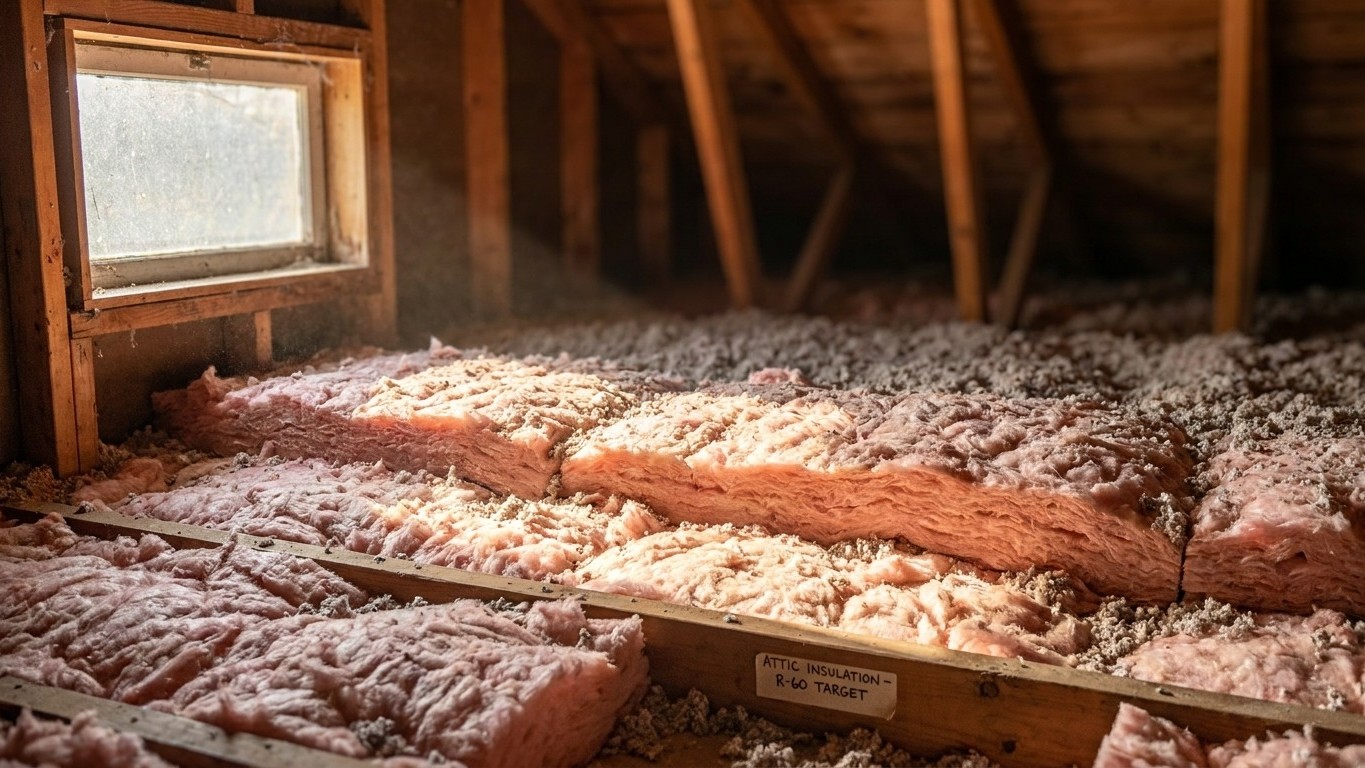
South Dakota’s 66 counties split across two IECC climate zones, but that split doesn’t actually change the insulation numbers much: both zones land on…
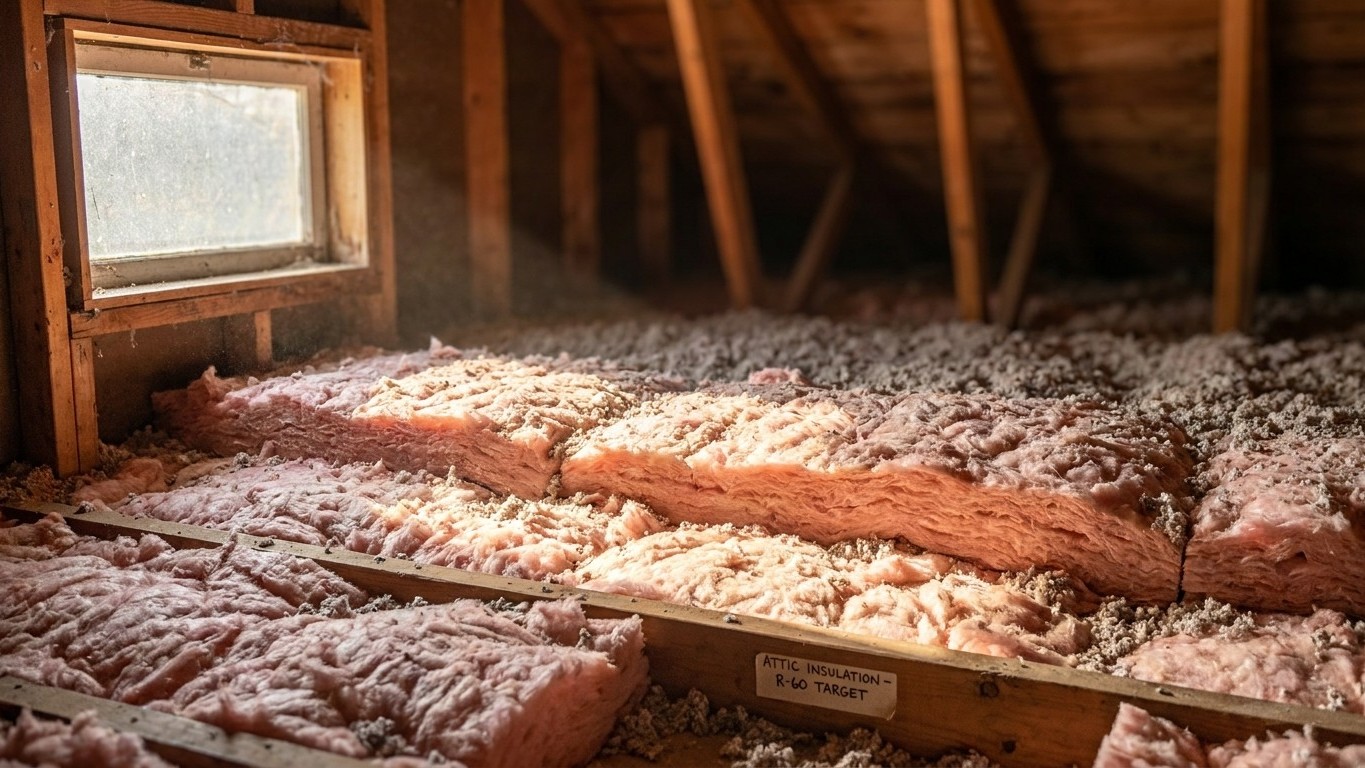
South Carolina spans two IECC climate zones, so the right amount of insulation depends on where a house sits.
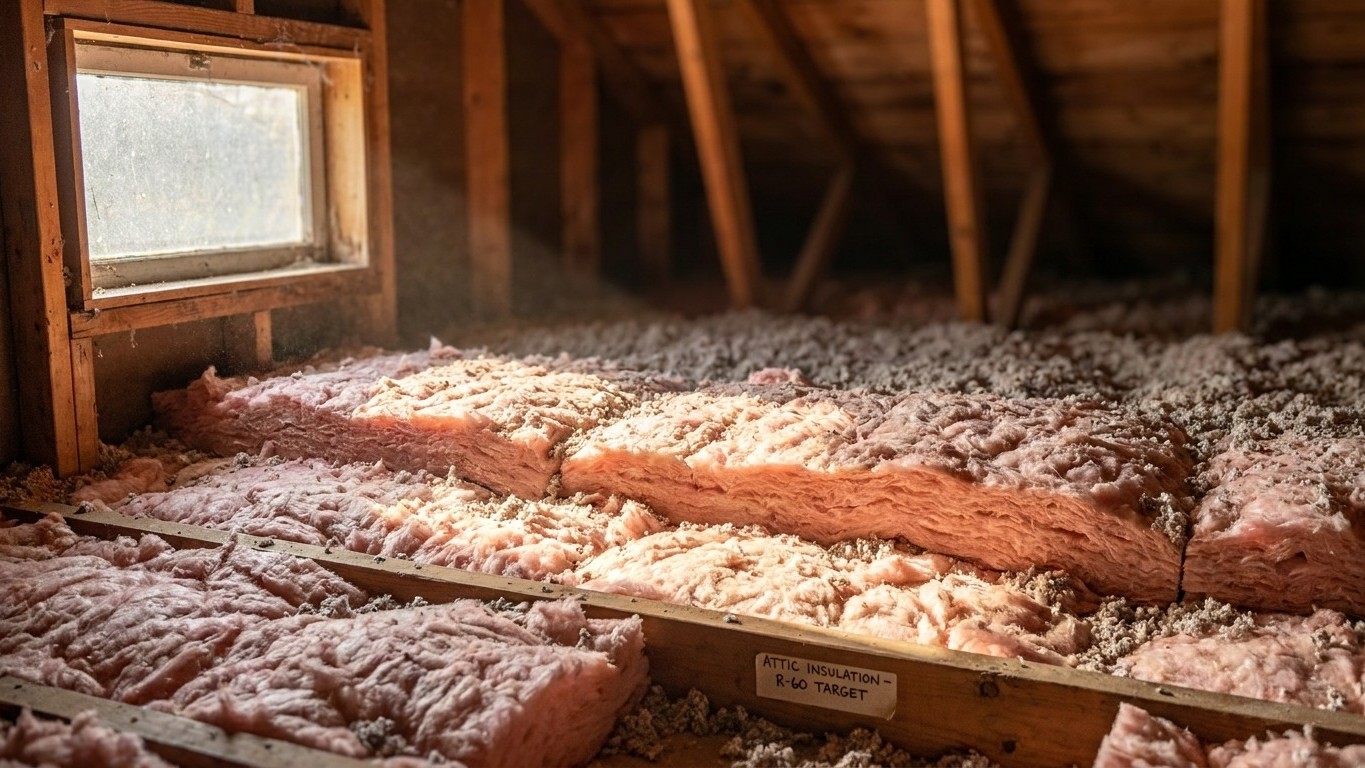
The whole state of Rhode Island falls into IECC climate zone 5A, which means one row of the ENERGY STAR retrofit table applies statewide: R60 for an…