Keeping the Heat Out: Shade, Glass and the Cooling You Never Have to Buy
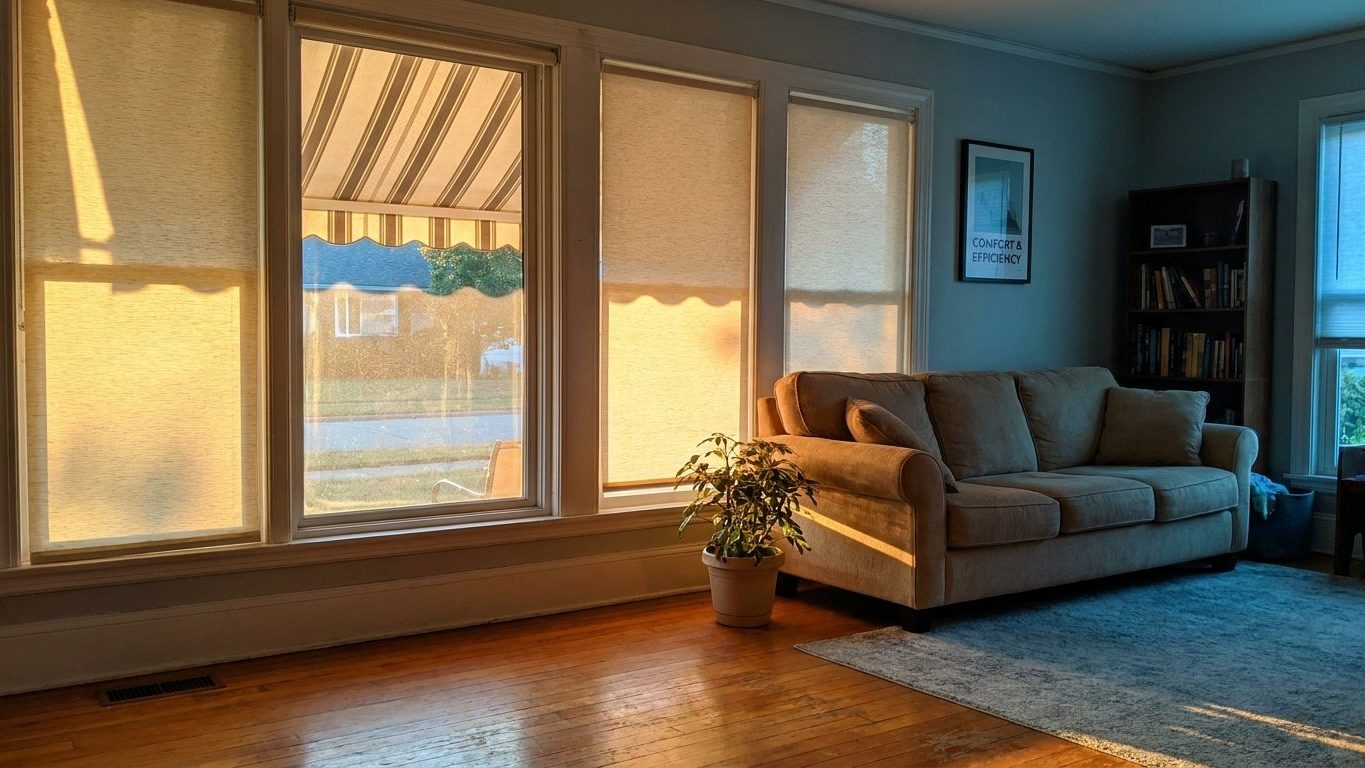
Keeping the sun out of a house comes down to stopping it on the outside of the glass: awnings, exterior shades, shutters, deep eaves, a tree on the west…
Home & garden, state by state
Keeping the sun out of a house comes down to stopping it on the outside of the glass: awnings, exterior shades, shutters, deep eaves, a tree on the west…
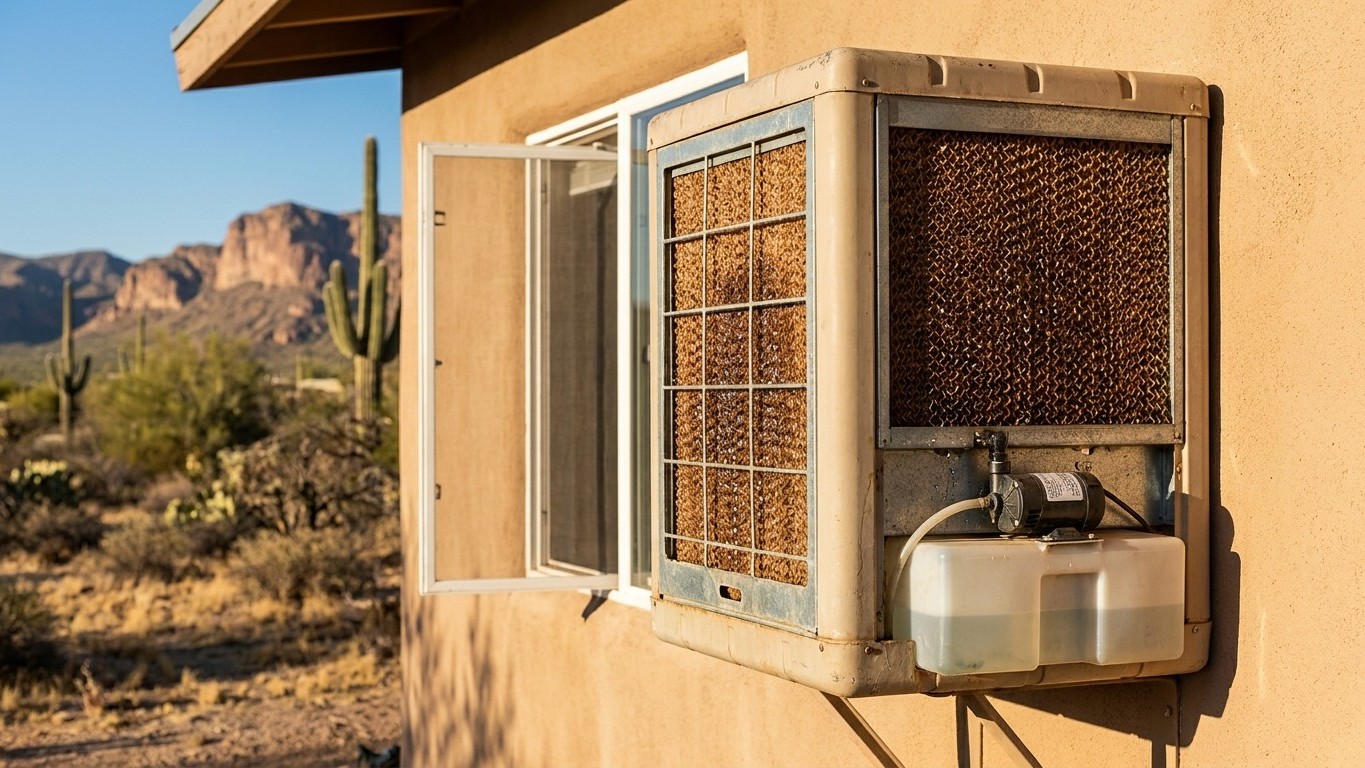
An evaporative cooler, often called a swamp cooler, lowers air temperature by pulling it through water-soaked pads so the water evaporates and takes heat…
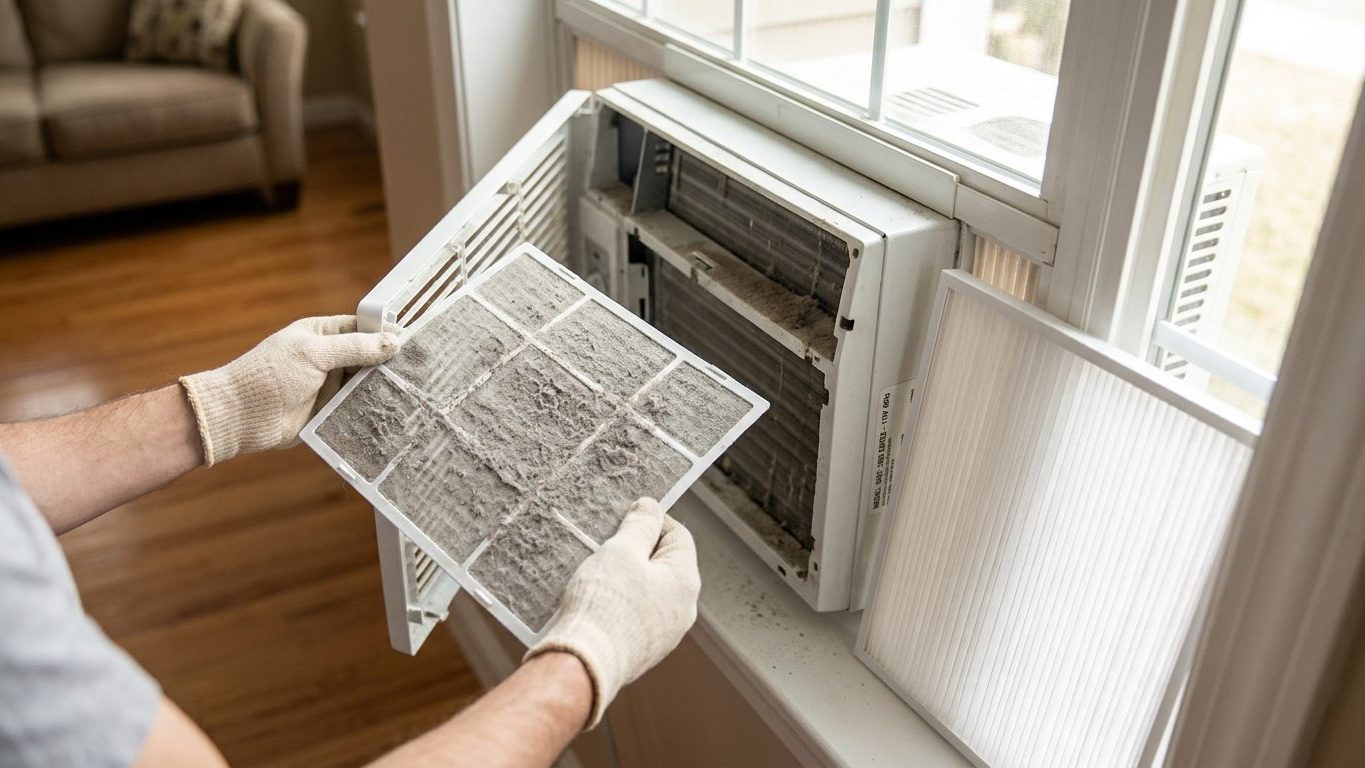
Unplug the unit, slide out the washable filter, and rinse it in lukewarm water. Let it dry fully before it goes back in. Wipe the front grille.
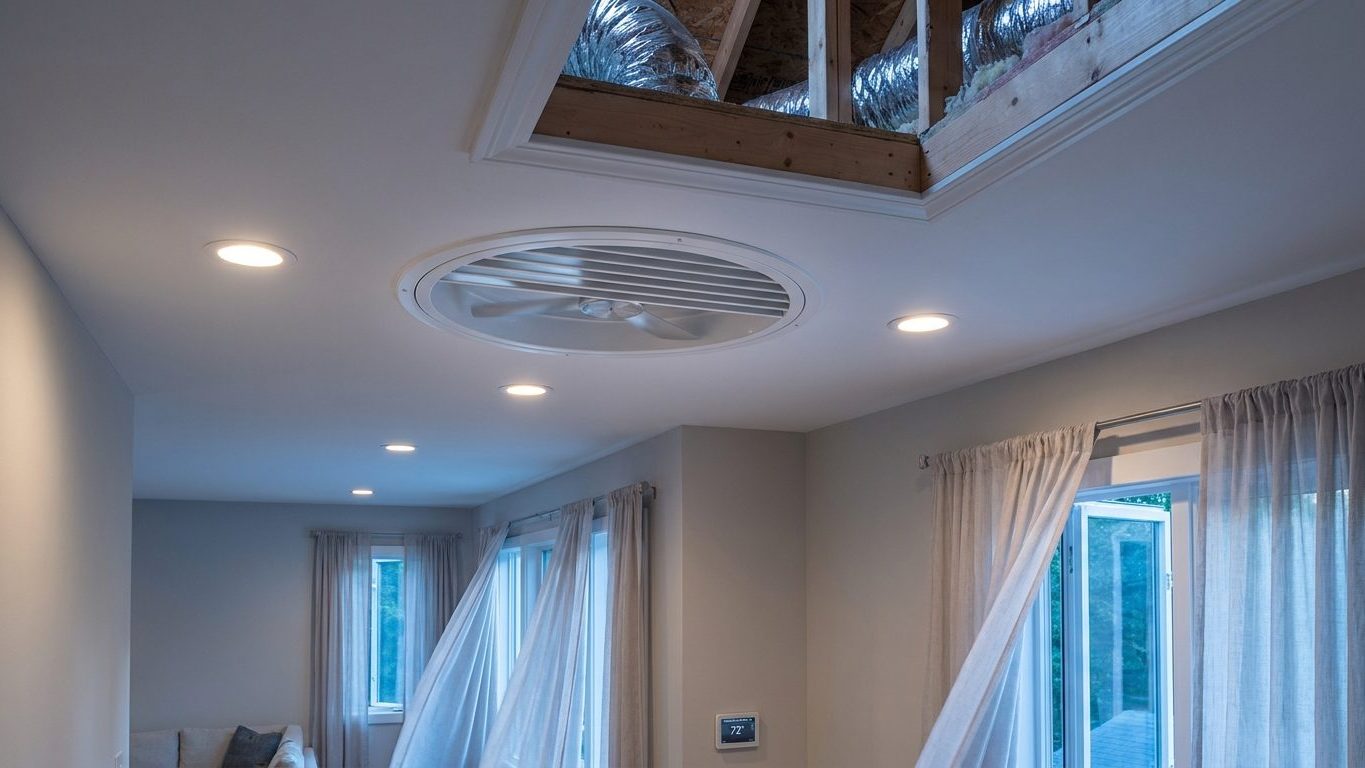
A whole-house fan cools a home by swapping its air for outdoor air, not by chilling it.
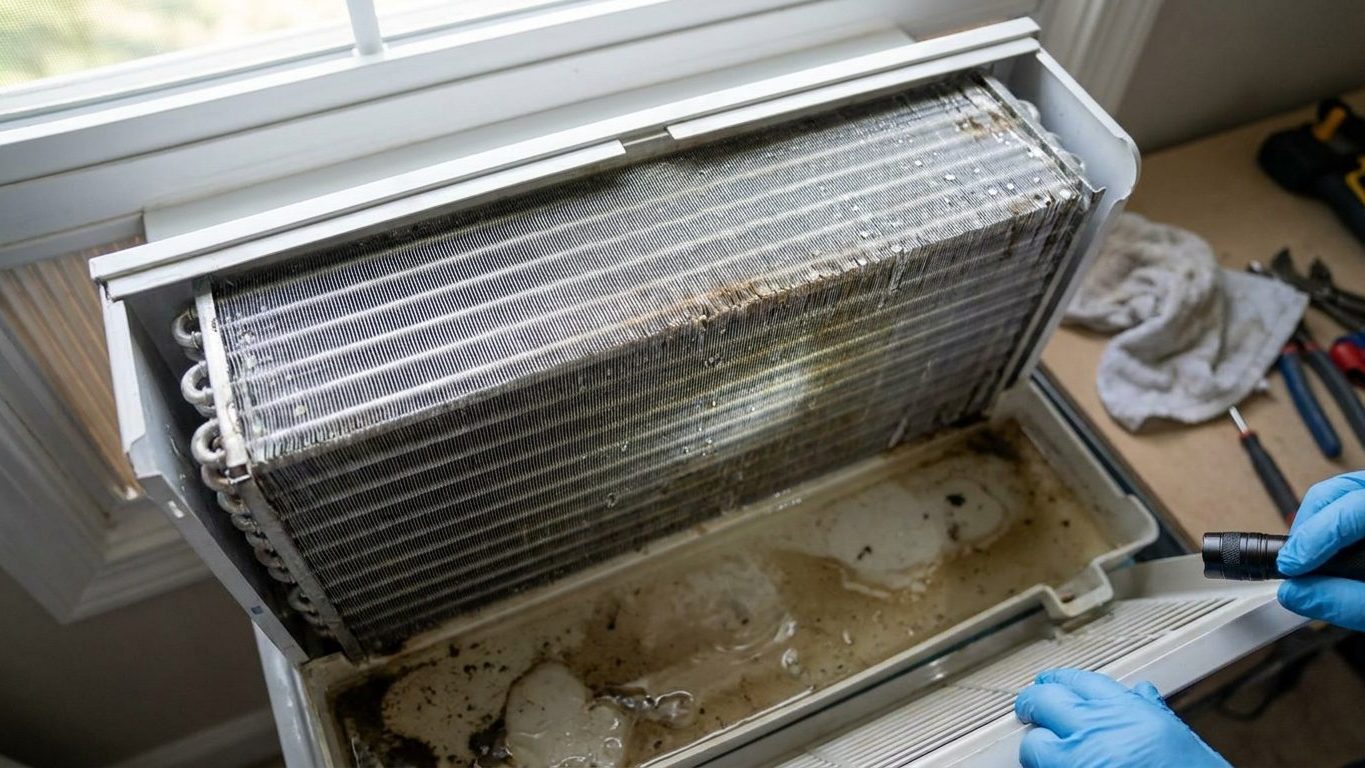
A musty or sour smell means moisture is sitting somewhere it shouldn’t, usually on the cooling coil or in the drain pan.
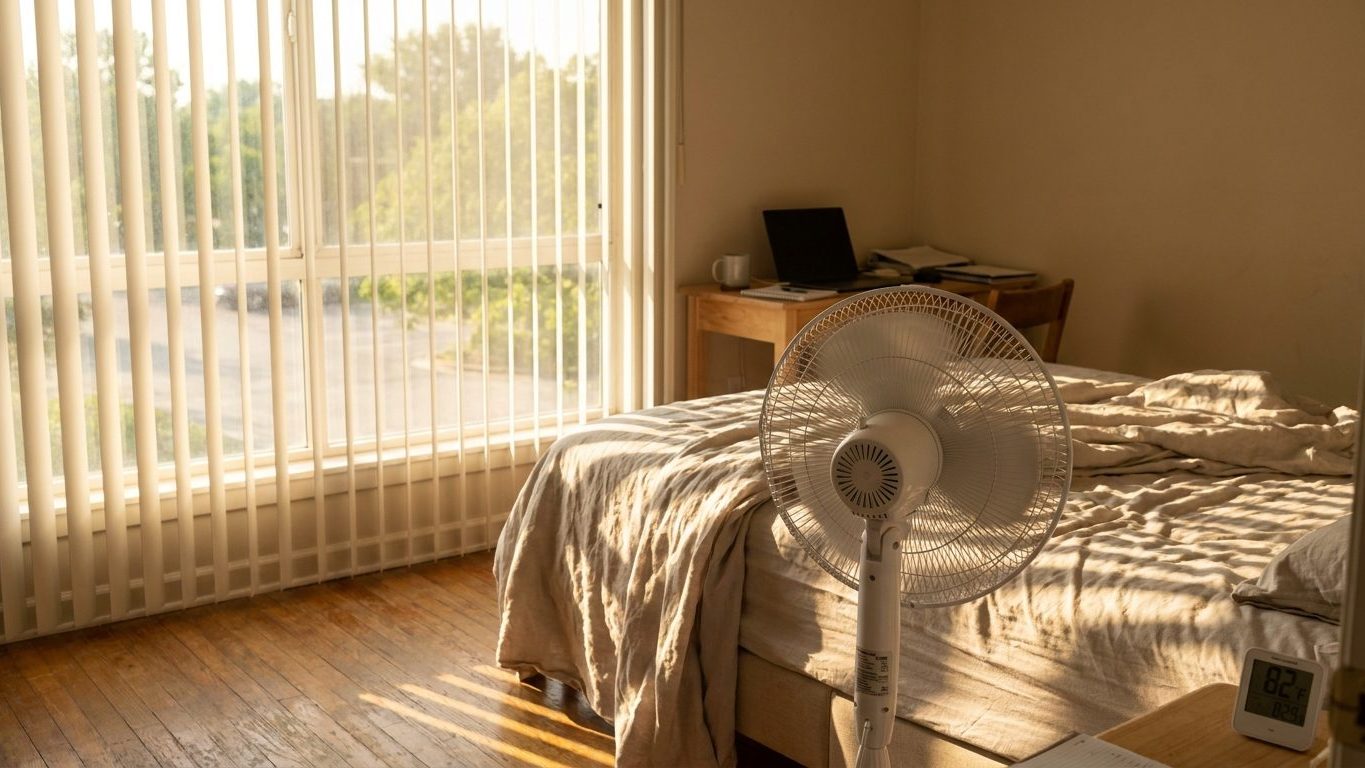
The fastest fix costs nothing: block the sun during the day, then swap the air at night when it’s actually cooler outside than in.
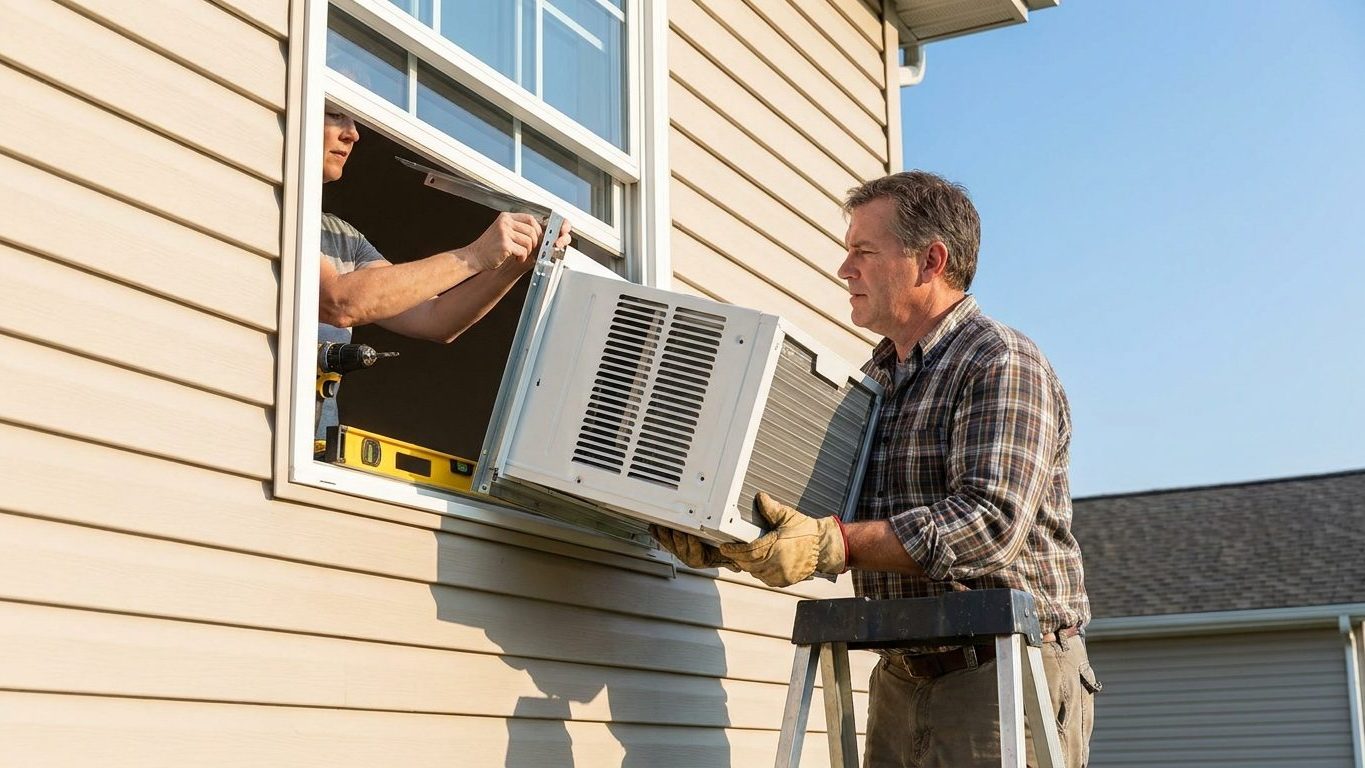
A window air conditioner goes in by resting on the sill, anchored to the frame with its own mounting bracket, tilted slightly toward the outside, and…
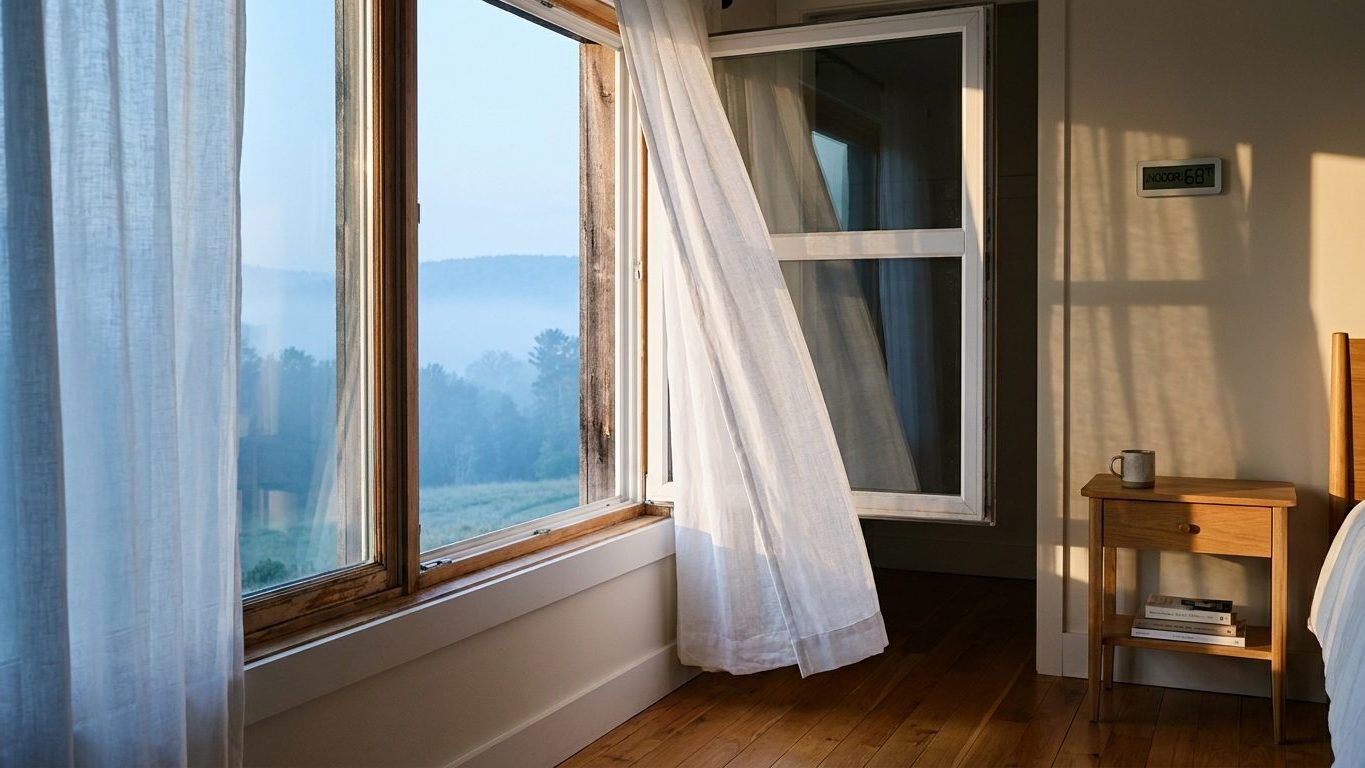
Cooling a house at night means opening it up when the outside air is cooler than the air inside, letting that cooler air replace the warm air trapped…
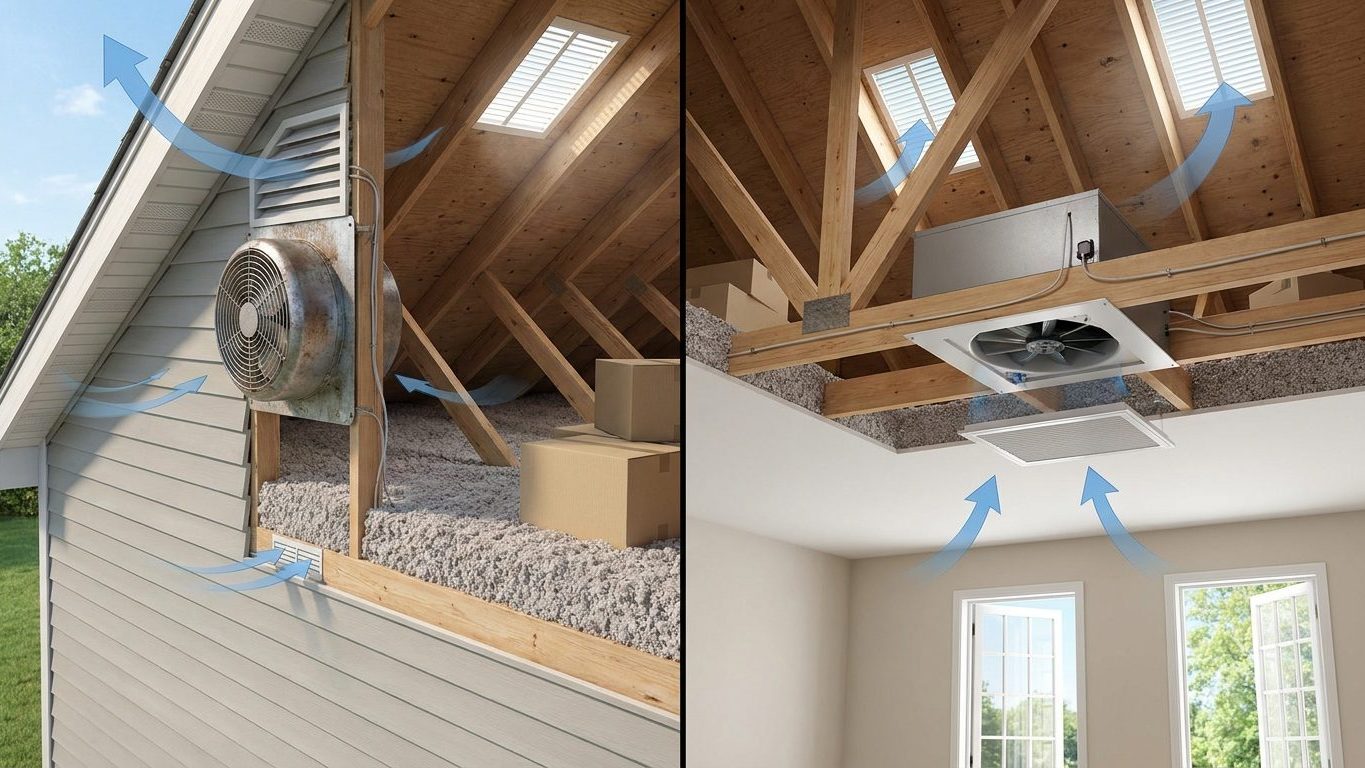
An attic fan and a whole-house fan look similar. Both mount near the roofline, both spin large blades, and both get installed by homeowners trying to…
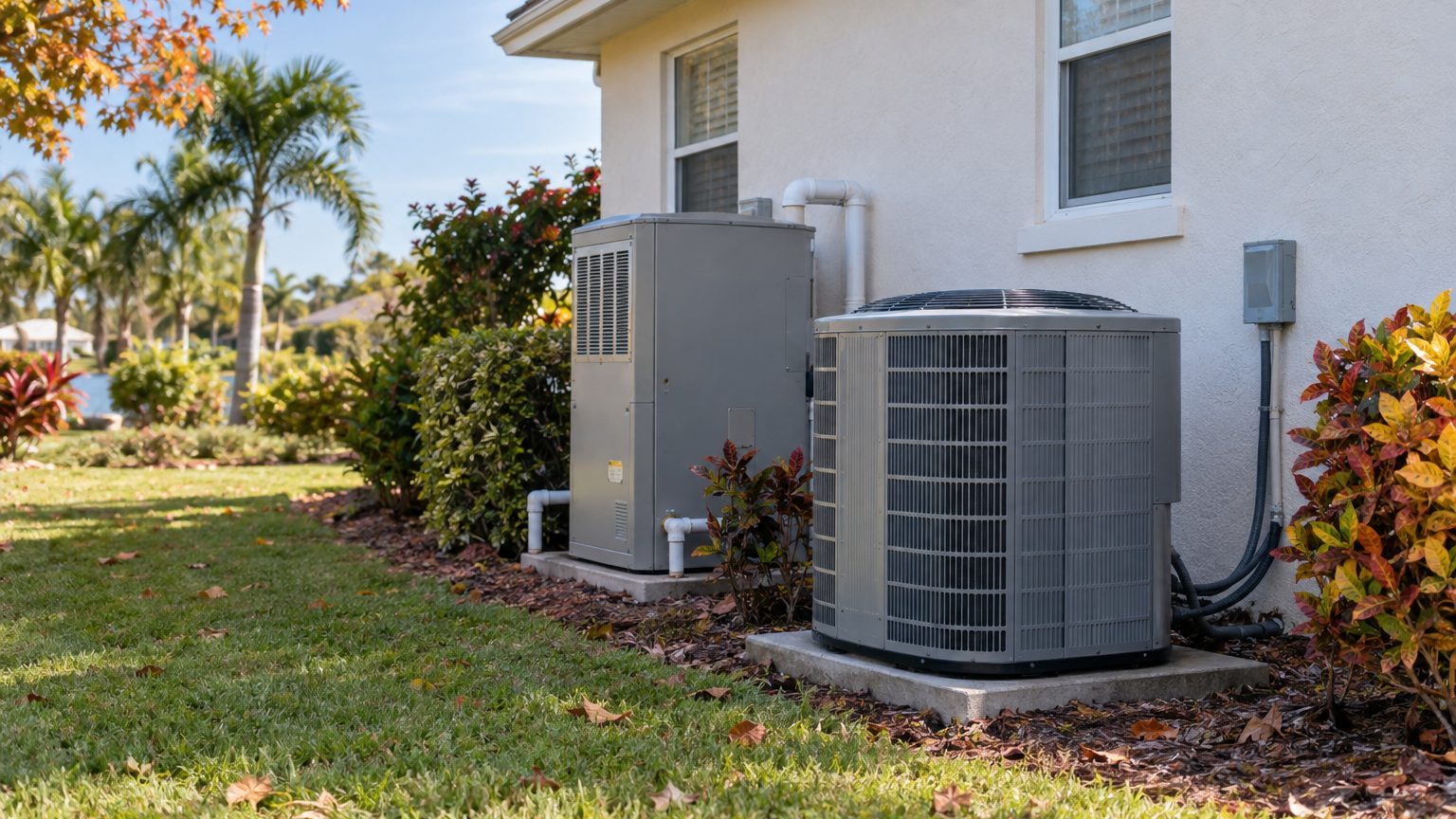
In Oklahoma, a heat pump and a 95% gas furnace cost almost the same to run. The heat pump comes out slightly ahead on the numbers, but the margin is small.