Radiator Valves and Thermostatic Heads: What Each One Does
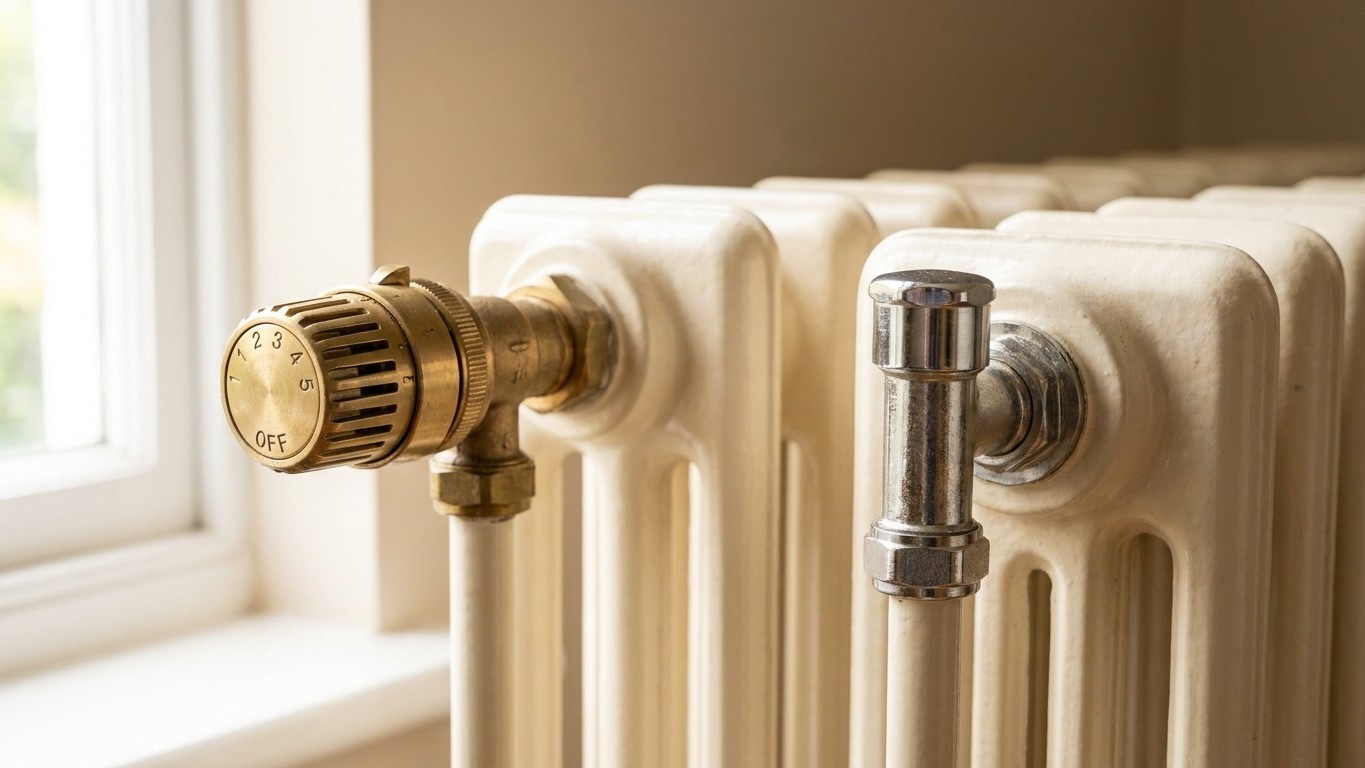
Every hot-water radiator has two valves, and they don’t do the same job. One controls how much hot water flows in right now.
Home & garden, state by state
Every hot-water radiator has two valves, and they don’t do the same job. One controls how much hot water flows in right now.

The short answer: in Alaska, “turning the heat off” isn’t really an event. July is the closest thing the state gets to a lull, and even then the furnace…
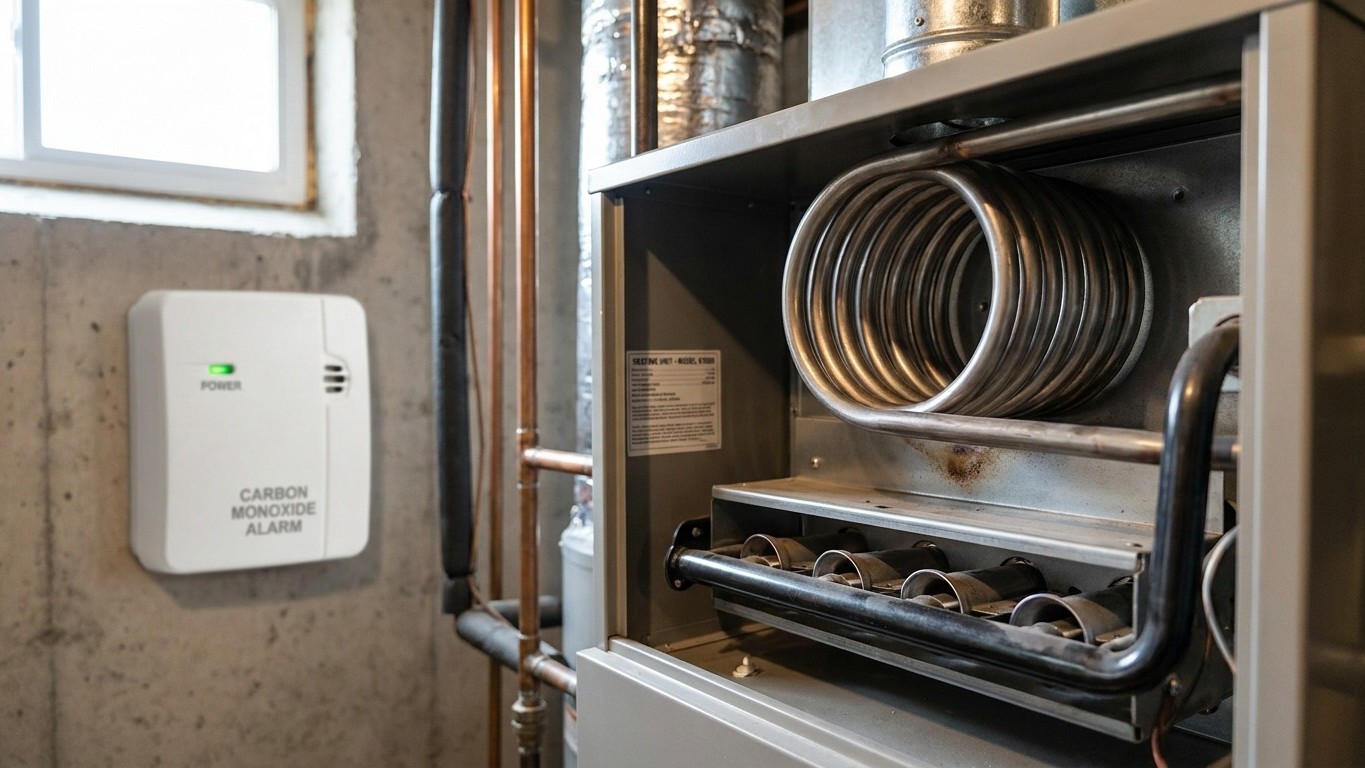
A fuel-burning furnace can produce carbon monoxide when combustion is incomplete or when its venting fails to carry exhaust outside. That’s the mechanism.

April is as close as Alabama gets to a break, and even then the house isn’t asking for nothing.
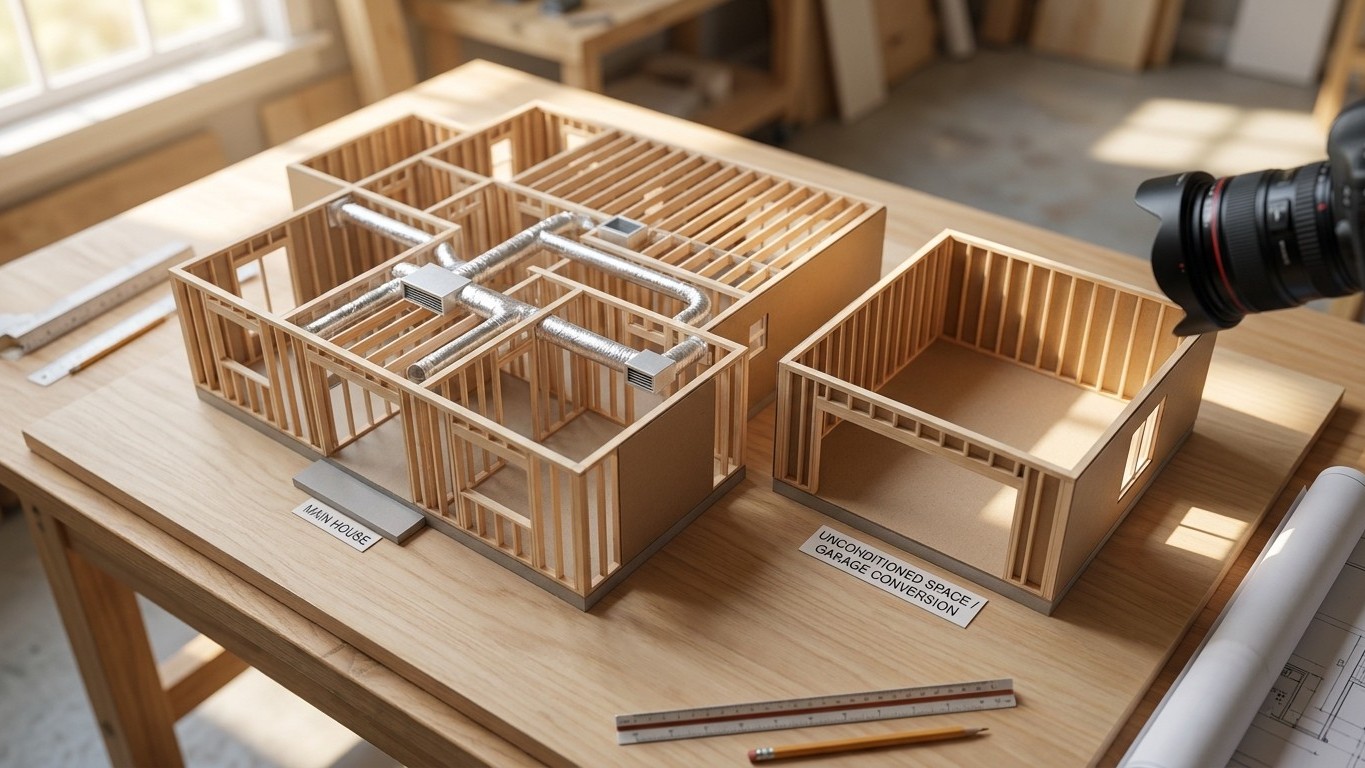
A room with no ductwork has three real paths forward: tap into the existing duct system if it has spare capacity, install standalone equipment made for…
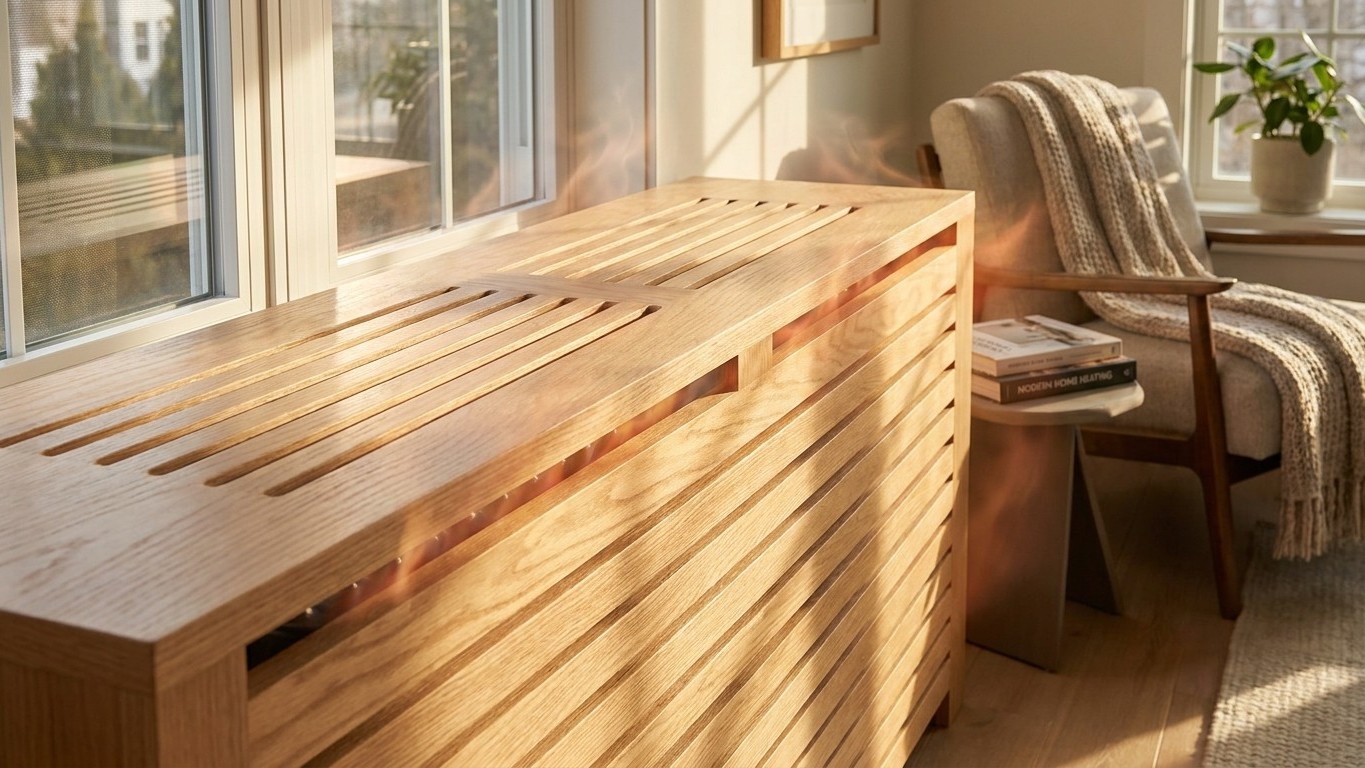
A radiator cover changes how a room feels warm, not how much heat the boiler sends into the room.
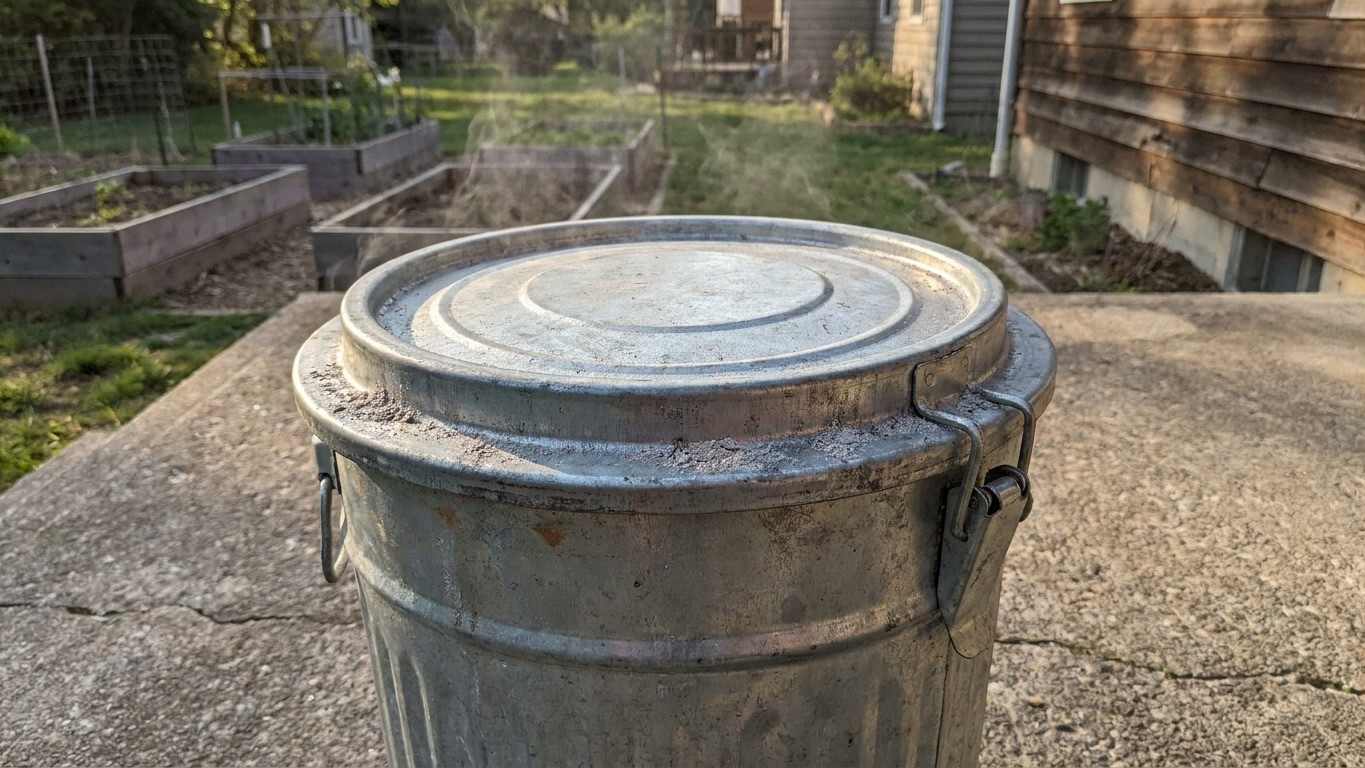
Pellet stove ash goes in a metal container with a tight lid, stored outside on a non-combustible surface, then either into the trash once it’s fully…
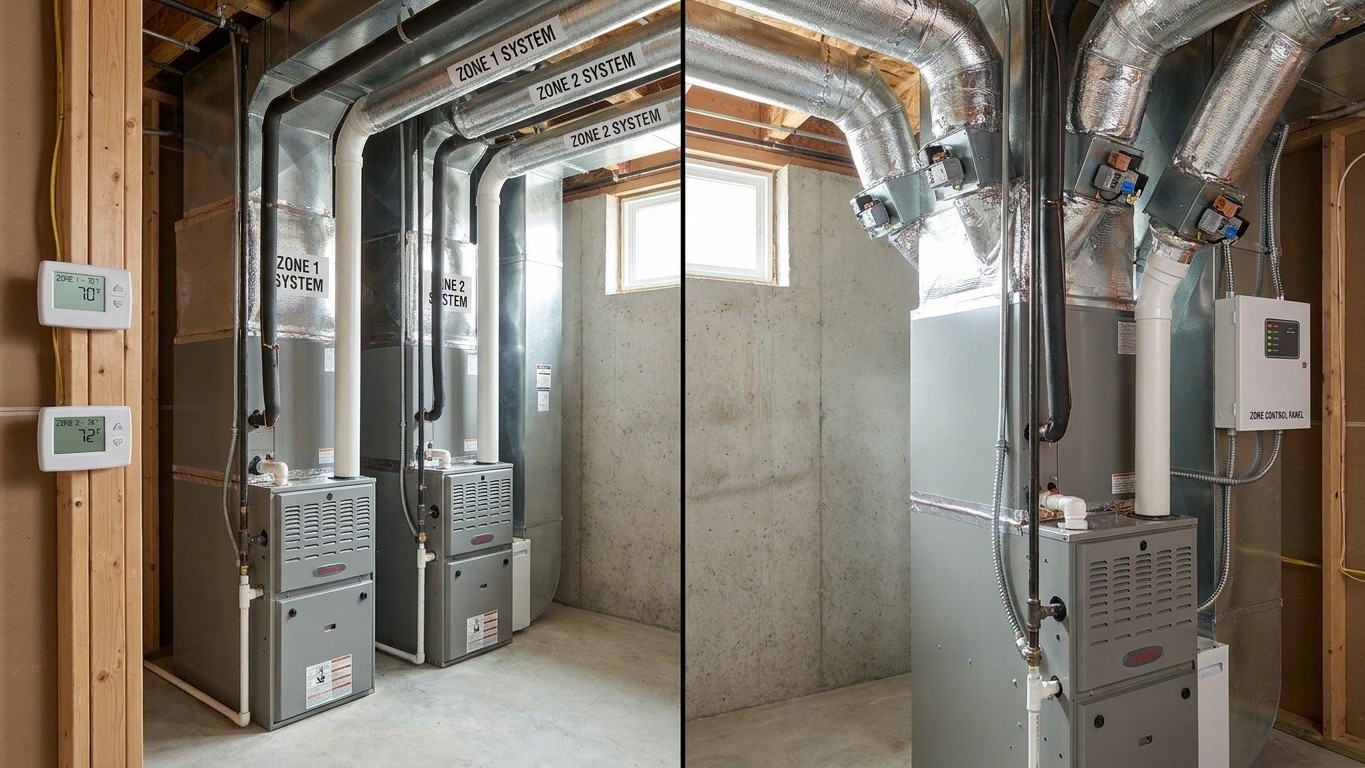
Two thermostats in one house means one of two very different setups: either you have two separate heating and cooling systems, each running its own…
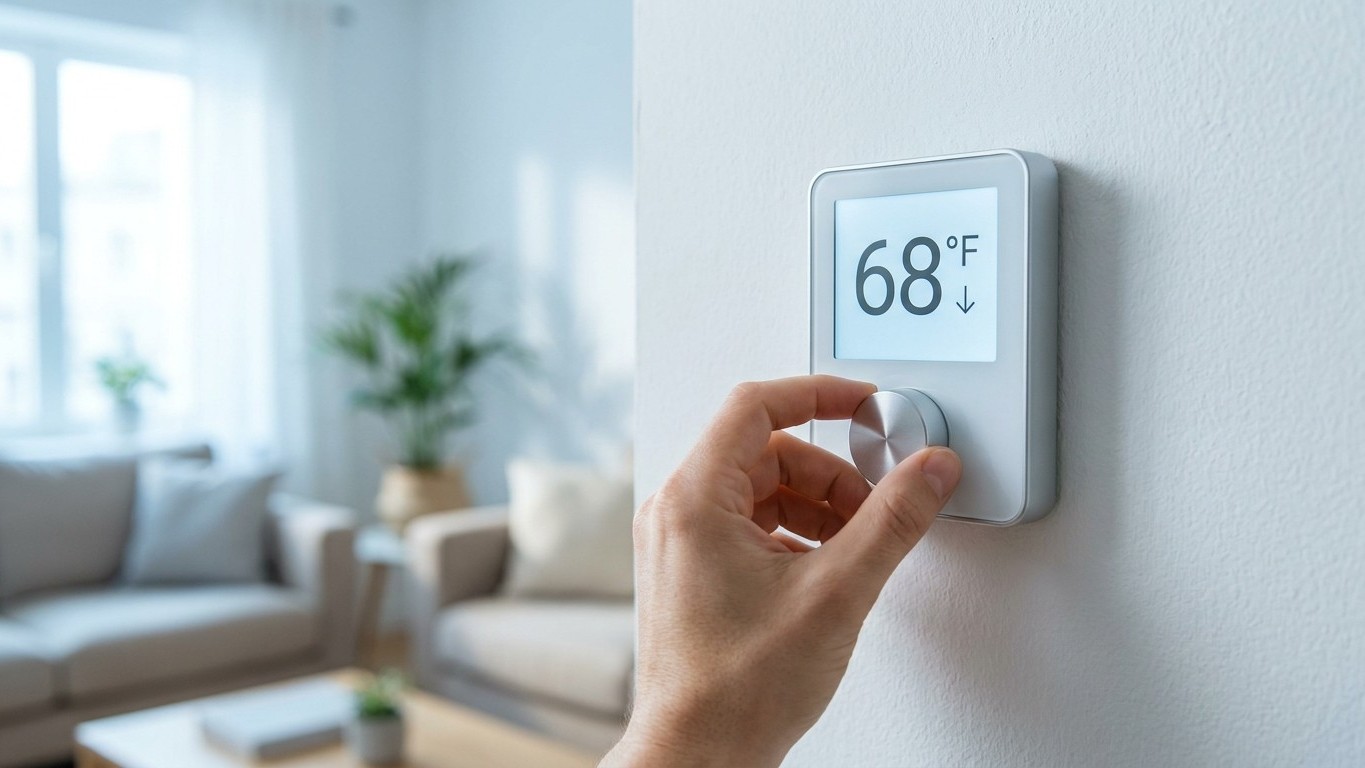
Yes, turning the thermostat down saves money, and the savings are real enough that the Department of Energy puts a number on them.
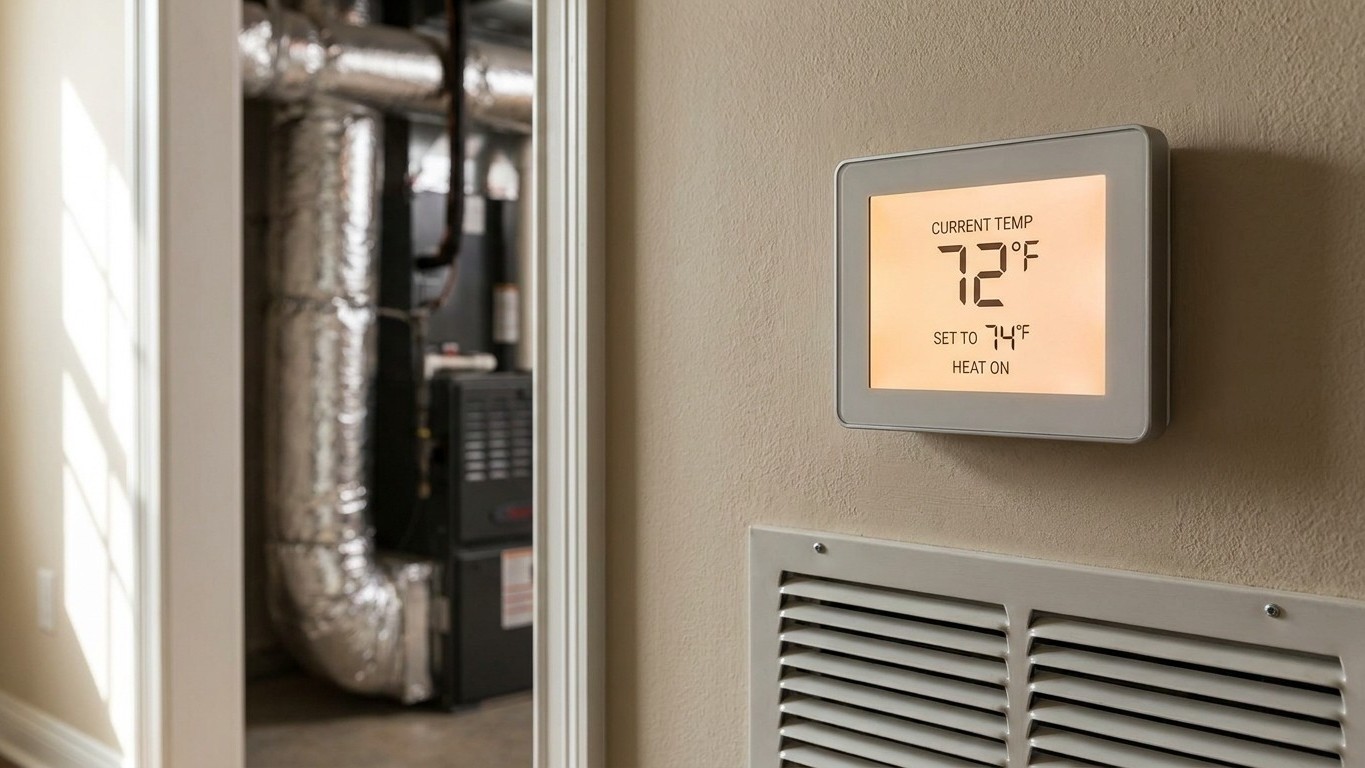
Furnace short cycling almost always traces back to one of two places: airflow that’s restricted somewhere between the furnace and the rooms, or a…