Skip to content

The Homestead Post

Home & garden, state by state

  • Home
  • Garden
    • Flowers
    • Lawn
    • Soil & Compost
    • Trees & Shrubs
    • Vegetables
  • Home Care
    • Electrical
    • Foundations
    • HVAC
    • Plumbing
    • Roofing
  • Energy
    • Heating & Cooling
    • Insulation
    • Rebates & Credits
    • Solar
  • Pests
    • Ants
    • Mosquitoes
    • Rodents
    • Termites
    • Ticks
  • Decor
    • Bedrooms
    • Kitchens
    • Living Rooms
    • Outdoor Spaces
  • DIY
    • Repairs
    • Tools
    • Weekend Projects
  • State Guides
    • Northeast
      • Connecticut
      • Maine
      • Massachusetts
      • New Hampshire
      • New Jersey
      • New York
      • Pennsylvania
      • Rhode Island
      • Vermont
    • Southeast
      • Alabama
      • Arkansas
      • Delaware
      • Florida
      • Georgia
      • Kentucky
      • Louisiana
      • Maryland
      • Mississippi
      • North Carolina
      • South Carolina
      • Tennessee
      • Virginia
      • West Virginia
    • Midwest
      • Illinois
      • Indiana
      • Iowa
      • Kansas
      • Michigan
      • Minnesota
      • Missouri
      • Nebraska
      • North Dakota
      • Ohio
      • South Dakota
      • Wisconsin
    • Southwest
      • Arizona
      • New Mexico
      • Oklahoma
      • Texas
    • West
      • Alaska
      • California
      • Colorado
      • Hawaii
      • Idaho
      • Montana
      • Nevada
      • Utah
      • Wyoming
    • Pacific Northwest
      • Oregon
      • Washington
    • Canada
      • Alberta
      • British Columbia
      • Manitoba
      • New Brunswick
      • Newfoundland and Labrador
      • Northwest Territories
      • Nova Scotia
      • Nunavut
      • Ontario
      • Prince Edward Island
      • Quebec
      • Saskatchewan
      • Yukon

How to Tell If Your Ducts Leak, and What It Is Costing You
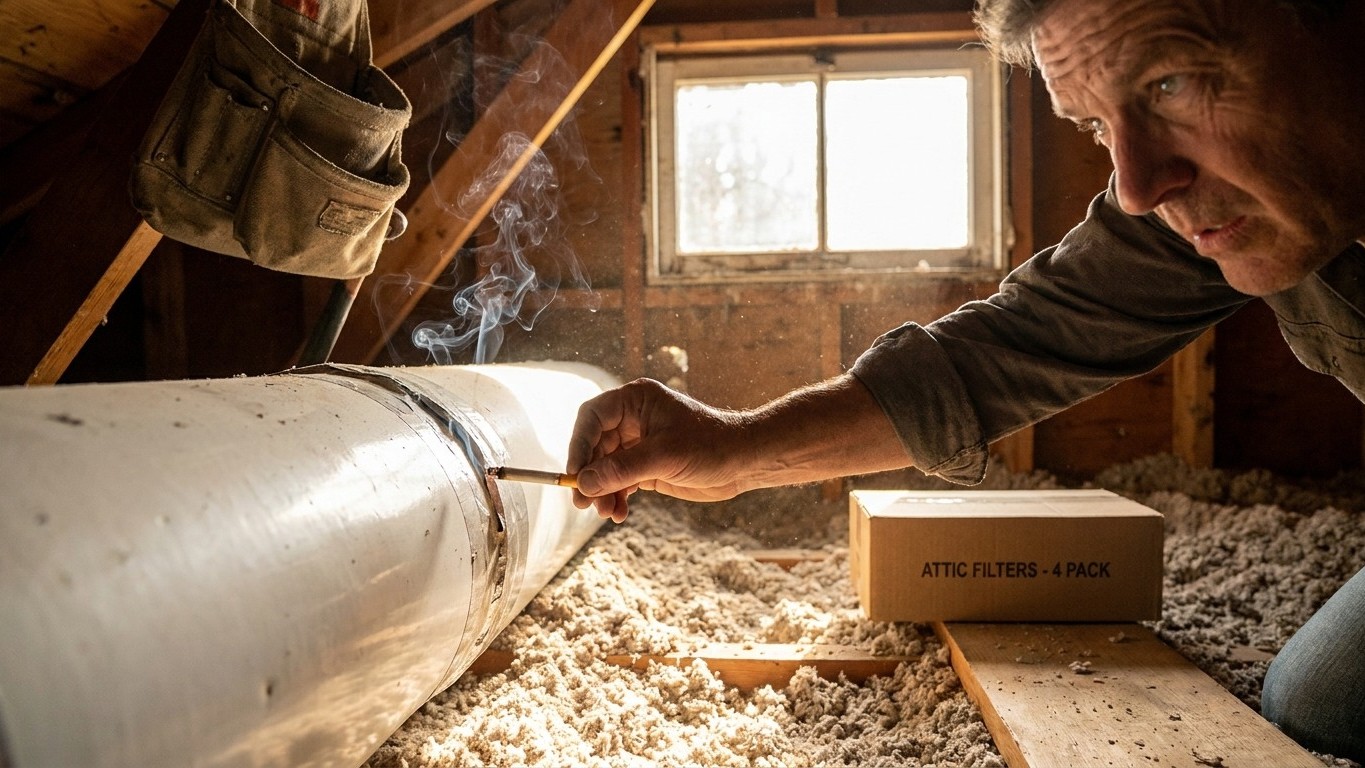
How to Tell If Your Ducts Leak, and What It Is Costing You

Leaky ducts show up as rooms that never quite reach temperature, a system that runs longer than it should, and utility bills that don’t match the weather…
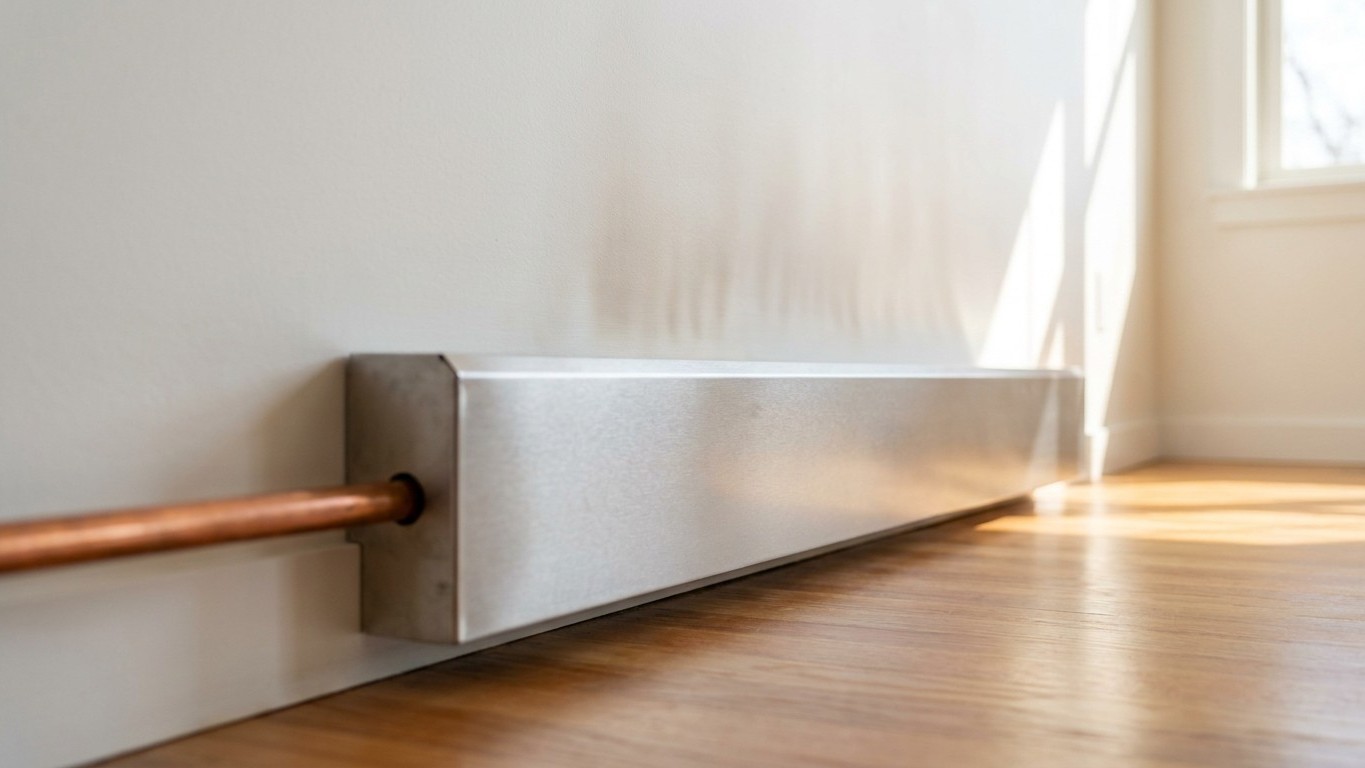
Hydronic Baseboard: The Boiler Loop Along Your Wall

Hydronic Baseboard: The Boiler Loop Along Your Wall

Hydronic baseboard heating is a wall-mounted emitter, not a self-contained heater.
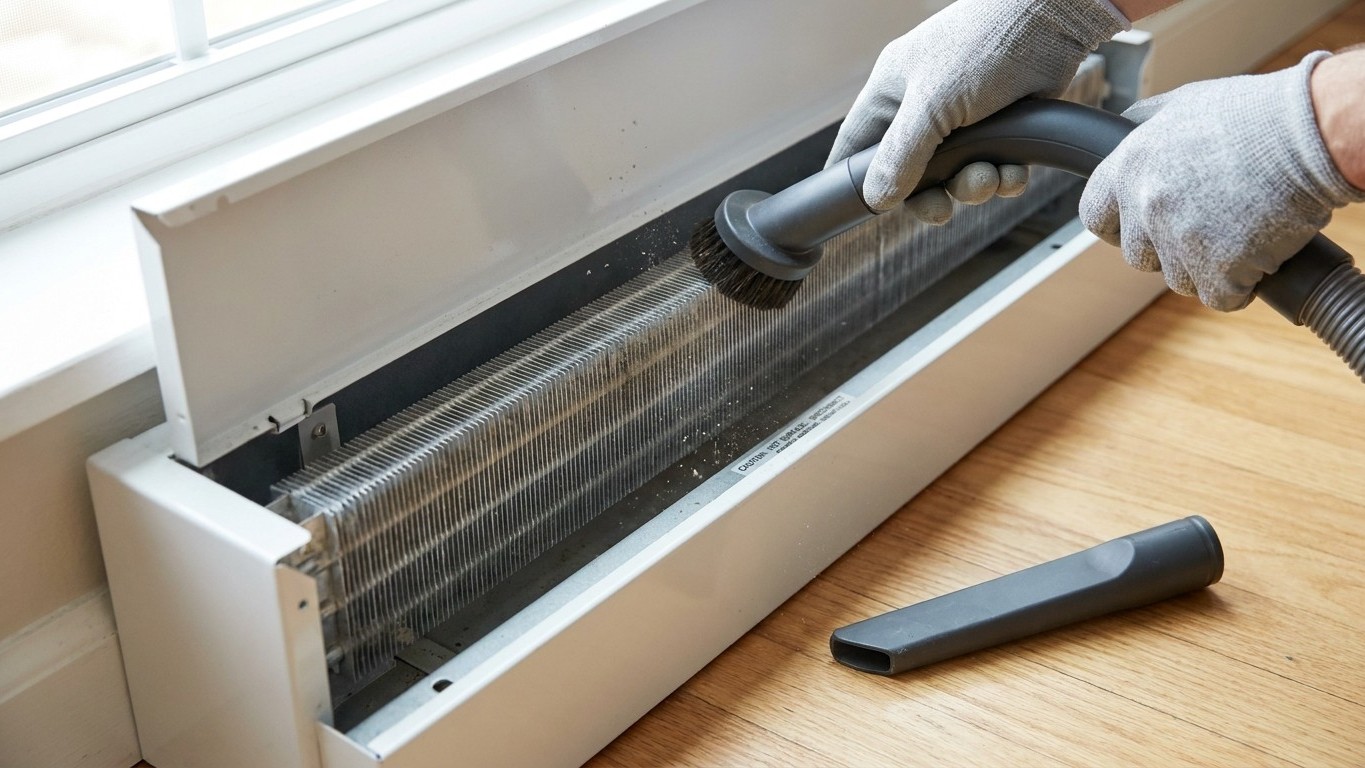
How to Clean a Baseboard Heater Properly, Fins and All

How to Clean a Baseboard Heater Properly, Fins and All

A clean baseboard heater means clear fins and a clear bottom channel, nothing more.
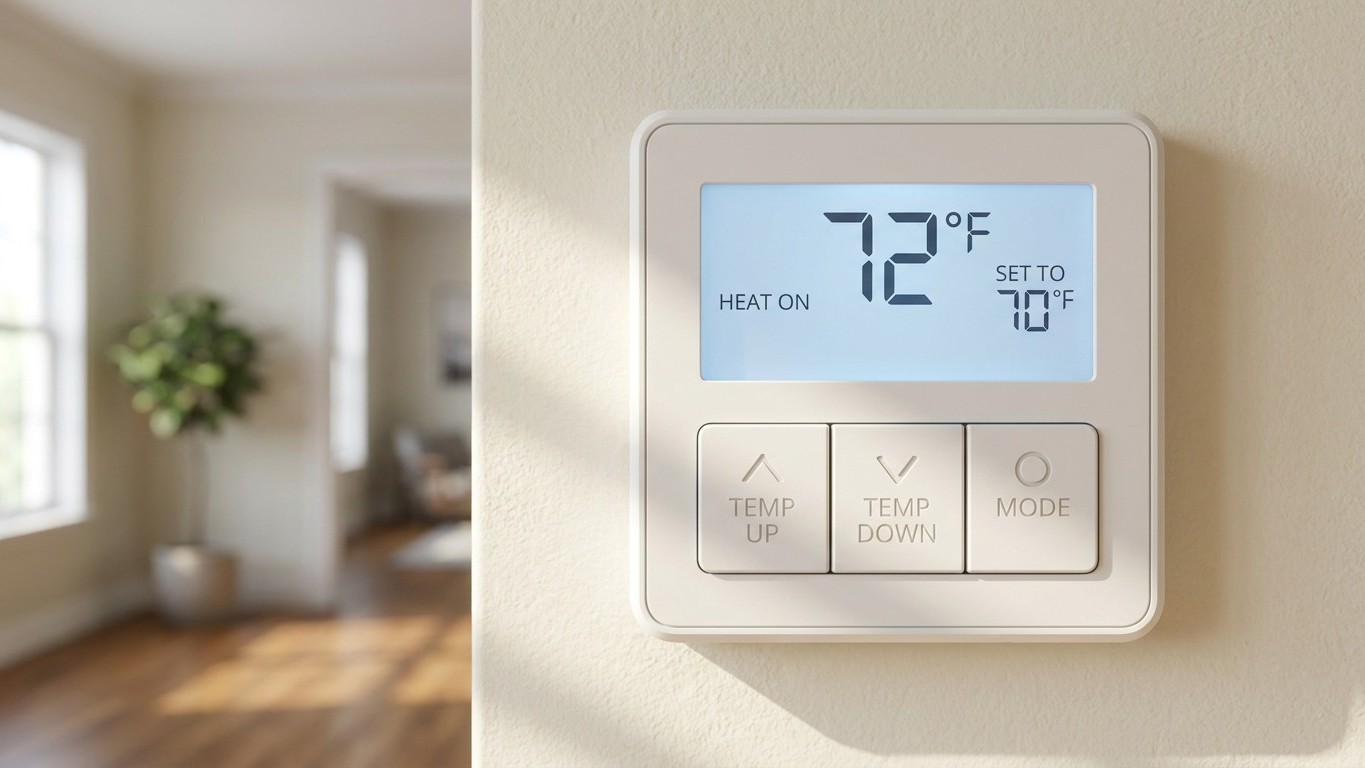
Hold, Override and Vacation Mode: What Each Button Actually Does

Hold, Override and Vacation Mode: What Each Button Actually Does

Pressing “hold” on a thermostat freezes the temperature at whatever it currently reads, and it stays there until something tells it to stop.

What Size Space Heater a Room Needs

What Size Space Heater a Room Needs

For most rooms, the quick math is about 10 watts per square foot of floor space.
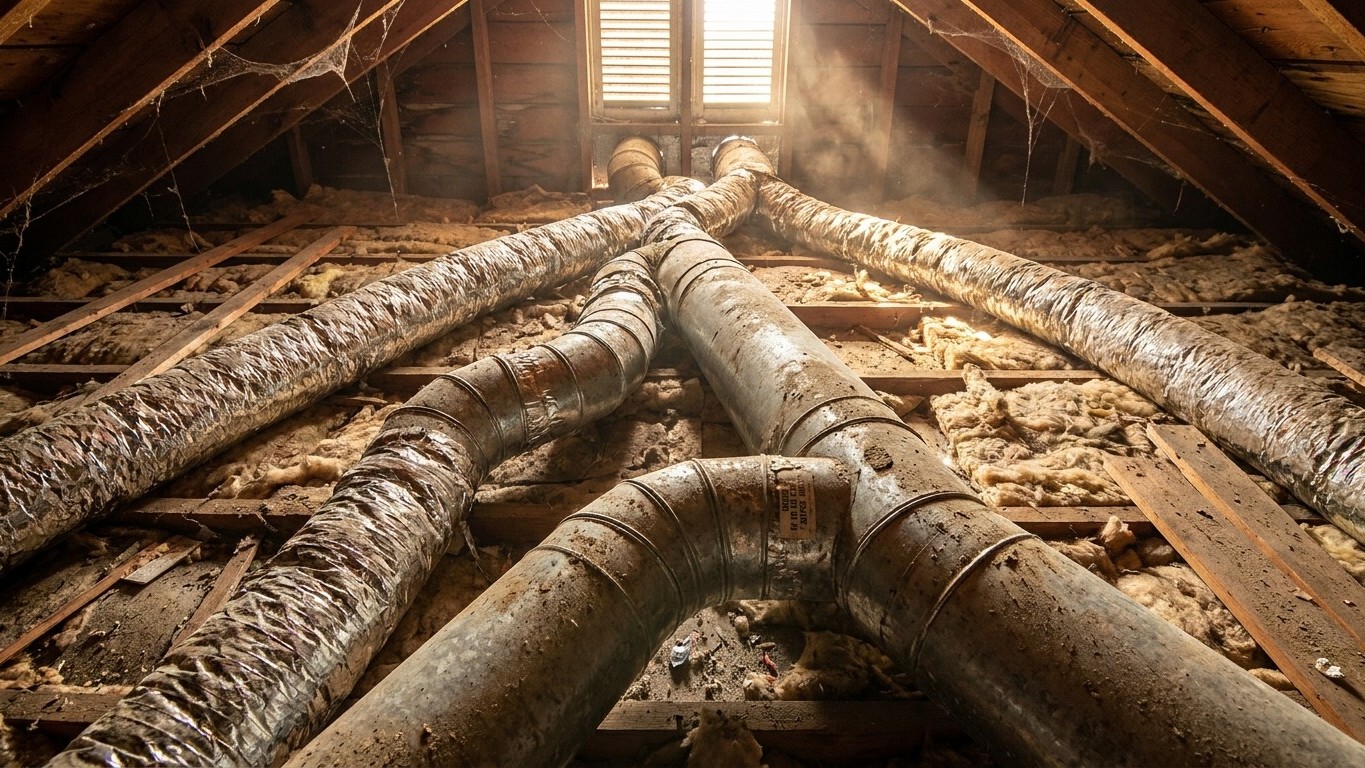
Ducts in an Attic or Crawlspace: Why They Need Insulating

Ducts in an Attic or Crawlspace: Why They Need Insulating

Ductwork running through an unconditioned attic or crawlspace sits outside your home’s thermal envelope, even though it’s carrying air meant for living…
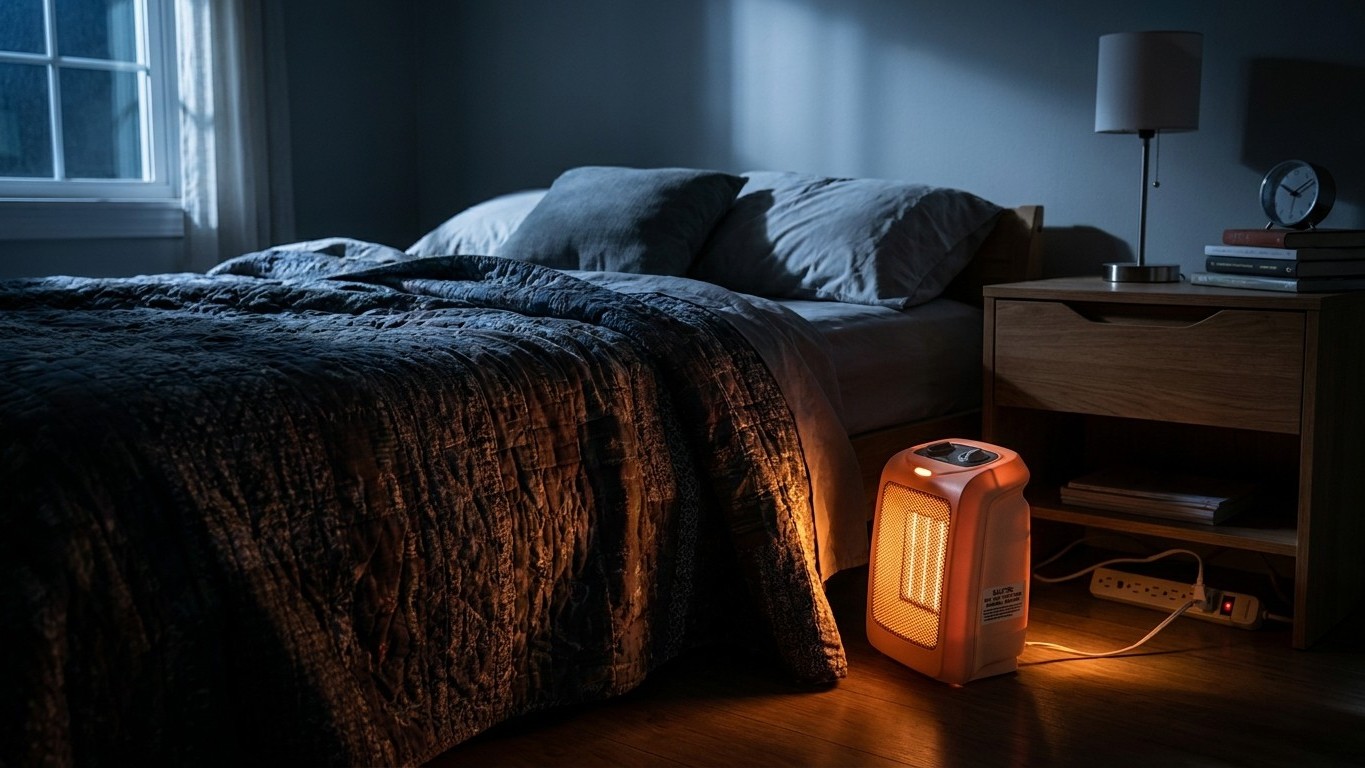
Space Heater Safety: What the Fire Data Actually Shows

Space Heater Safety: What the Fire Data Actually Shows

Space heater safety comes down to three habits: keep anything flammable at least three feet away, plug the unit straight into a wall outlet rather than…

Painting a Cast-Iron Radiator: What to Do and What Not To

Painting a Cast-Iron Radiator: What to Do and What Not To

Yes, you can paint a cast-iron radiator, and a fresh coat is one of the cheapest ways to change how a room feels.
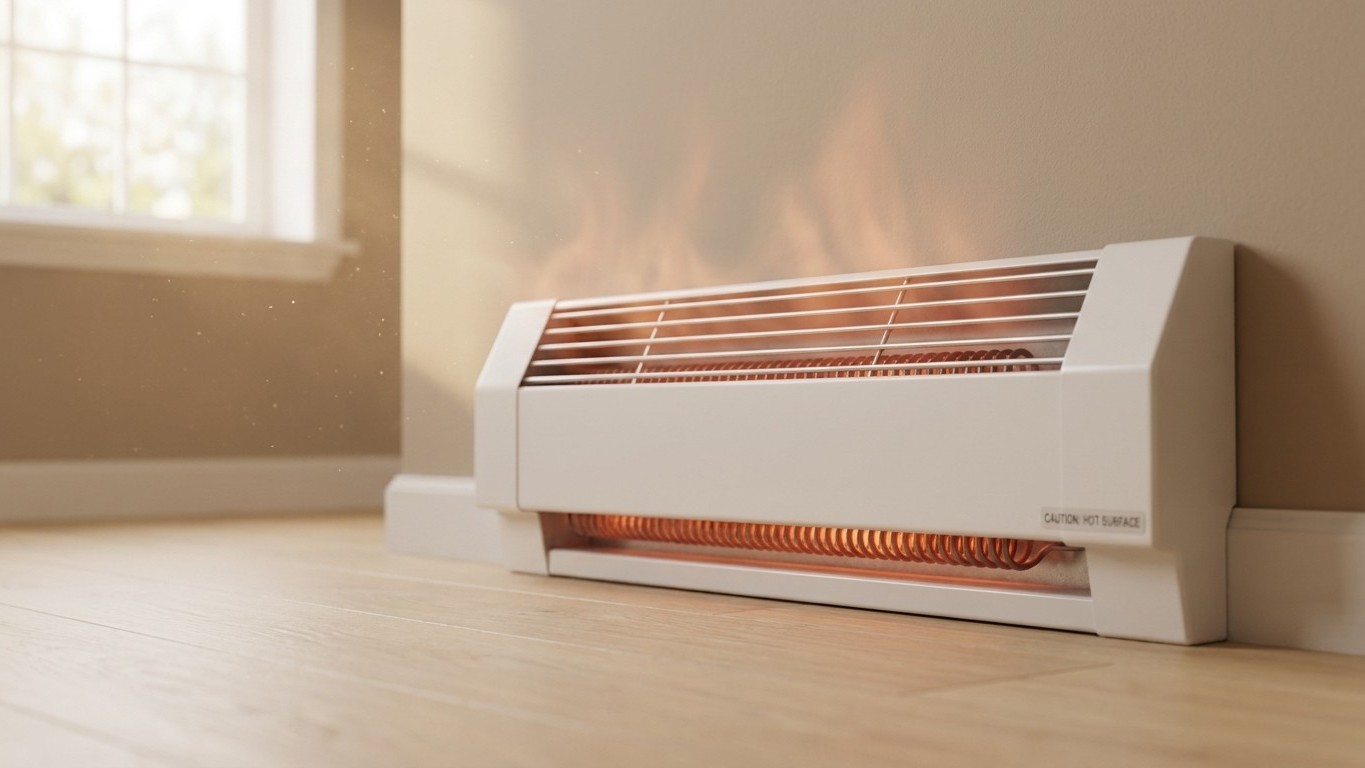
Why Electric Baseboard Heat Has the Reputation It Has

Why Electric Baseboard Heat Has the Reputation It Has

Electric baseboard heat earns its expensive reputation for a simple, physical reason: it turns electricity into heat at a fixed ratio, with nothing extra…
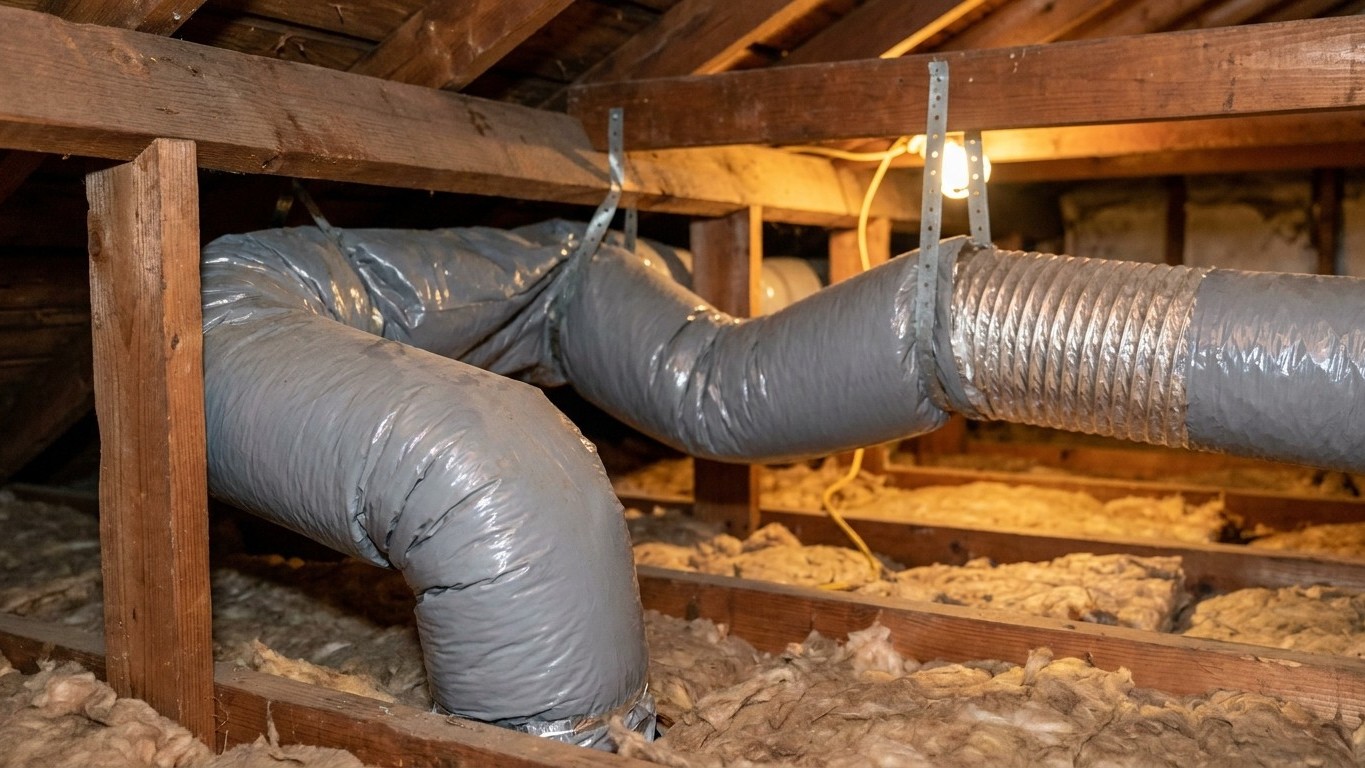
Kinked, Crushed and Sagging: What Goes Wrong with Flexible Duct

Kinked, Crushed and Sagging: What Goes Wrong with Flexible Duct

Flexible duct fails in four specific ways: it kinks at a turn, it gets crushed under something heavy, it sags in a loose belly between supports, or it…

Older posts
Newer posts
← Previous Page1 … Page70 Page71 Page72 … Page100 Next →

The Homestead Post

Home and garden advice with the numbers attached — written for your climate, your season and your local rules.

Sections

  • Garden
  • Home Care
  • Energy
  • Pests
  • Decor
  • DIY

Popular states

  • California
  • Texas
  • Florida
  • New York
  • Pennsylvania
  • Ohio
  • Georgia
  • North Carolina
  • All states →

The Post

  • About us
  • Contact
  • Editorial guidelines
  • Affiliate disclosure
  • Privacy policy
  • Terms of use
© 2026 The Homestead Post·Home & garden, state by state