Growing Collards in Yukon
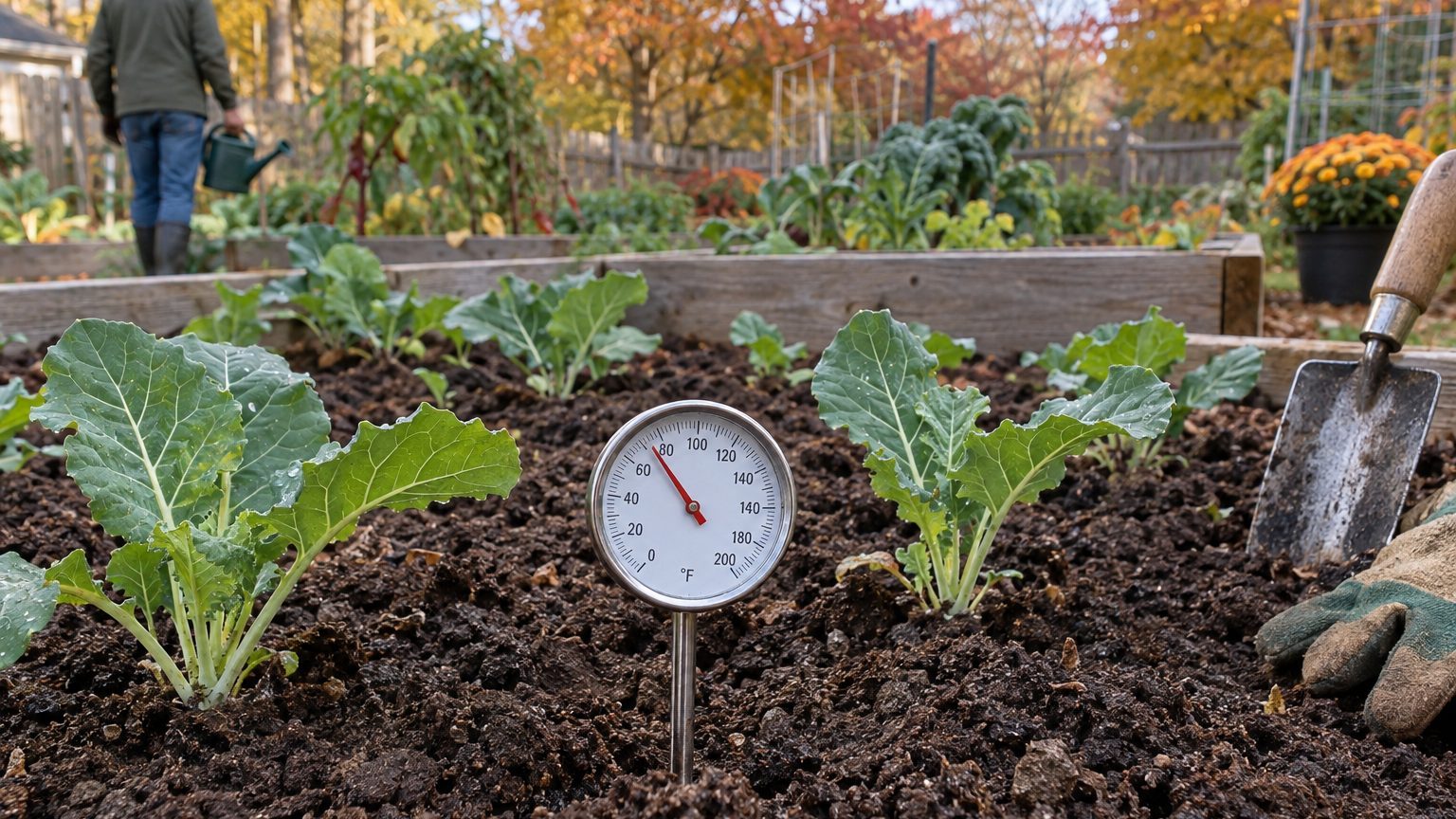
Collards in Yukon are strictly a short-season, frost-to-frost crop: sow outdoors only after the average last spring frost near June 5, expect a working…
Home & garden, state by state
Collards in Yukon are strictly a short-season, frost-to-frost crop: sow outdoors only after the average last spring frost near June 5, expect a working…
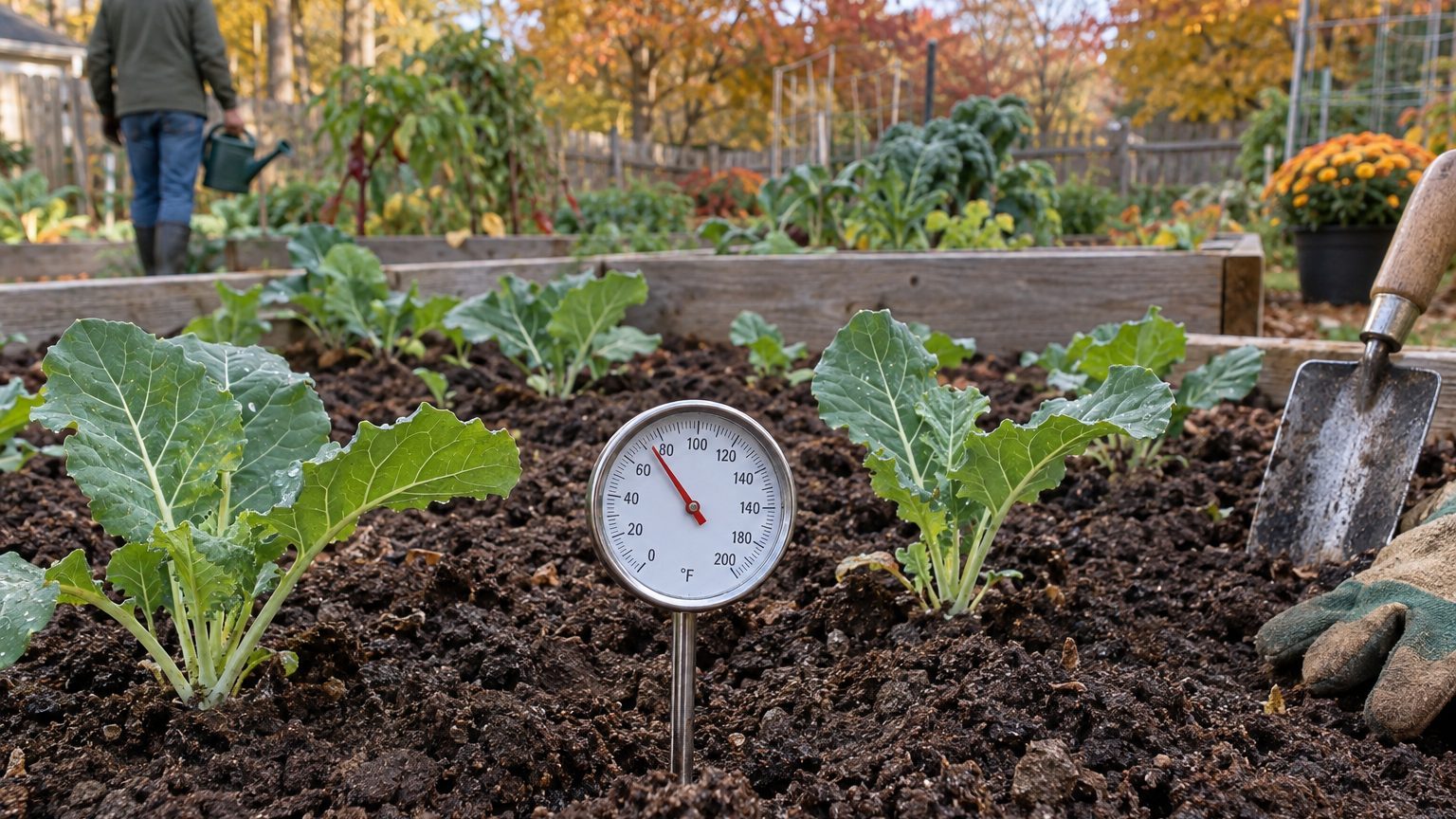
Collards can be grown successfully in Wyoming, but the state’s elevation changes the rules: soil warms up later than a calendar date suggests, the…
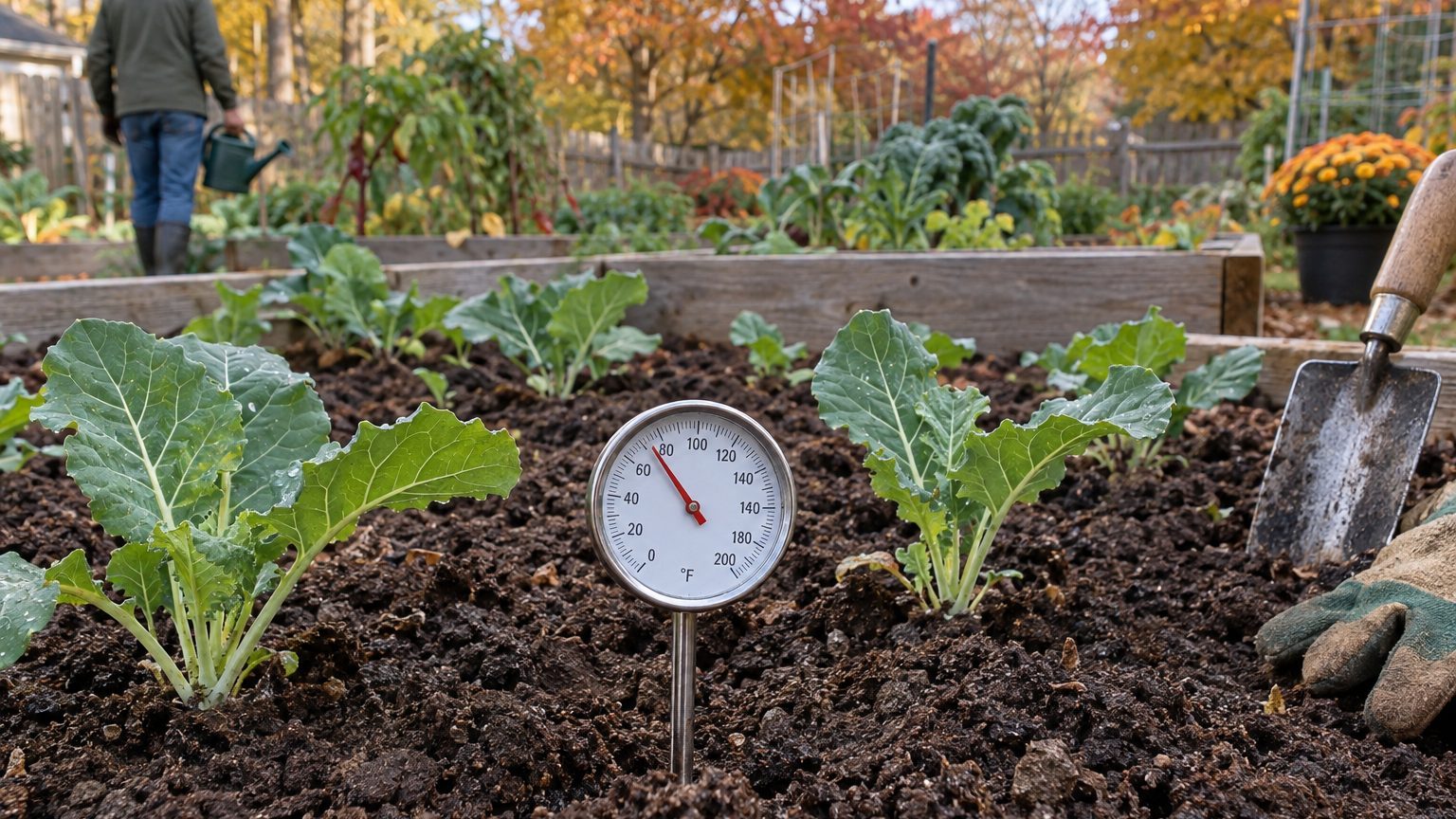
Collards go into Wisconsin soil once the ground itself is warm enough to wake the seed, not simply once the frost calendar looks friendly.
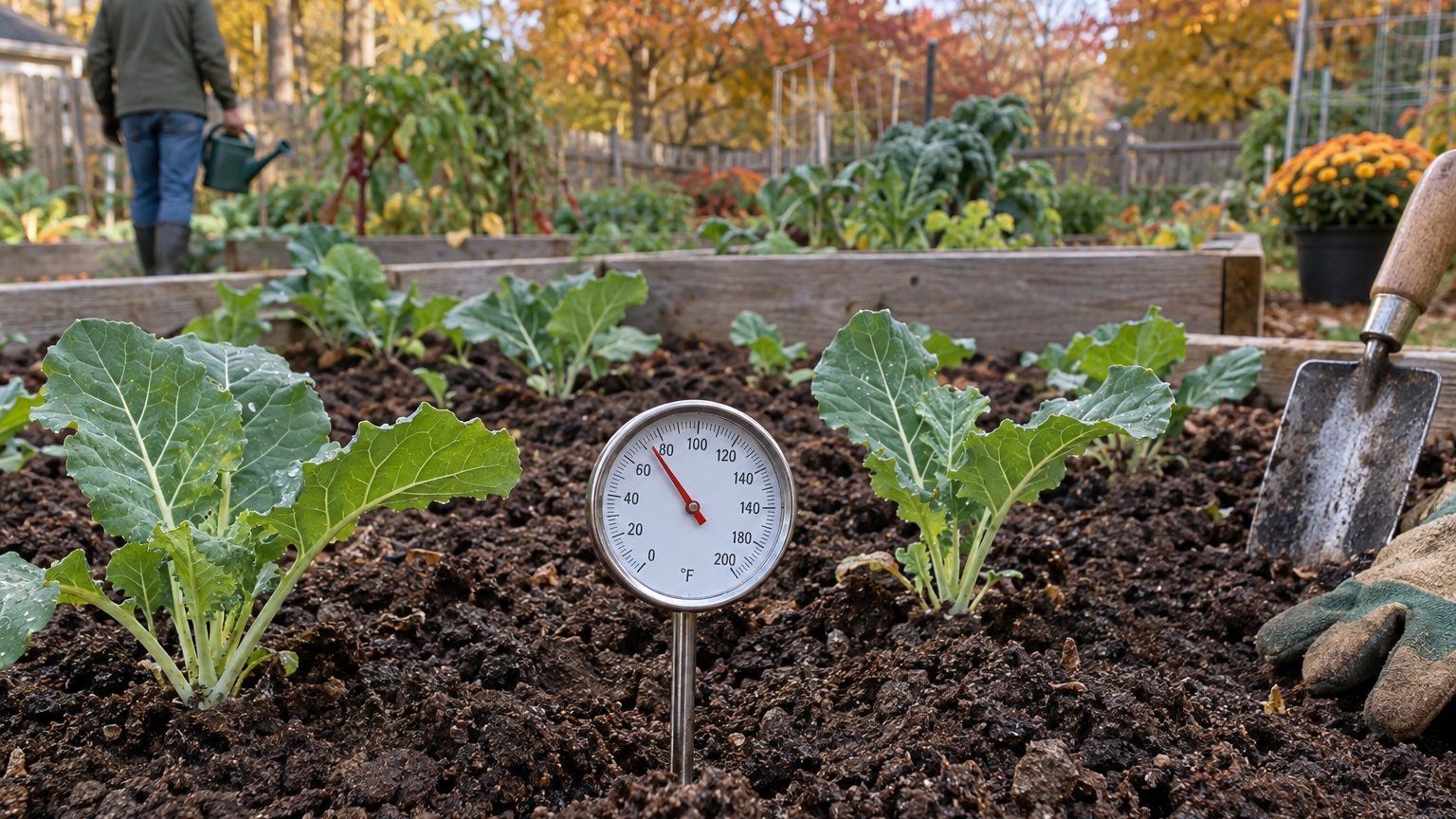
Growing collards in West Virginia works best when you plant by soil temperature, not by the calendar, and adjust your season around the state’s variable…
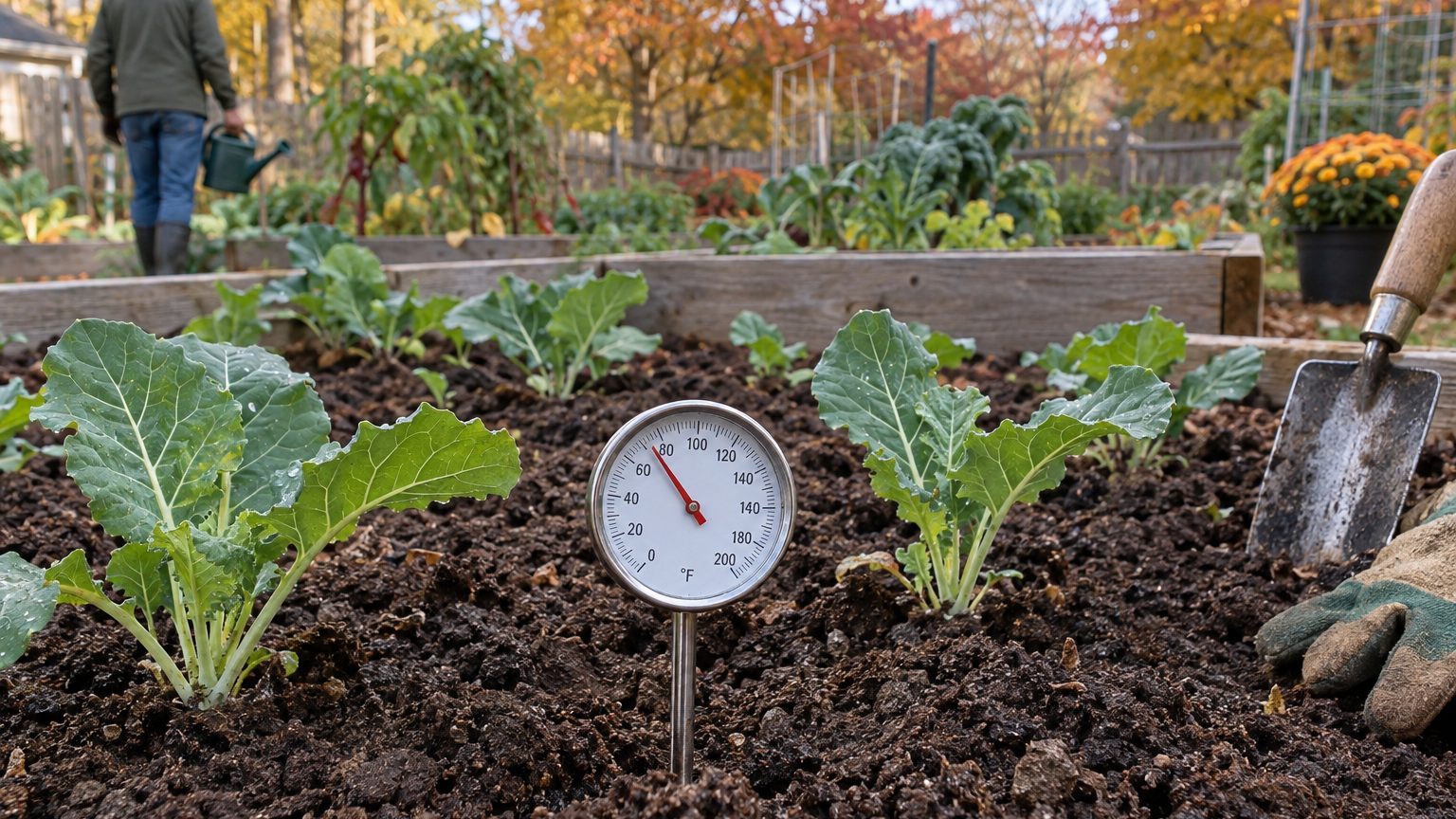
Collards do well across western Washington’s mild, wet winters, planted as a cool-season crop that can go in from spring through midsummer for a fall and…
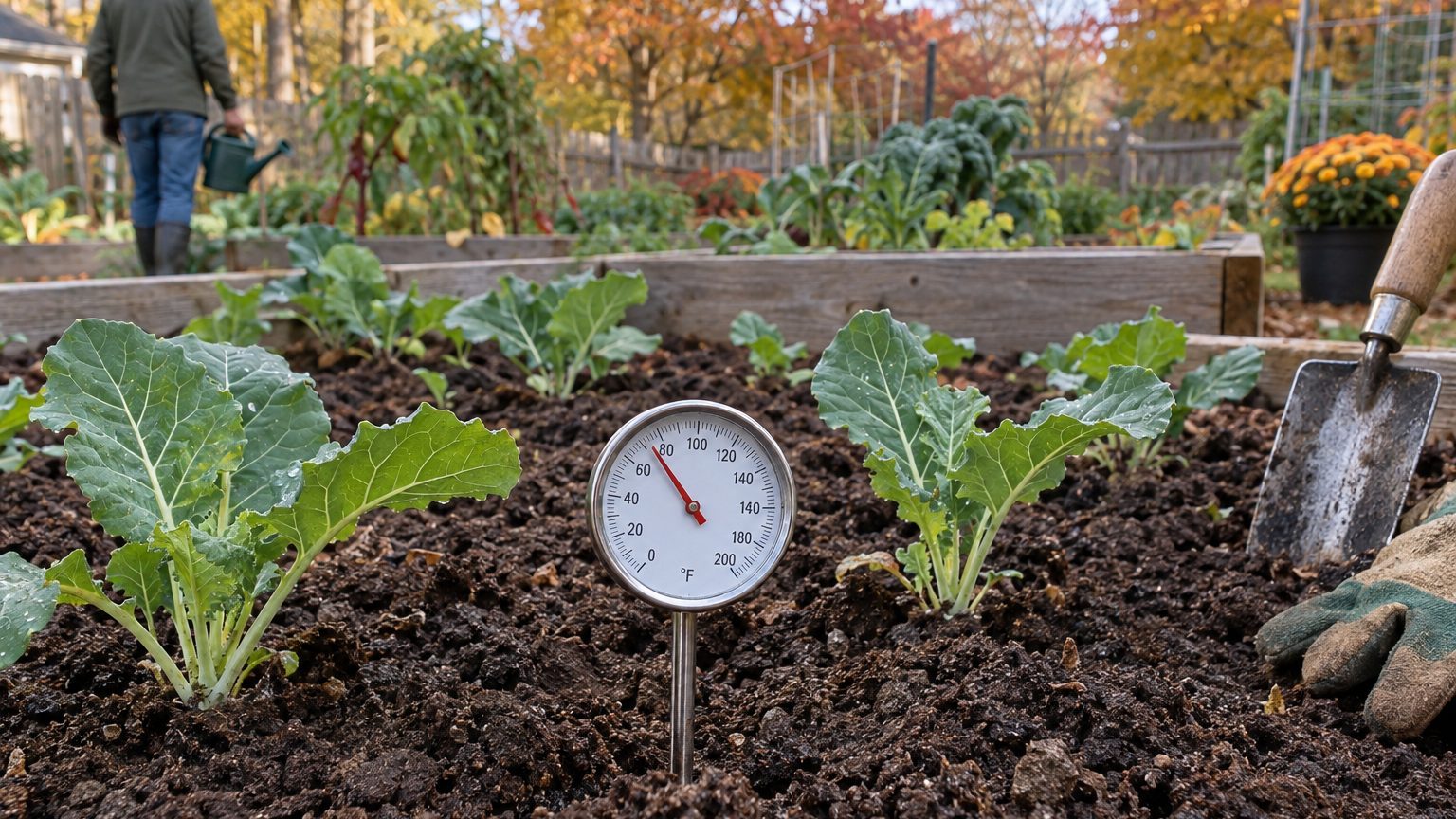
Collards in Virginia split into two very different plants depending on where you garden.
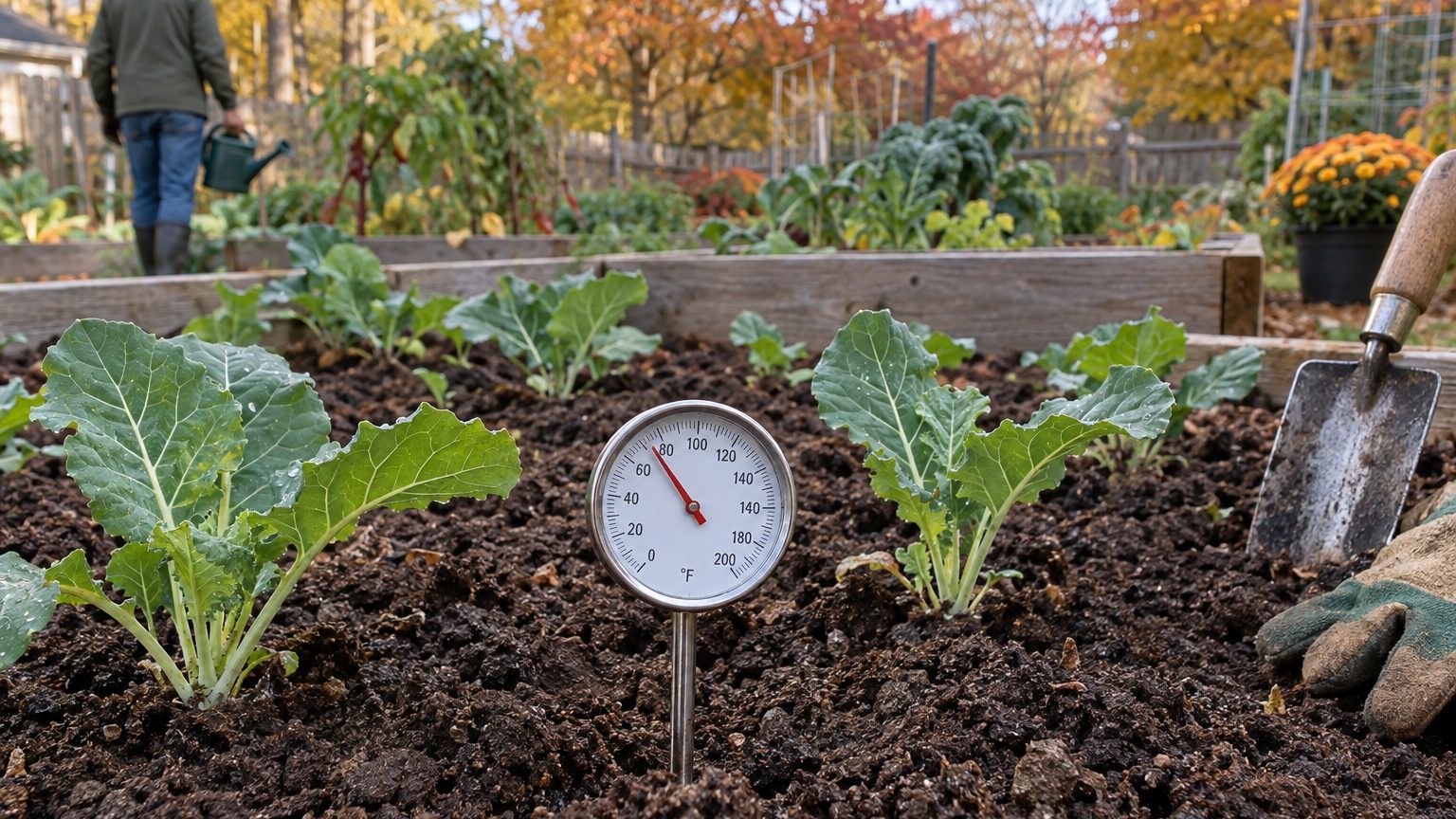
In most of Vermont, collards go into the ground sometime between mid-May and early June, and the calendar date matters far less than whether the soil…
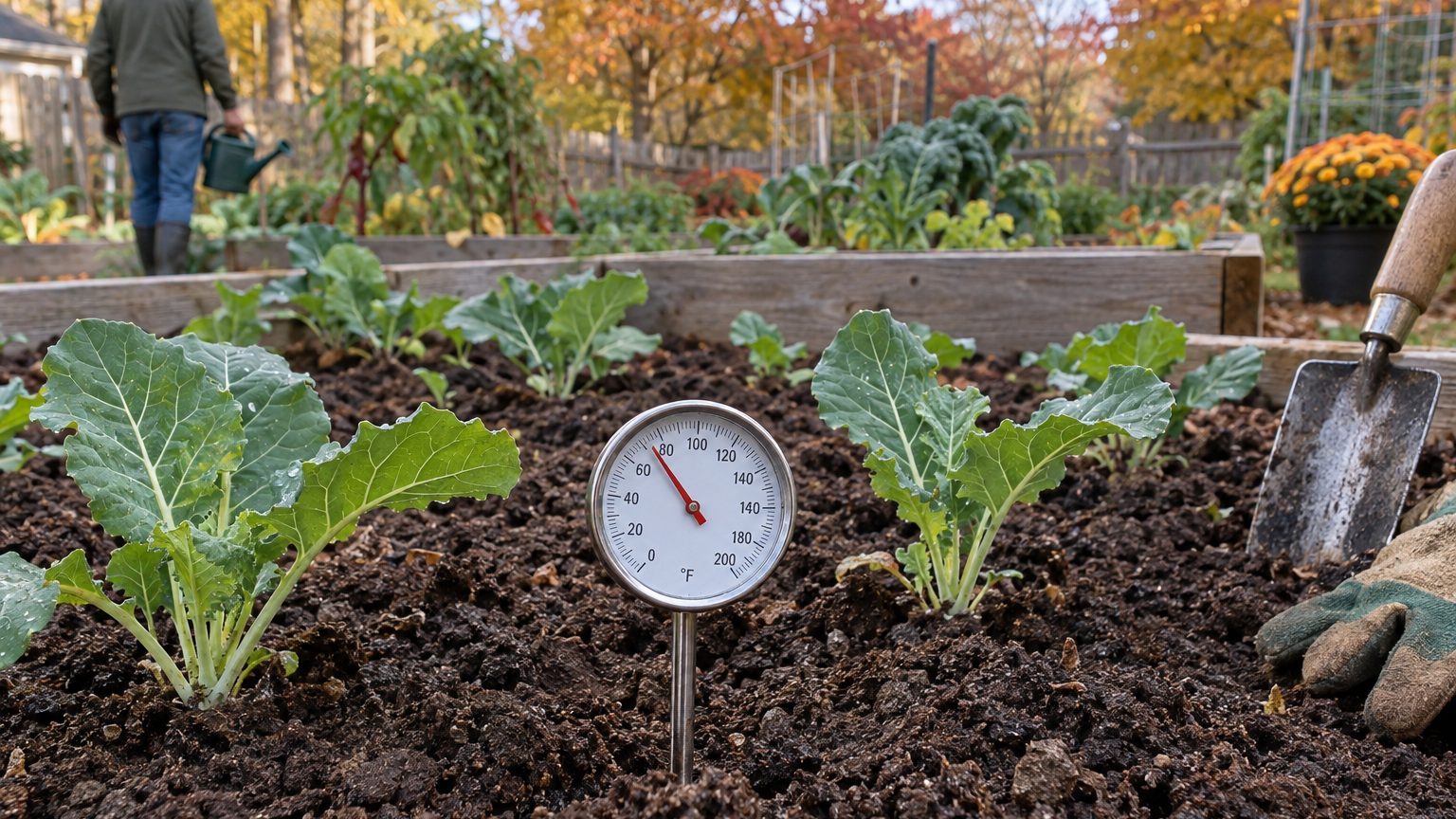
Collards grow reliably across most of Utah, but the state’s climate is anything but uniform, and that changes the answer more than most guides admit.
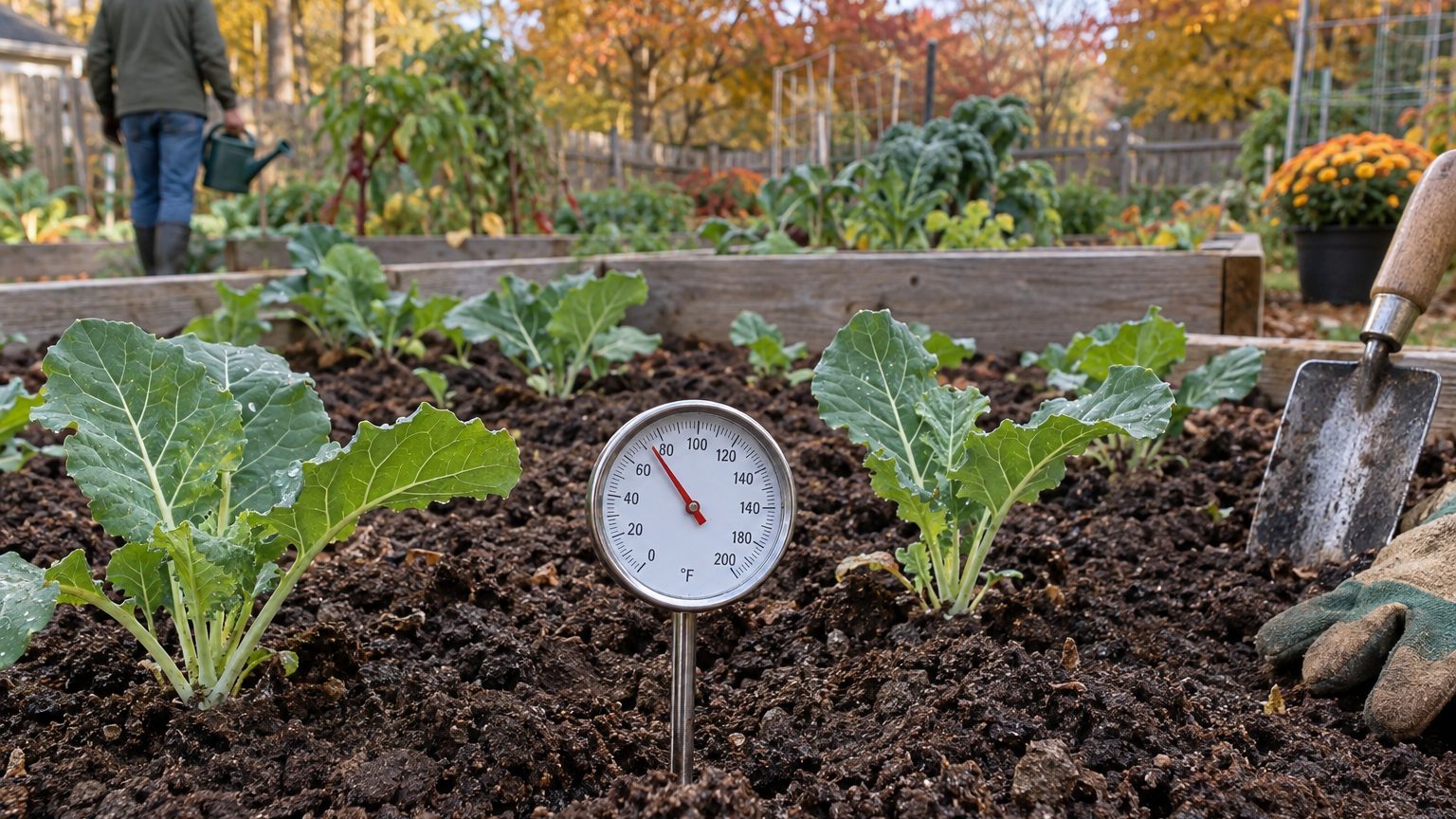
Texas stretches across four USDA hardiness zones, so there’s no single planting date for collards in this state.
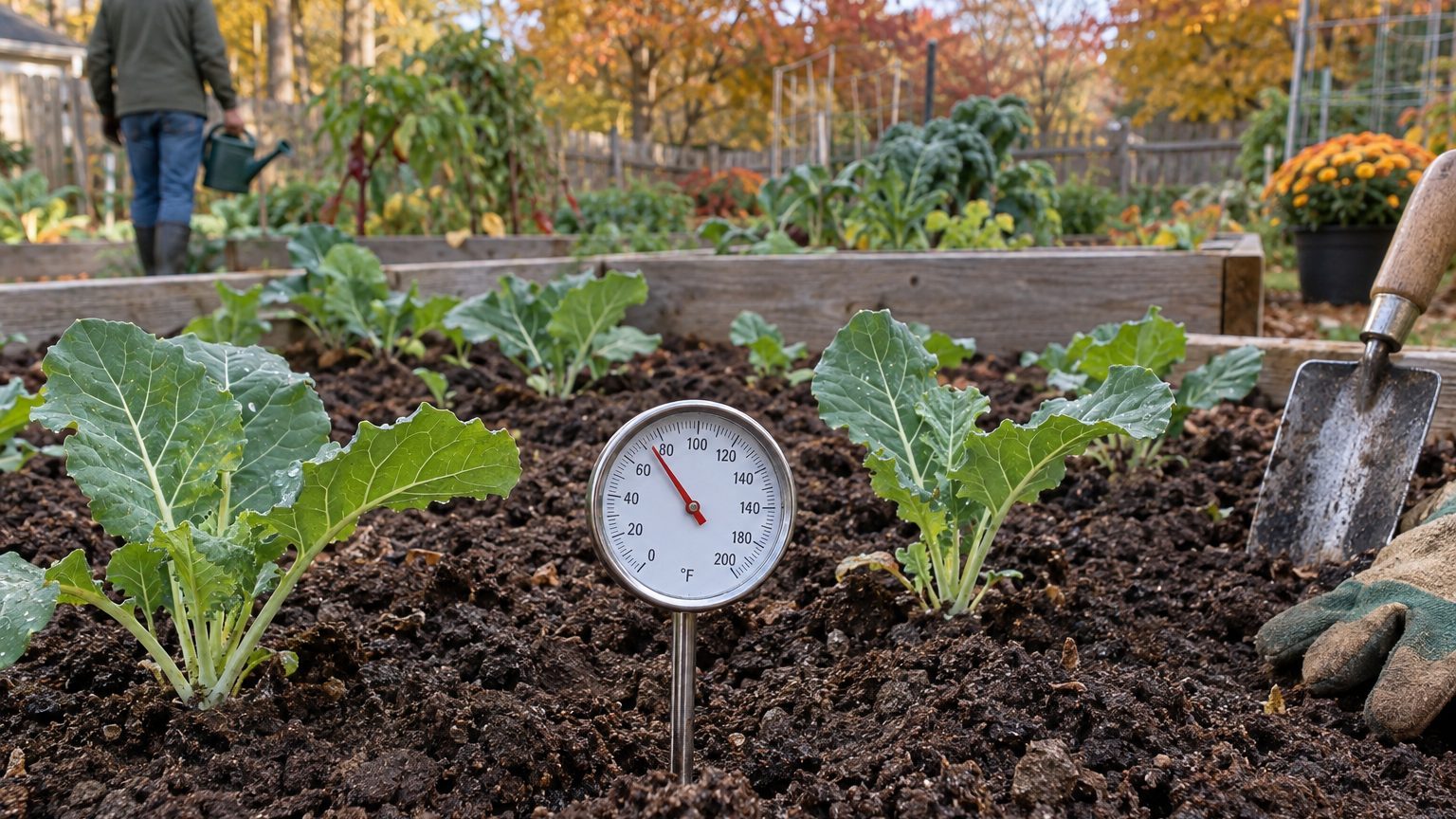
Collards go into Tennessee soil once the ground itself has warmed, not the moment the calendar clears frost risk.