Growing Collards in South Dakota
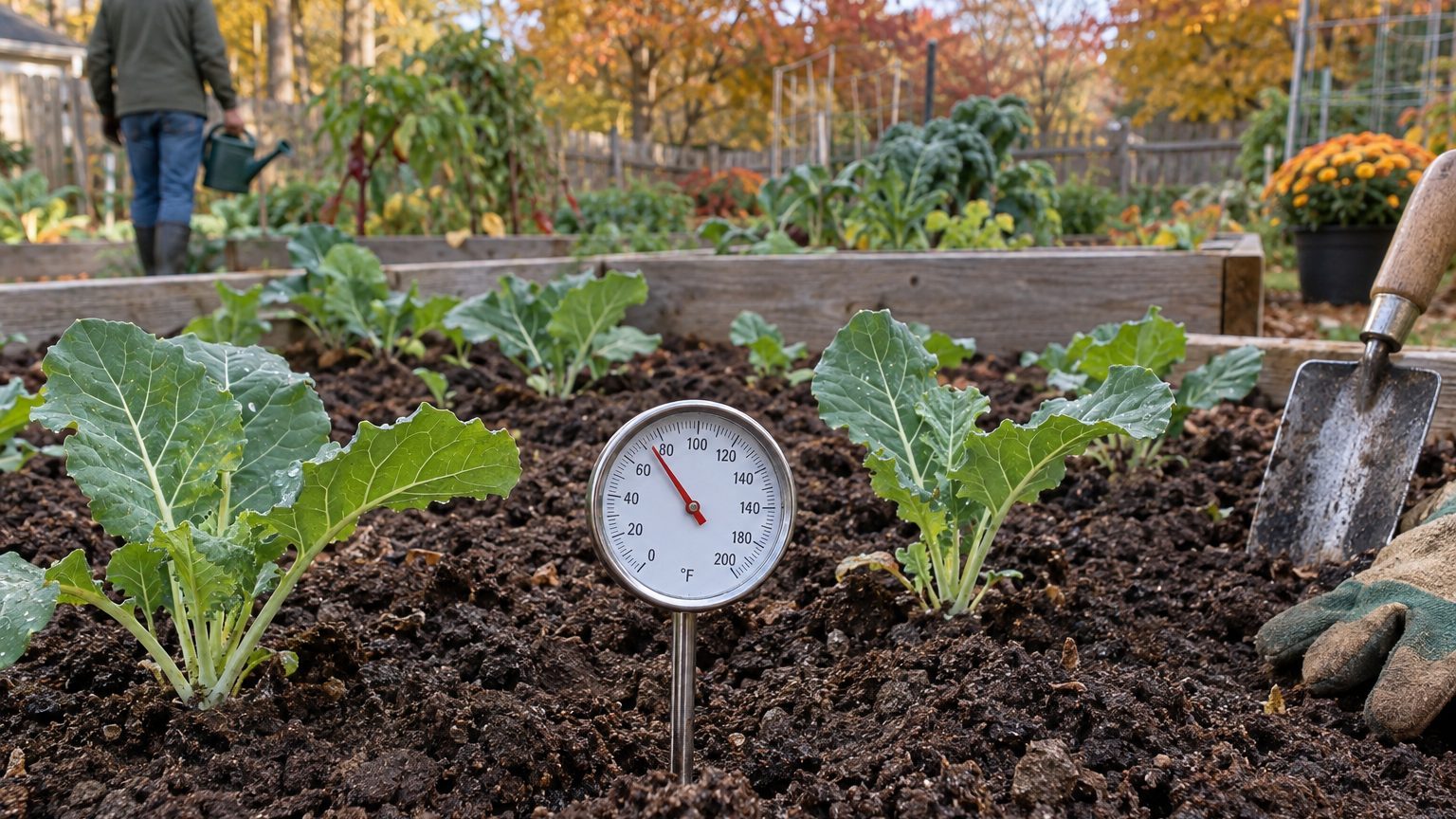
Collards go into South Dakota ground once the soil itself has warmed, not the moment the calendar clears frost risk.
Home & garden, state by state
Collards go into South Dakota ground once the soil itself has warmed, not the moment the calendar clears frost risk.
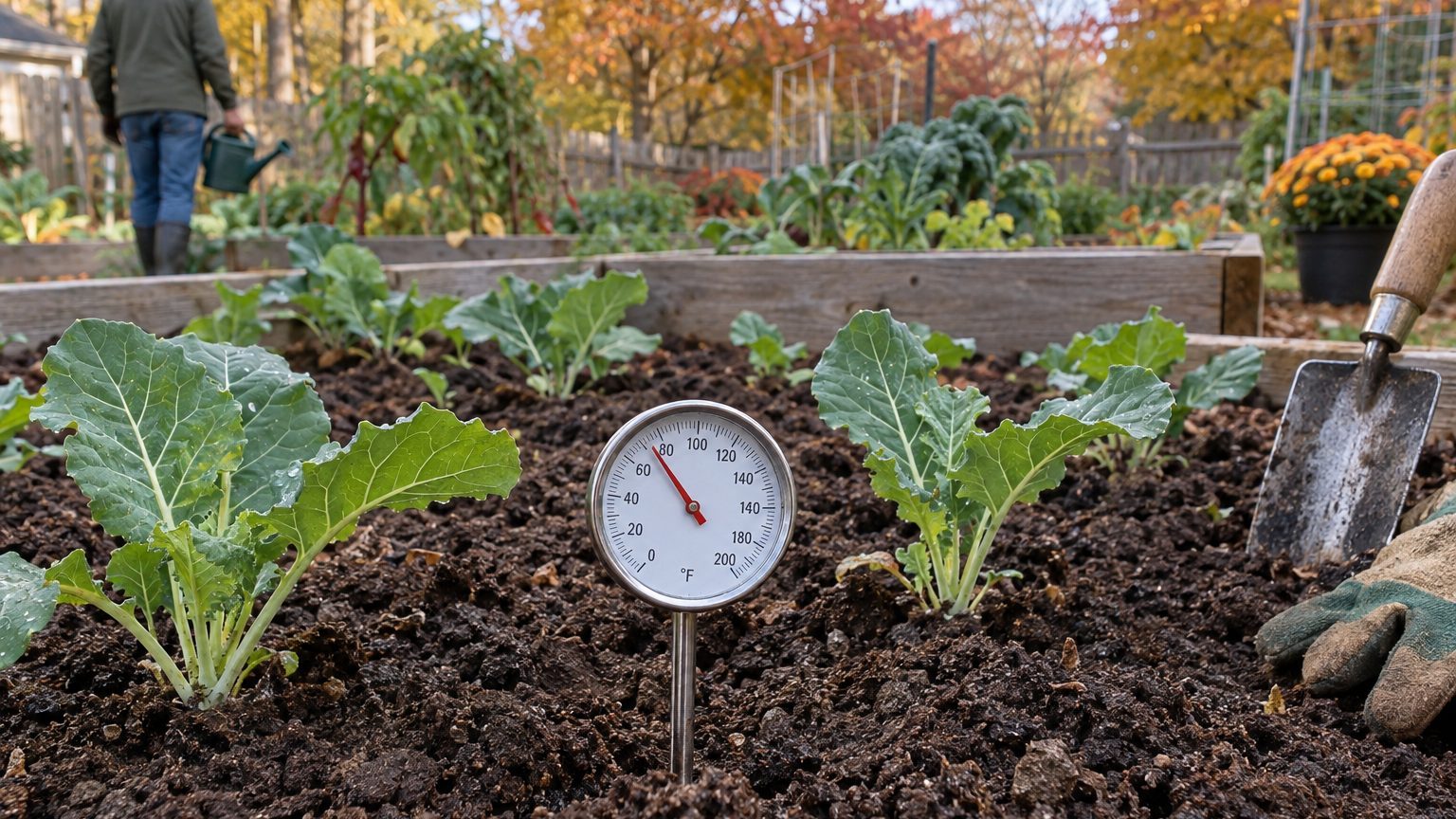
South Carolina gardeners get one of the longest collard seasons in the eastern United States, but the real timing question isn’t the calendar.
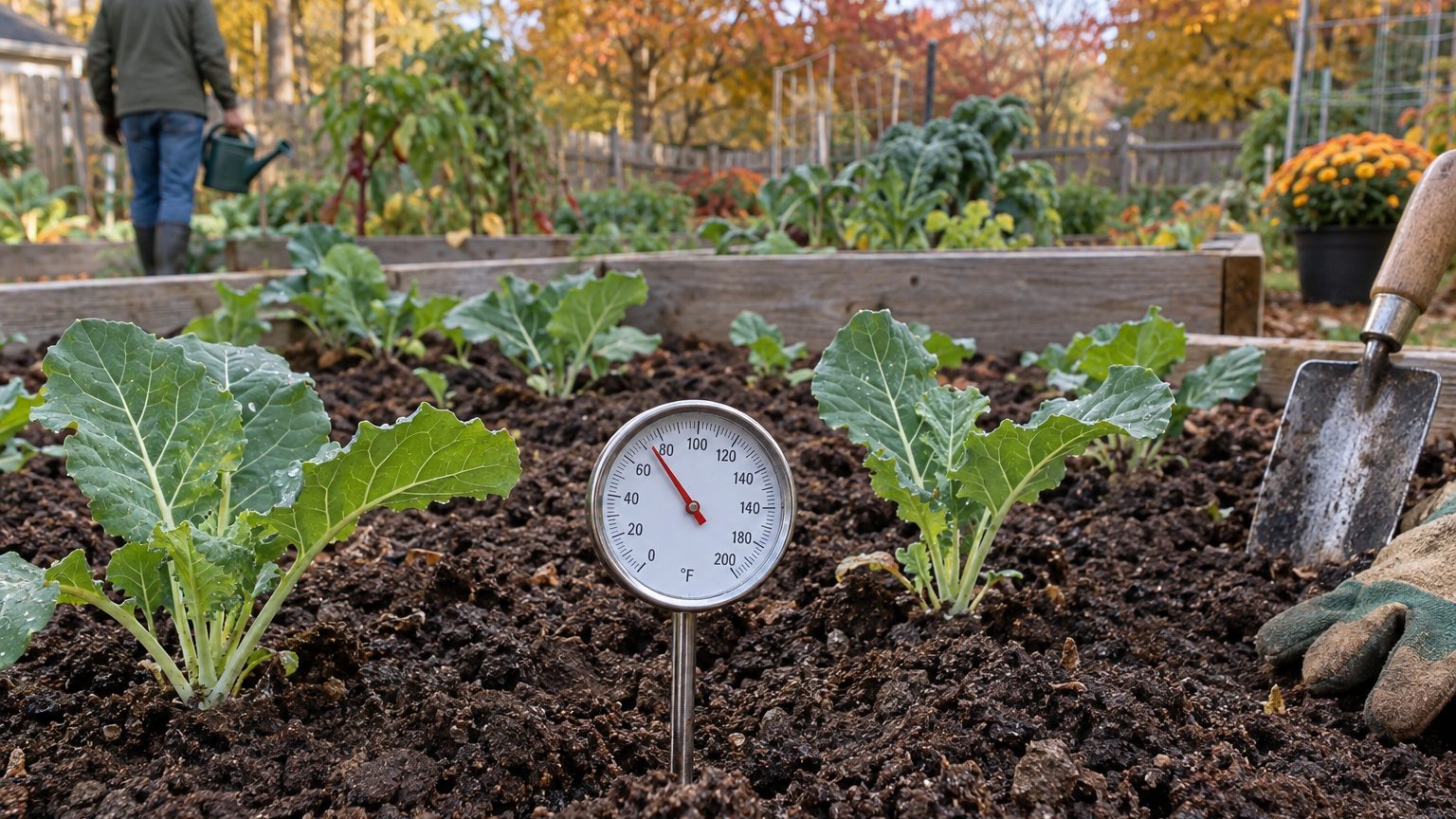
Collards can be grown in Saskatchewan, but not the way they’re grown in the Deep South.
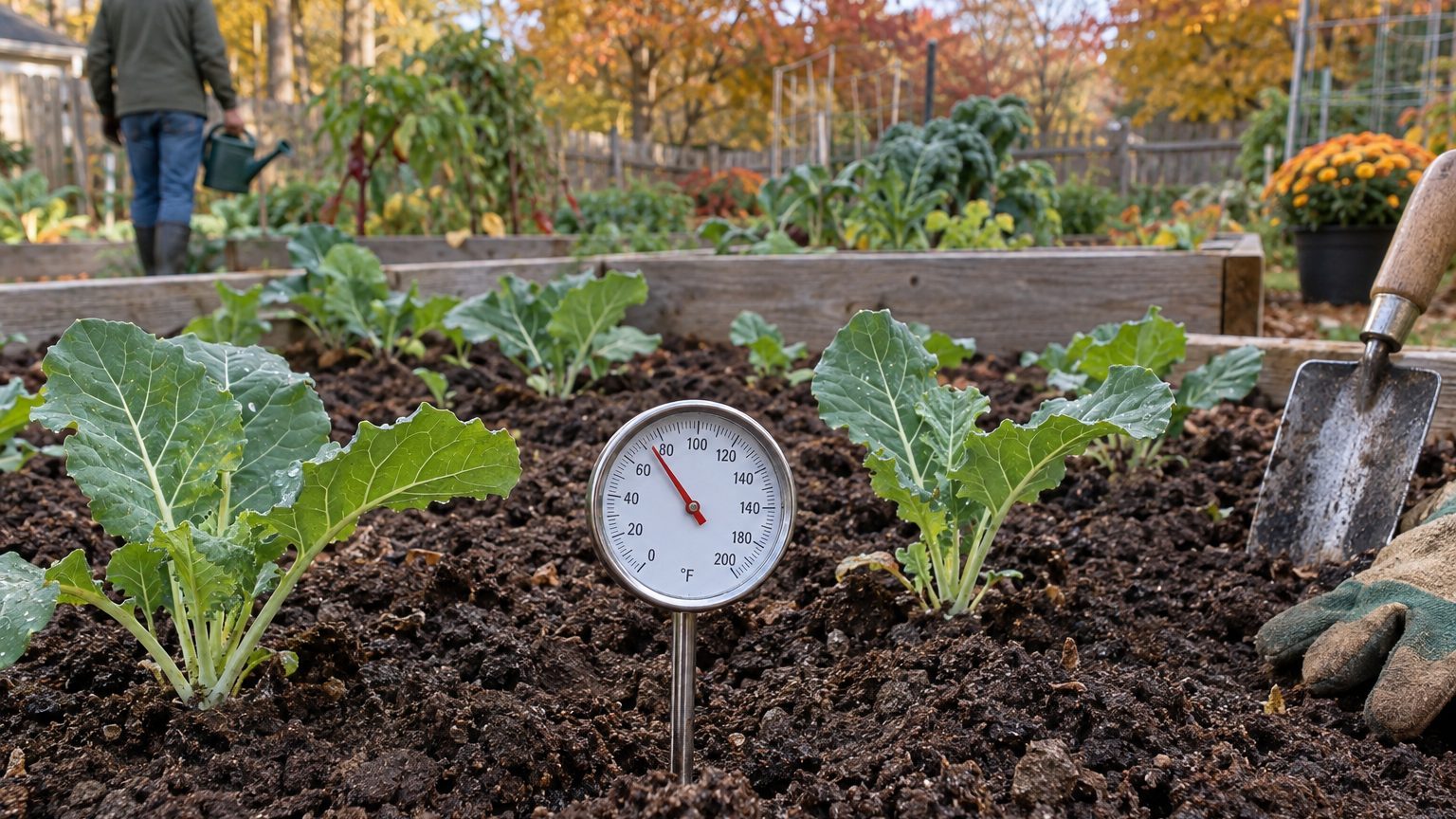
Collards go in the ground once the soil itself has warmed, not simply once the frost calendar clears.
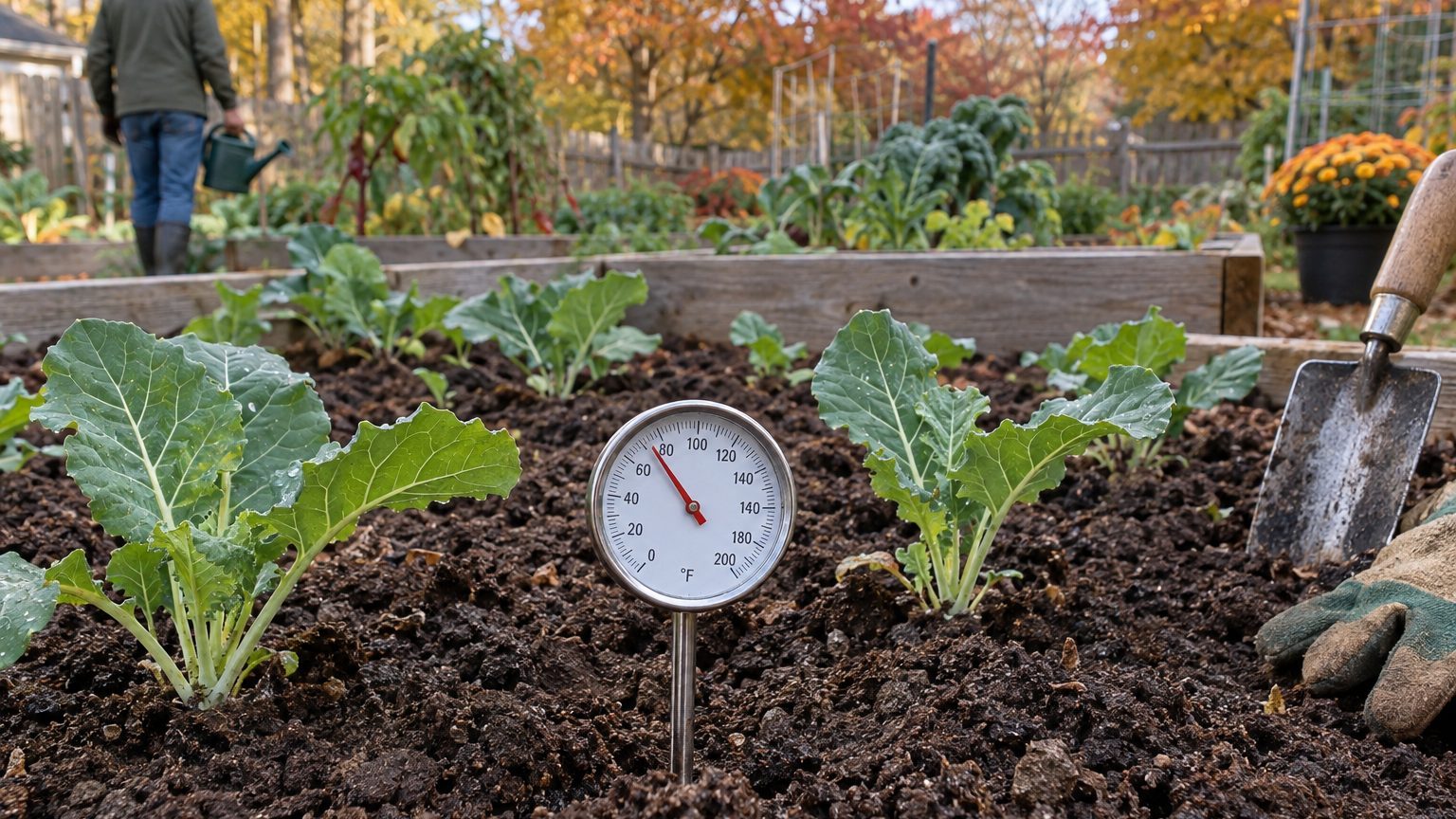
Collards grow well across most of settled Quebec, but the short frost-free window and hard winters mean timing and crop choice matter more here than in…
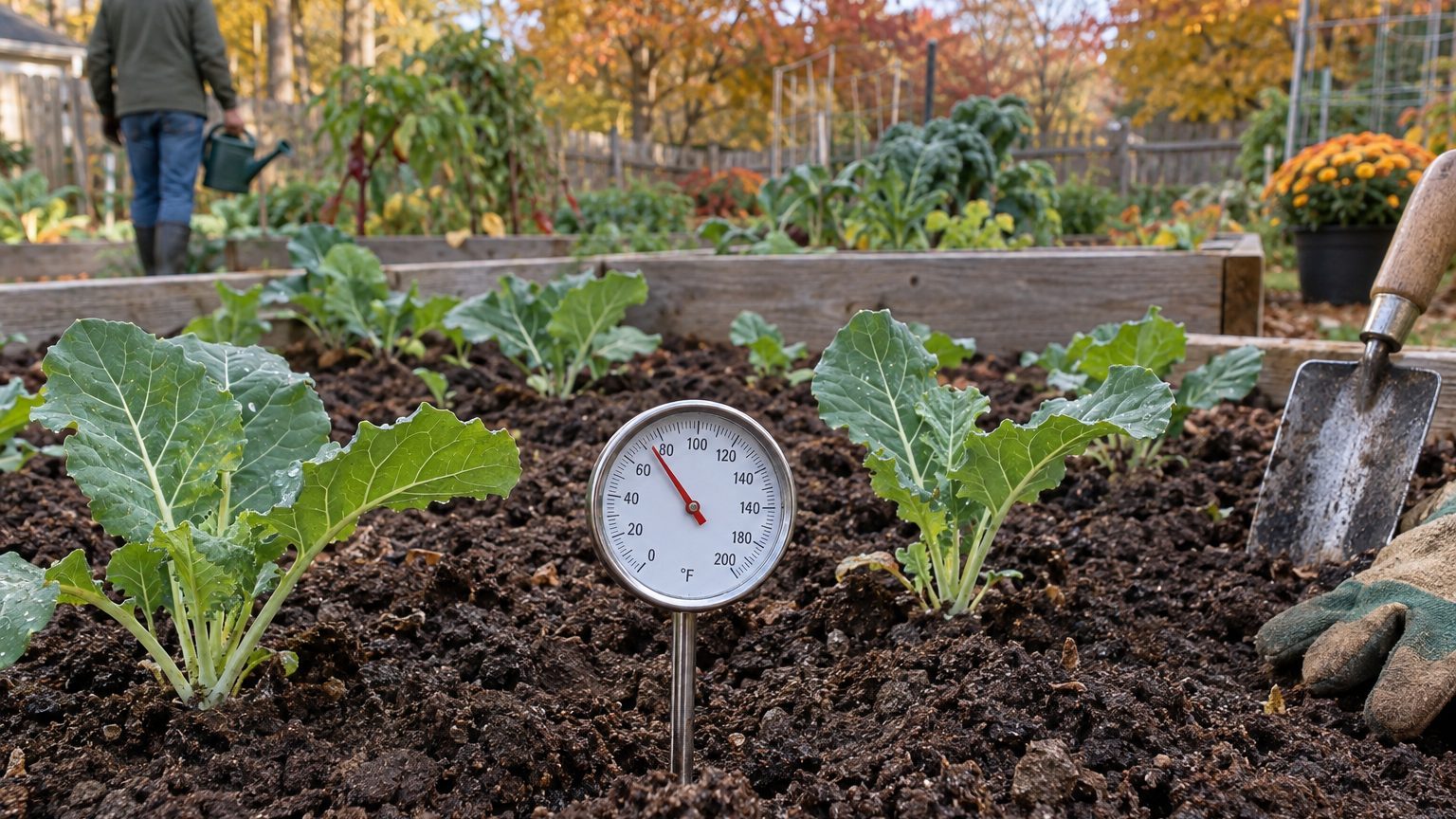
Collards in Prince Edward Island go into the ground once the soil itself warms, not on a single calendar date.
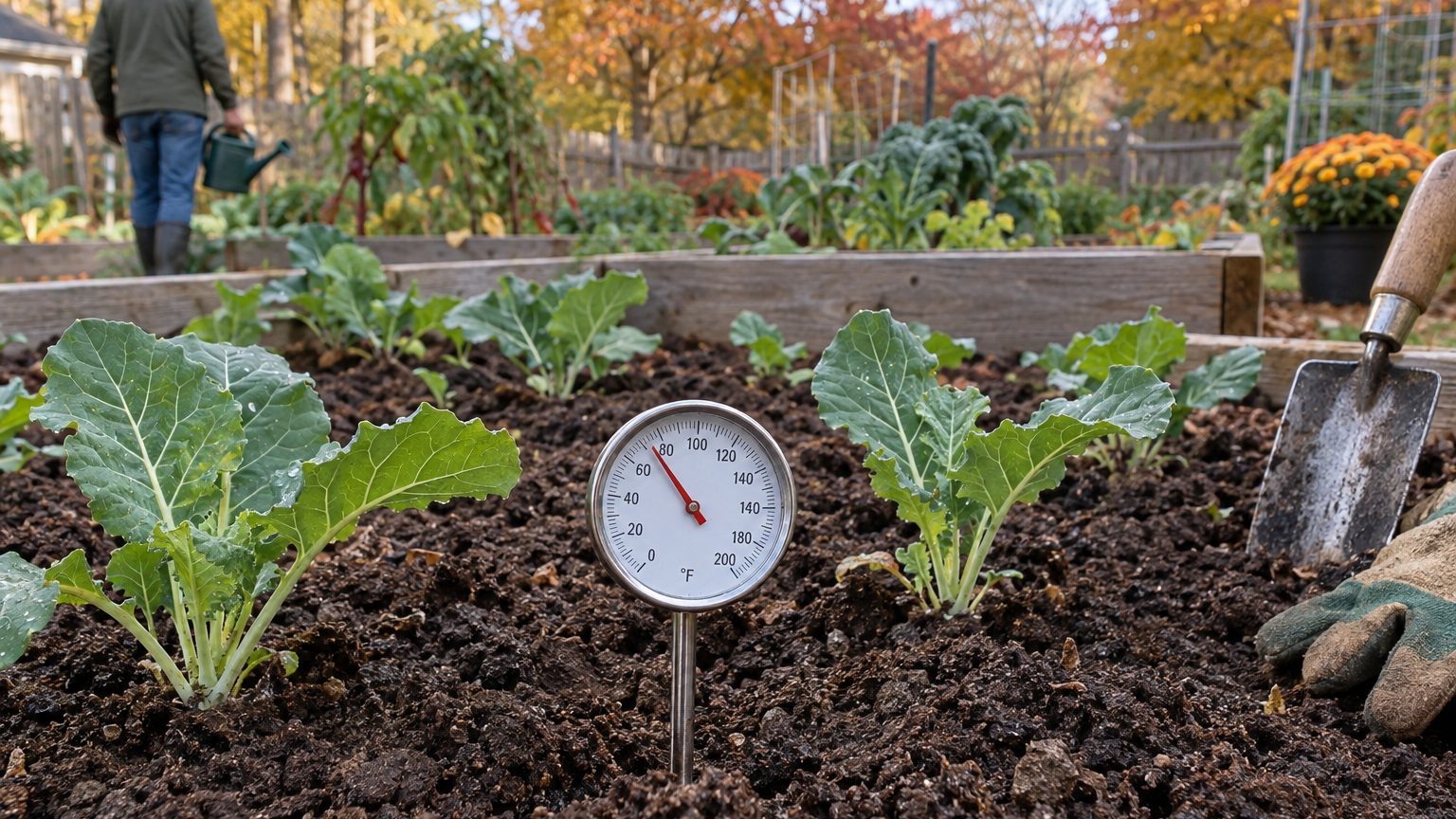
Collards go into Pennsylvania ground once the soil has caught up with the calendar, which in the Philadelphia region means late March into early April…
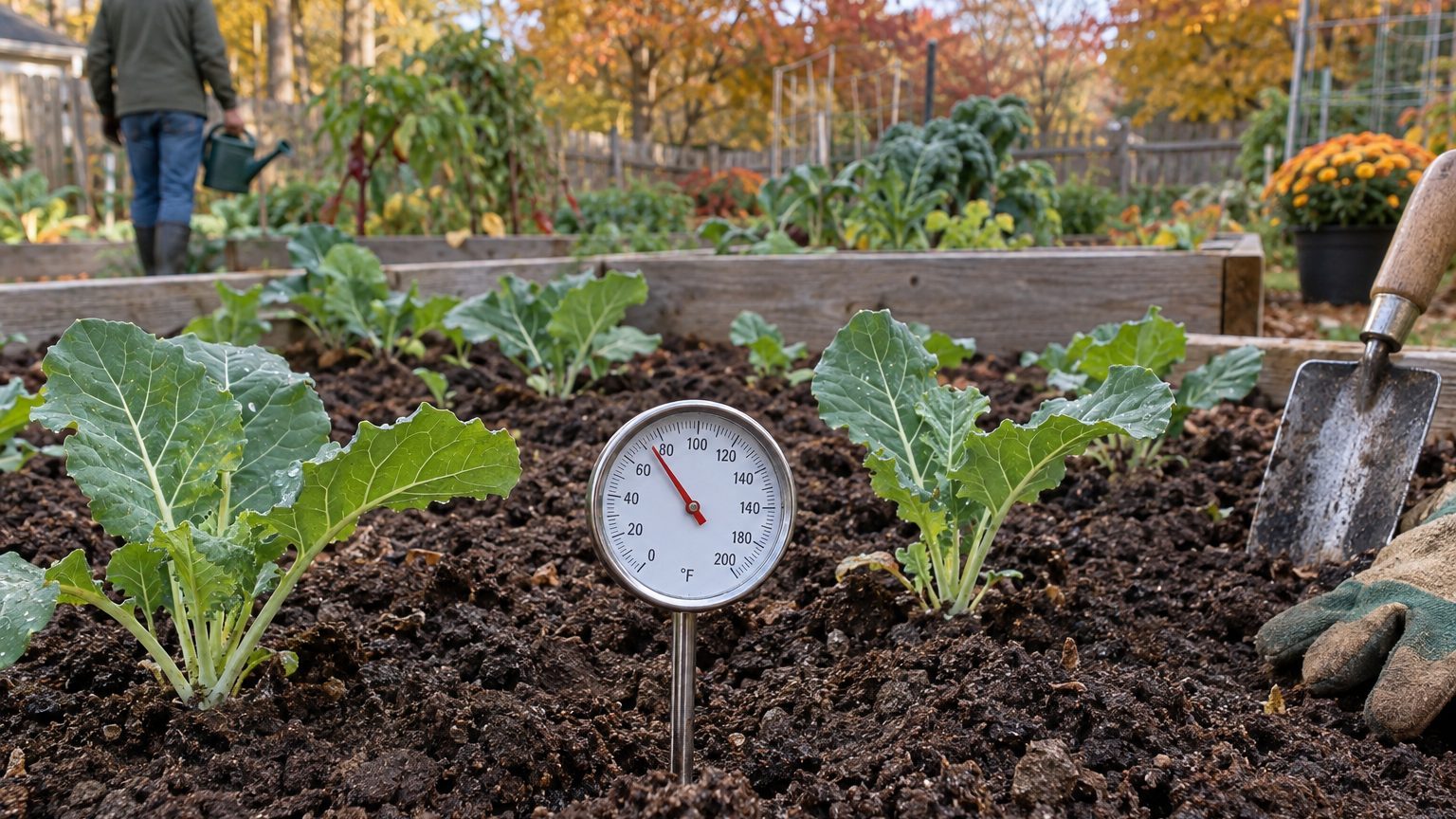
Collards go into Oregon soil once the last frost risk has passed and the ground itself has warmed, not the moment the calendar says spring arrived.
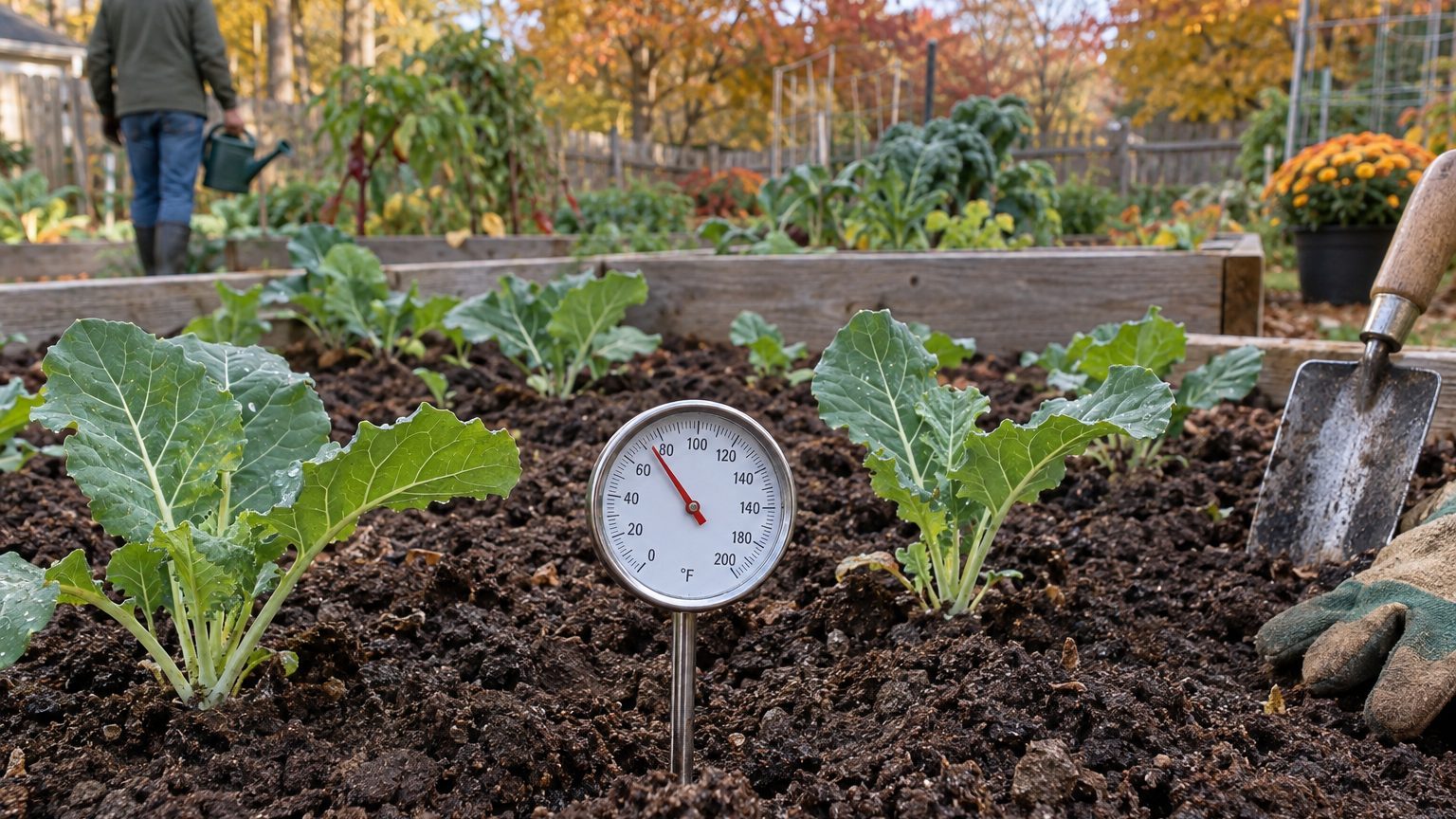
Sow or transplant collards outdoors once Ontario’s soil has warmed past the mid-40s Fahrenheit, typically a week or two after the region’s average last…
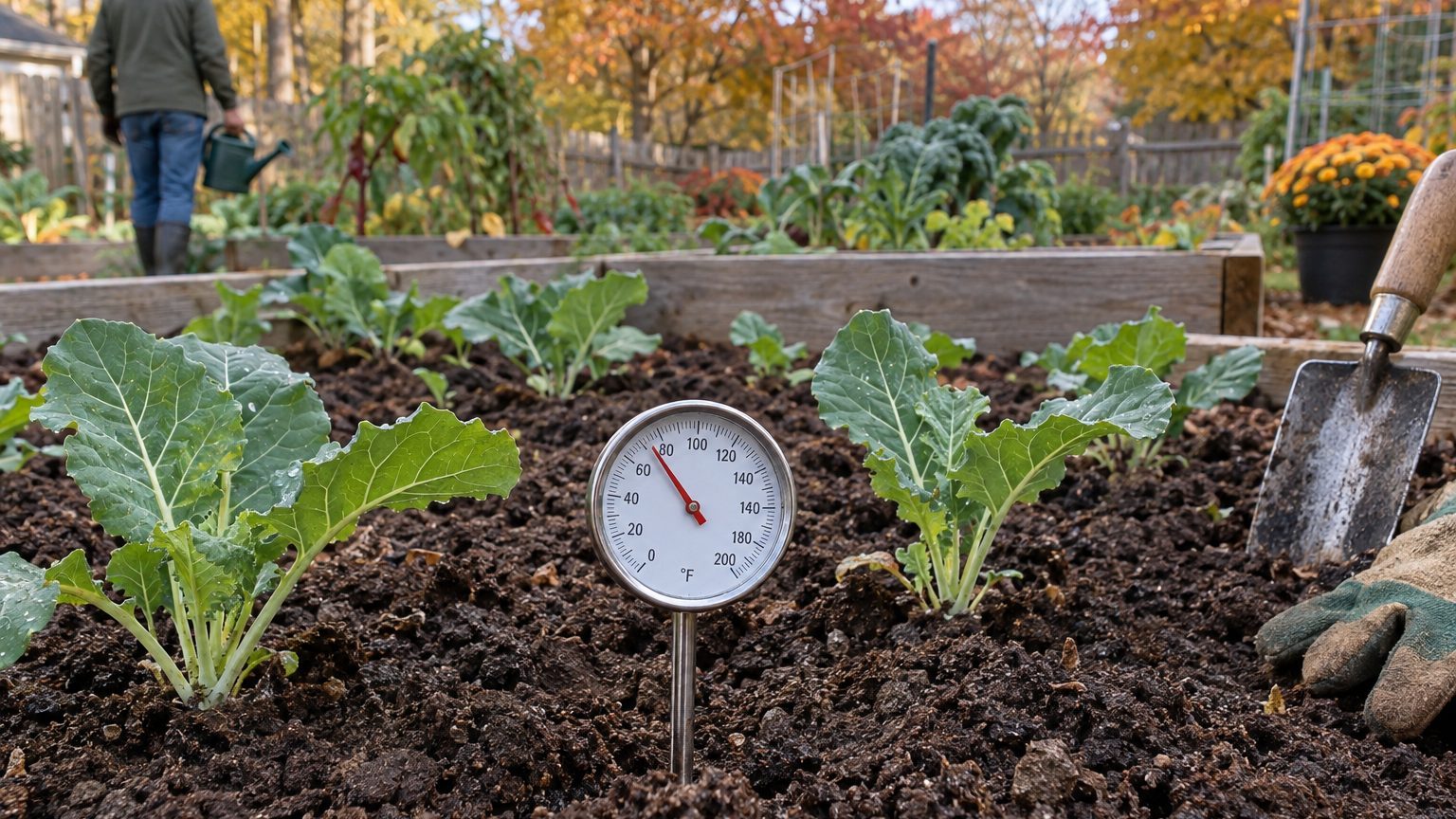
Collards go into Oklahoma soil twice a year with real success: a spring planting timed to the last frost, and a fall planting that often outperforms it…