Growing Unusual Root Crops in British Columbia
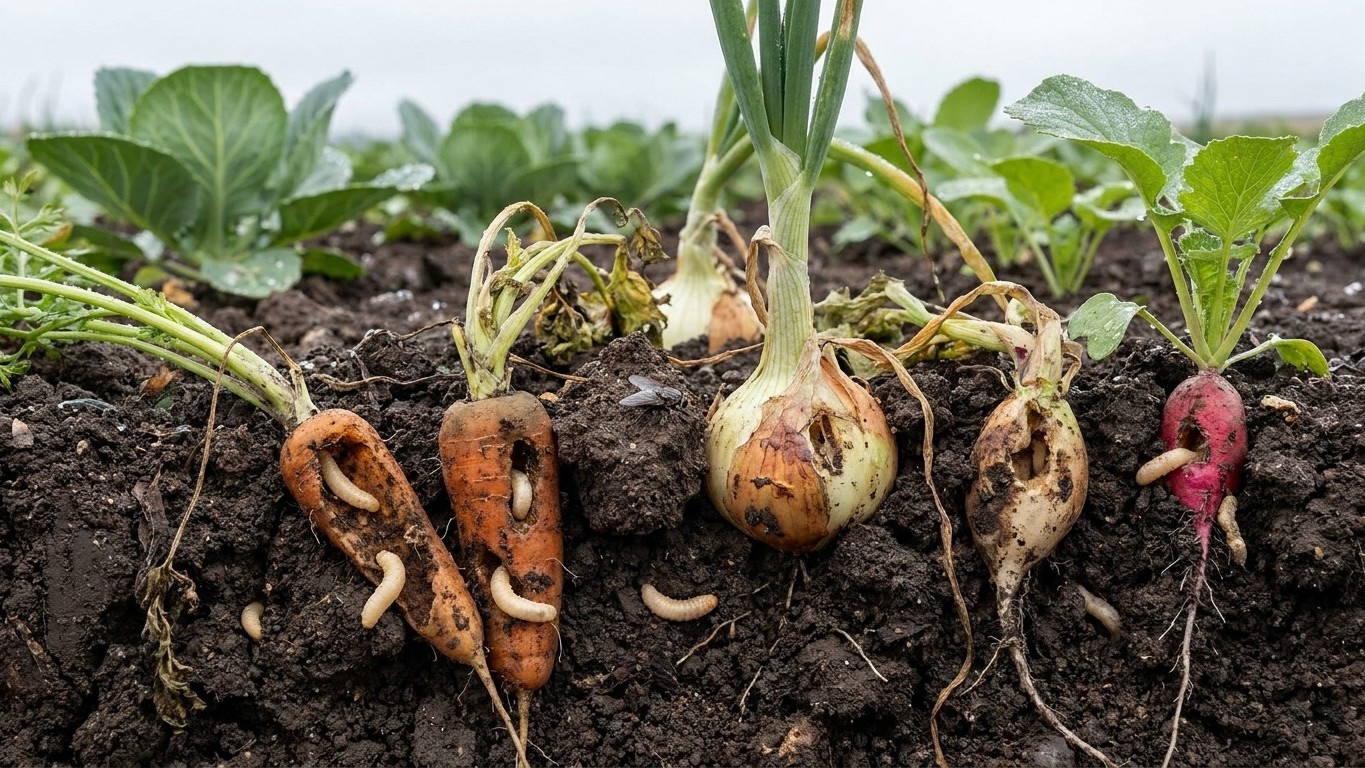
On the B.C. coast, the average last spring frost at the Vancouver International Airport station falls on March 18, which is early by Canadian standards.
Home & garden, state by state
On the B.C. coast, the average last spring frost at the Vancouver International Airport station falls on March 18, which is early by Canadian standards.
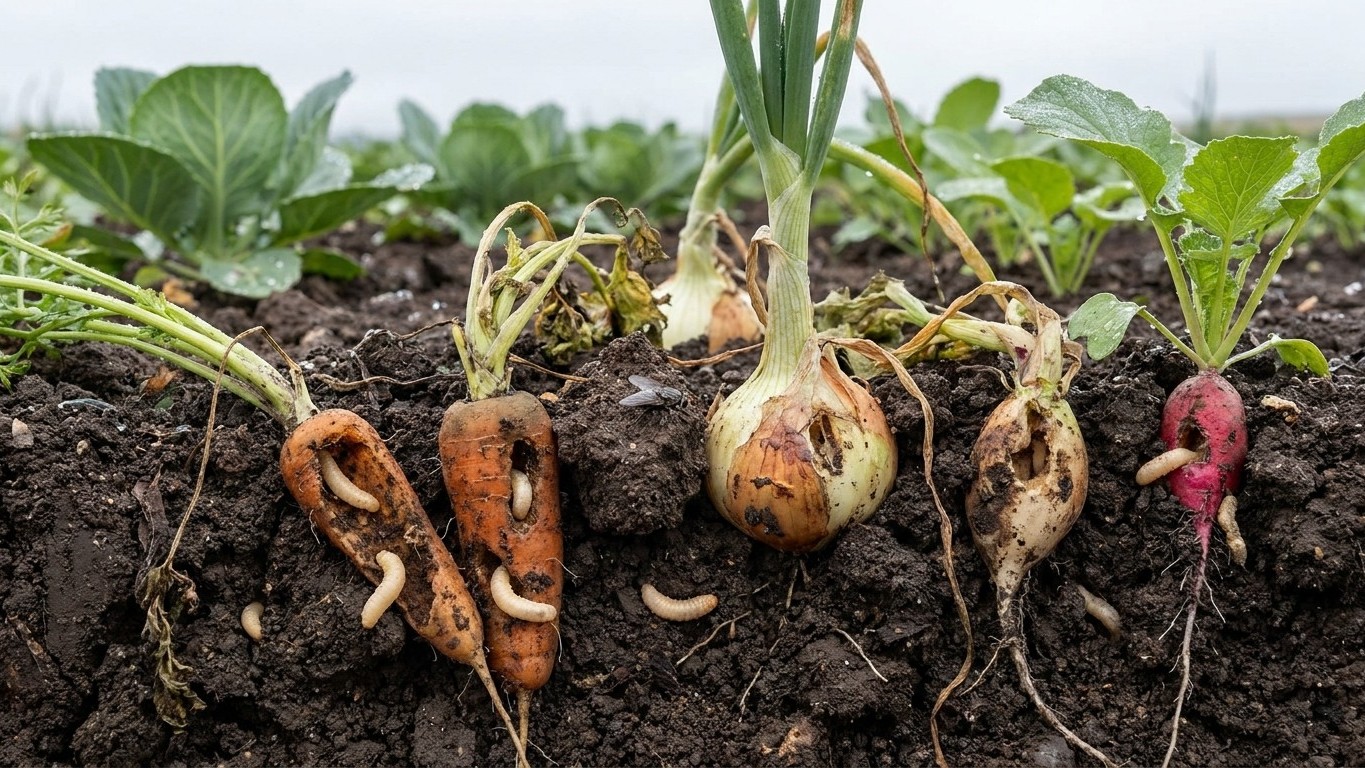
Wait for warm soil, not just the last frost. At Little Rock’s NOAA reference station, the last 32°F freeze falls between March 12 and March 28, and the…
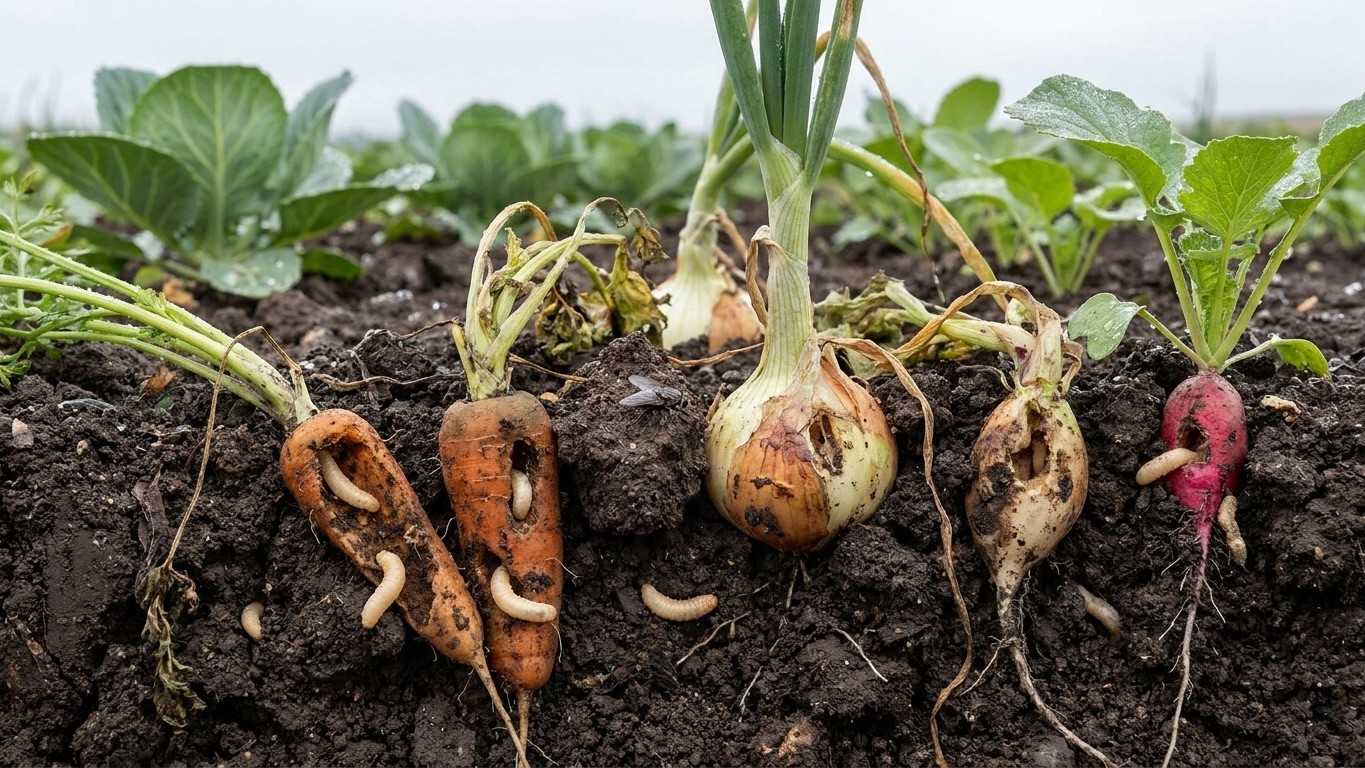
In Arizona, elevation matters more than any calendar date. In the Phoenix low desert, frost almost never sets the schedule.
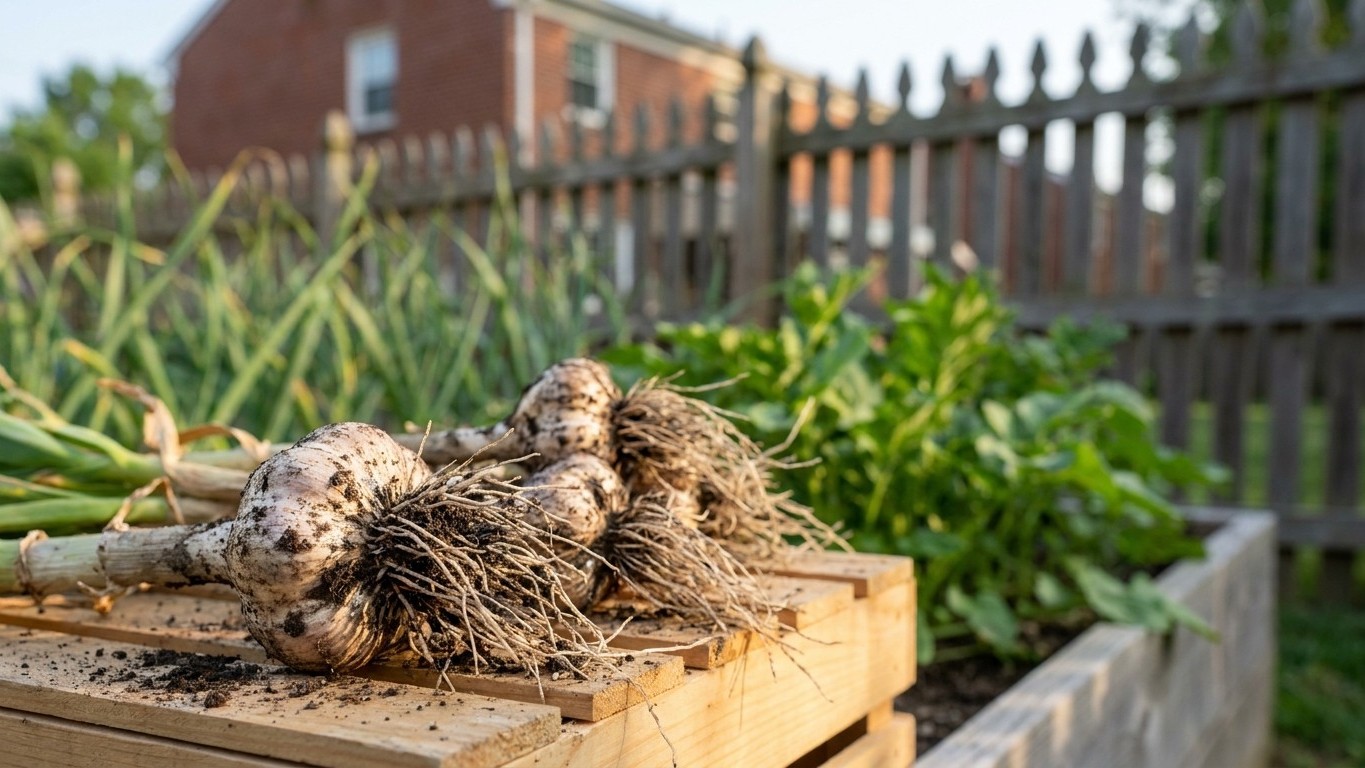
Plan on sowing the hardy roots in the weeks after May 21 and treat the rest of the group as a bet against the calendar.
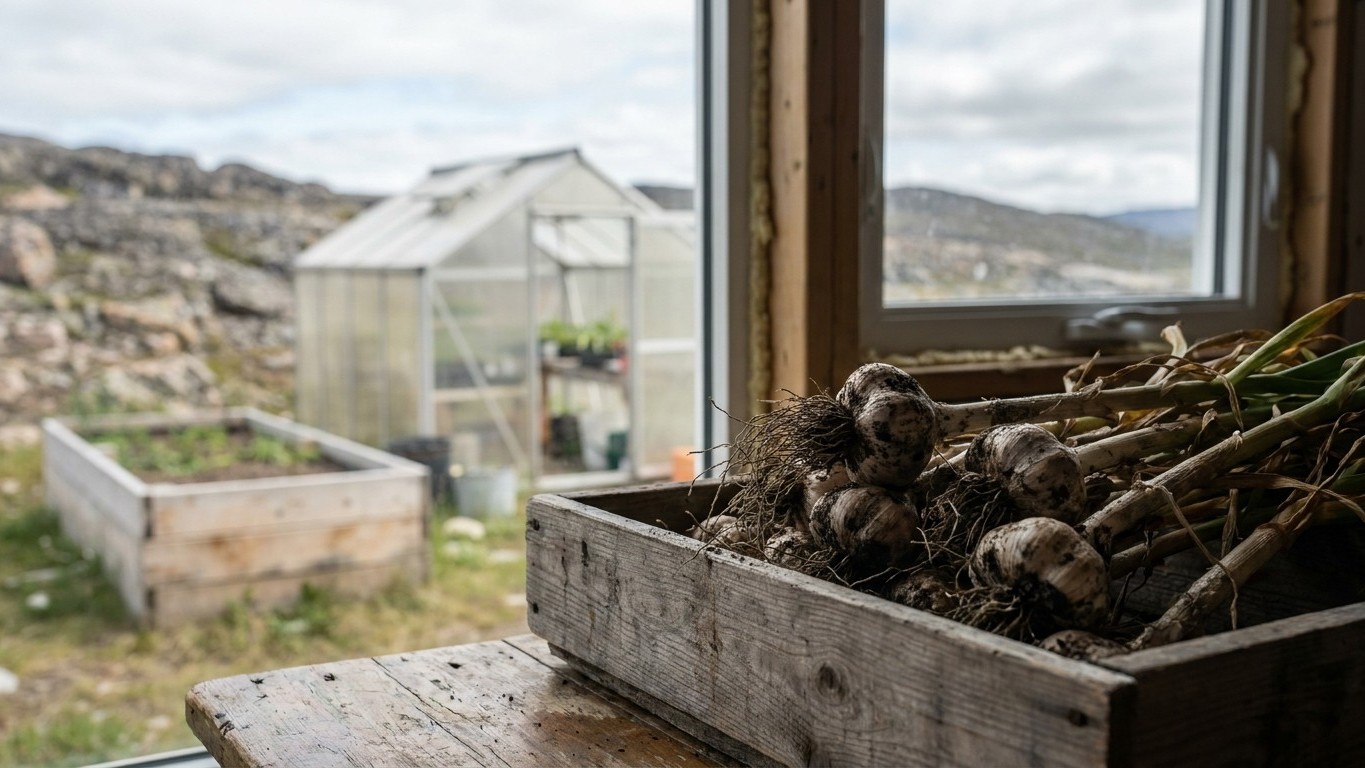
Anchorage’s last spring freeze falls between May 3 and May 12, and unusual roots such as celeriac, kohlrabi, horseradish and Jerusalem artichokes go in…
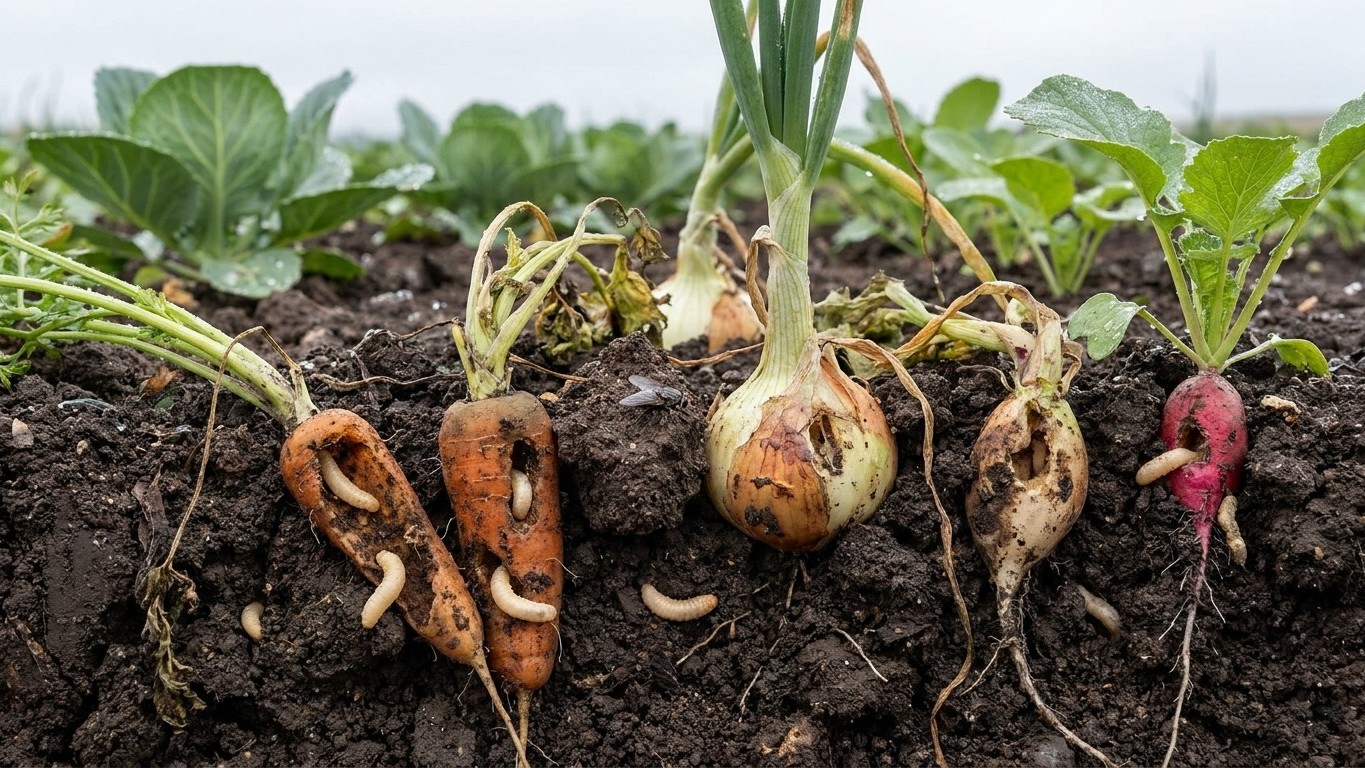
In most of Alabama, unusual root crops go in from late March into early April, but the soil sets the real date, not the calendar.
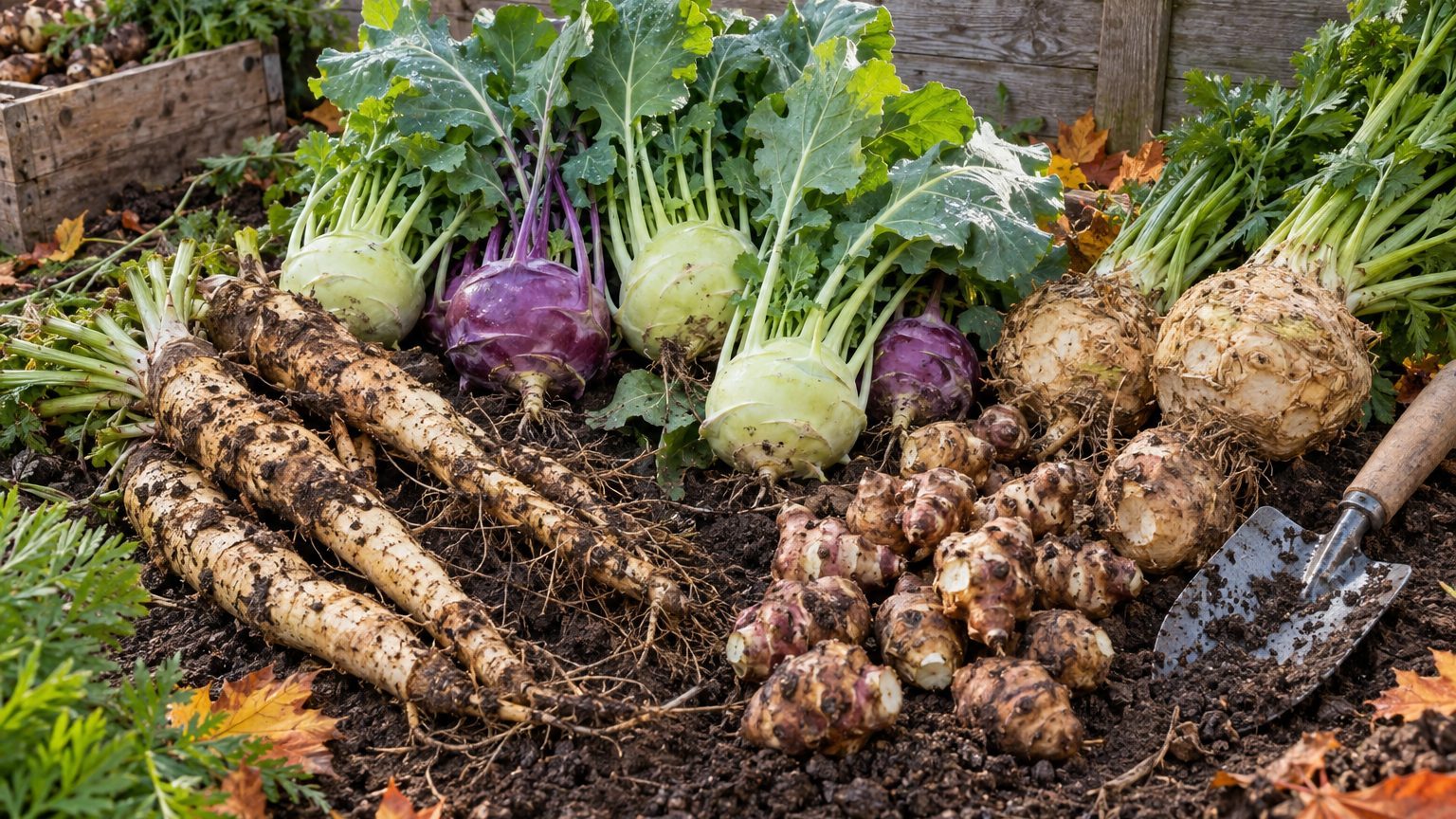
Kohlrabi and horseradish earn their spot in almost any yard. Celeriac does too, as long as you can give it a long growing season and steady water.
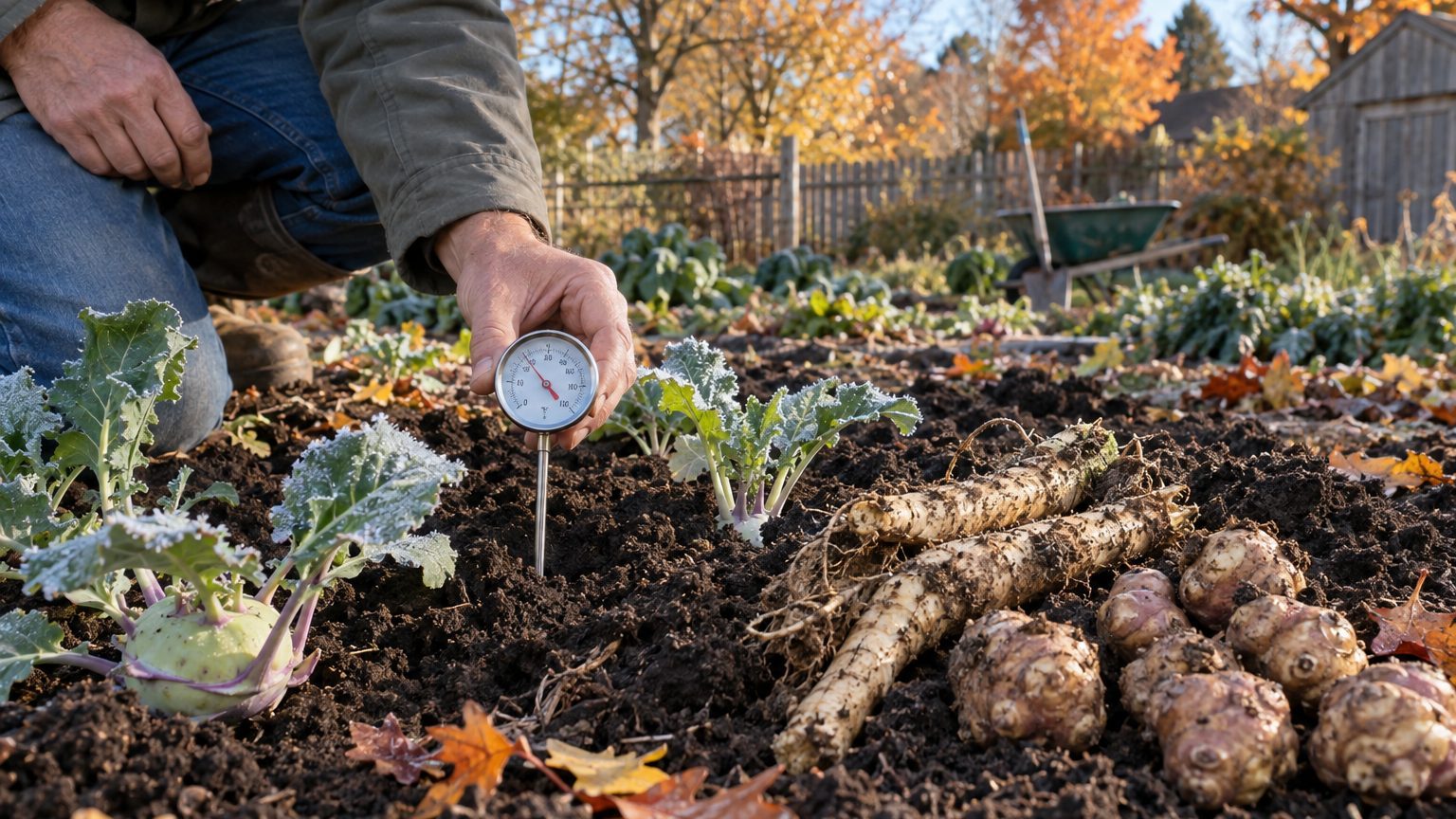
Kohlrabi goes in first, about two to four weeks before your last spring frost.
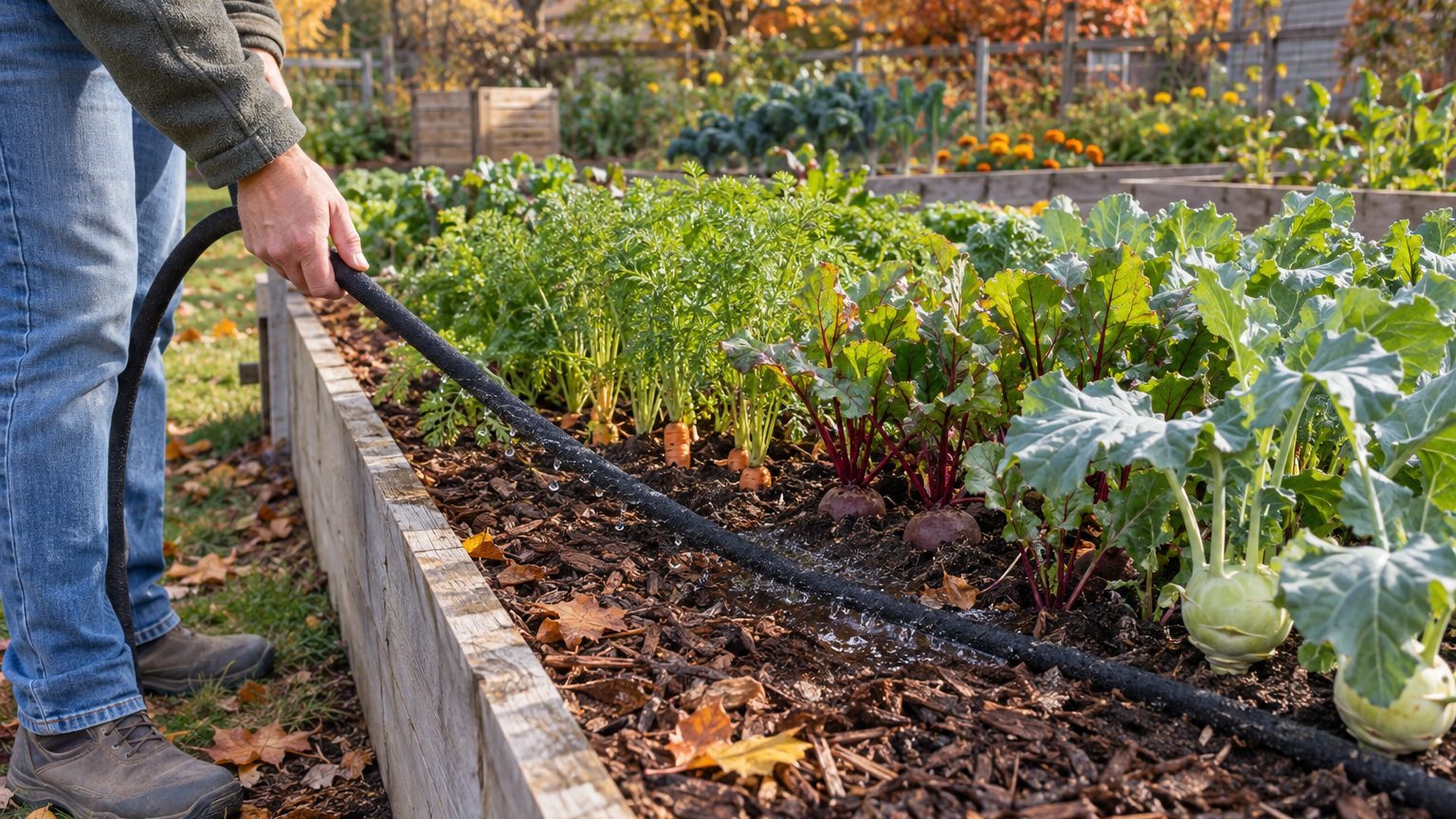
Steady moisture beats generous moisture. For most unusual roots, that means about an inch of water a week (rain included), delivered in a slow, deep…
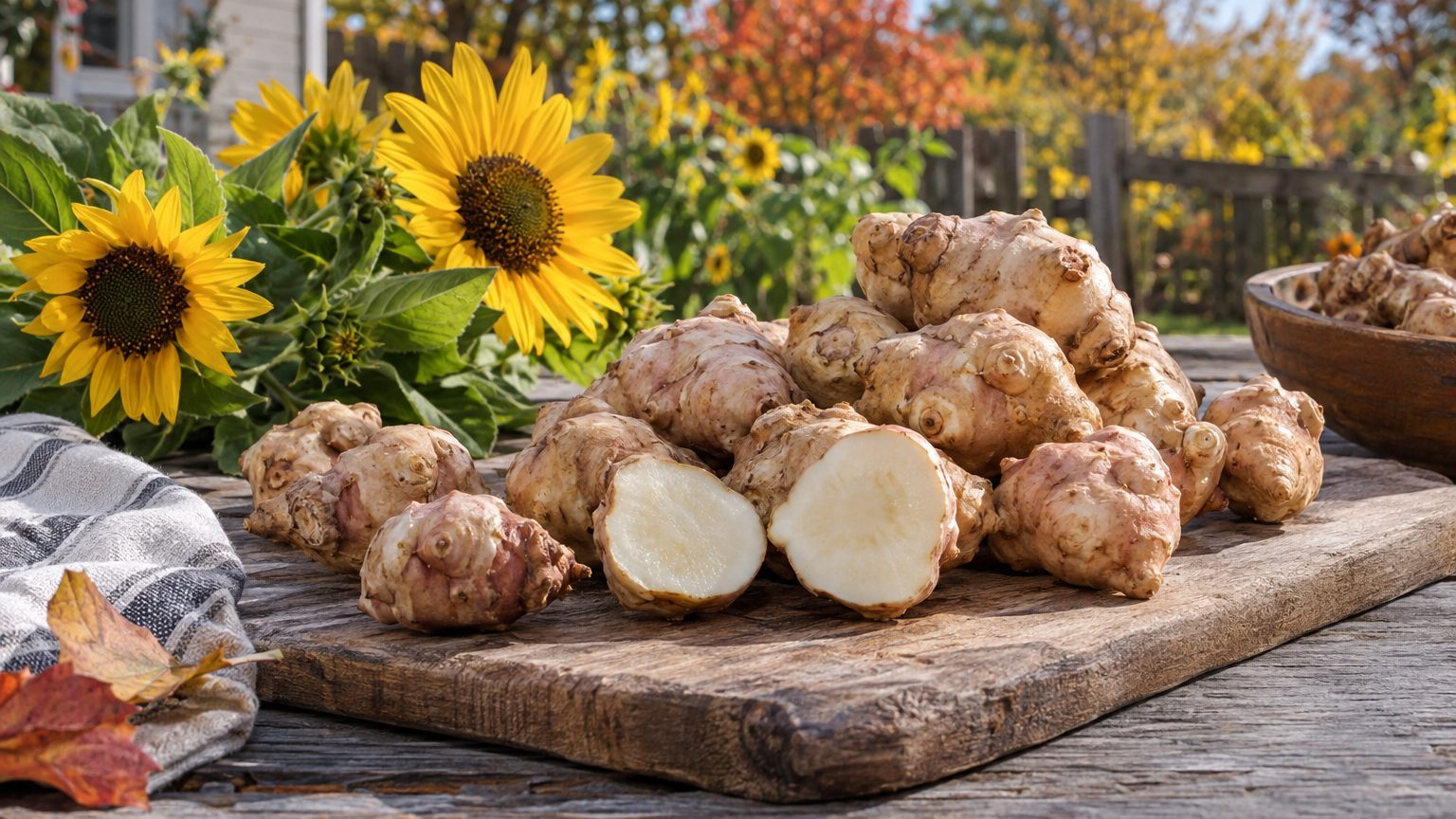
Jerusalem artichokes cause gas and bloating because the tuber stores its energy as inulin, a chain of fructose molecules that human digestive enzymes…