Roses That Hold Up in Alberta
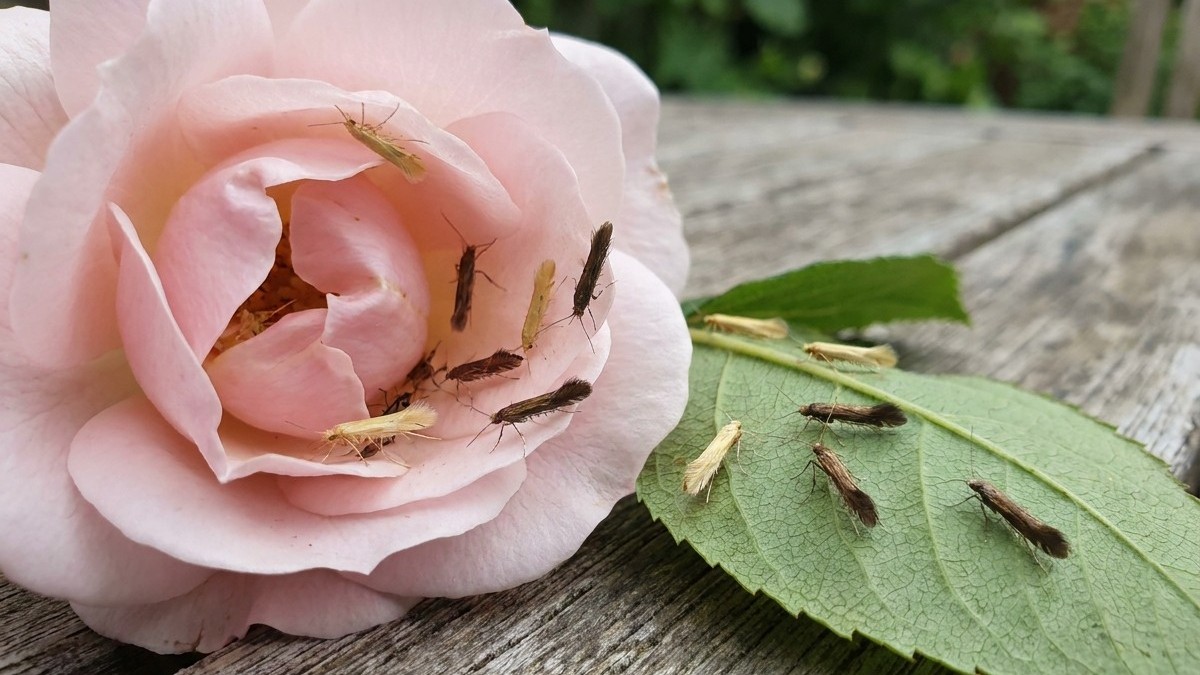
Roses that survive an Alberta winter are almost always own-root shrub roses bred specifically for prairie cold, not grafted hybrid teas from a warmer…
Home & garden, state by state
Roses that survive an Alberta winter are almost always own-root shrub roses bred specifically for prairie cold, not grafted hybrid teas from a warmer…
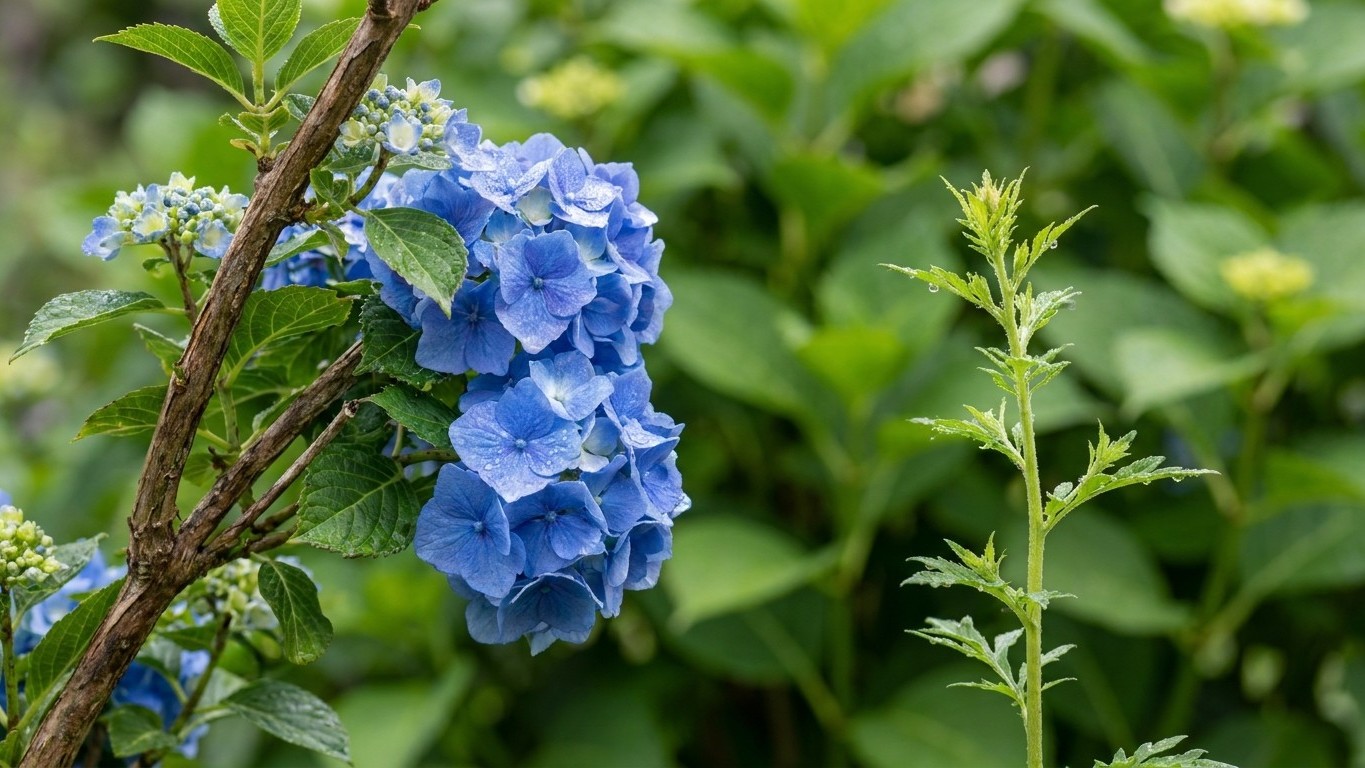
In Georgia, hydrangeas go in the ground either in early spring once the last frost risk has passed, or in early fall while soil is still warm enough for…
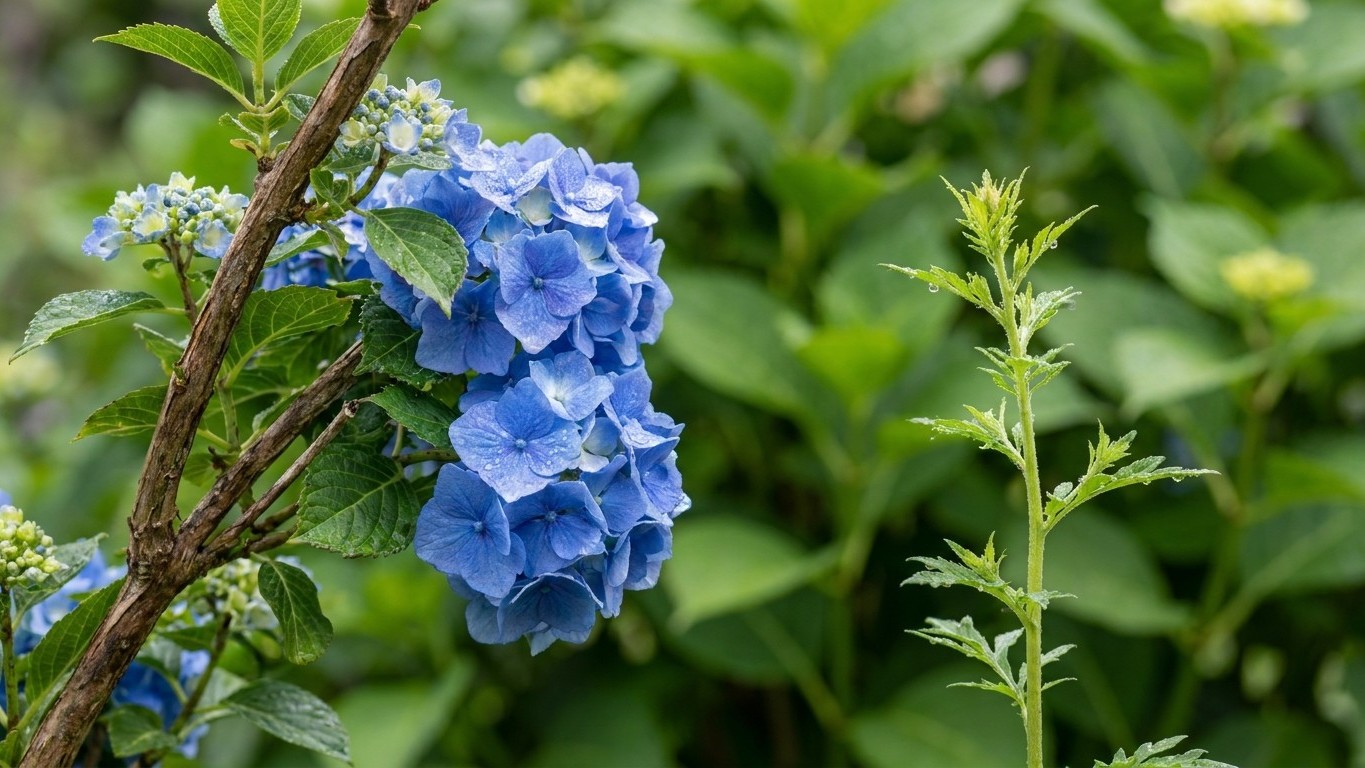
Alberta’s Canadian hardiness zone 4a, measured at Calgary, means most hydrangeas need real winter protection to survive here, not just a light mulch.
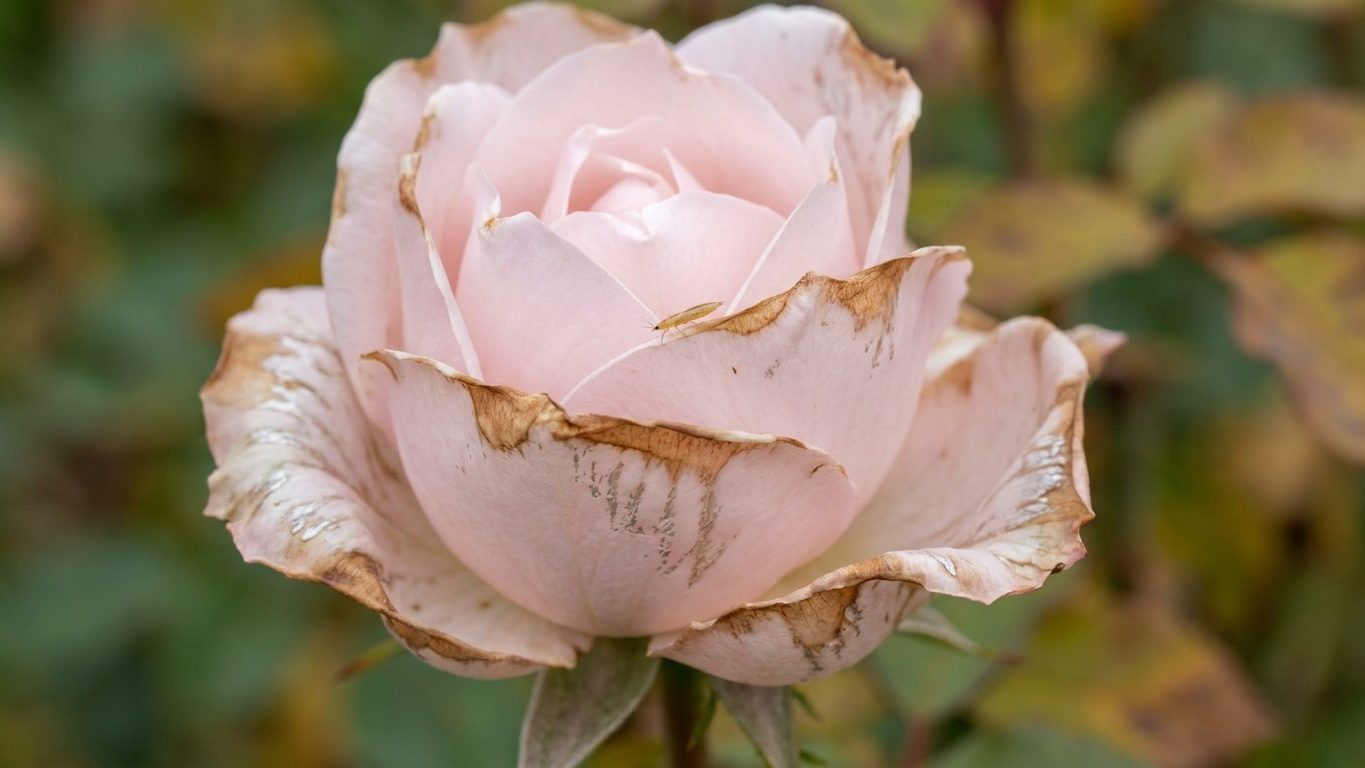
Brown, papery edges on rose petals that never fully unfurl almost always point to thrips, tiny slender insects that hide inside buds and rasp the tender…
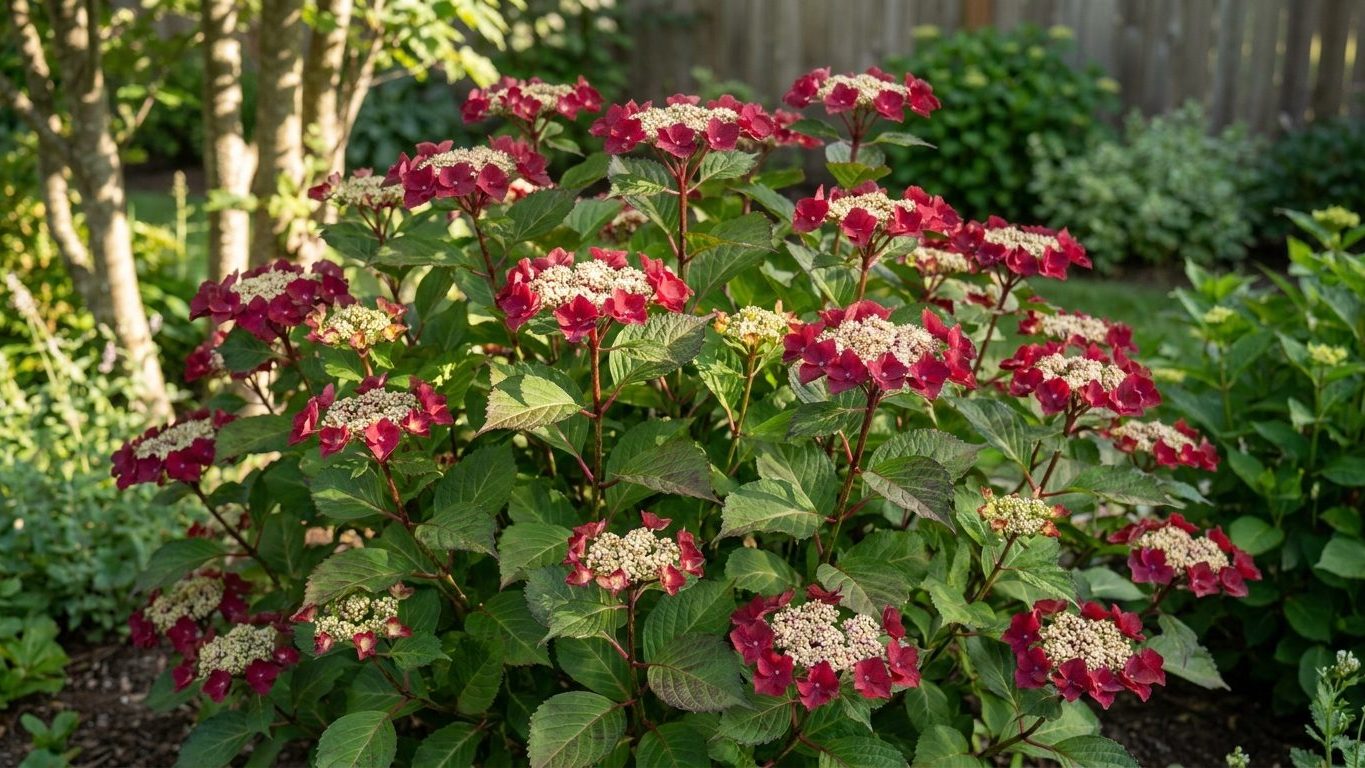
Lady in Red is a bigleaf hydrangea, the lacecap type, hardy in USDA zones 6a through 11b, and whether it blooms in a given yard comes down to one detail…
Nine insects show up often enough in New Hampshire gardens that UNH Cooperative Extension keeps records on them, but only a handful actually target…
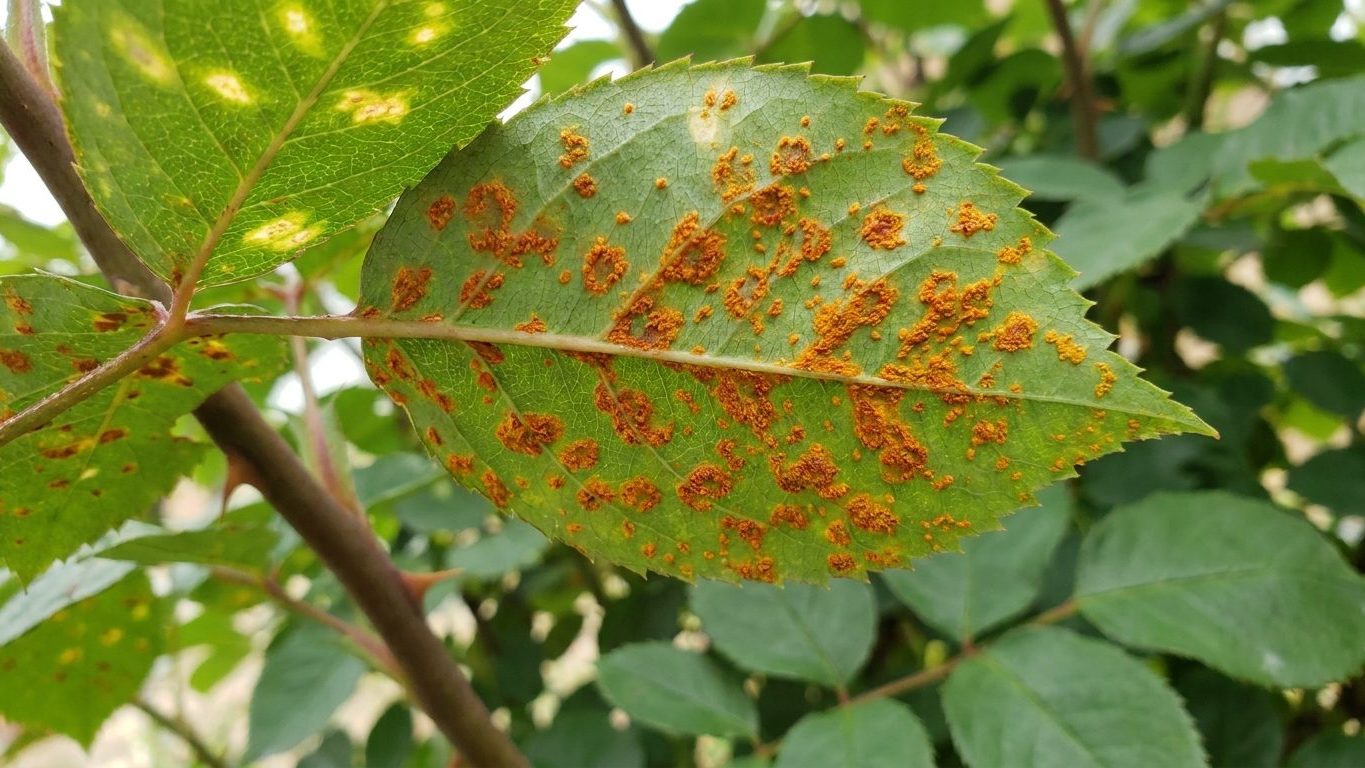
Orange dust on the underside of a rose leaf, arranged in tidy rings or scattered clusters, is rose rust.
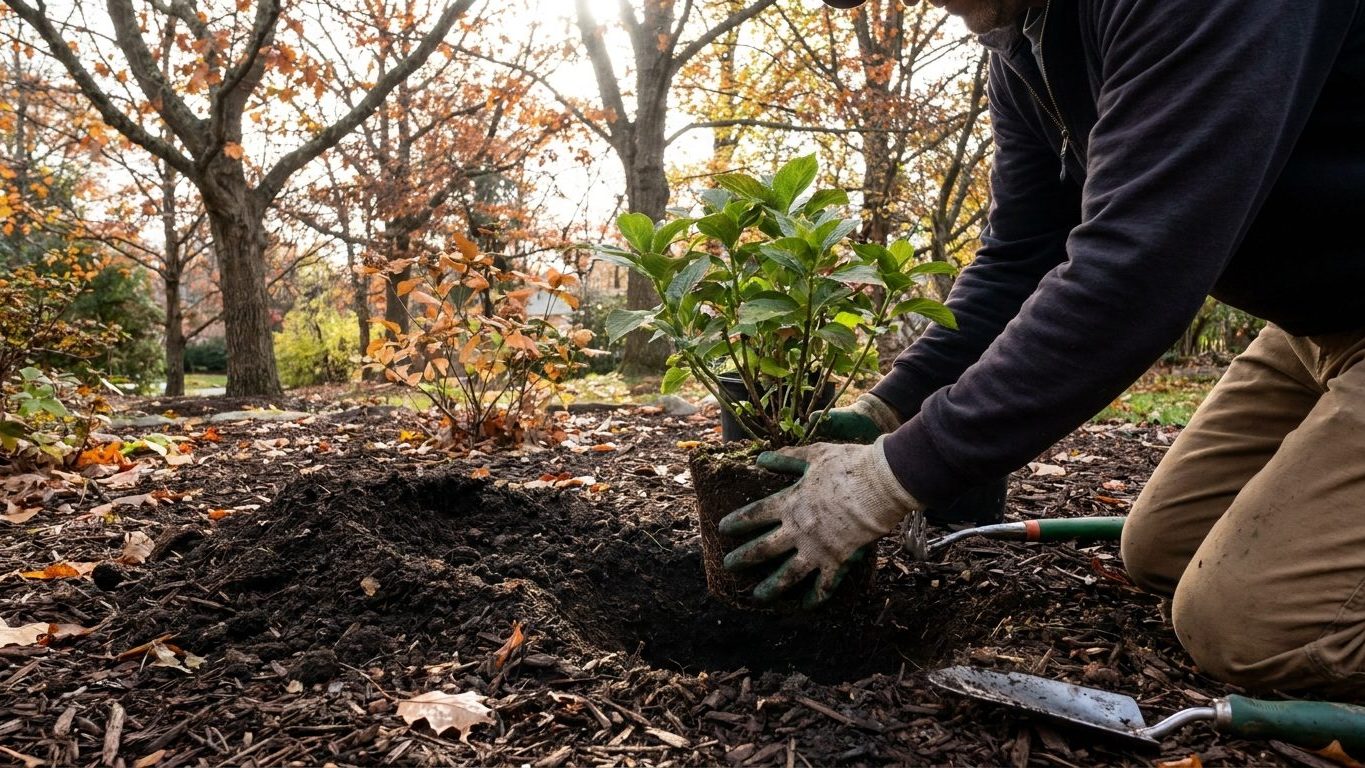
The right spot and depth depend on which hydrangea you’re planting. Shallow-rooted types like bigleaf and panicle hydrangea want the root flare level…
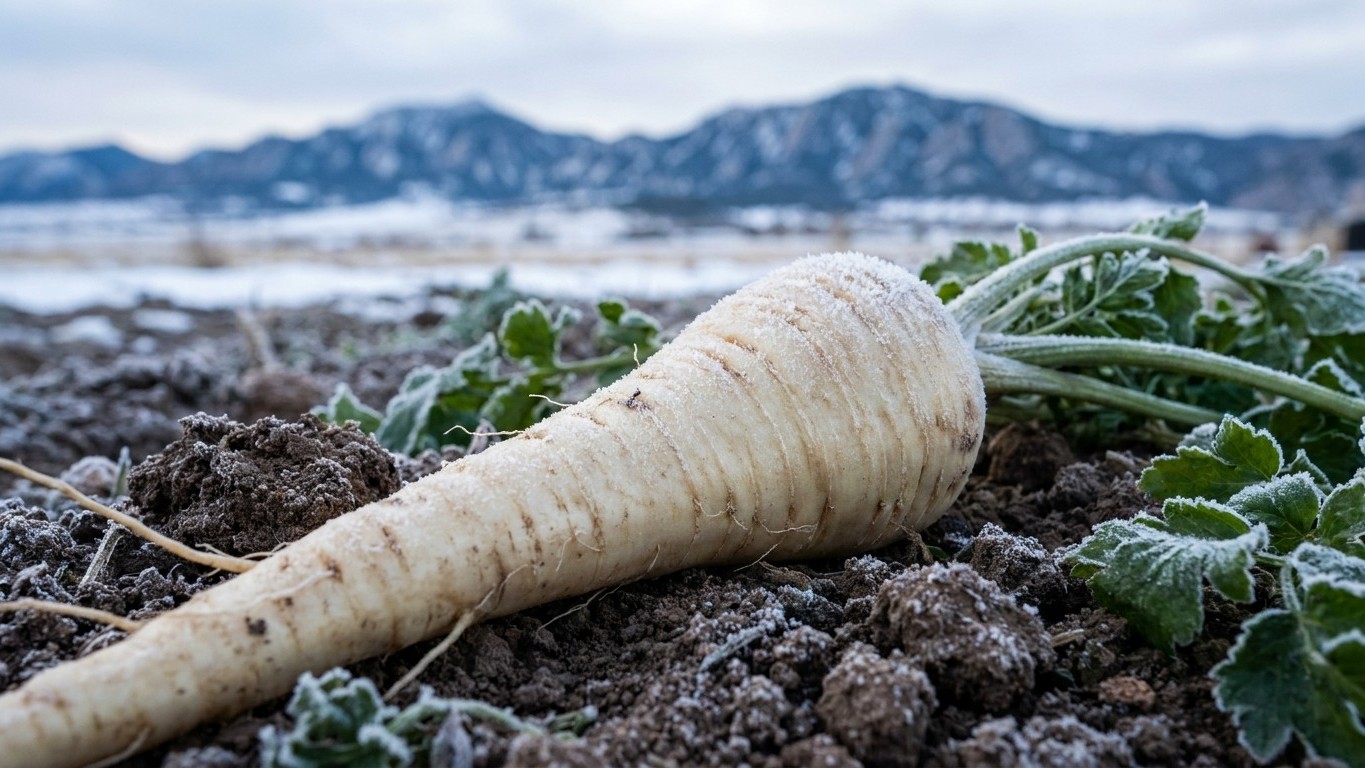
Four insects showing up in Oklahoma parsnip rows do real damage: blister beetles, grasshoppers, green peach aphid, and spider mites.
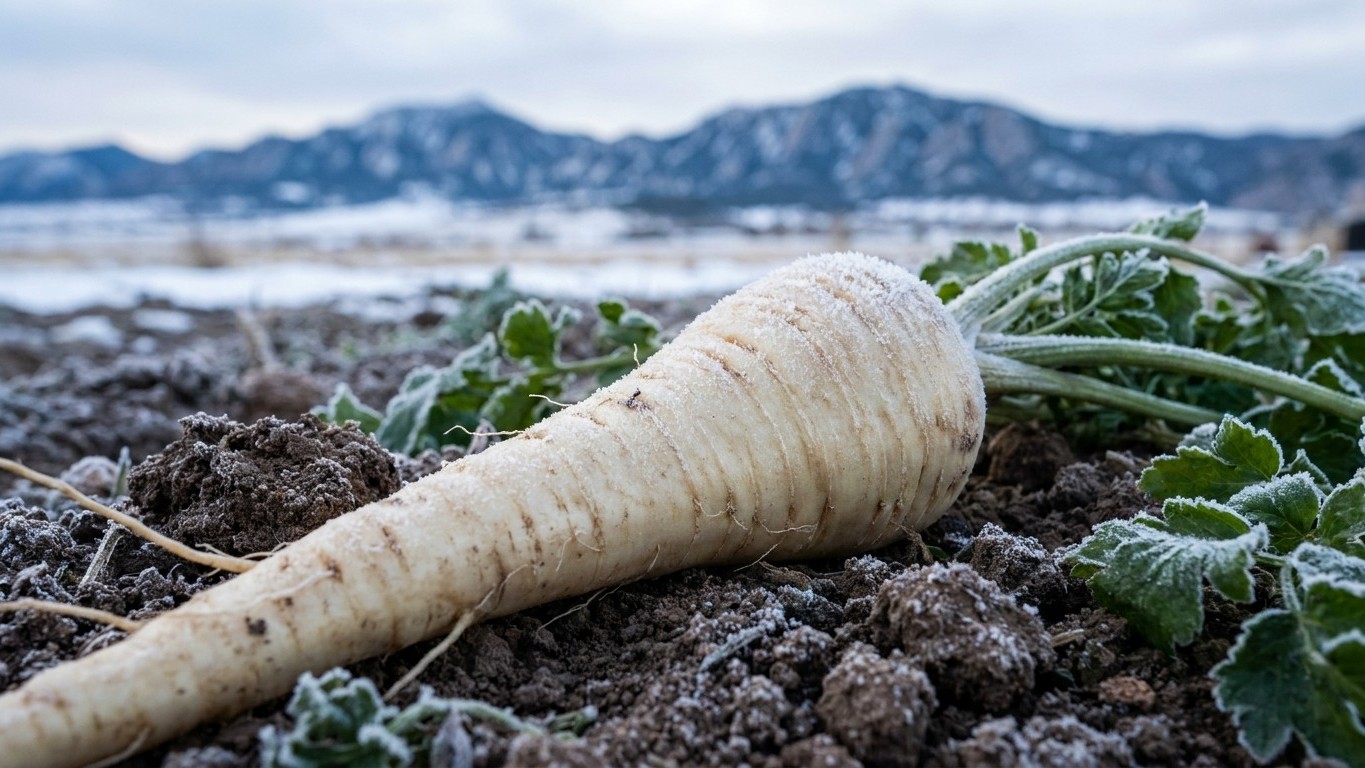
Ohio State University Extension (Ohioline) documents nine garden pests for this territory, but only a handful of them have any business on a parsnip bed.