When to Sow Cover Crops in South Dakota
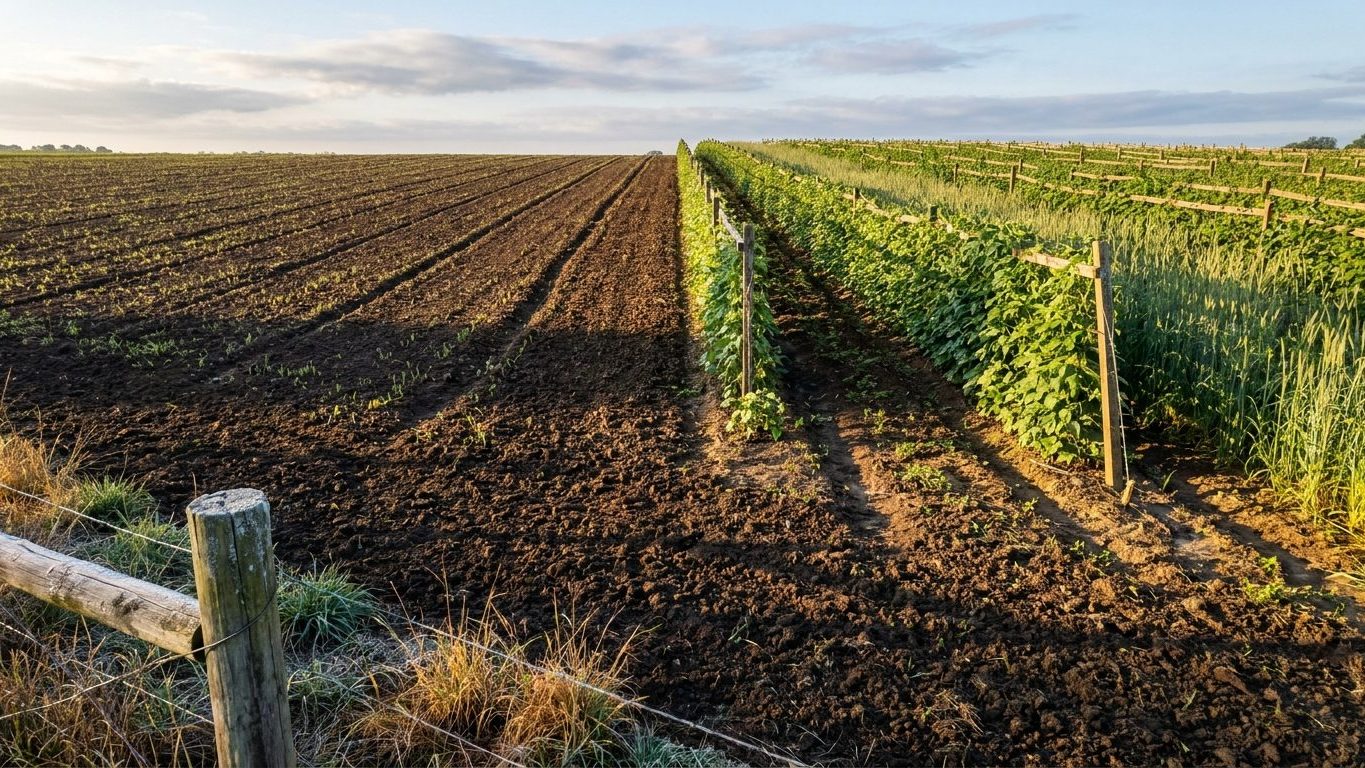
In South Dakota, cool-season covers like oats, field peas, and brassicas can go in as early as mid-April and tolerate the last frost, which lands April…
Home & garden, state by state
In South Dakota, cool-season covers like oats, field peas, and brassicas can go in as early as mid-April and tolerate the last frost, which lands April…
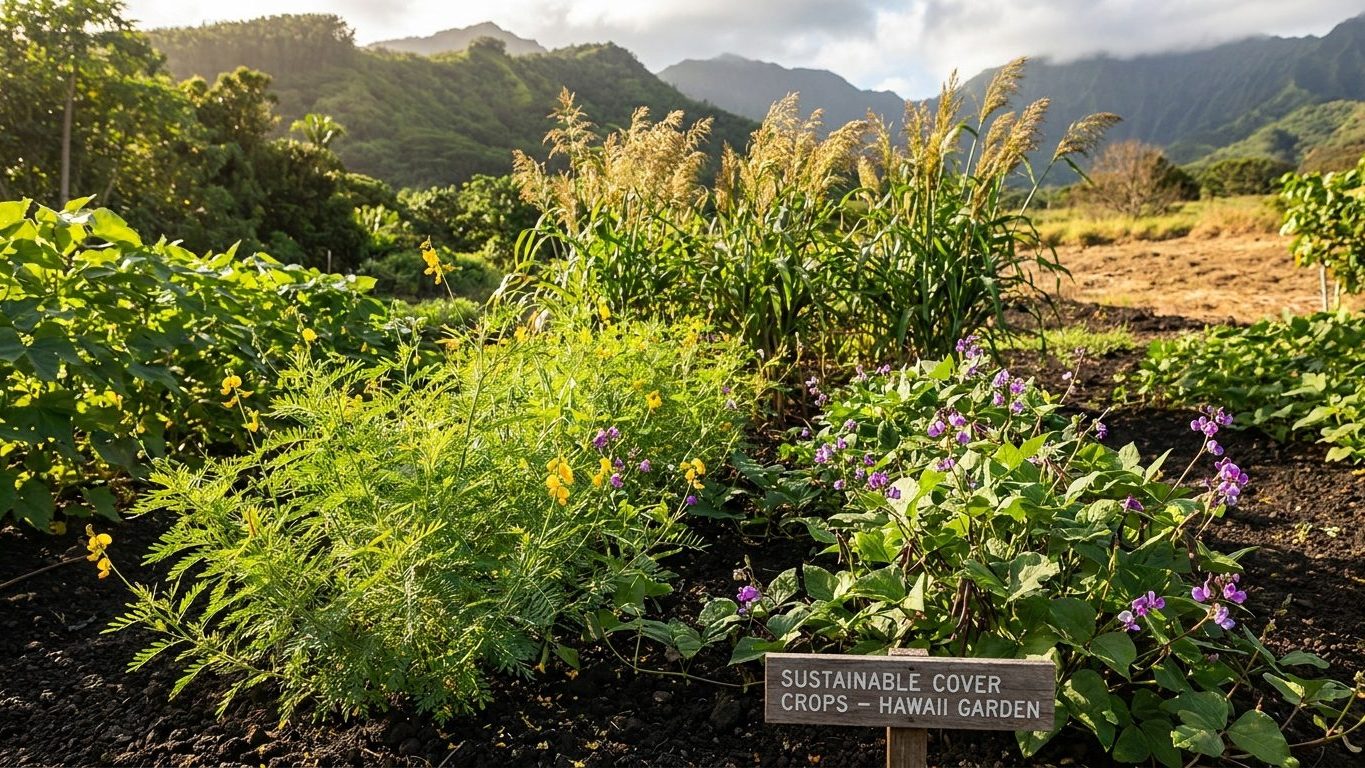
Cover crops that work in South Dakota split into two camps: winter-killed species you seed after your last harvest and let freeze out, and true winter…
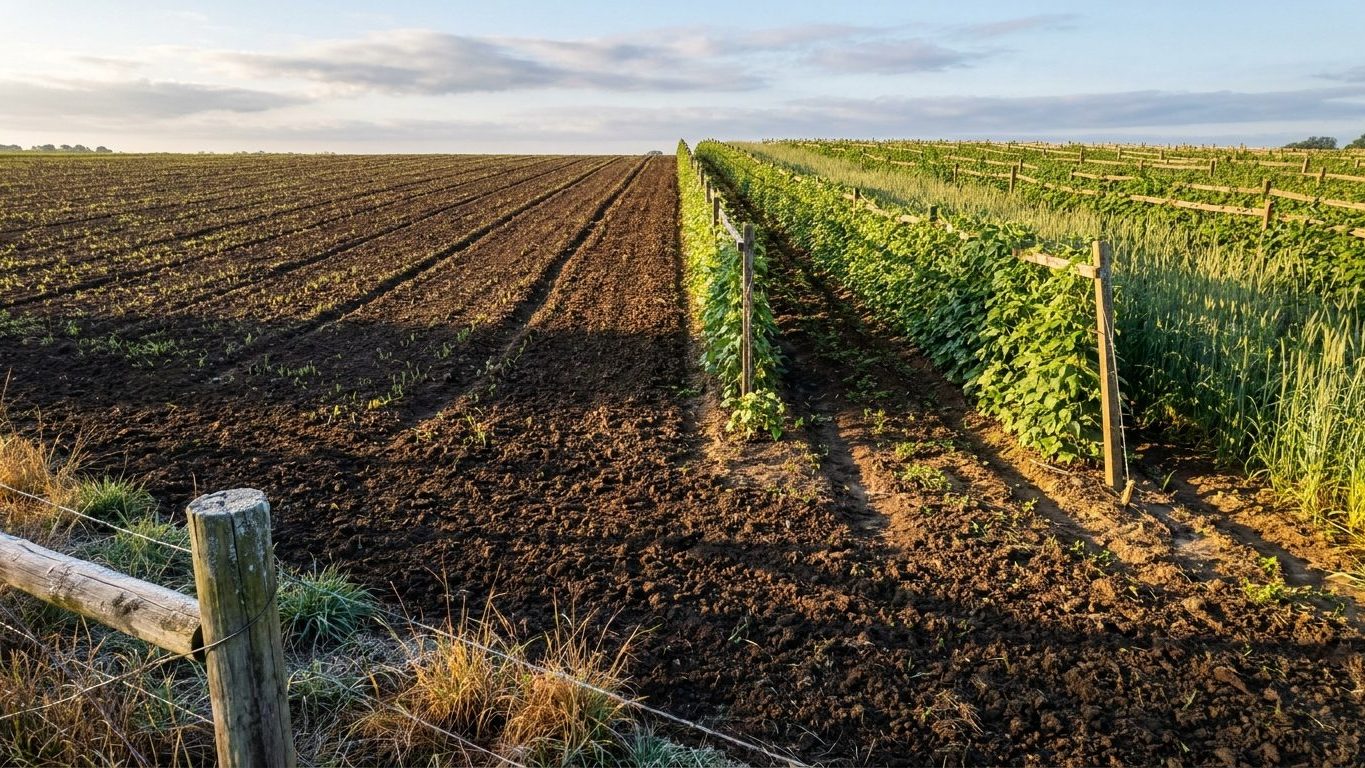
South Carolina gardeners work two sowing windows, not one: cool-season cover crops go in during fall, ahead of the season’s first freeze, and warm-season…
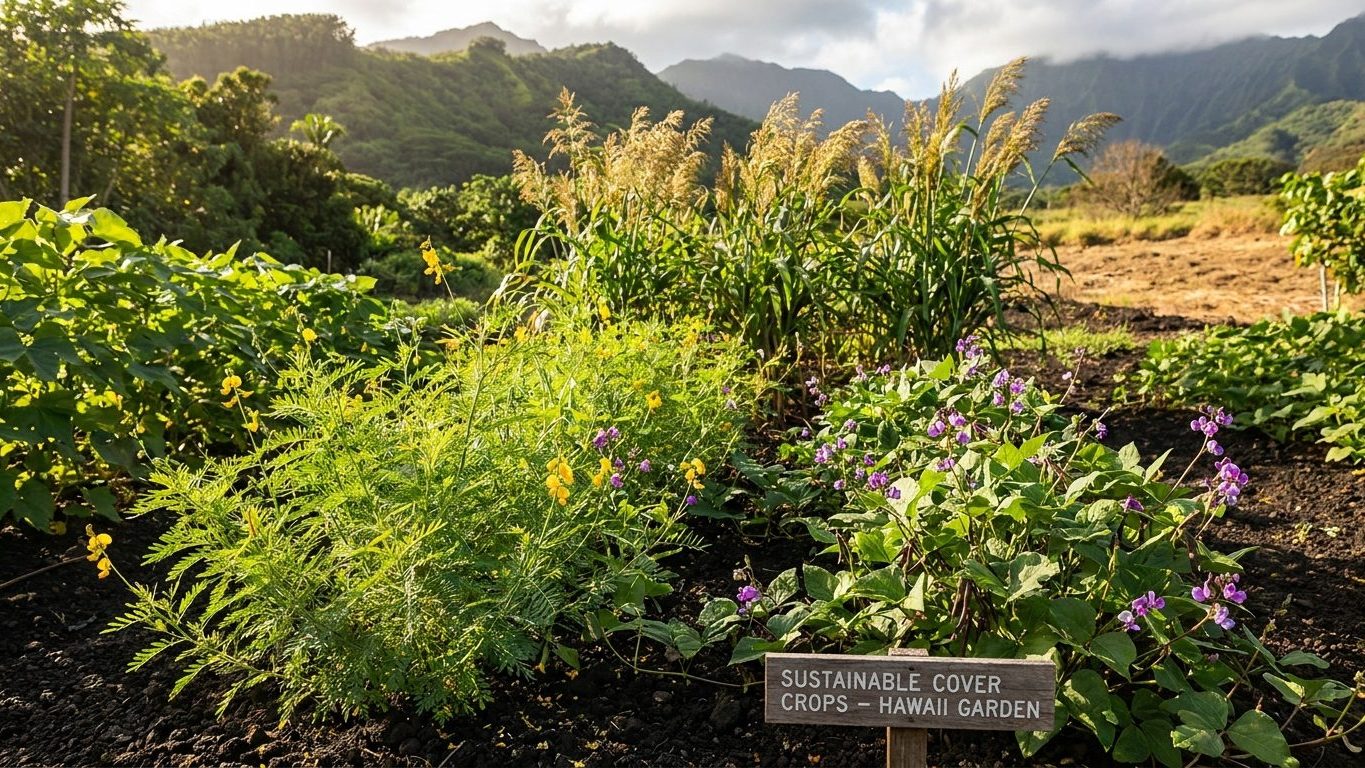
South Carolina’s long, mild growing season makes it prime cover crop territory for both cool-season legumes and warm-season smother crops.
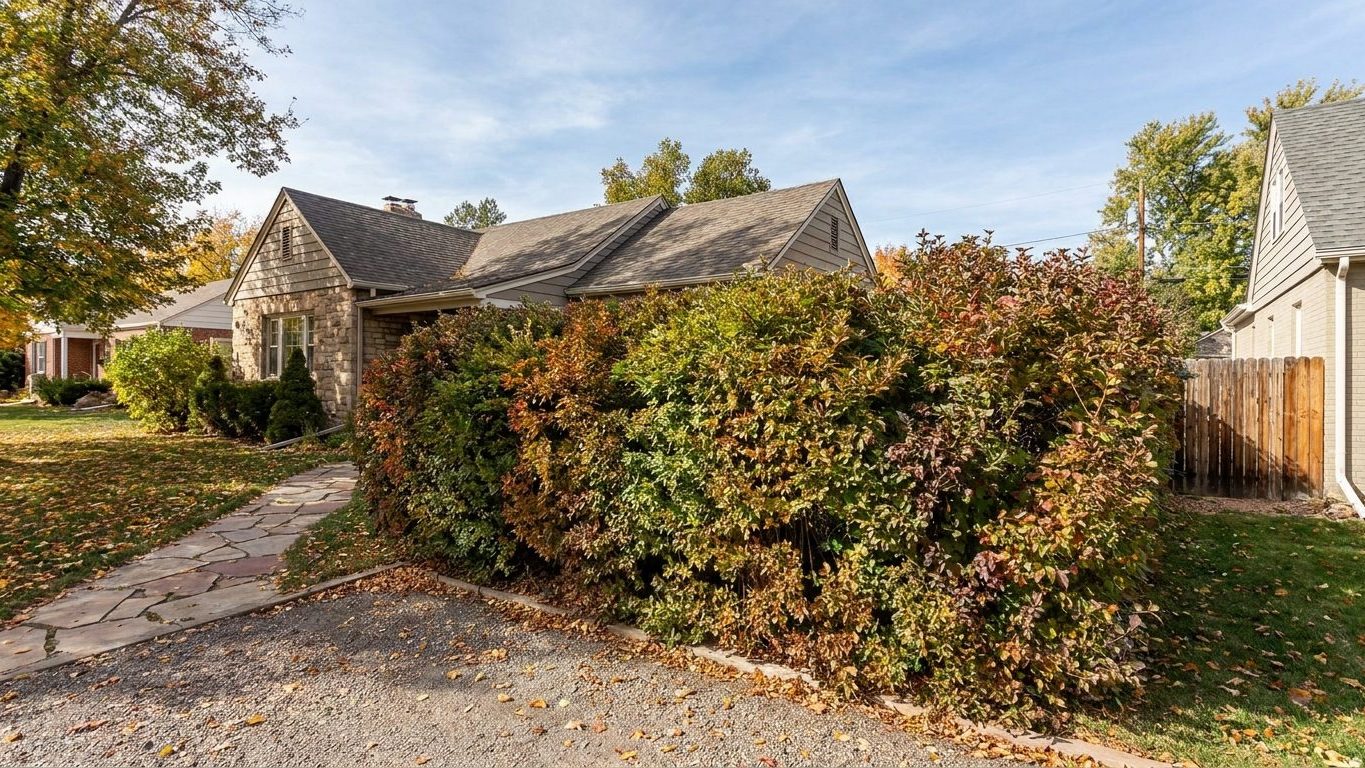
Arkansas has no state law setting a maximum hedge height. No statute anywhere in the Arkansas Code caps how tall a hedge, shrub row, or living fence can…
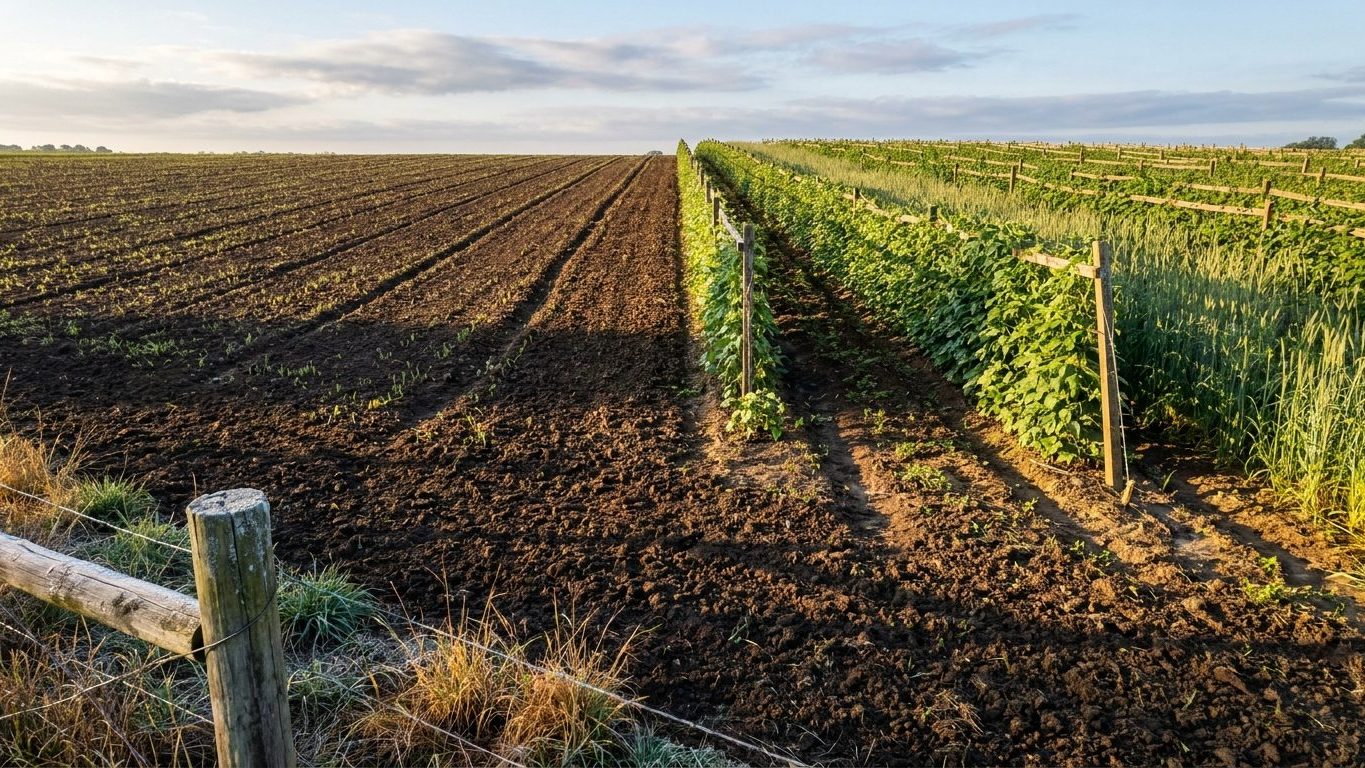
The frost-free window around Saskatoon runs from a mean last spring frost of May 18 to a mean first fall frost of September 18, giving cover crops…
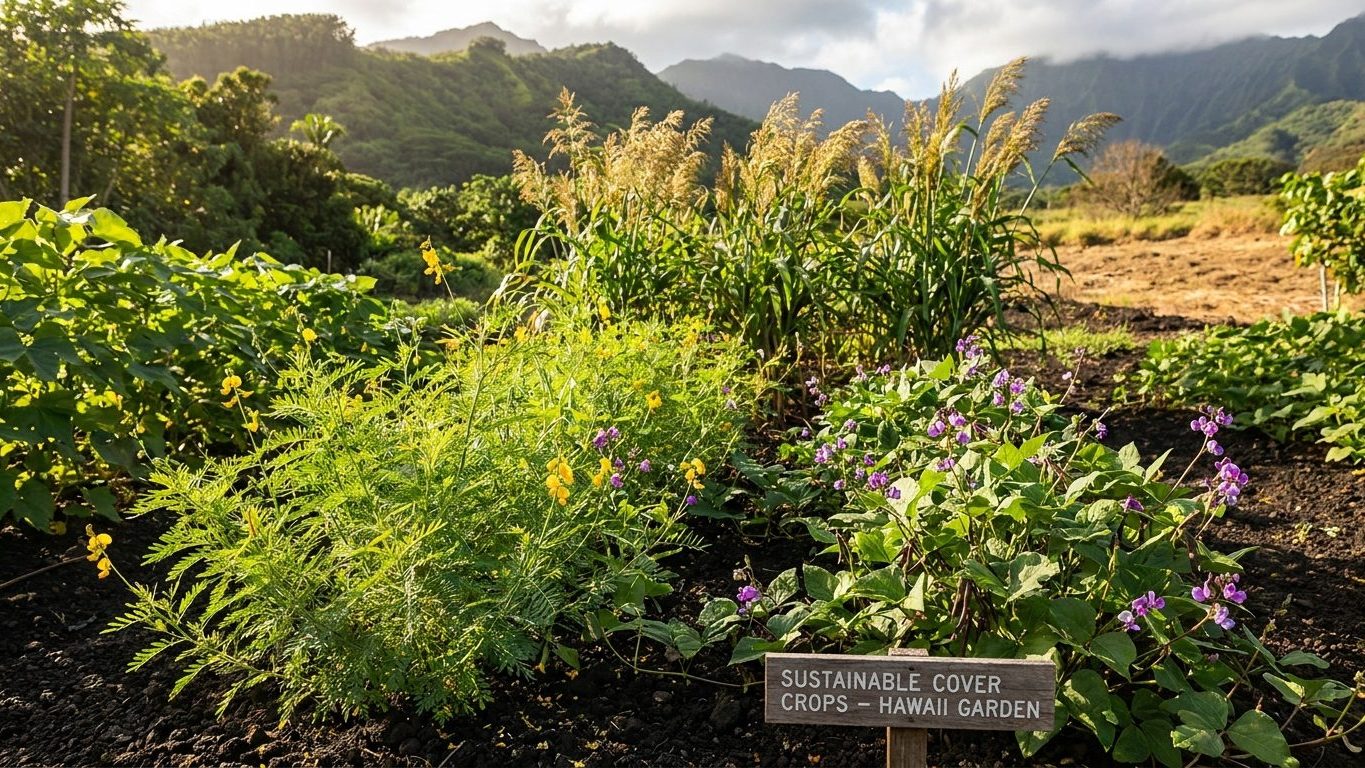
Fall rye is the cover crop that actually survives a Saskatchewan winter, and it’s the one most growers lean on for overwinter ground cover.
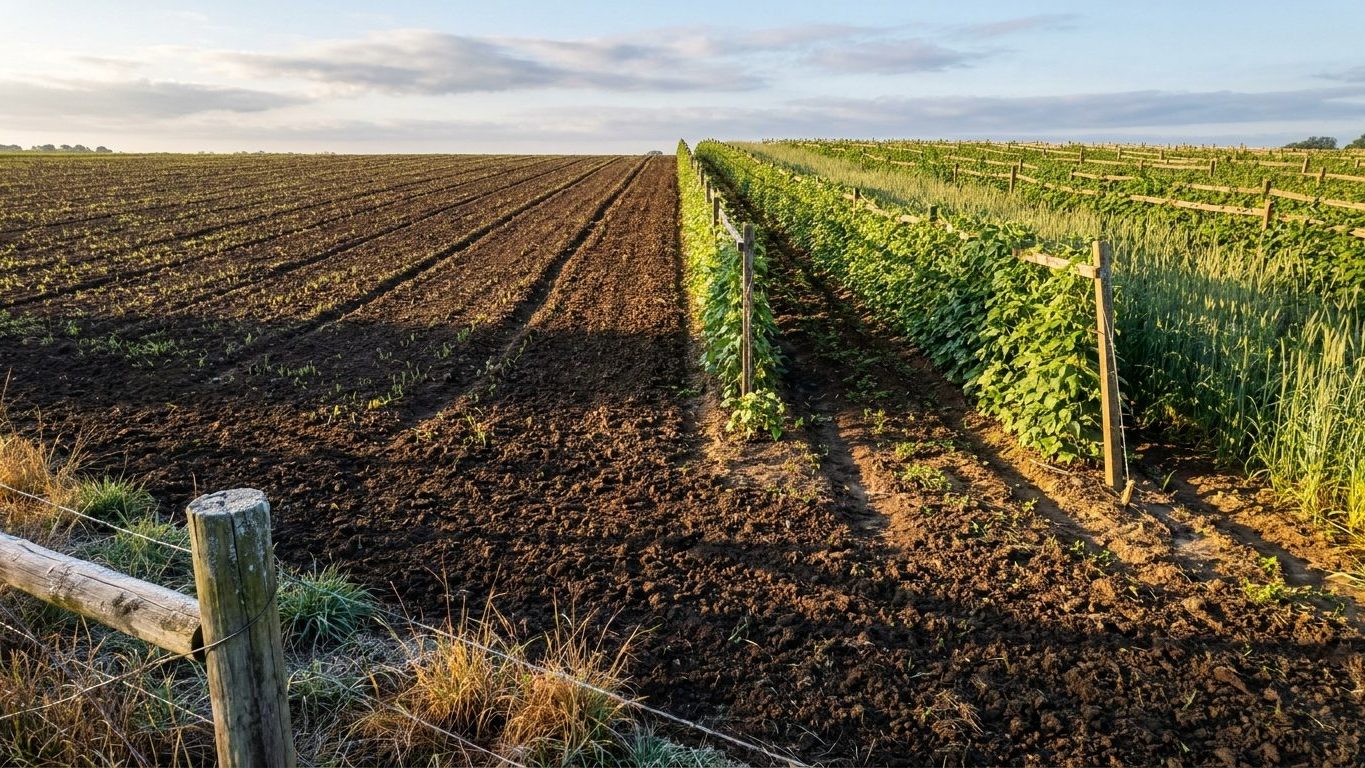
In Rhode Island, fall cover crops go in the ground from mid-August through early September, timed to the first fall frost window of October 24 to…
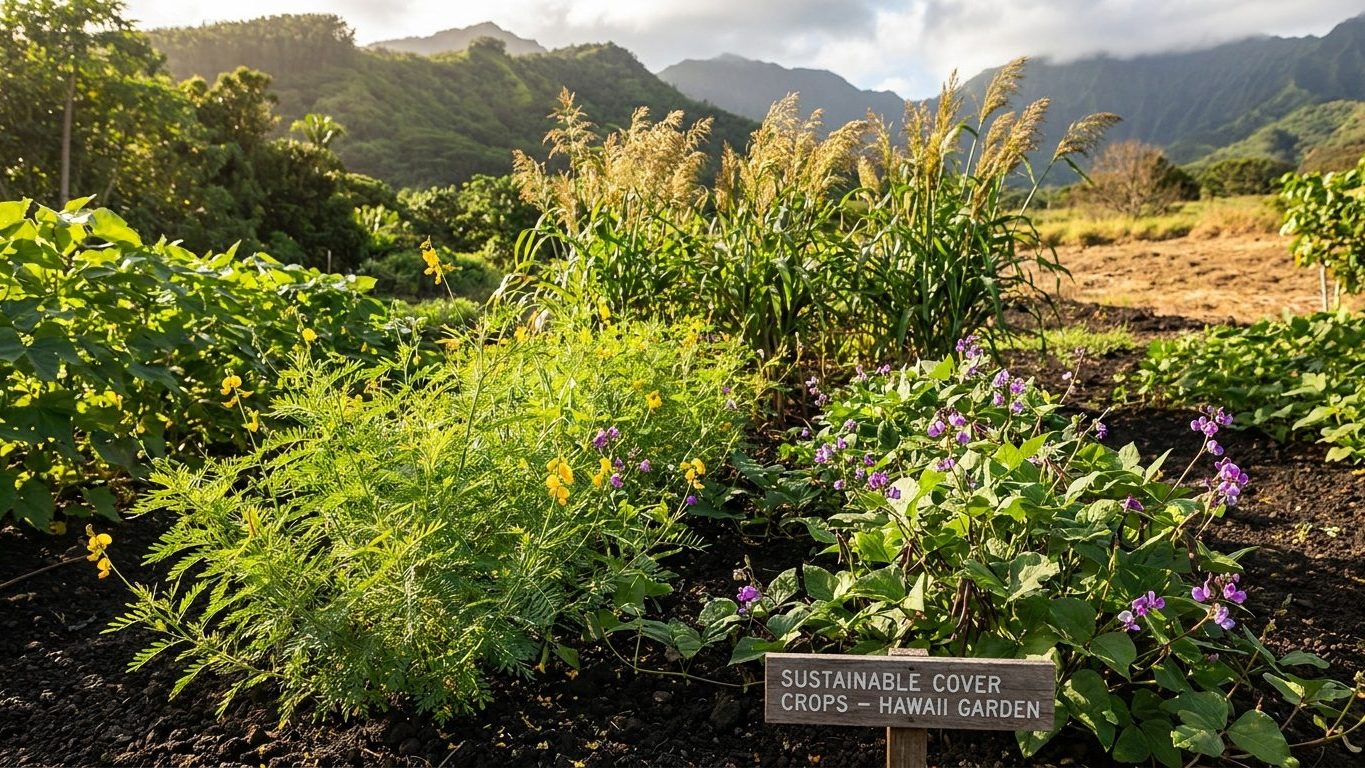
Rhode Island’s frost-free window runs roughly six months, long enough for a full rotation but short enough that timing matters.
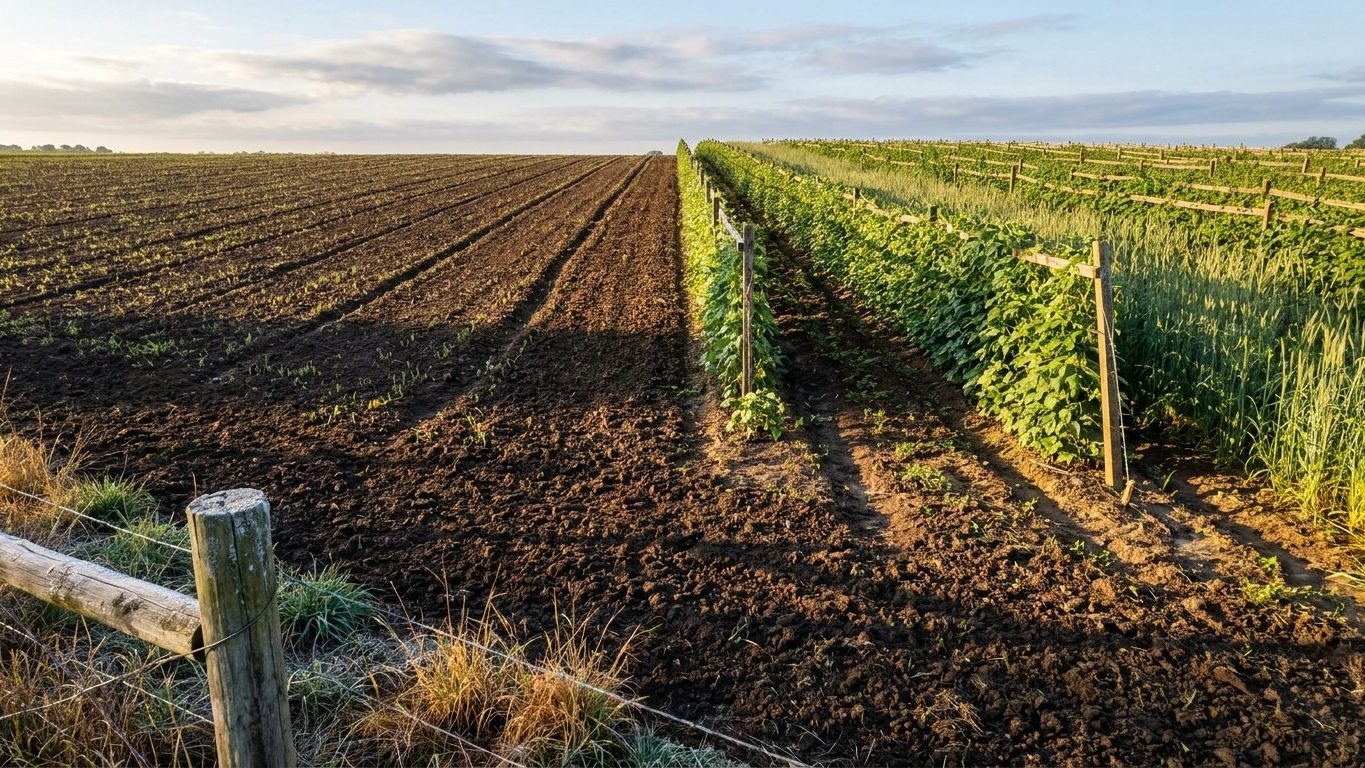
Cover crops in Quebec go into the ground twice a year: a fall planting right after the main harvest, timed to beat the average first frost of October 5…