What Eats Corn in Kansas, and When
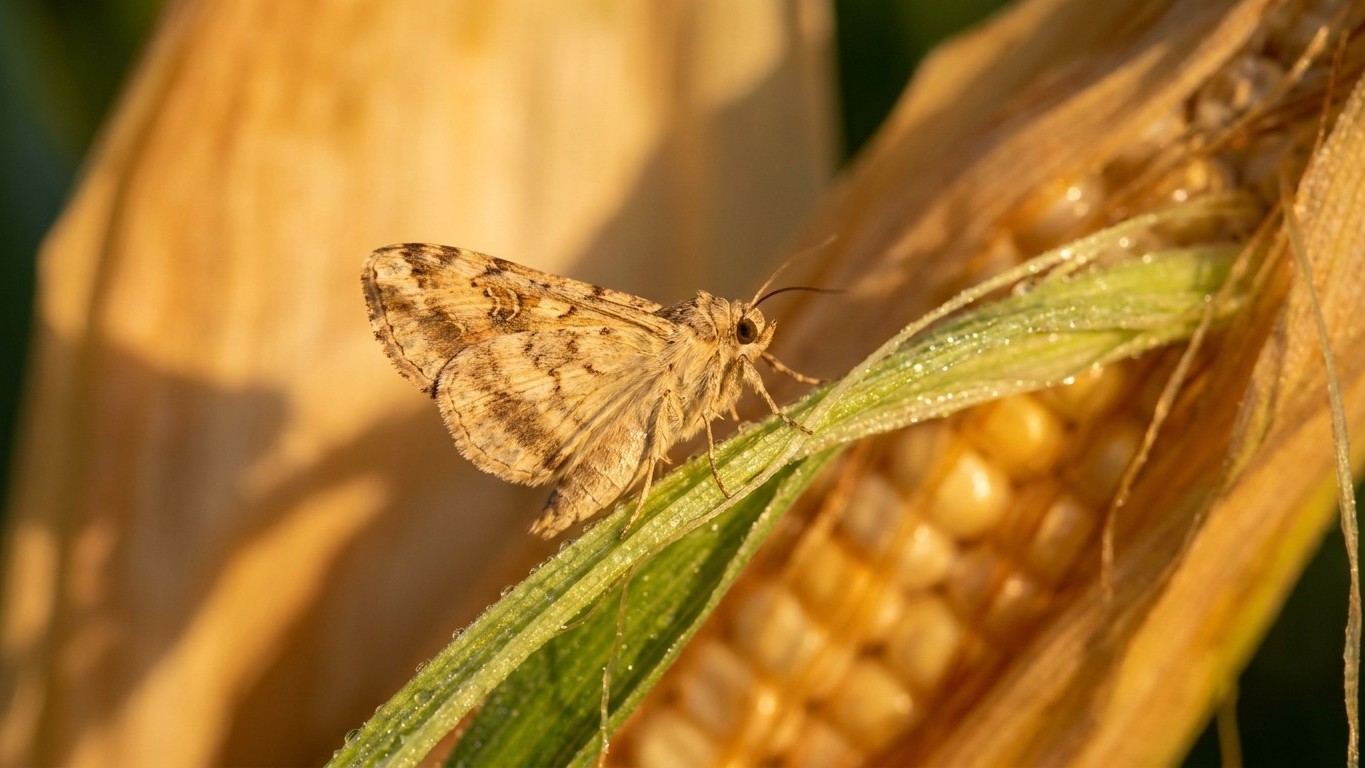
Corn in Kansas takes real damage from just three insects K-State Research and Extension documents for the state: grasshoppers, blister beetles, and the…
Home & garden, state by state
Corn in Kansas takes real damage from just three insects K-State Research and Extension documents for the state: grasshoppers, blister beetles, and the…
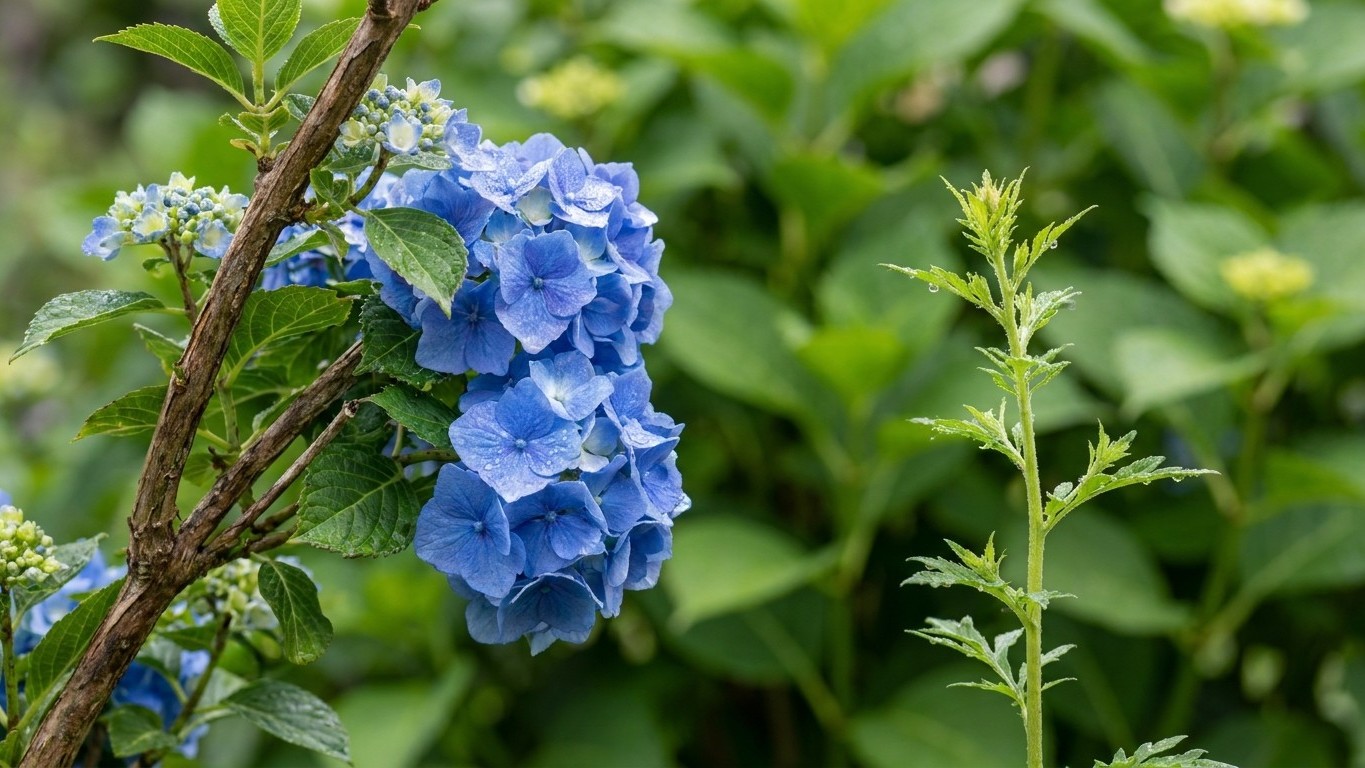
Protecting hydrangeas through an Alaska winter means having mulch, wraps, or burlap fully in place before the first fall frost hits Anchorage, typically…
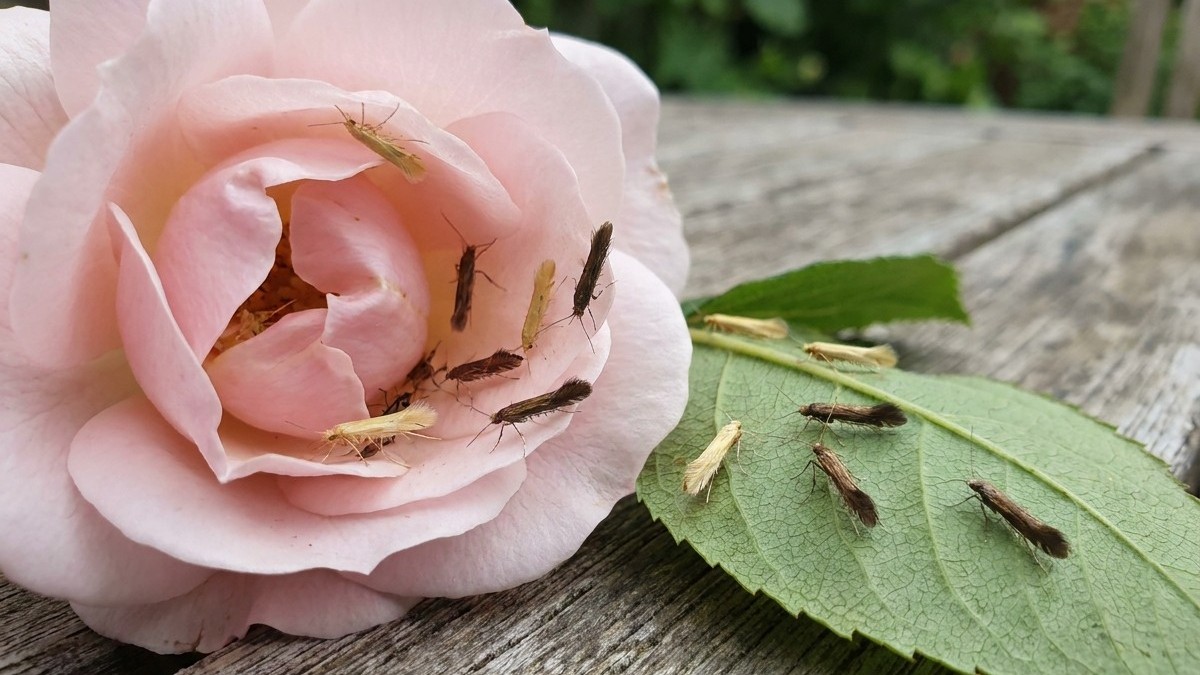
Roses in Alaska need winter protection almost everywhere the plant survives outdoors, because the state’s growing season is short and its winter cold is…
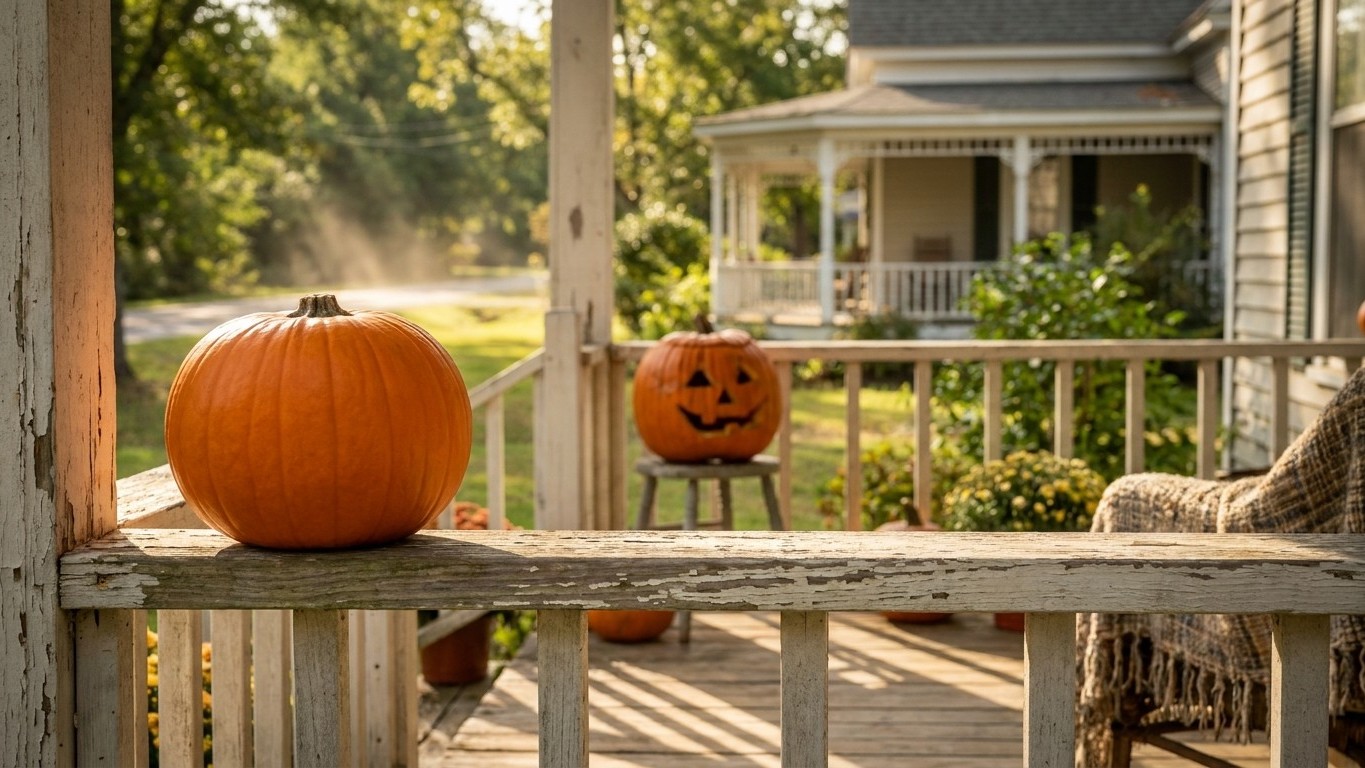
Squash bugs, squash vine borers, and two kinds of cucumber beetle do most of the damage to pumpkin vines in Kansas, with grasshoppers joining in during…
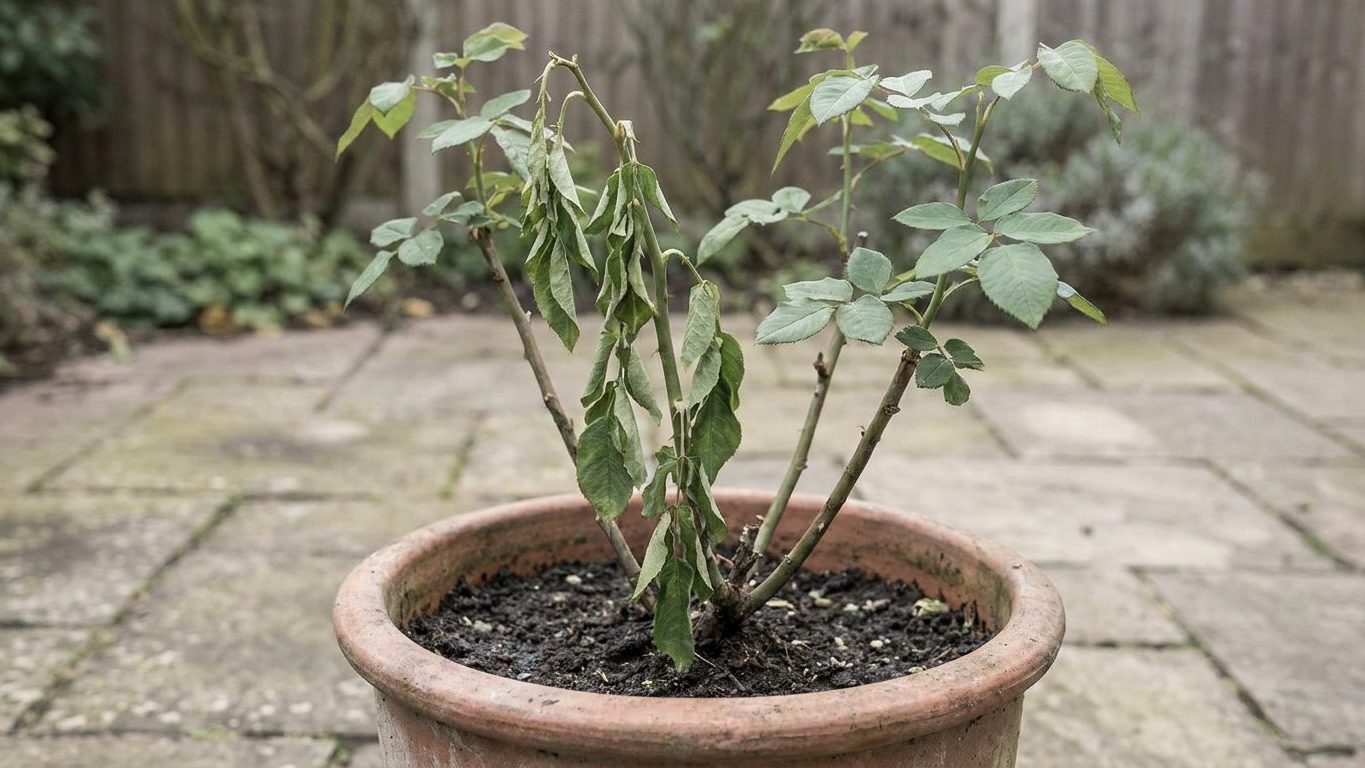
A rose wilting while its leaves are still green and fully expanded, not yellowed or dropped, points to one of three problems: a blocked cane, a damaged…
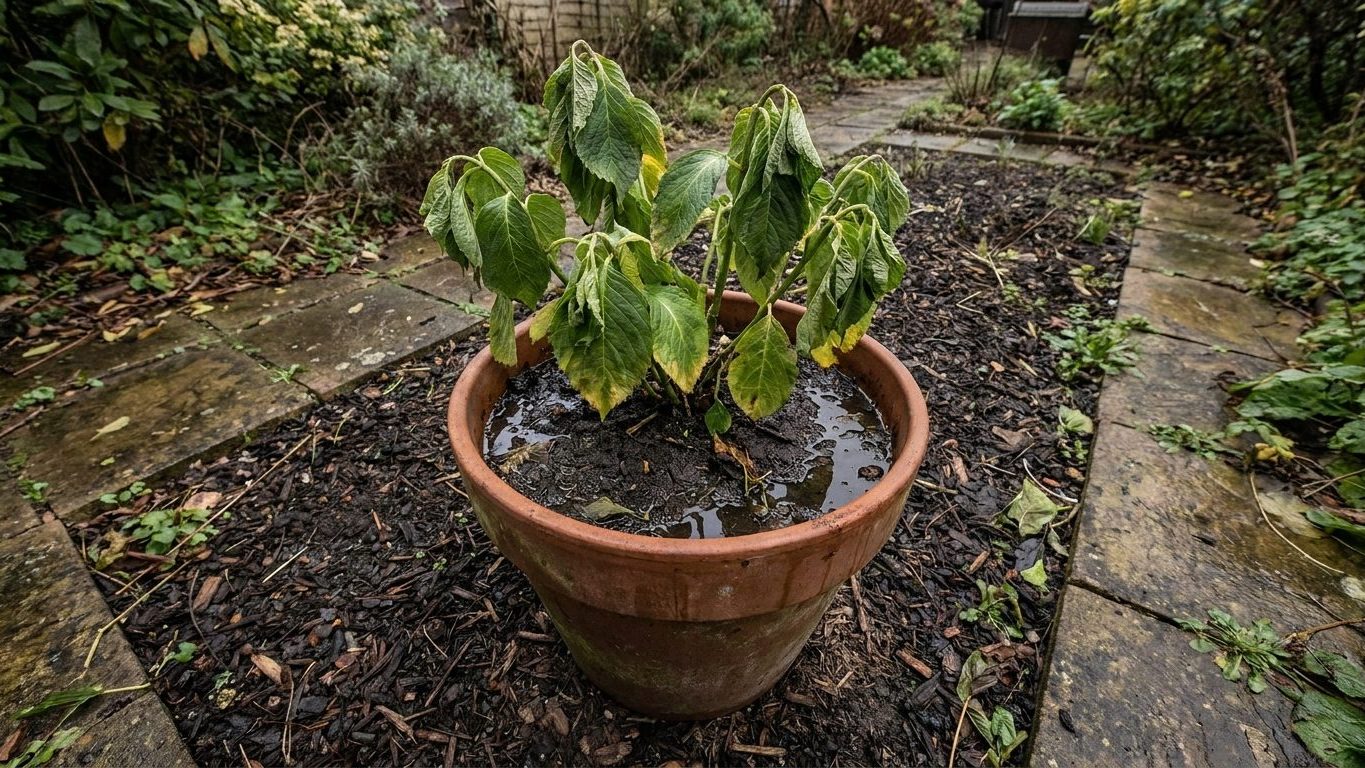
A hydrangea with drooping leaves standing in soaked soil is not thirsty. It’s suffocating.
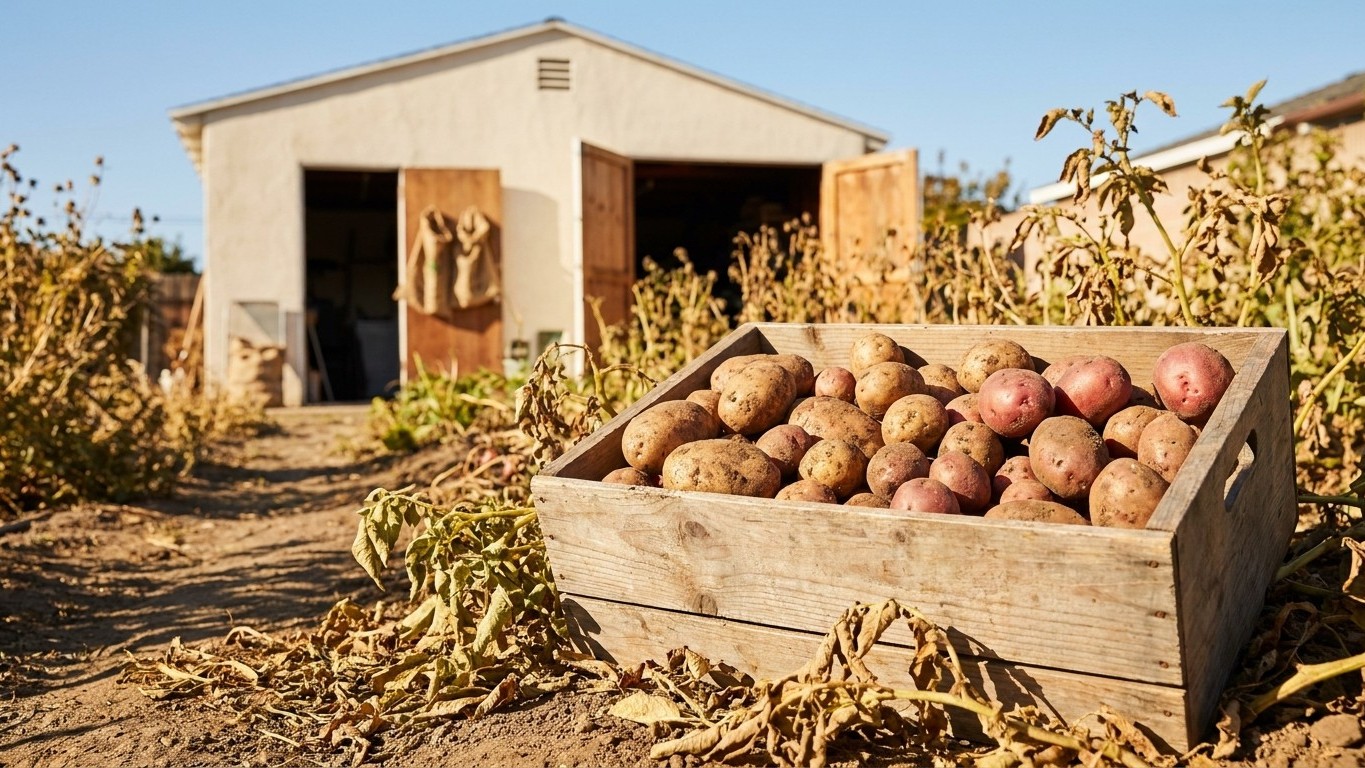
The Colorado potato beetle is the pest most likely to strip a Kansas potato patch bare, and it starts feeding as soon as young foliage appears in spring.
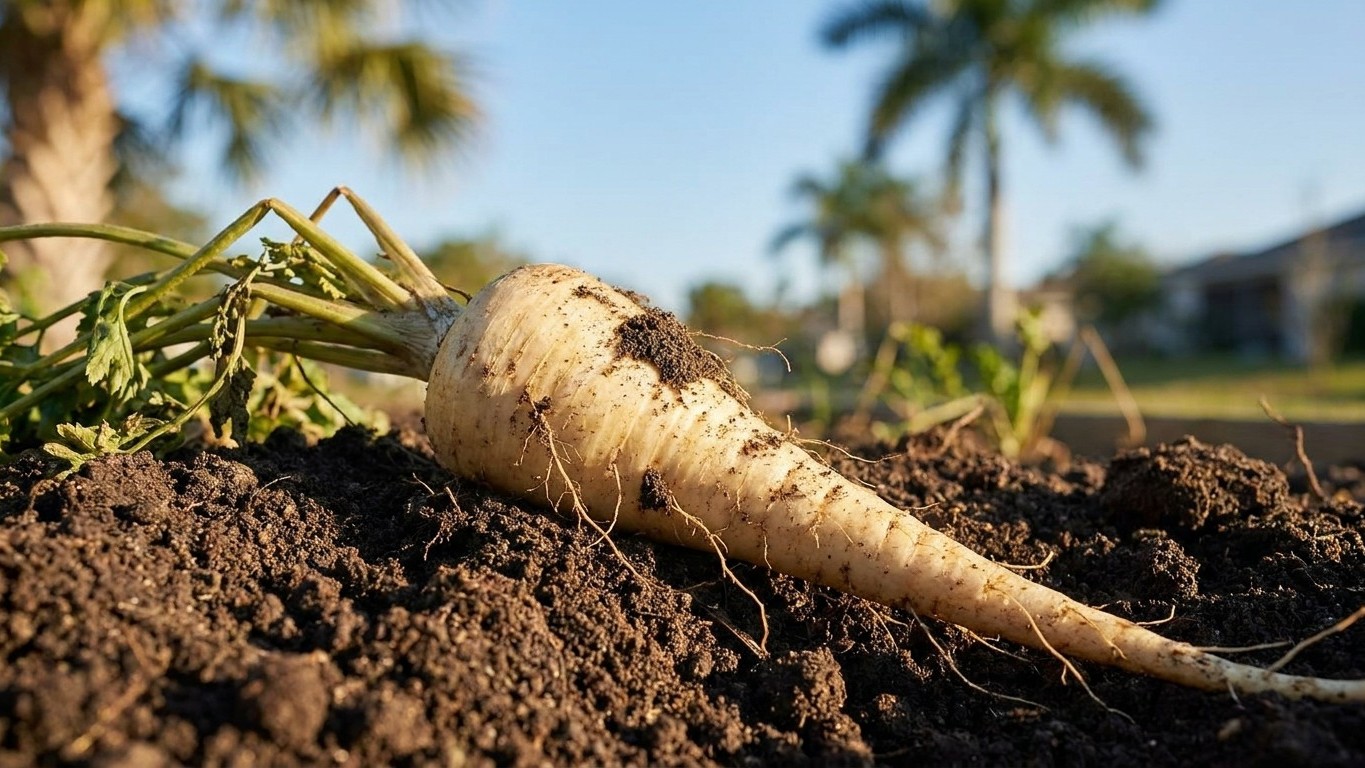
Only two of the pests Kansas gardeners hear about most turn up on parsnip: blister beetle and grasshopper.
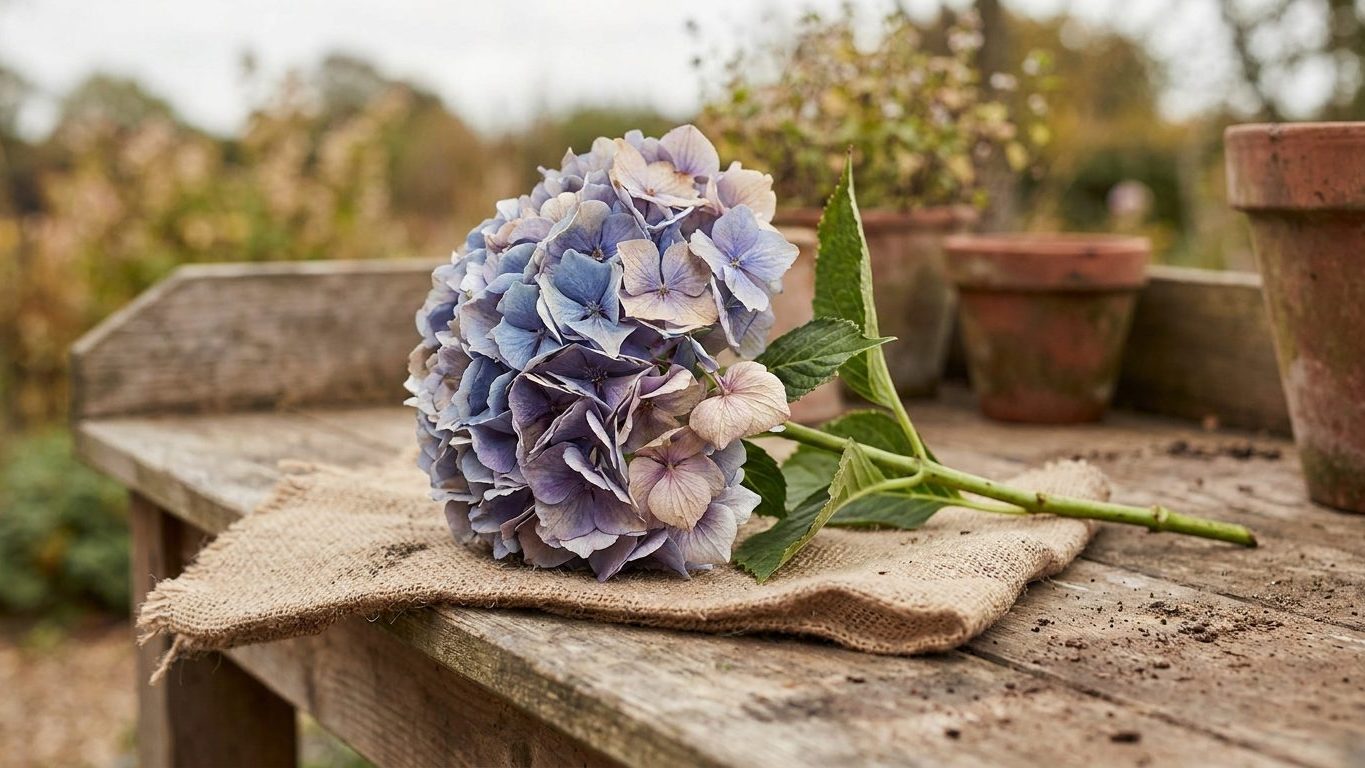
The color you see on a hydrangea bloom the day you cut it is the color you’re stuck with when it dries.
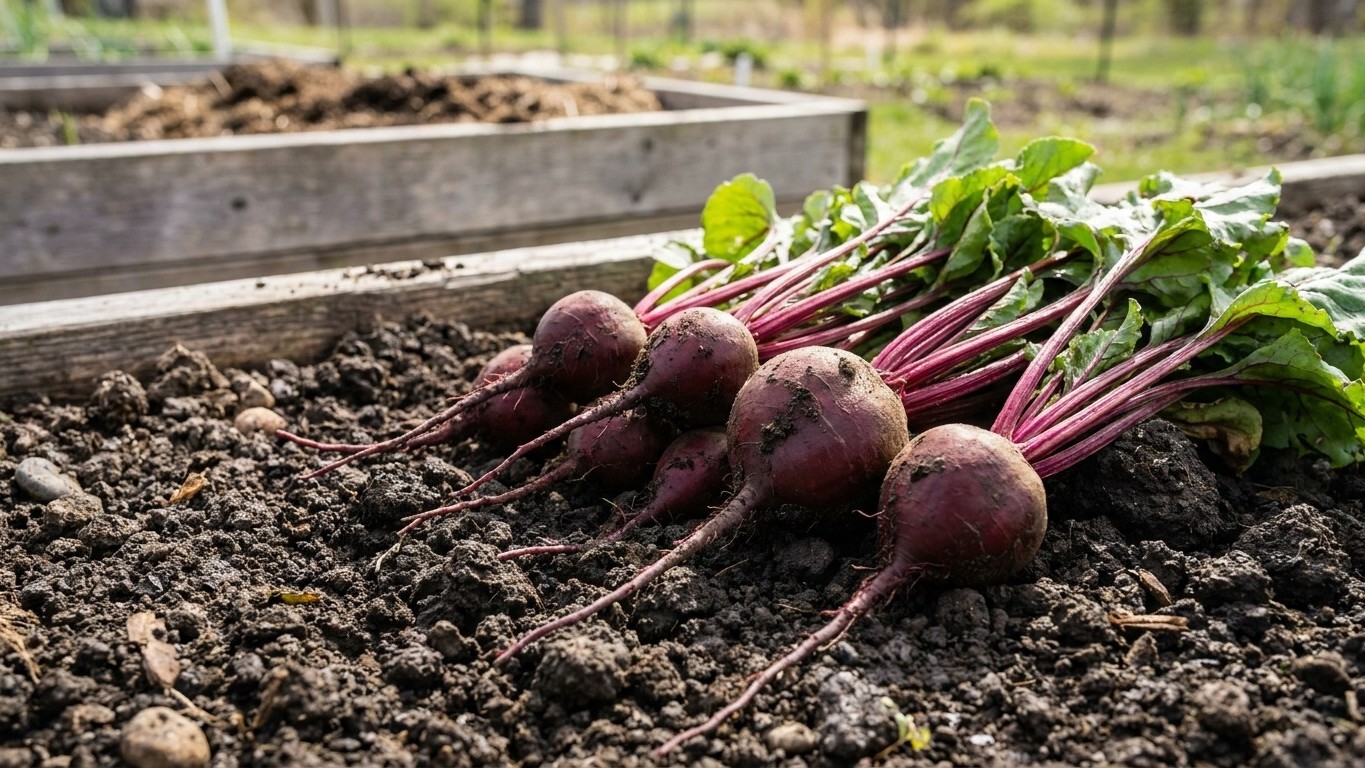
K-State Research and Extension documents ten garden and landscape pests for Kansas, but only two of them actually feed on beet foliage: blister beetle…