The Best Summer Squash to Grow in Nunavut
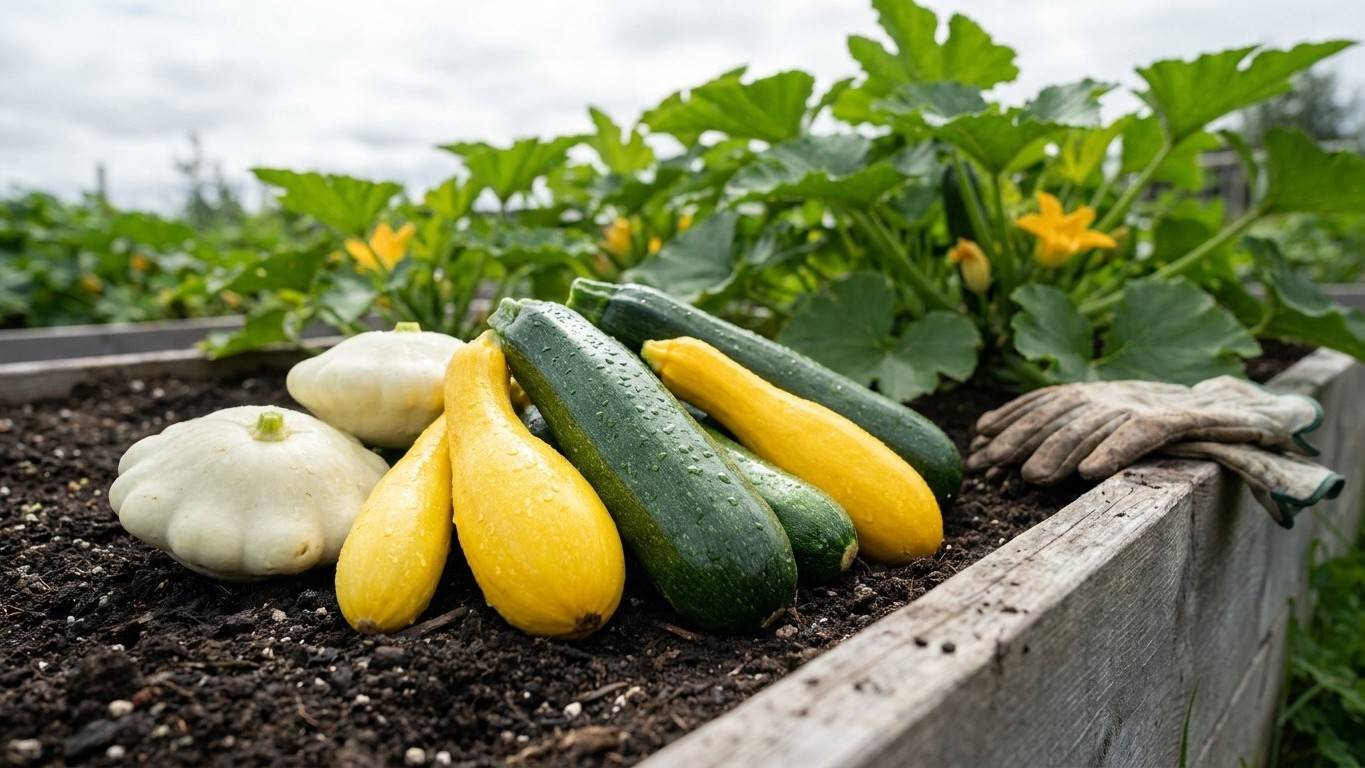
Growing summer squash in Nunavut means working against a season that averages 86 days between frost dates, with a mean summer that never once reaches 90°F.
Home & garden, state by state
Growing summer squash in Nunavut means working against a season that averages 86 days between frost dates, with a mean summer that never once reaches 90°F.
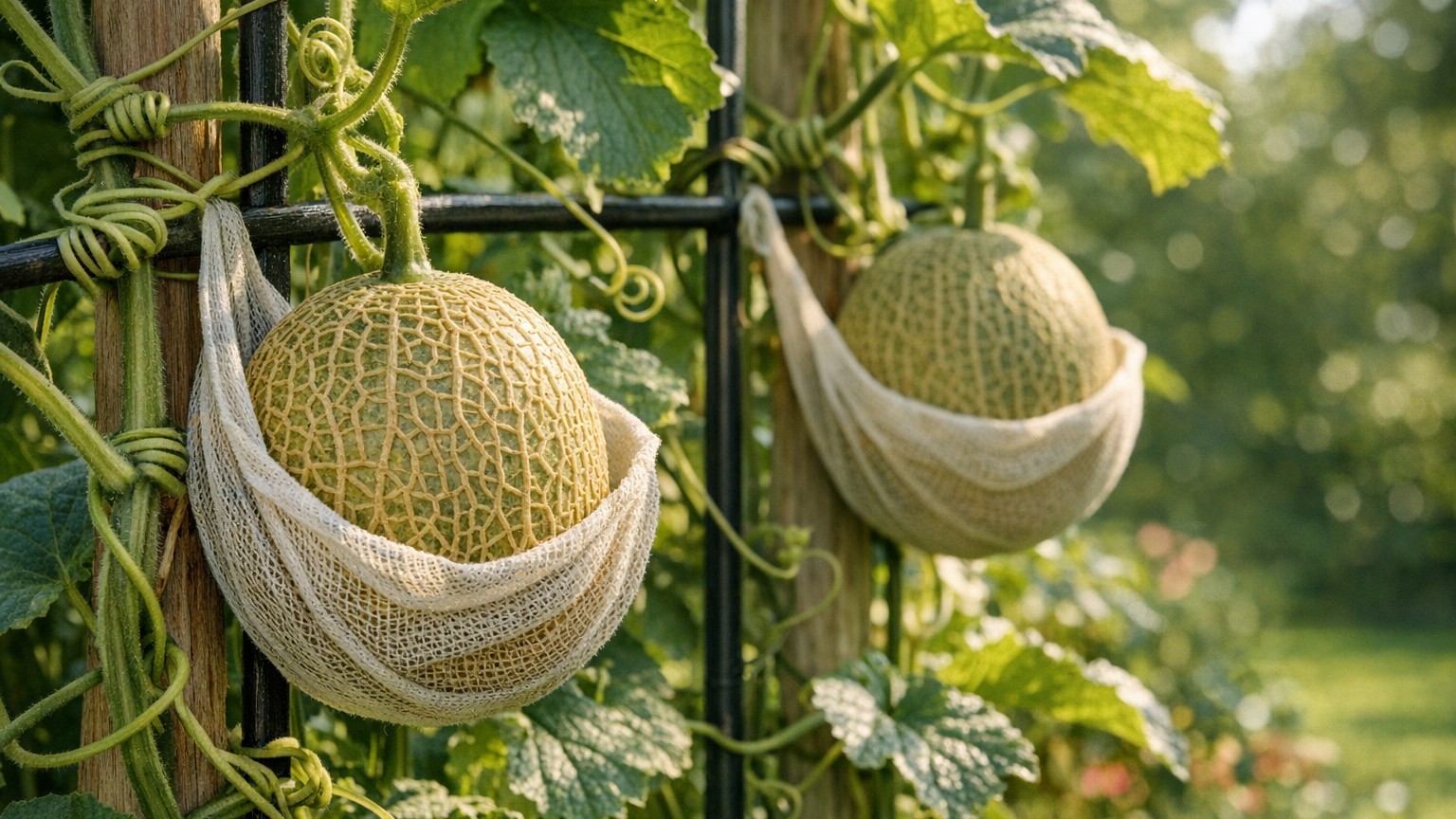
Yes, melons can be trellised, but the answer splits by size. Small and medium melons, the type most home gardeners call cantaloupe or muskmelon, climb a…
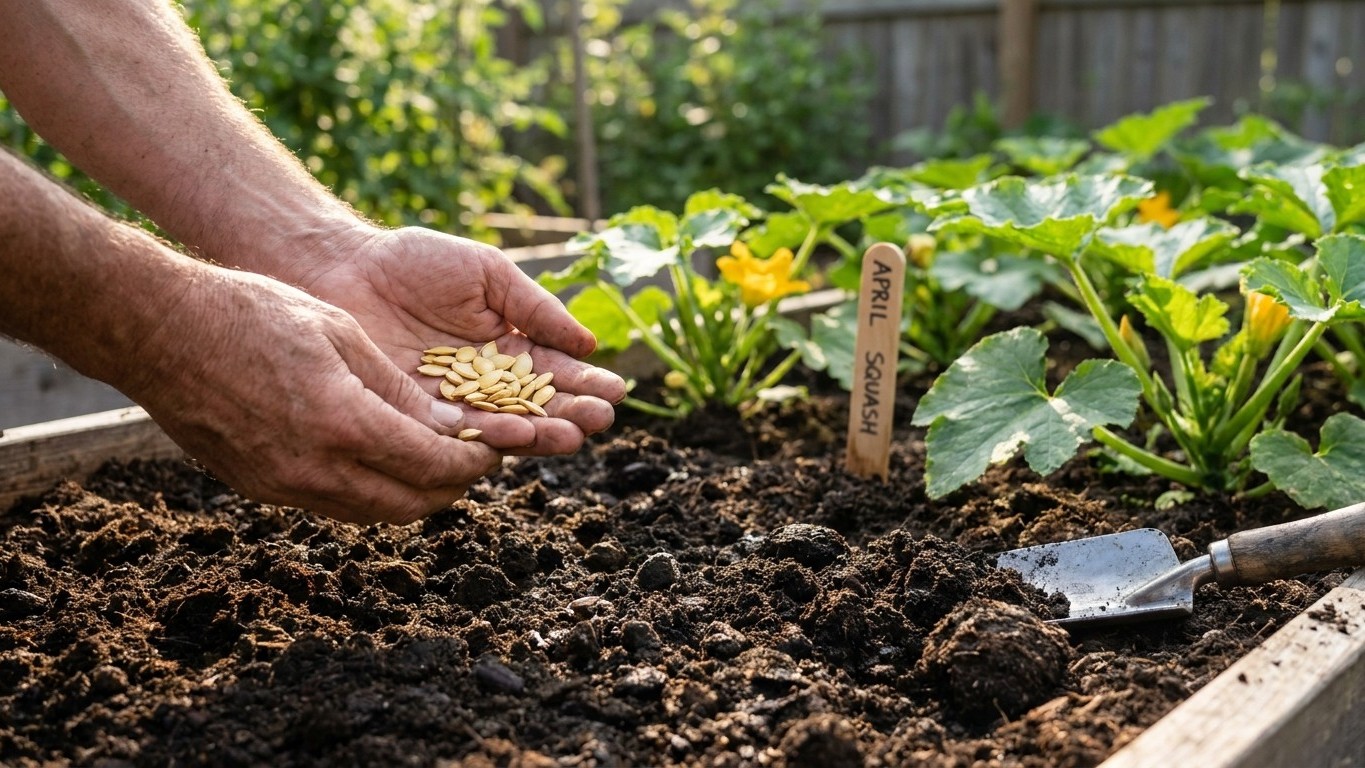
Sow summer squash outdoors in Nova Scotia after the mean last spring frost of May 7, but push the safe window to late May since that date is only a…
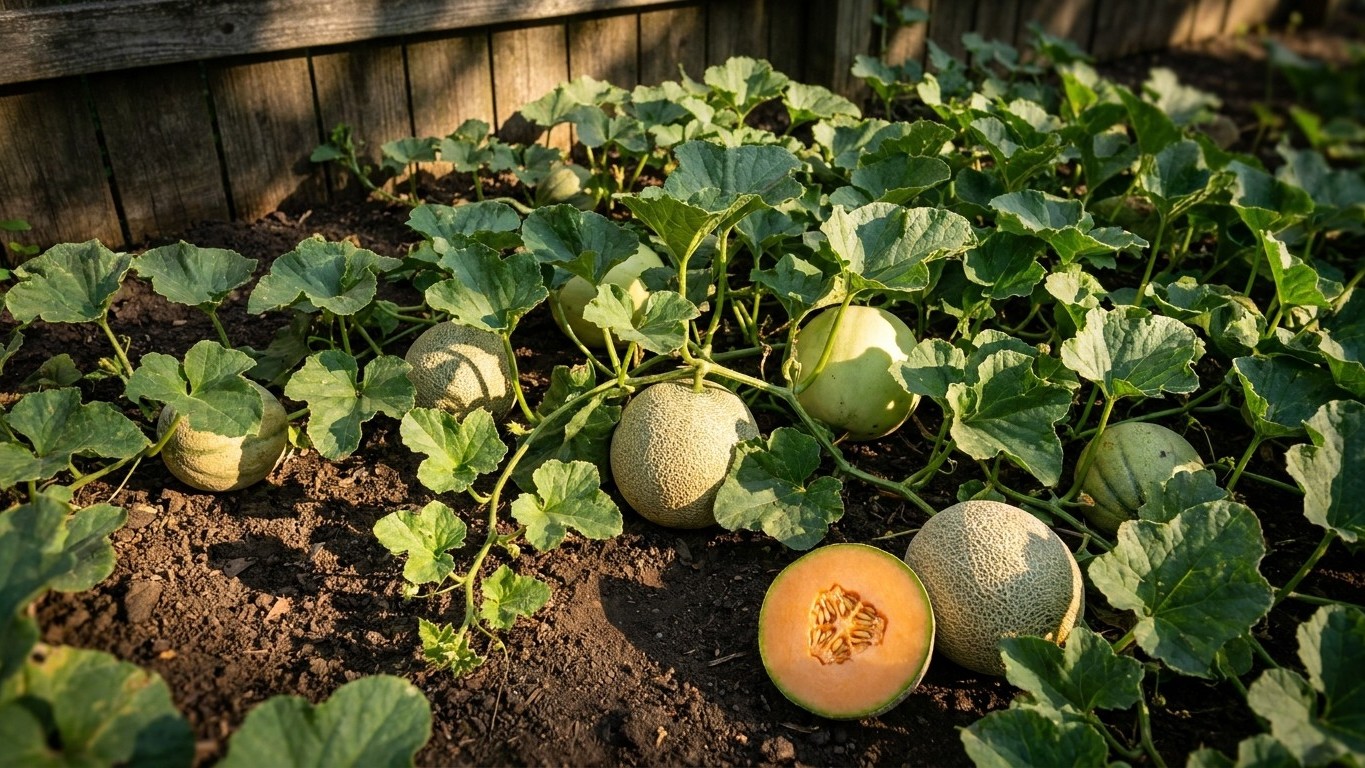
Melons taste bland for a handful of measurable reasons, not bad luck: not enough leaf area making sugar, too much water diluting what sugar exists, a…
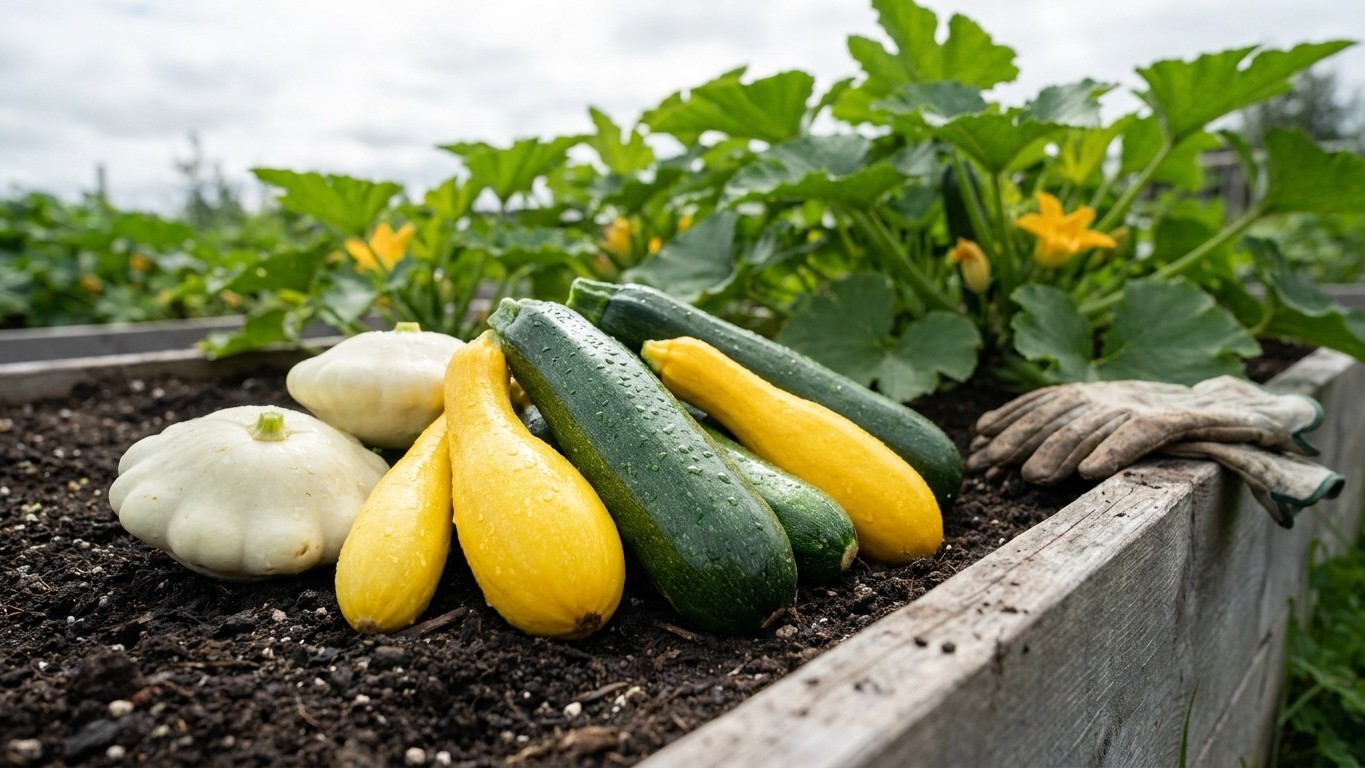
The short growing window along Nova Scotia’s coast rewards fast, forgiving summer squash: bush zucchini, yellow straightneck and crookneck types, and…
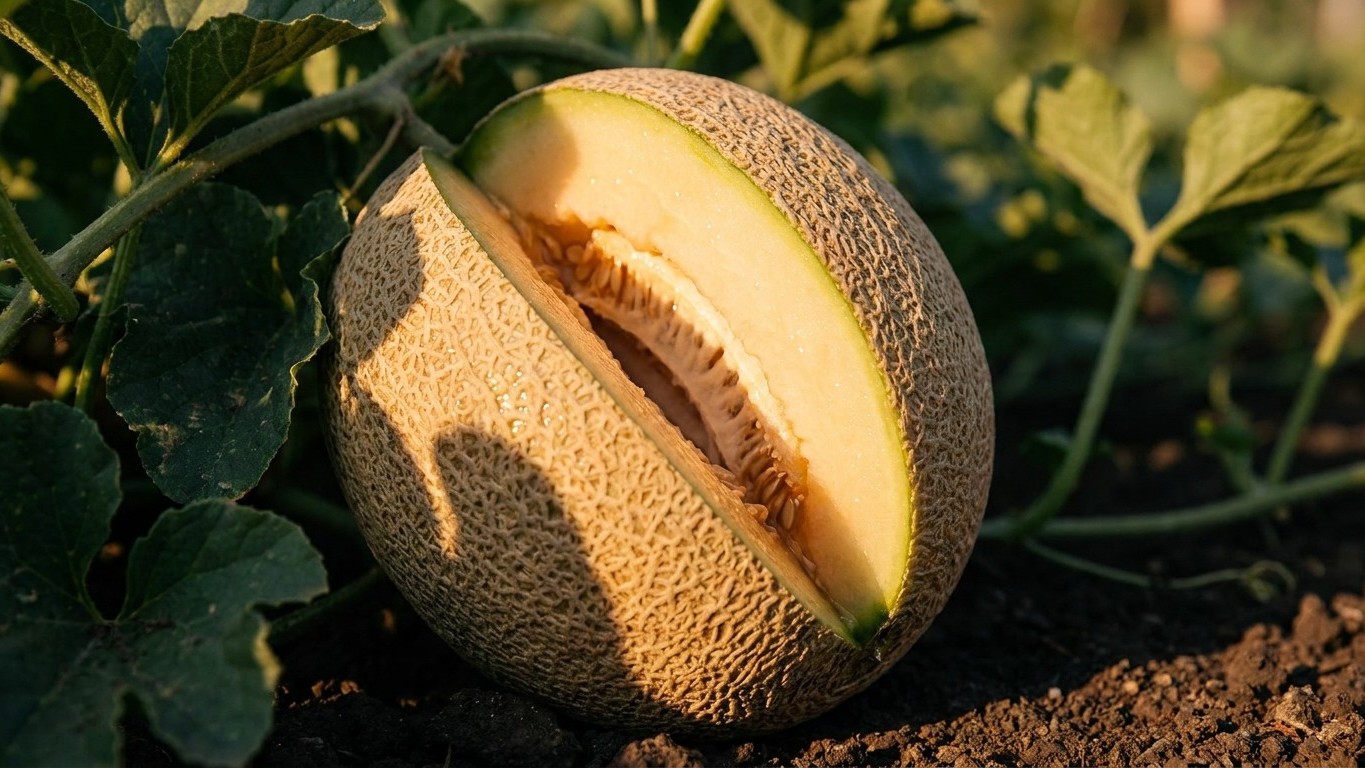
Splitting happens when a melon takes in water faster than its rind can stretch to hold it, and it almost always happens in the final stretch before…
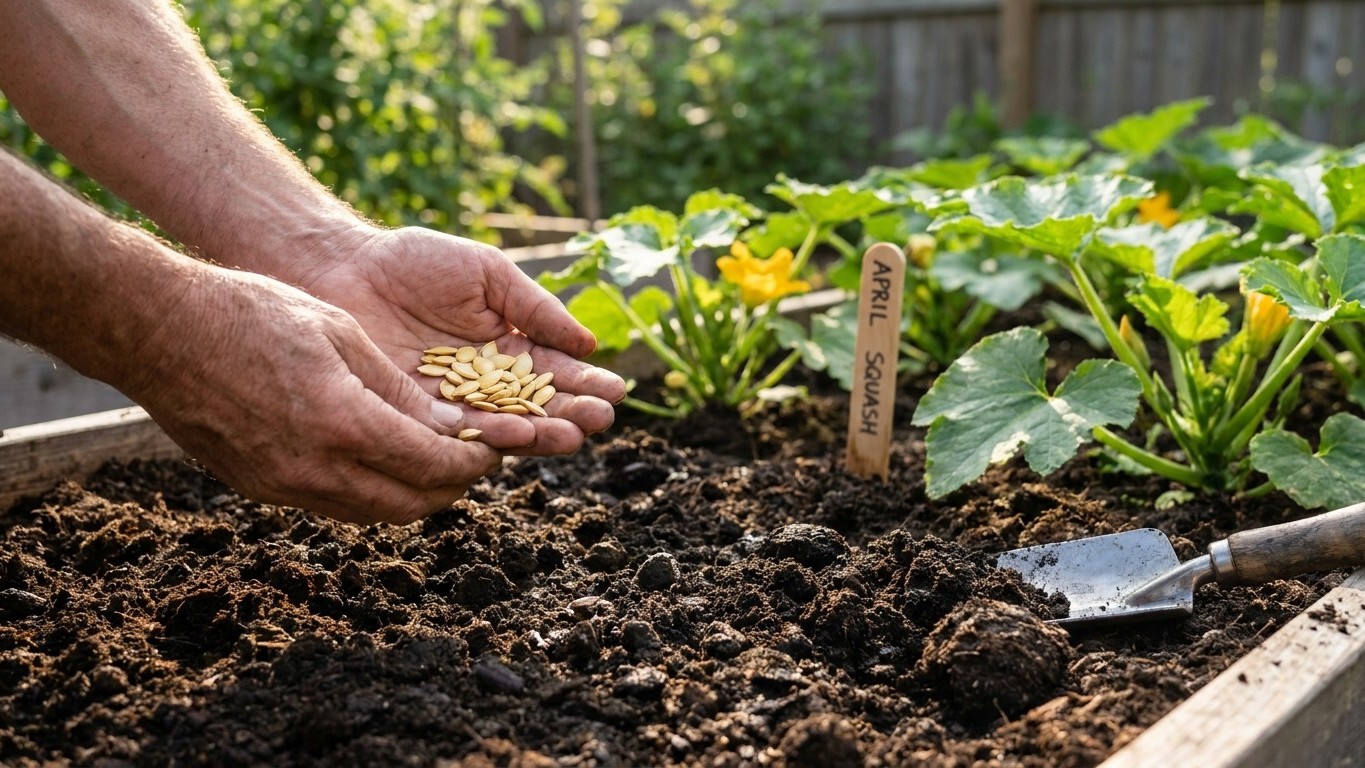
Sow summer squash transplants in Northwest Territories only after the risk of frost has genuinely passed, which averages May 25 at Yellowknife but is a…
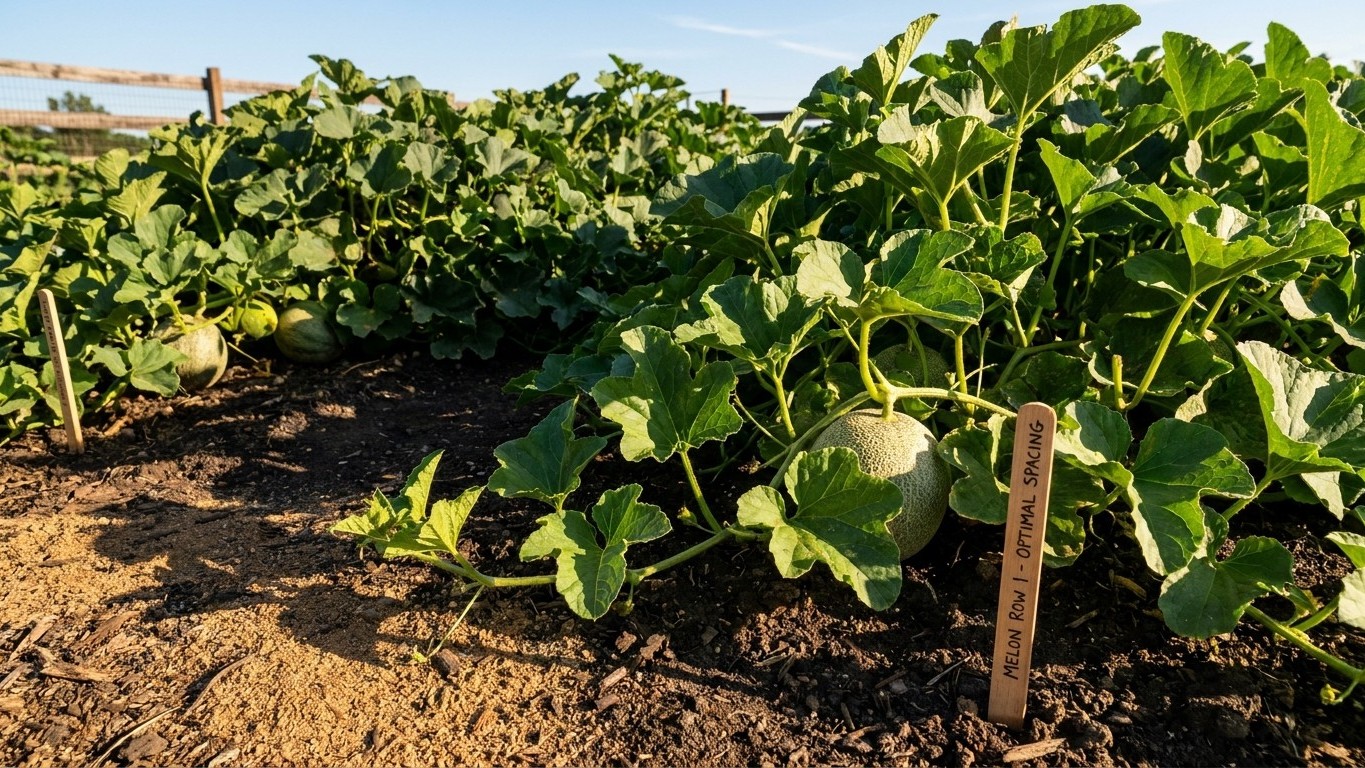
A single melon vine needs roughly 12 to 25 square feet to do its job well, depending on type.
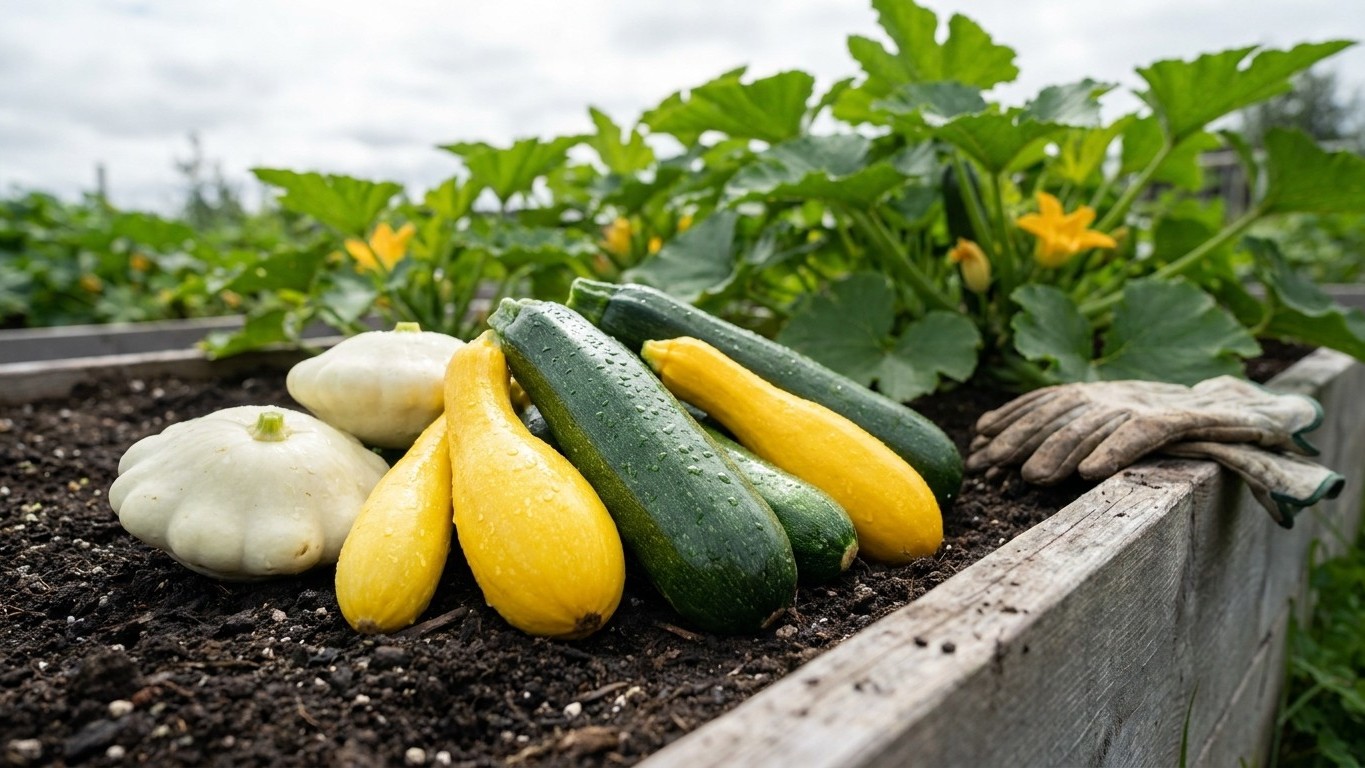
Bush-type zucchini and yellow crookneck squash, started indoors as transplants rather than direct-seeded, are the summer squash that actually finish a…
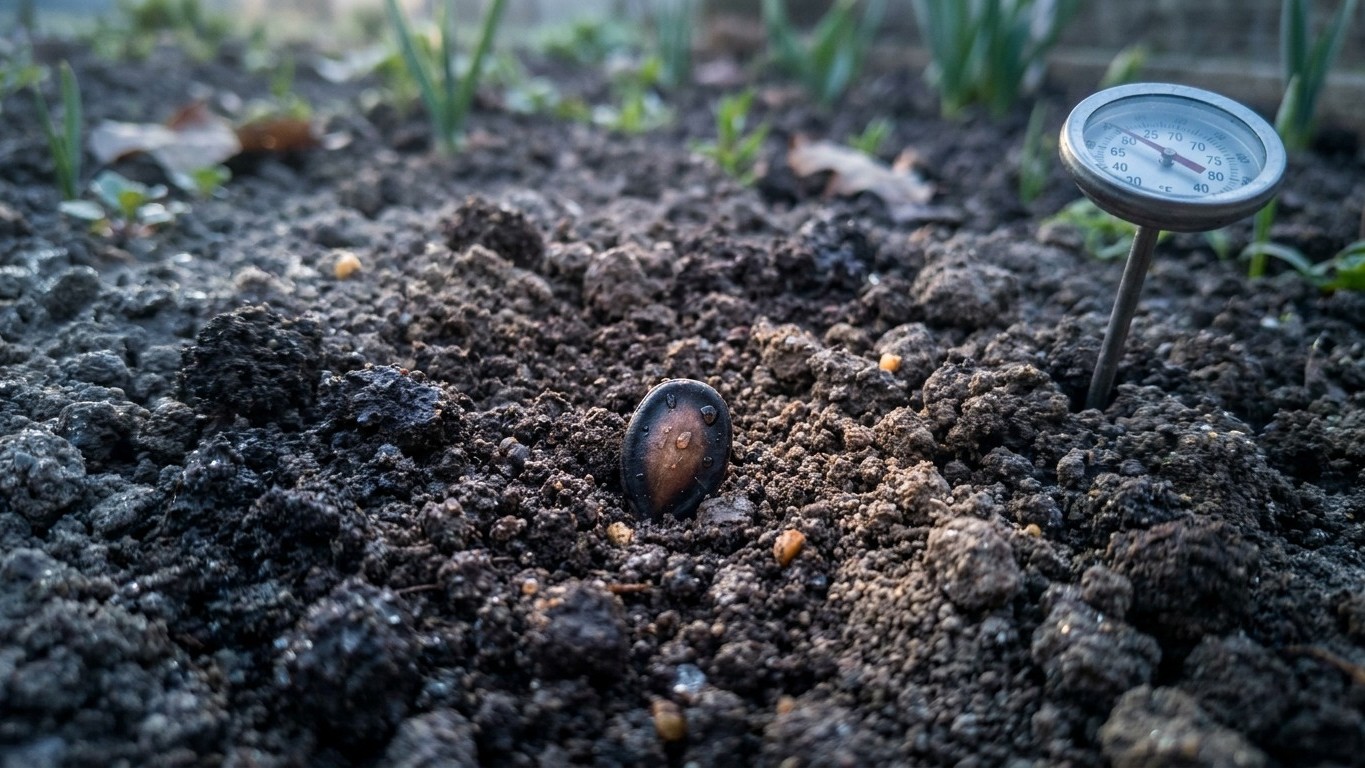
Melon seed needs soil consistently at 65 to 70°F to germinate, and it does best above 70.