When to Plant Unusual Roots in Illinois
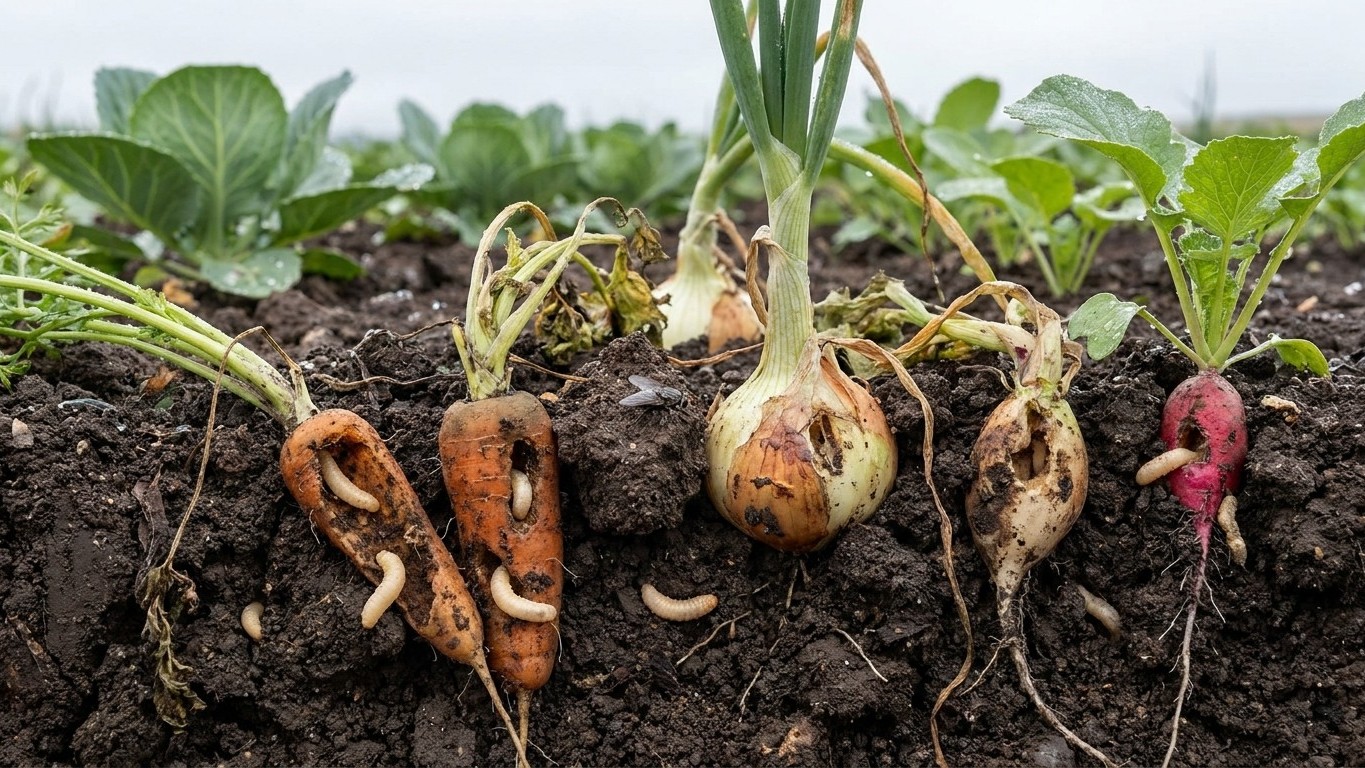
Hardy unusual roots such as salsify, scorzonera and Jerusalem artichoke go in as soon as the soil can be worked, usually March into April.
Home & garden, state by state
Hardy unusual roots such as salsify, scorzonera and Jerusalem artichoke go in as soon as the soil can be worked, usually March into April.
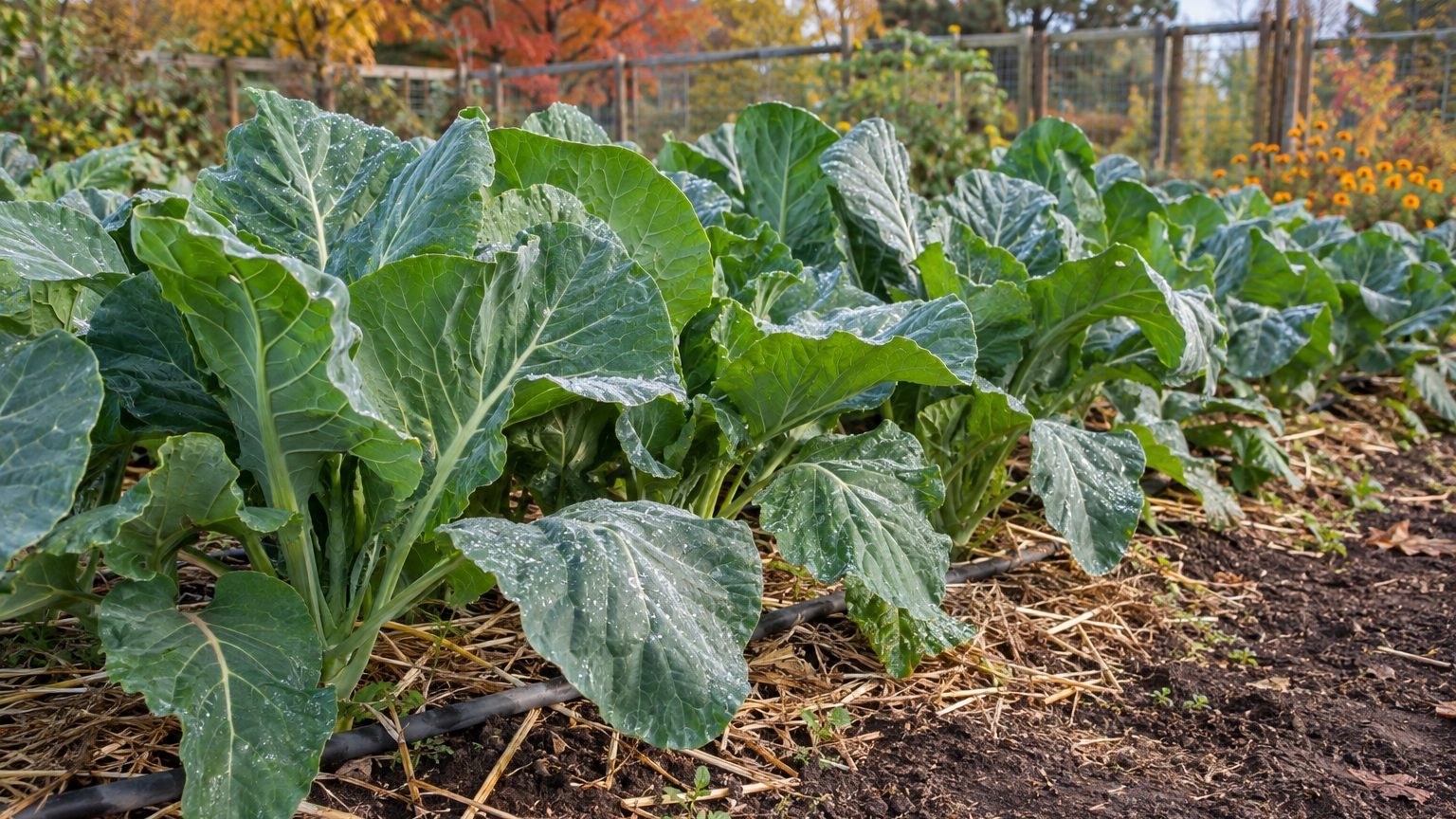
Collards need even moisture from transplant to last pick. About 1 inch of water a week is a sound starting point, delivered slowly at the base of the…
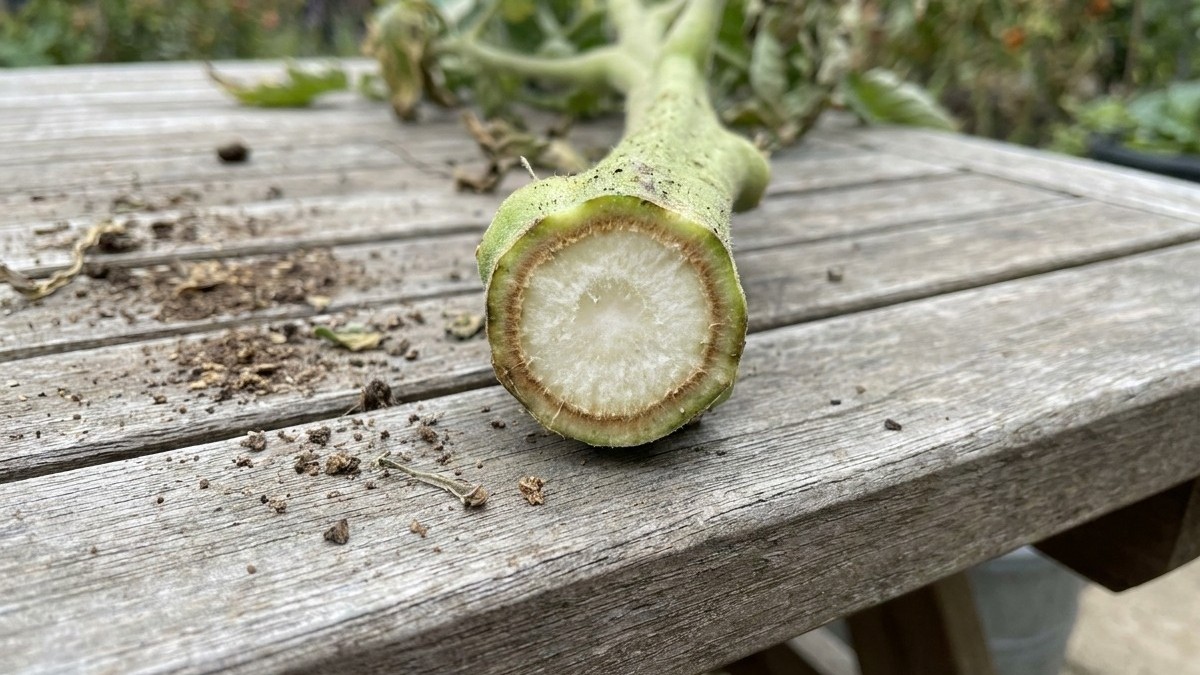
Okra is a workable summer crop in Maryland. Sow it after the soil warms in late spring and pick from midsummer until frost.
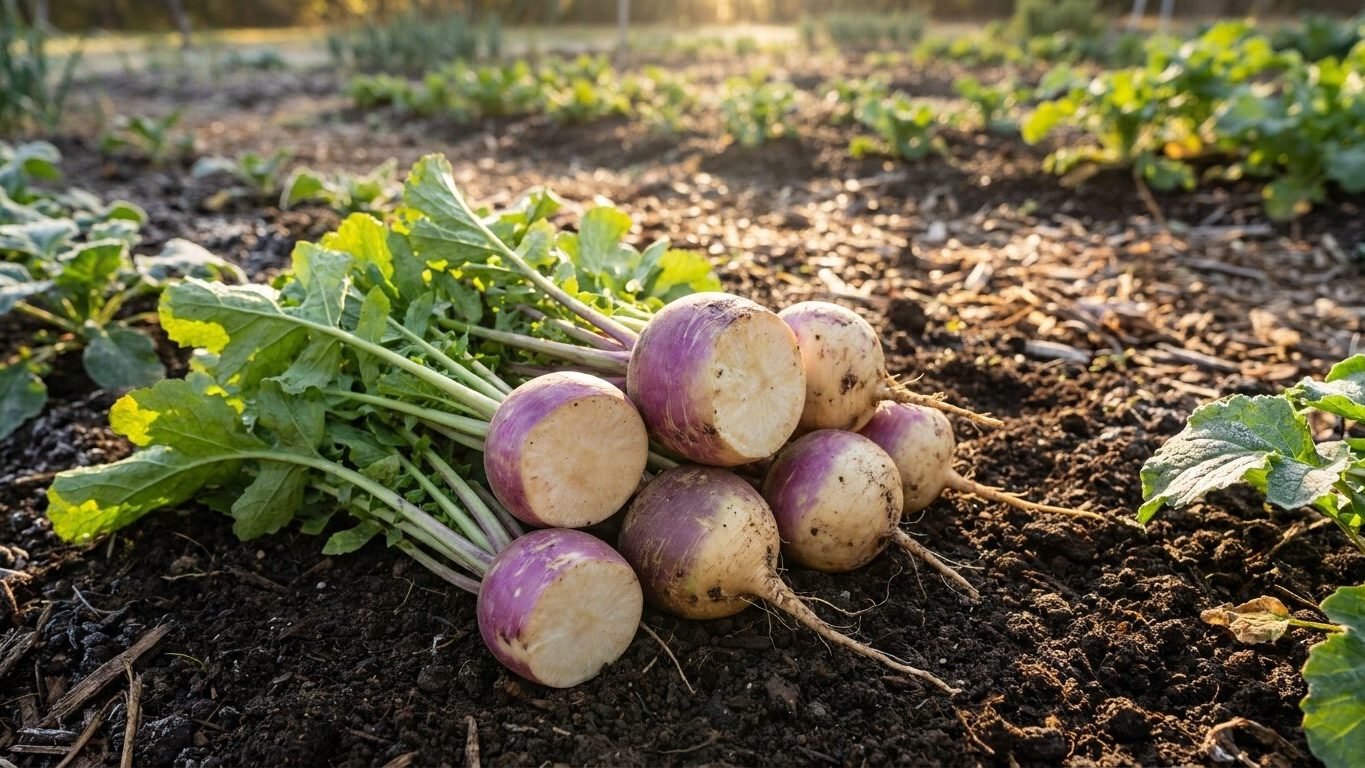
Turnips and rutabaga can be grown in Nunavut, but only on a short, planned schedule.
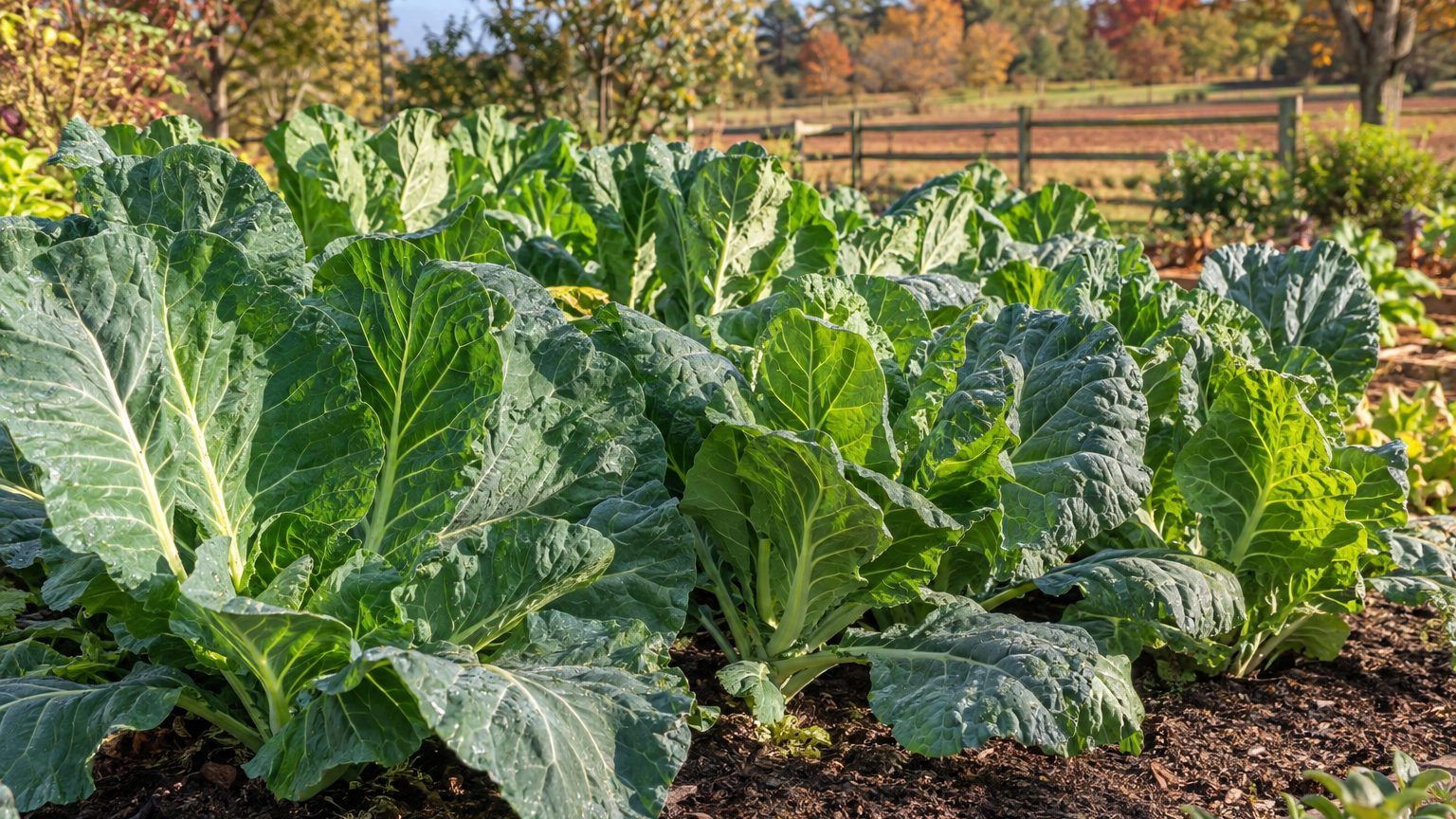
Plant a compact, faster-maturing collard such as Vates, and sow it twice: transplants in spring a few weeks ahead of the last frost, then again in…
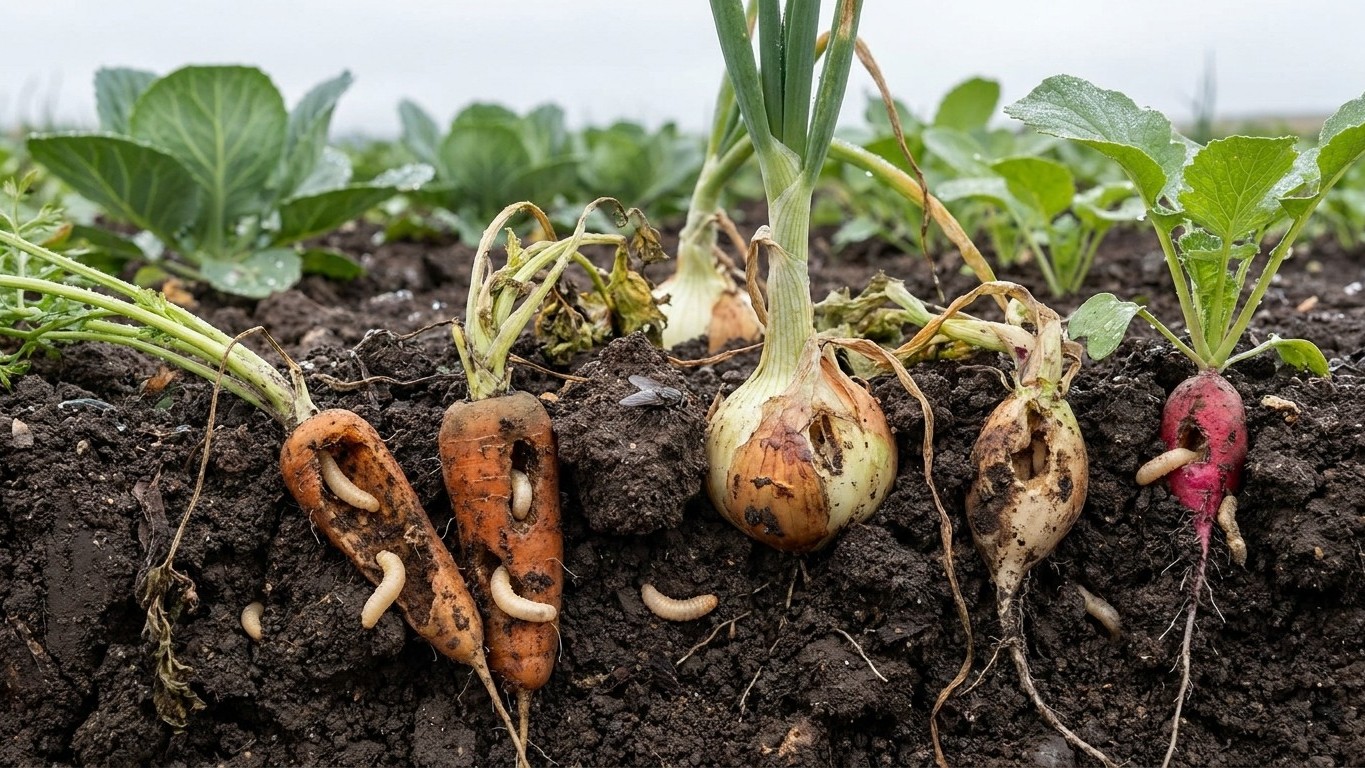
The best unusual roots for Illinois either finish before hard frost or stay in the ground through winter.
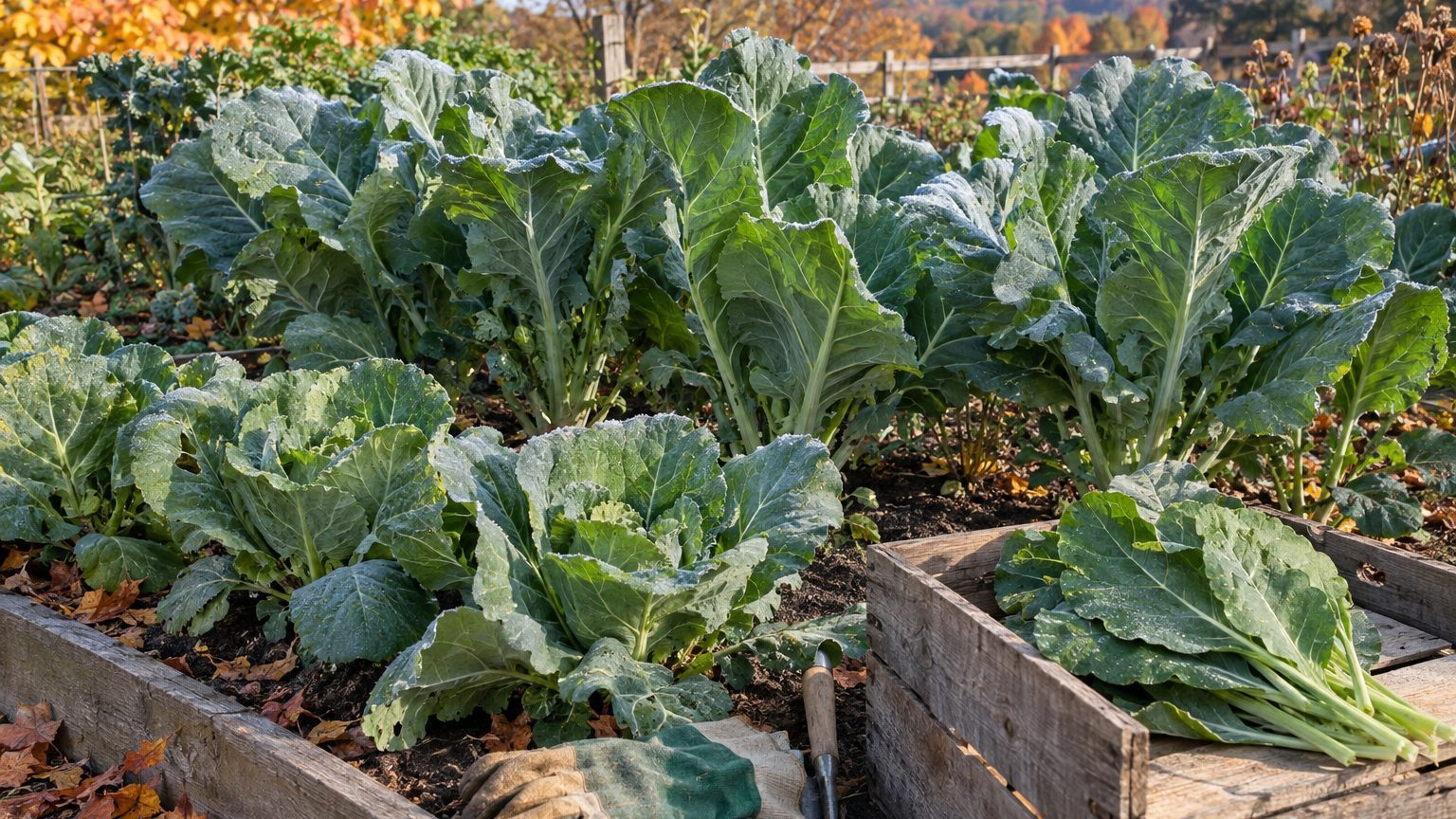
Collards fall into three working types: upright open-leaf plants with thick blue-green leaves, loosely heading plants that curl into a soft rosette, and…
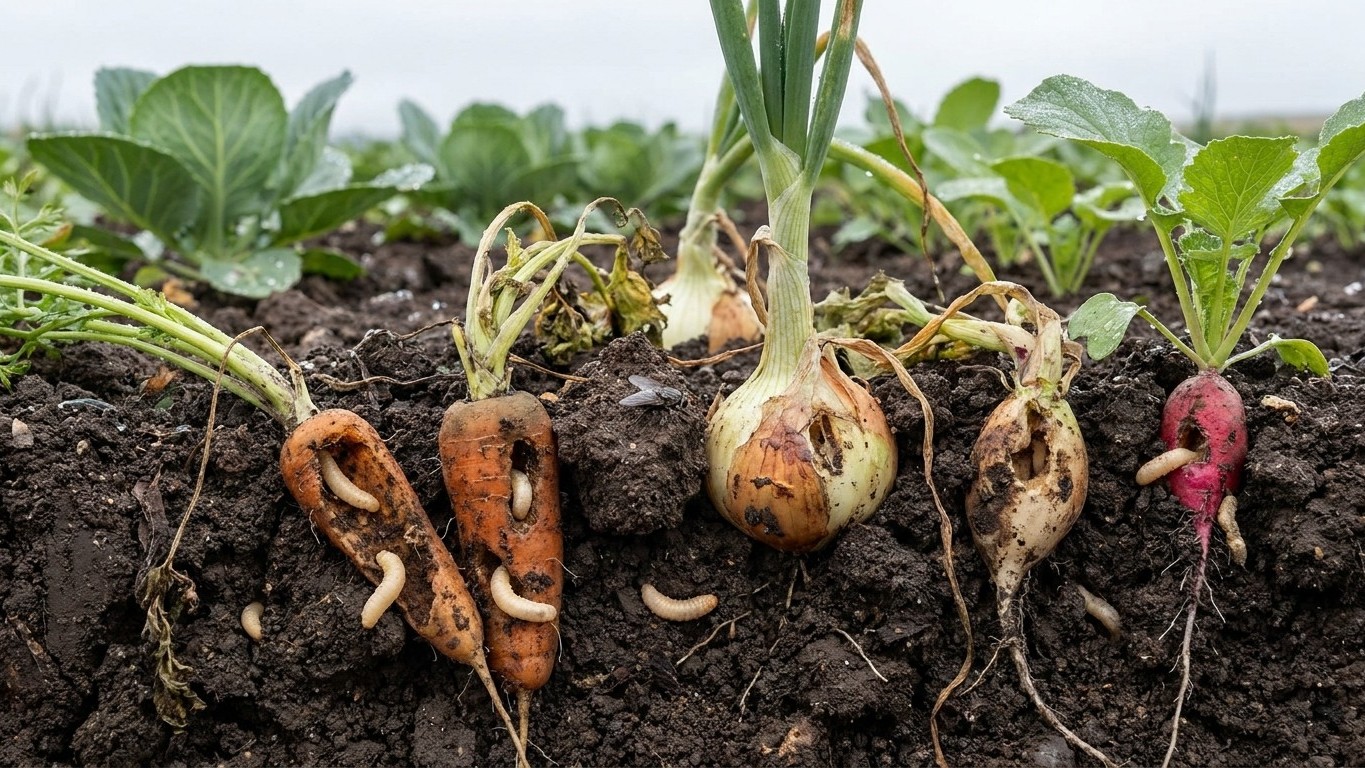
Sow hardy unusual roots such as parsnips, salsify and scorzonera in April, as soon as the soil can be worked.
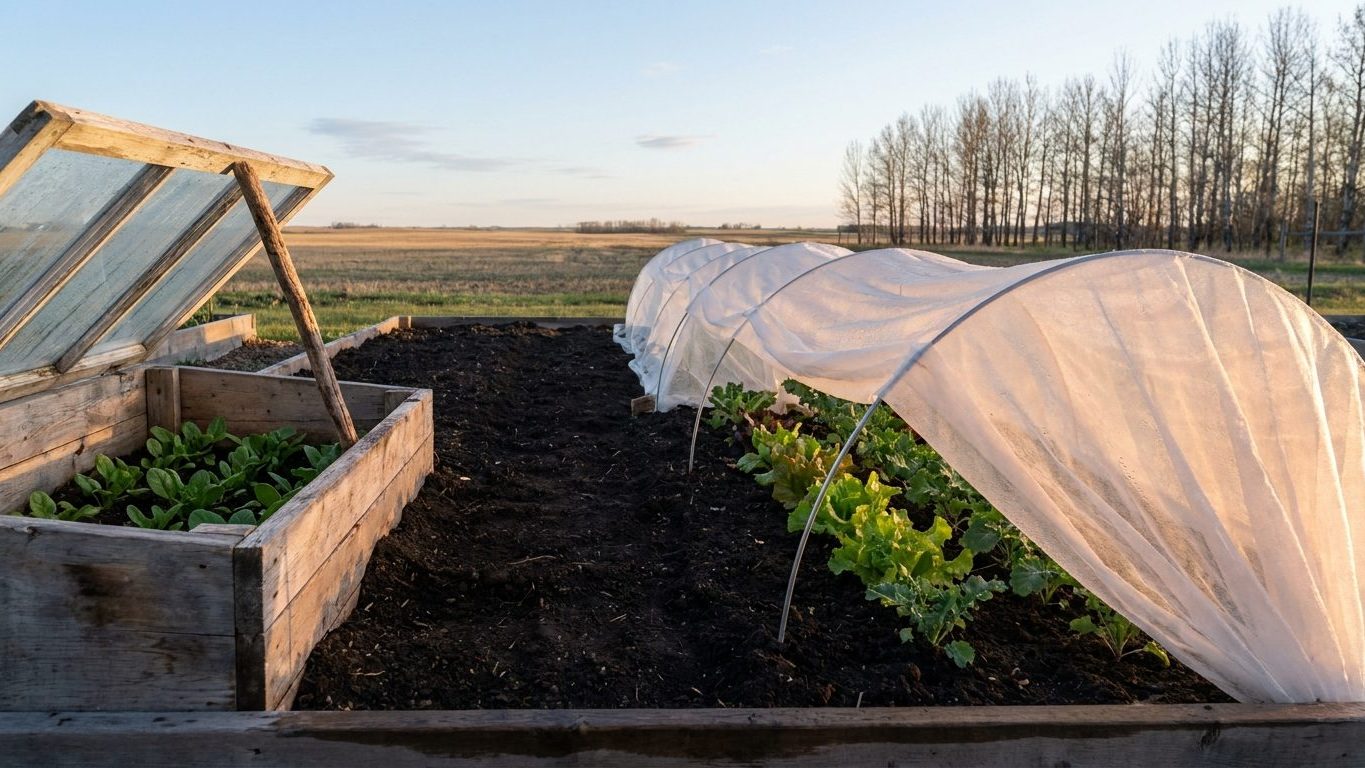
Floating row cover over low hoops, a cold frame, and individual cloches handle most season extension in British Columbia.
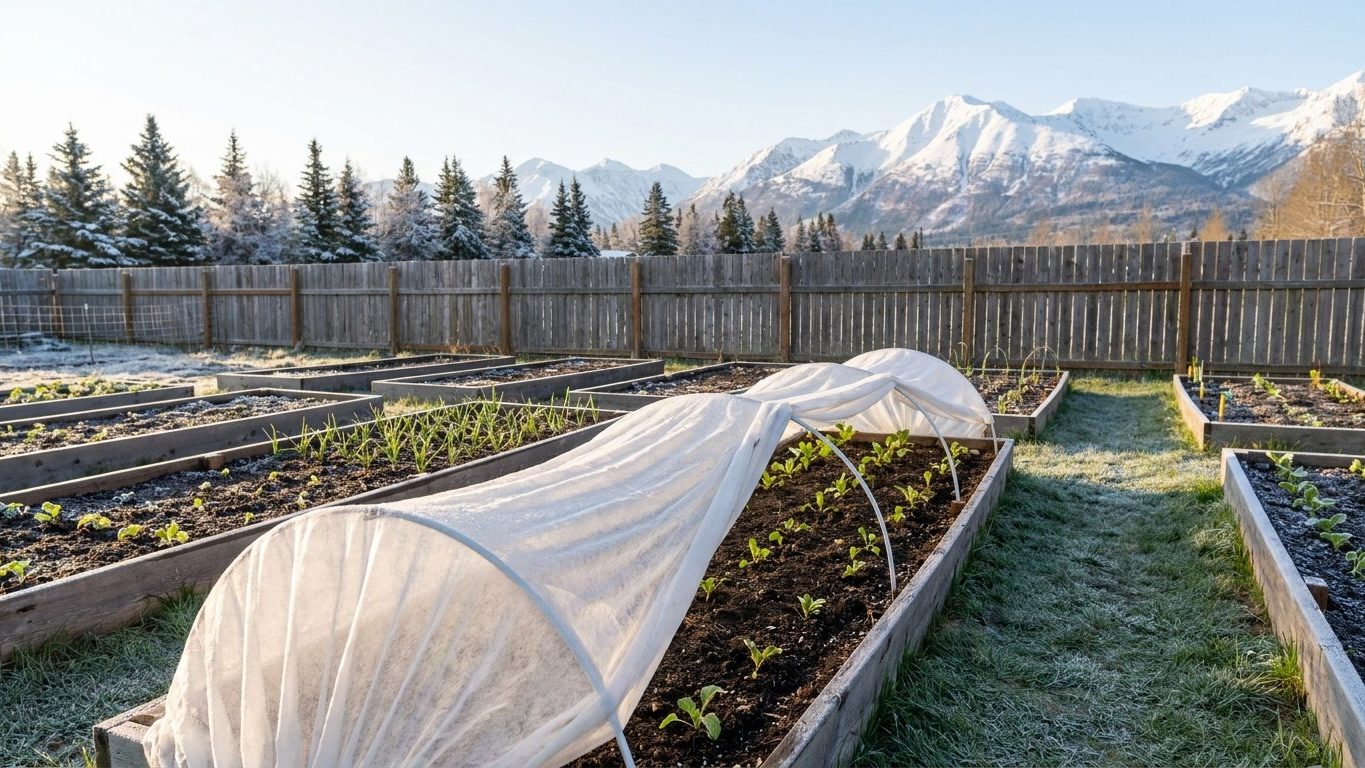
Cover tender plants on any evening when the forecast low gets near 32°F, in spring and again from October on.