The Best Unusual Roots to Grow in Iowa
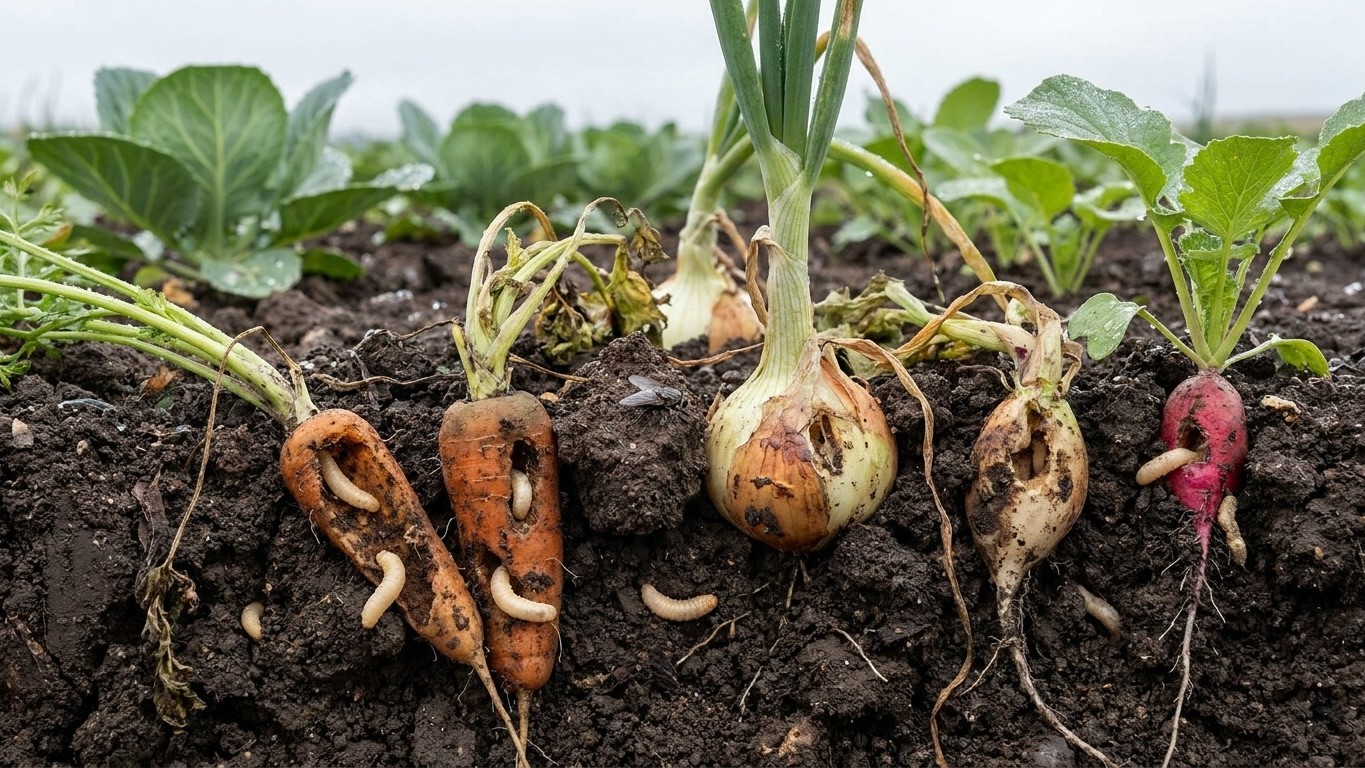
In Iowa, the best unusual roots are the cool-season and hardy ones: celeriac, salsify, Hamburg parsley, daikon and other fall radishes, Hakurei turnips…
Home & garden, state by state
In Iowa, the best unusual roots are the cool-season and hardy ones: celeriac, salsify, Hamburg parsley, daikon and other fall radishes, Hakurei turnips…
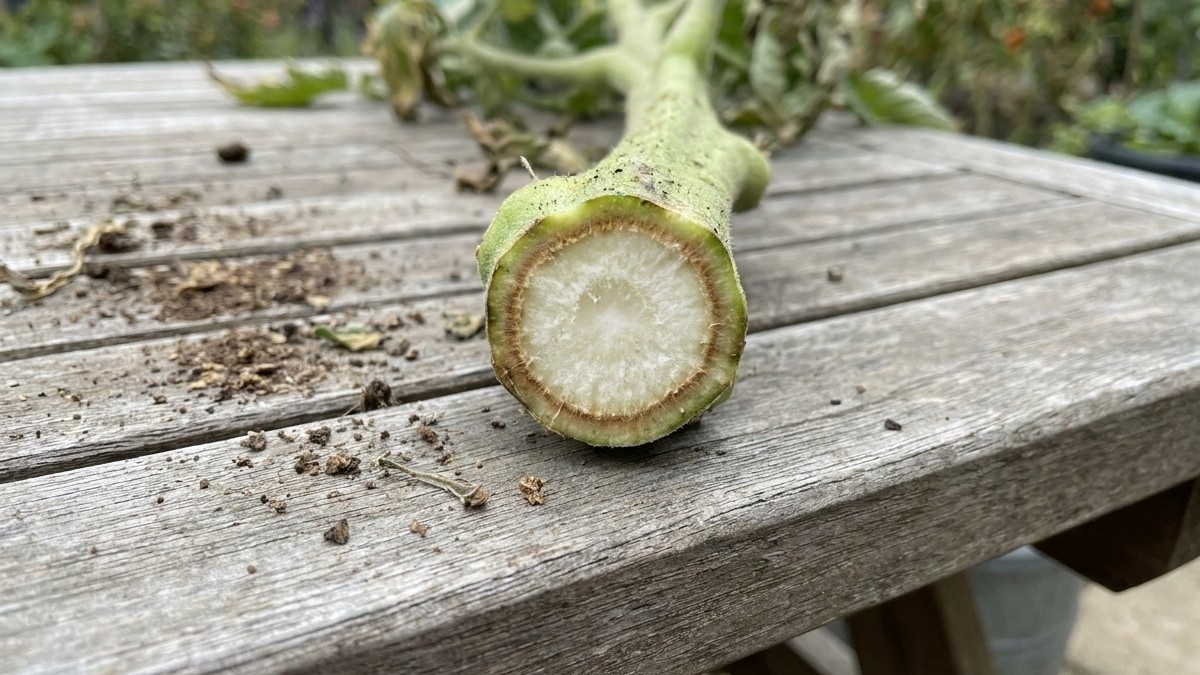
Okra grows in Massachusetts, but it behaves like a project rather than a routine summer vegetable.
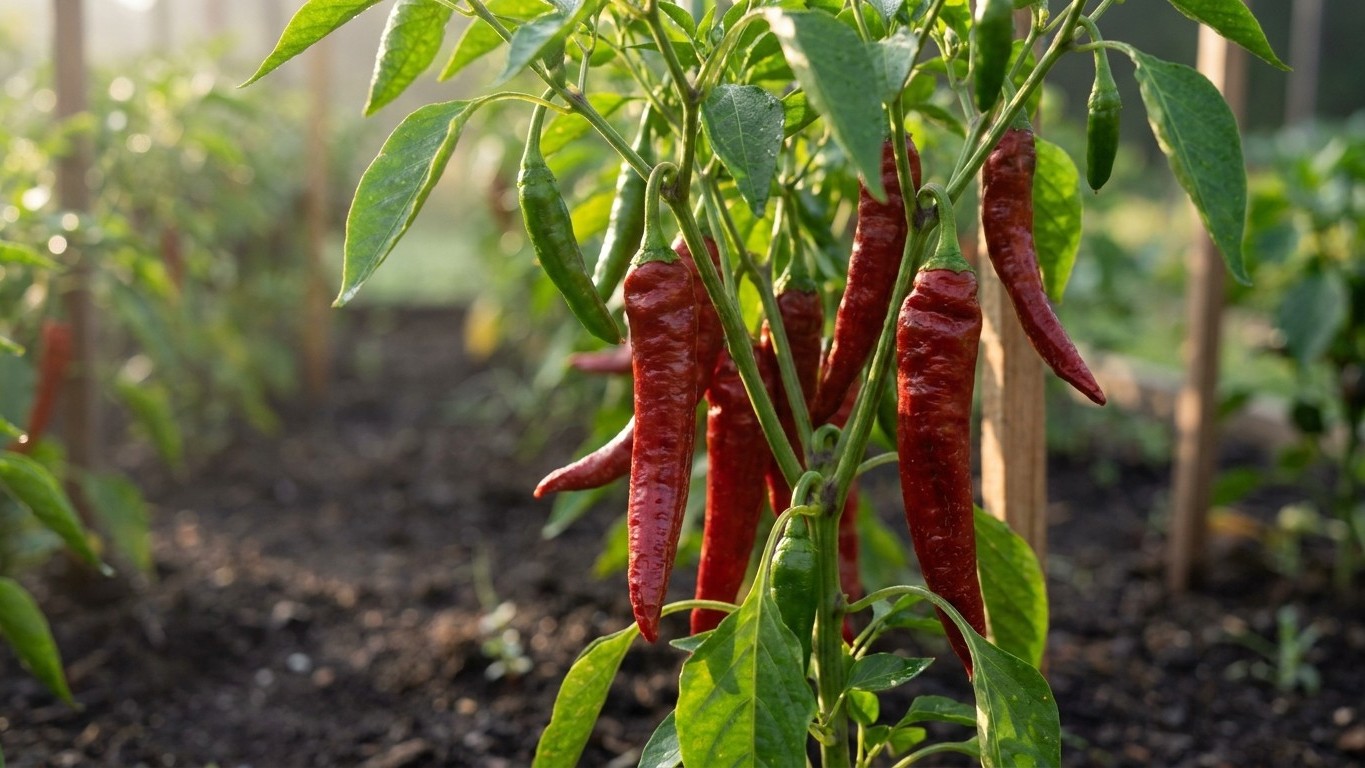
Pick peppers when they reach full size and feel firm, then store them at 45 to 50 °F.
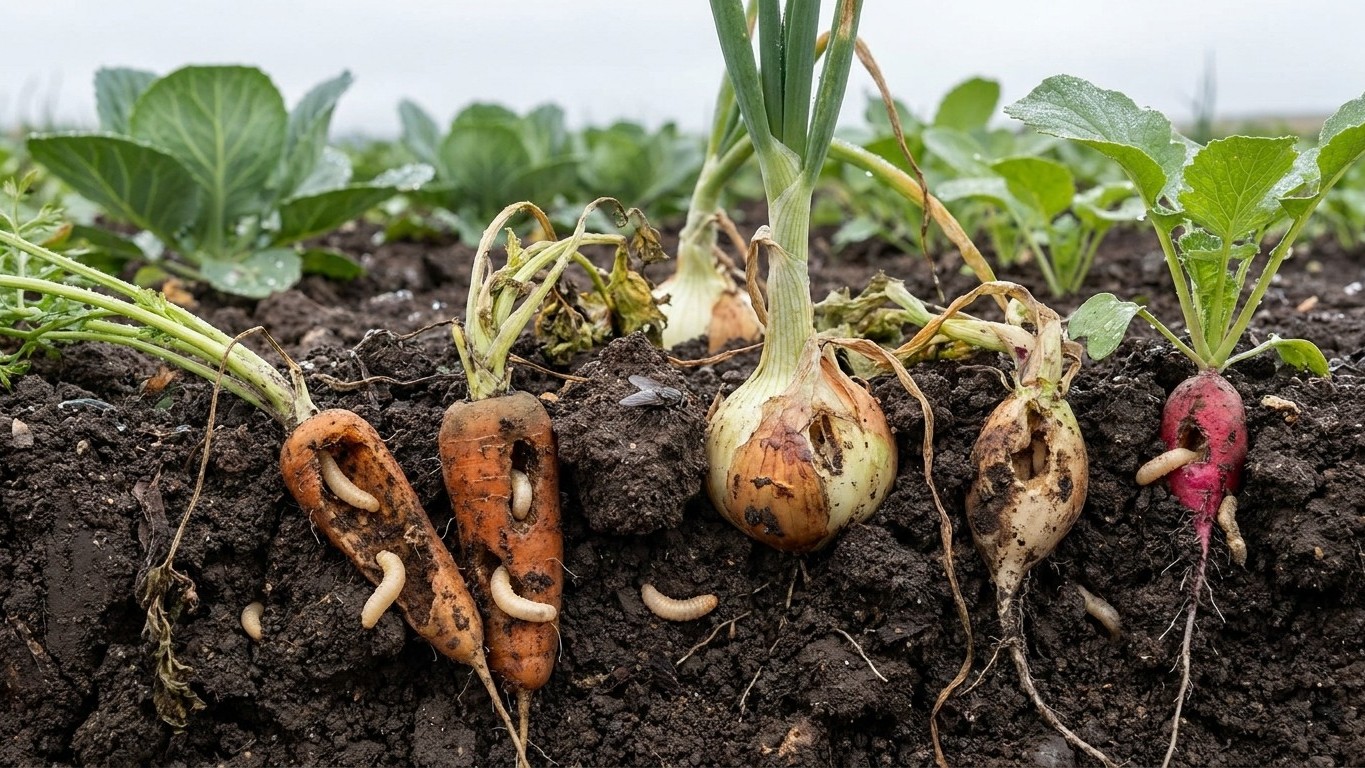
Sow hardy unusual roots such as salsify, scorzonera and burdock in early spring, as soon as the soil crumbles instead of smearing.
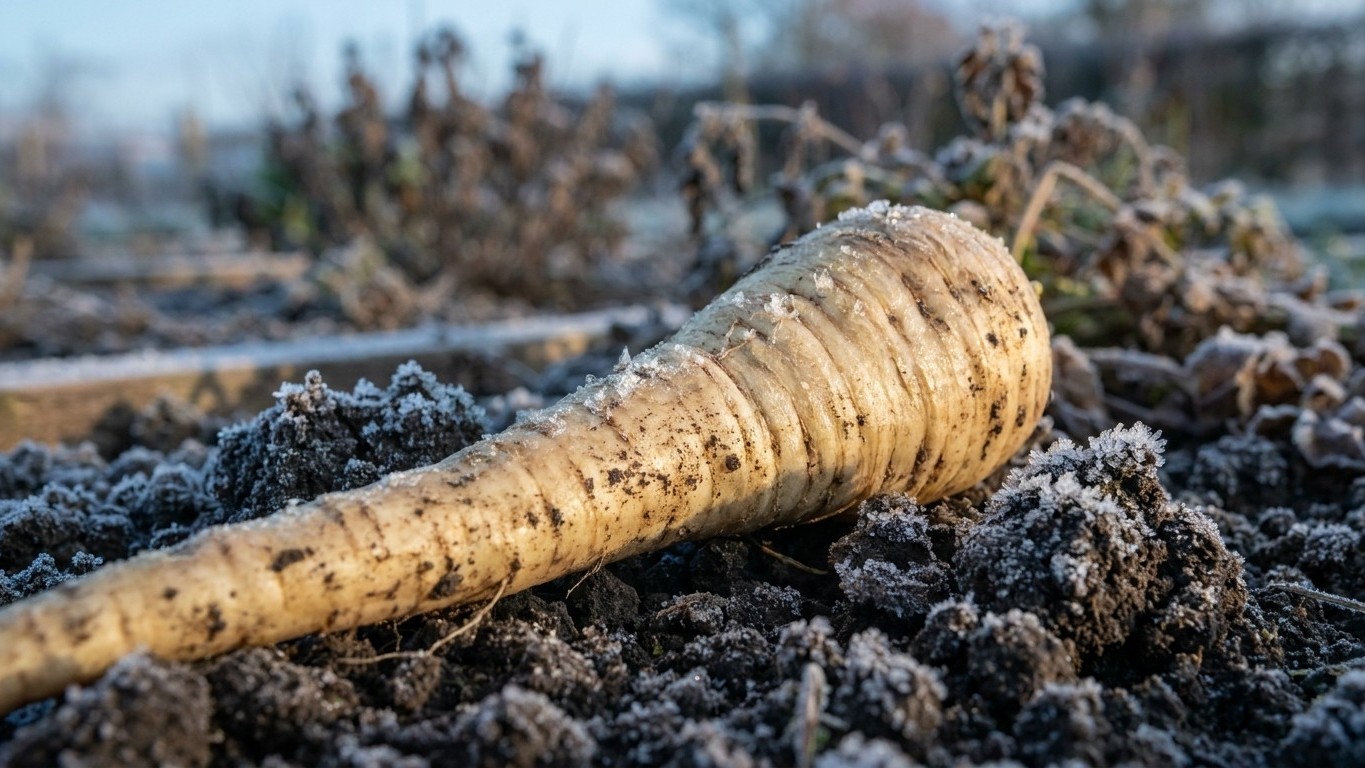
Lift Yukon parsnips in fall, after several weeks of frost and before the ground locks up.
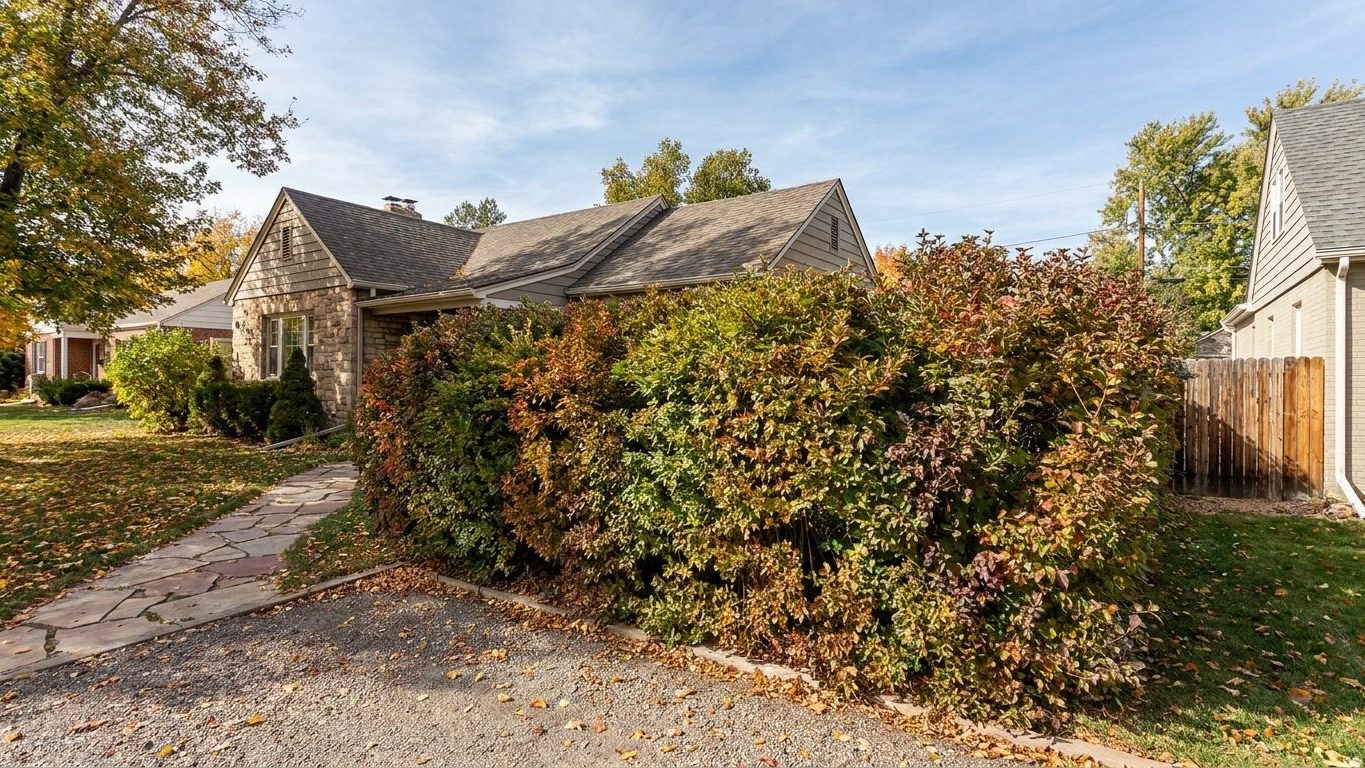
Utah has no statewide hedge height limit. No single number applies from St. George to Logan, and any page that gives you one is guessing.
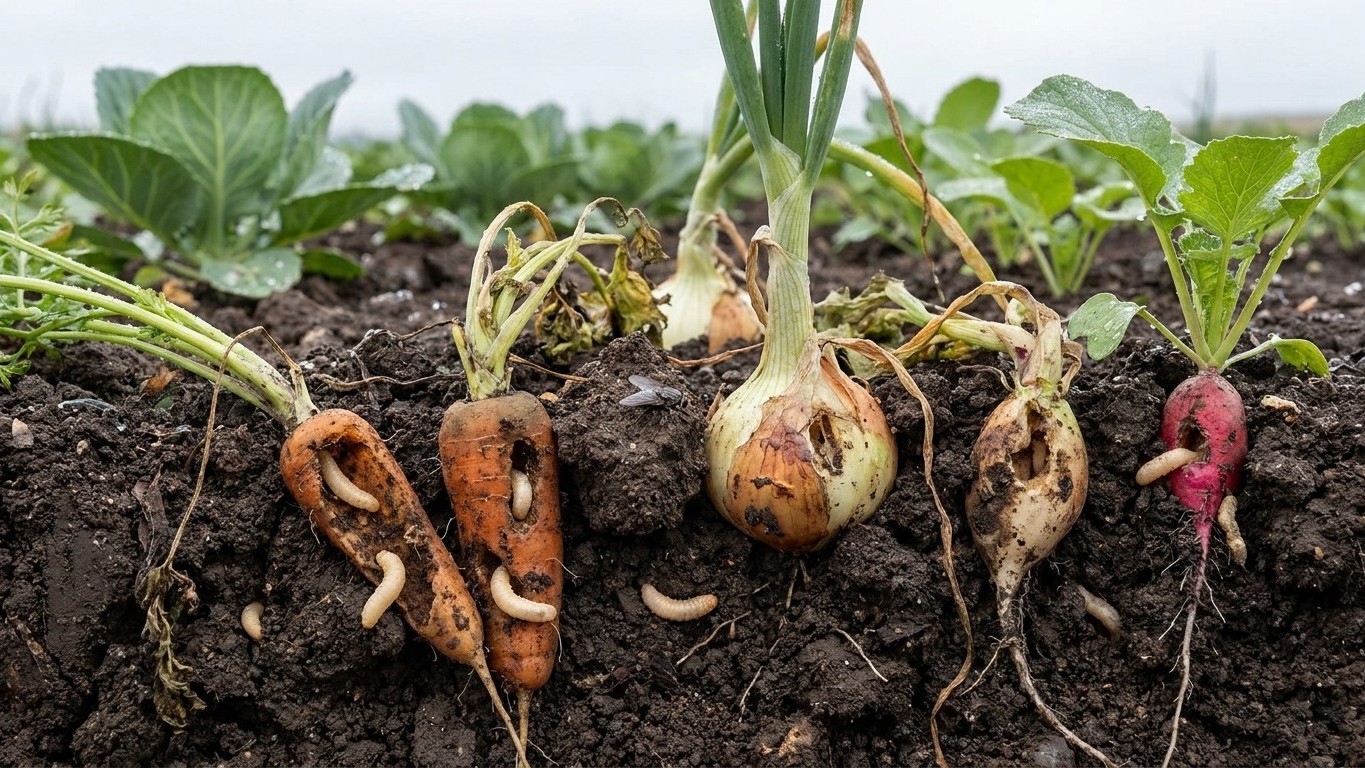
Hardy, slow roots fit Indiana best: salsify, scorzonera, parsnips, celeriac, burdock, horseradish and Jerusalem artichokes.
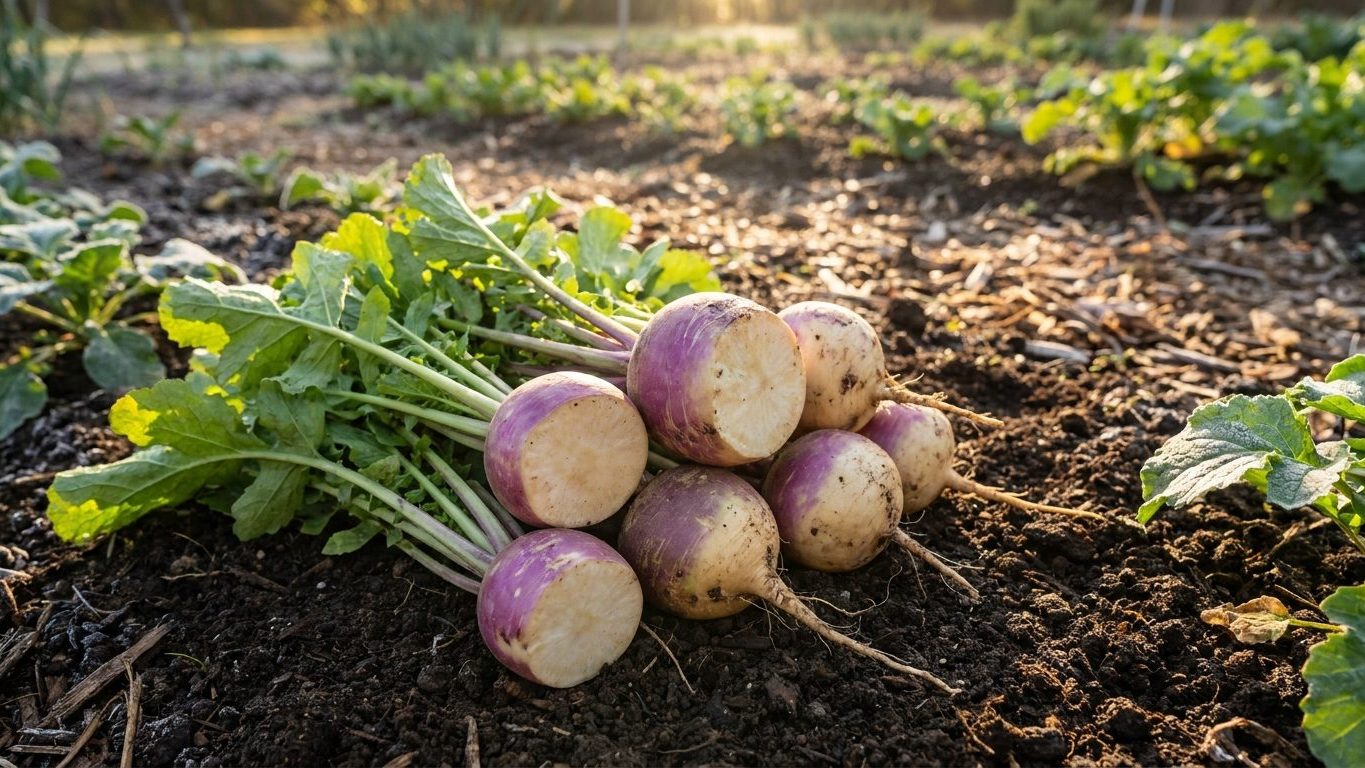
Sow turnips in Ohio twice: once in early spring, as soon as the soil can be worked, and again from late July through August for the crop that matters most.
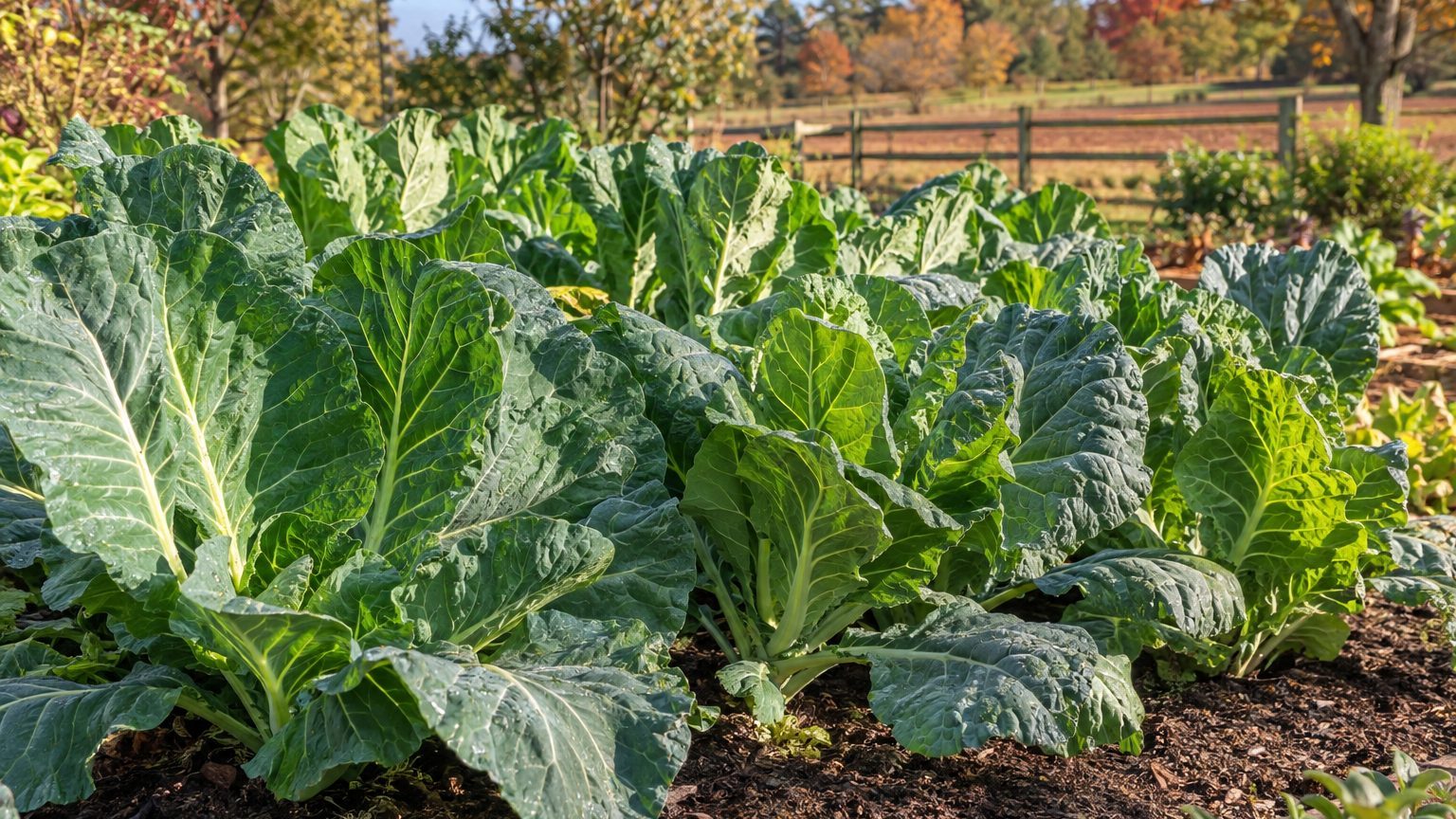
Collards are one of the easiest leafy crops to grow in Kansas, and the planting date matters more than the variety name on the seed packet.
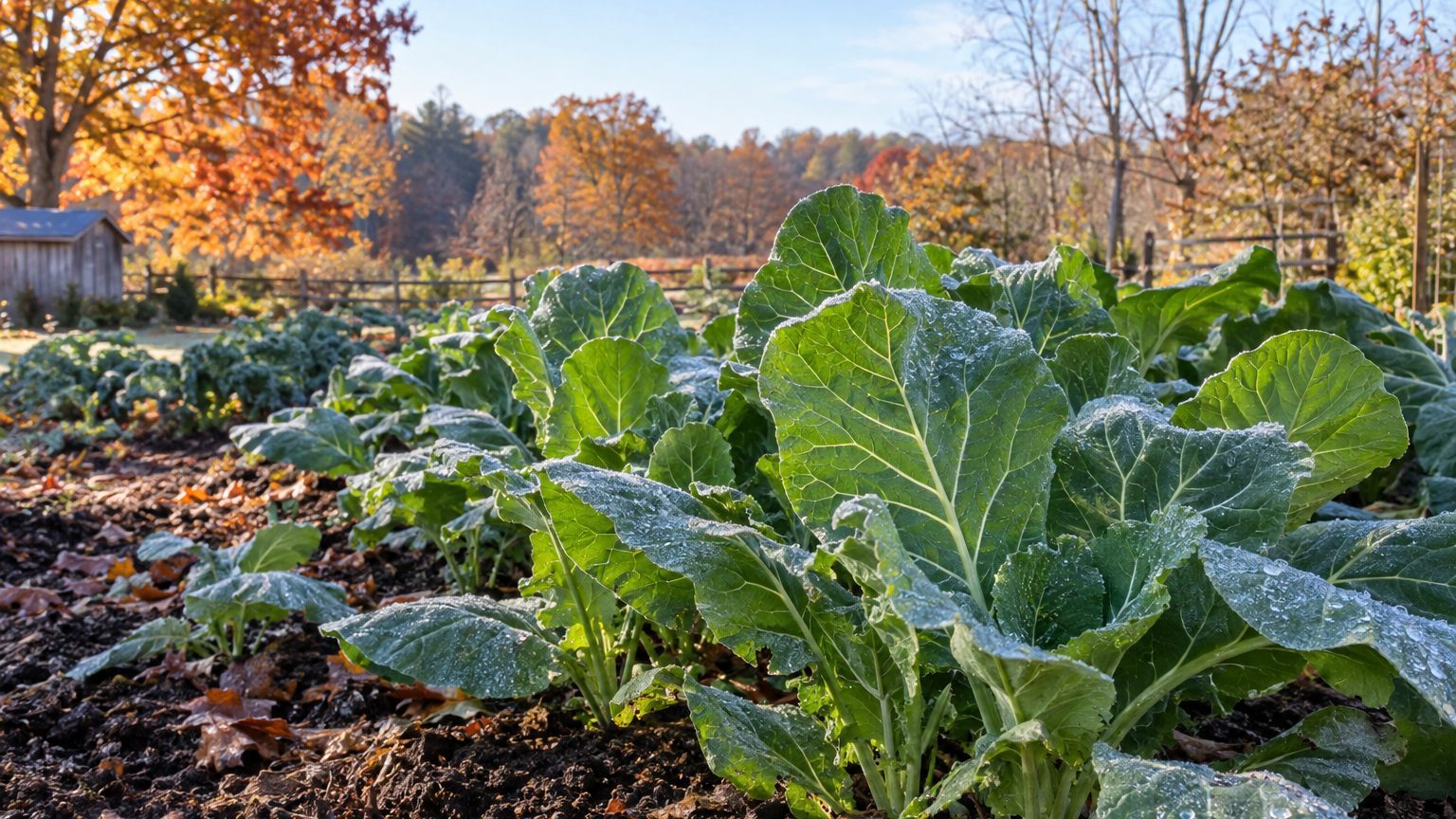
In Iowa, set spring collard transplants outside in early to mid-April, about two weeks before the last spring freeze.