Skip to content

The Homestead Post

Home & garden, state by state

  • Home
  • Garden
    • Flowers
    • Lawn
    • Soil & Compost
    • Trees & Shrubs
    • Vegetables
  • Home Care
    • Electrical
    • Foundations
    • HVAC
    • Plumbing
    • Roofing
  • Energy
    • Heating & Cooling
    • Insulation
    • Rebates & Credits
    • Solar
  • Pests
    • Ants
    • Mosquitoes
    • Rodents
    • Termites
    • Ticks
  • Decor
    • Bedrooms
    • Kitchens
    • Living Rooms
    • Outdoor Spaces
  • DIY
    • Repairs
    • Tools
    • Weekend Projects
  • State Guides
    • Northeast
      • Connecticut
      • Maine
      • Massachusetts
      • New Hampshire
      • New Jersey
      • New York
      • Pennsylvania
      • Rhode Island
      • Vermont
    • Southeast
      • Alabama
      • Arkansas
      • Delaware
      • Florida
      • Georgia
      • Kentucky
      • Louisiana
      • Maryland
      • Mississippi
      • North Carolina
      • South Carolina
      • Tennessee
      • Virginia
      • West Virginia
    • Midwest
      • Illinois
      • Indiana
      • Iowa
      • Kansas
      • Michigan
      • Minnesota
      • Missouri
      • Nebraska
      • North Dakota
      • Ohio
      • South Dakota
      • Wisconsin
    • Southwest
      • Arizona
      • New Mexico
      • Oklahoma
      • Texas
    • West
      • Alaska
      • California
      • Colorado
      • Hawaii
      • Idaho
      • Montana
      • Nevada
      • Utah
      • Wyoming
    • Pacific Northwest
      • Oregon
      • Washington
    • Canada
      • Alberta
      • British Columbia
      • Manitoba
      • New Brunswick
      • Newfoundland and Labrador
      • Northwest Territories
      • Nova Scotia
      • Nunavut
      • Ontario
      • Prince Edward Island
      • Quebec
      • Saskatchewan
      • Yukon

Why Pea Flowers Fall at 80 F, and Why the Pods Turn Stringy
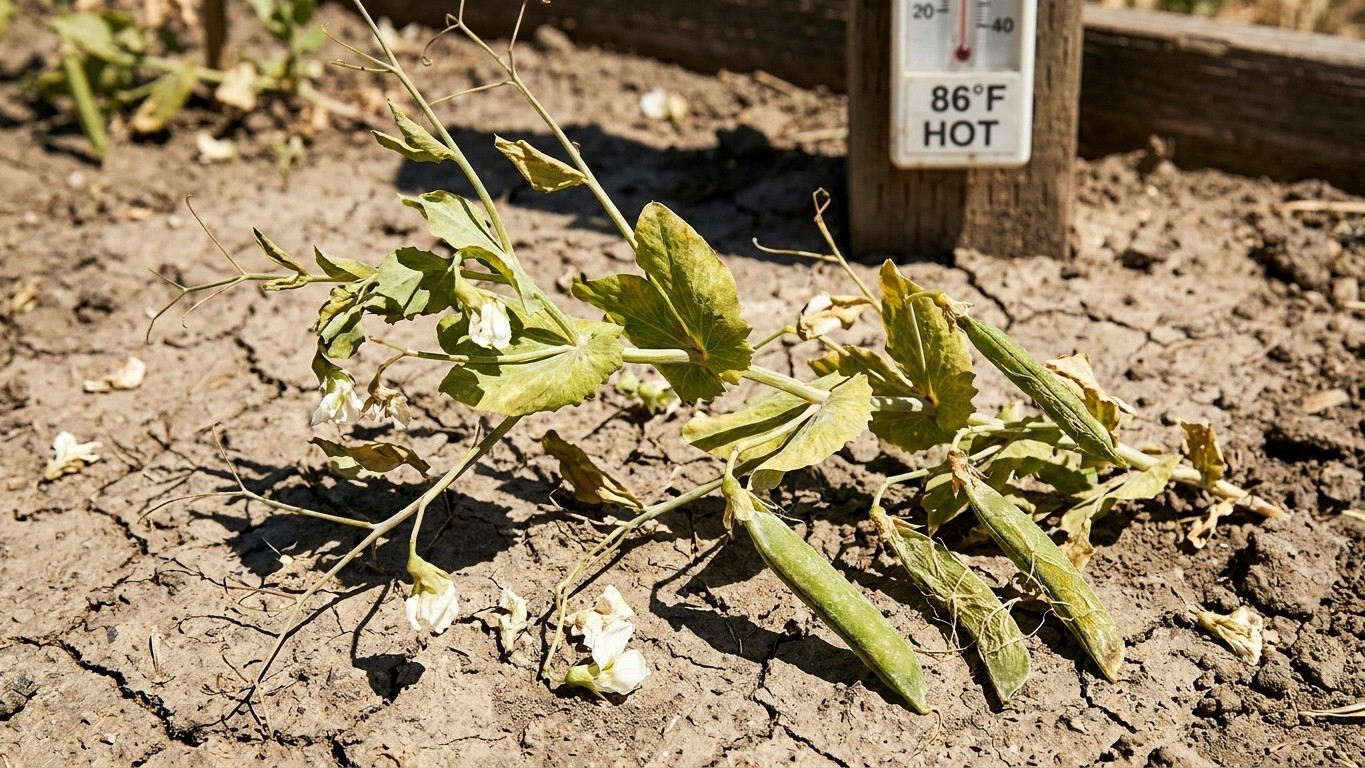
Why Pea Flowers Fall at 80 F, and Why the Pods Turn Stringy

Peas start dropping their flowers once temperatures push past 80 F, according to Utah State University Extension.
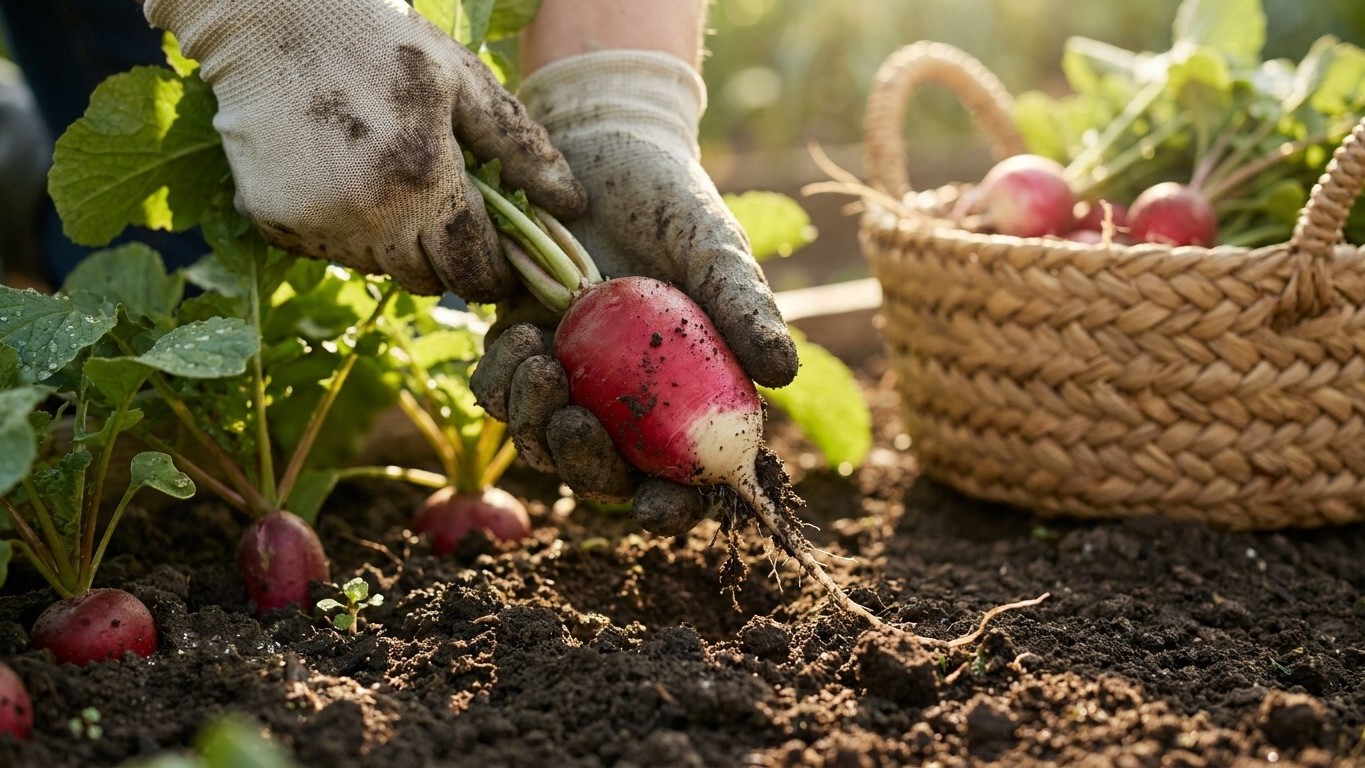
Picking Radishes Before They Turn Hot and Split

Picking Radishes Before They Turn Hot and Split

Pull radishes the moment the roots reach full size, not later. Utah State University Extension’s guide on Radishes in the Garden notes that once…
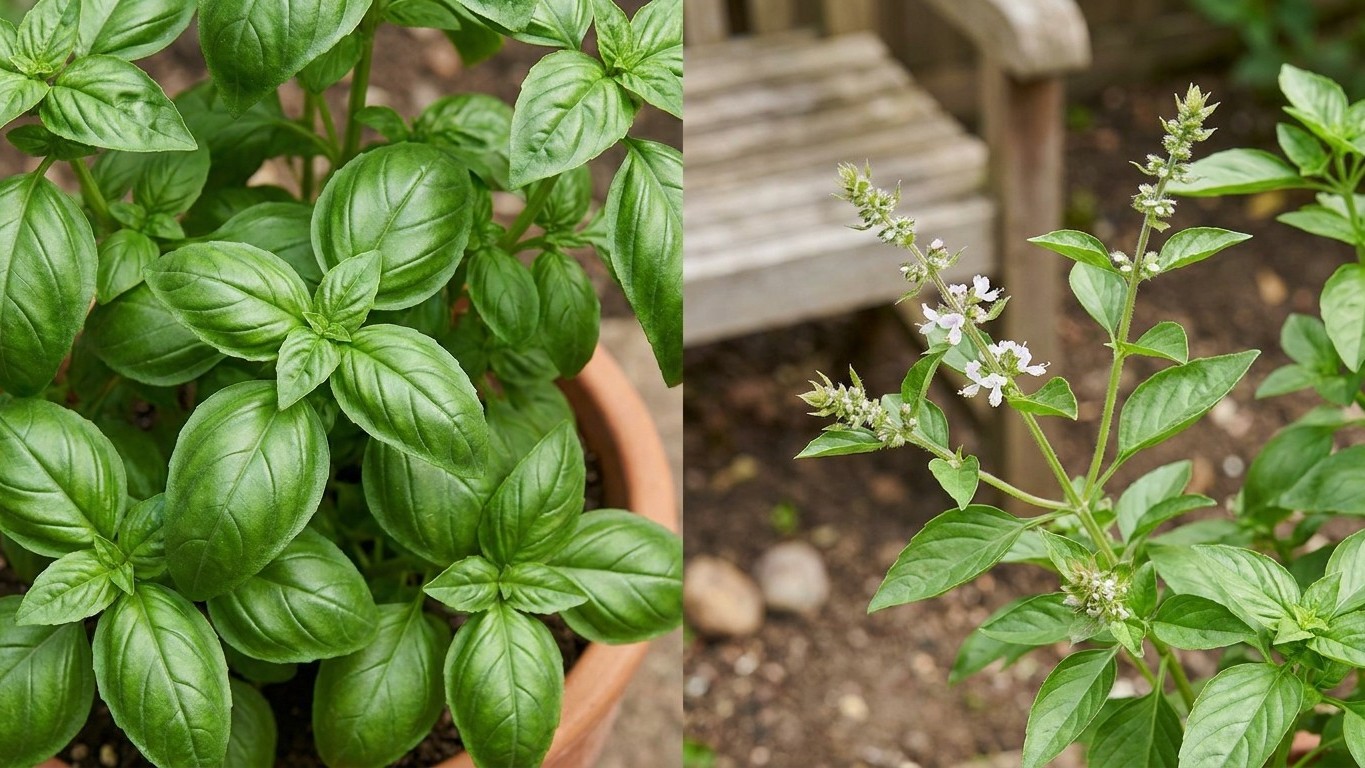
Pinching Basil Flowers Does Not Give You More Leaves — It Gives You Fewer

Pinching Basil Flowers Does Not Give You More Leaves — It Gives You Fewer

No, pinching basil flowers does not give you more leaves. According to Utah State University Extension, pinching flowers off once they’ve formed “does…
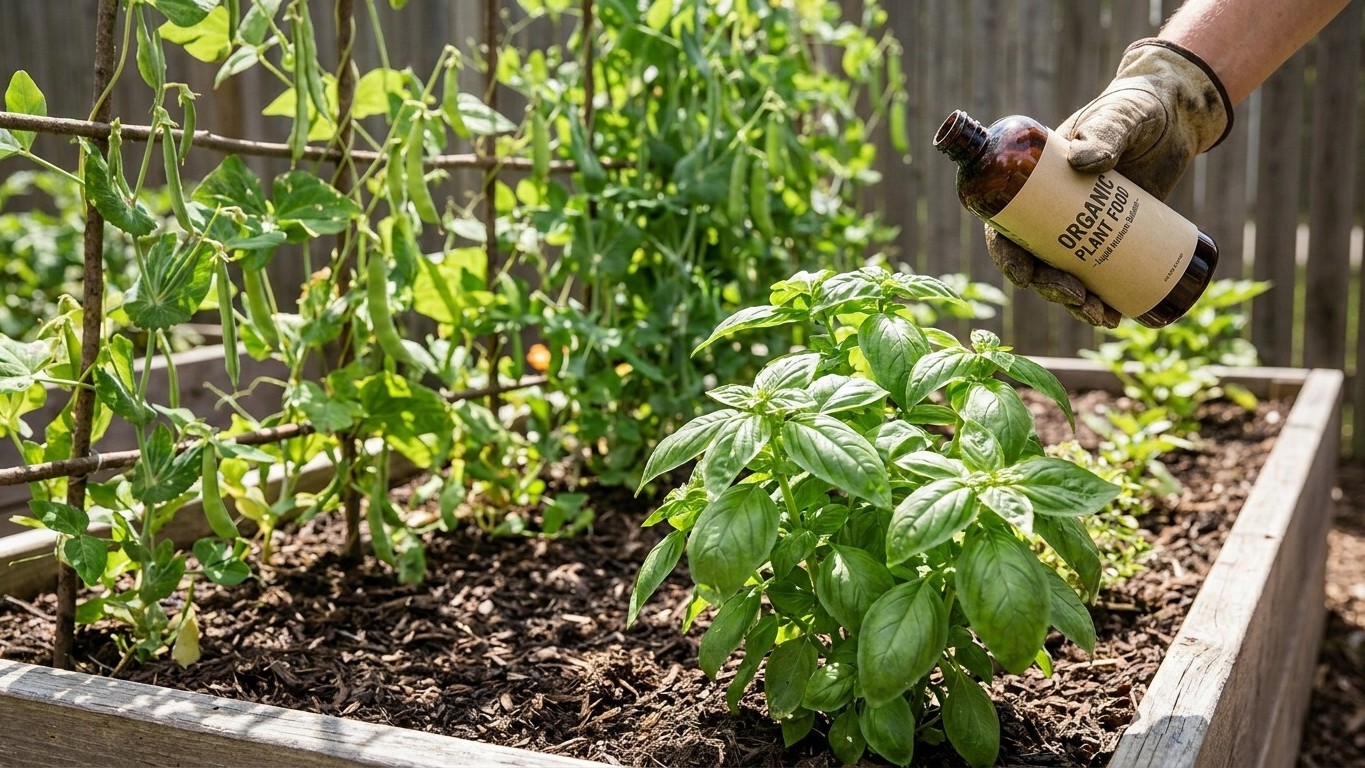
Basil Wants Nitrogen — Unlike the Beans and Peas Beside It

Basil Wants Nitrogen — Unlike the Beans and Peas Beside It

Basil needs feeding because you’re harvesting leaves, not pods. According to Utah State University Extension’s guide Basil in the Garden, the plant…
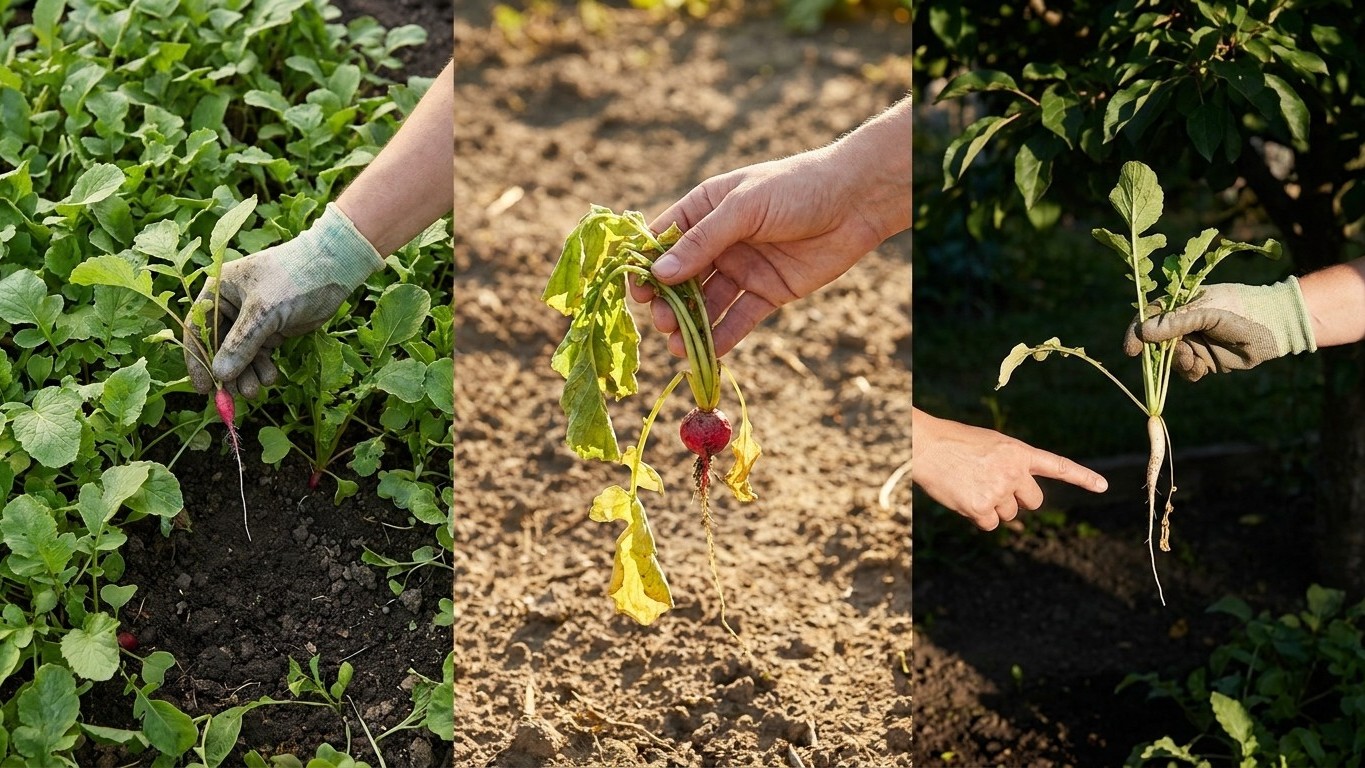
All Leaves, No Radish: Three Causes With Three Different Fixes

All Leaves, No Radish: Three Causes With Three Different Fixes

All leaves, no radish comes down to one of three separate problems, according to Utah State University Extension’s fact sheet Radishes in the Garden…
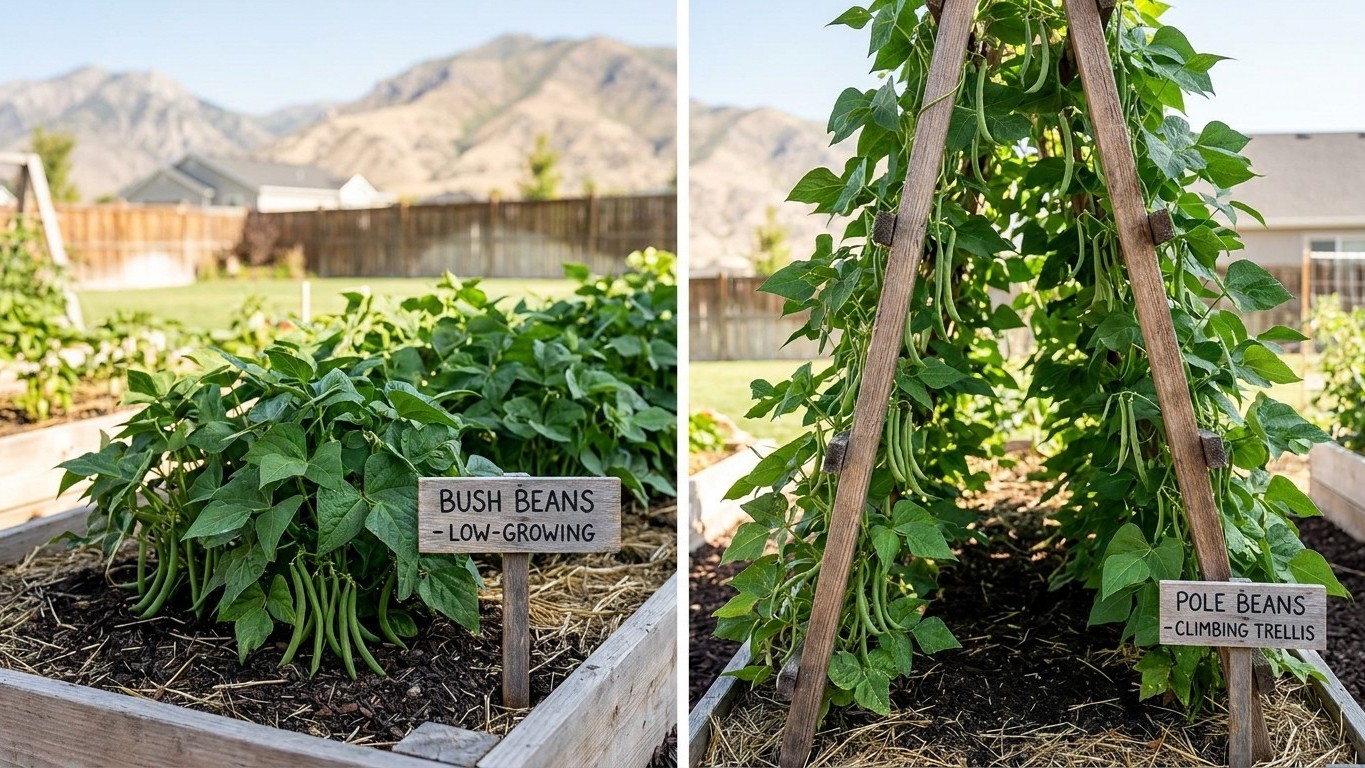
Bush or Pole Beans: Two Plants, Two Completely Different Plans

Bush or Pole Beans: Two Plants, Two Completely Different Plans

Space and support decide it. Utah State University Extension sorts garden beans into three plant types, bush, pole, and dry, and each one asks something…
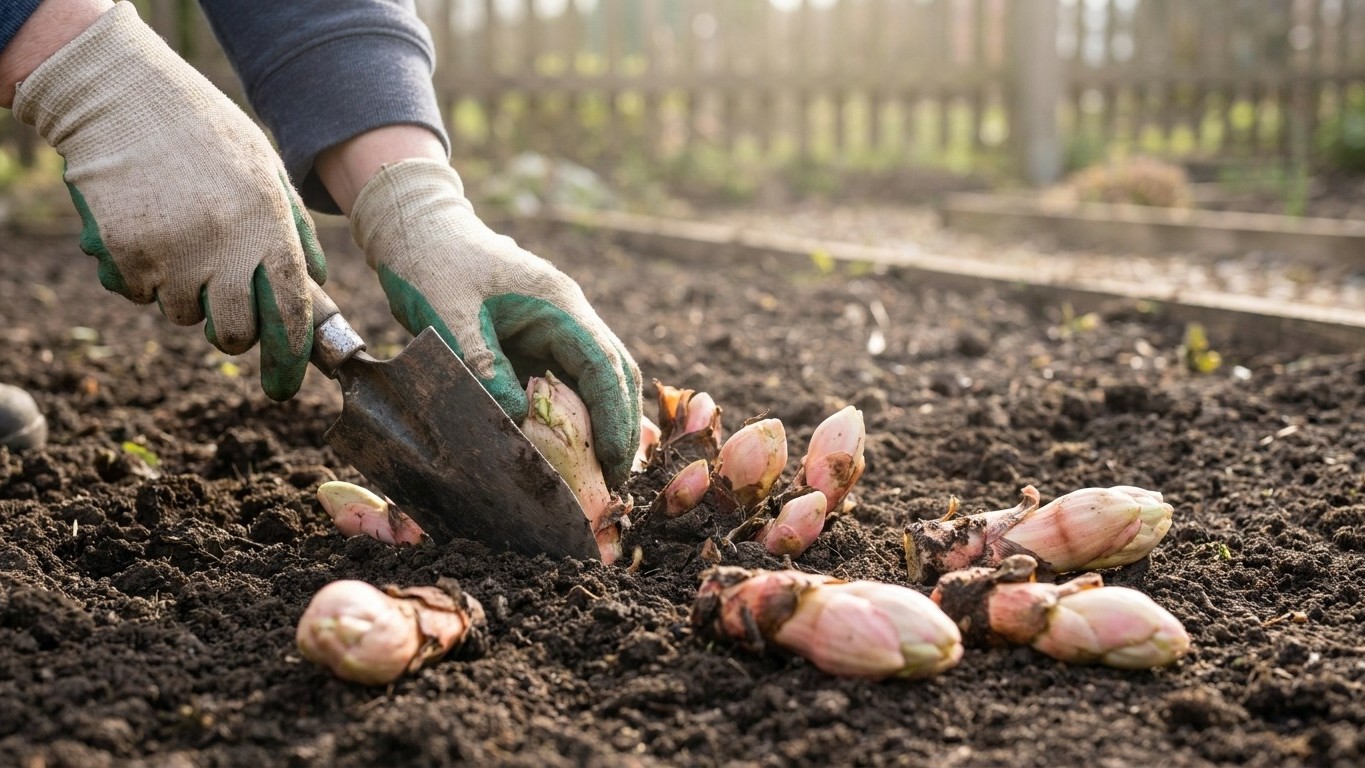
Dividing Rhubarb: One Crown Becomes Five to Ten Plants

Dividing Rhubarb: One Crown Becomes Five to Ten Plants

One healthy rhubarb crown, once it’s spent enough seasons in the ground, doesn’t need replacing. It needs cutting apart.
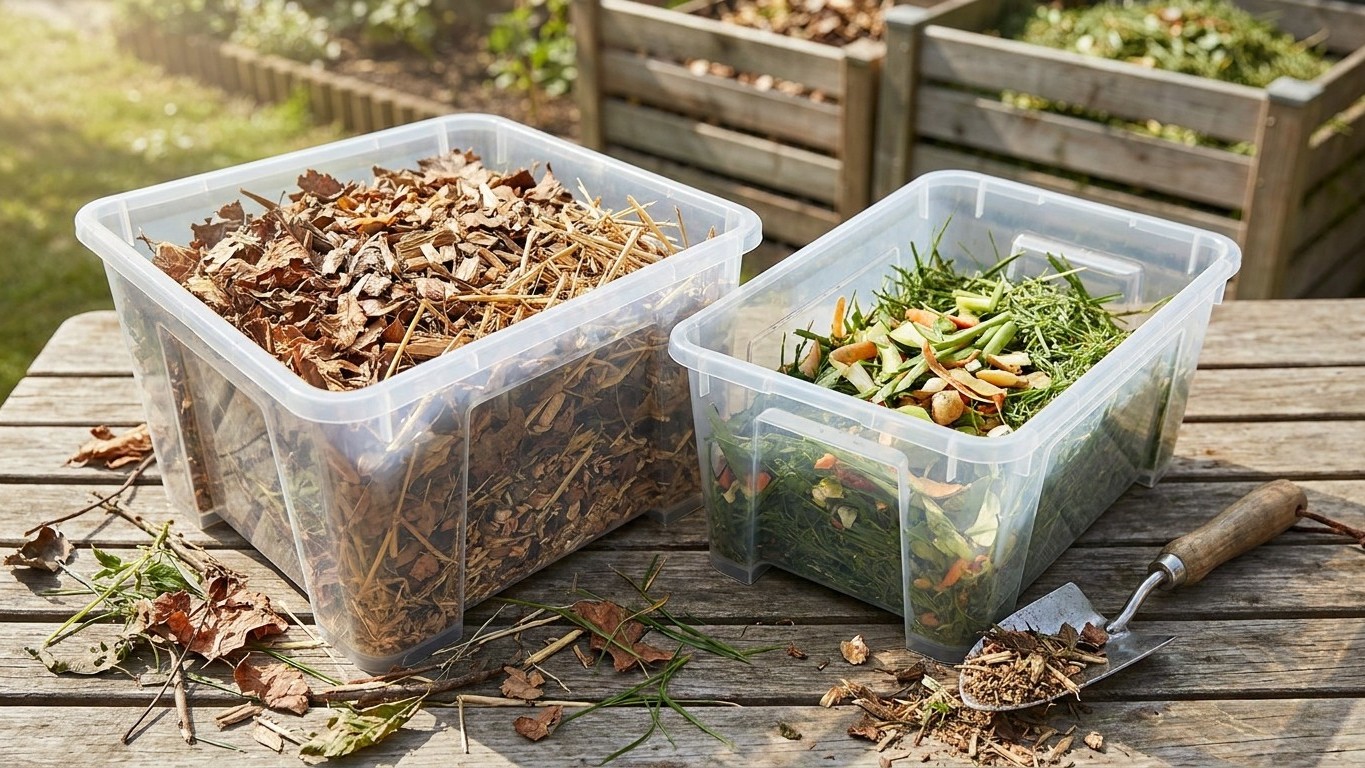
Two Parts Brown to One Part Green — and Why That Is Not the 30:1 You Have Read

Two Parts Brown to One Part Green — and Why That Is Not the 30:1 You Have Read

Two buckets of brown material to one bucket of green is the actual figure, and it comes straight from Utah State University Extension’s Backyard…
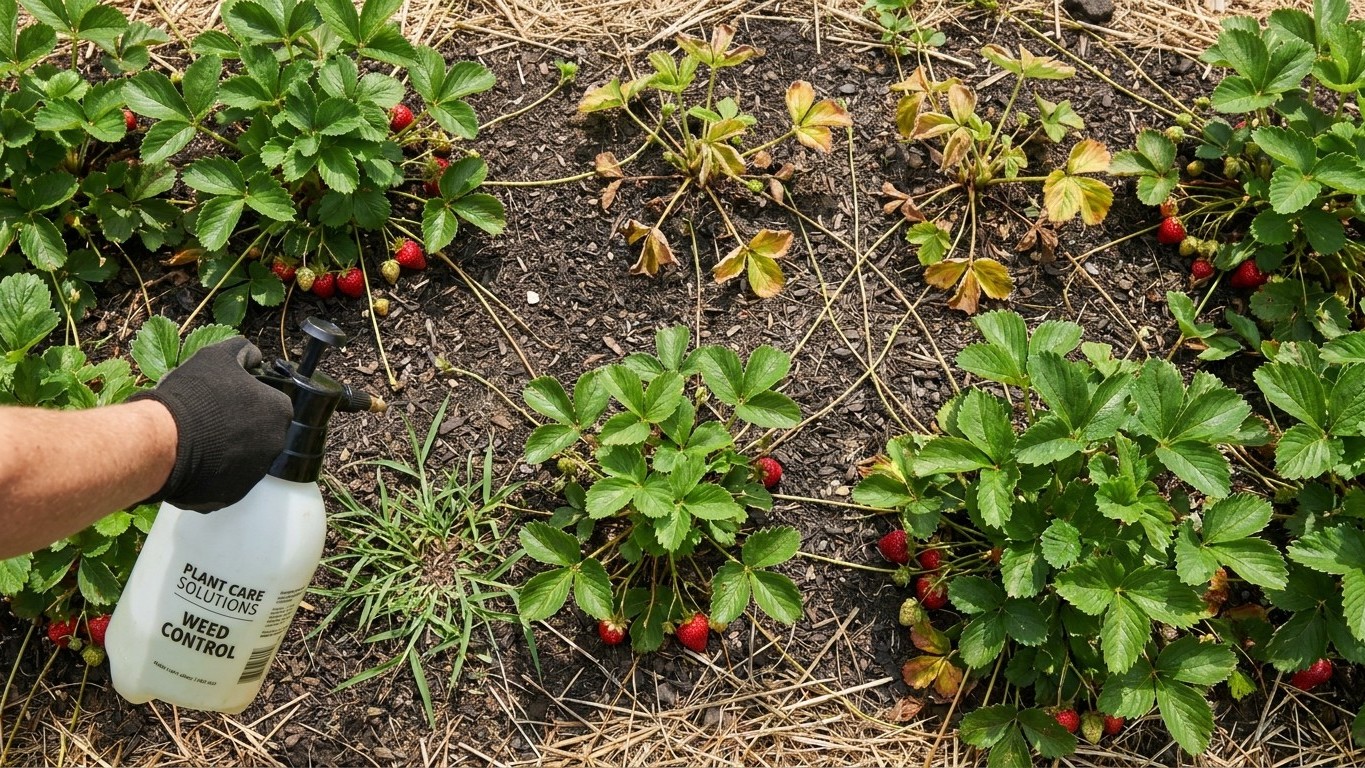
Why Systemic Weedkiller Near a Strawberry Row Kills Plants You Never Sprayed

Why Systemic Weedkiller Near a Strawberry Row Kills Plants You Never Sprayed

A systemic weedkiller applied near one strawberry plant in a matted row can kill or stunt plants several feet away that were never touched by spray.
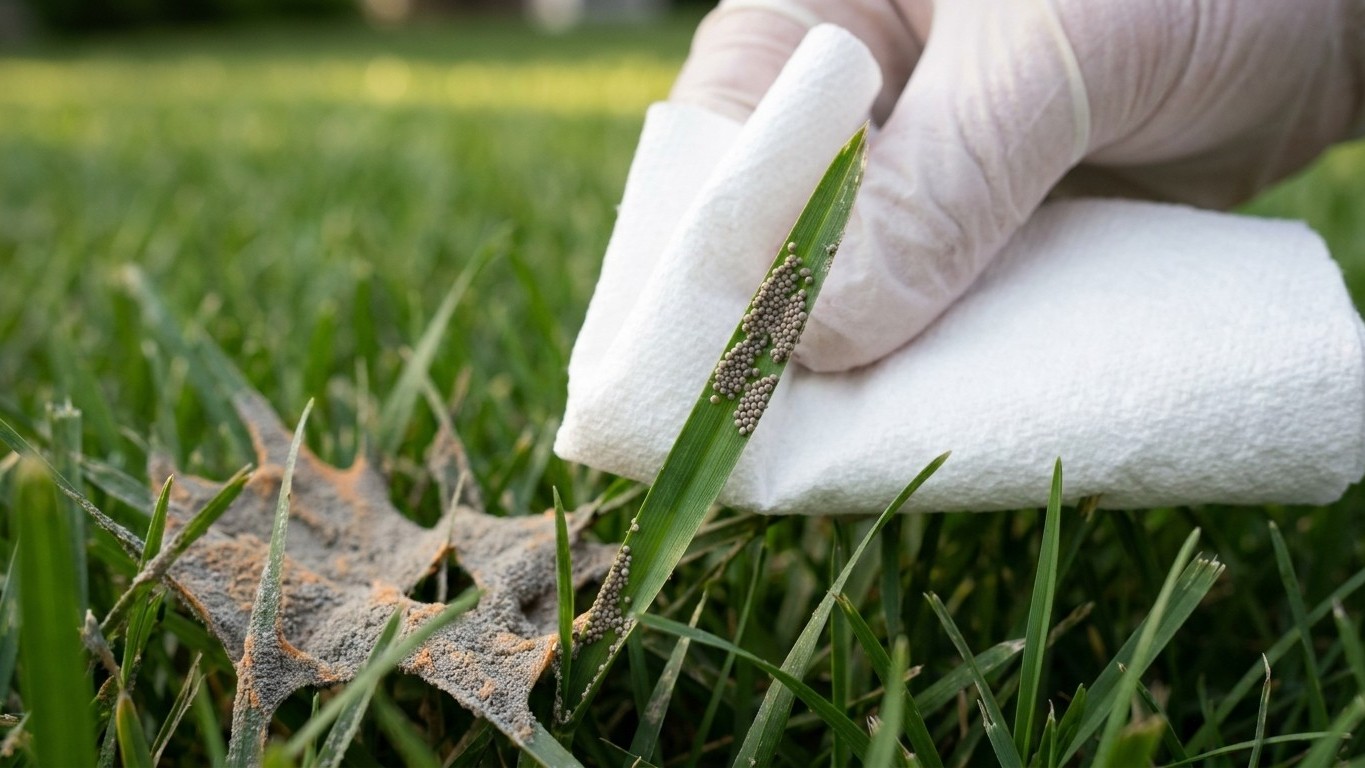
Slime Mold: The Alarming One That Harms Nothing

Slime Mold: The Alarming One That Harms Nothing

That gray, orange, or yellowish crust spreading across your grass blades overnight looks alarming, but slime mold does not feed on grass at all.

Older posts
Newer posts
← Previous Page1 … Page551 Page552 Page553 … Page1,081 Next →

The Homestead Post

Home and garden advice with the numbers attached — written for your climate, your season and your local rules.

Sections

  • Garden
  • Home Care
  • Energy
  • Pests
  • Decor
  • DIY

Popular states

  • California
  • Texas
  • Florida
  • New York
  • Pennsylvania
  • Ohio
  • Georgia
  • North Carolina
  • All states →

The Post

  • About us
  • Contact
  • Editorial guidelines
  • Affiliate disclosure
  • Privacy policy
  • Terms of use
© 2026 The Homestead Post·Home & garden, state by state