Skip to content

The Homestead Post

Home & garden, state by state

  • Home
  • Garden
    • Flowers
    • Lawn
    • Soil & Compost
    • Trees & Shrubs
    • Vegetables
  • Home Care
    • Electrical
    • Foundations
    • HVAC
    • Plumbing
    • Roofing
  • Energy
    • Heating & Cooling
    • Insulation
    • Rebates & Credits
    • Solar
  • Pests
    • Ants
    • Mosquitoes
    • Rodents
    • Termites
    • Ticks
  • Decor
    • Bedrooms
    • Kitchens
    • Living Rooms
    • Outdoor Spaces
  • DIY
    • Repairs
    • Tools
    • Weekend Projects
  • State Guides
    • Northeast
      • Connecticut
      • Maine
      • Massachusetts
      • New Hampshire
      • New Jersey
      • New York
      • Pennsylvania
      • Rhode Island
      • Vermont
    • Southeast
      • Alabama
      • Arkansas
      • Delaware
      • Florida
      • Georgia
      • Kentucky
      • Louisiana
      • Maryland
      • Mississippi
      • North Carolina
      • South Carolina
      • Tennessee
      • Virginia
      • West Virginia
    • Midwest
      • Illinois
      • Indiana
      • Iowa
      • Kansas
      • Michigan
      • Minnesota
      • Missouri
      • Nebraska
      • North Dakota
      • Ohio
      • South Dakota
      • Wisconsin
    • Southwest
      • Arizona
      • New Mexico
      • Oklahoma
      • Texas
    • West
      • Alaska
      • California
      • Colorado
      • Hawaii
      • Idaho
      • Montana
      • Nevada
      • Utah
      • Wyoming
    • Pacific Northwest
      • Oregon
      • Washington
    • Canada
      • Alberta
      • British Columbia
      • Manitoba
      • New Brunswick
      • Newfoundland and Labrador
      • Northwest Territories
      • Nova Scotia
      • Nunavut
      • Ontario
      • Prince Edward Island
      • Quebec
      • Saskatchewan
      • Yukon

Watering a New Tree or Shrub: Deep and Rare Beats Little and Often
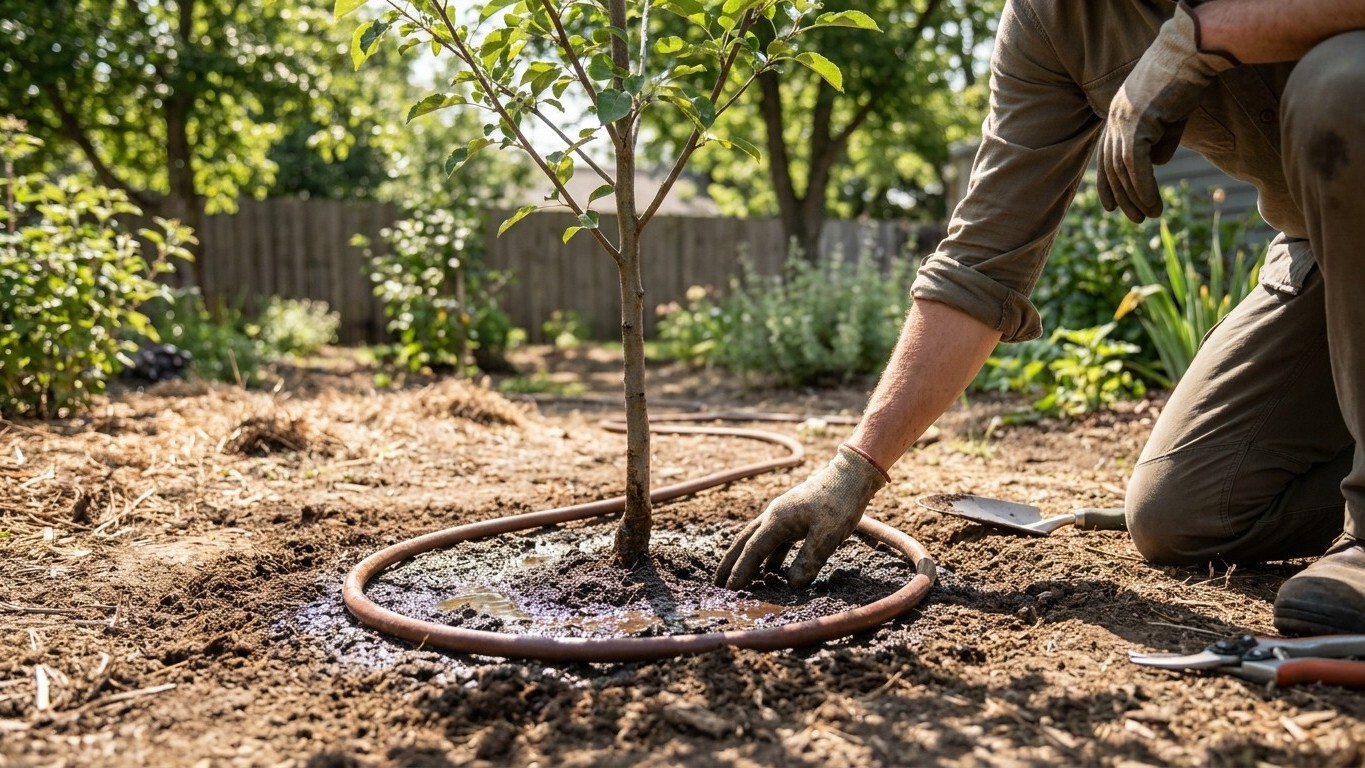
Watering a New Tree or Shrub: Deep and Rare Beats Little and Often

There’s no universal number of days between waterings for a newly planted tree or shrub, and any answer that gives you one is guessing.
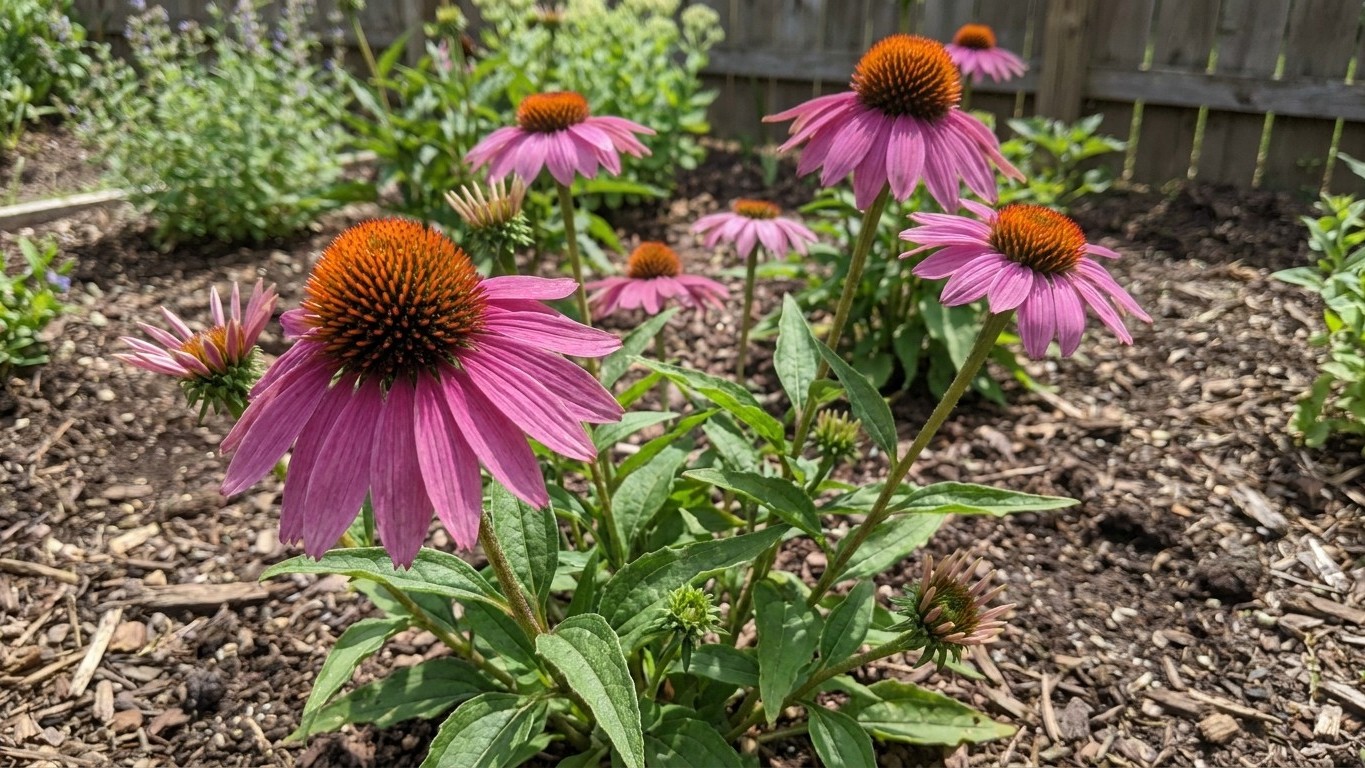
Echinacea purpurea: Hardiness, Drainage and Dividing

Echinacea purpurea: Hardiness, Drainage and Dividing

Echinacea purpurea goes by several names gardeners use interchangeably: Coneflower, Eastern Purple Coneflower, Purple Coneflower, and sometimes Purple…
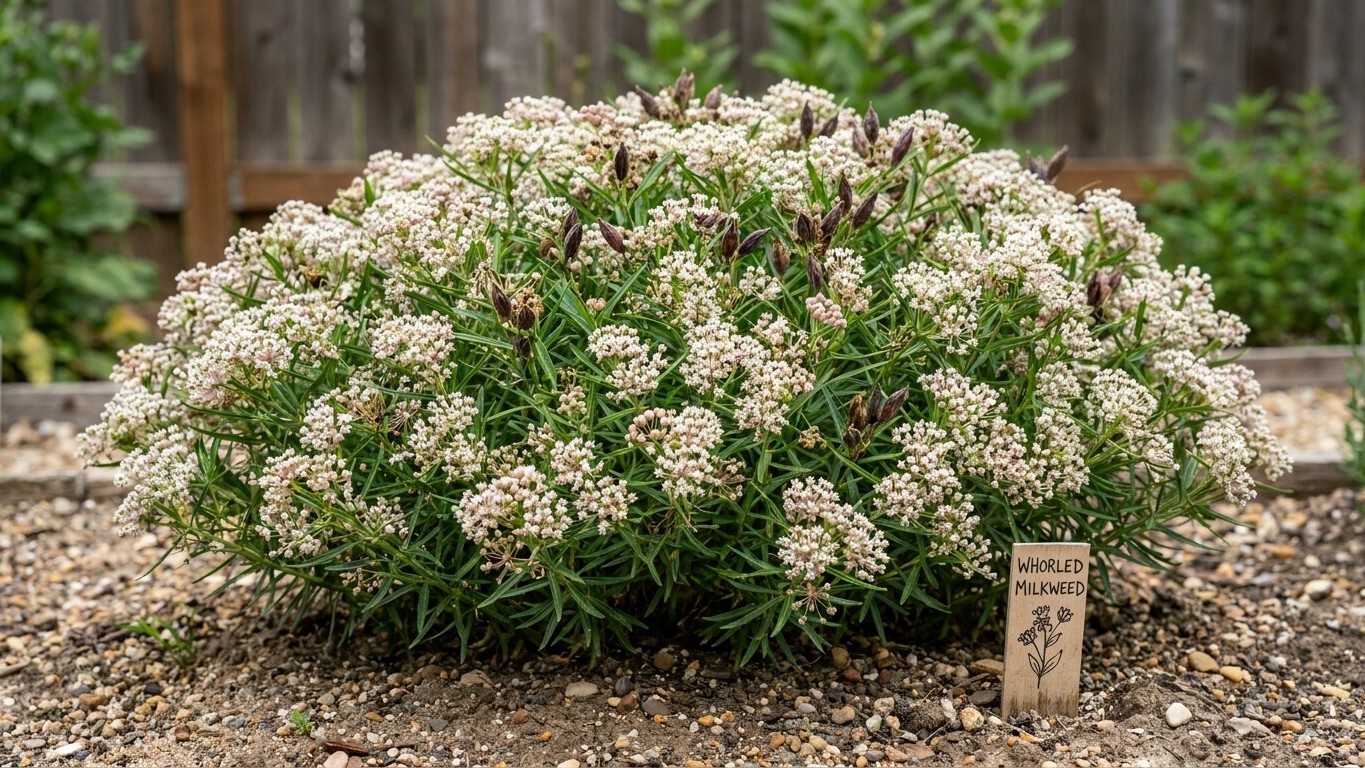
Anacis verticillata: Hardiness, Drainage and Dividing

Anacis verticillata: Hardiness, Drainage and Dividing

Anacis verticillata is hardy from USDA zone 3a to 9b, tolerates clay, sand and shallow rocky soil as long as drainage is good, and blooms through spring…
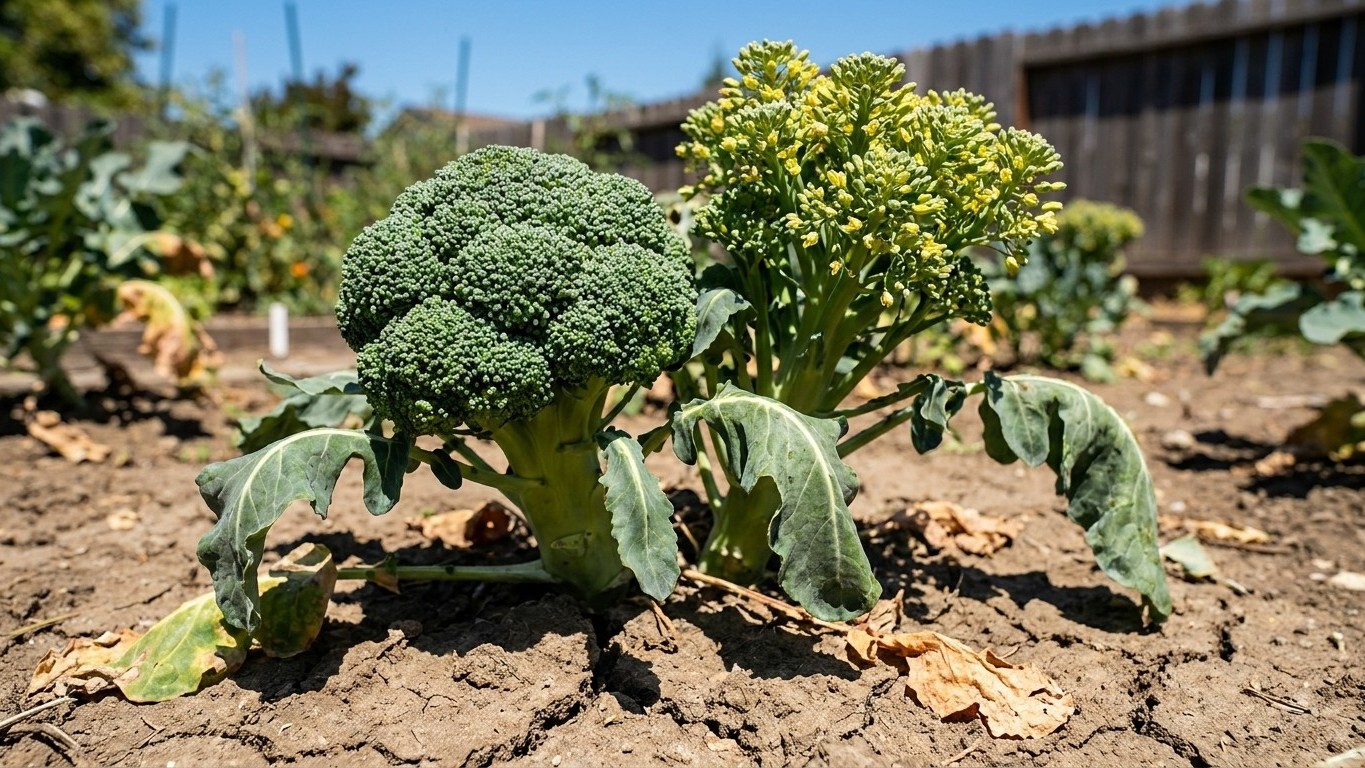
Why Broccoli Heads Open and Turn Bitter in Summer

Why Broccoli Heads Open and Turn Bitter in Summer

Broccoli heads pop open and turn bitter in summer for one reason: heat. Once temperatures climb past the range broccoli tolerates well, the plant rushes…
Tree Roots and Foundations: What Is Real and What Is Not

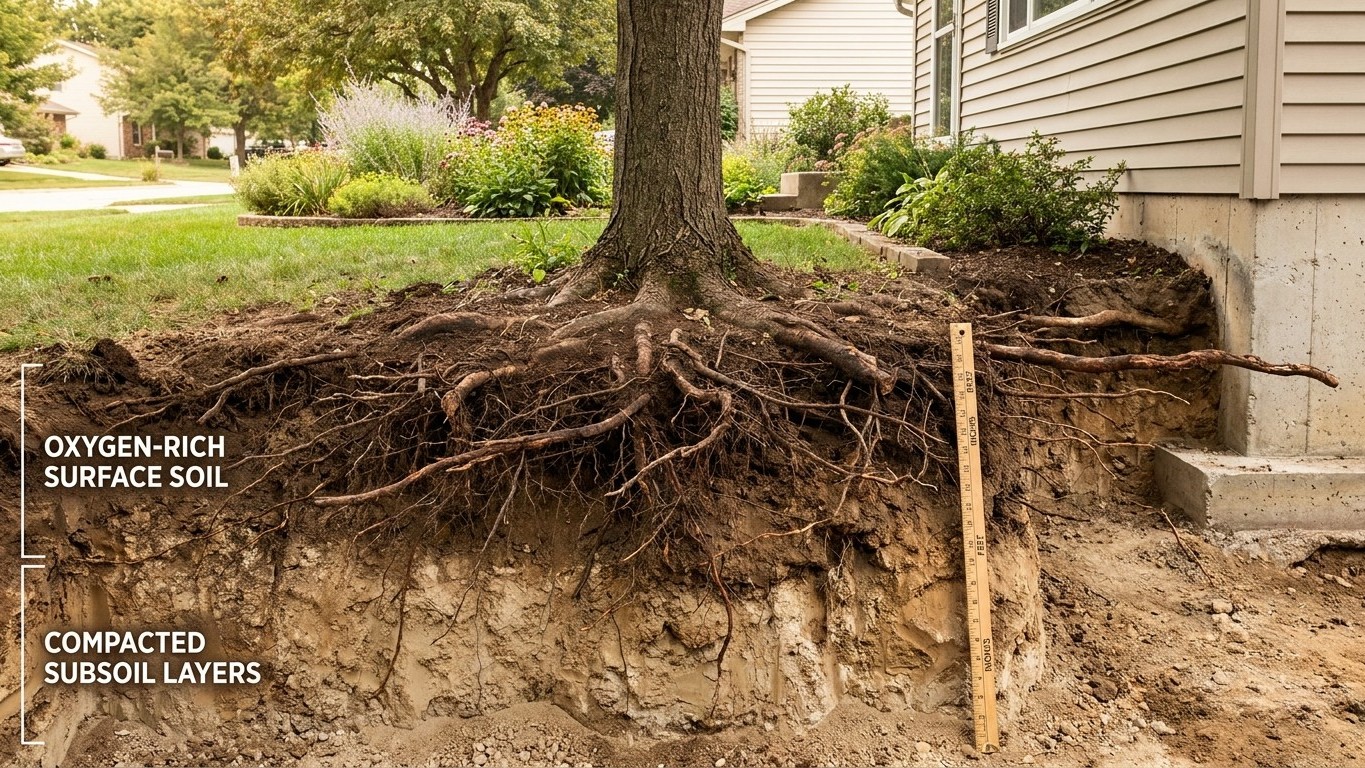
Tree Roots and Foundations: What Is Real and What Is Not

The mental image of a root snaking under a slab and cracking it like a fist is mostly wrong.
Starting Broccoli Seed: Six to Seven Weeks, and Out Before the Last Frost

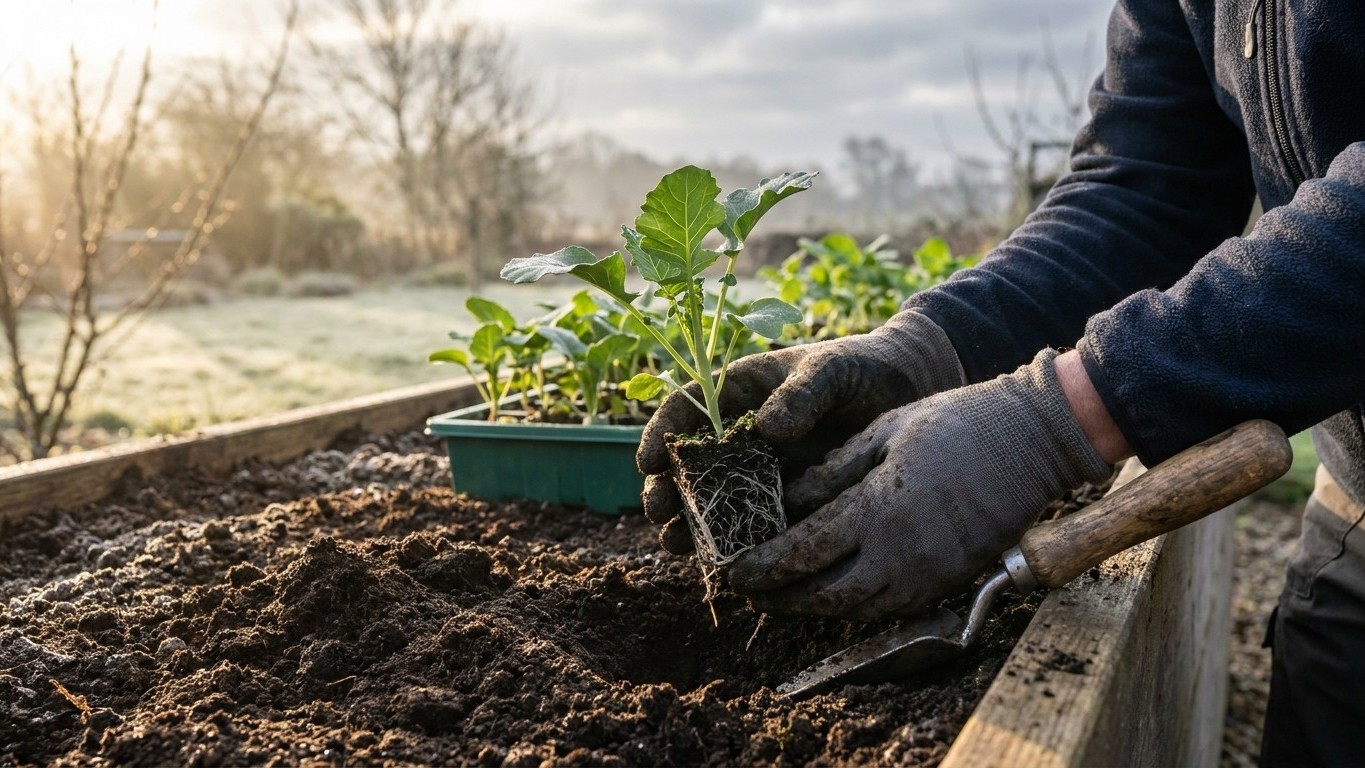
Starting Broccoli Seed: Six to Seven Weeks, and Out Before the Last Frost

Sow broccoli seed indoors six to seven weeks before you plan to set the plants in the garden, and get those transplants outside two to three weeks before…
Moving an Established Tree or Shrub, and When Not To

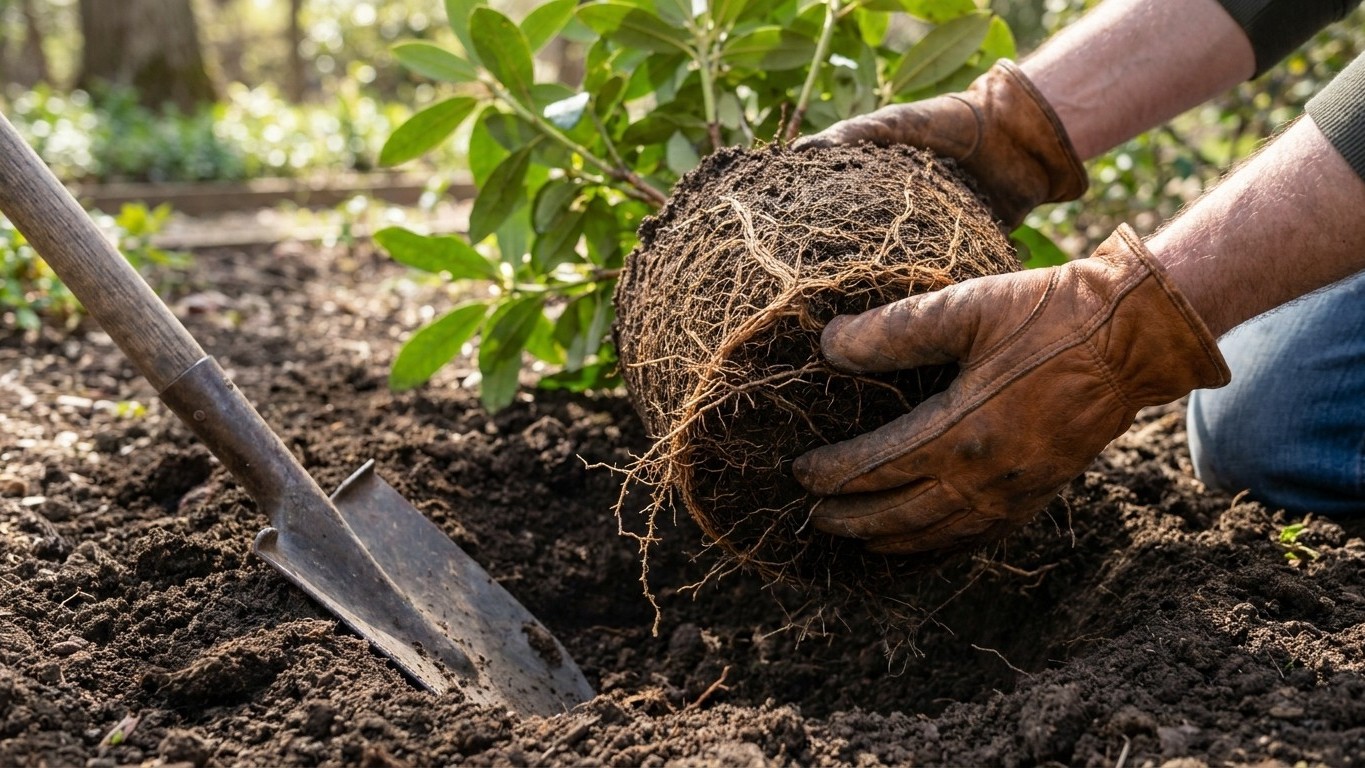
Moving an Established Tree or Shrub, and When Not To

Moving an established shrub means digging the new hole first, cutting the cleanest possible root ball while the plant is dormant, resetting it at the…
Baptisia australis: Hardiness, Drainage and Dividing

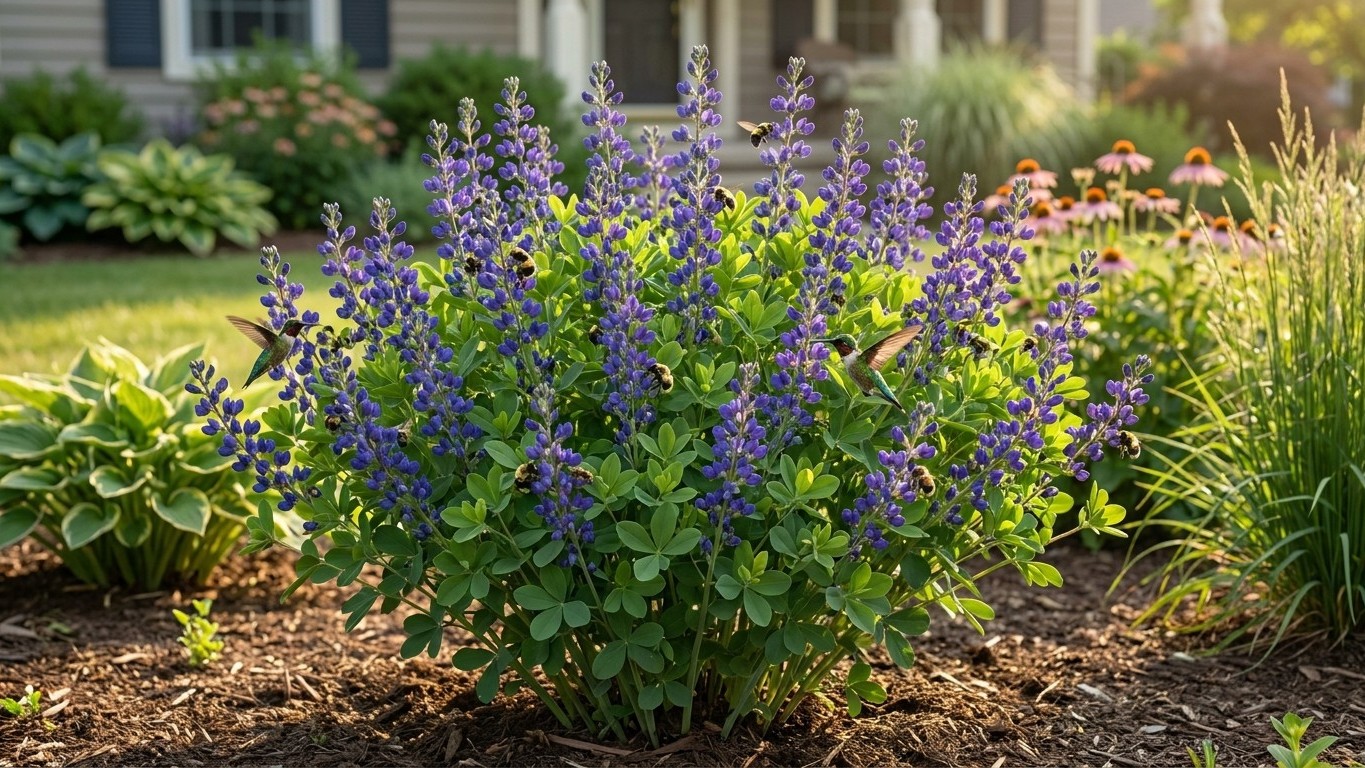
Baptisia australis: Hardiness, Drainage and Dividing

Baptisia australis survives across USDA zones 3a through 9b, holds its ground in clay soil as long as water drains away rather than sitting, and blooms…
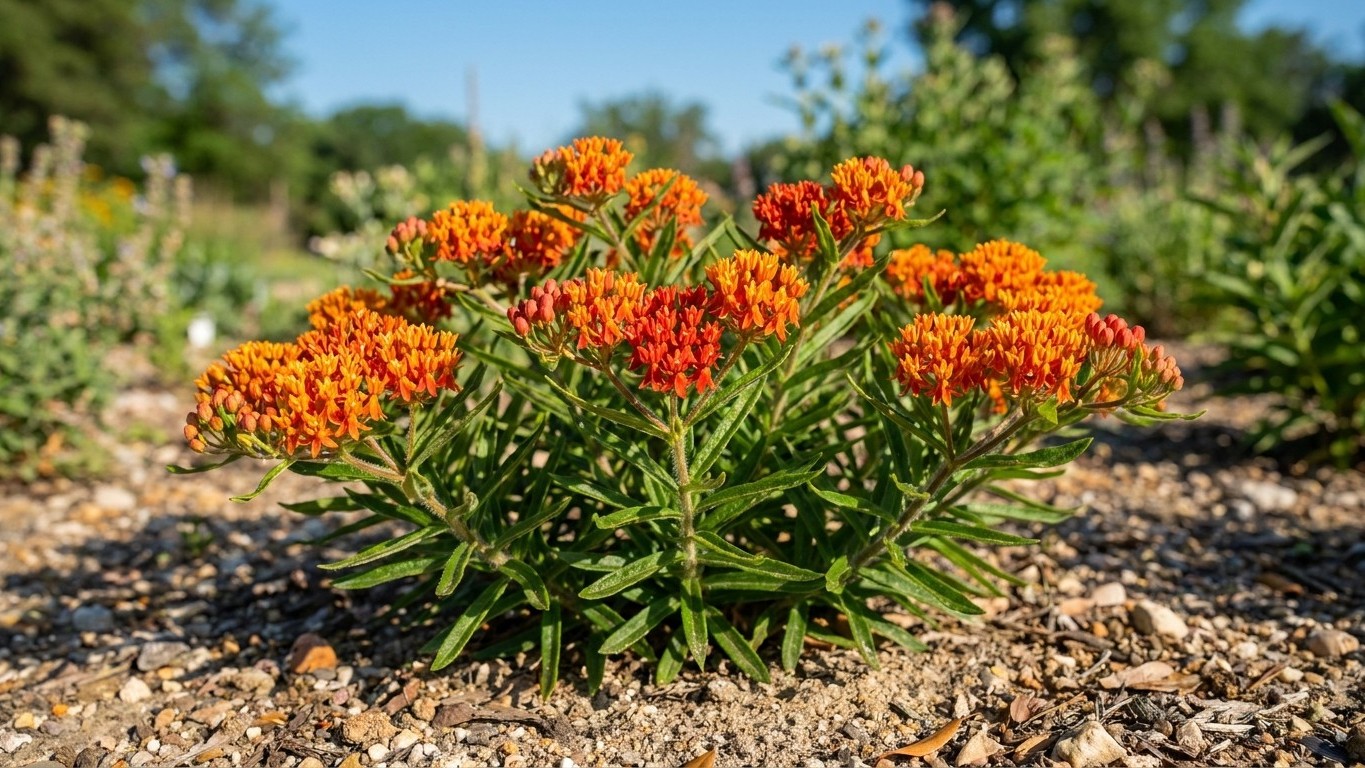
Asclepias tuberosa: Hardiness, Drainage and Dividing

Asclepias tuberosa: Hardiness, Drainage and Dividing

Asclepias tuberosa is a low, clump-forming perennial known almost as often by its common names, Butterfly Milkweed or Butterfly Weed, as by its botanical…
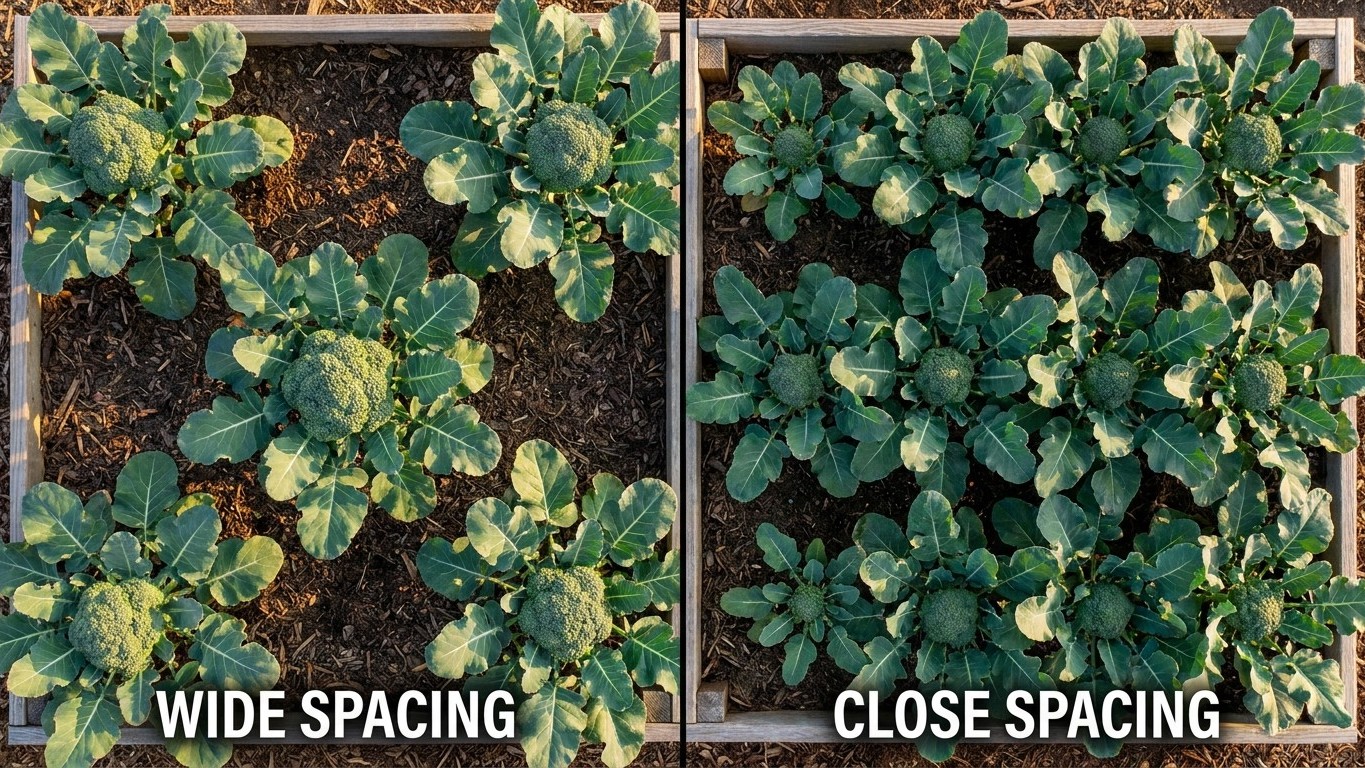
Broccoli Spacing: What Closer Rows Cost the Head

Broccoli Spacing: What Closer Rows Cost the Head

Utah State University Extension puts it plainly: broccoli can go in at the standard 12-18 inches between plants with rows 2-3 feet apart, or you can…

Older posts
Newer posts
← Previous Page1 … Page559 Page560 Page561 … Page1,077 Next →

The Homestead Post

Home and garden advice with the numbers attached — written for your climate, your season and your local rules.

Sections

  • Garden
  • Home Care
  • Energy
  • Pests
  • Decor
  • DIY

Popular states

  • California
  • Texas
  • Florida
  • New York
  • Pennsylvania
  • Ohio
  • Georgia
  • North Carolina
  • All states →

The Post

  • About us
  • Contact
  • Editorial guidelines
  • Affiliate disclosure
  • Privacy policy
  • Terms of use
© 2026 The Homestead Post·Home & garden, state by state