Will Carrots Fork in South Carolina Soil?
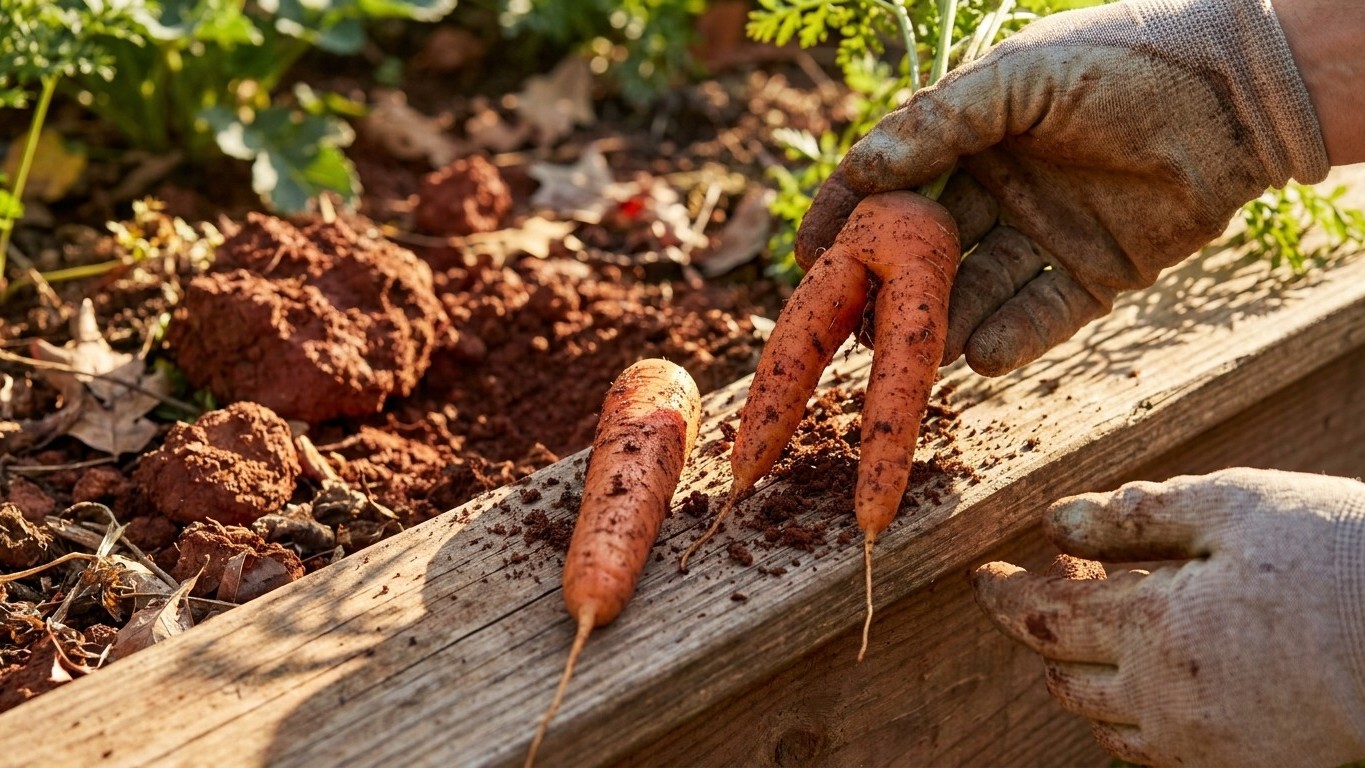
Yes, in this state’s representative soil carrots will almost certainly fork. That soil, the Bohicket series, runs 35 percent clay and drains so poorly…
Home & garden, state by state
Yes, in this state’s representative soil carrots will almost certainly fork. That soil, the Bohicket series, runs 35 percent clay and drains so poorly…
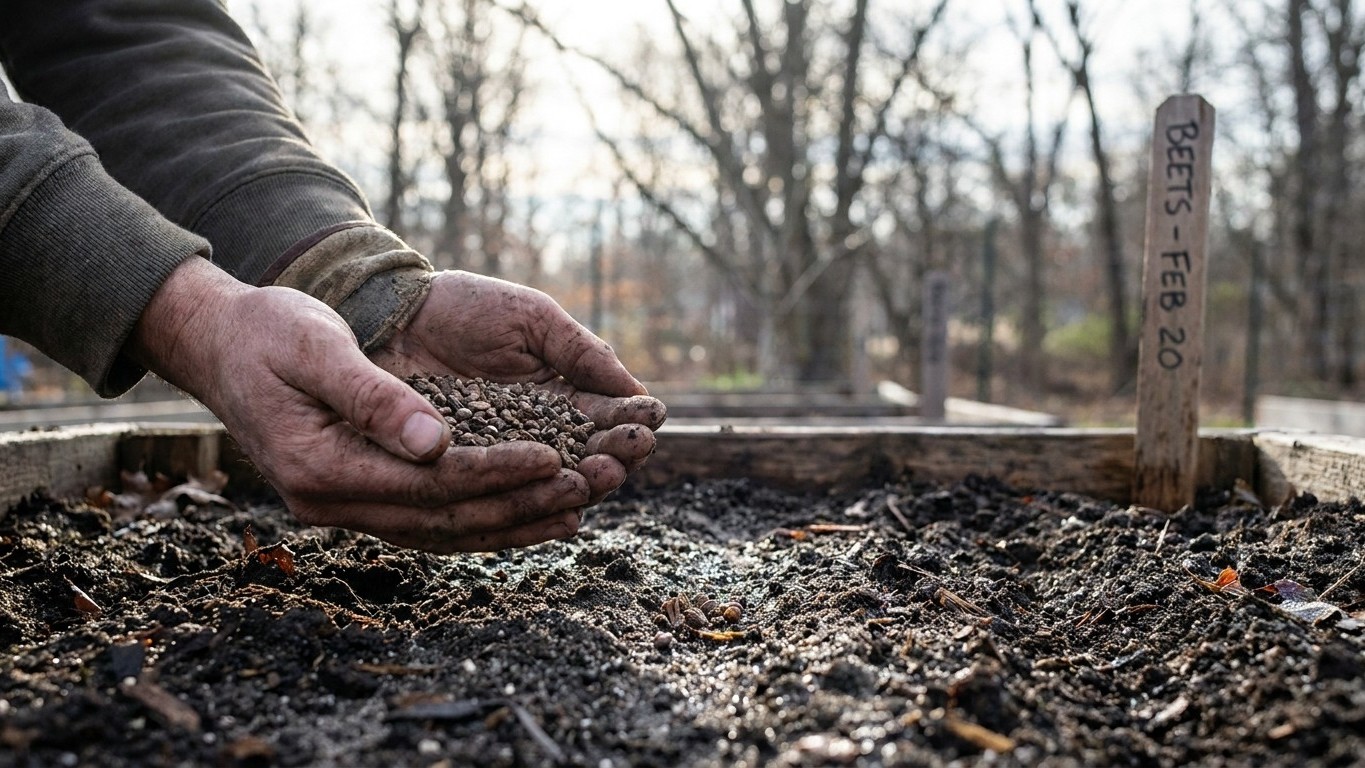
In most of South Carolina, beet seed goes into the ground between early February and early March, timed to land two to three weeks ahead of the last…
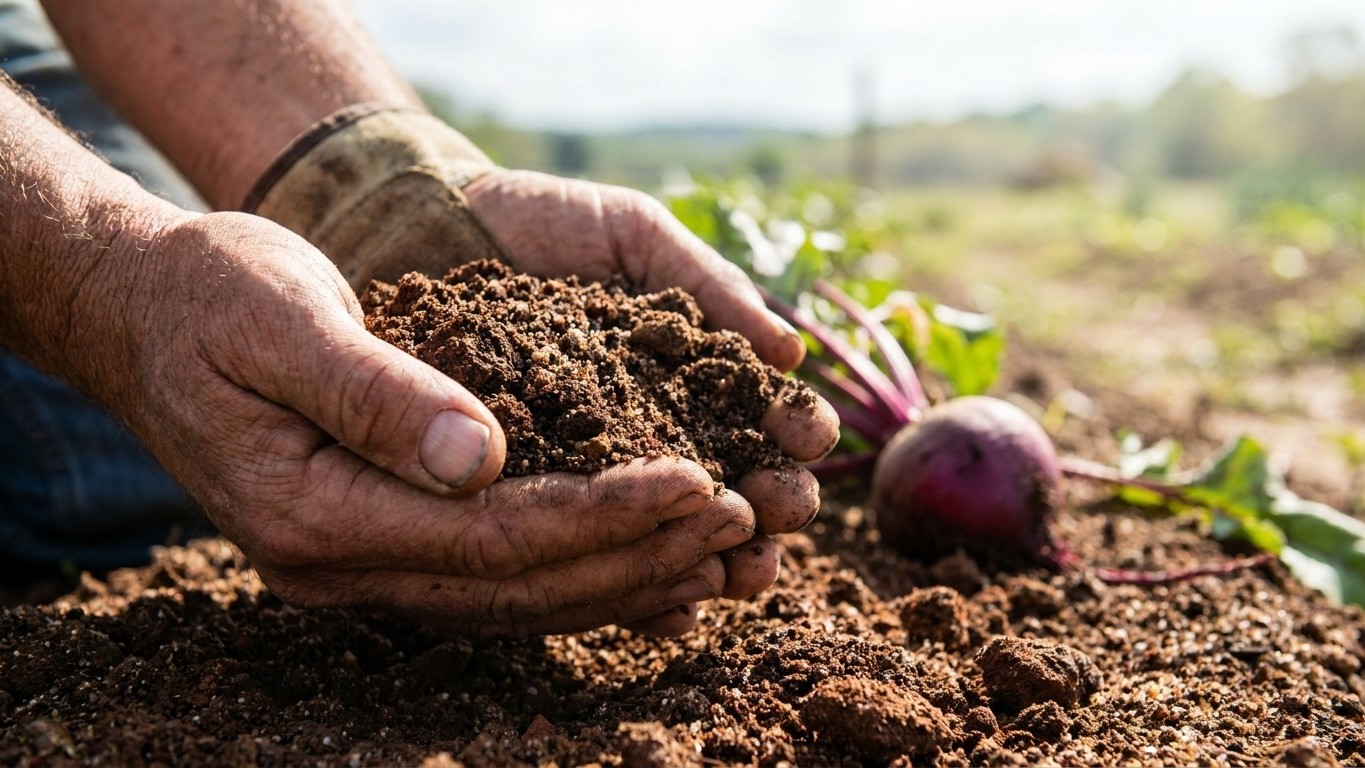
South Carolina’s representative soil is heavy clay, holds water instead of shedding it, and sits near neutral pH, which is close to the opposite of what…
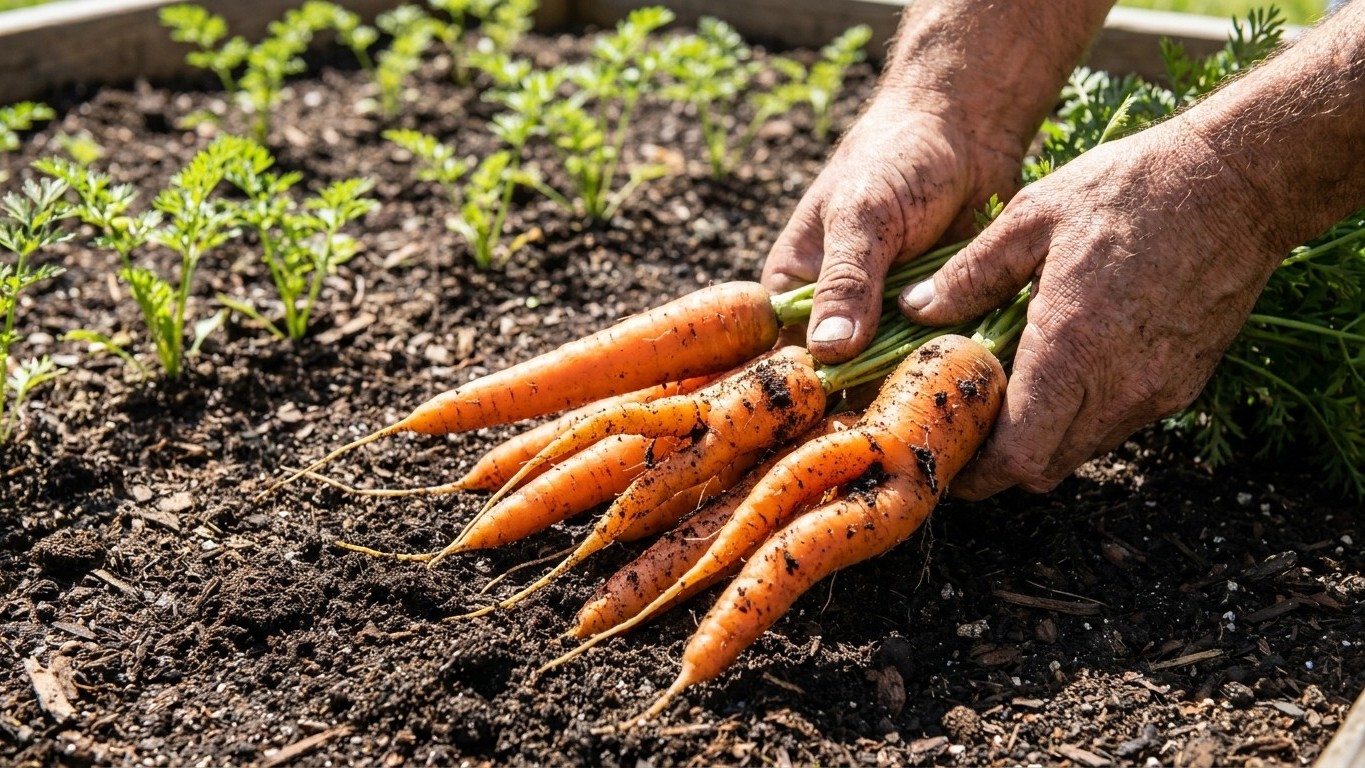
Carrots go into Saskatchewan ground as seed, not transplants, as soon as the soil can be worked in spring, since the crop tolerates cool soil and needs…
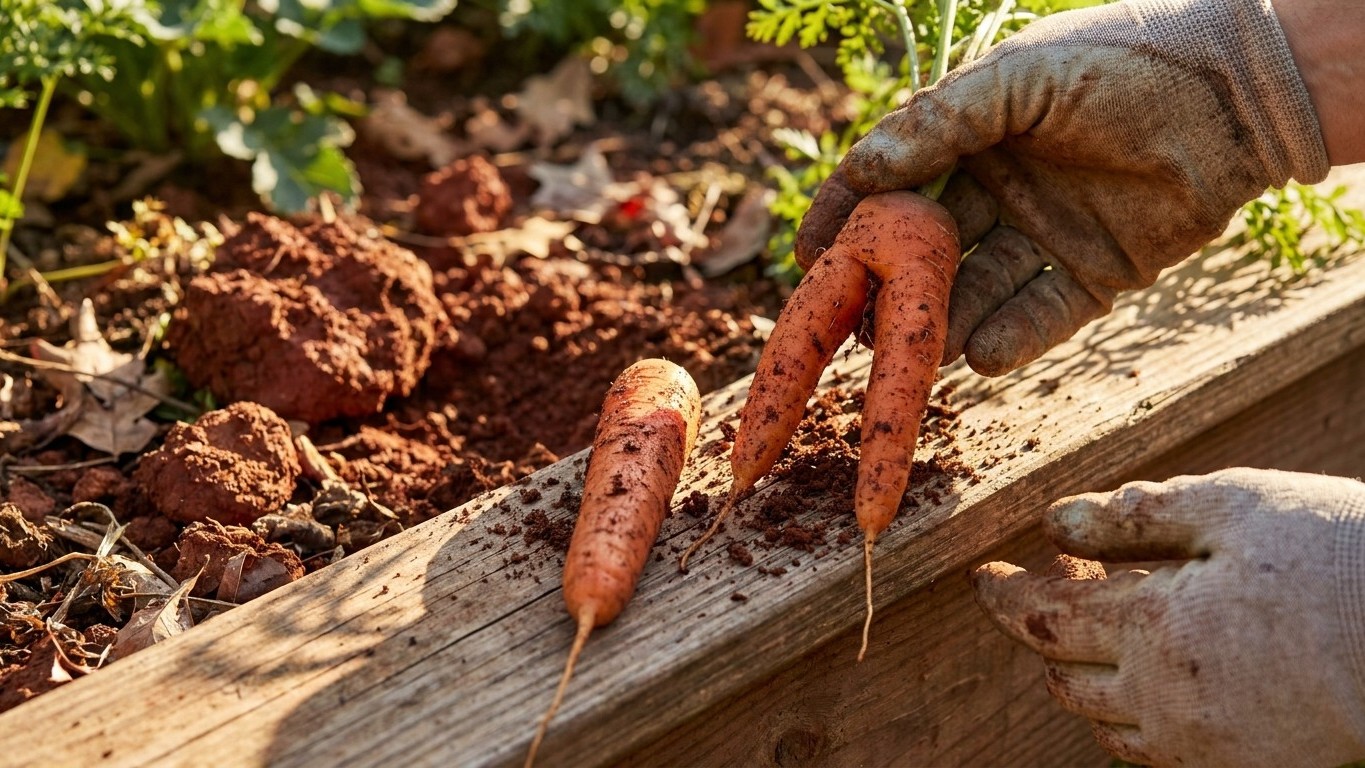
Saskatchewan’s dominant soil is a Chernozem, the dark, organic-rich prairie soil that covers 68 percent of the province’s mapped agricultural land.
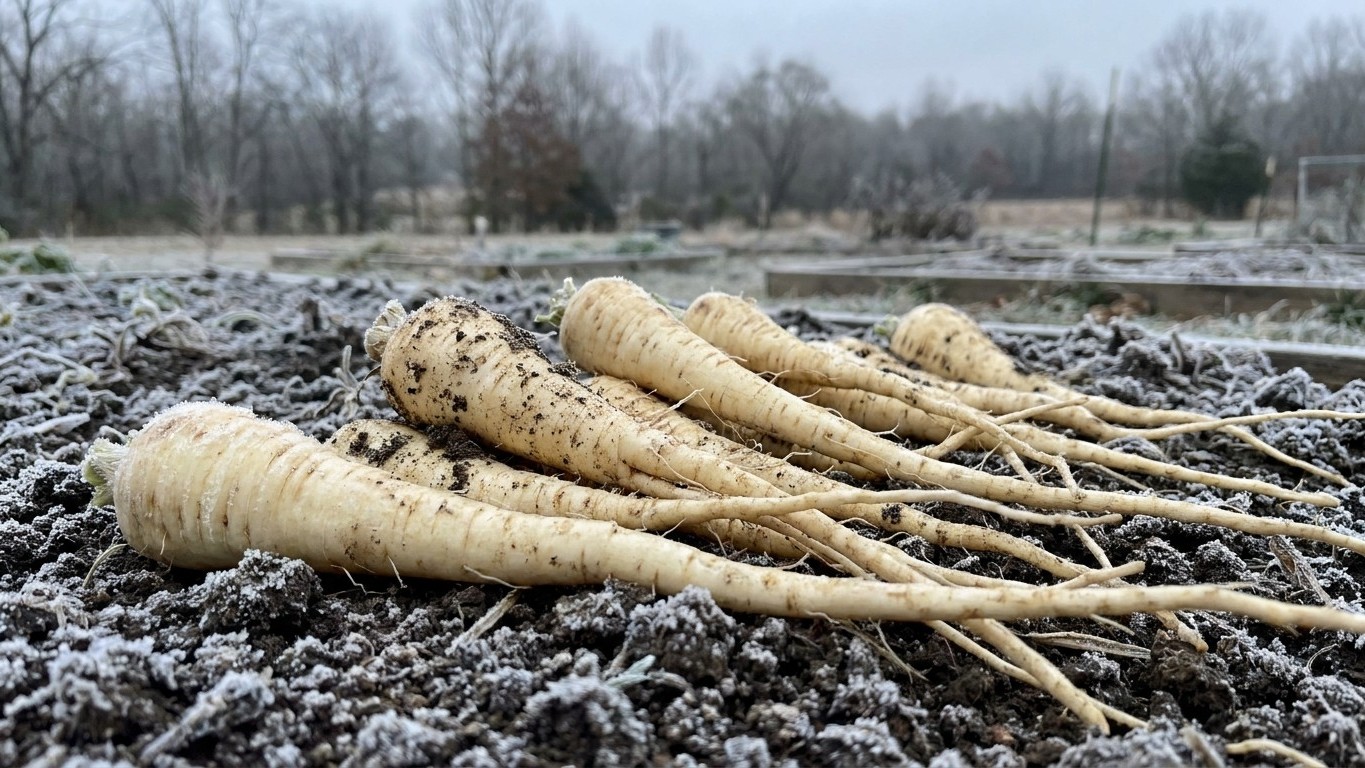
Yes, parsnips grown in Quebec have every reason to sweeten. The province delivers the kind of prolonged, deep-freeze winter that turns a parsnip’s stored…
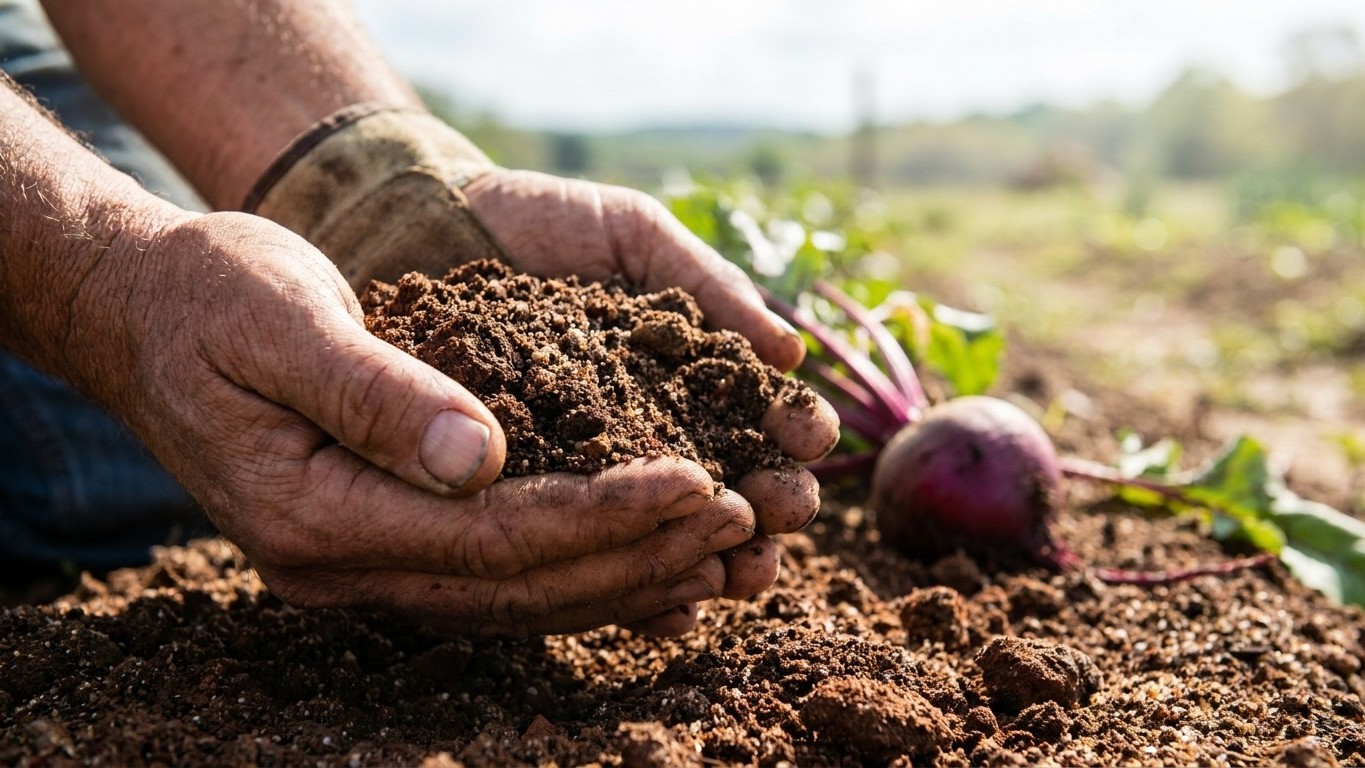
Saskatchewan’s dominant farmland soil is a Chernozem: dark, deep, well drained, running about 43 percent sand, 22 percent clay and 35 percent silt at the…
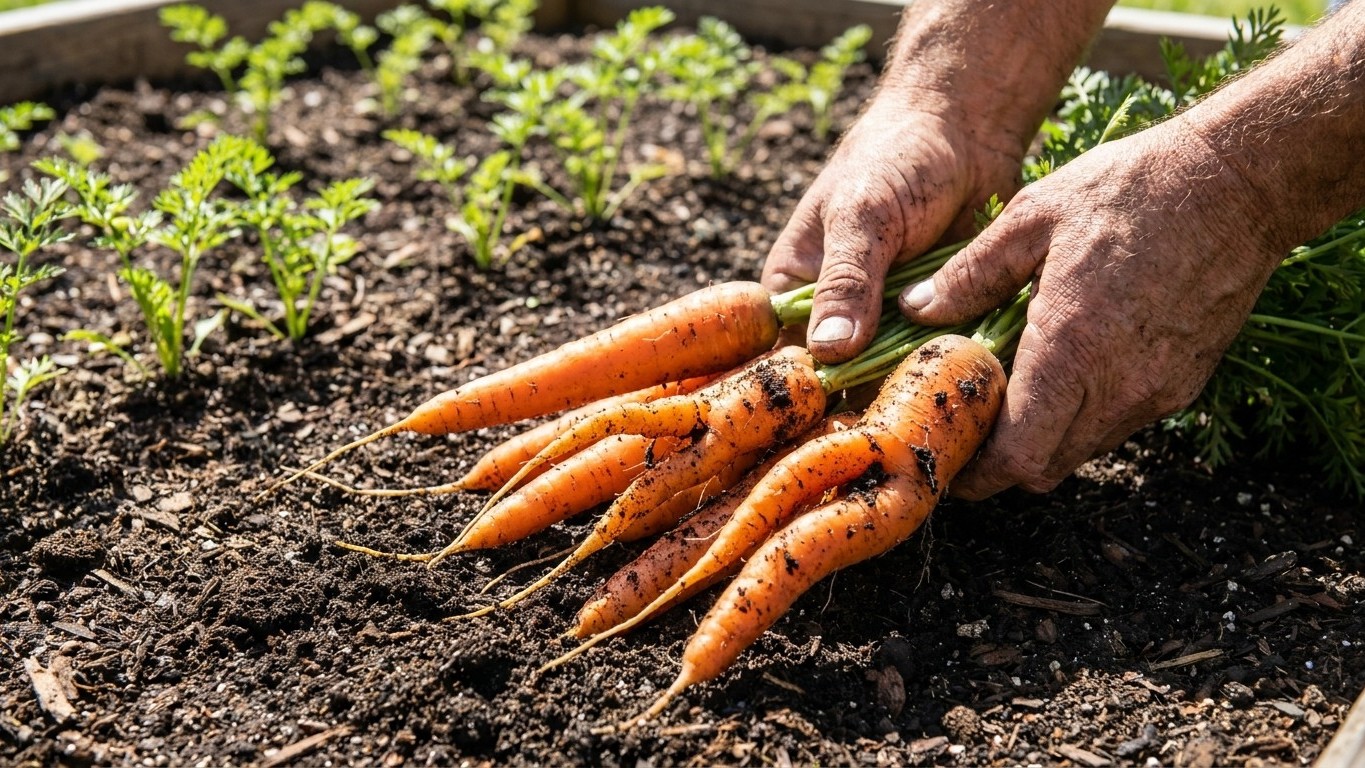
Rhode Island’s carrots don’t fail because gardeners plant on the wrong day. They fail because of what’s under the surface.
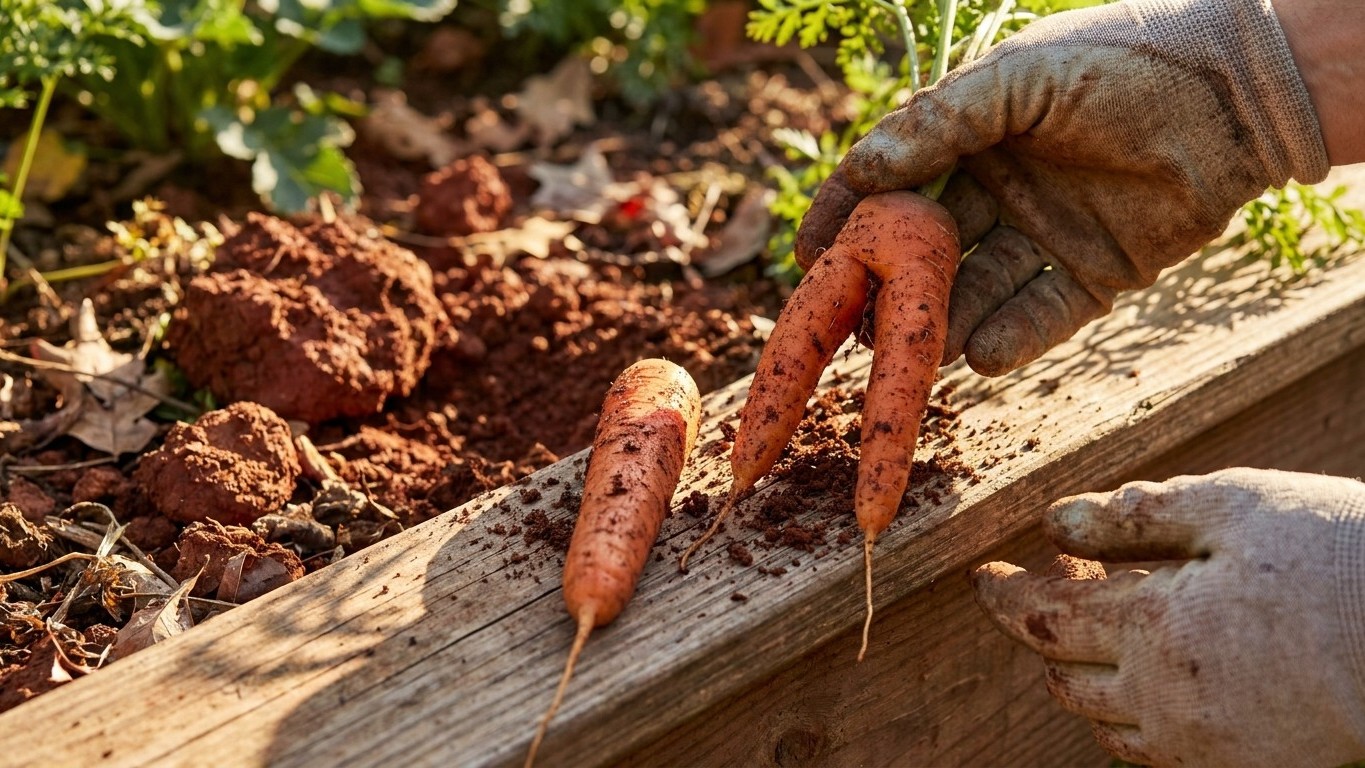
The soil that represents Rhode Island, the Narragansett series, is well drained, low in clay and closer to loam than to heavy ground.
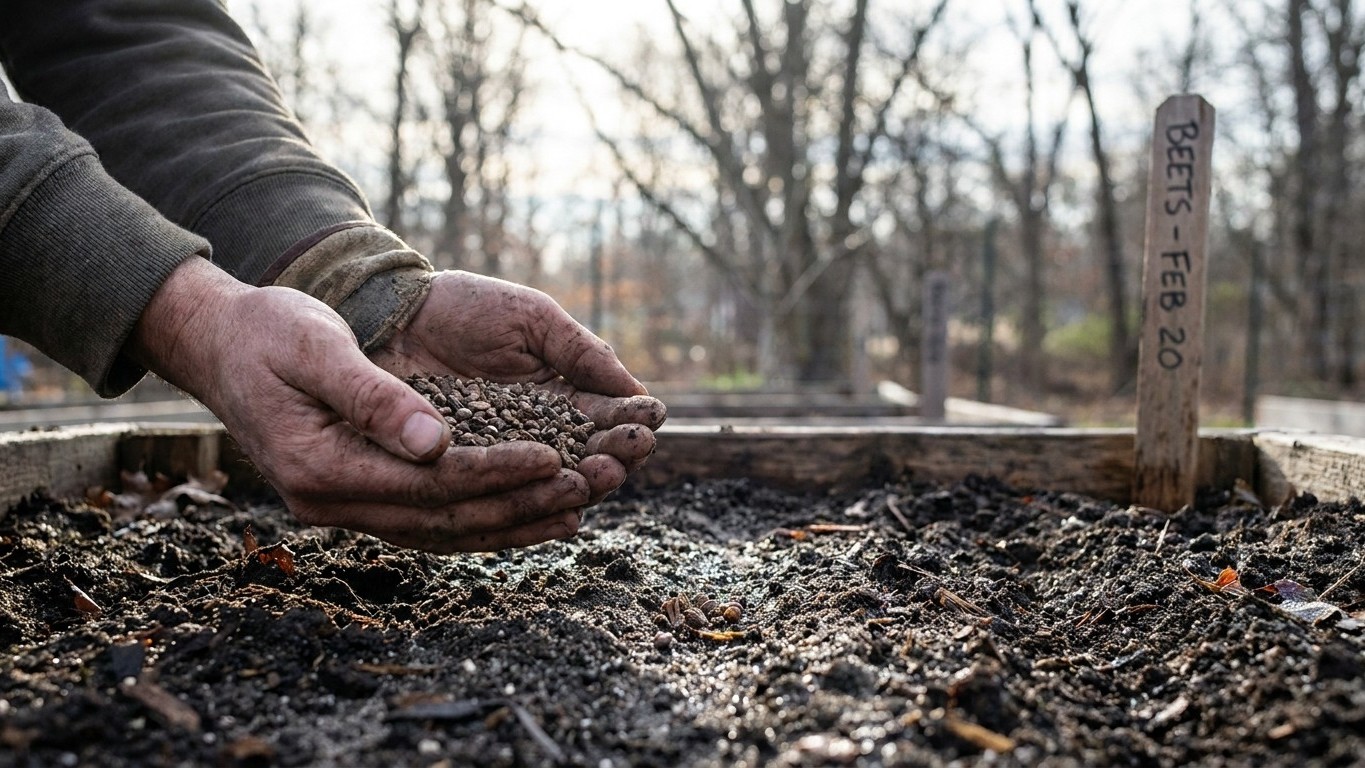
In Rhode Island, the safest window to sow beets outdoors runs from about mid-March through the first days of April, roughly two to three weeks ahead of…