Growing Parsnips in South Dakota: Will They Sweeten?
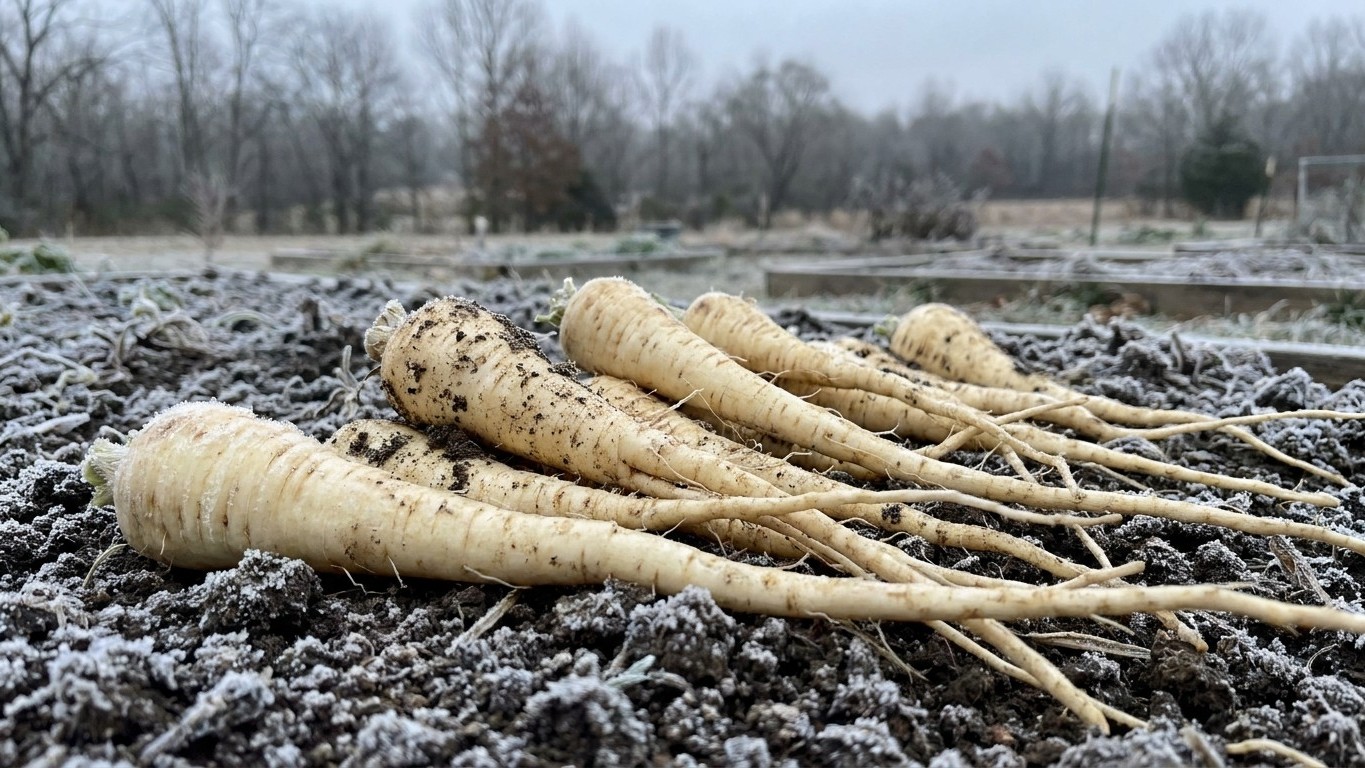
Parsnips grown in South Dakota will sweeten, and they’ll do it reliably. The winters here are cold enough, and long enough, to deliver the frosty stretch…
Home & garden, state by state
Parsnips grown in South Dakota will sweeten, and they’ll do it reliably. The winters here are cold enough, and long enough, to deliver the frosty stretch…
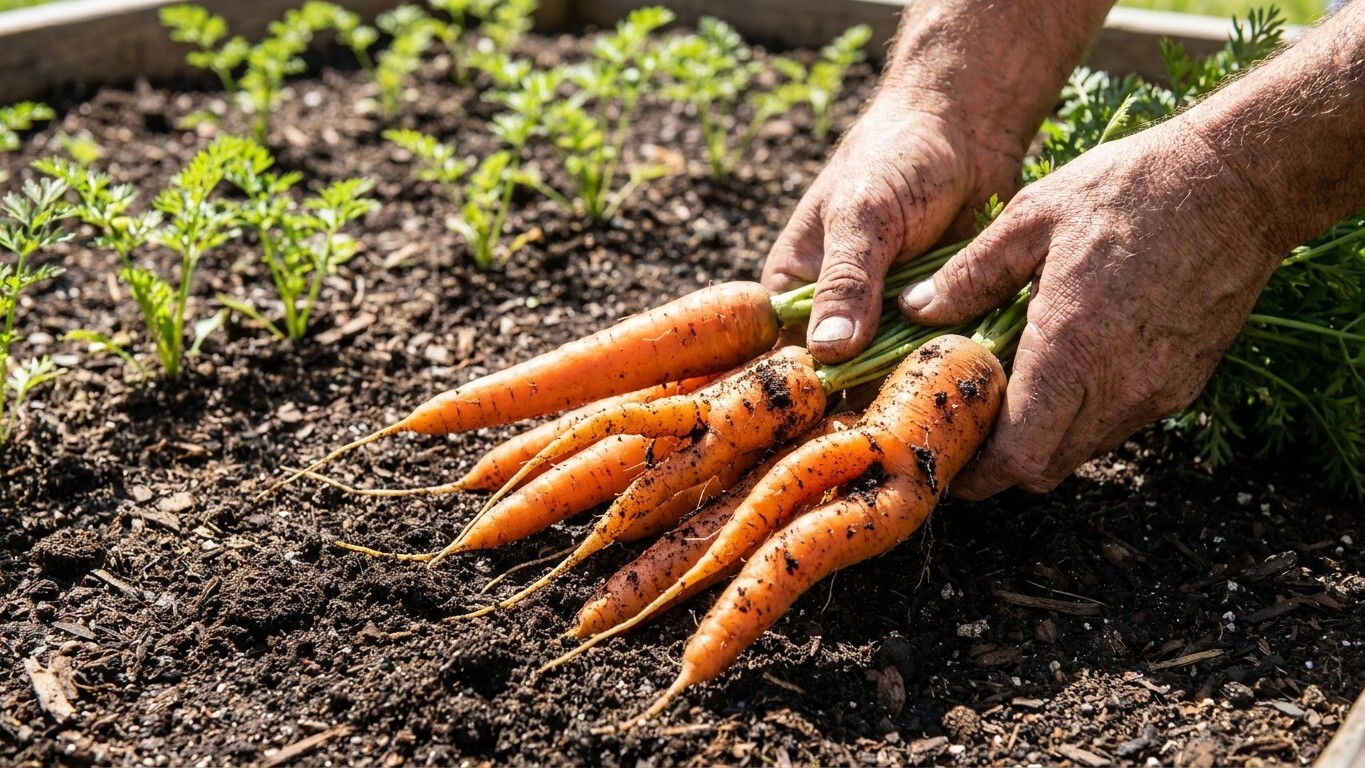
Utah gardeners can’t rely on one statewide sowing date because frost timing swings wildly with elevation, from valley floors that clear by mid-spring to…
Probably not, and that’s the surprise. The soil USDA lists as representative of Utah is sandy and well drained, the opposite of the dense, rocky ground…
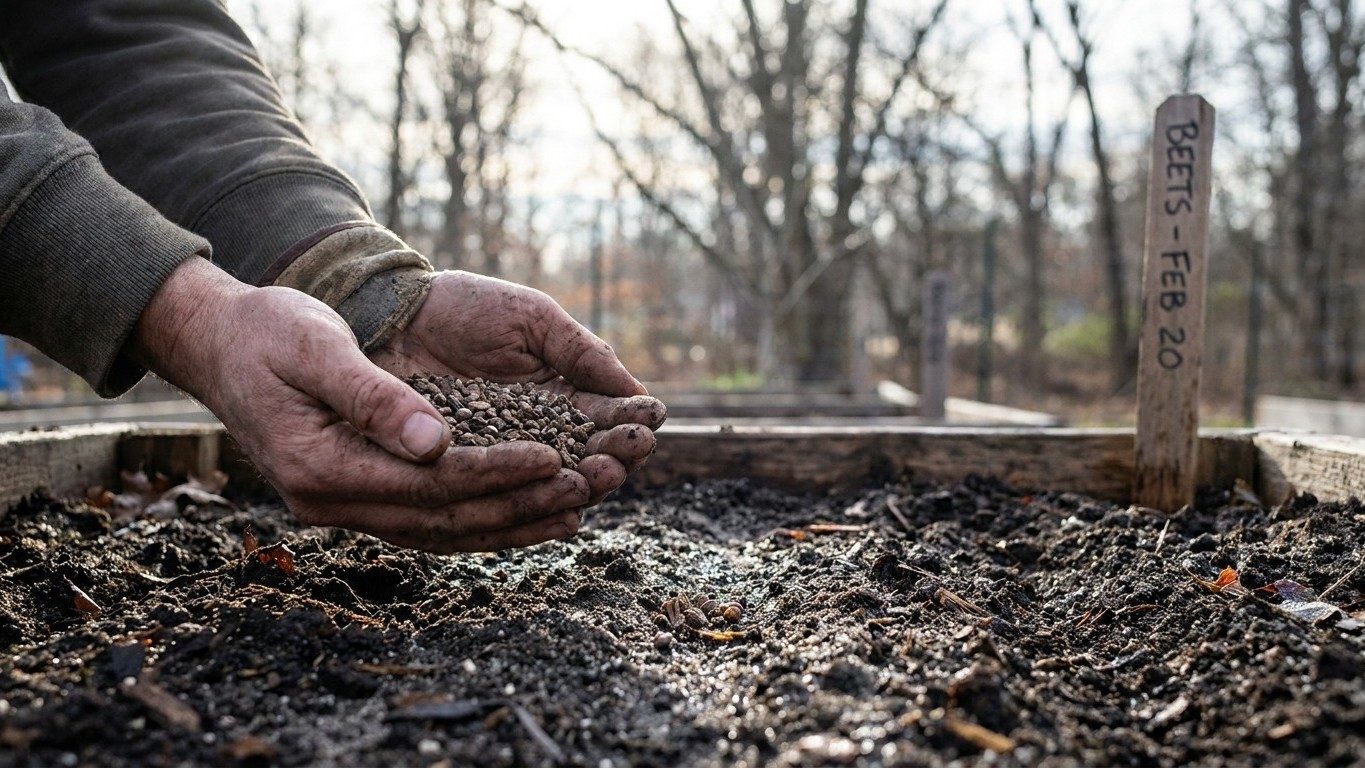
Beet seed goes into Utah ground about two to three weeks before the last spring frost.
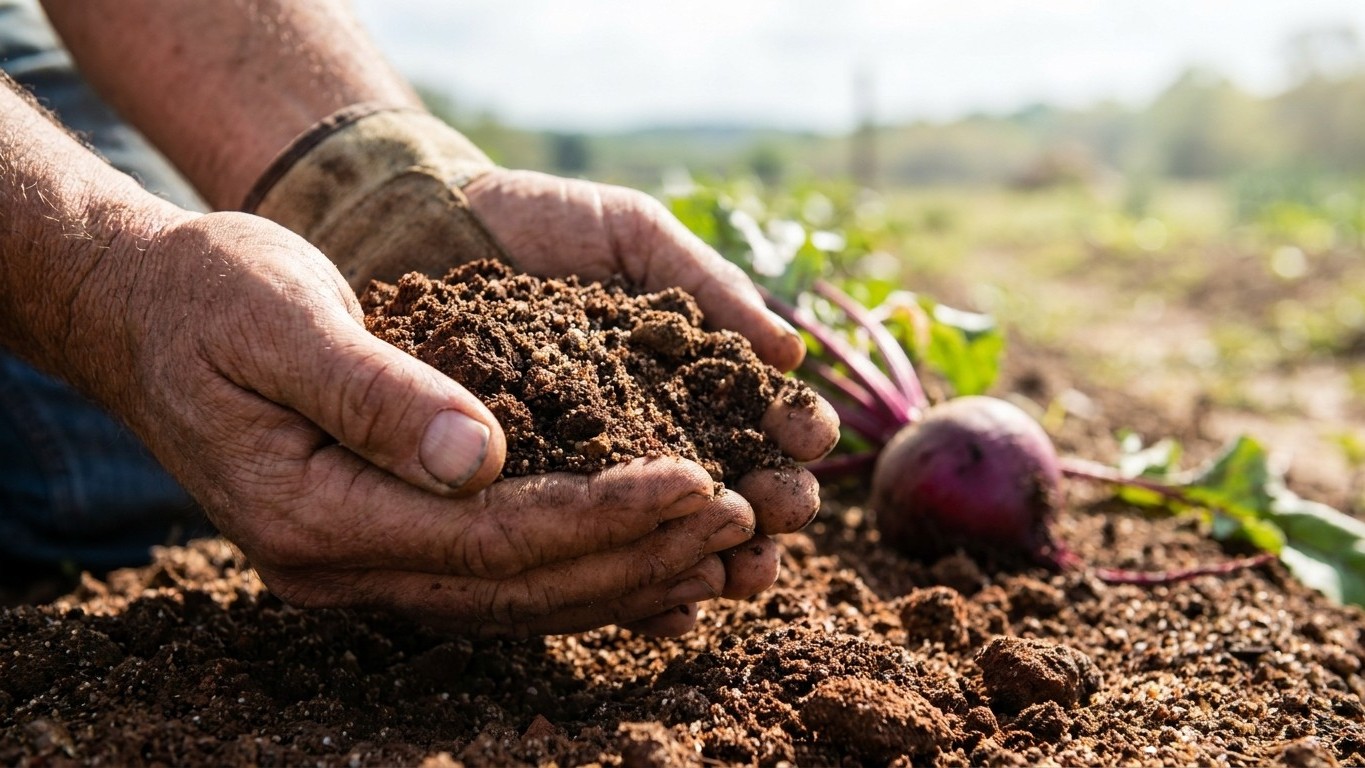
Utah’s benchmark soil, the Mivida series, is sandy and alkaline, draining fast and holding little organic matter.
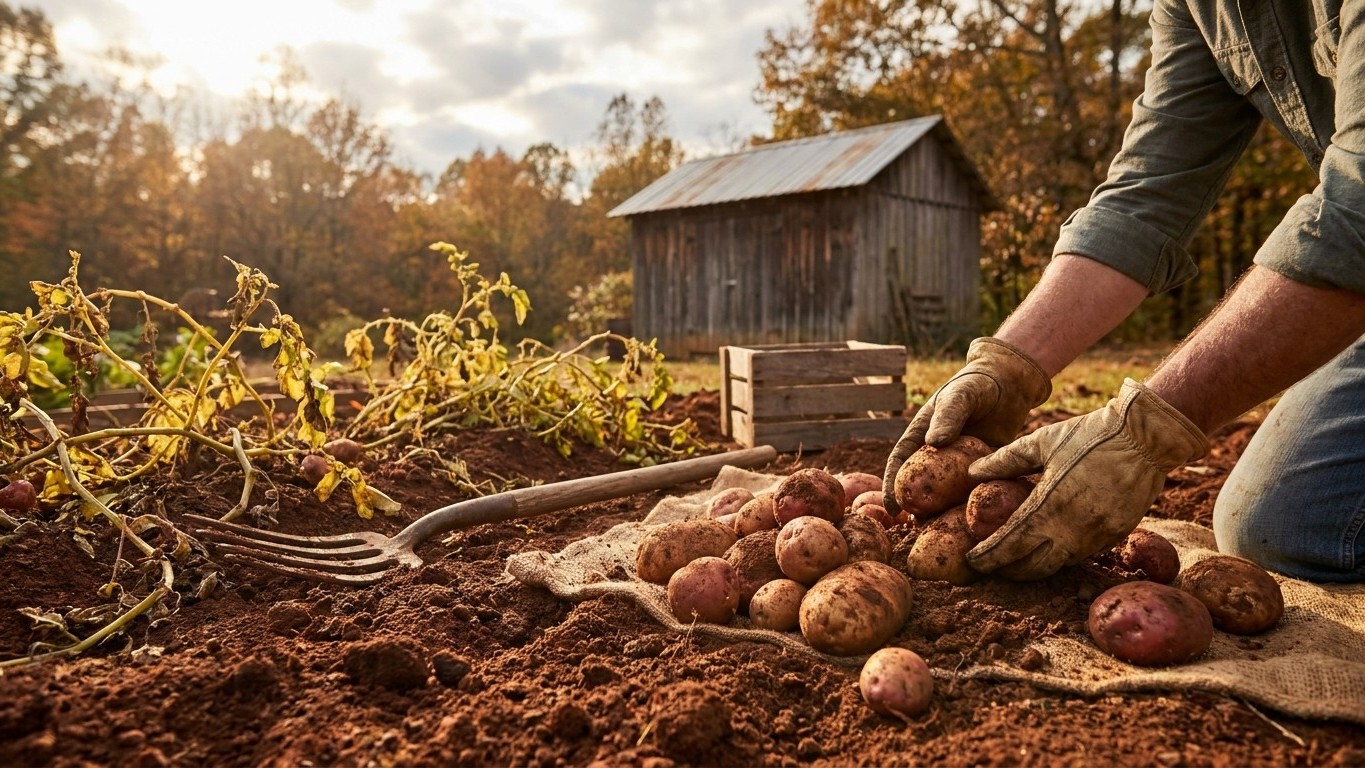
In the Houston area, first fall frost typically arrives between December 1 and December 19, and the coldest month averages a nightly low of 43.7 F.
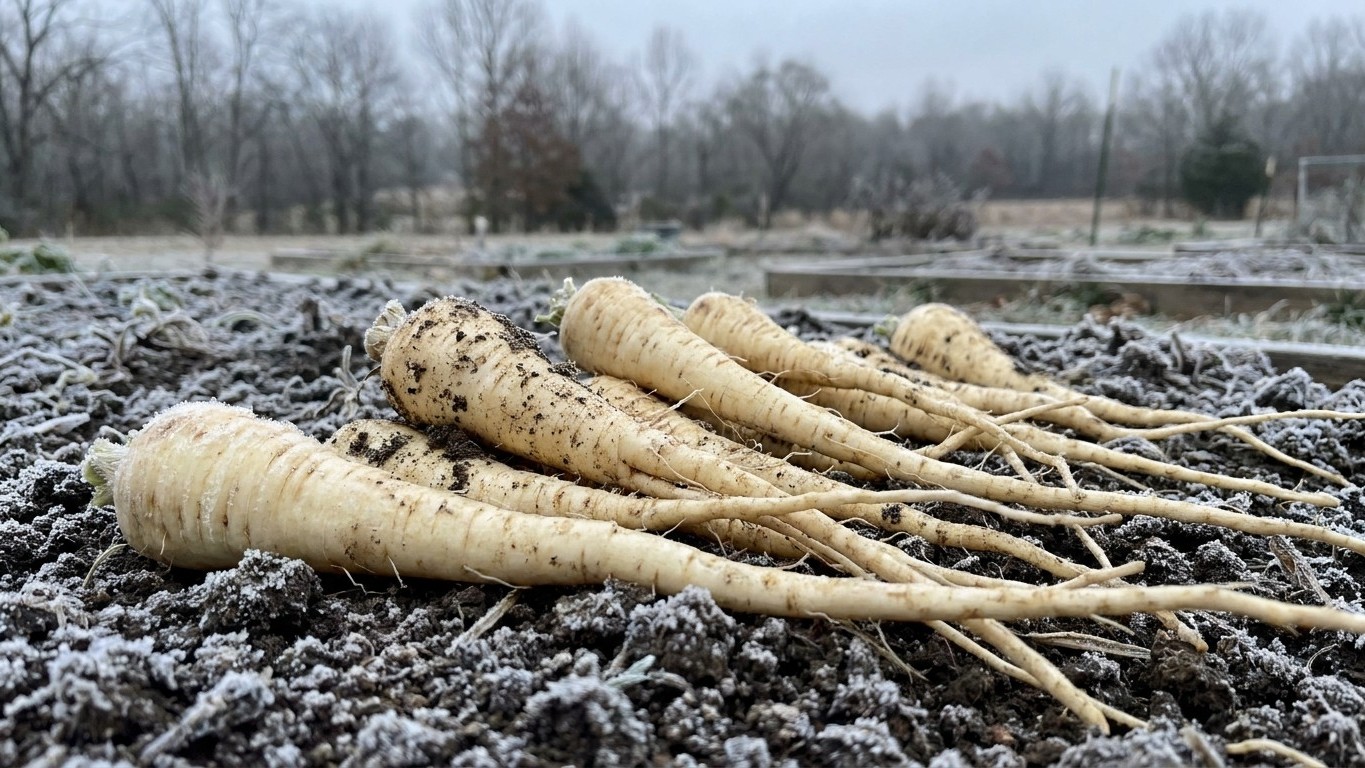
Parsnips will grow across South Carolina without much trouble, but sweetening is a different question.
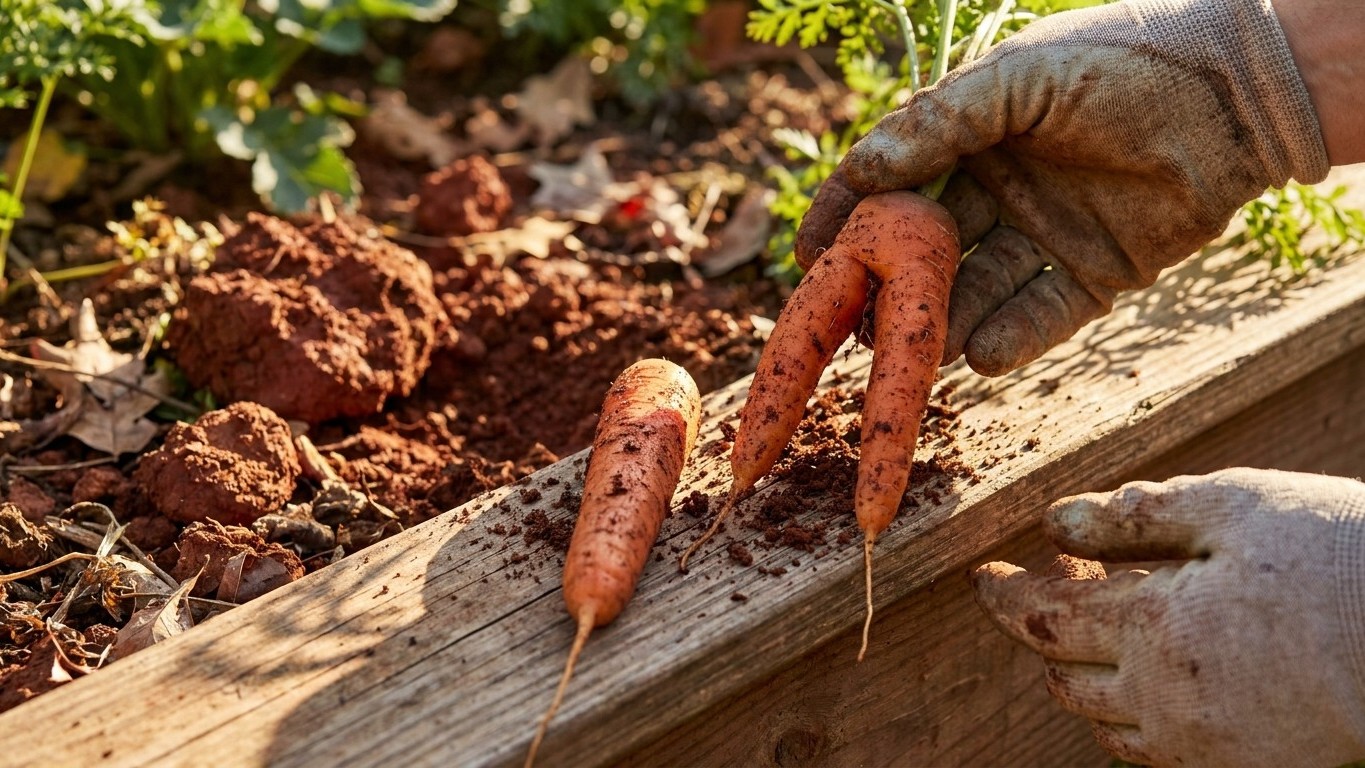
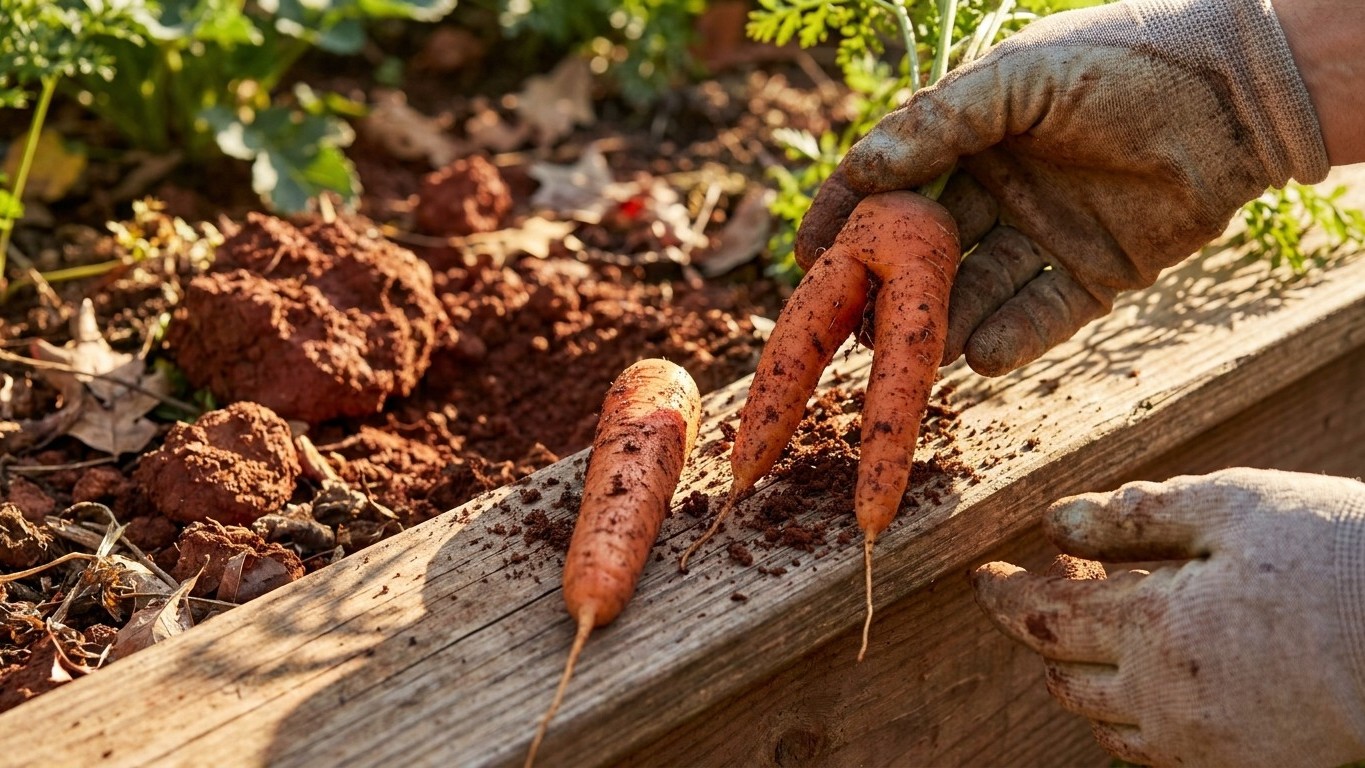
The straightforward answer: on Texas’s representative soil, yes, carrots are likely to fork unless the ground gets amended or the bed gets raised.
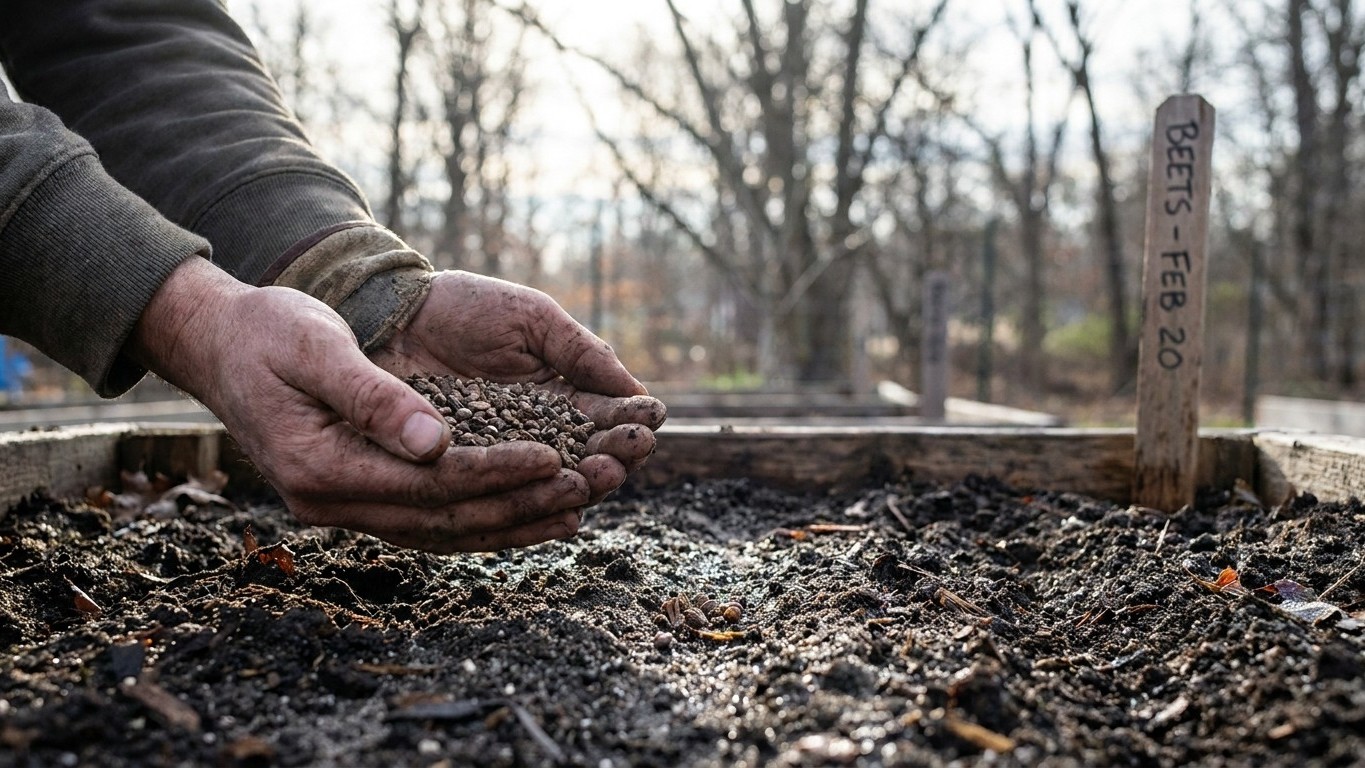
In the Houston area, beet seed goes into the ground about two to three weeks before the last spring frost, which NOAA’s 30-year data puts between…
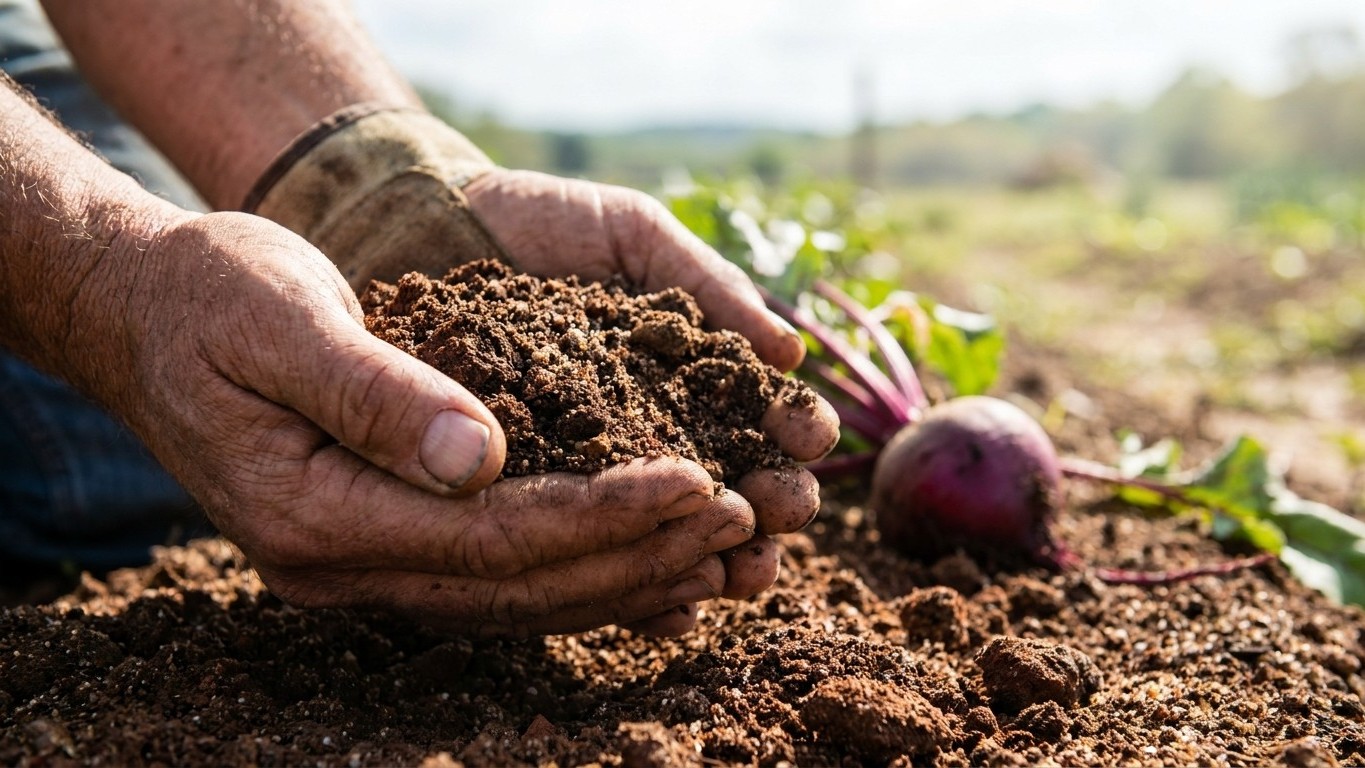
Texas’s representative soil is Houston Black, a heavy clay that cracks when dry and turns to glue when wet, alkaline and dense in a way that fights the…