Beet Soil in Oklahoma: What the Root Will Meet
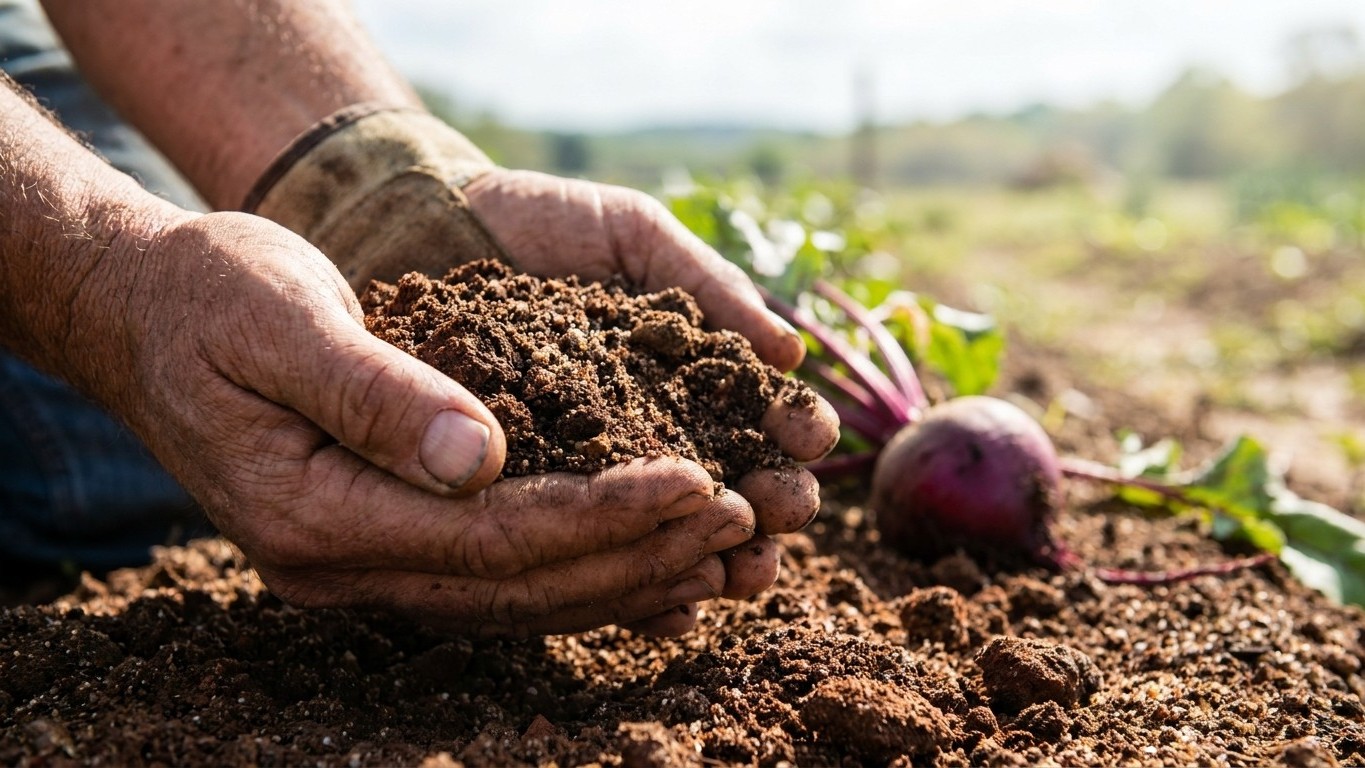
Oklahoma’s state soil, the Port series, is well drained, near neutral, and silty rather than sandy, which covers half of what a beet root asks for.
Home & garden, state by state
Oklahoma’s state soil, the Port series, is well drained, near neutral, and silty rather than sandy, which covers half of what a beet root asks for.
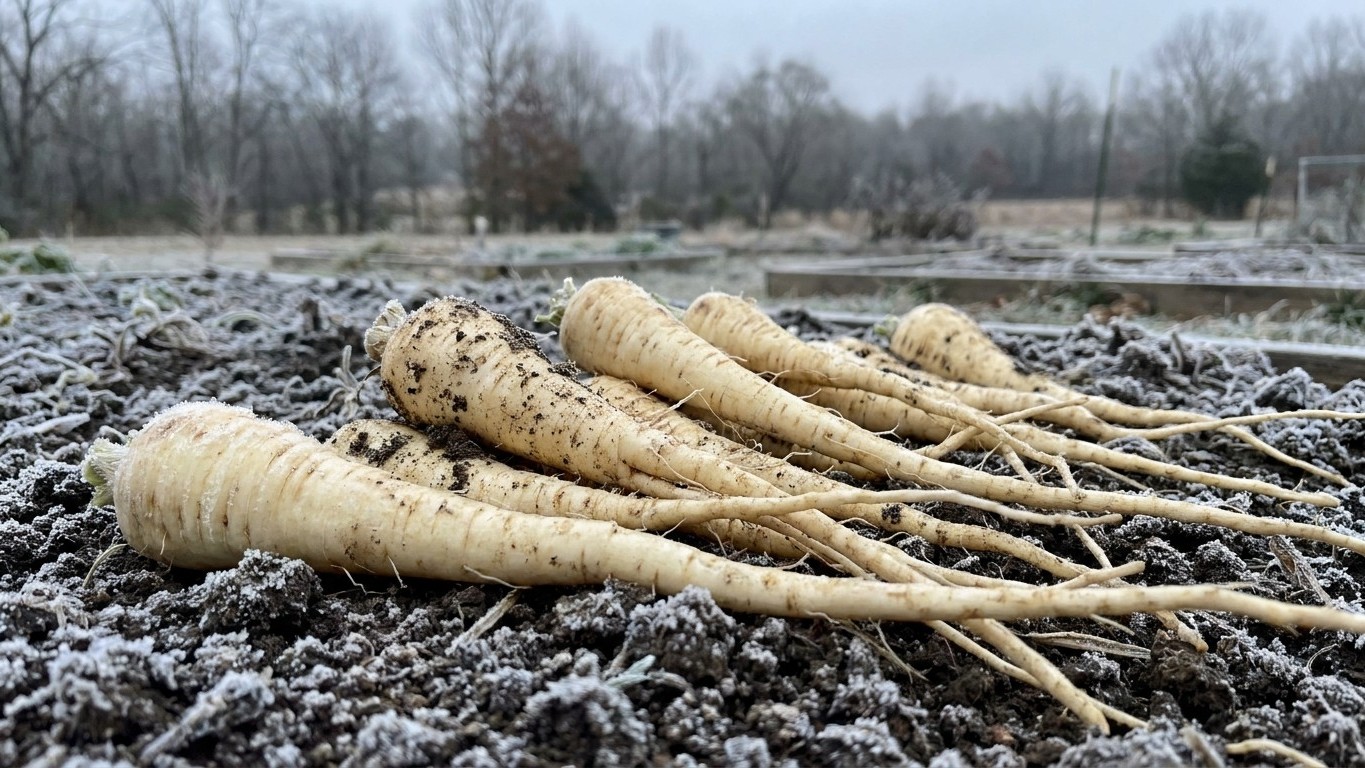
Oklahoma City’s coldest month averages a nightly low of 27°F, and that number alone answers the sweetening question: this state delivers real, sustained…
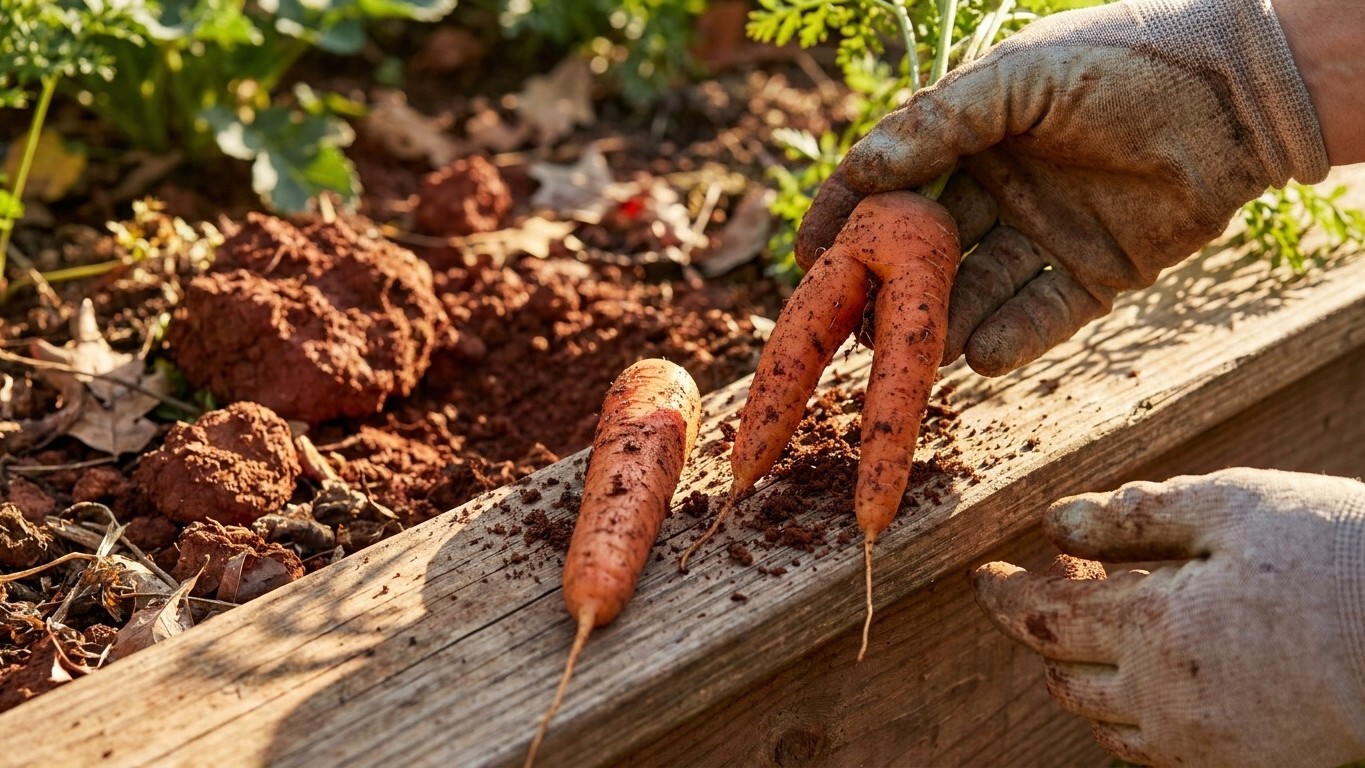
Ohio’s representative soil, the Miamian series, is a well-drained silt loam with only moderate clay.
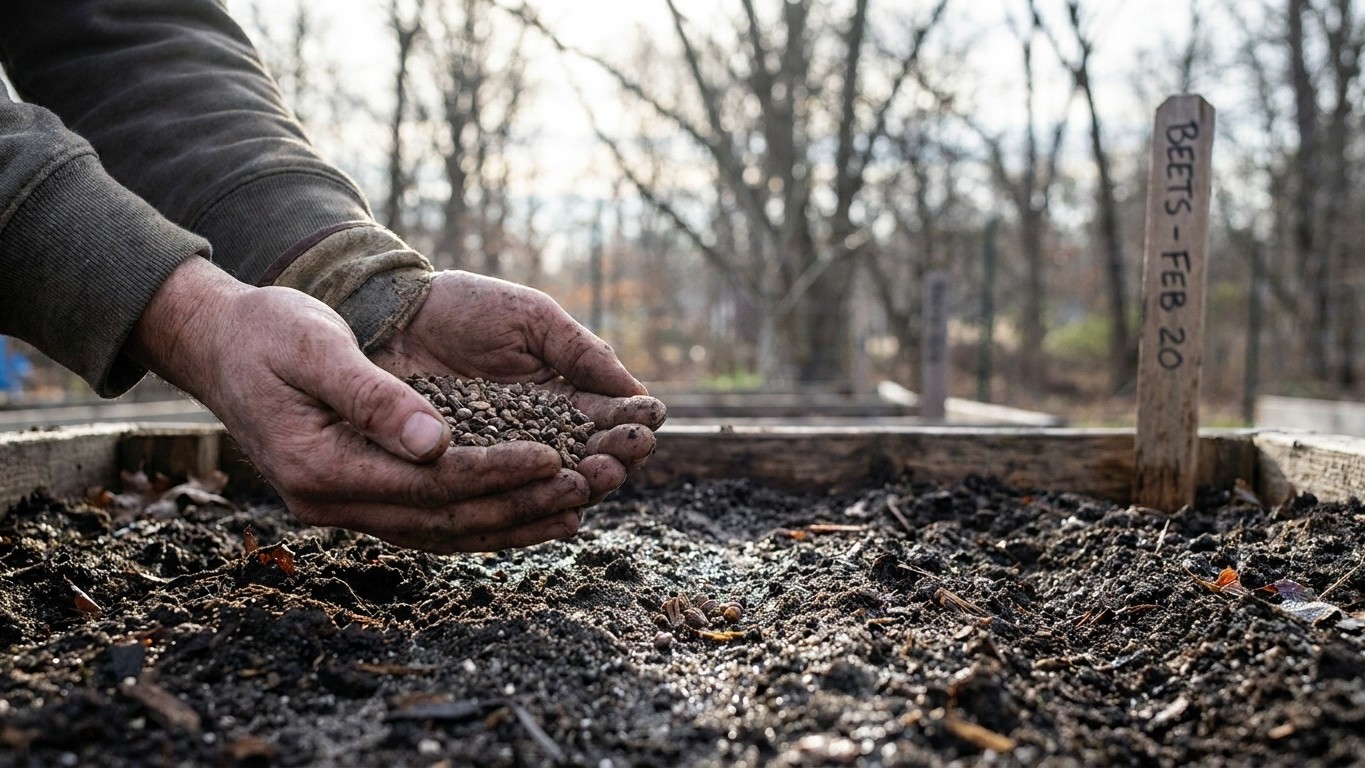
The direct answer: sow beet seed in Ohio 2 to 3 weeks before your local last spring frost date, which runs May 5 to May 15 across the state’s zone 6a…
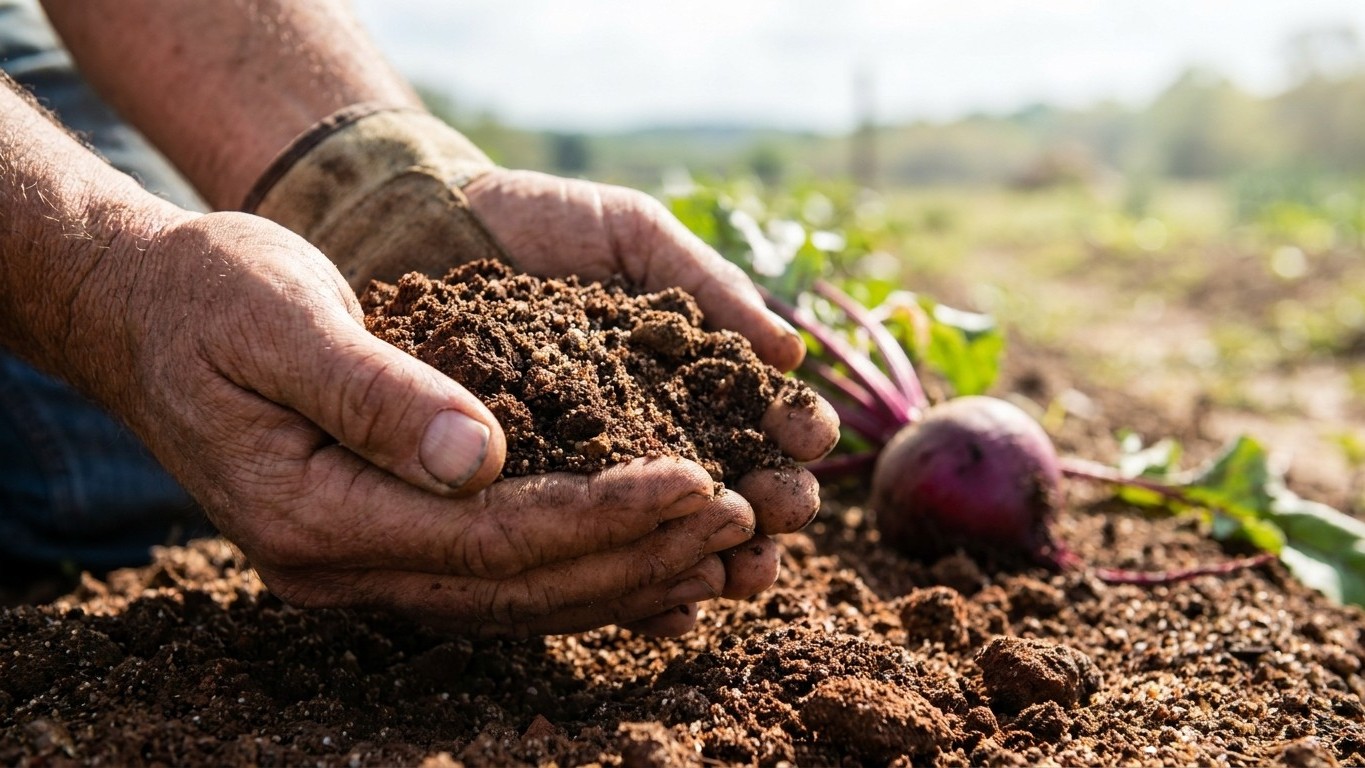
Ohio gardeners working the state’s representative ground get a soil that’s structurally decent for root crops but not the loose, sandy profile beets…
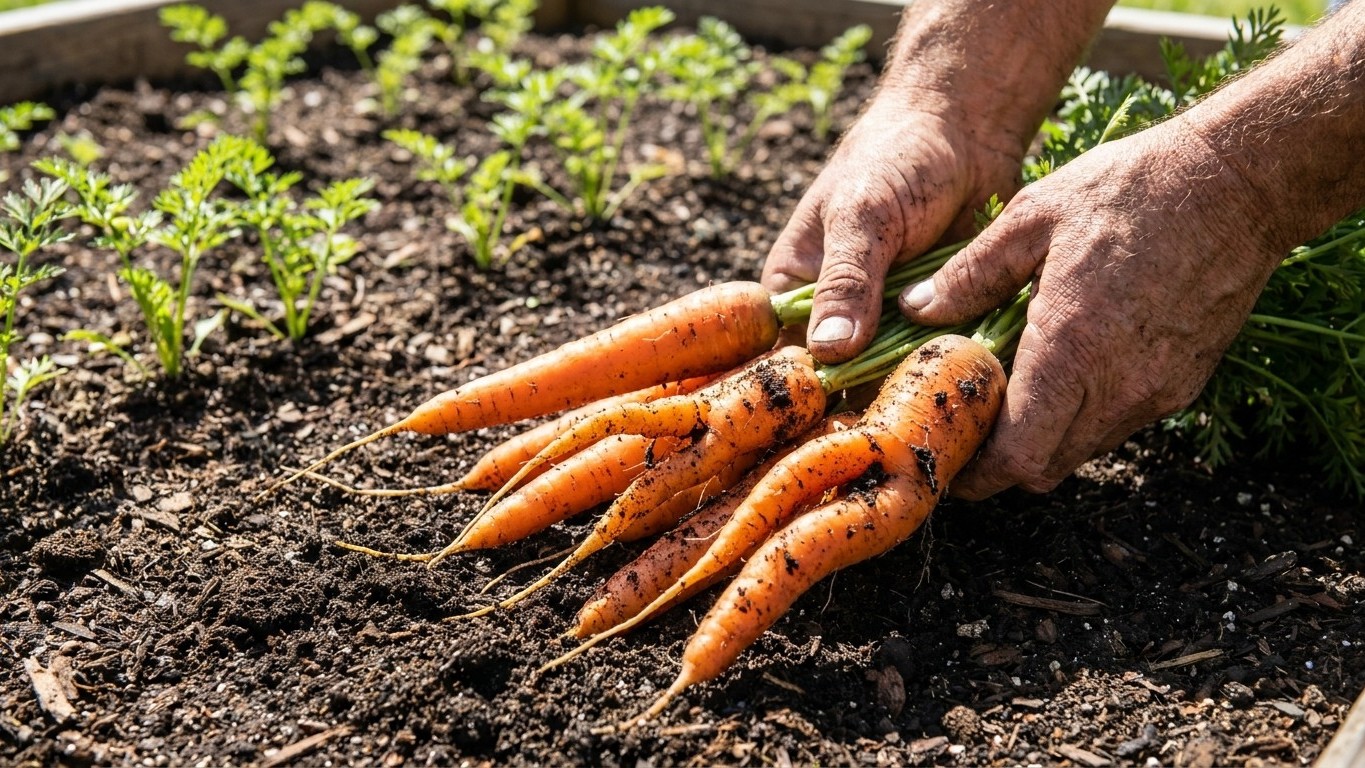
Nova Scotia gardeners often plan carrot sowing by counting backward from the average last spring frost date, since a young carrot seedling shrugs off a…
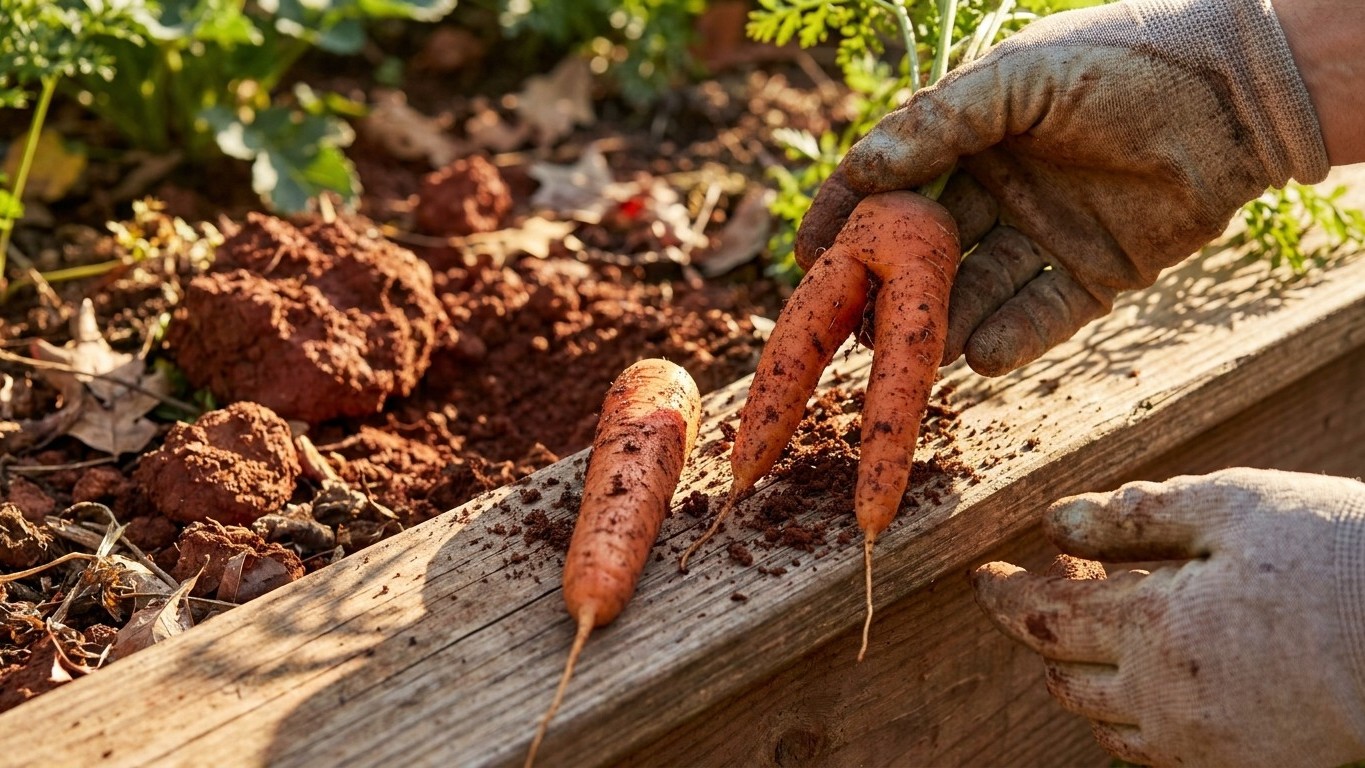
Nova Scotia’s most common soil, a Podzol, runs light on clay and heavy on drainage trouble.
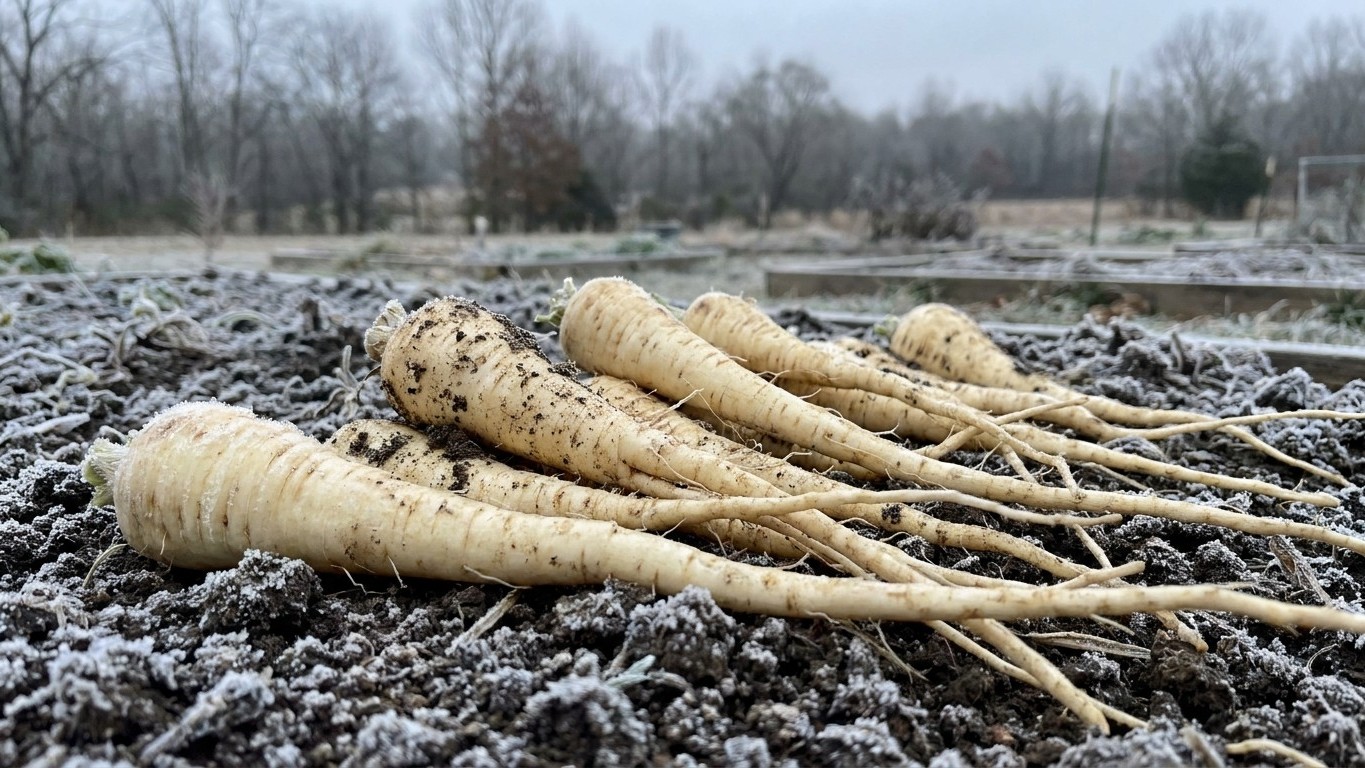
Yes, Ohio’s parsnips will sweeten. The state’s winters bring the sustained cold parsnips need to convert their stored starch into sugar, and the growing…
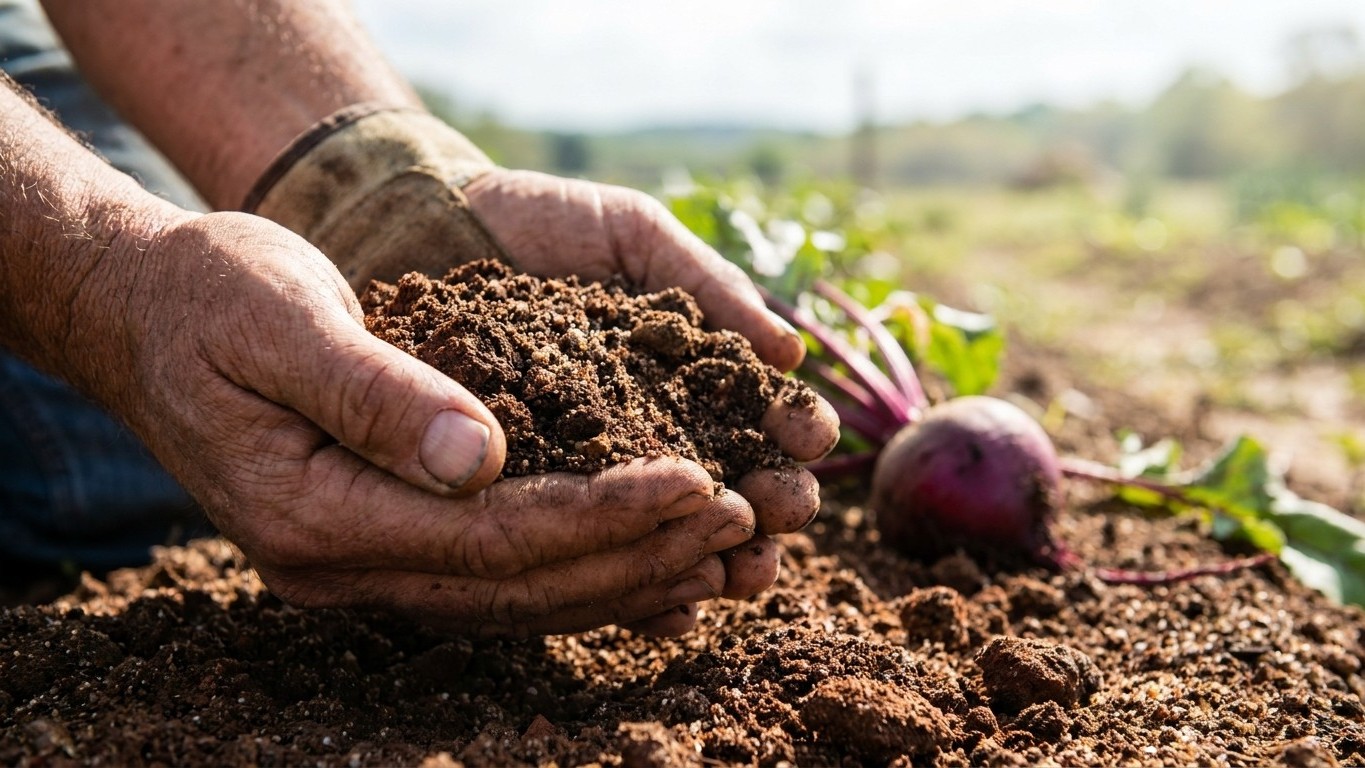
Nova Scotia’s dominant mapped soil is a strongly acid Podzol, sitting around pH 5.2, with a texture that leans loamy (52 percent sand, 10 percent clay…
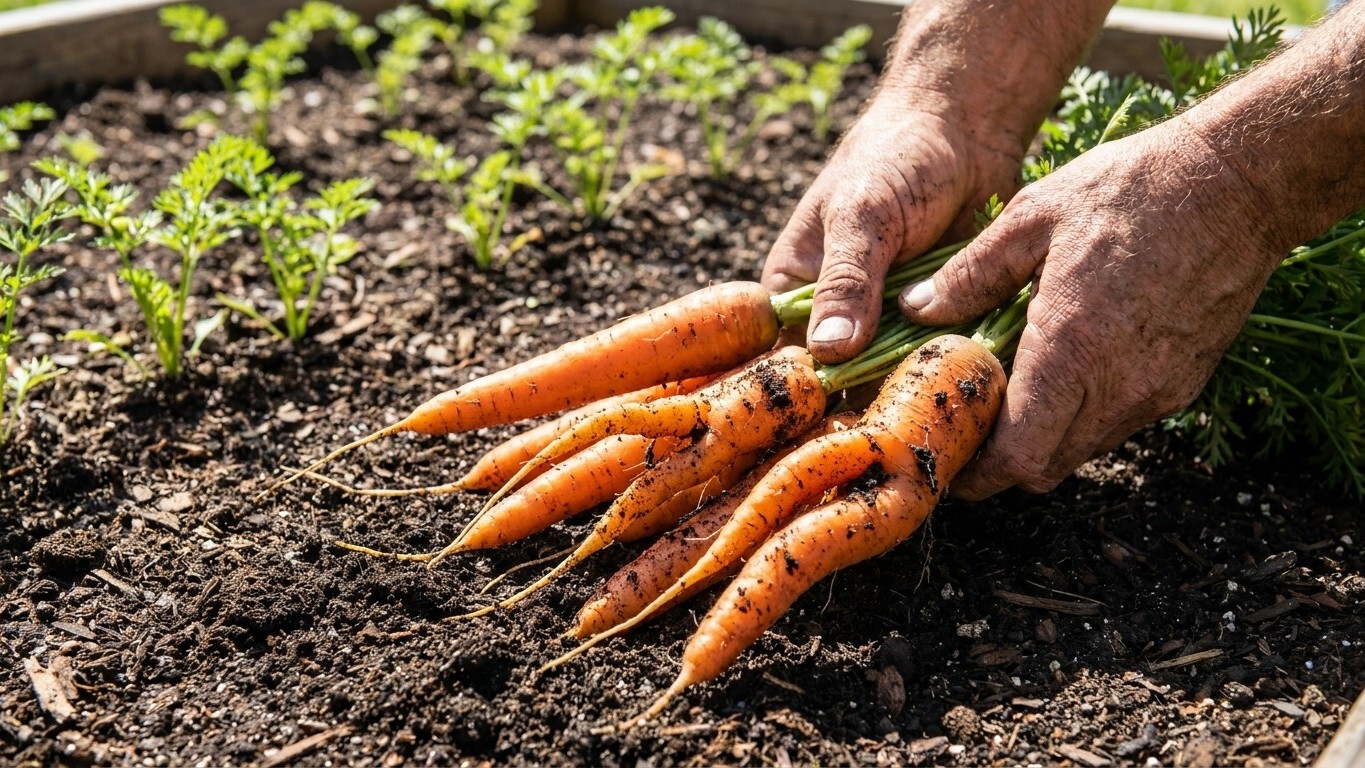
The short answer: sow carrots in the Northwest Territories as soon as the ground thaws enough to work, counting back from your community’s last spring…