Will Carrots Fork in New Hampshire Soil?
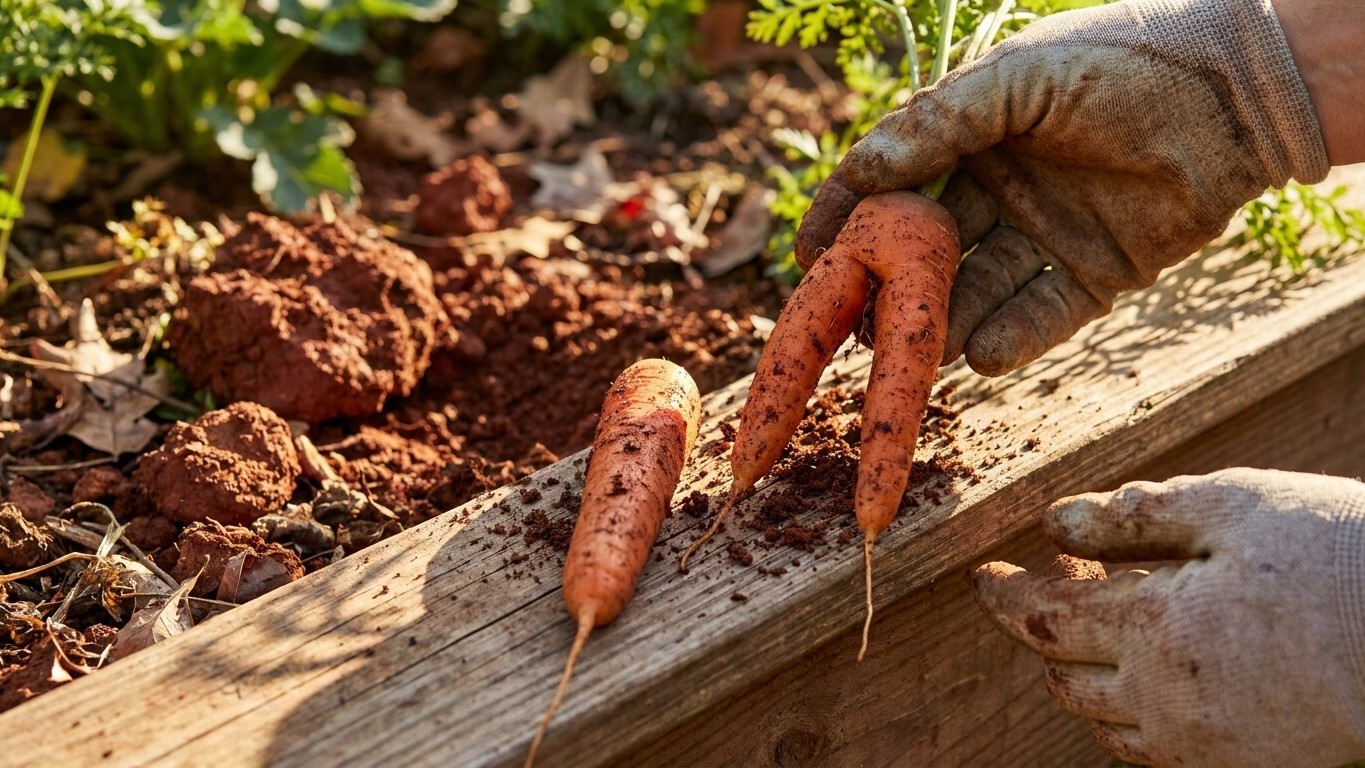
New Hampshire’s representative soil, the Marlow series, runs sandy and well drained: 57 percent sand, only 5 percent clay.
Home & garden, state by state
New Hampshire’s representative soil, the Marlow series, runs sandy and well drained: 57 percent sand, only 5 percent clay.
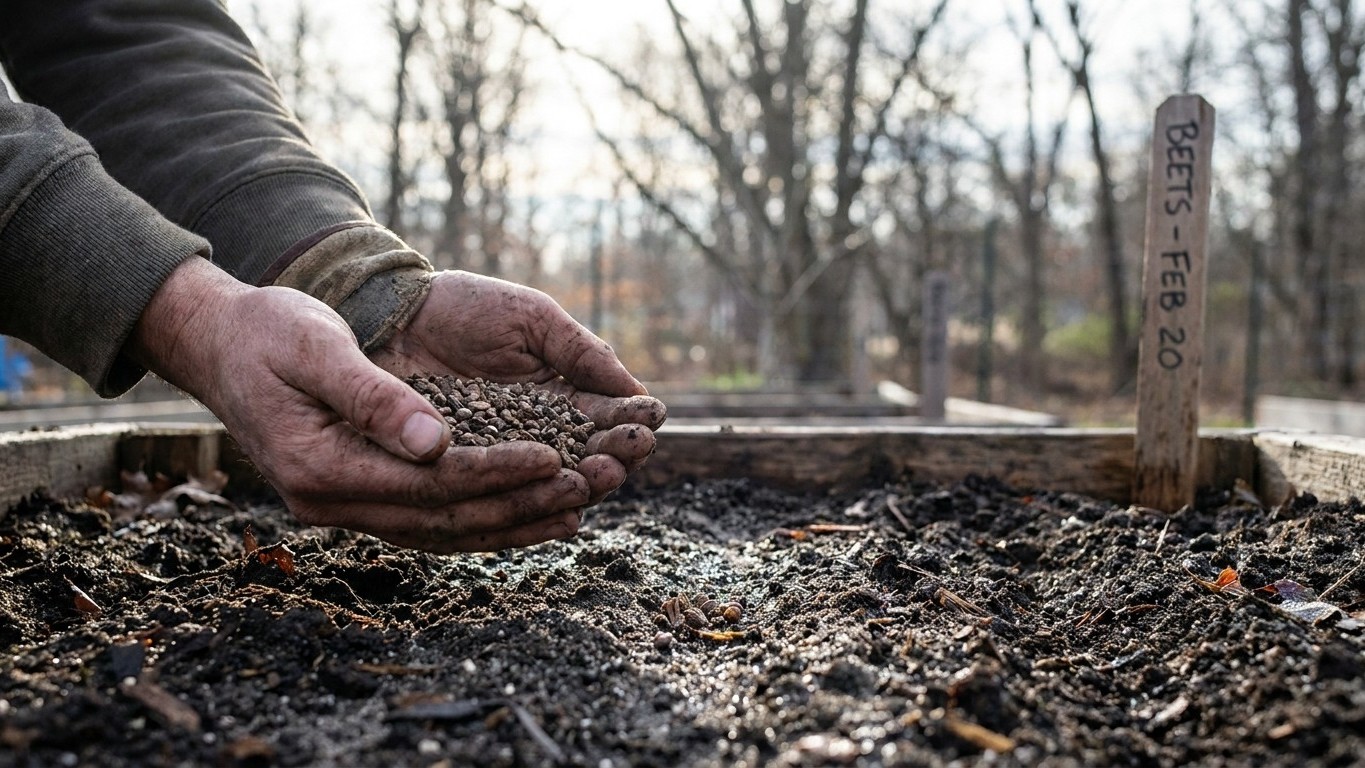
Direct-seed beets in New Hampshire two to three weeks before the last spring frost.
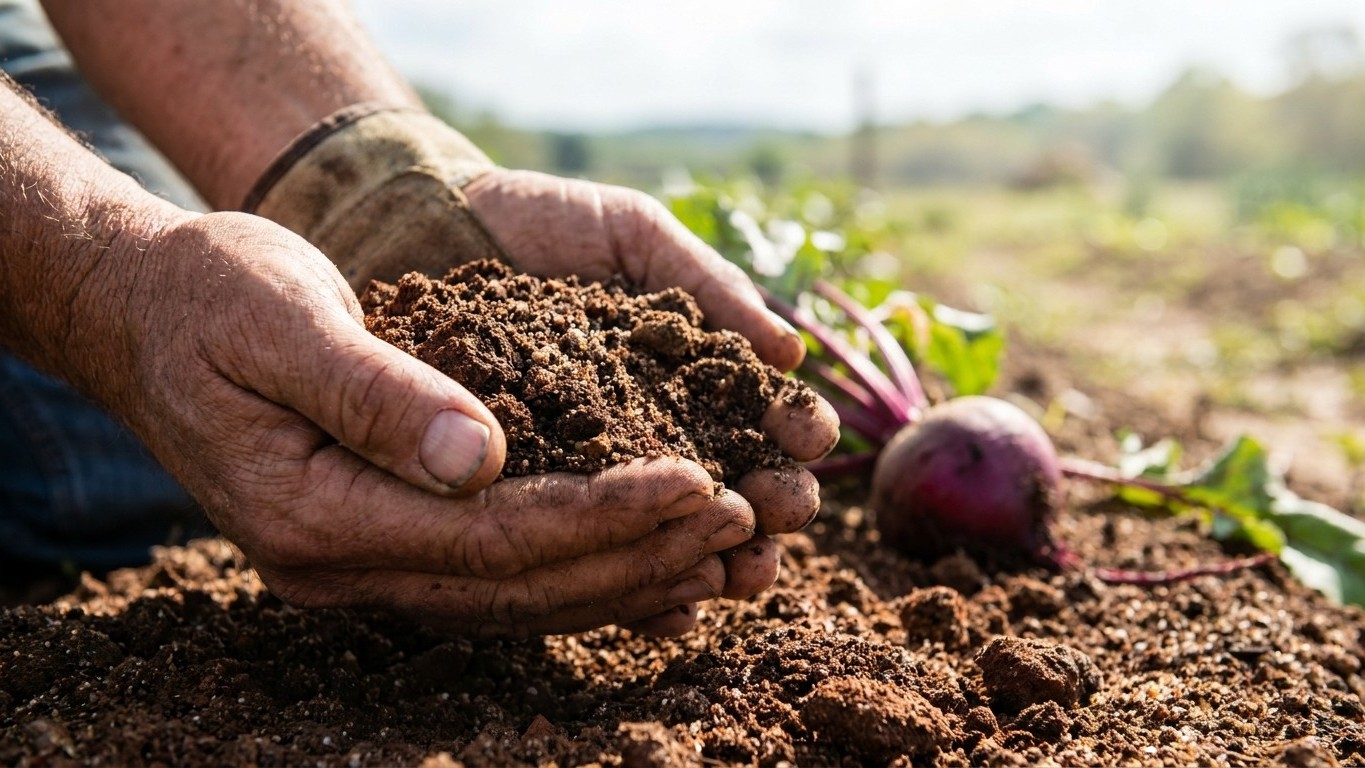
New Hampshire’s representative ground, the Marlow series, is a sandy, strongly acid soil built under conifer forest.
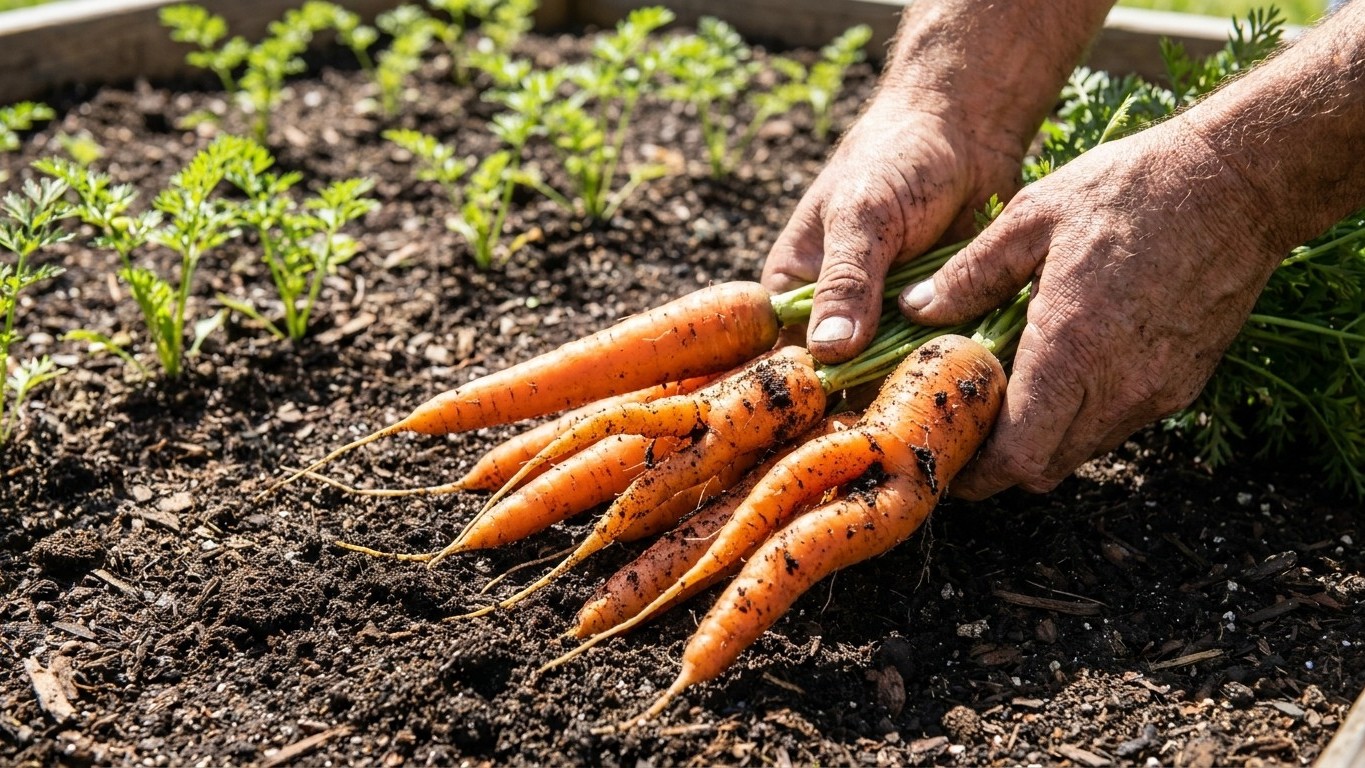
Counting back from the last frost only answers half the question in New Brunswick.
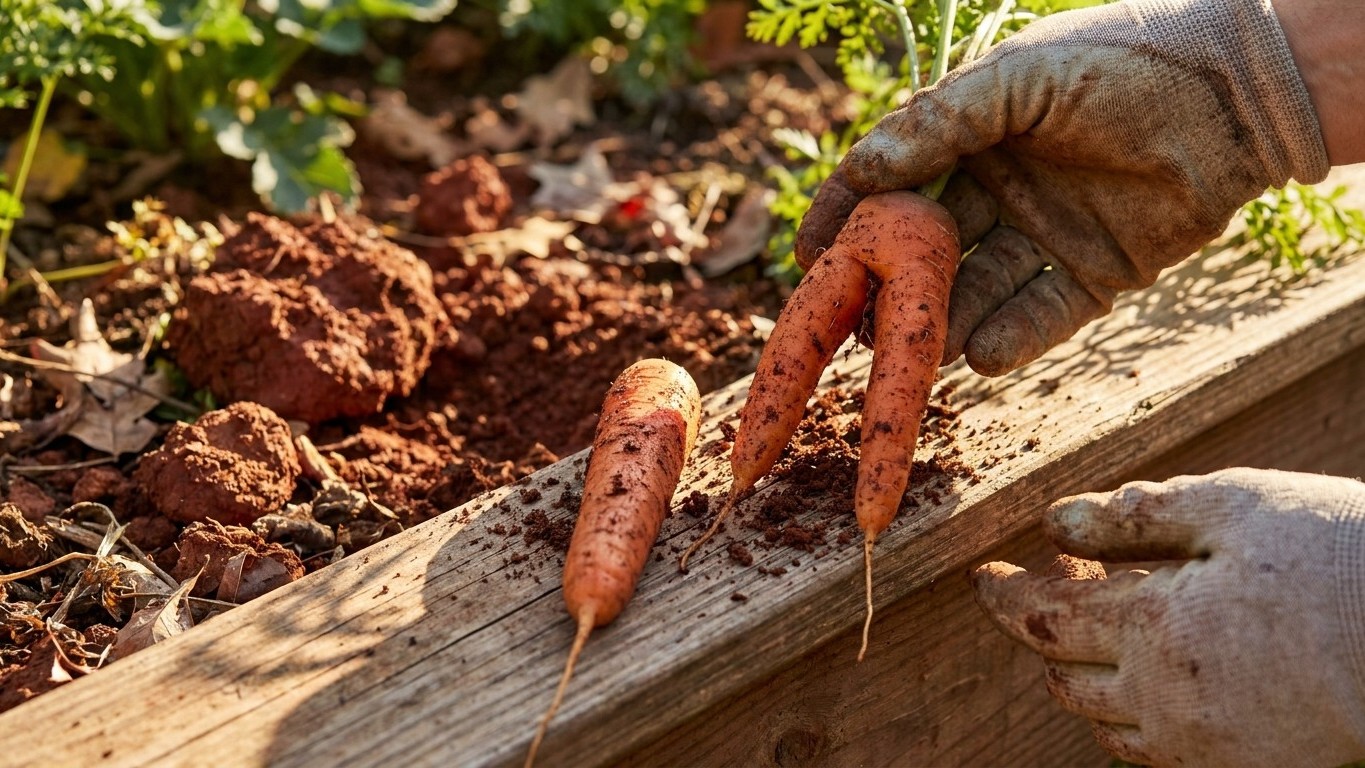
Straight answer: probably not, if your plot matches the province’s typical ground, but yes if you’re in one of the clay pockets scattered through New…
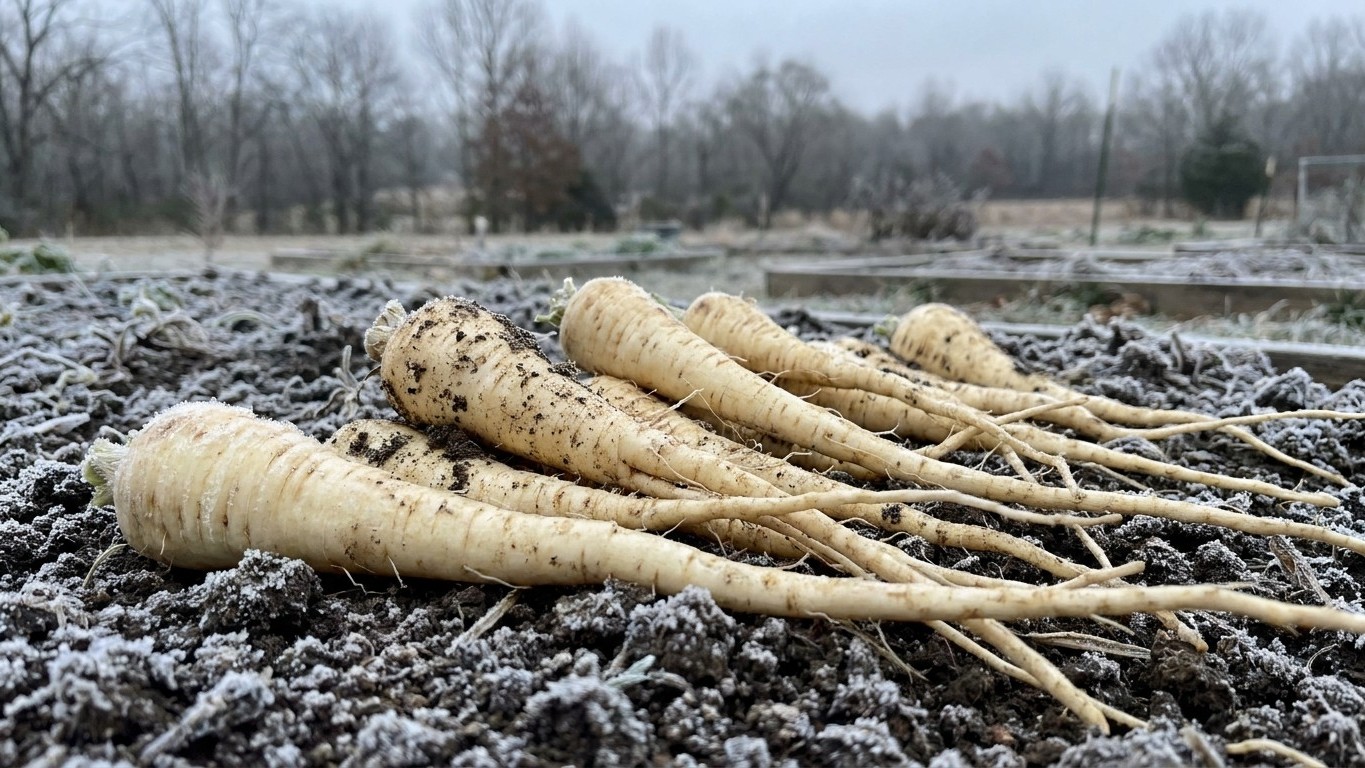
Parsnips grown in Newfoundland and Labrador do more than survive the season here, they sweeten properly.
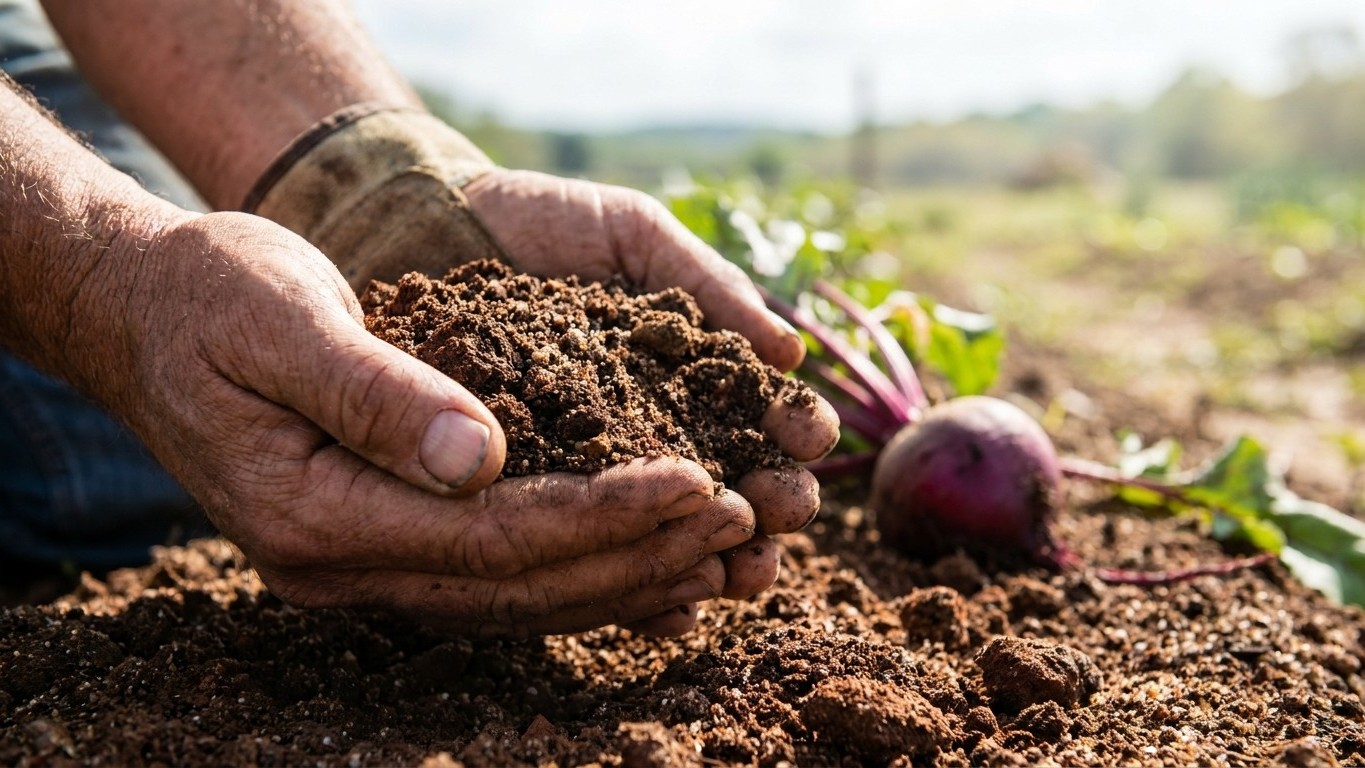
New Brunswick beets root into acid, sandy-loam-to-silt Podzol ground that drains well but runs strongly acid, a combination that favors germination and…
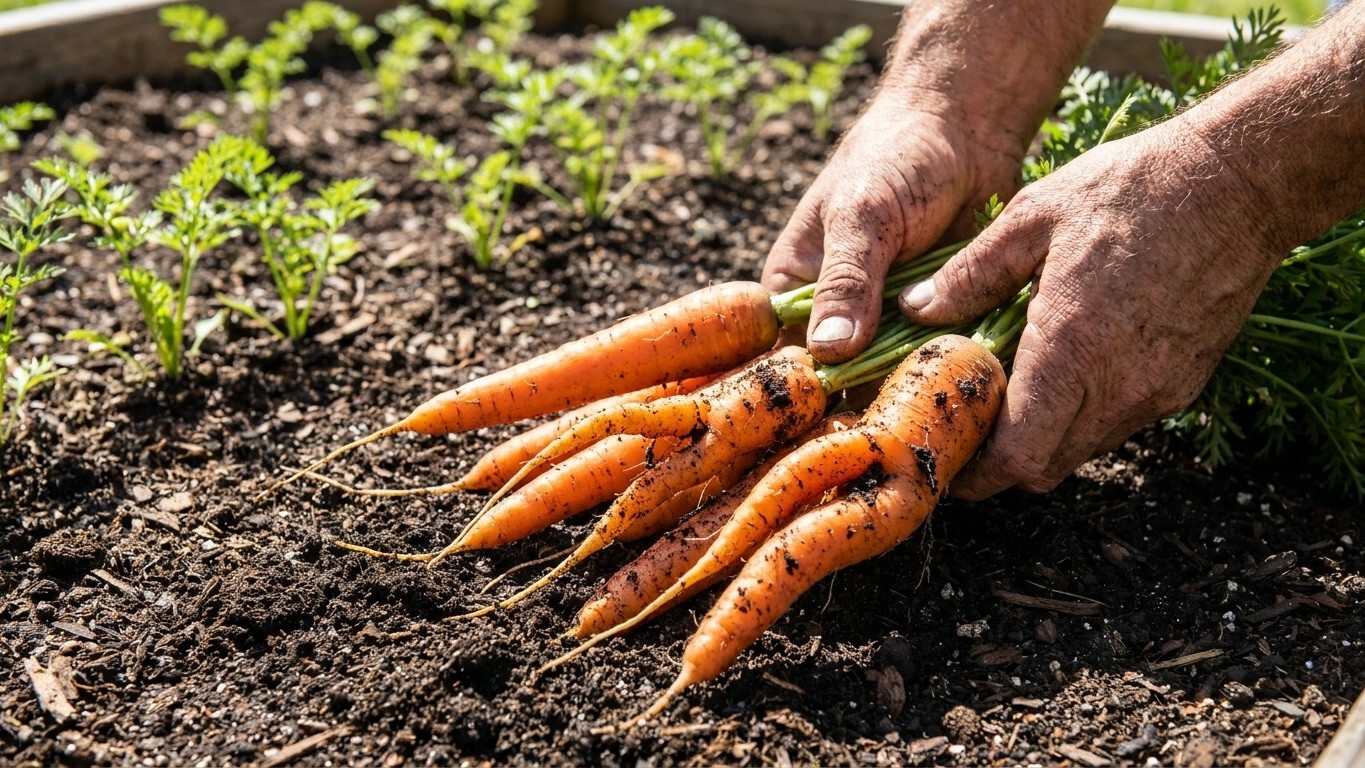
Nevada’s last frost date swings by weeks depending on elevation, from the low desert floor around Las Vegas to high mountain valleys near Elko, and no…
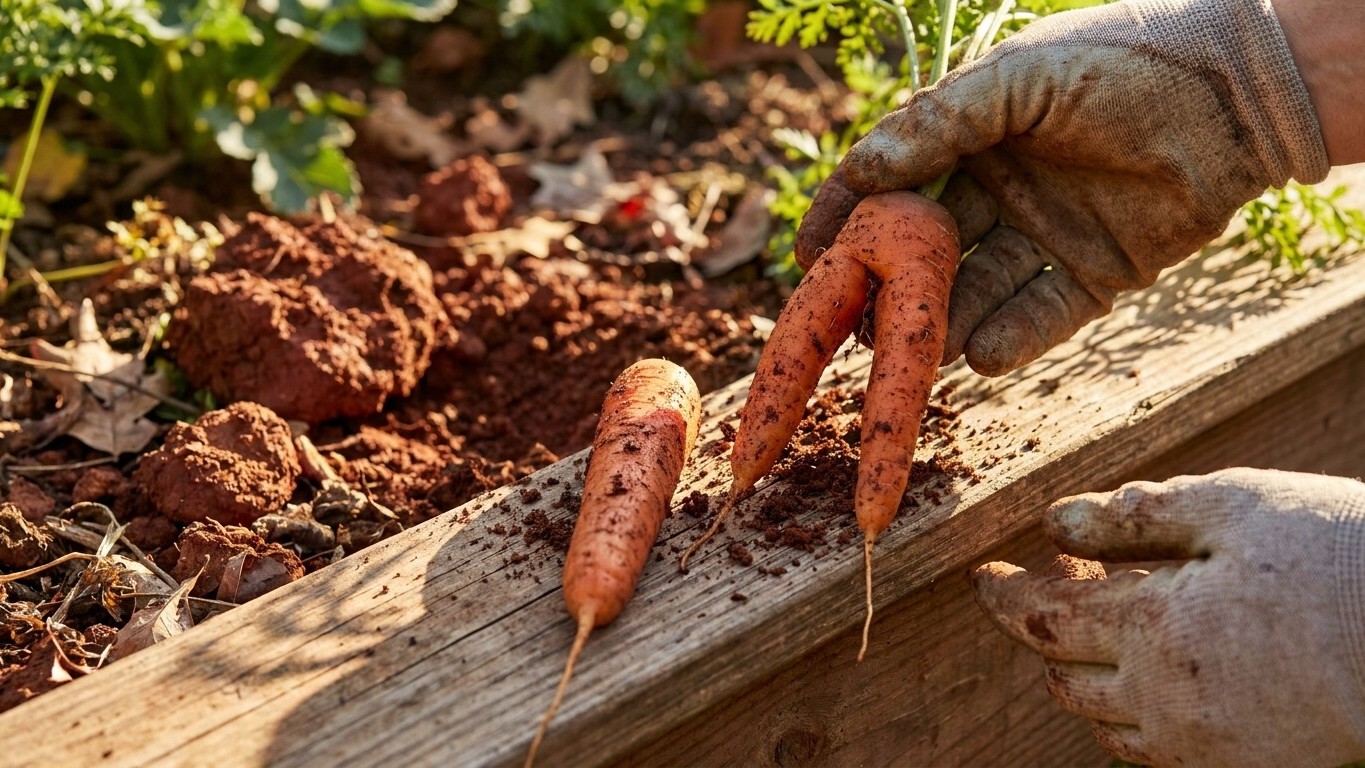
Nevada’s state soil, the sandy Orovada series, is well drained and light enough that carrots planted in it are unlikely to fork from clay alone.
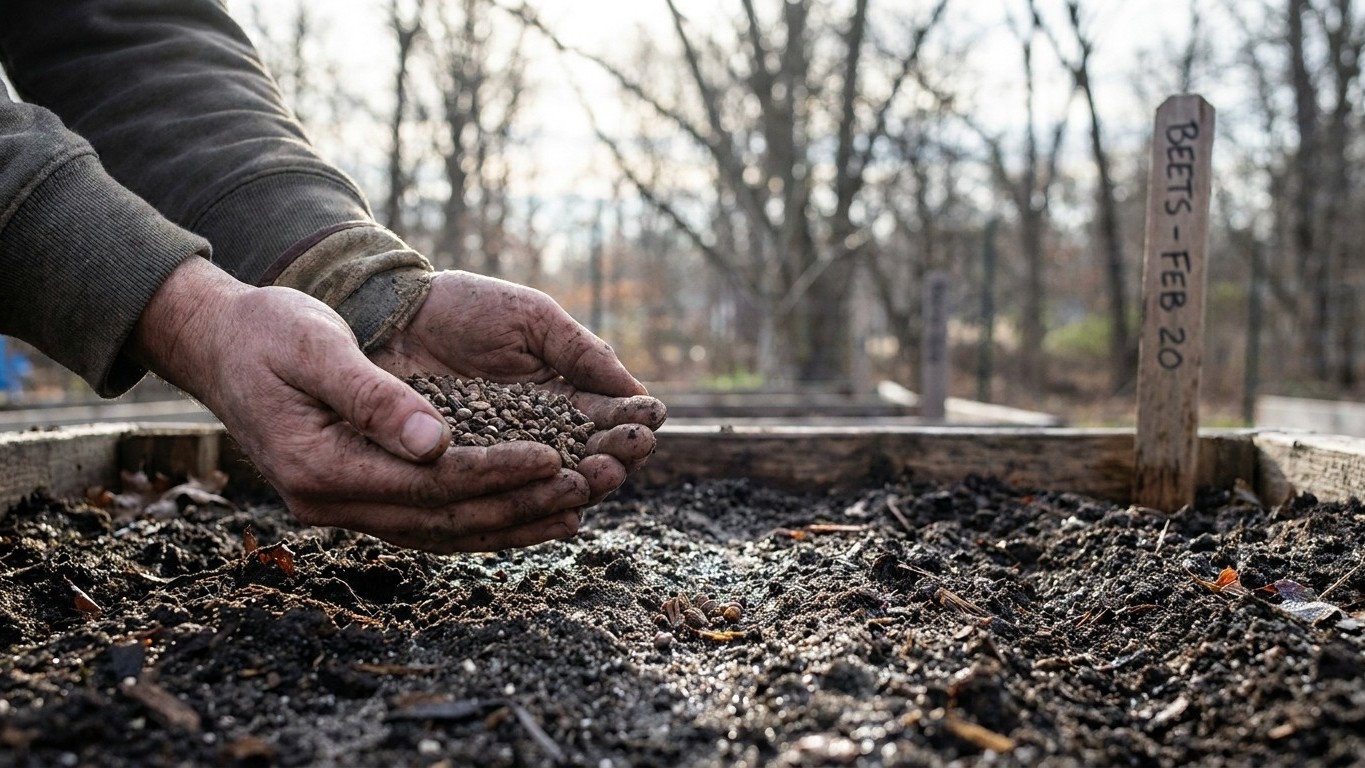
Nevada’s answer depends more on elevation than on any calendar page. In the low desert valleys around Las Vegas, gardeners get into the ground weeks…