Potato Varieties That Suit Utah
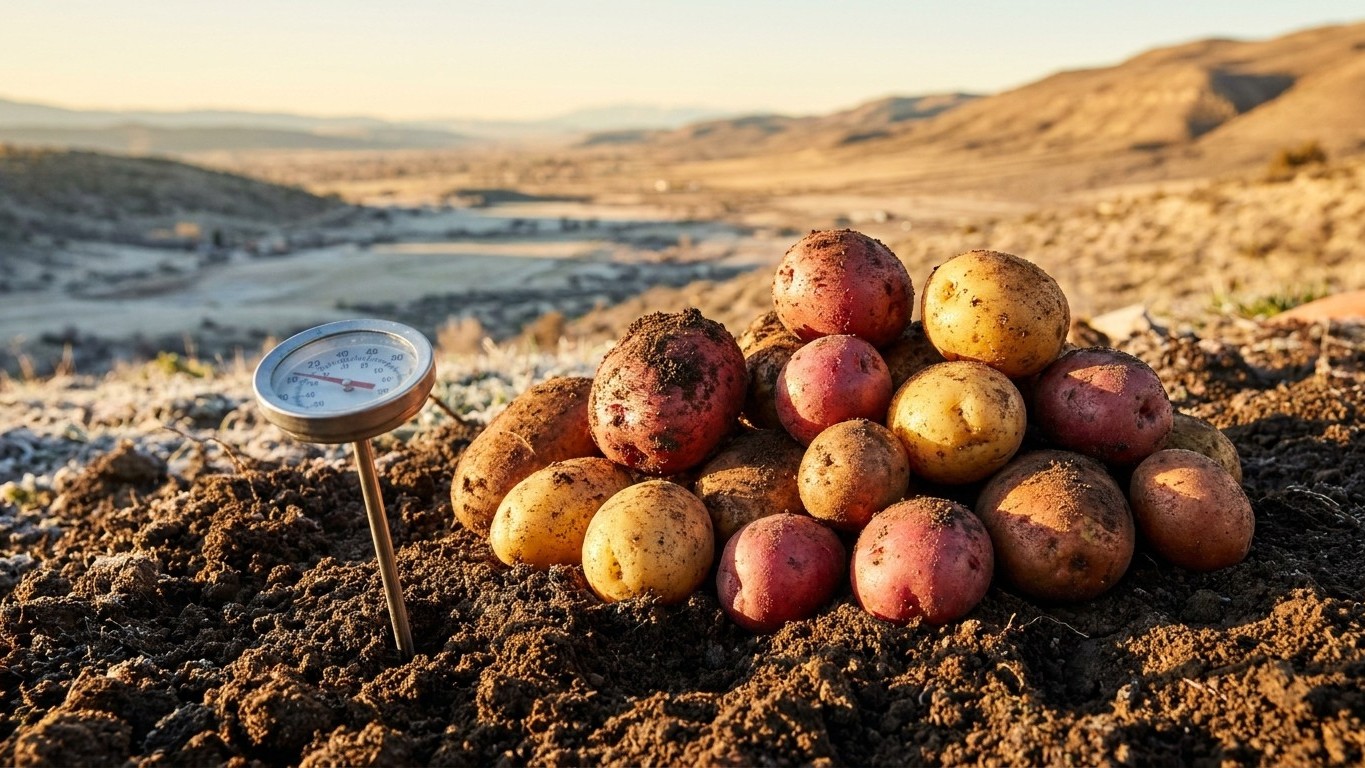
Early and mid-season varieties are the ones that actually finish in Utah, because the state’s growing window is short and its summer soil runs hot.
Home & garden, state by state
Early and mid-season varieties are the ones that actually finish in Utah, because the state’s growing window is short and its summer soil runs hot.
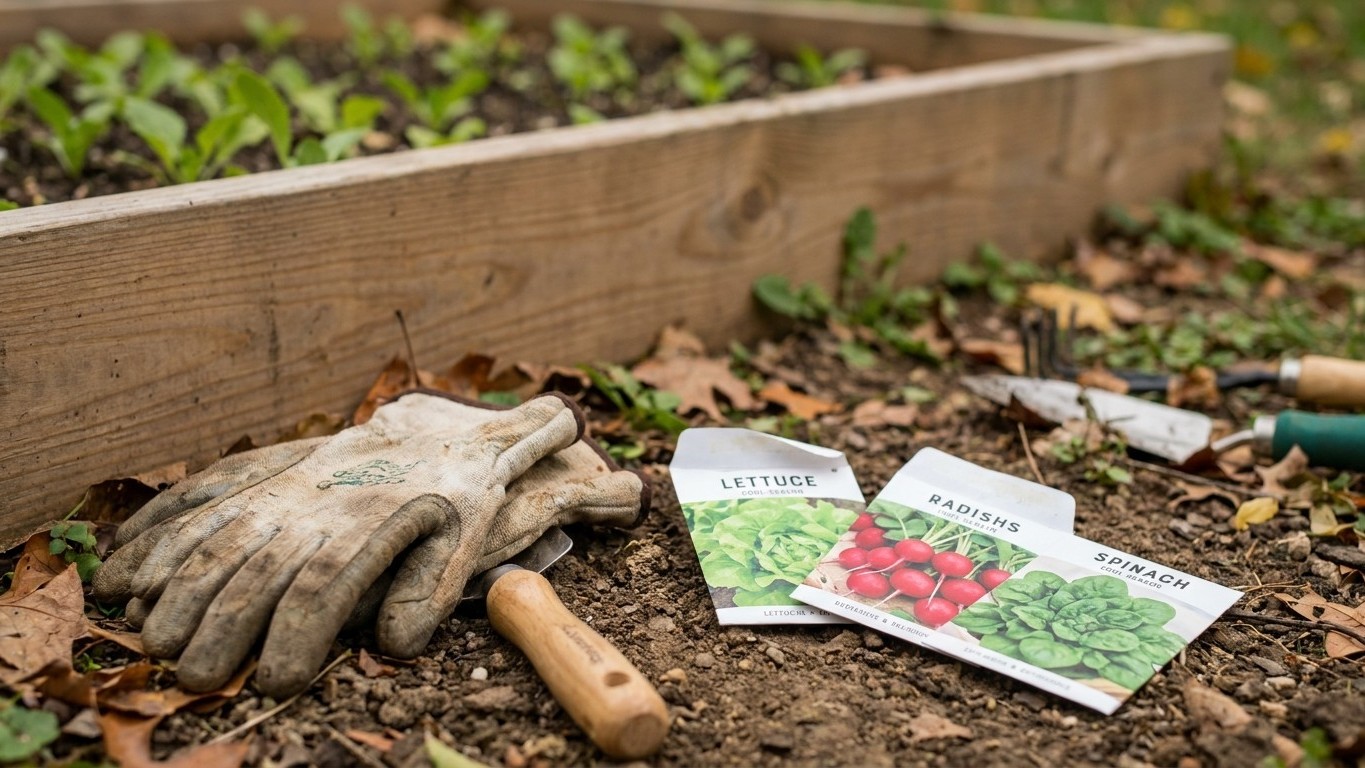
September is prime time for fall greens and root crops in Utah, not for anything that needs a full summer.
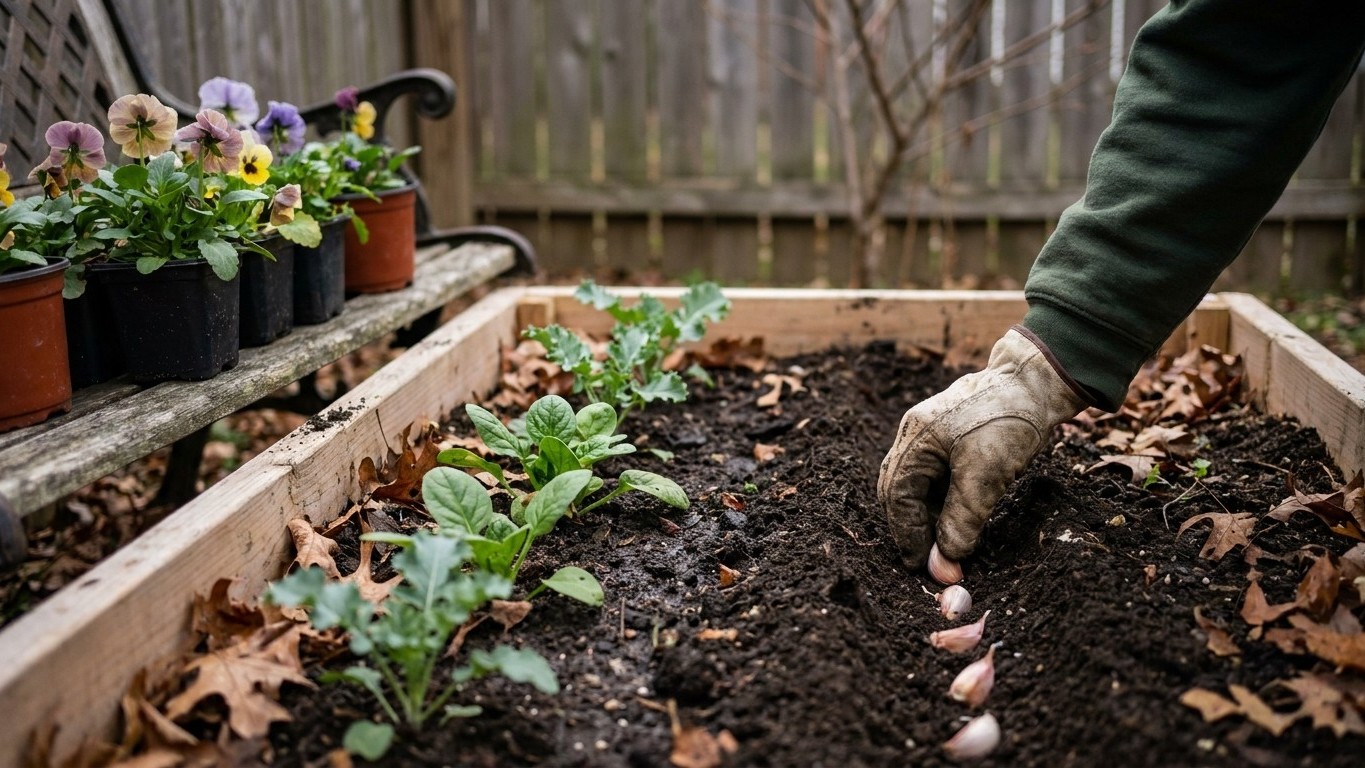
Garlic goes in the ground, spring bulbs get tucked into cooling soil, and the last winter squash comes off the vine before frost claims it.
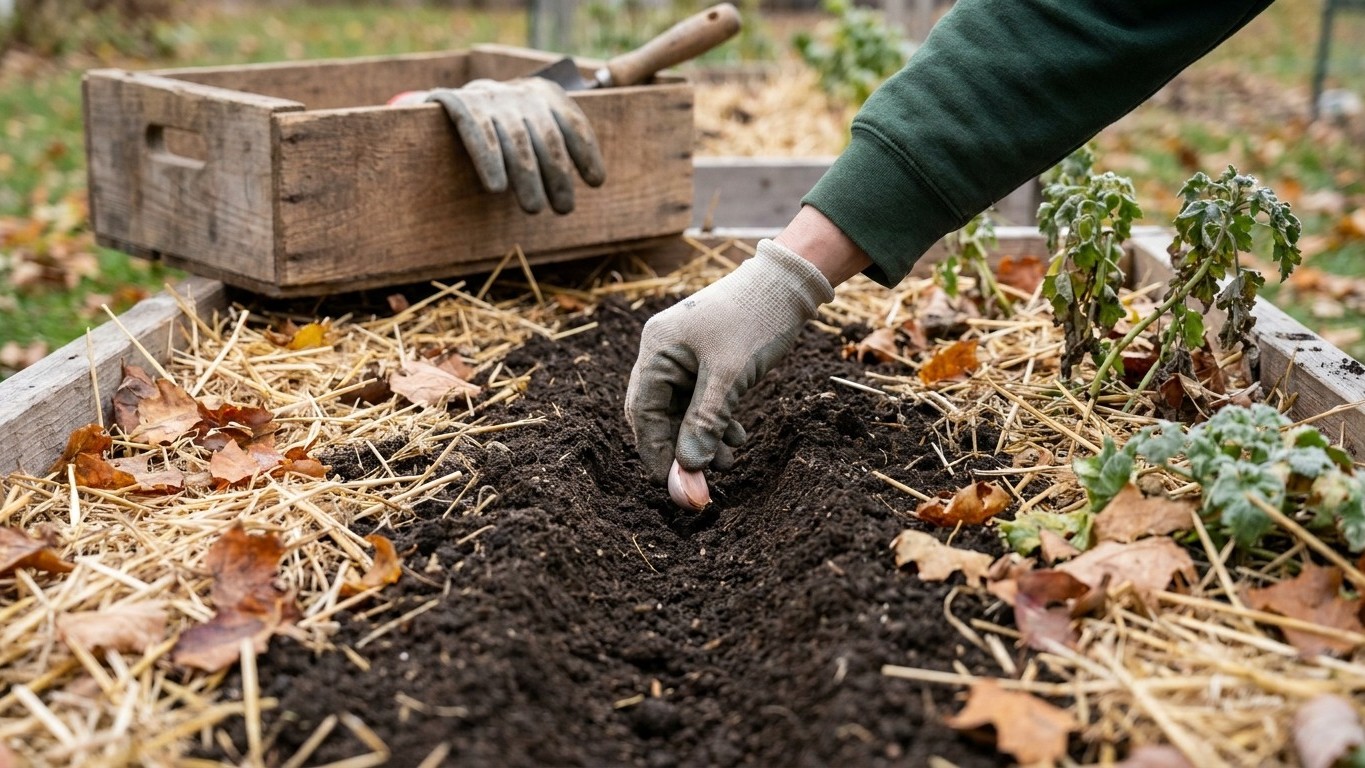
Utah’s growing season is effectively closed by November across most of the state: the first fall frost has typically already landed weeks earlier.
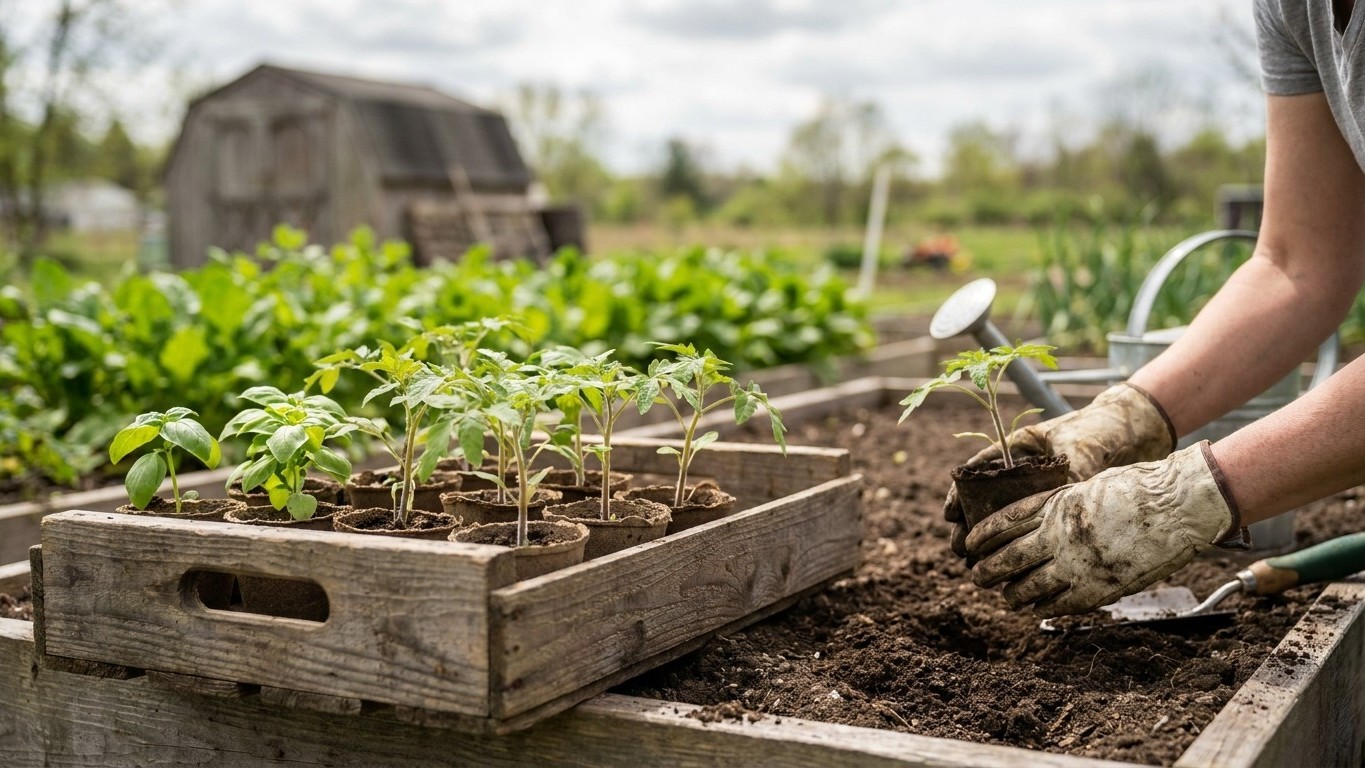
May is the payoff month for Utah gardeners who waited out a cold spring. In the Salt Lake valley, the last spring frost typically falls between April 12…
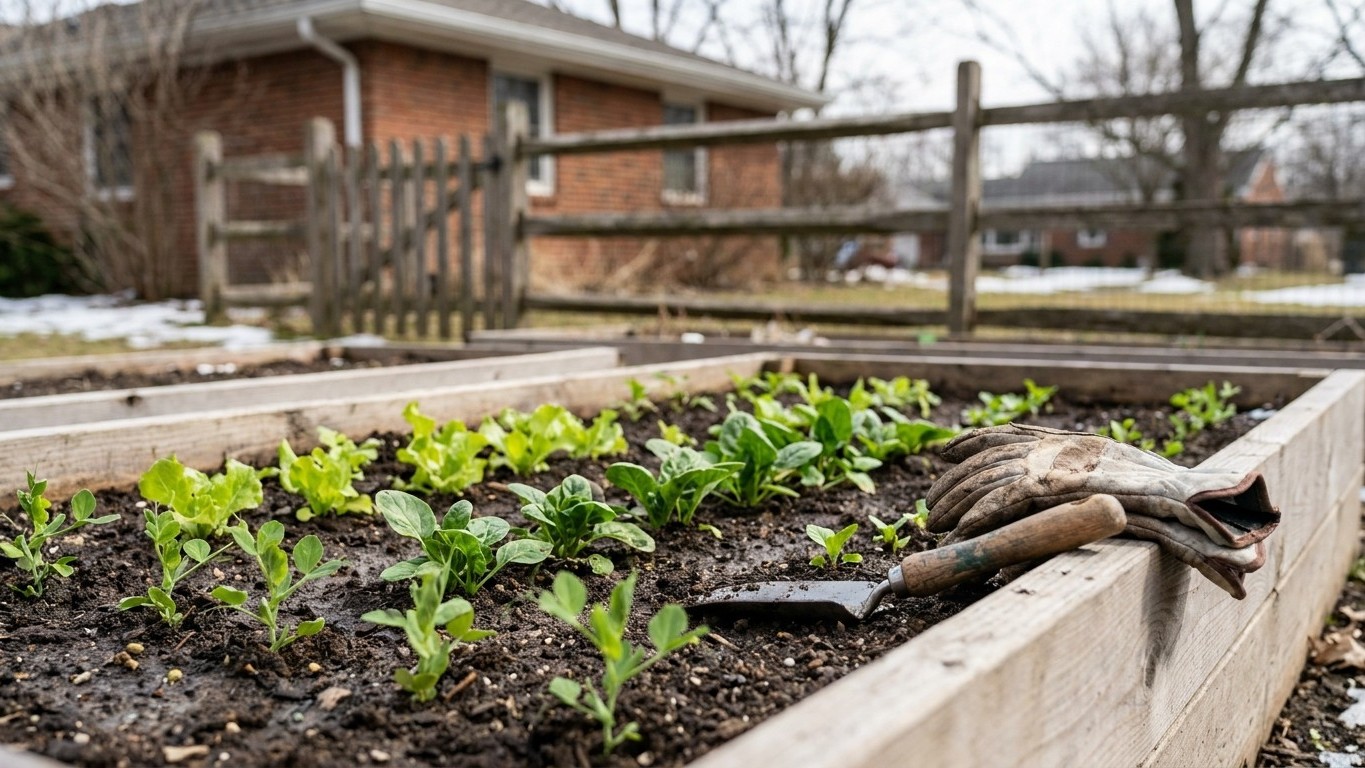
In most of Utah, March is still weeks away from reliable planting weather. The last spring frost for the Salt Lake City area falls between April 12 and…
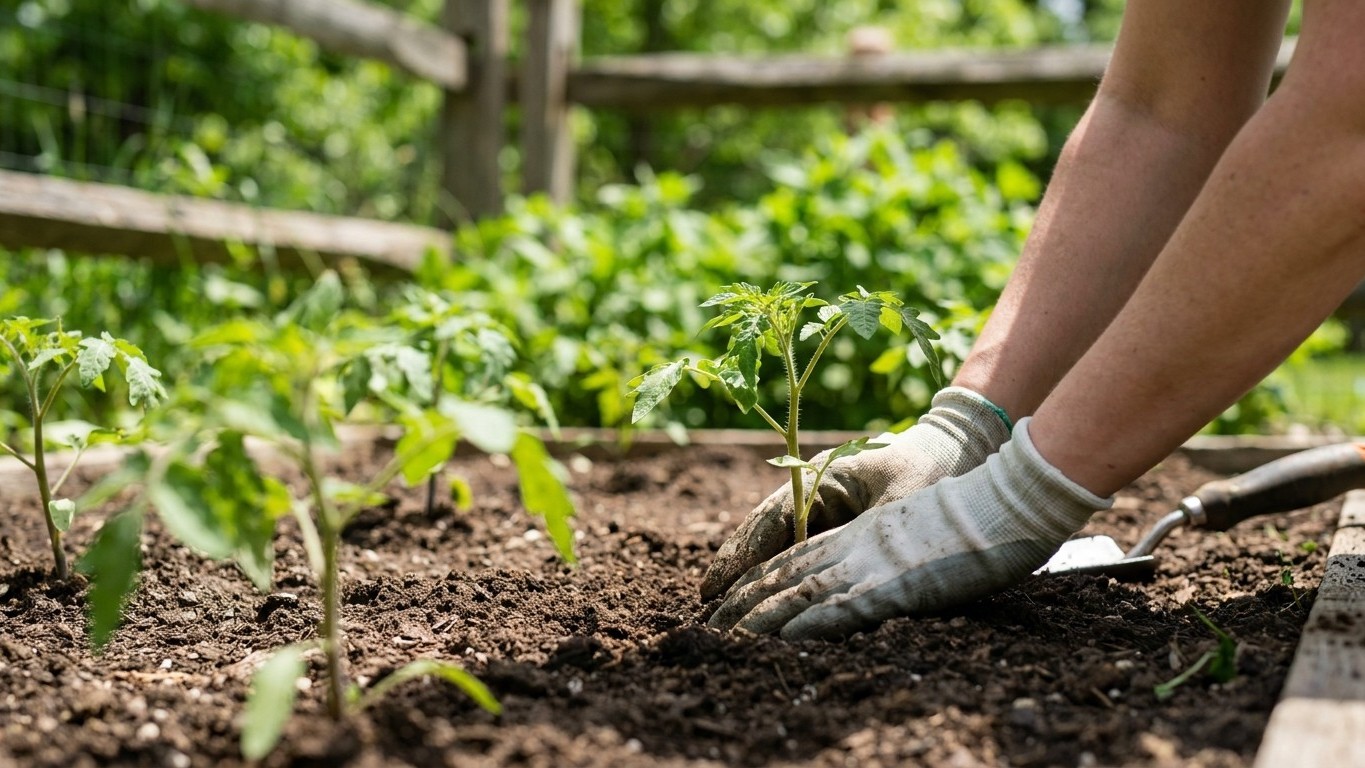
By June, Utah’s frost risk has passed in most valleys, but soil temperature and elevation still call the shots.
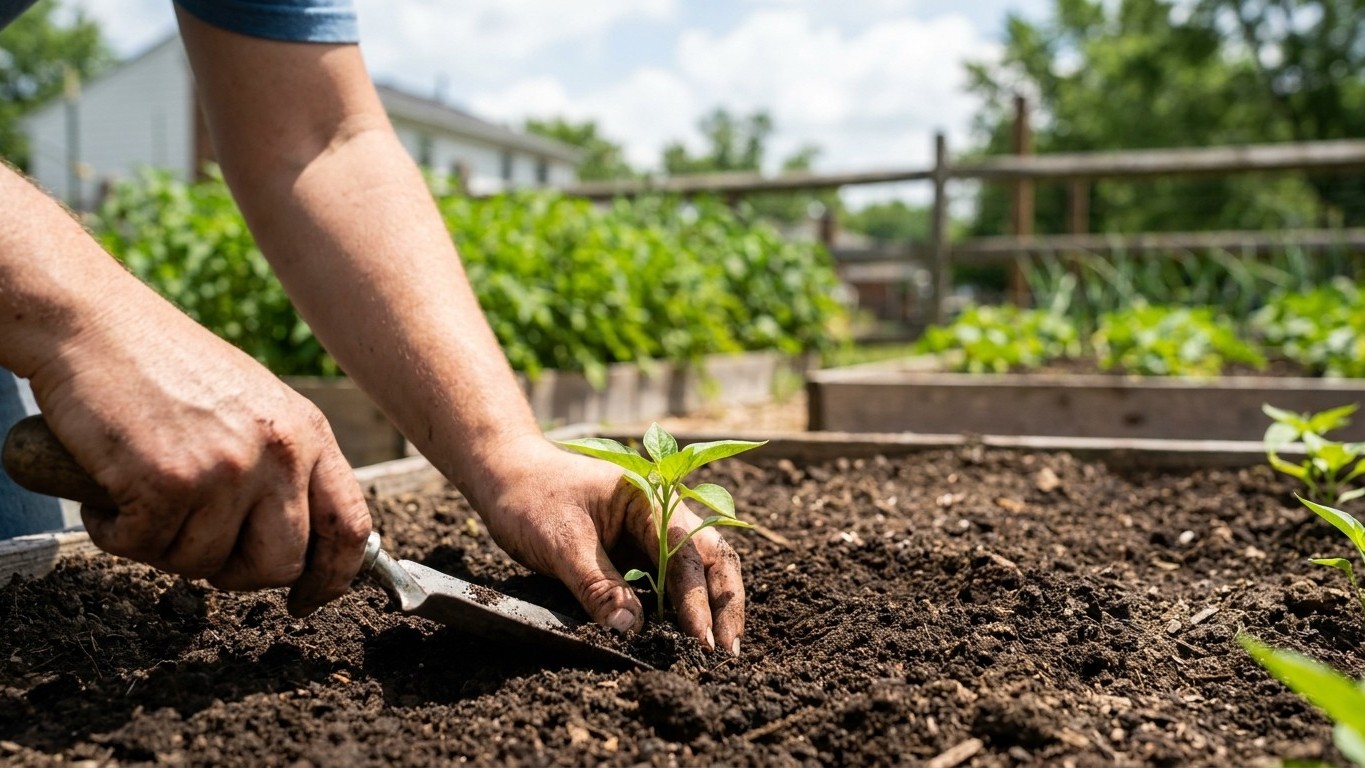
Direct answer: in Utah, July is deep summer work, not planting season for most spring crops.
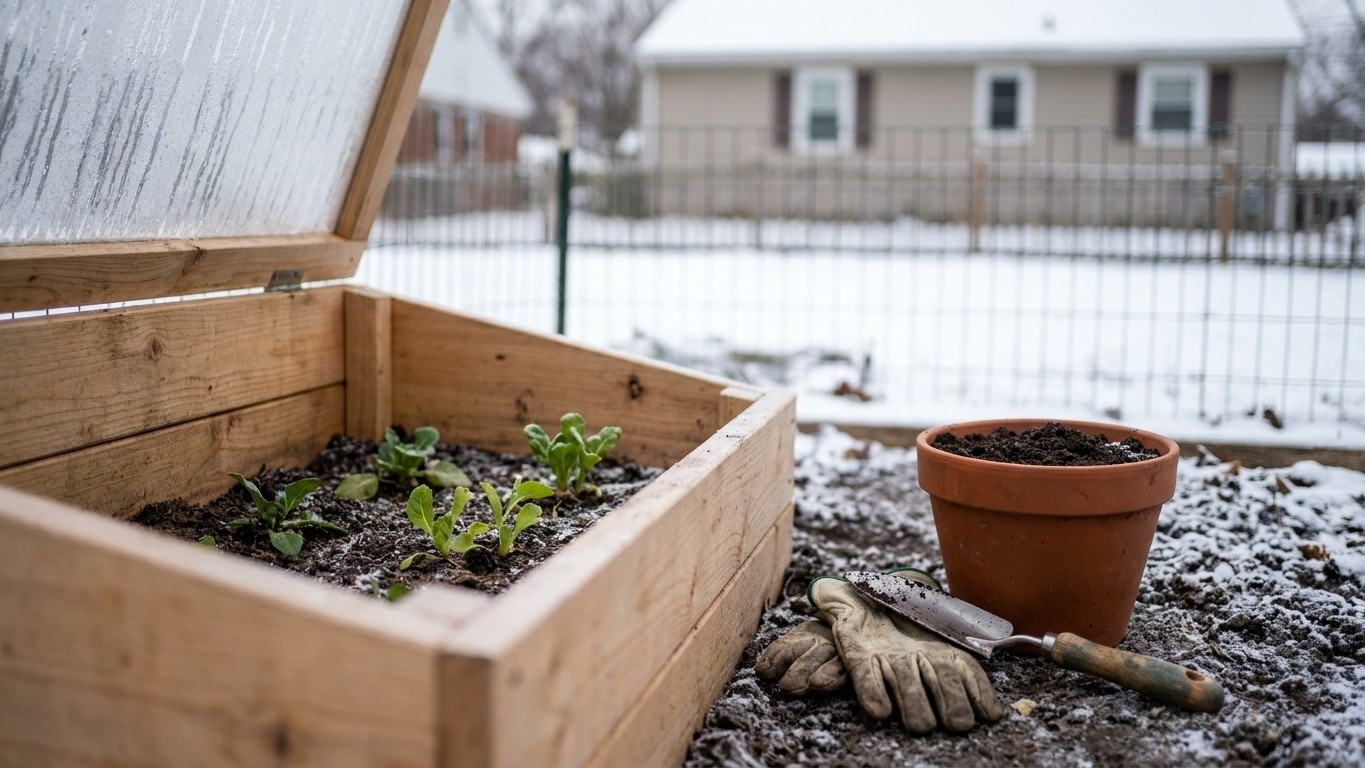
January in Utah is dormant-season work, not open-ground planting. With last spring frost running April 12 to April 29 around Salt Lake and most of the…
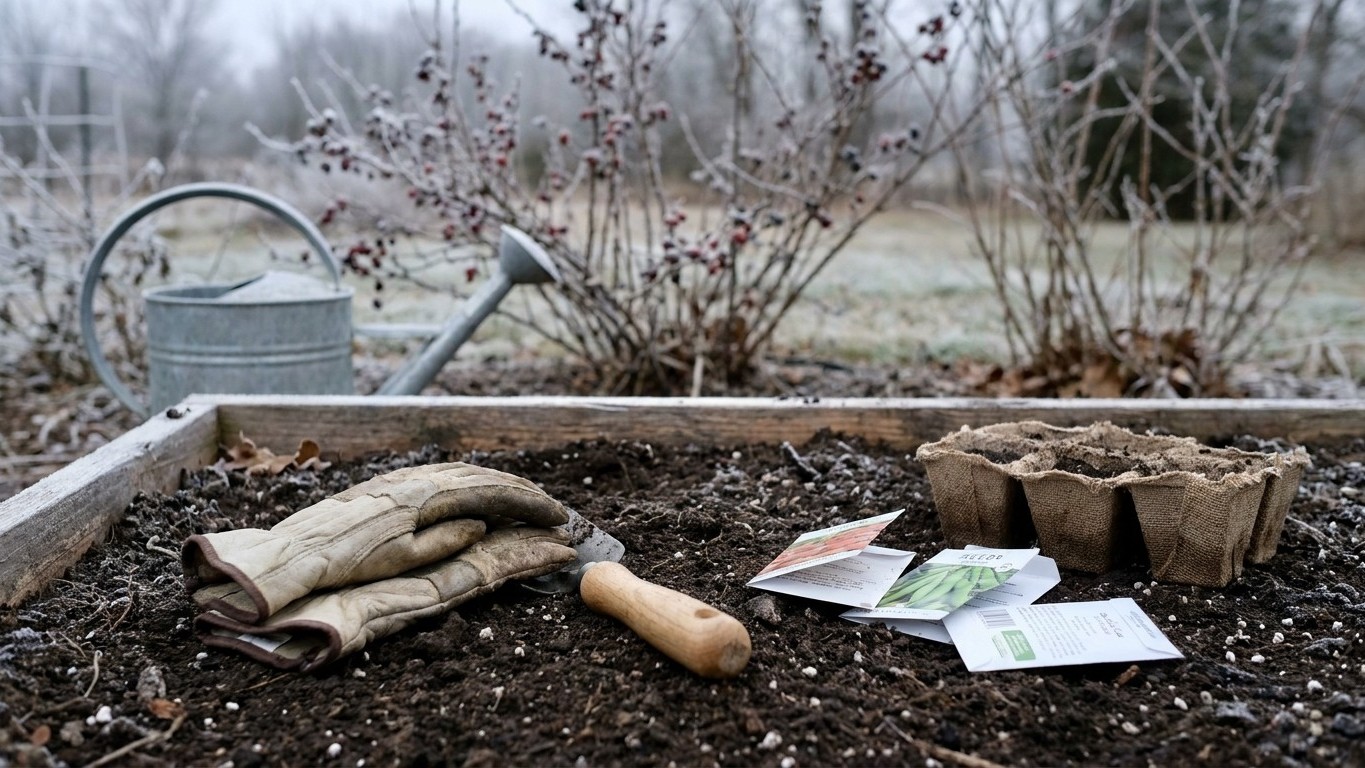
Across most of Utah, February is a month spent working around the calendar rather than with it.