Growing Peppers in Vermont: Fruit Set, Heat and Timing
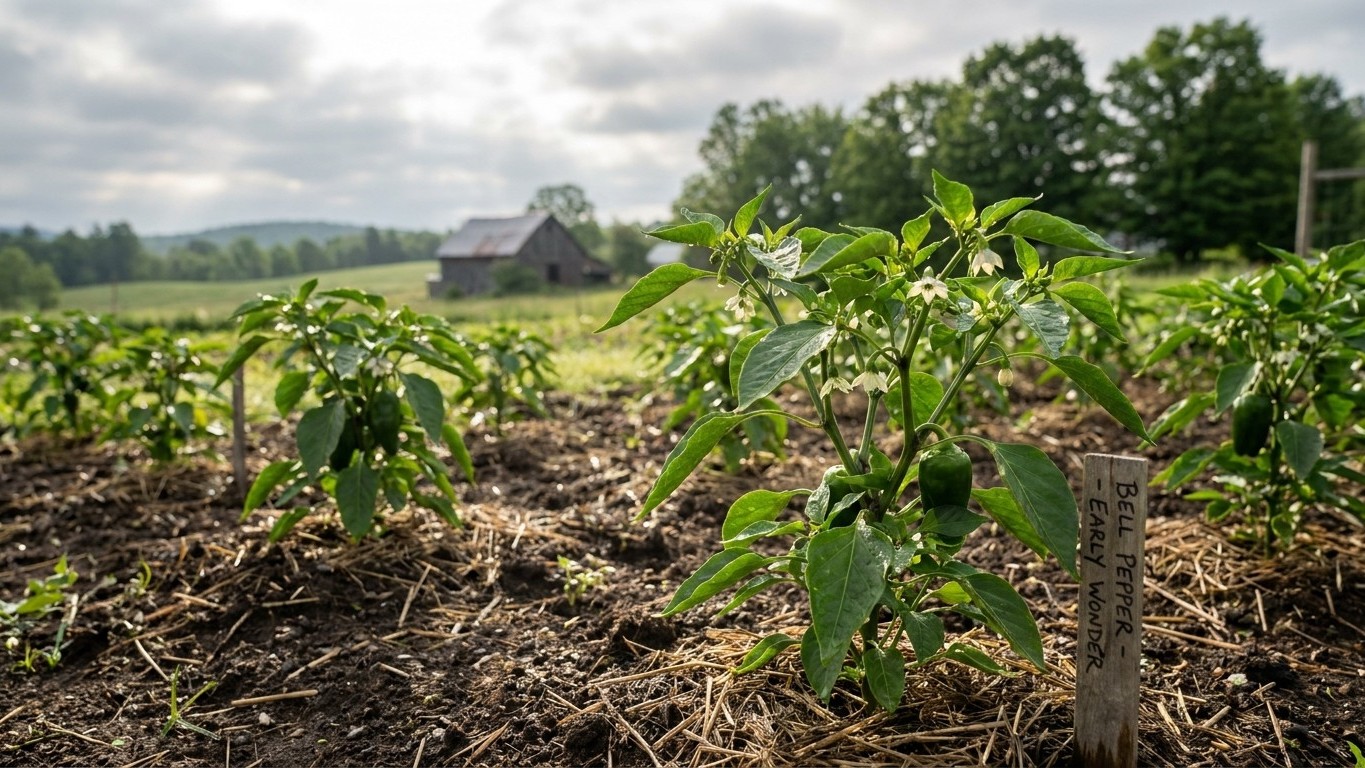
Vermont peppers face less heat stress than most of the country, but the growing season leaves little room for error.
Home & garden, state by state
Vermont peppers face less heat stress than most of the country, but the growing season leaves little room for error.
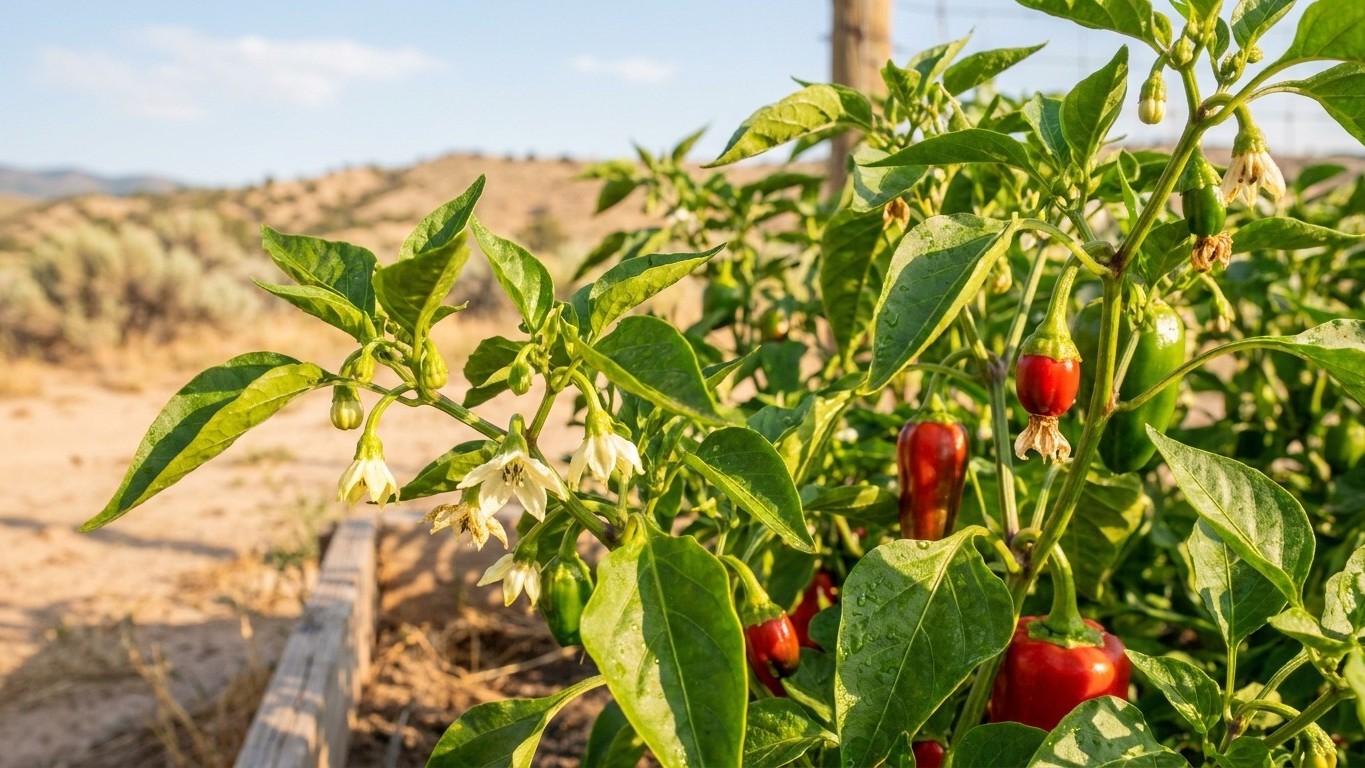
Peppers need warmth to set fruit, but Utah delivers both extremes in the same growing season.
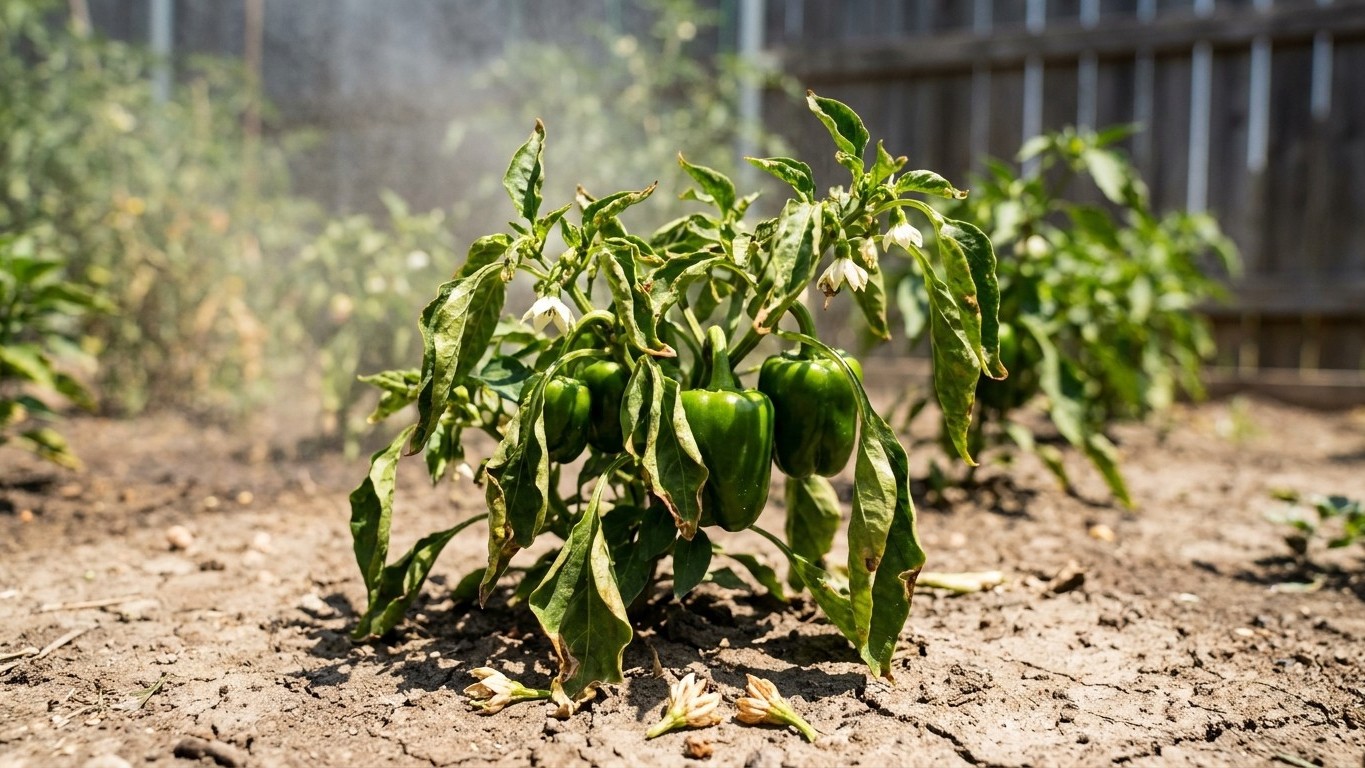
Houston averages 102.4 days a year at or above 90 F, based on NOAA NCEI Climate Normals for 1991-2020.
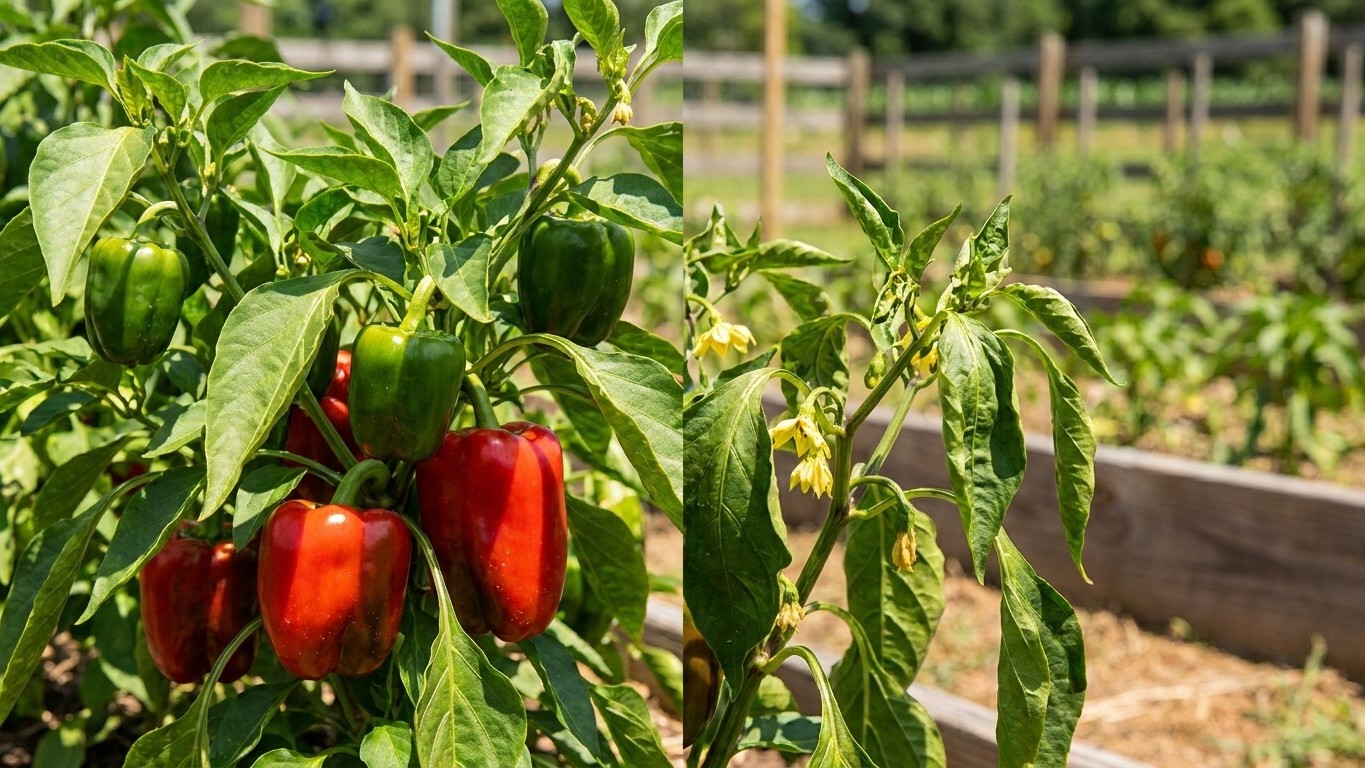
Tennessee peppers stall for two different reasons: heat that shuts down pollen at the top of summer, and cool nights that do the same thing in late…
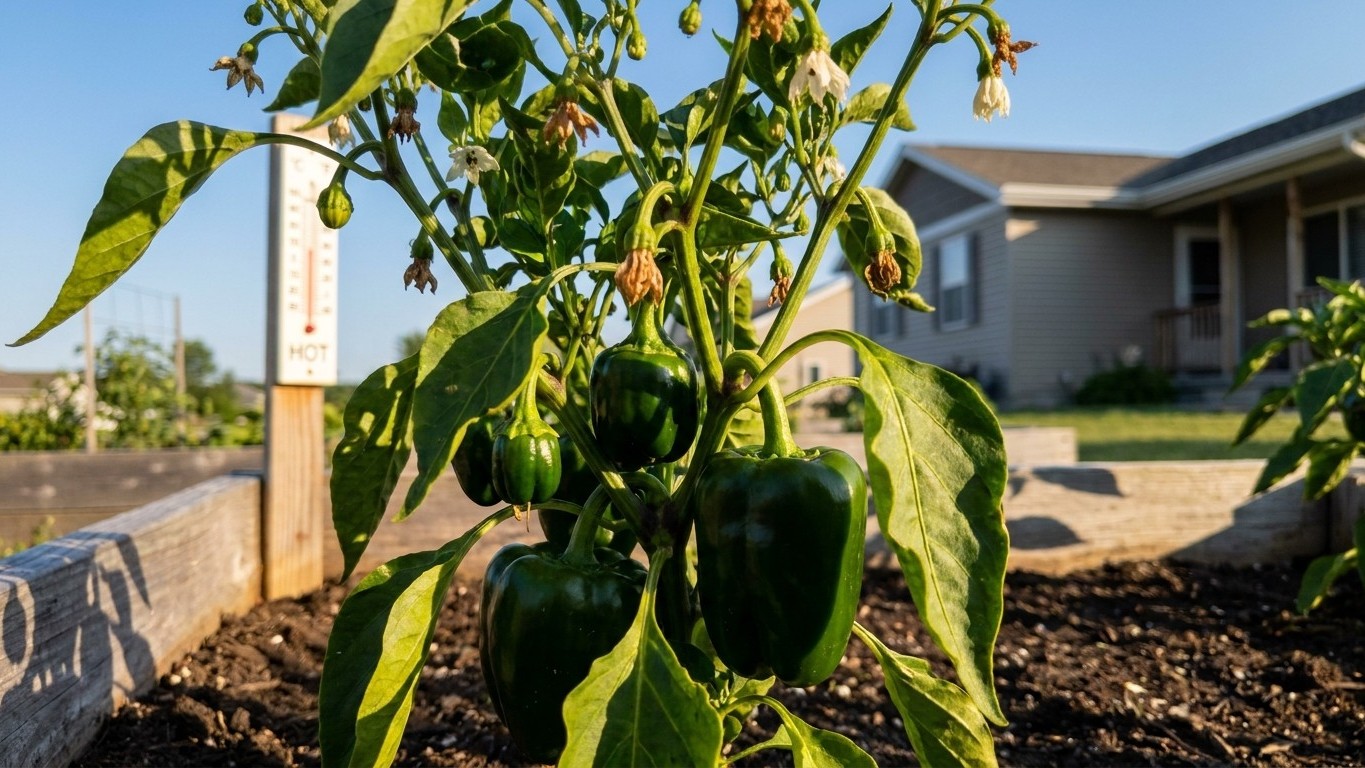
South Dakota gardeners can grow peppers, but the window is narrow on both ends.
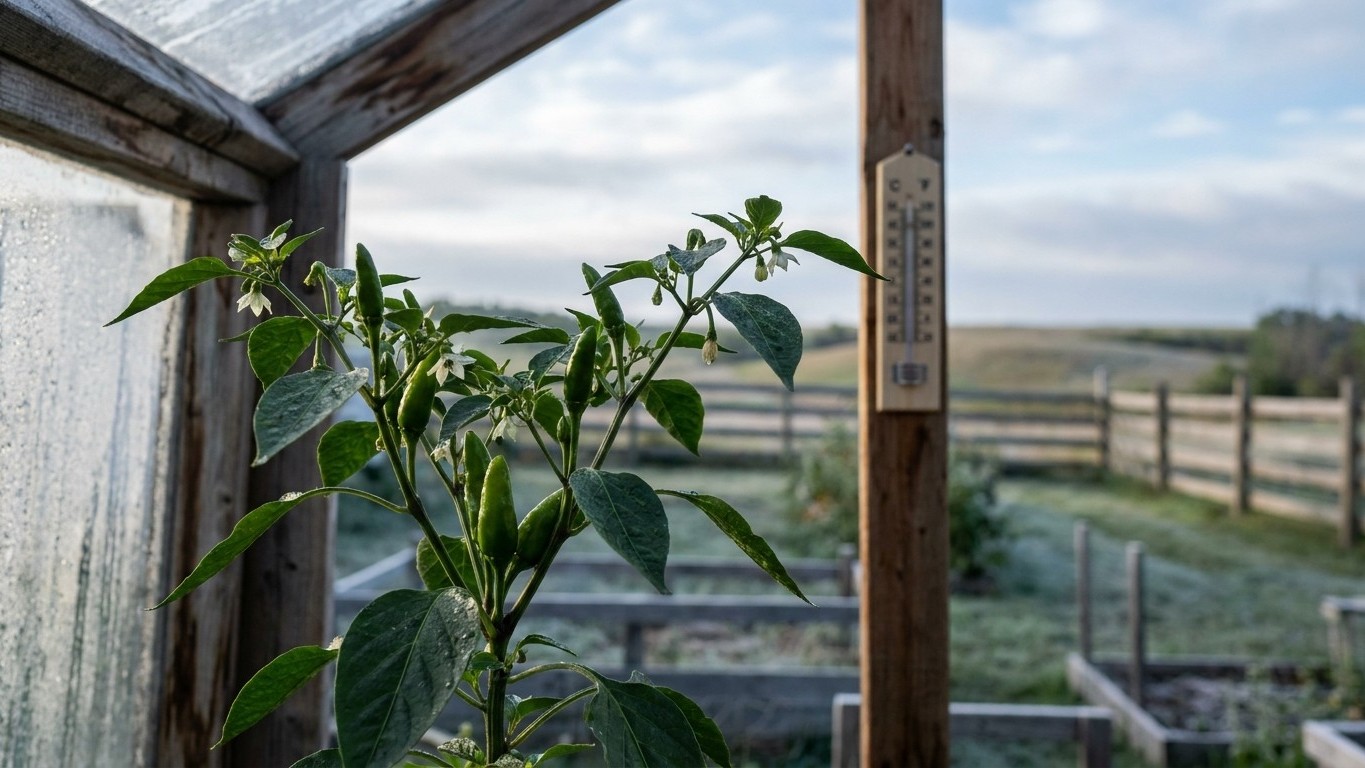
Saskatoon’s climate normals show zero days a year at or above 90 F, so heat-driven fruit drop is rarely the problem for pepper growers here.
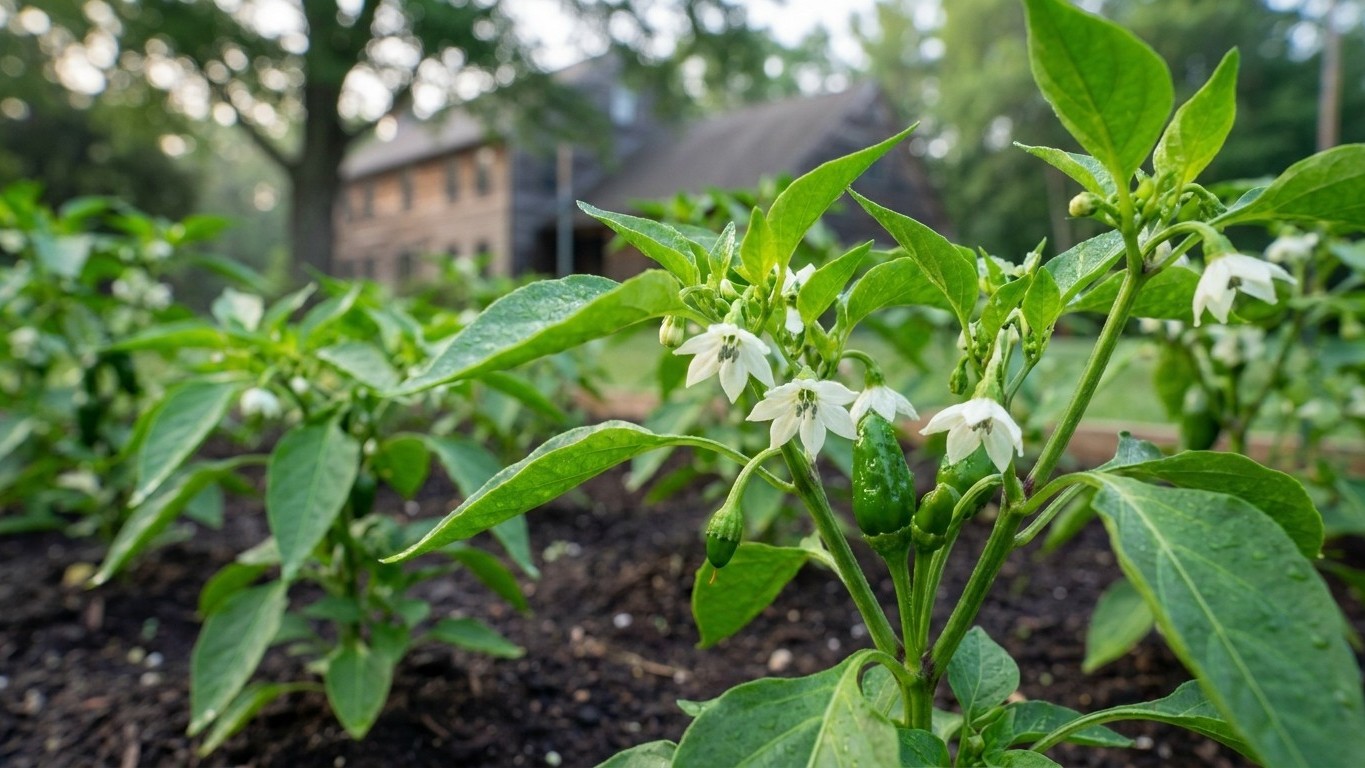
In Connecticut, pepper fruit set rarely fails from too much heat. The state averages just 6.2 days a year at or above 90°F at the Bridgeport reference…
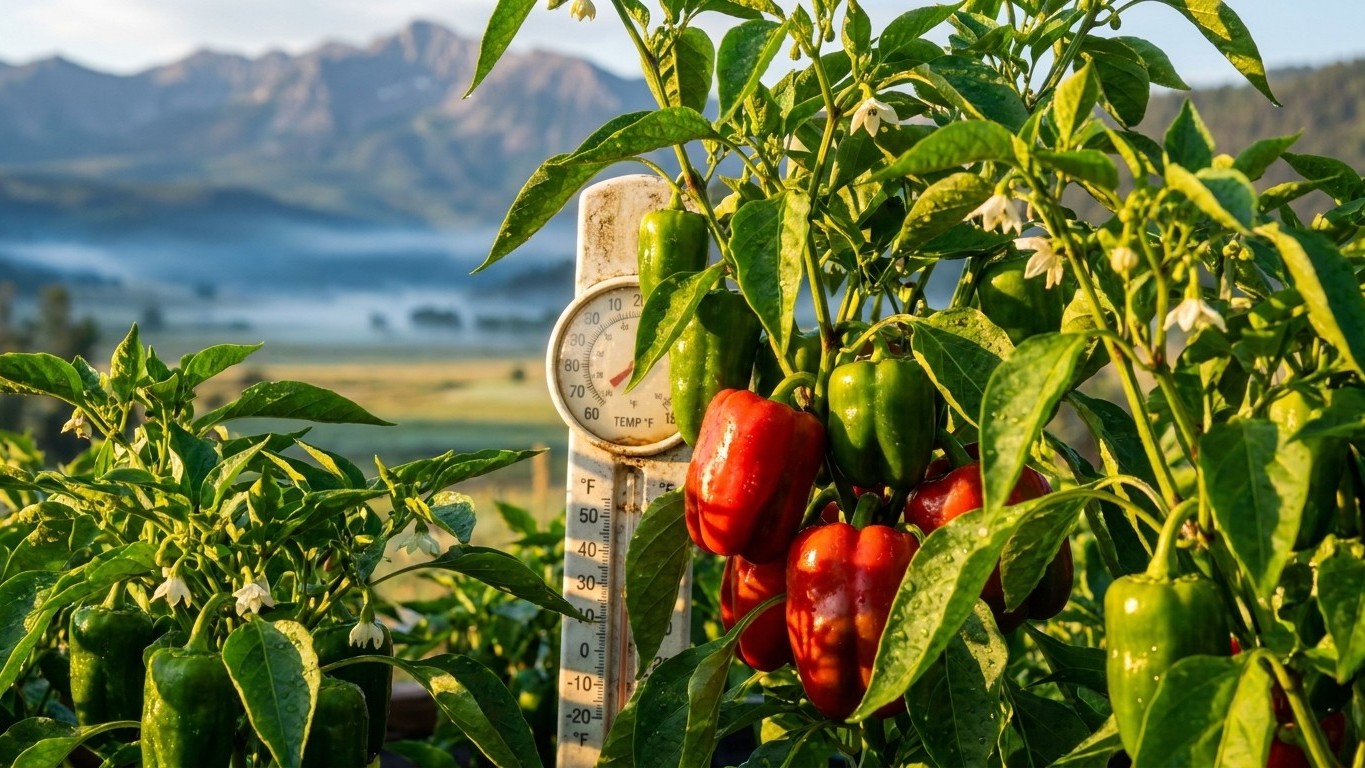
Colorado peppers face pressure from both directions: heat that can shut down pollination on the plains, and cool nights that do the same thing in valleys…
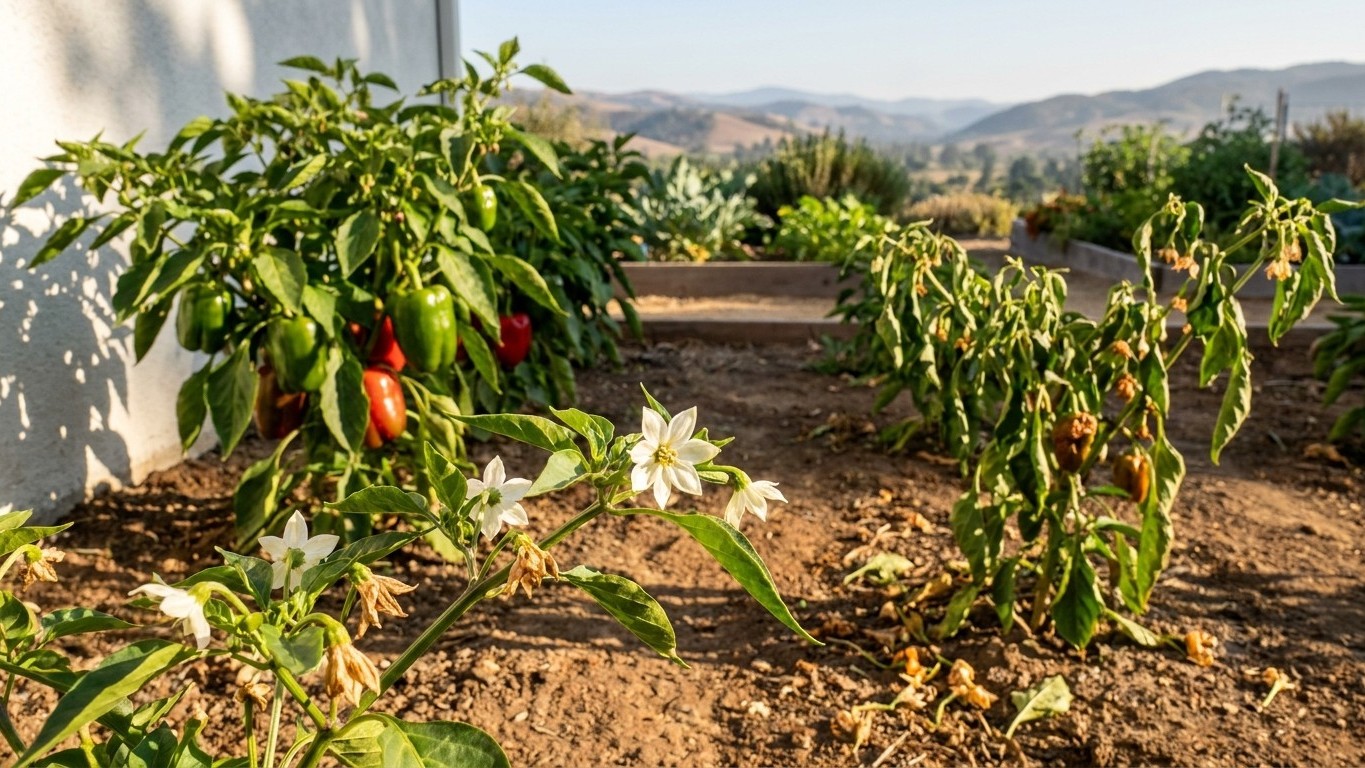
California pepper growers face a split climate: coastal and southern zones rarely see frost at all, while the Central Valley and Sierra foothills freeze…
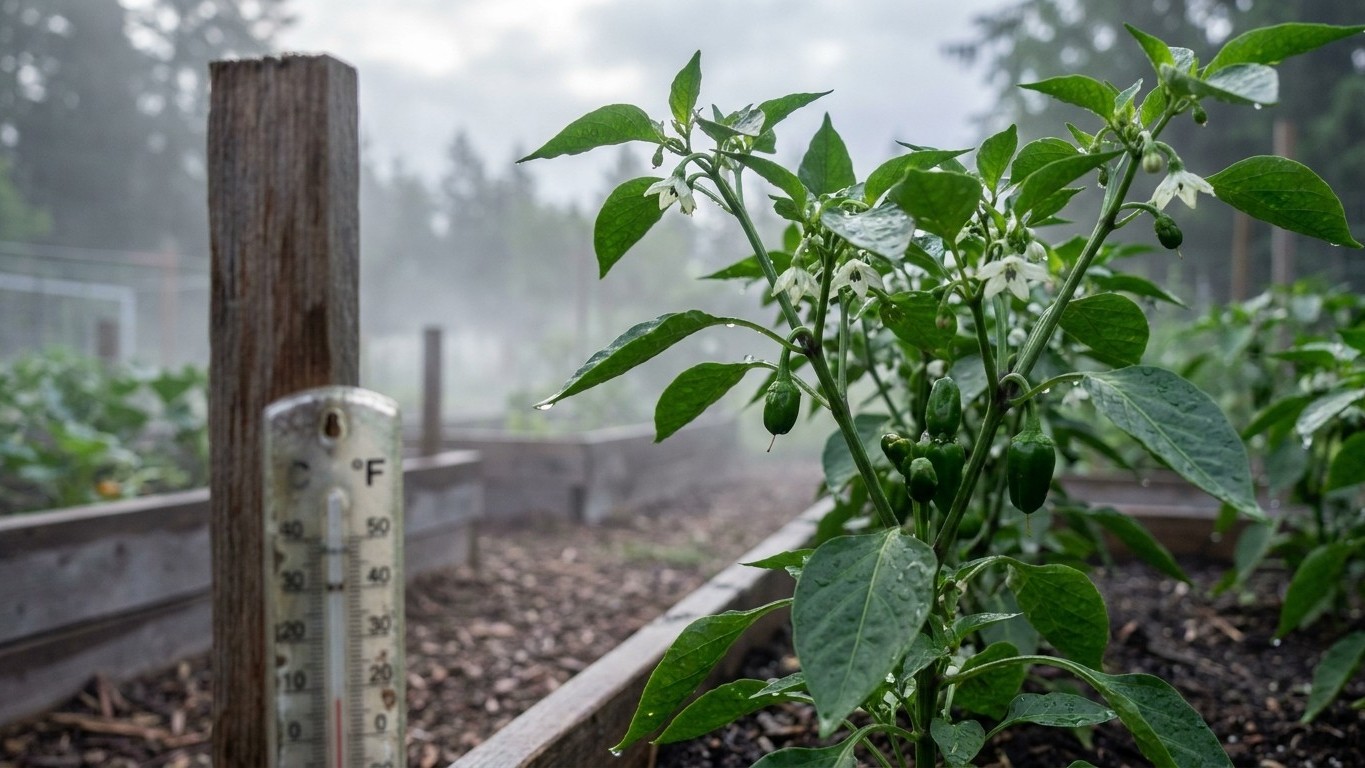
In British Columbia, the biggest threat to pepper fruit set isn’t extreme heat, it’s the opposite.