Growing Peppers in Arkansas: Fruit Set, Heat and Timing
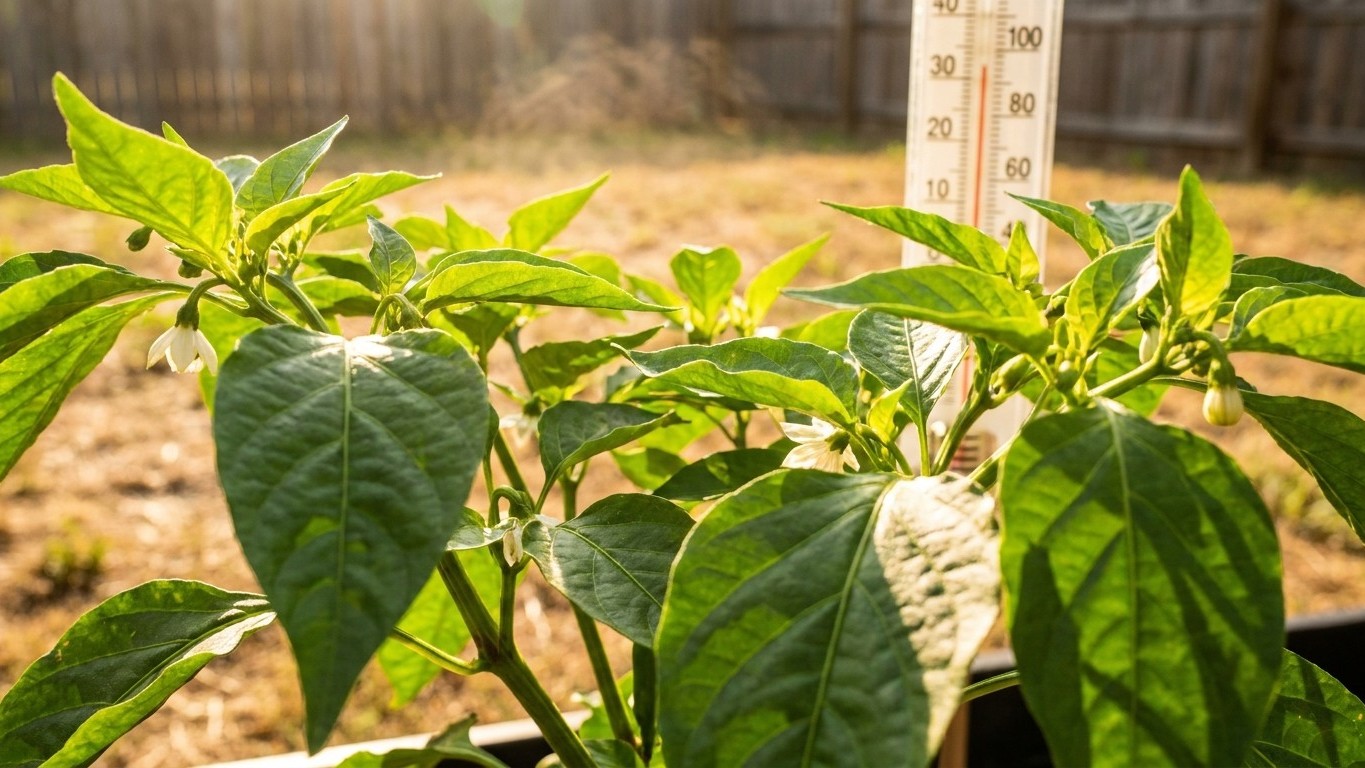
In Arkansas, pepper plants stall out for two separate reasons: nights that drop below 55°F stop pollen from setting, and days that climb past 90°F do the…
Home & garden, state by state
In Arkansas, pepper plants stall out for two separate reasons: nights that drop below 55°F stop pollen from setting, and days that climb past 90°F do the…
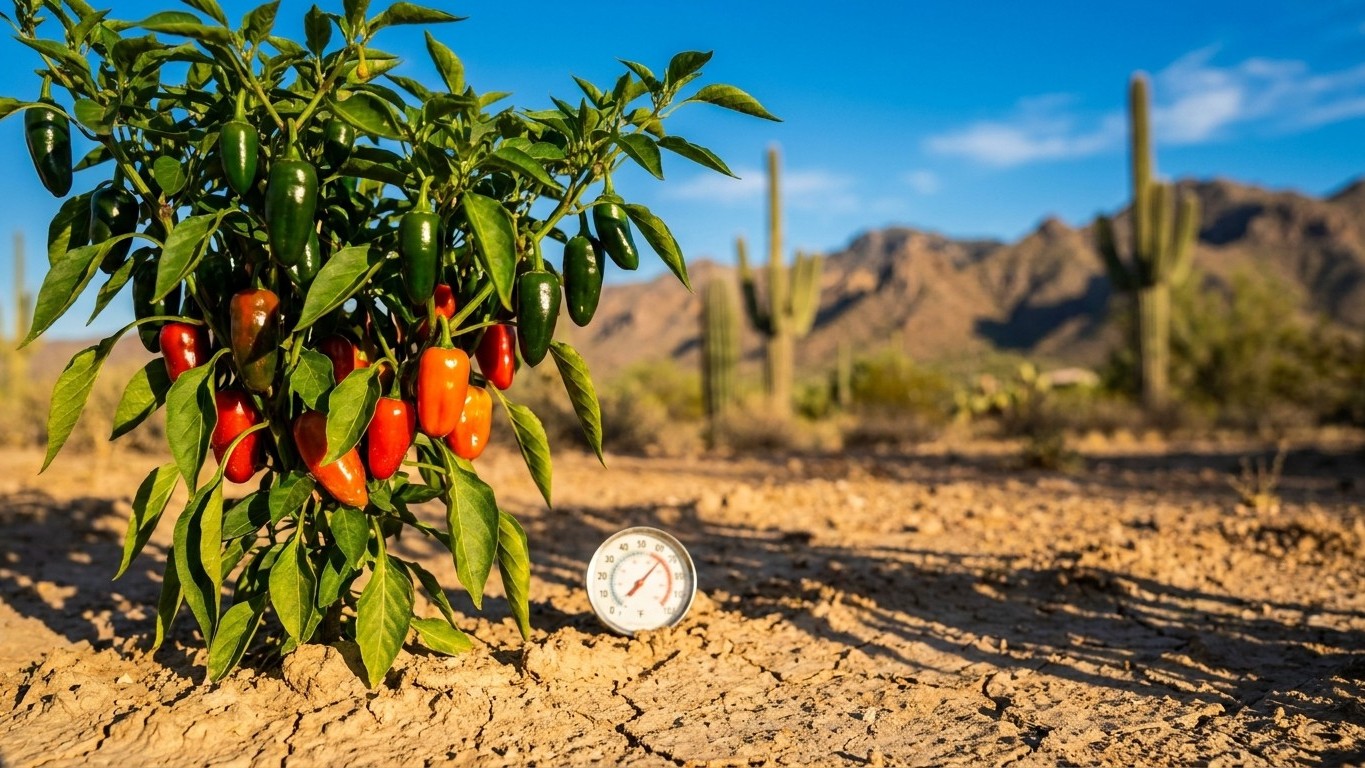
Phoenix racks up an average of 168.9 days a year at or above 90 F. That single number explains why pepper timing in Arizona has almost nothing to do with…
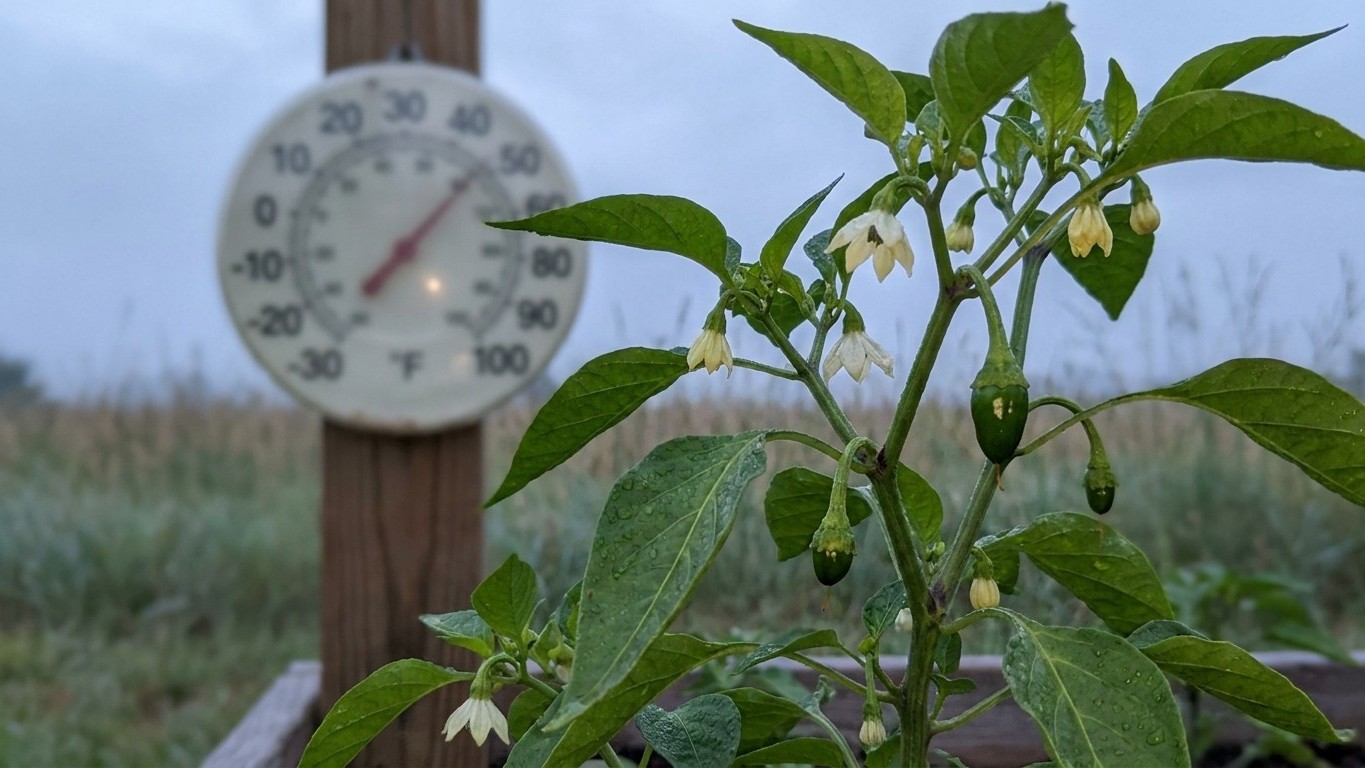
Alberta averages zero days a year at or above 90°F, so pepper fruit set rarely fails from heat here.
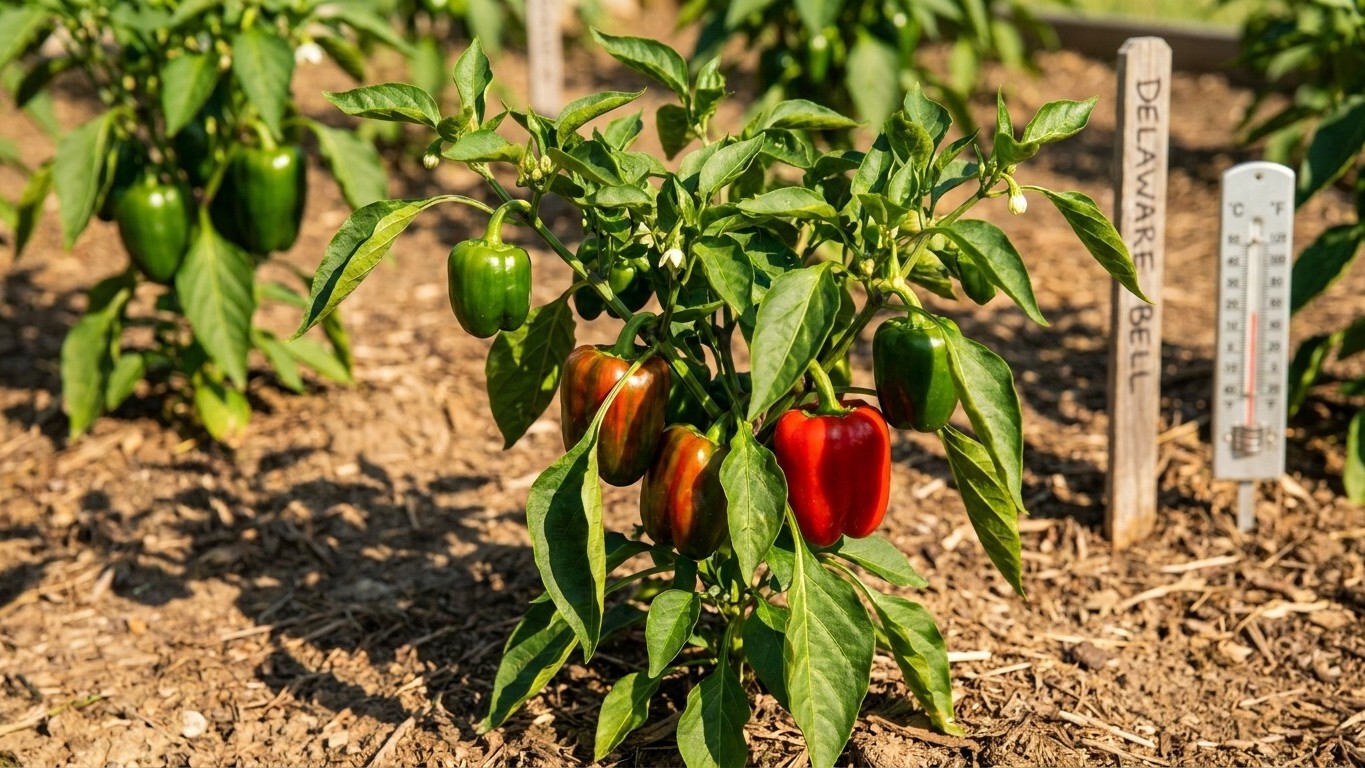
Delaware’s growing season brings two separate risks to pepper fruit set: heat that shuts pollen down and cool nights that do the same from the other…
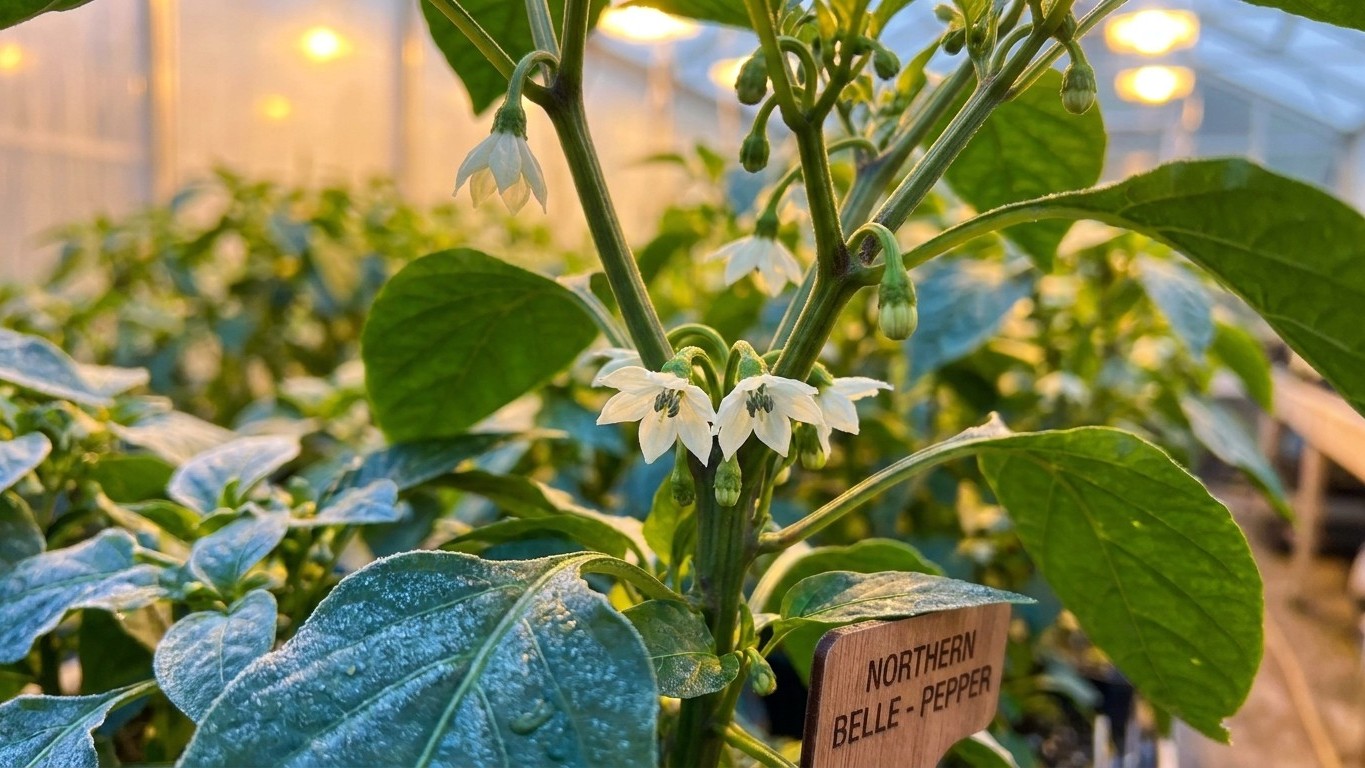
Peppers need warmth to set fruit, and Nunavut’s climate barely offers a season, let alone the sustained heat peppers evolved to expect.
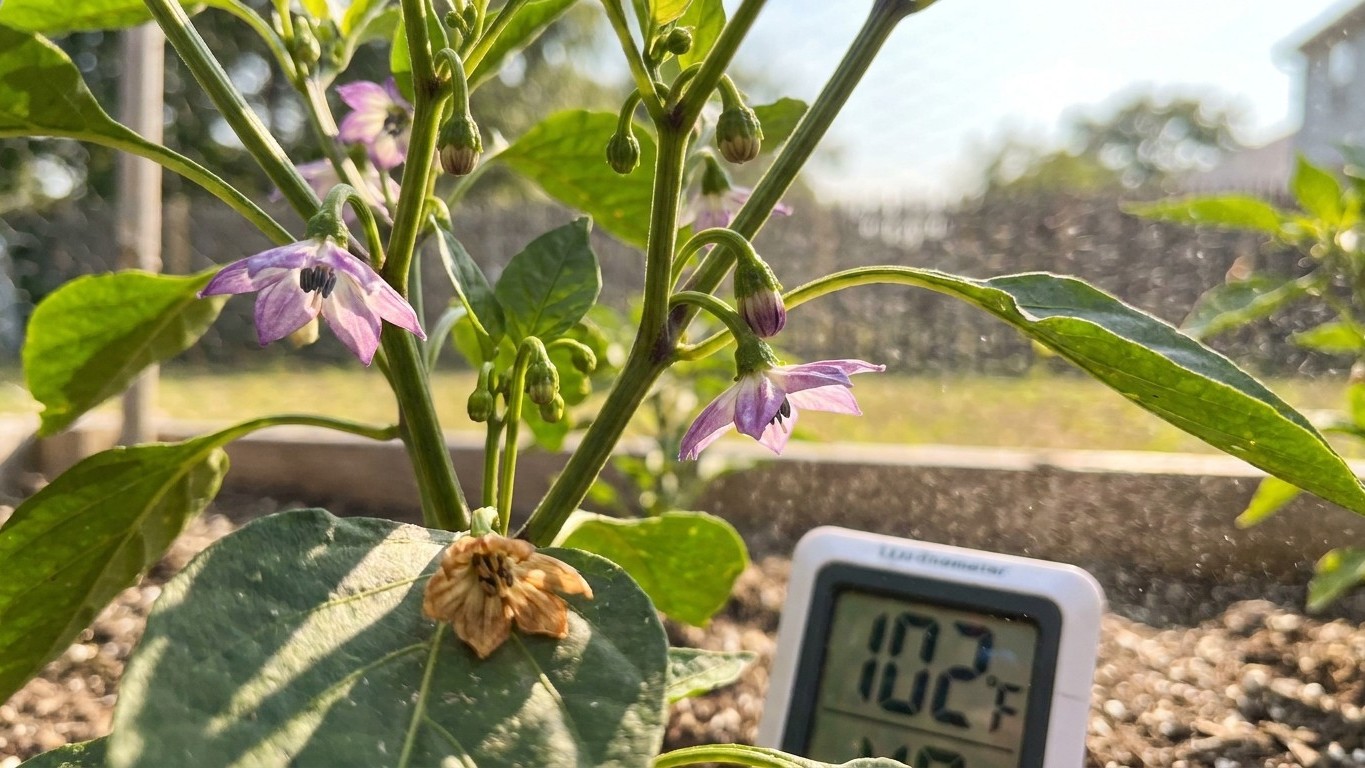
New Jersey peppers face trouble at both ends of the thermometer. On the hot side, the reference station in Newark logs 20.8 days a year at 90°F or above…
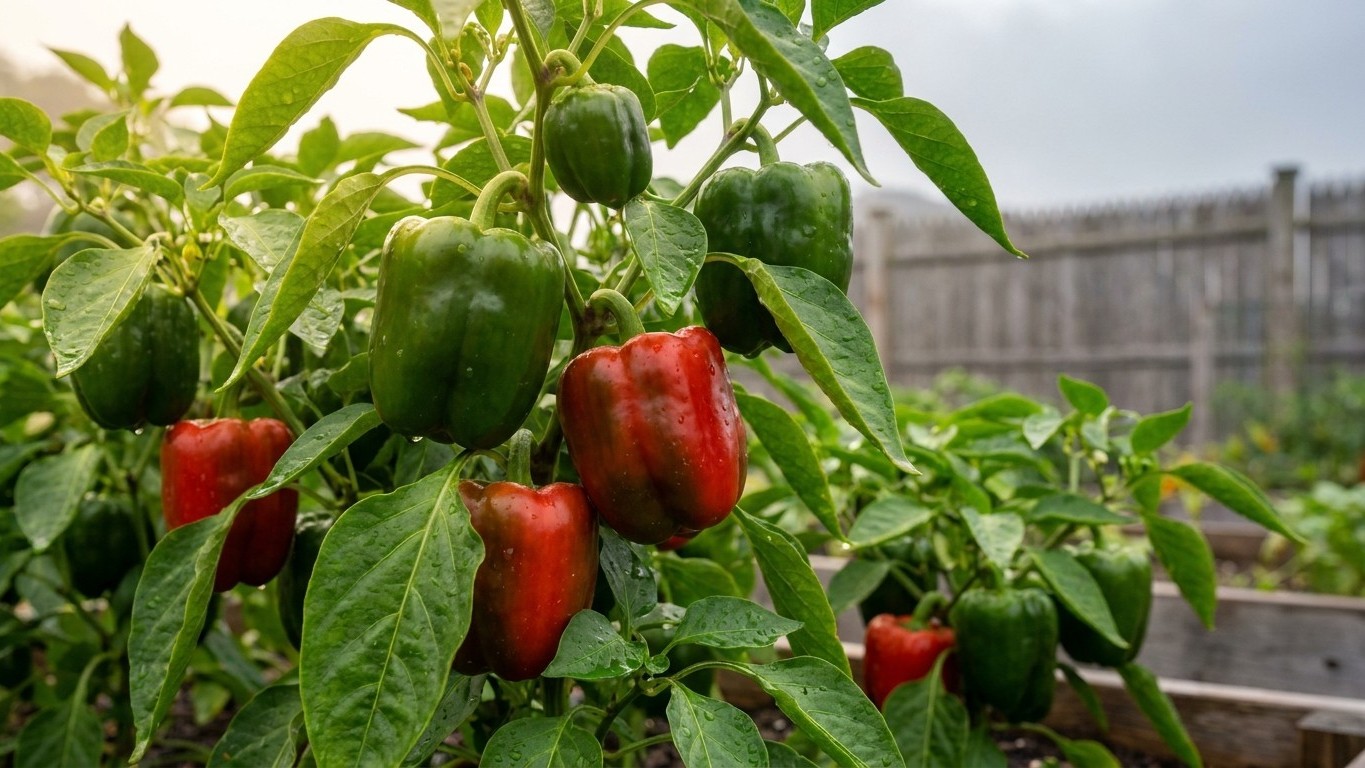
Rhode Island’s coastal climate keeps most summers on the mild side, which actually works in a pepper’s favor.
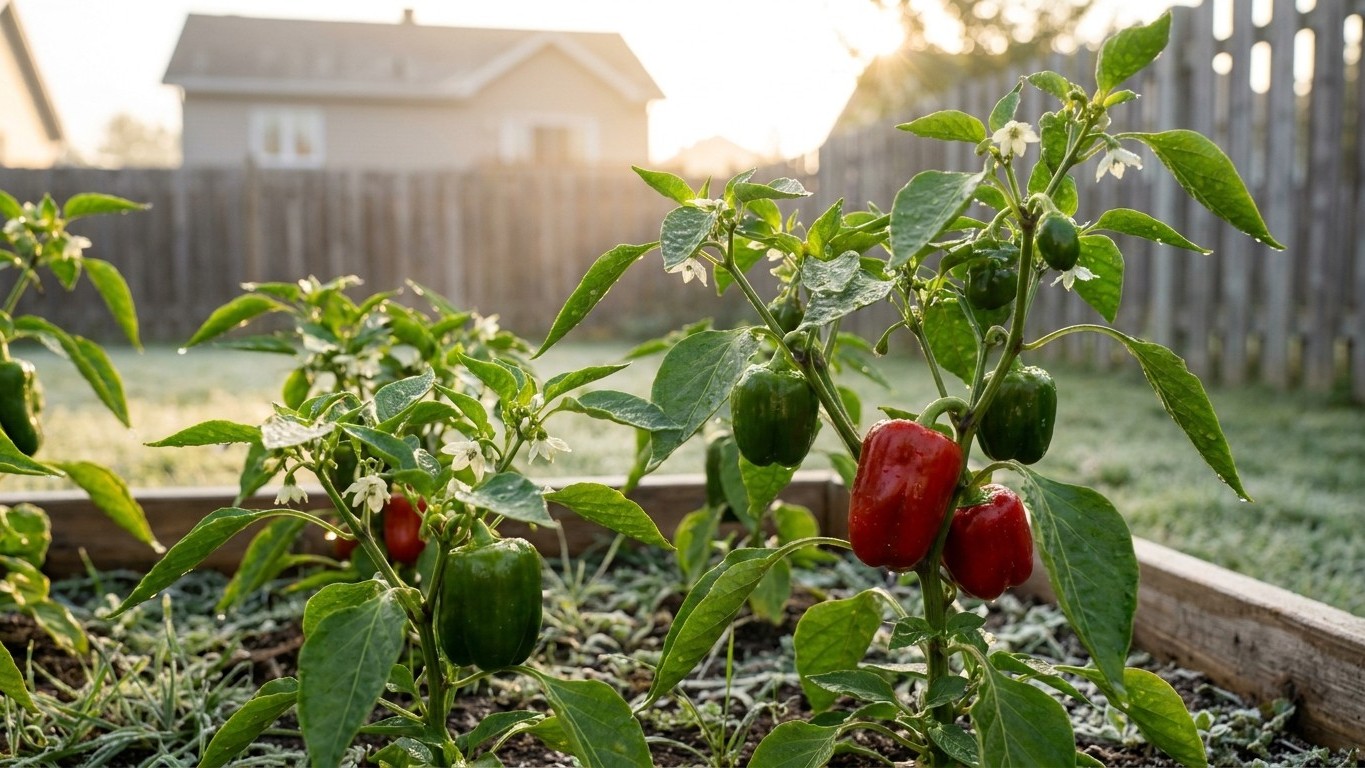
Quebec’s peppers rarely stall out from too much heat, but they stall out plenty from the other direction.
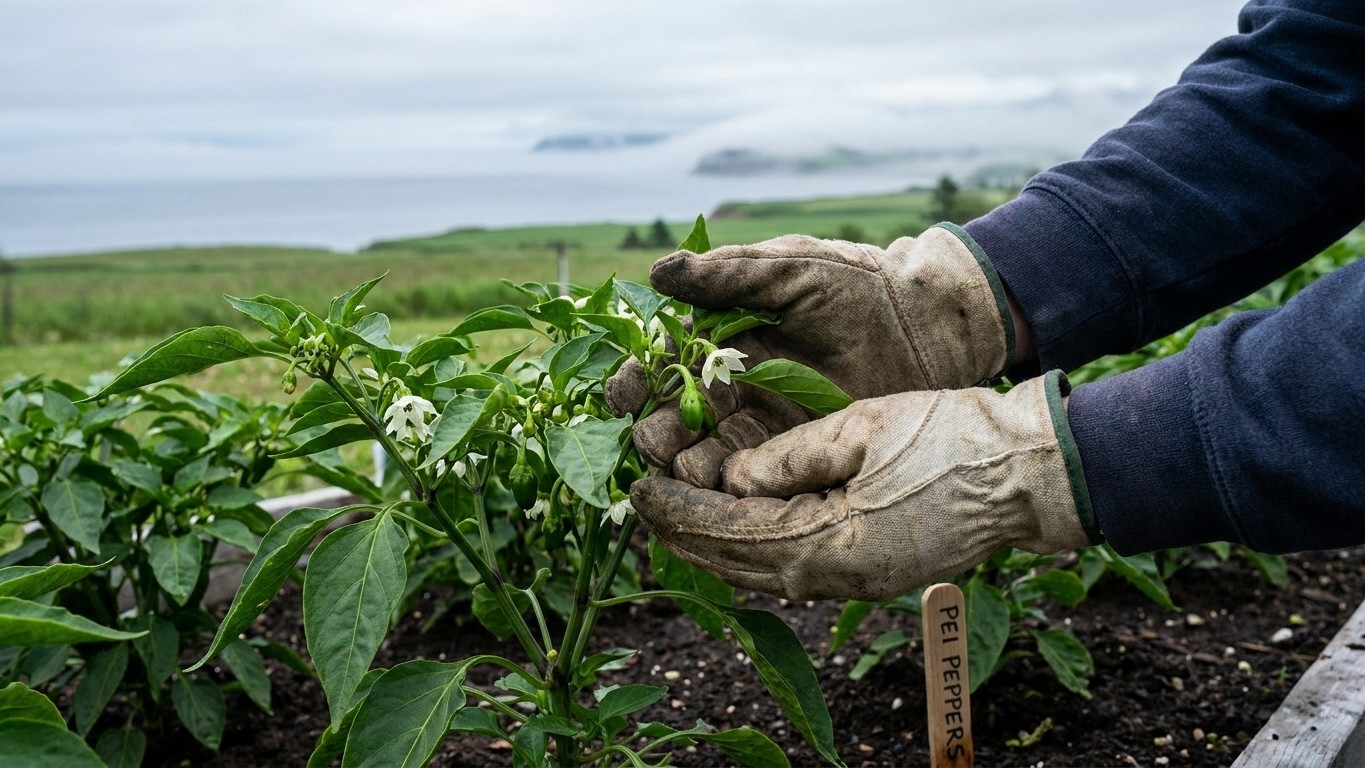
Peppers can produce a real harvest on Prince Edward Island, but the Island’s short, cool growing season changes how you play the whole game.
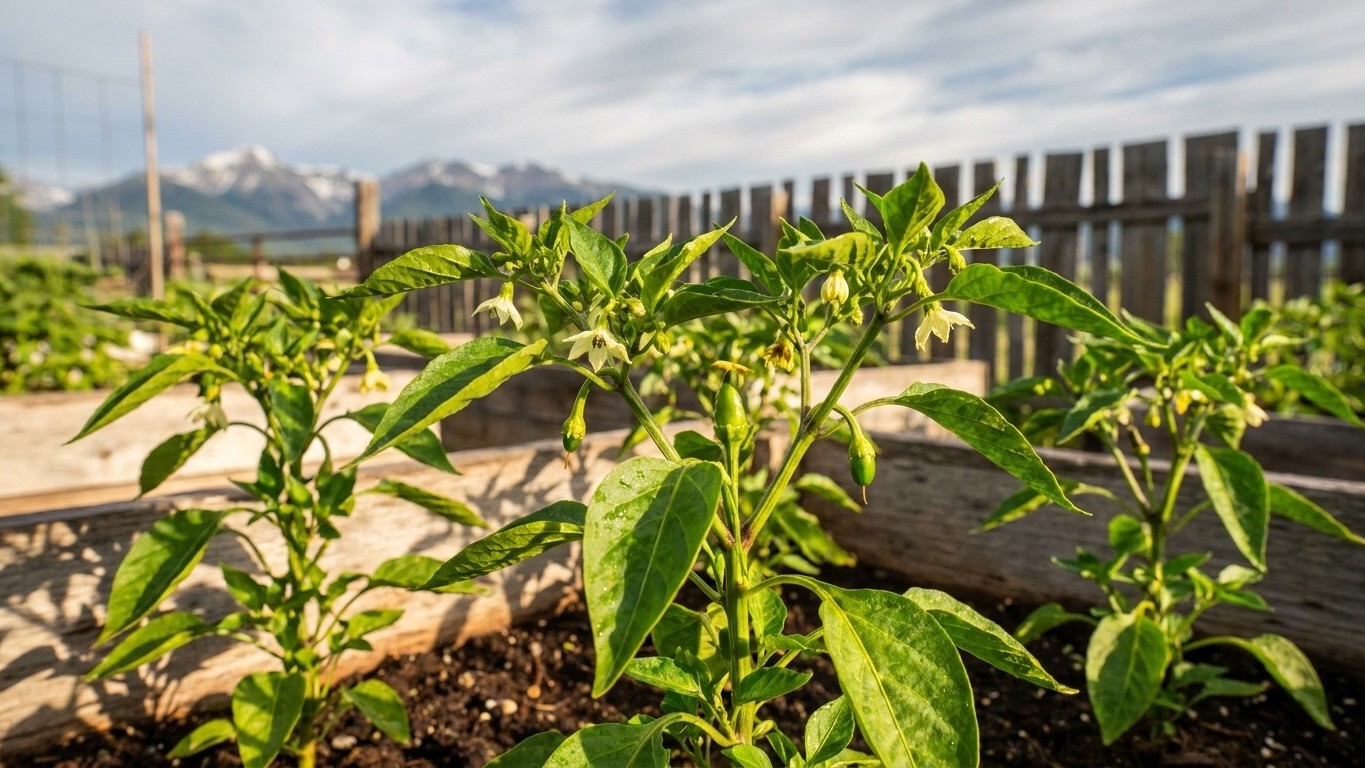
Billings averages 28.3 days a year at or above 90 F, and that number alone can shut down pepper fruit set for stretches of the summer.