Garlic Varieties That Suit Iowa Winters
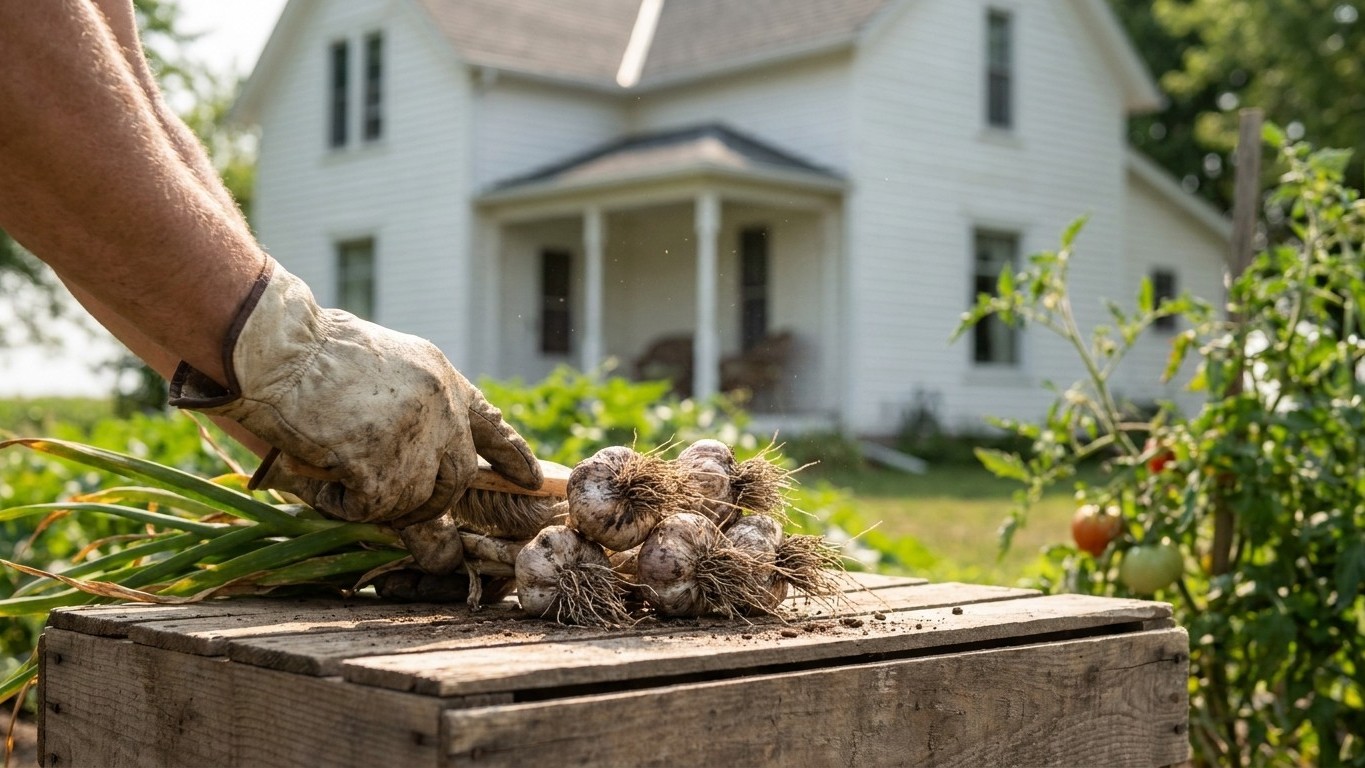
NOAA’s frost data for Des Moines sets the fall planting window for Iowa garlic, and the right hardneck or softneck variety depends on your county’s climate.
Home & garden, state by state
NOAA’s frost data for Des Moines sets the fall planting window for Iowa garlic, and the right hardneck or softneck variety depends on your county’s climate.
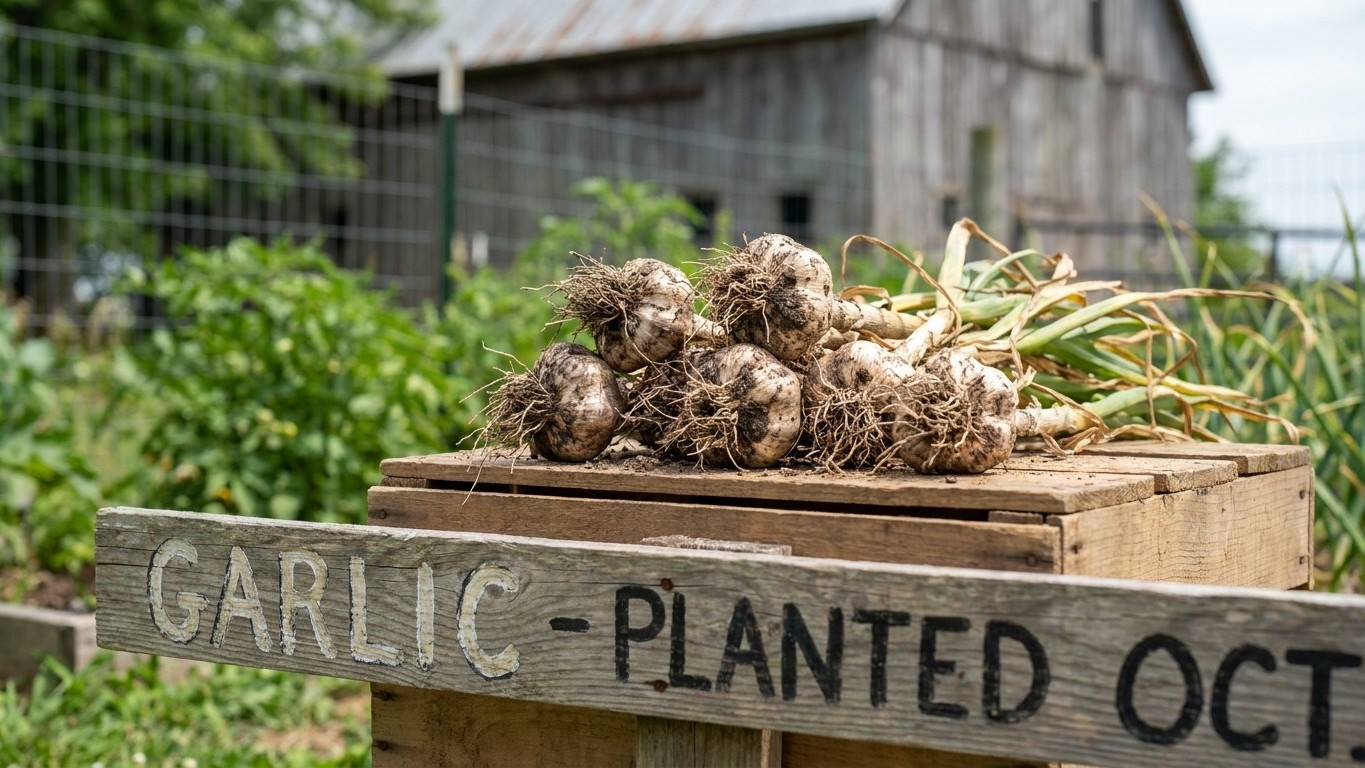
Iowa garlic goes in the ground in fall, timed by counting back from NOAA’s Des Moines frost window, not by a fixed calendar date.
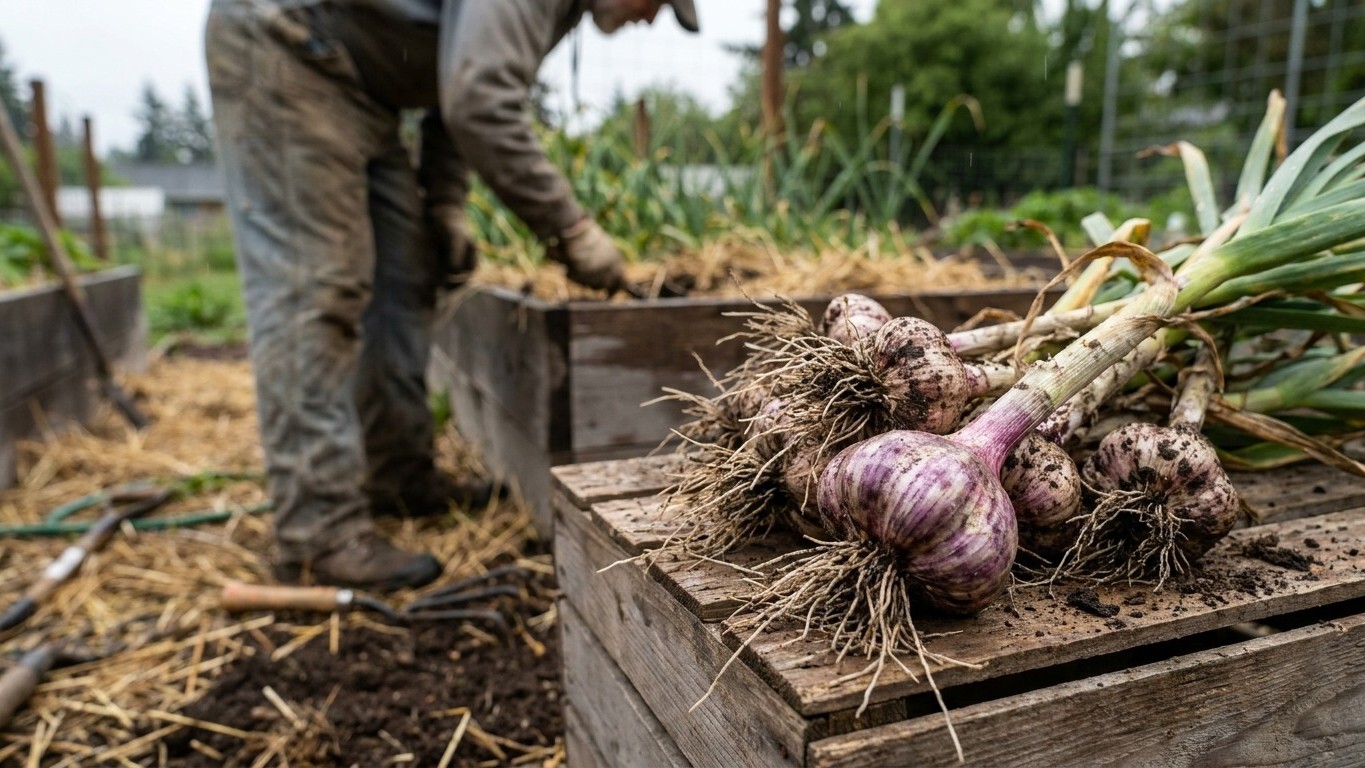
West of the Cascades, Oregon winters run mild enough that garlic’s cold requirement isn’t guaranteed, so growers choose softneck varieties or pre-chill hardneck cloves before planting.
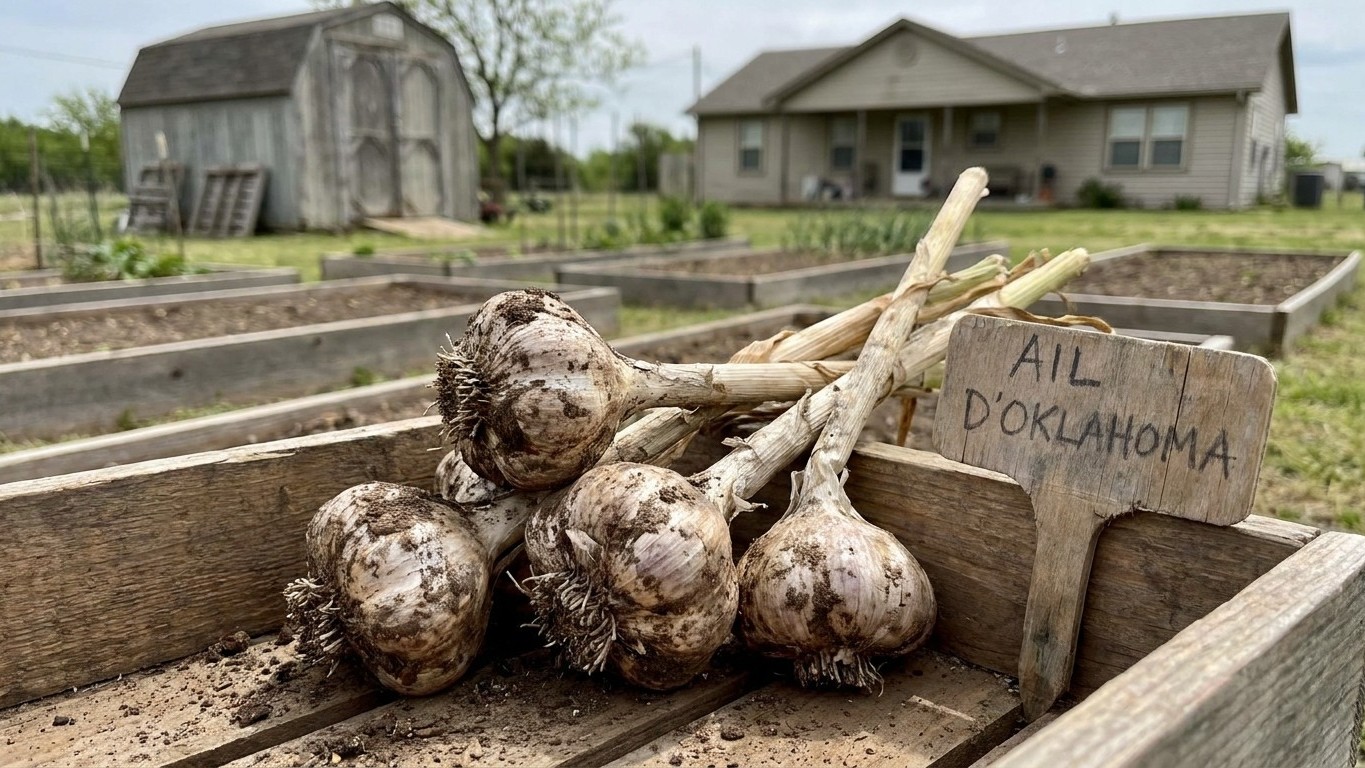
Oklahoma’s fall frost date, winter cold requirements, and the best hardneck and softneck garlic varieties for planting in October, based on NOAA and catalogue data.
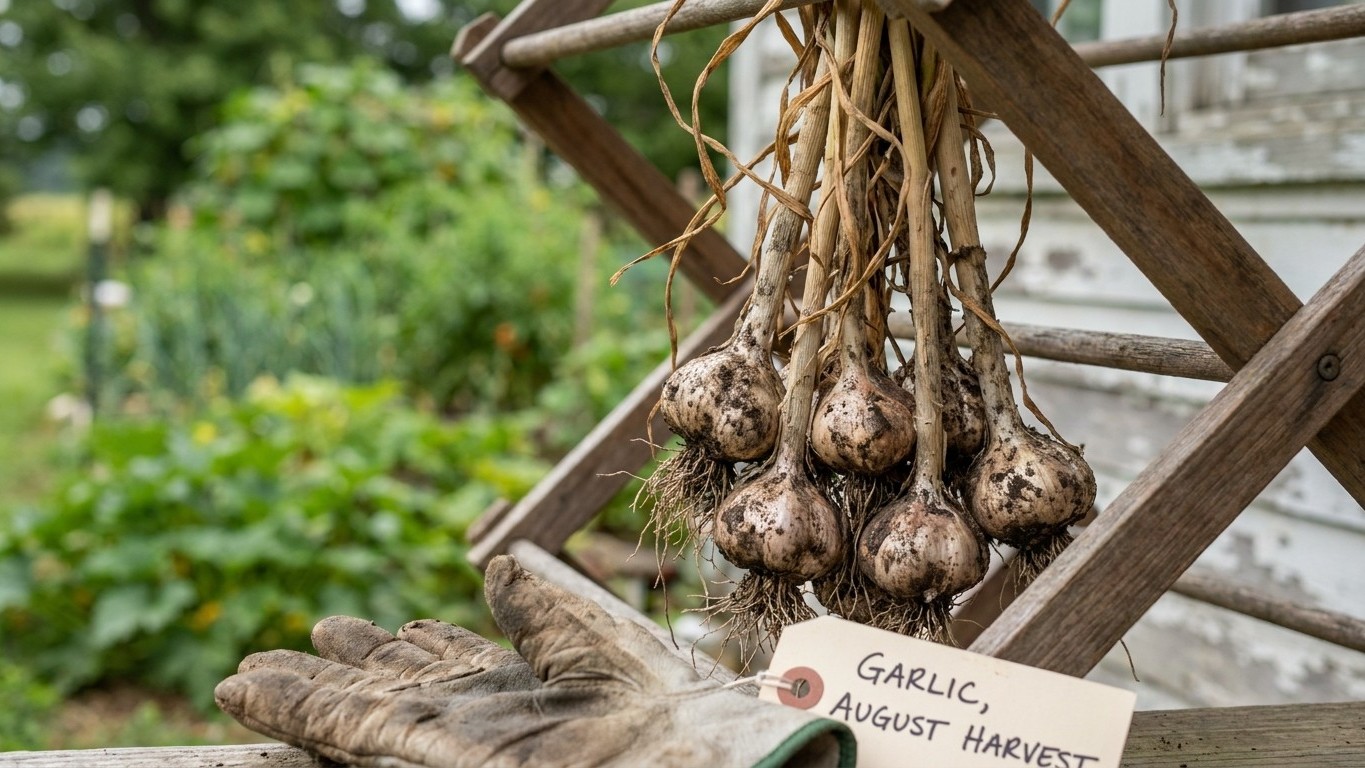
Garlic in Indiana is planted in fall, from late September to early October, counted back from Indianapolis’s average first frost recorded by NOAA.
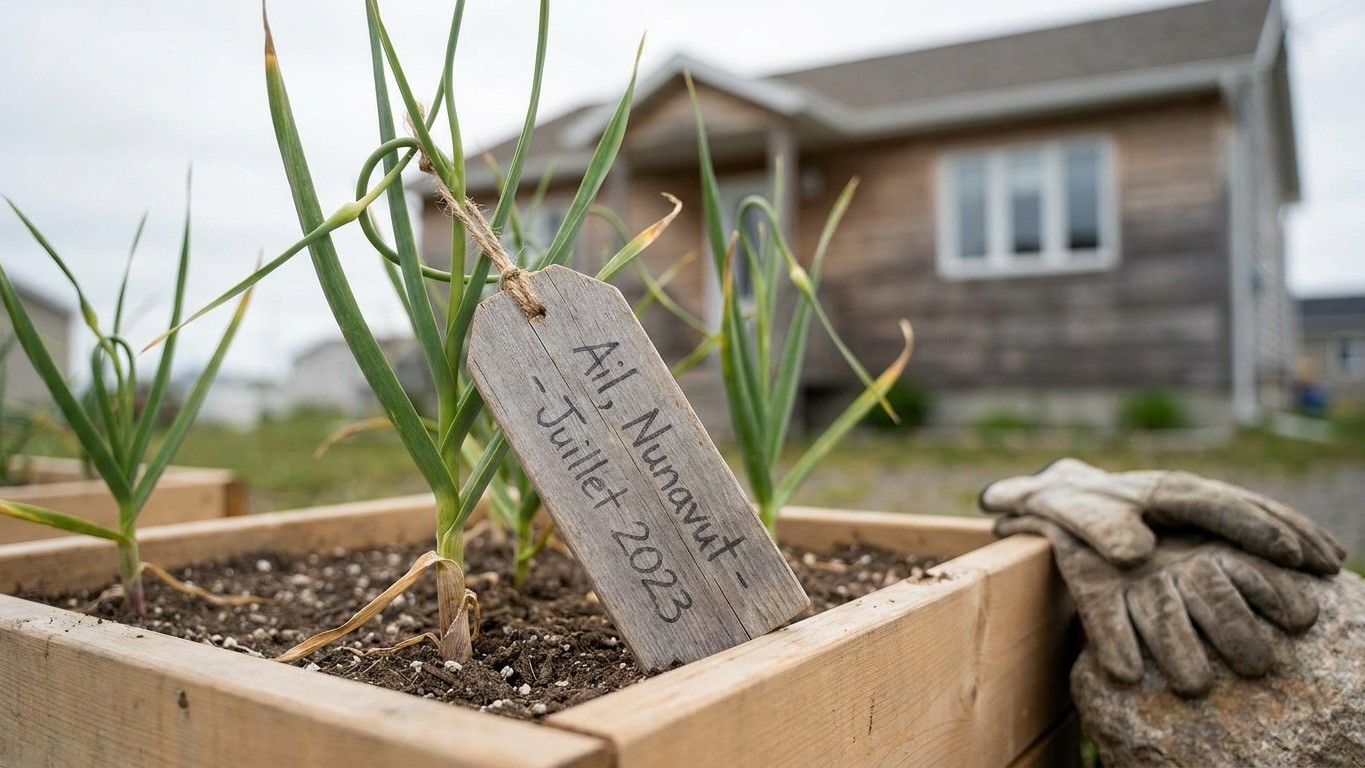
Rankin Inlet’s climate data shows Nunavut’s winters give garlic more cold than it needs, making hardneck varieties like Duganski and Chesnok Red the practical choice for the territory.
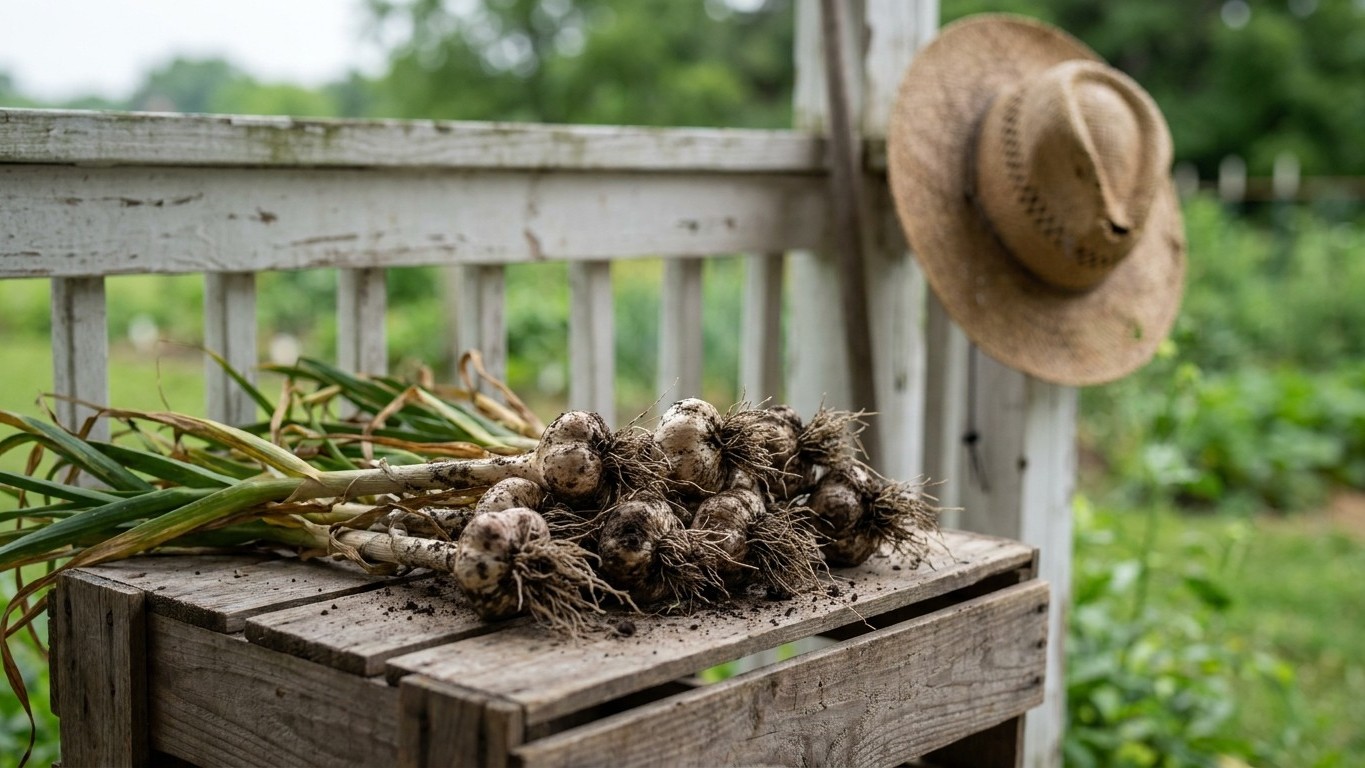
Ohio’s cold winters divide garlic cloves reliably, so the real choices are variety, planting timing, and how to mulch through freeze-thaw cycles.
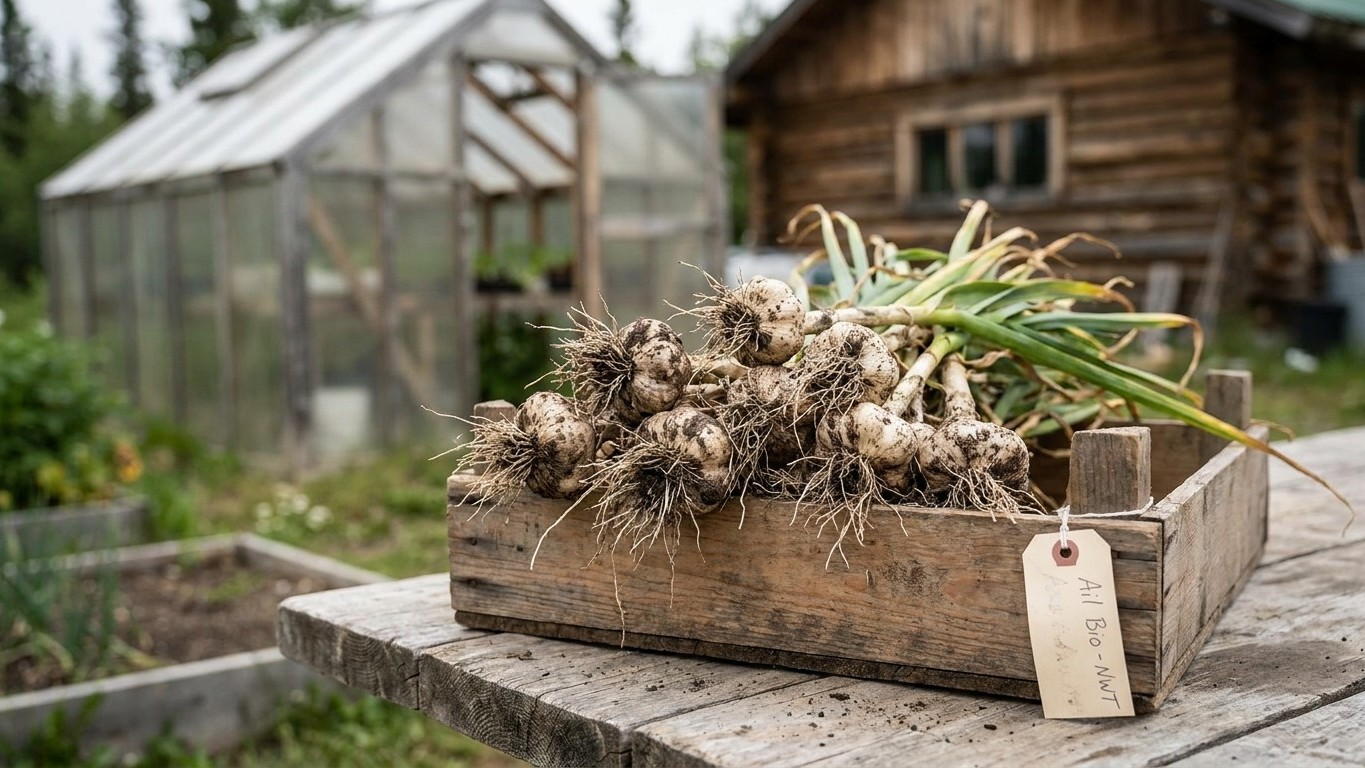
Northwest Territories’ long winter easily meets garlic’s chilling needs, but fitting root growth in before the ground freezes hard is the real challenge.
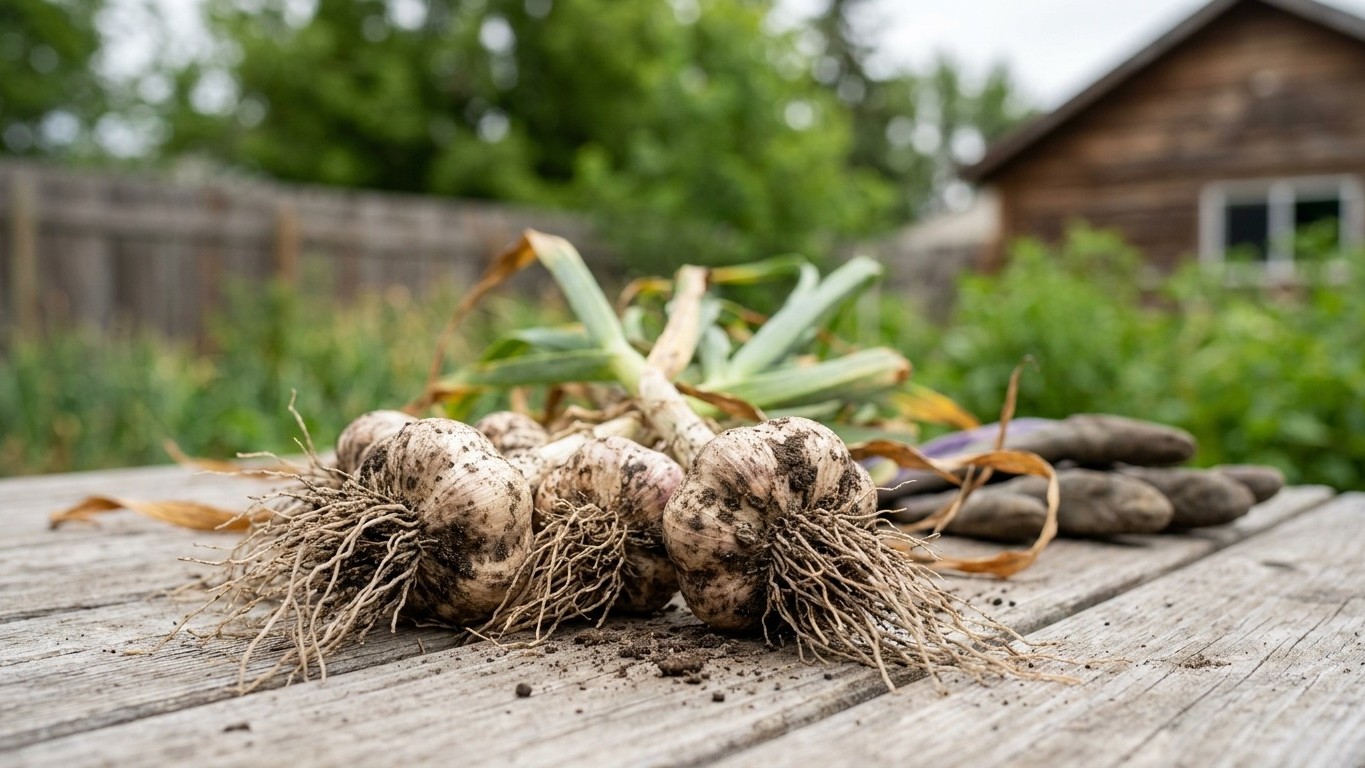
North Dakota’s long, cold winters suit hardneck garlic well, but planting date, mulch depth, and drainage decide whether the bulbs survive to harvest.
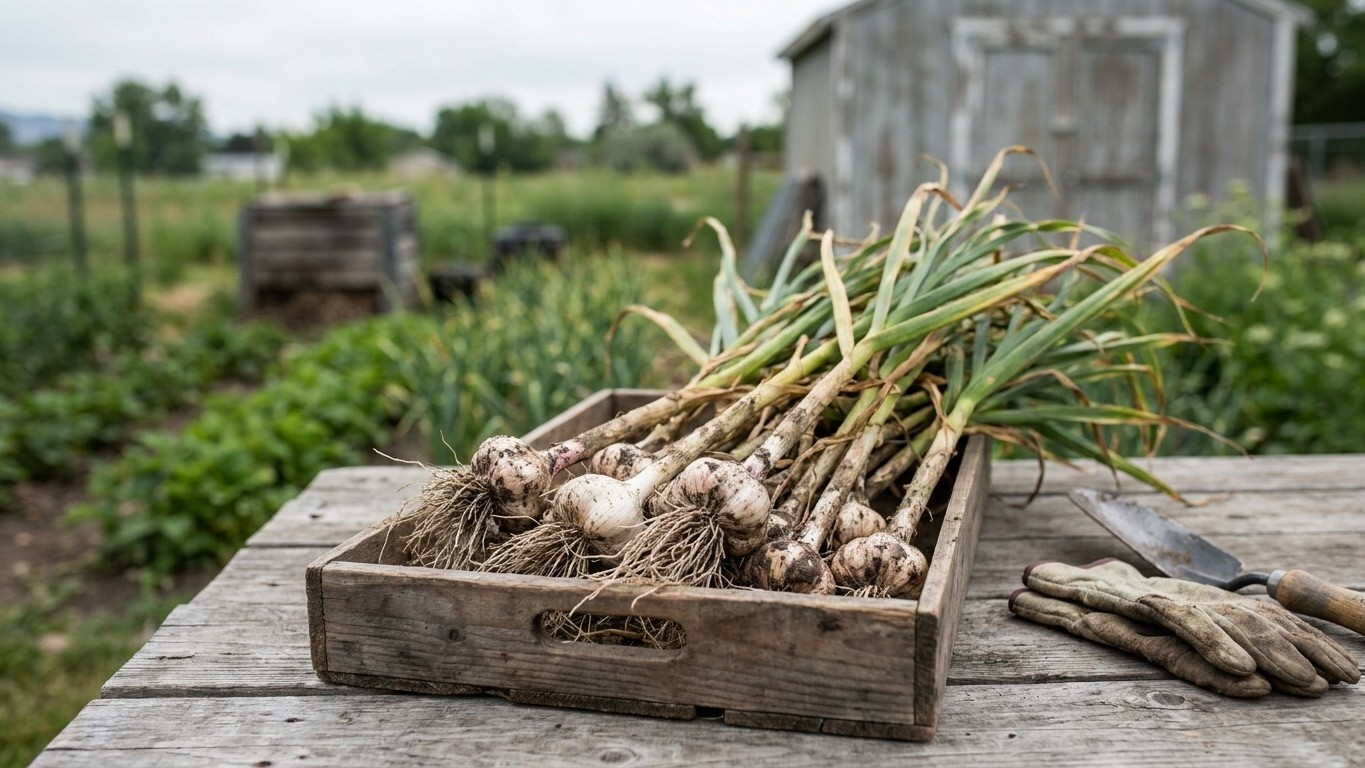
Idaho’s first fall frost sets the garlic planting window, and hardneck varieties tend to handle the state’s cold better than softneck types do.