Cover Crops for Nunavut Gardens
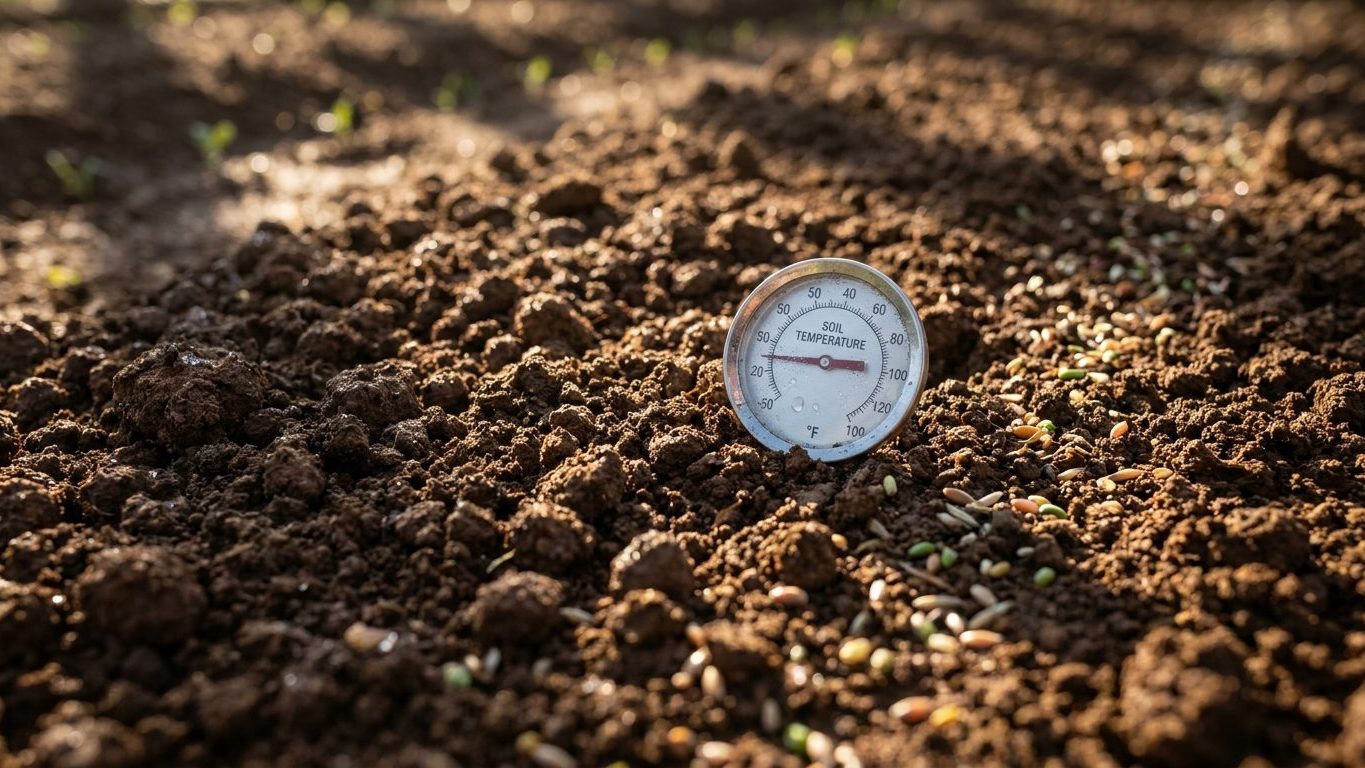
Cover crops can work in Nunavut, but the growing window is short enough that most of the usual playbook falls away.
Home & garden, state by state
Cover crops can work in Nunavut, but the growing window is short enough that most of the usual playbook falls away.
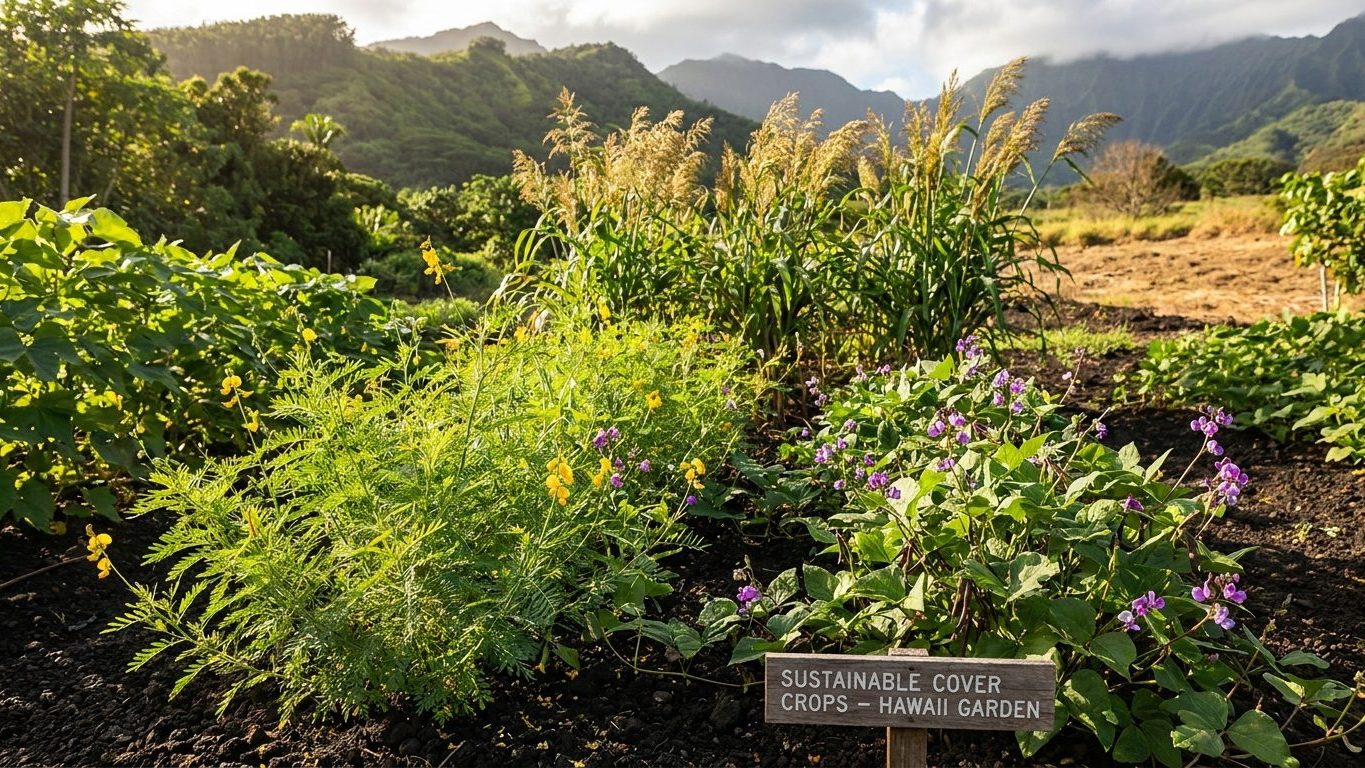
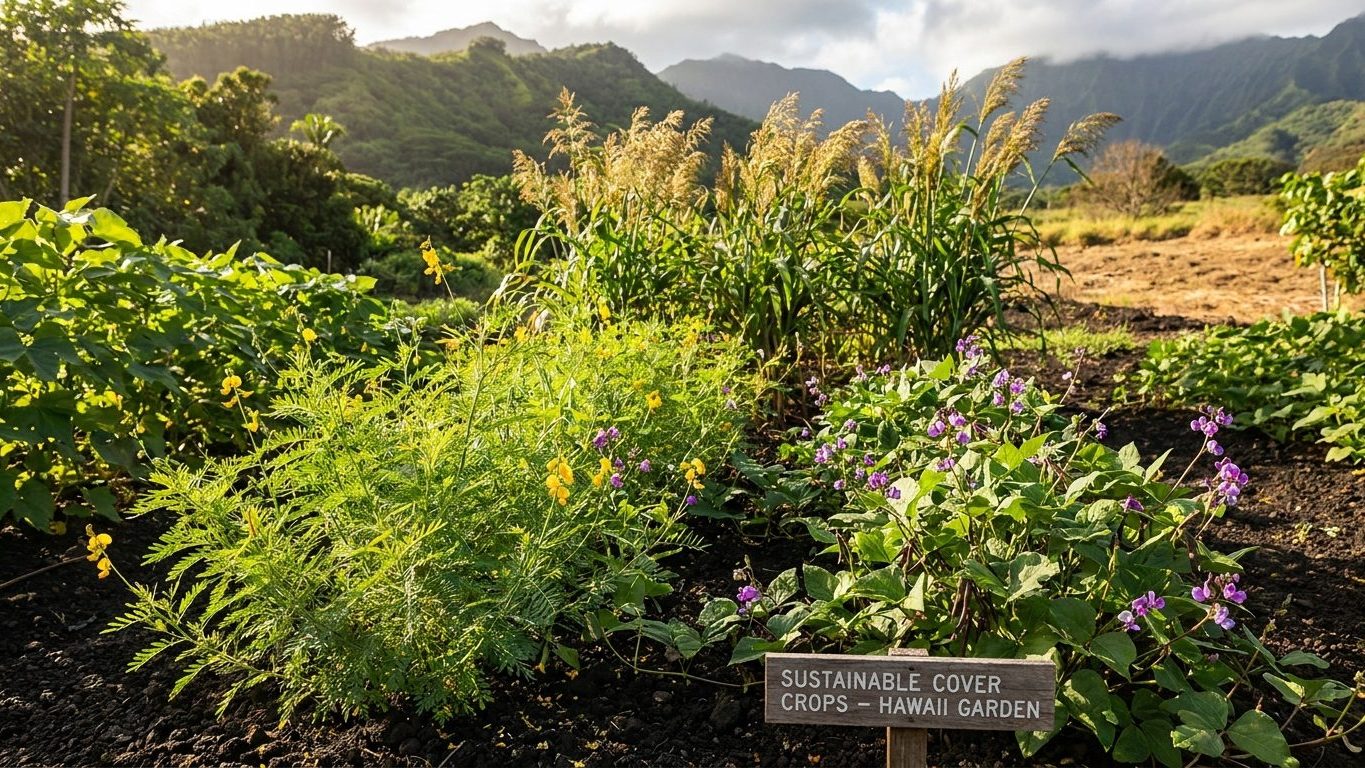
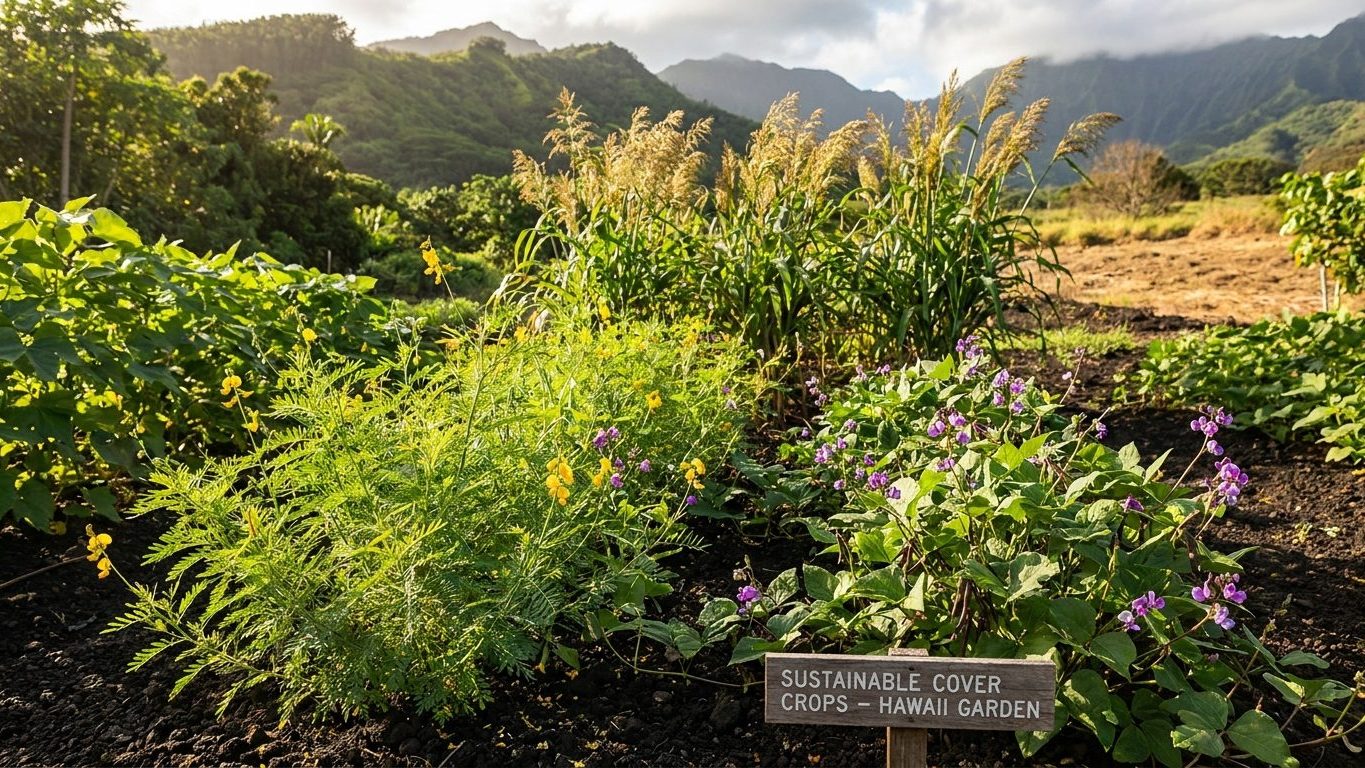
There’s no single “best” cover crop for Hawaii because there’s no single Hawaii growing season to plan around.
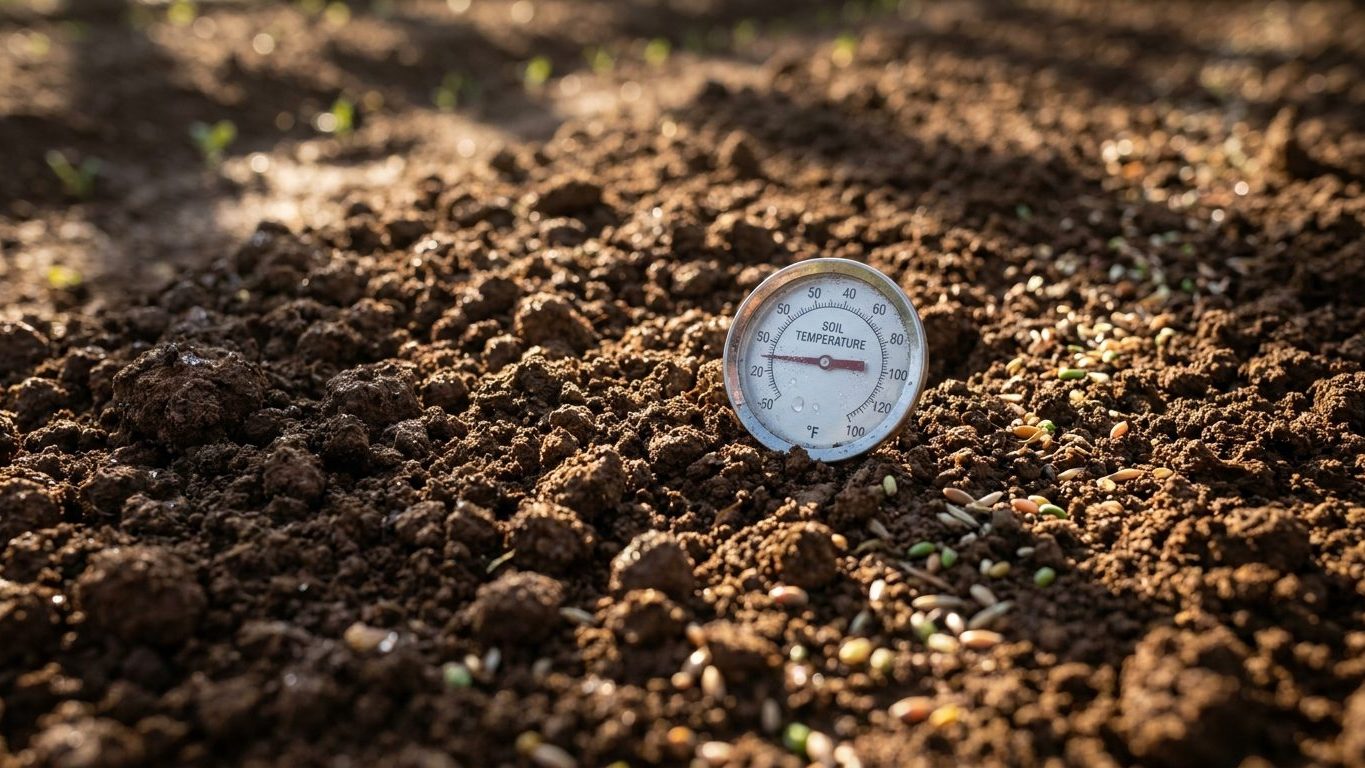
Nova Scotia gardeners can start warm-season cover crops once soil has shed its spring chill, typically from mid-to-late May onward, and switch to…
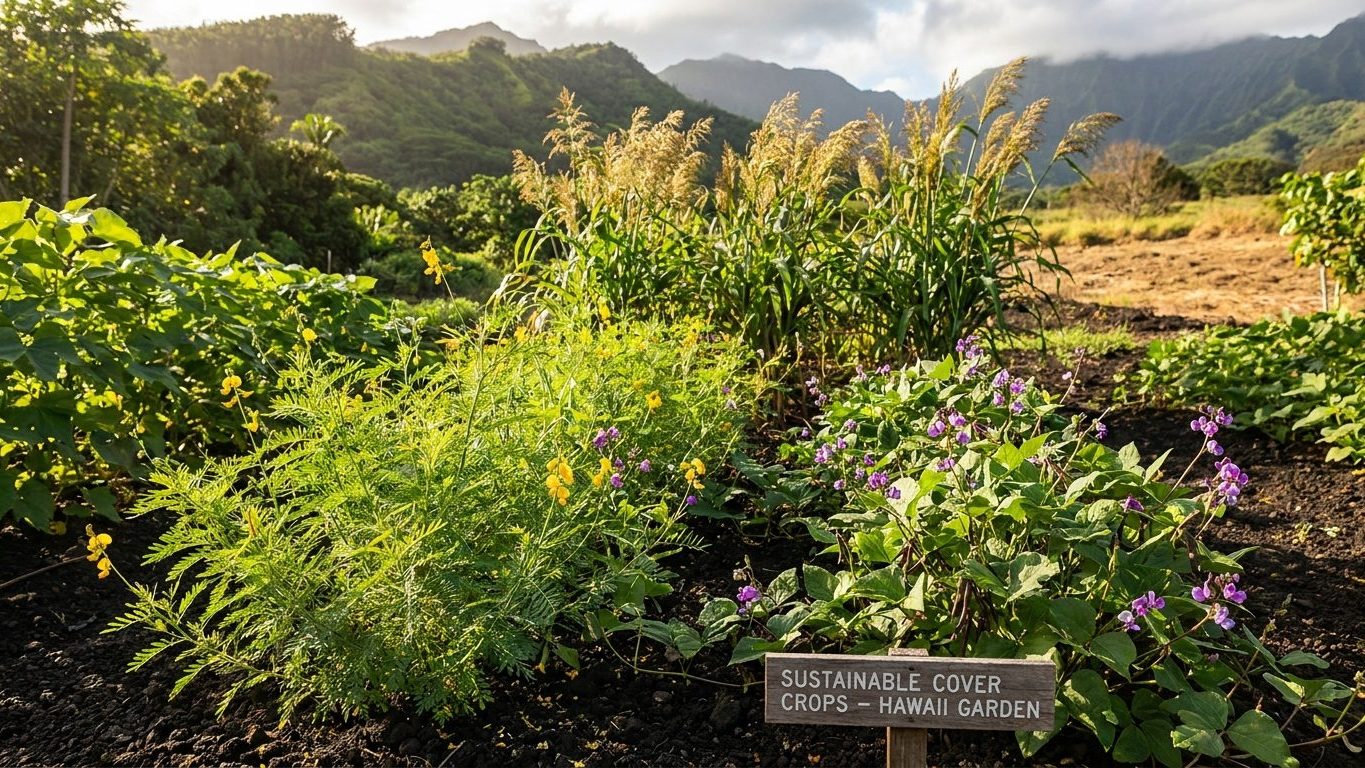
Georgia’s answer splits by season, not by variety. Cool-season legumes and cereals, crimson clover, hairy vetch, cereal rye, oats, cover the…
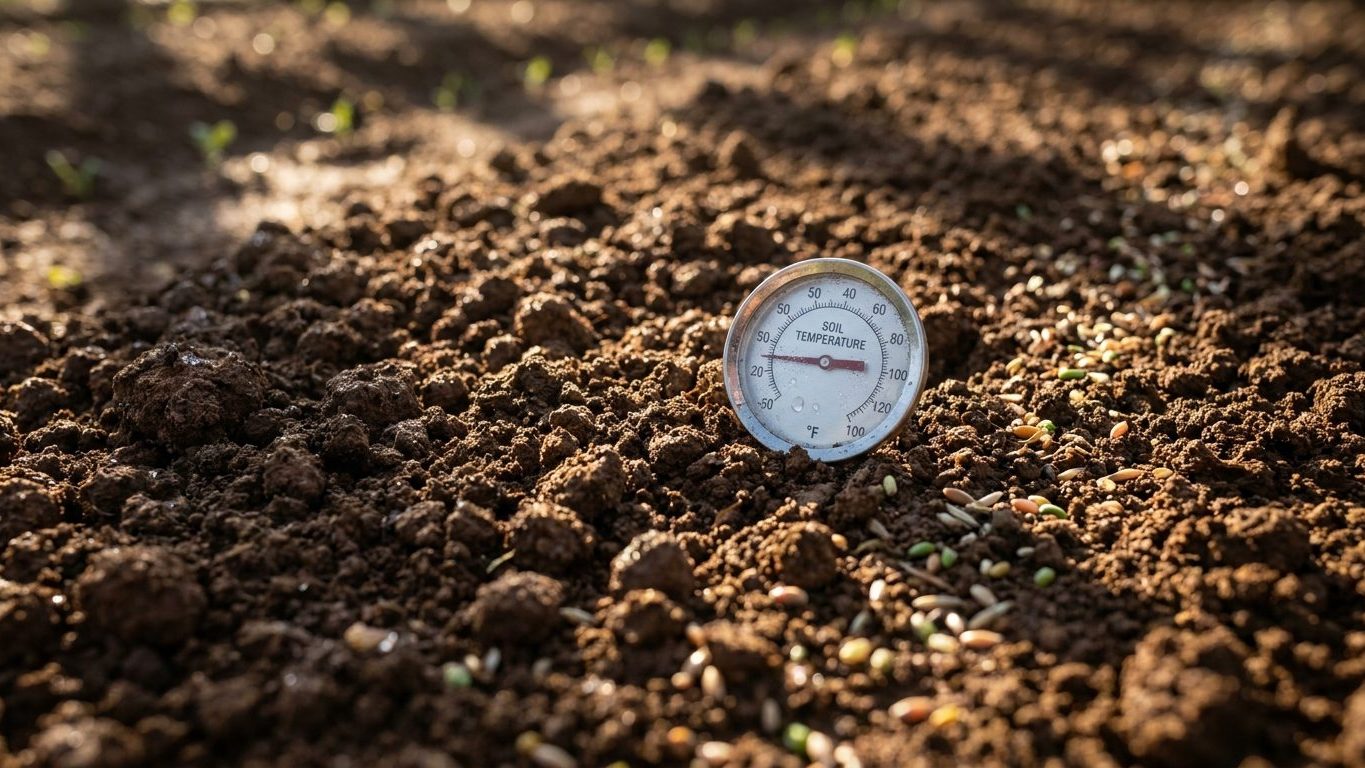
Cover crops in the Northwest Territories go in once the soil itself has warmed, which trails the average last spring frost of May 25 at Yellowknife by a…
For most of Florida, the strongest cover crop choices split by season rather than by soil type: cool-season legumes such as crimson clover and cereal…
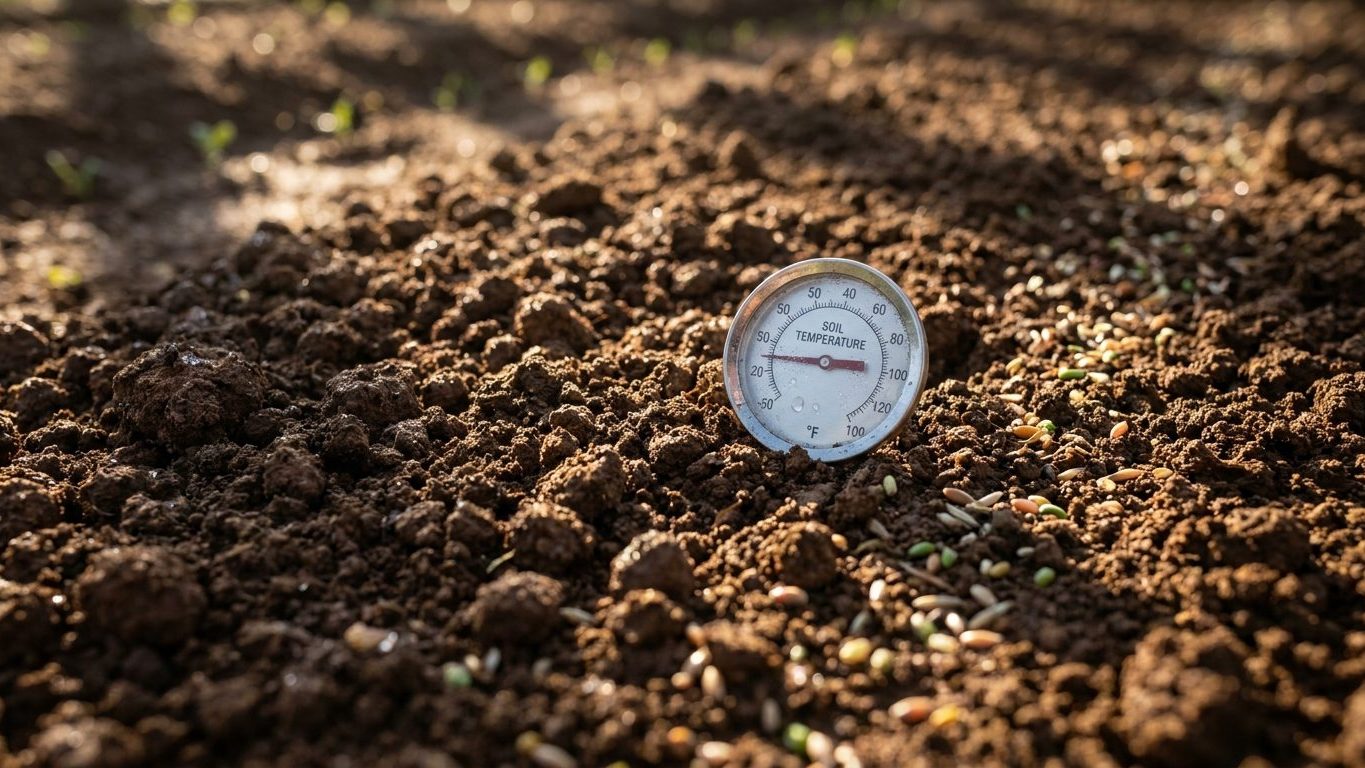
In the Fargo area, cover crops go into ground that has been frost-free for roughly two to three weeks, once soil temperature rather than air temperature…
Winter cereal rye, crimson clover, and hairy vetch are the strongest full-season choices for Delaware gardens and farms, thanks to a coldest-month mean…
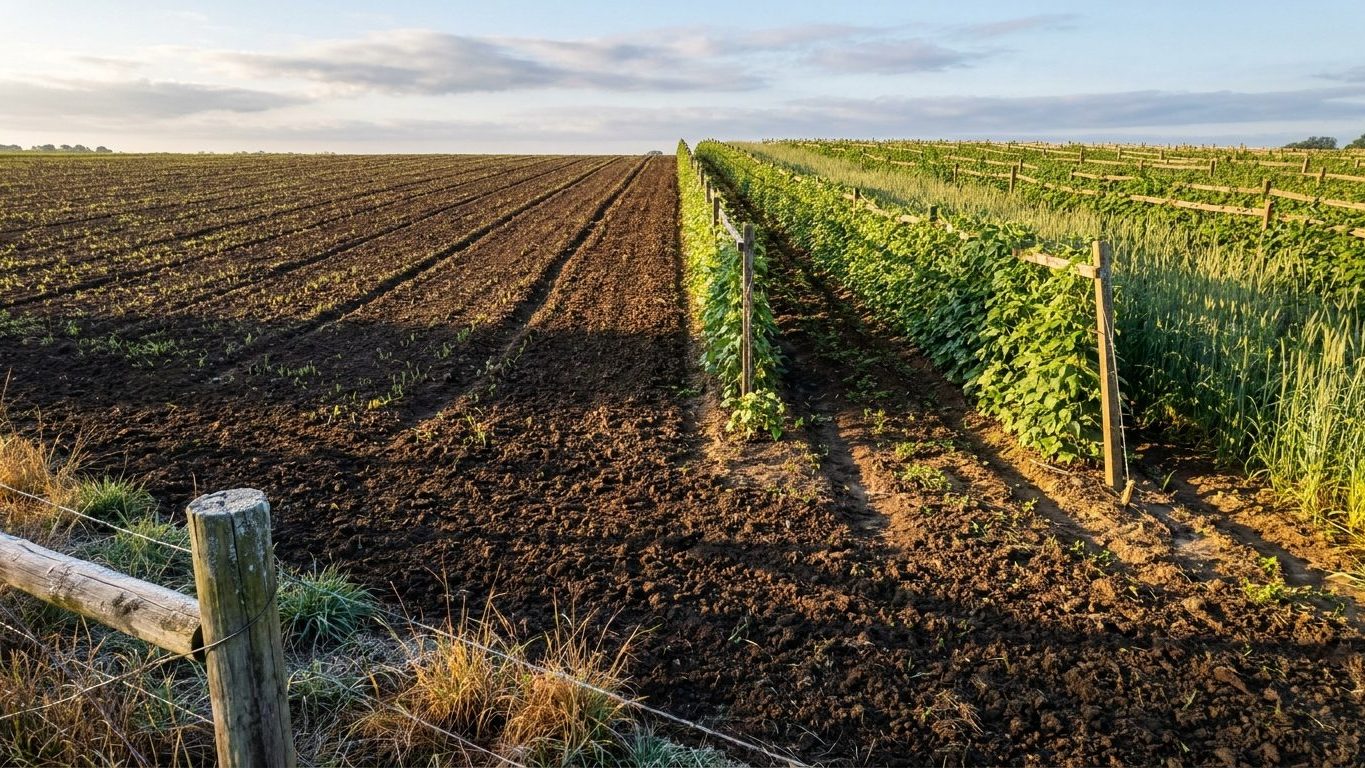
Connecticut’s fall cover-crop window falls between roughly six and eight weeks before the first fall frost, which lands between October 28 and November…
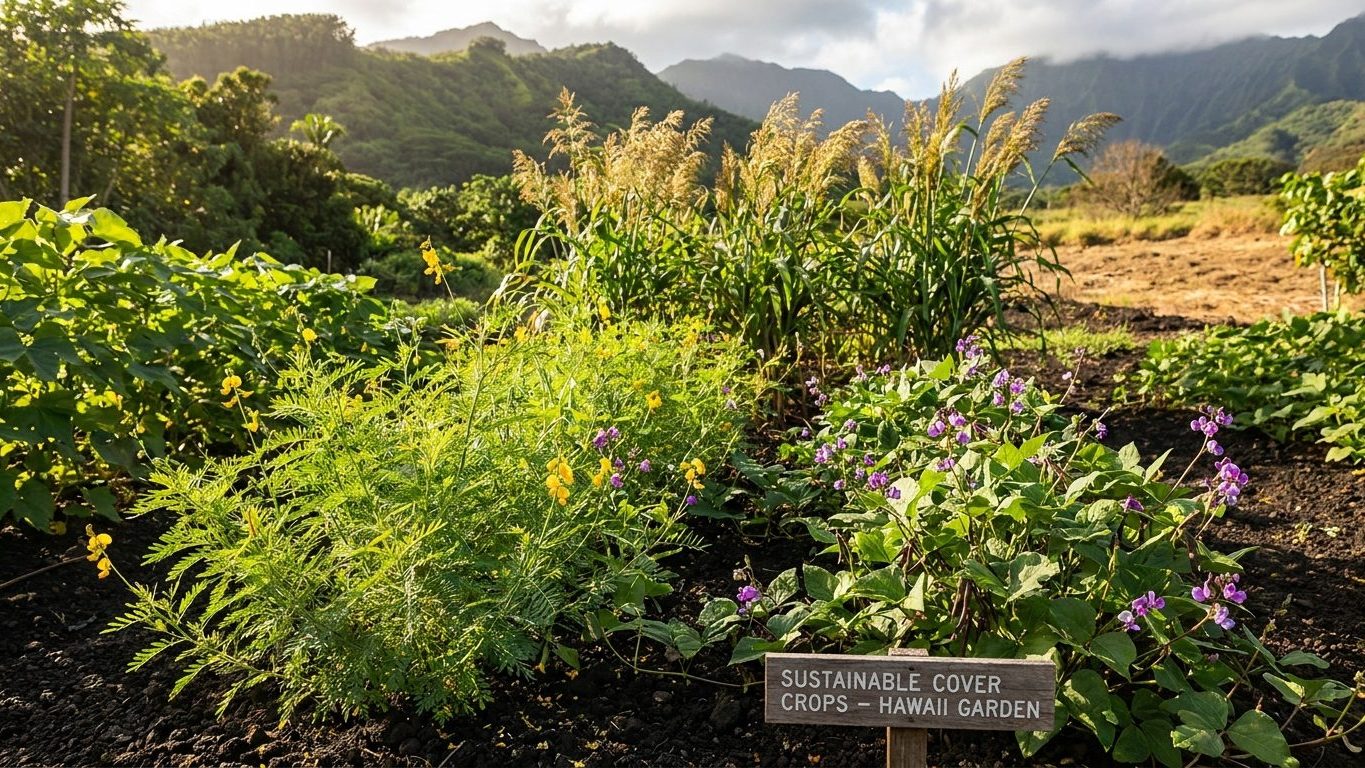
Winter rye is the one cover crop that works almost everywhere in Connecticut, in every part of the state and in nearly every kind of garden.