Holding Soil Over Winter
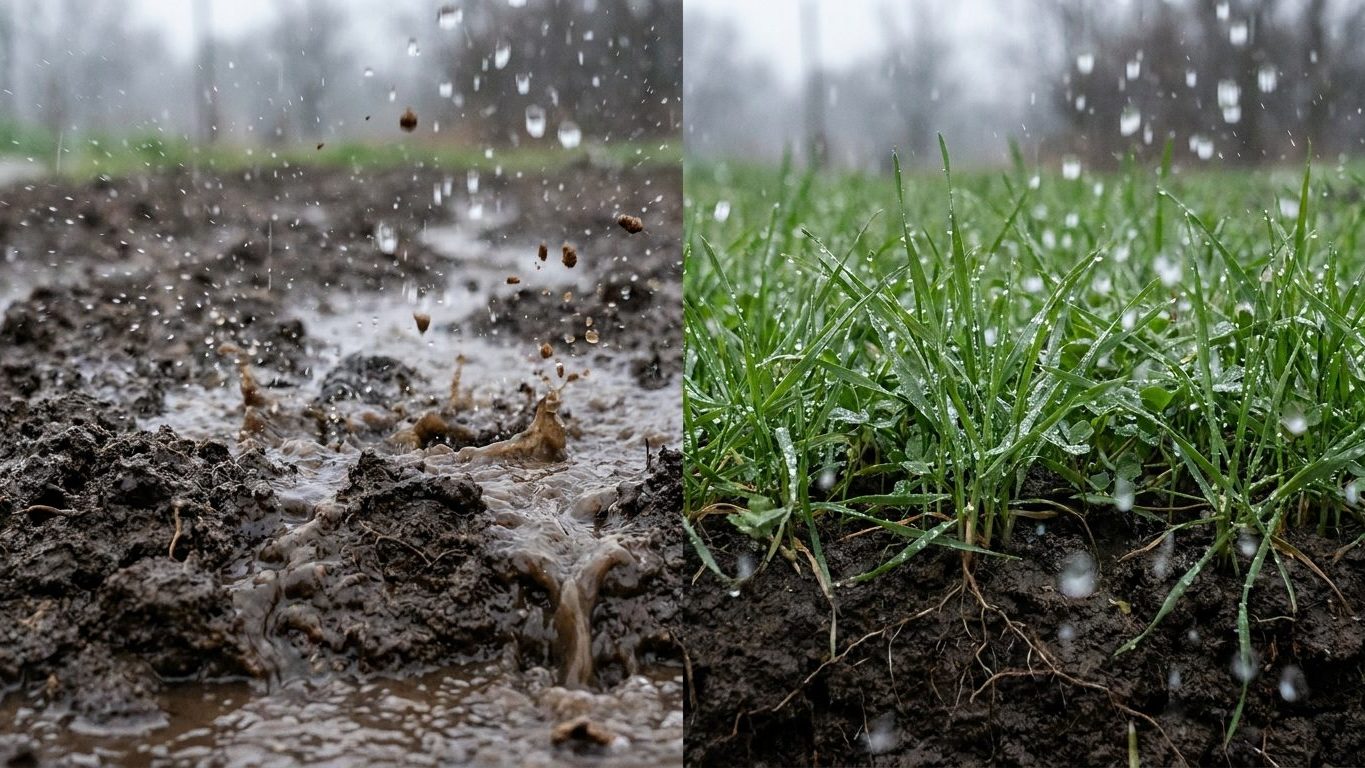
Erosion cover crops work by putting something alive between falling water and open dirt through the cold months, when a garden or field would otherwise…
Home & garden, state by state
Erosion cover crops work by putting something alive between falling water and open dirt through the cold months, when a garden or field would otherwise…
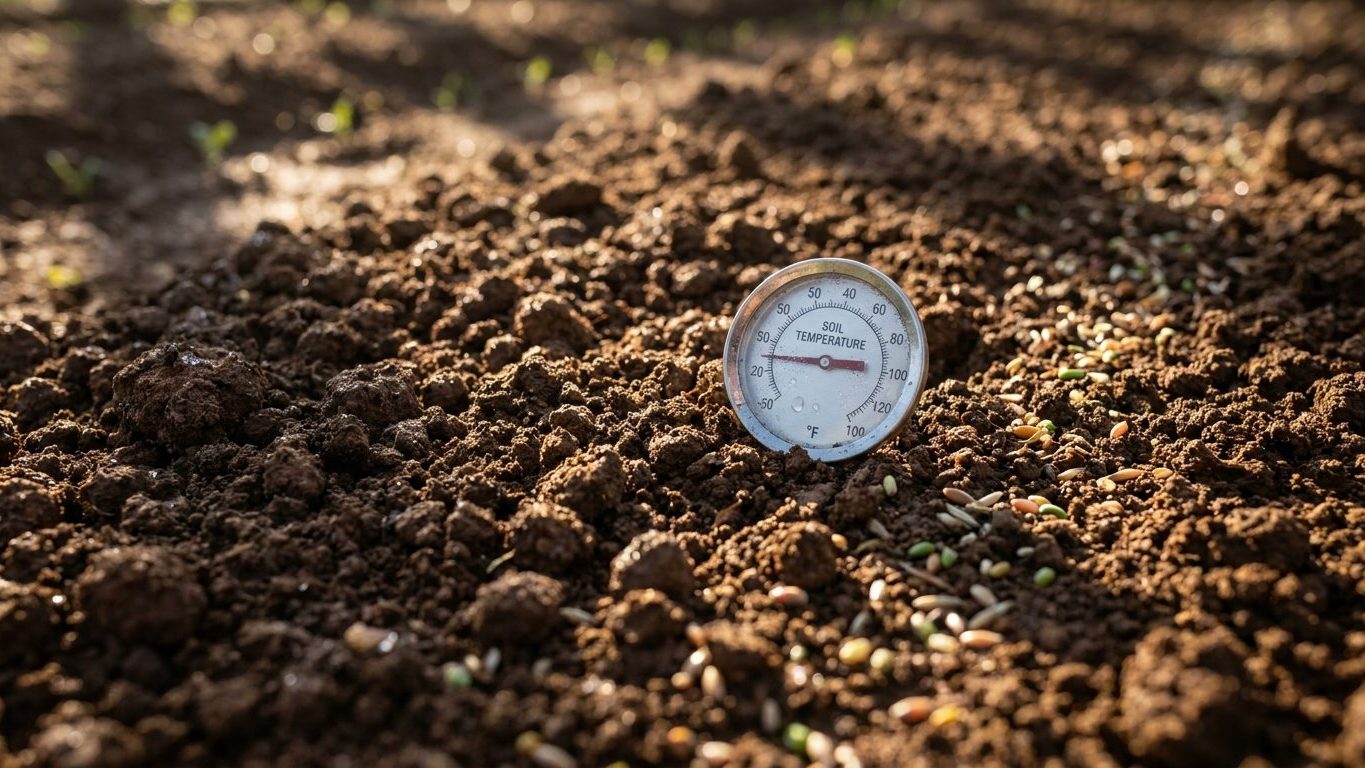
Cover crops take root in Massachusetts once soil temperature climbs into the mid-40s and holds there, which usually happens a week or two after frost…
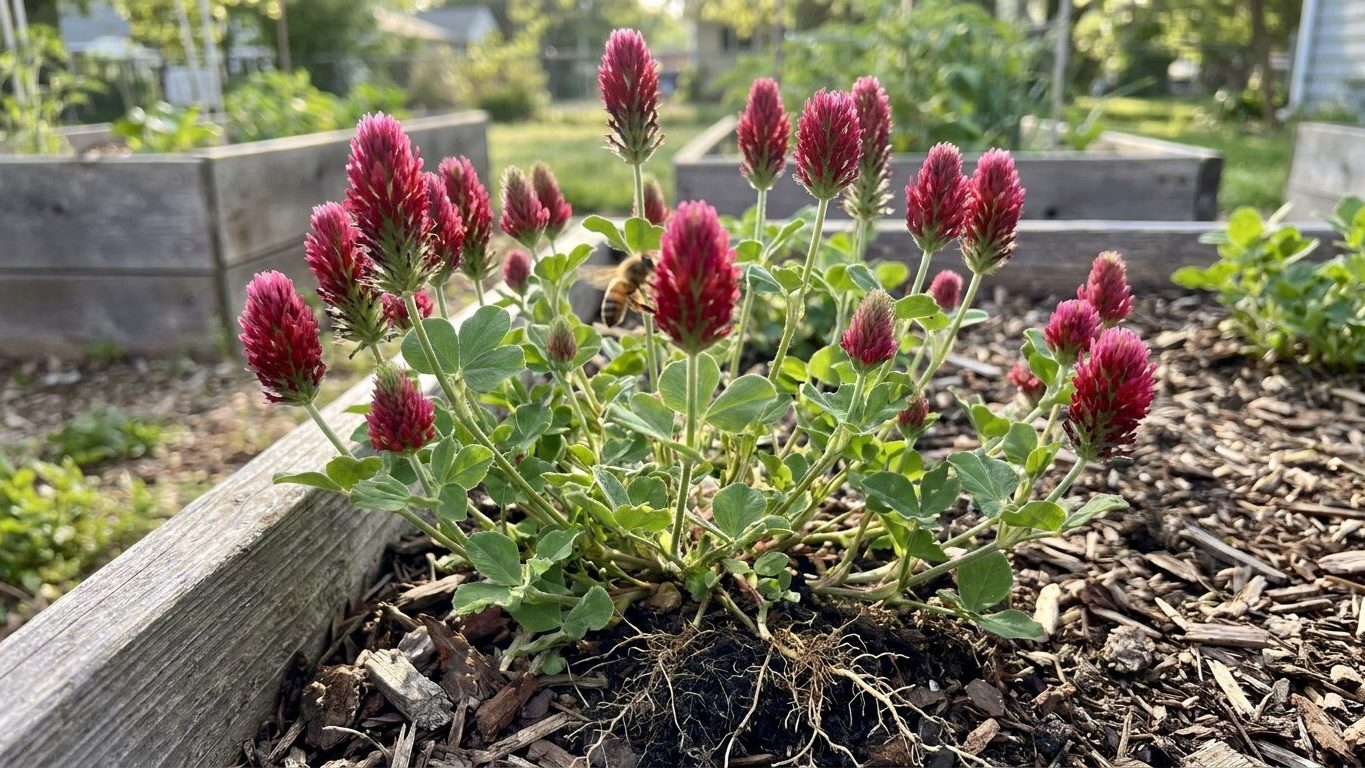
Crimson clover earns its reputation as the beginner’s legume because it forgives mistakes that would sink other cover crops.
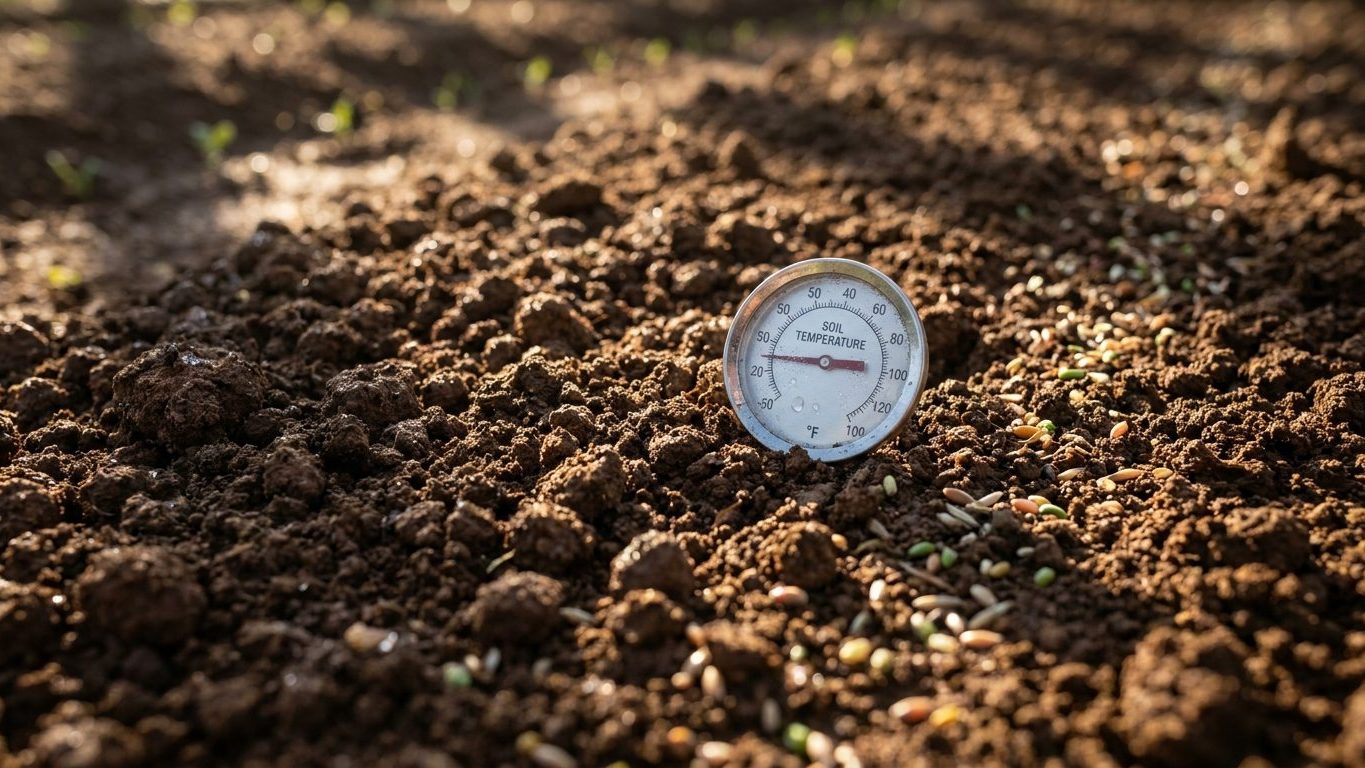
In most of Maryland, cover crops can go into the ground once soil temperatures climb into the mid-50s, which usually happens two to three weeks after the…
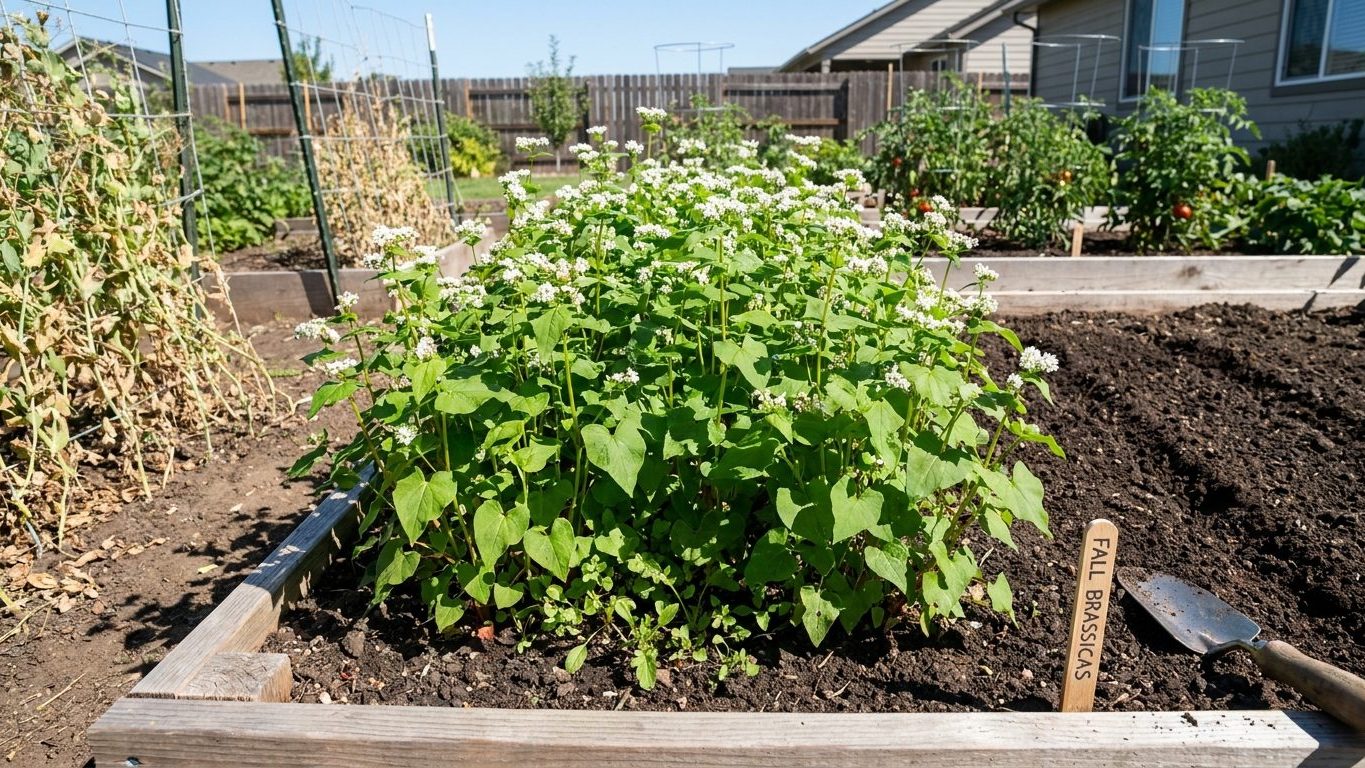
Buckwheat earns its spot in the vegetable garden by doing one thing extremely well: covering bare soil during the hottest, slowest weeks of summer.
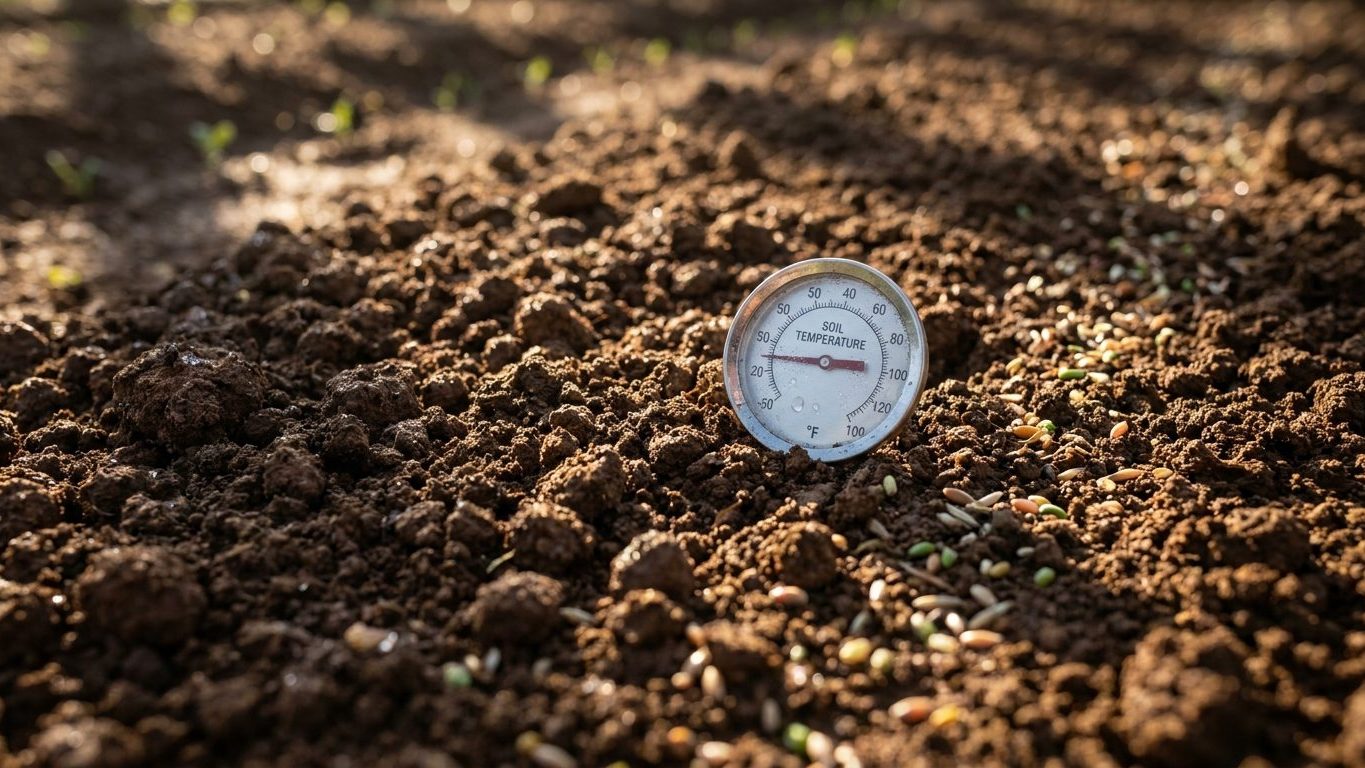
Manitoba gardeners can seed cover crops once the soil itself has warmed, not the moment the calendar says frost is over.
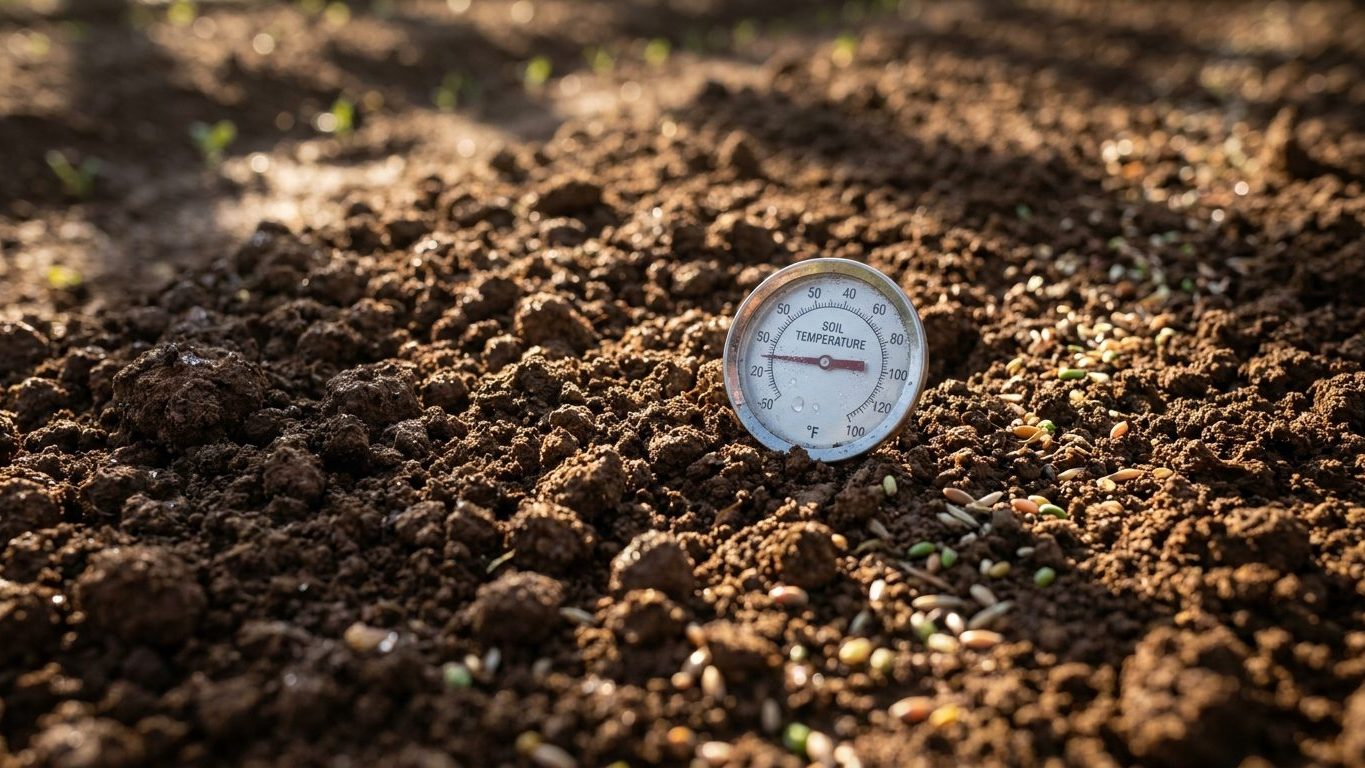
Soil temperature, not the calendar, decides when a cover crop seed will actually germinate in Maine.
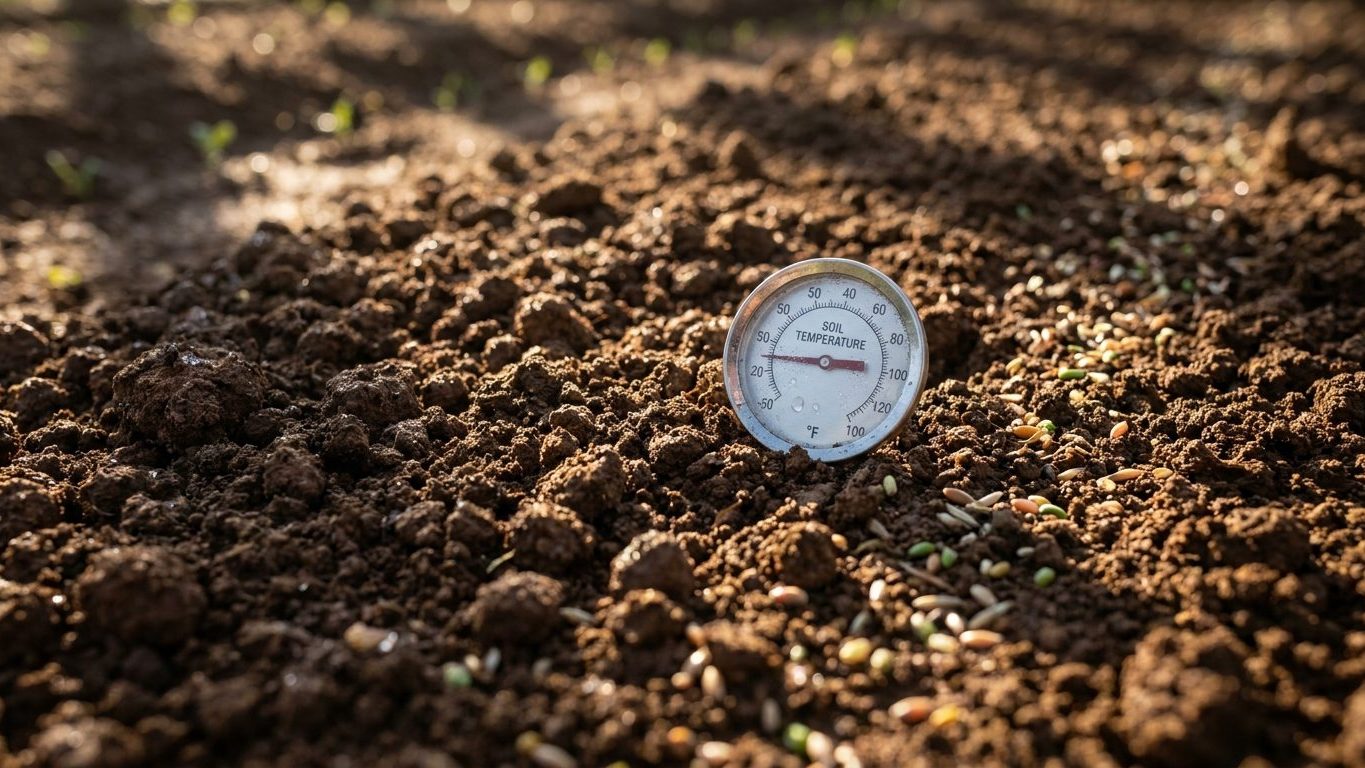
In Louisiana, timing a cover crop has less to do with frost than with heat. Winters here are mild enough that many species never fully die back on their…
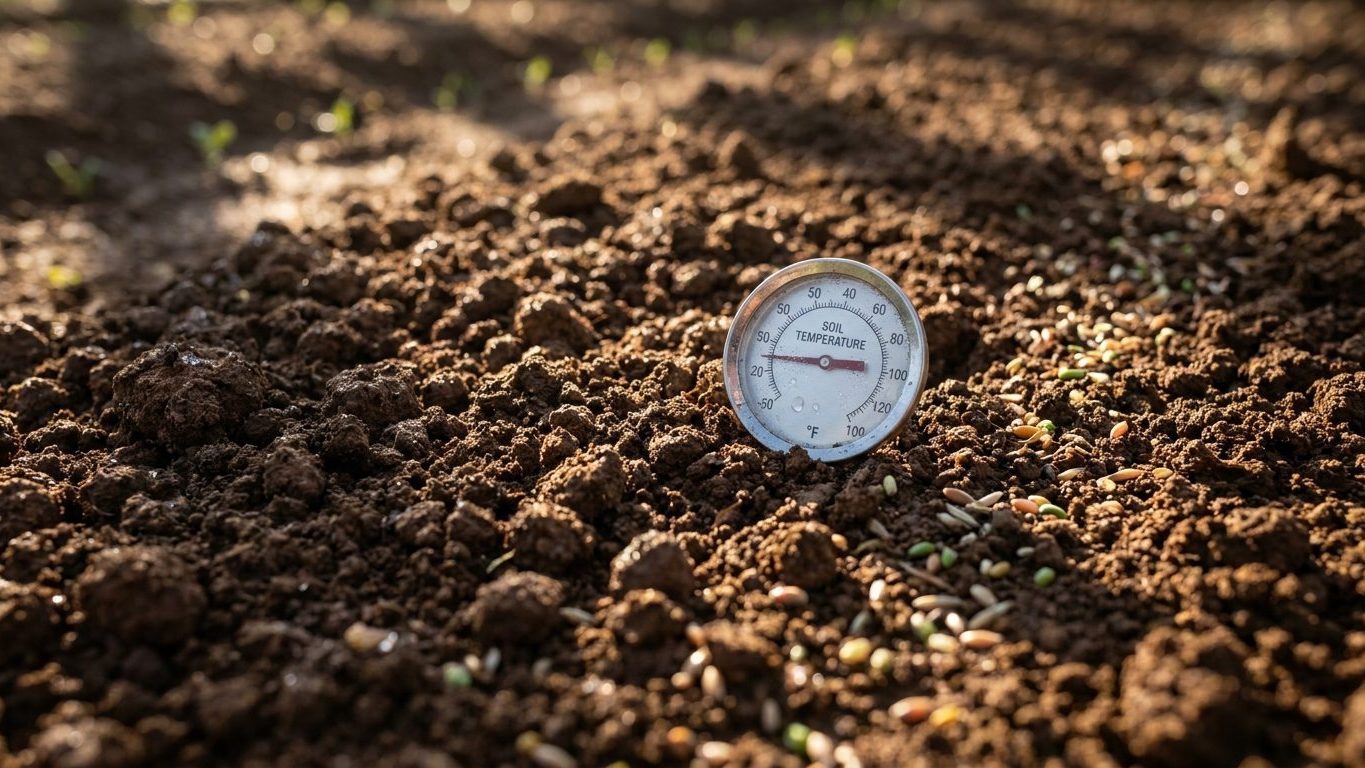
Kentucky gardeners plant cover crops twice: warm-season species like buckwheat or cowpea once the danger of frost has passed in spring, and cool-season…
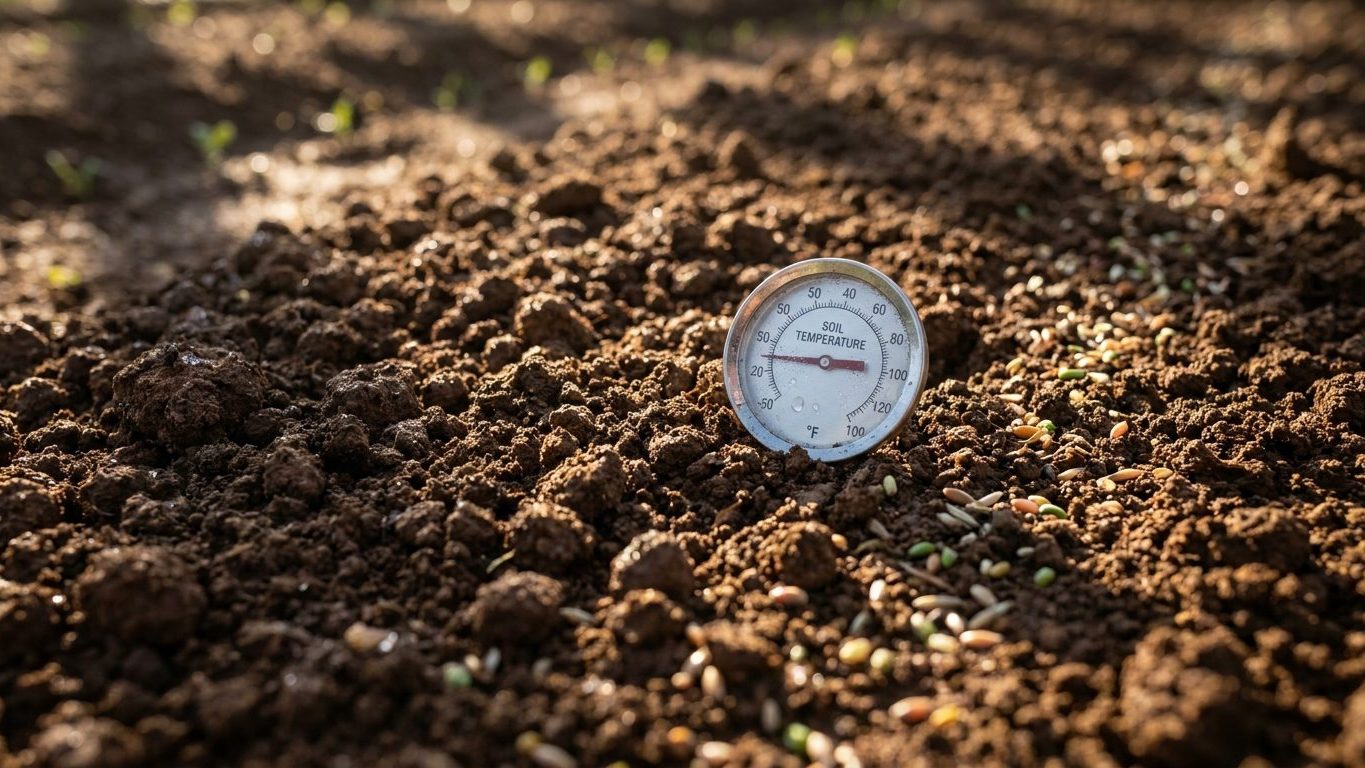
Cover crops go into Kansas soil once nights stop dropping below freezing and the ground itself has warmed, not just the air.