Cover Crops That Crowd Out Weeds
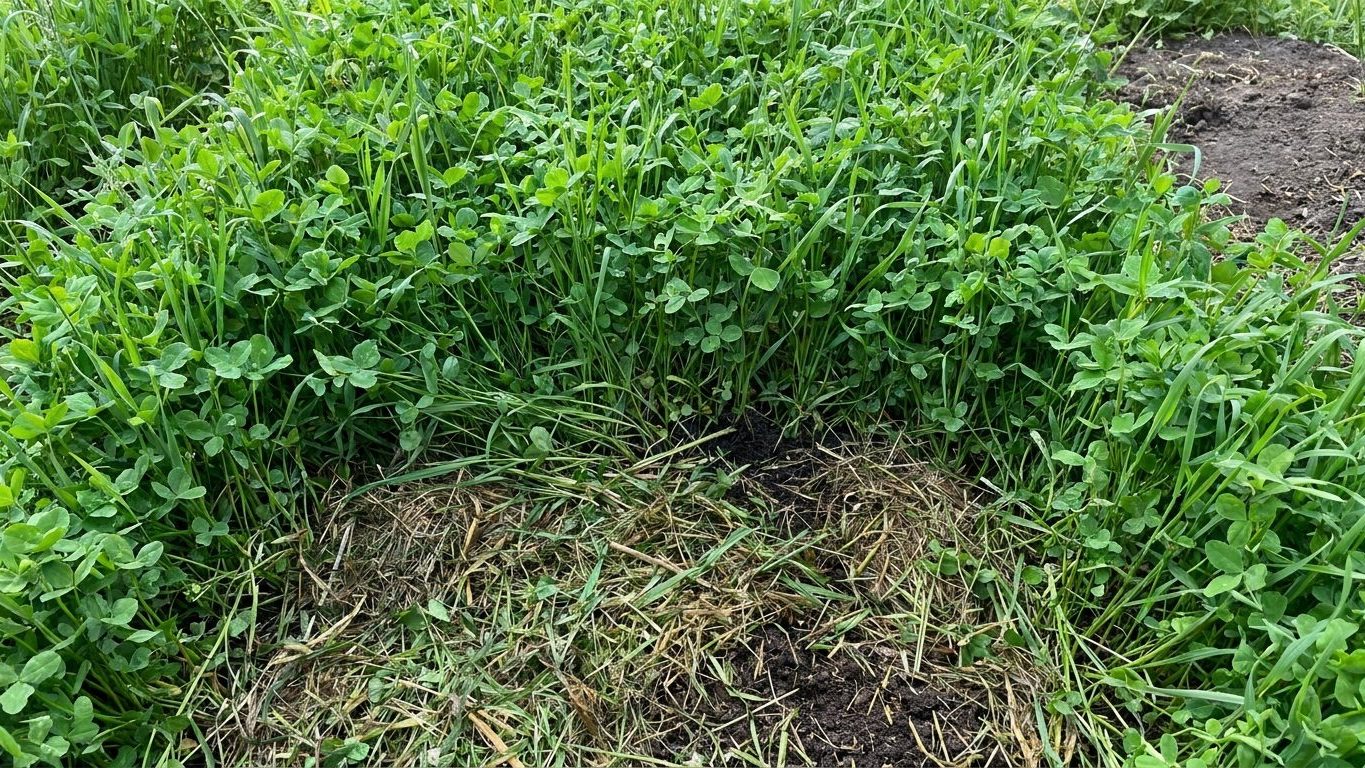
A cover crop suppresses weeds two ways: while it’s alive, dense growth steals the light, water and space that weed seedlings need to establish; after…
Home & garden, state by state
A cover crop suppresses weeds two ways: while it’s alive, dense growth steals the light, water and space that weed seedlings need to establish; after…
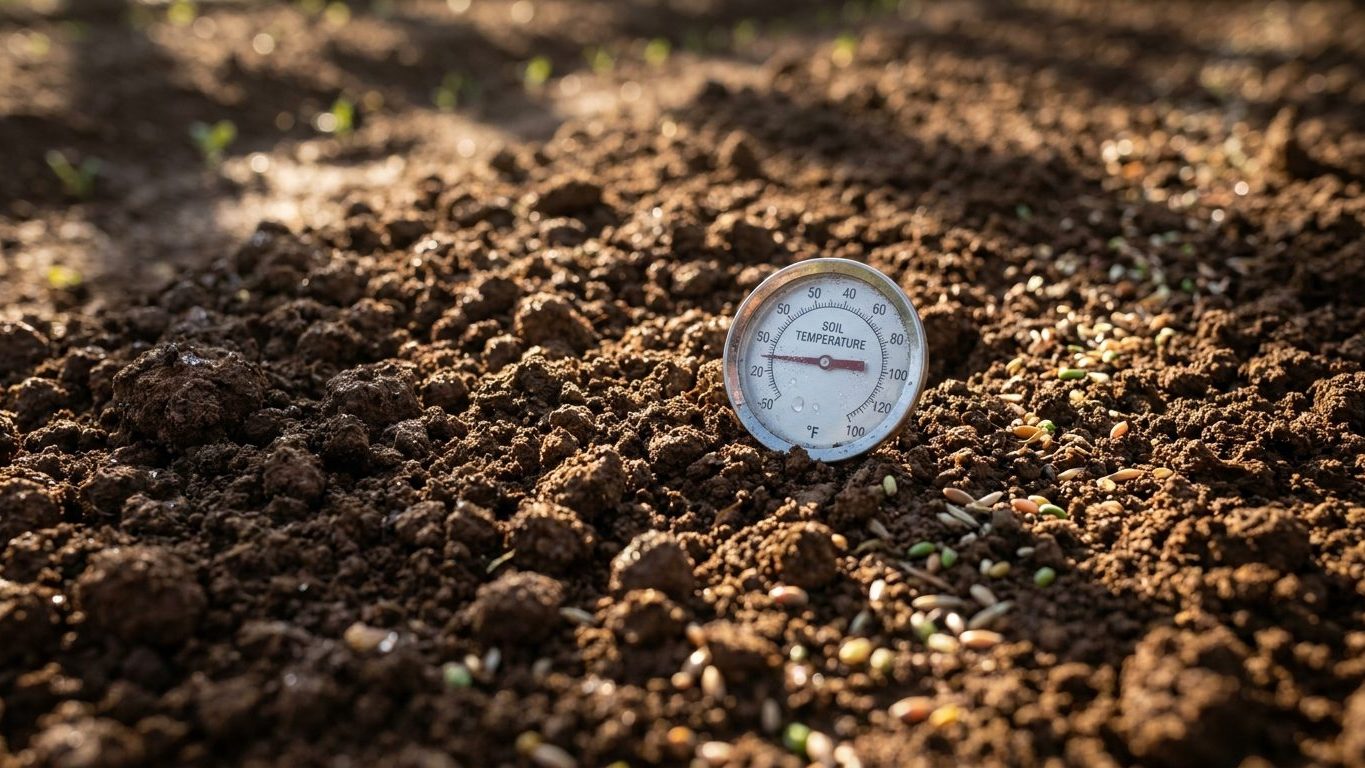
In Montana, cover crops go into the ground once the soil itself holds steady warmth, typically mid to late May around Billings, and come out by the first…
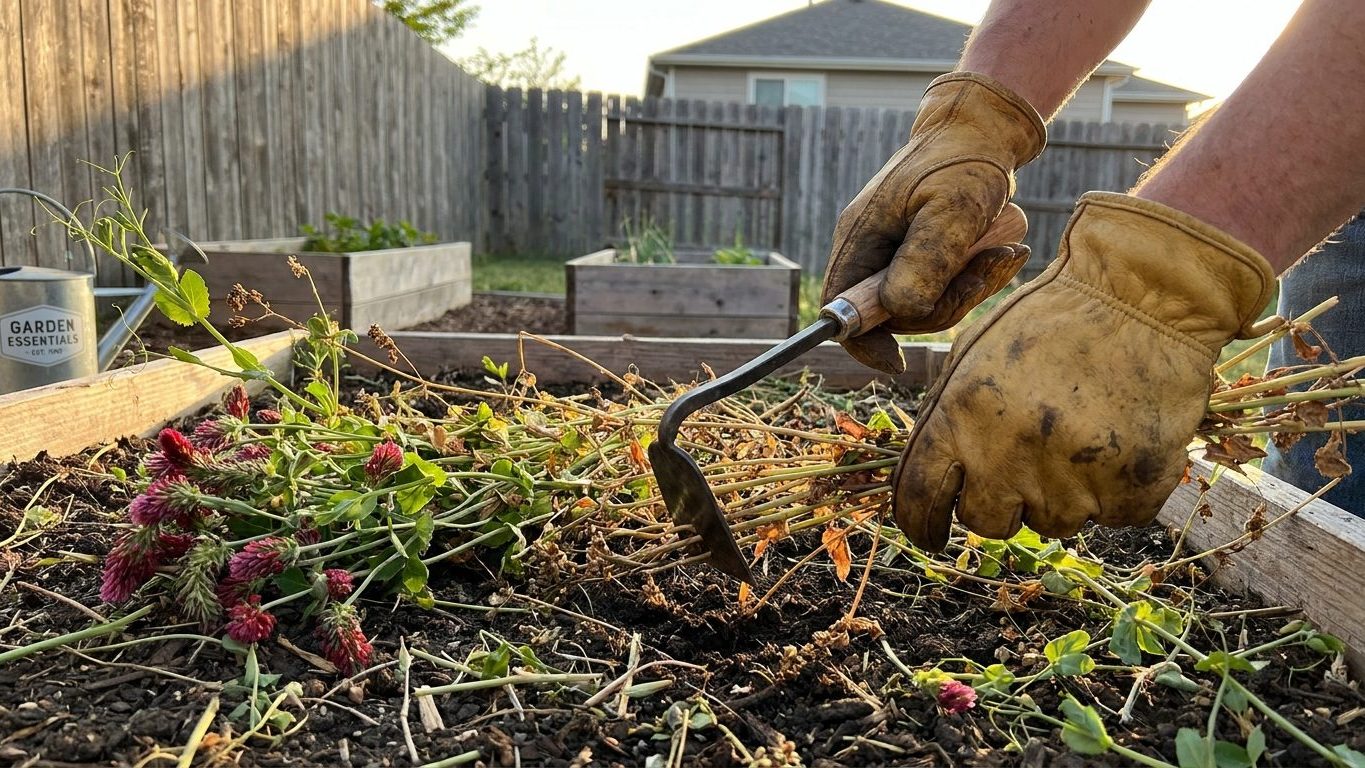
The cover crops that work in a small garden are the ones a person can kill without a tractor: buckwheat, oats, crimson clover, field peas, and daikon…
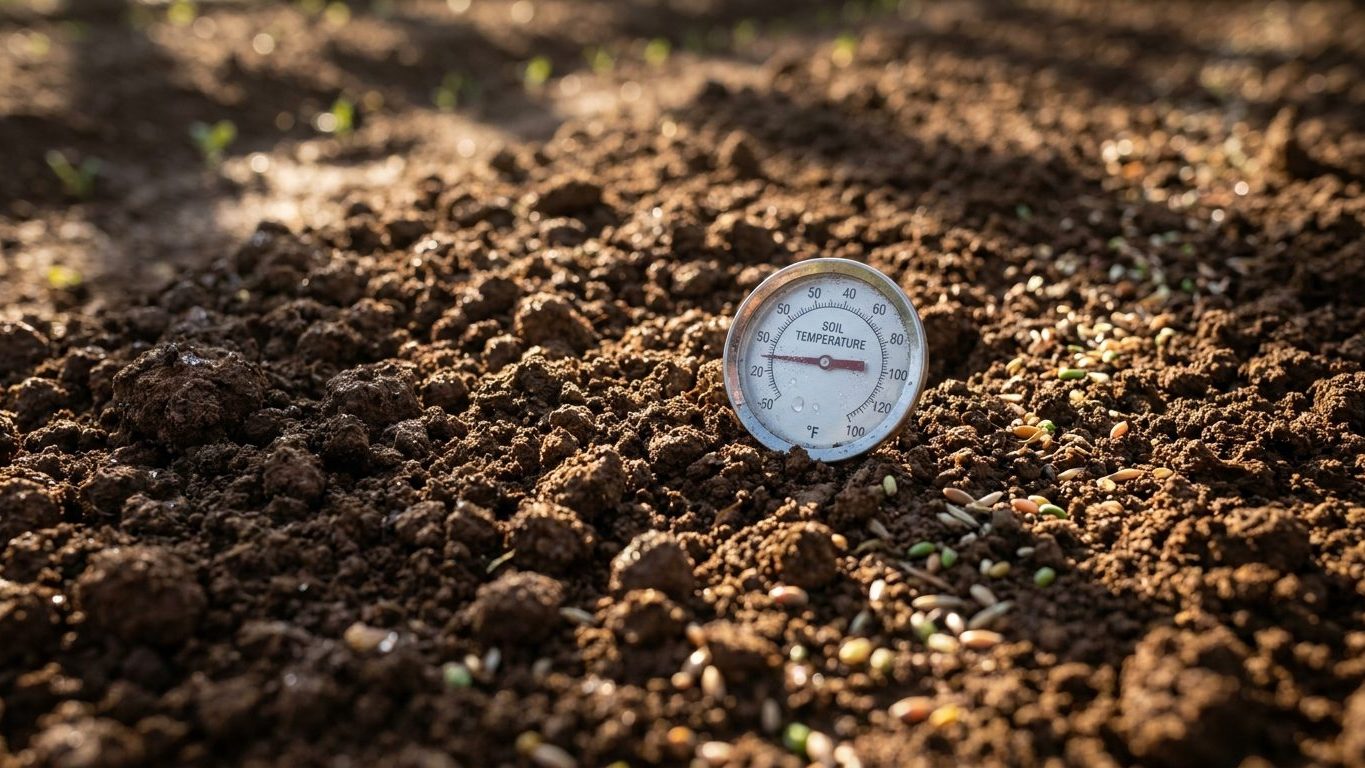
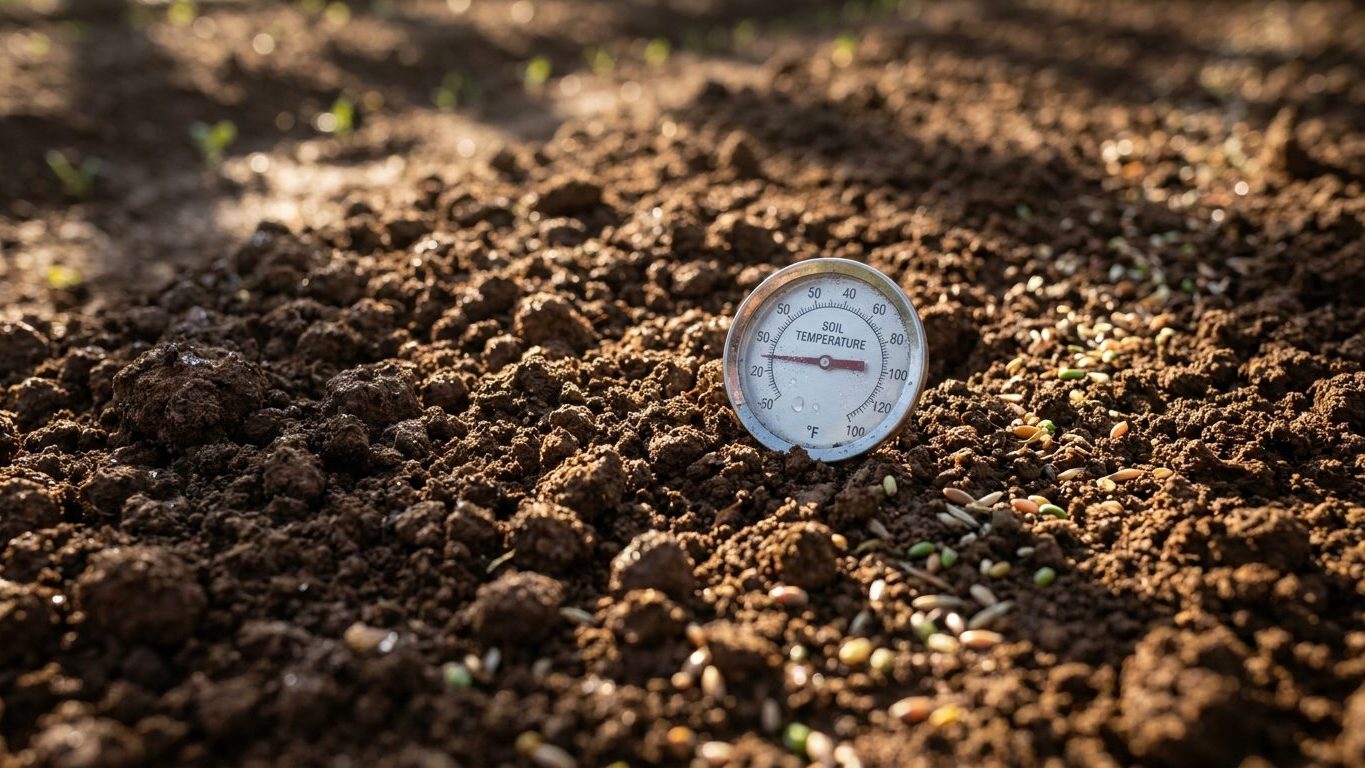
Soil temperature, not the calendar, decides when a Missouri garden is ready for cover crops.

A legume doesn’t feed your soil nitrogen while it’s standing in the field, green and healthy.
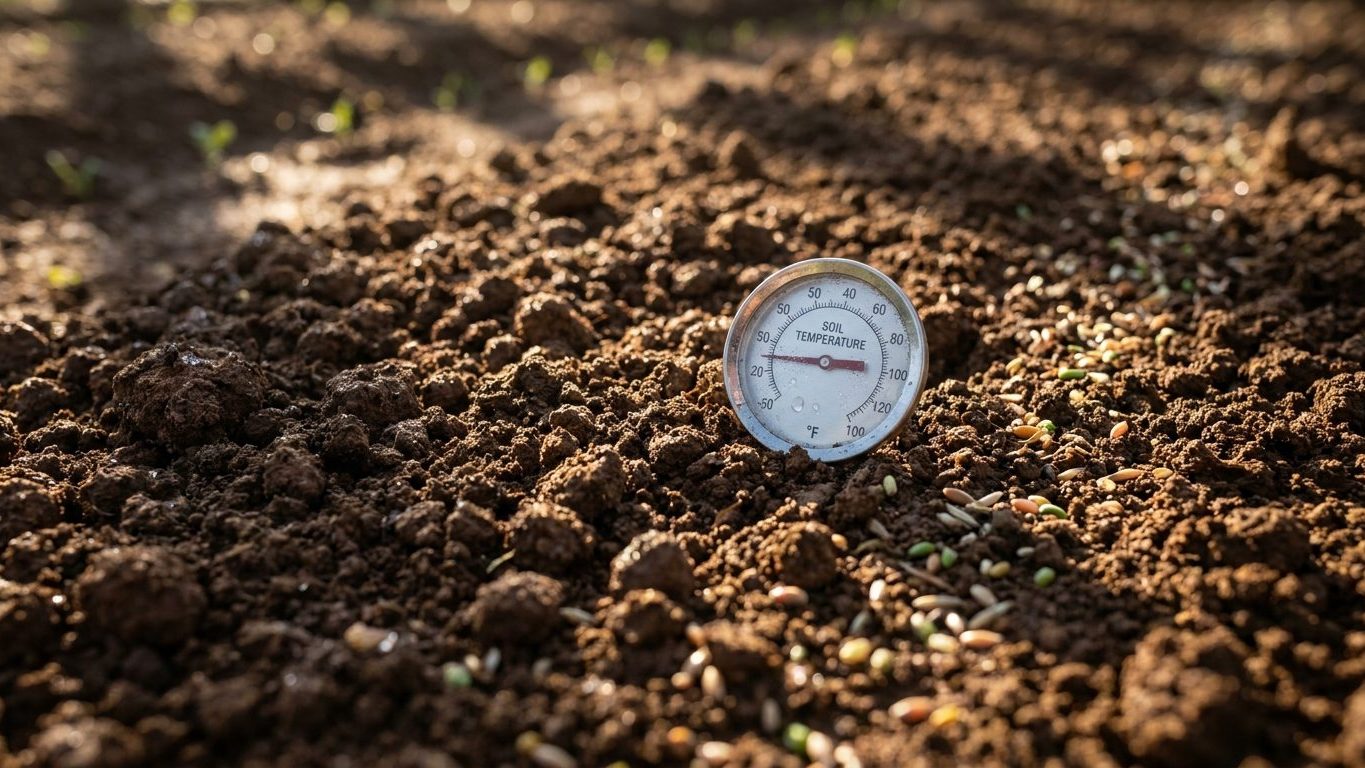
Mississippi gardeners can seed a fall cover crop through October in most of the state and expect a full winter season before spring planting begins…
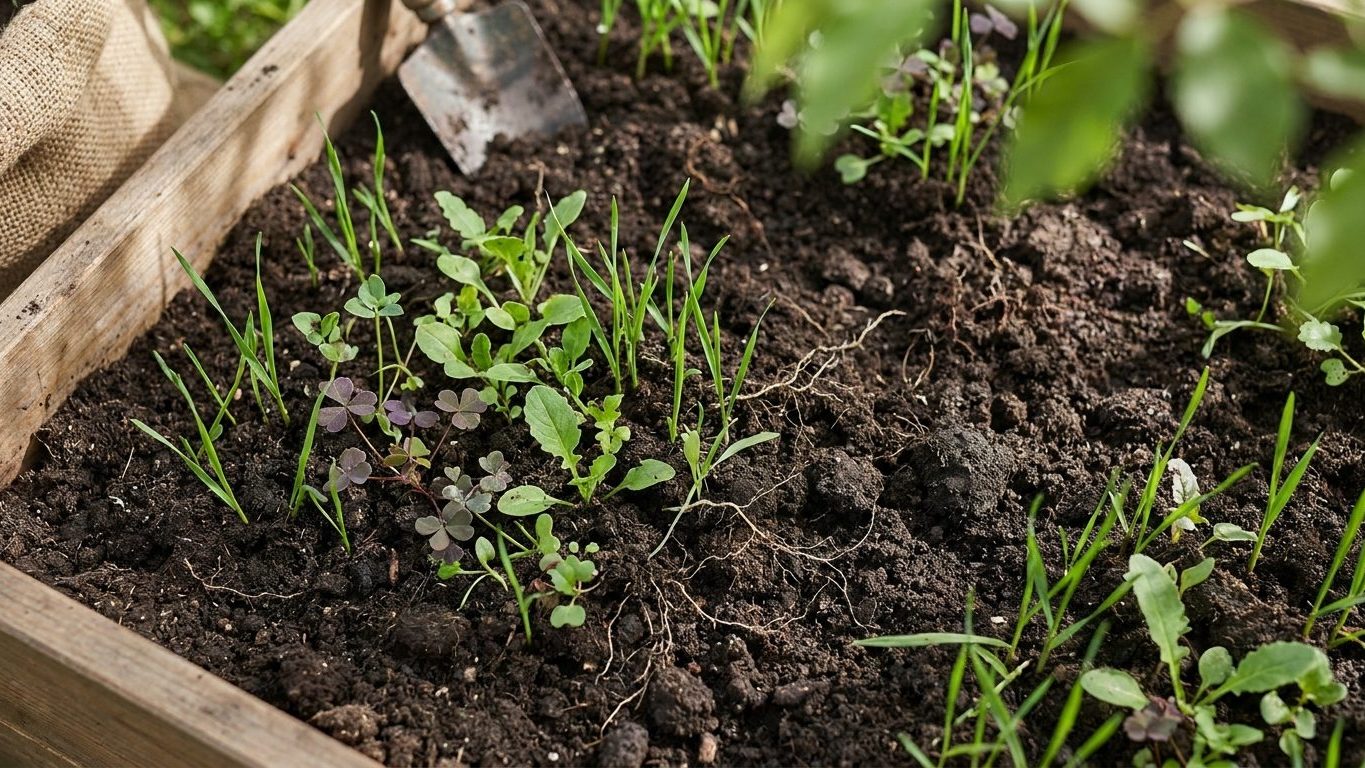
A cover crop mix pays off when the species chosen actually complement each other: a grass to scavenge nutrients and hold soil, a legume to fix nitrogen…
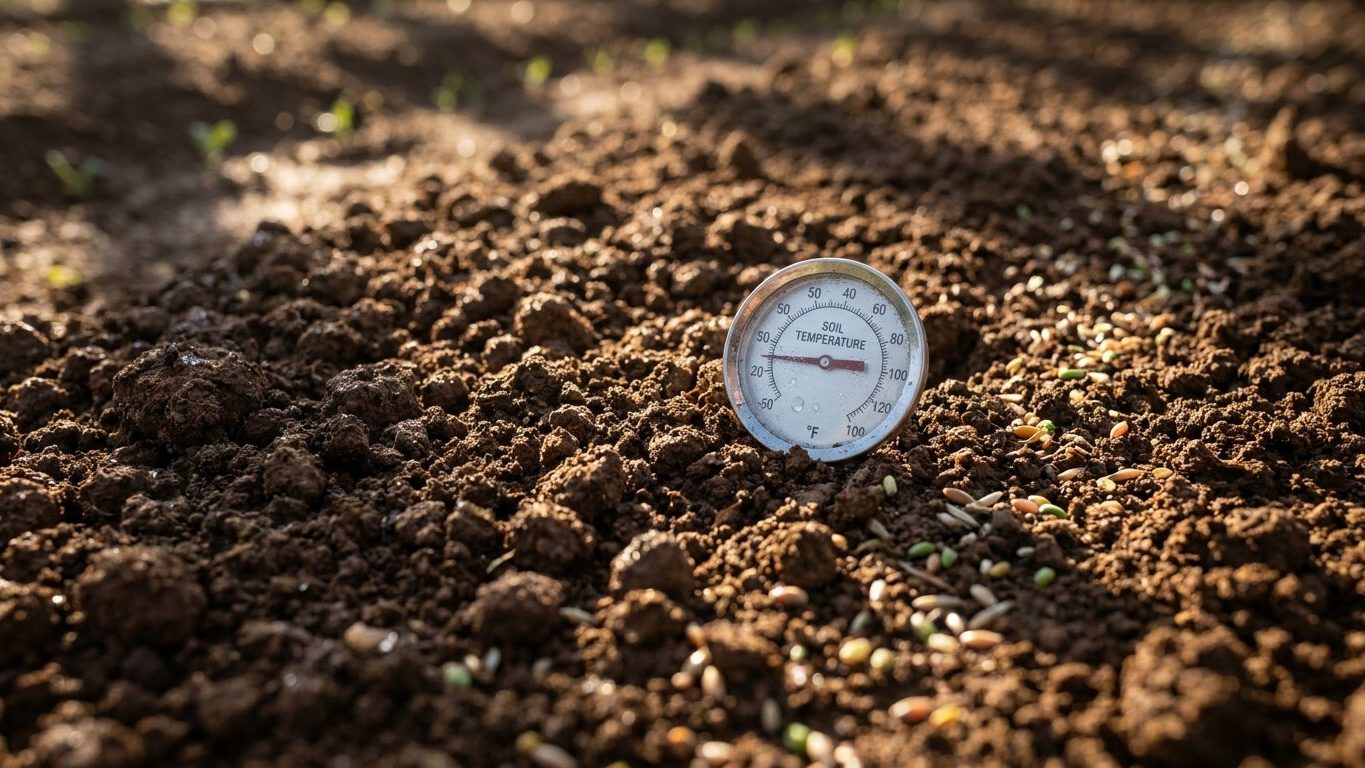
Minnesota gives cover crops a tight, cold-bounded season: seeding depends on soil warmth after a frost date that arrives late (mid-to-late April) and…
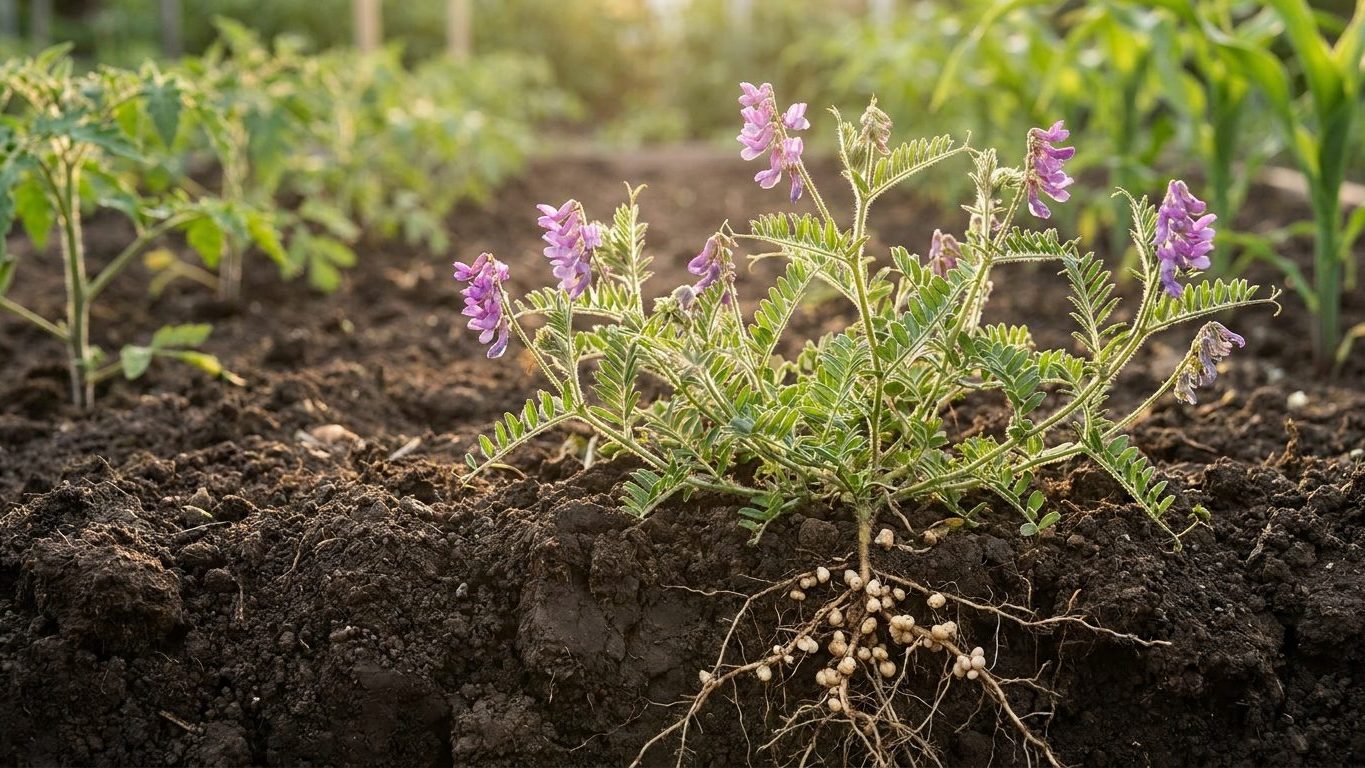
Hairy vetch pulls more nitrogen out of the air than clover, oats, or field peas, which is why farmers and gardeners plant it before nitrogen-hungry crops…
Cover crops in Michigan go in the ground once the soil has dried and warmed past the last frost risk, typically late April to mid-May depending on where…