Cover Crops in a Home Garden: What They Do and When to Sow
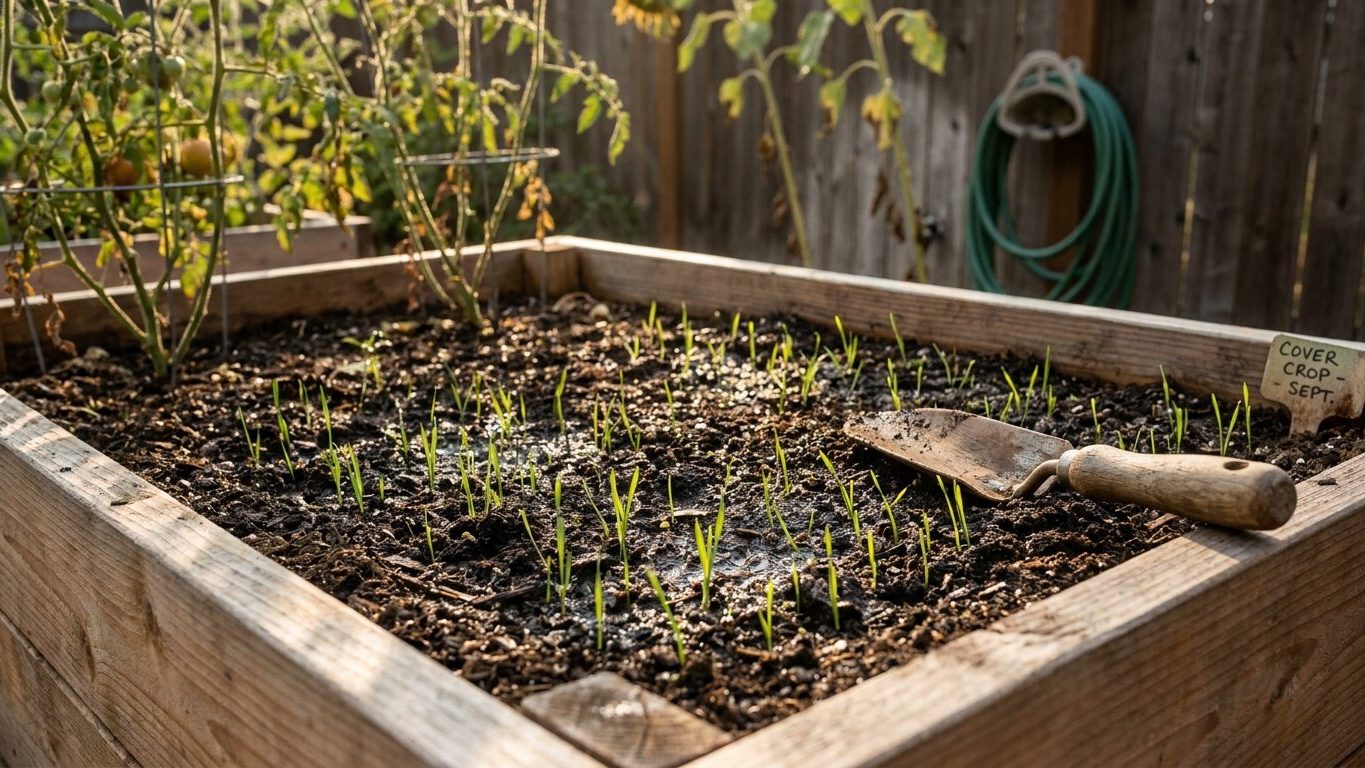
Sowing a cover crop comes down to matching a job to a season. Erosion control, nutrient capture, compaction relief and organic matter all call for…
Home & garden, state by state
Sowing a cover crop comes down to matching a job to a season. Erosion control, nutrient capture, compaction relief and organic matter all call for…
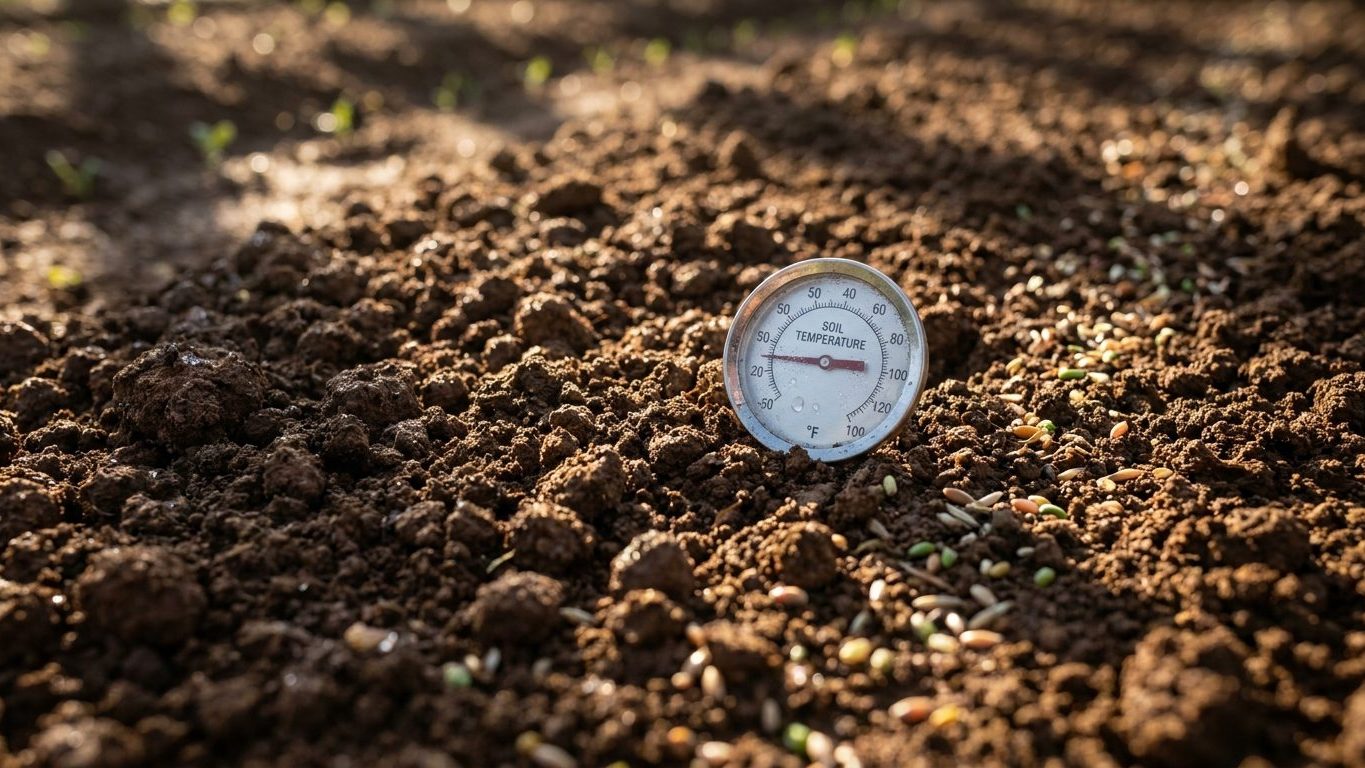
In Iowa, most cover crops go into the ground in late summer or early fall, right after a cash crop or a vegetable bed comes off, so the plants can build…
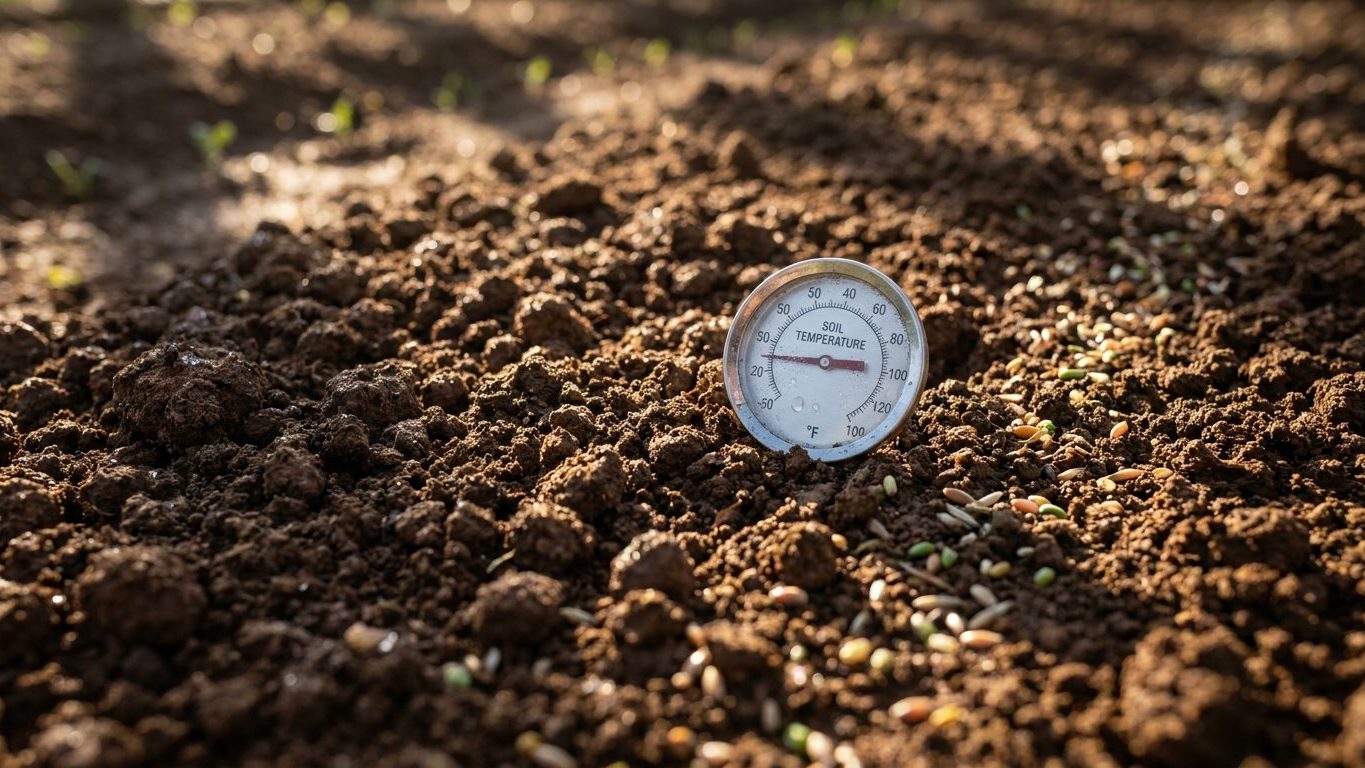
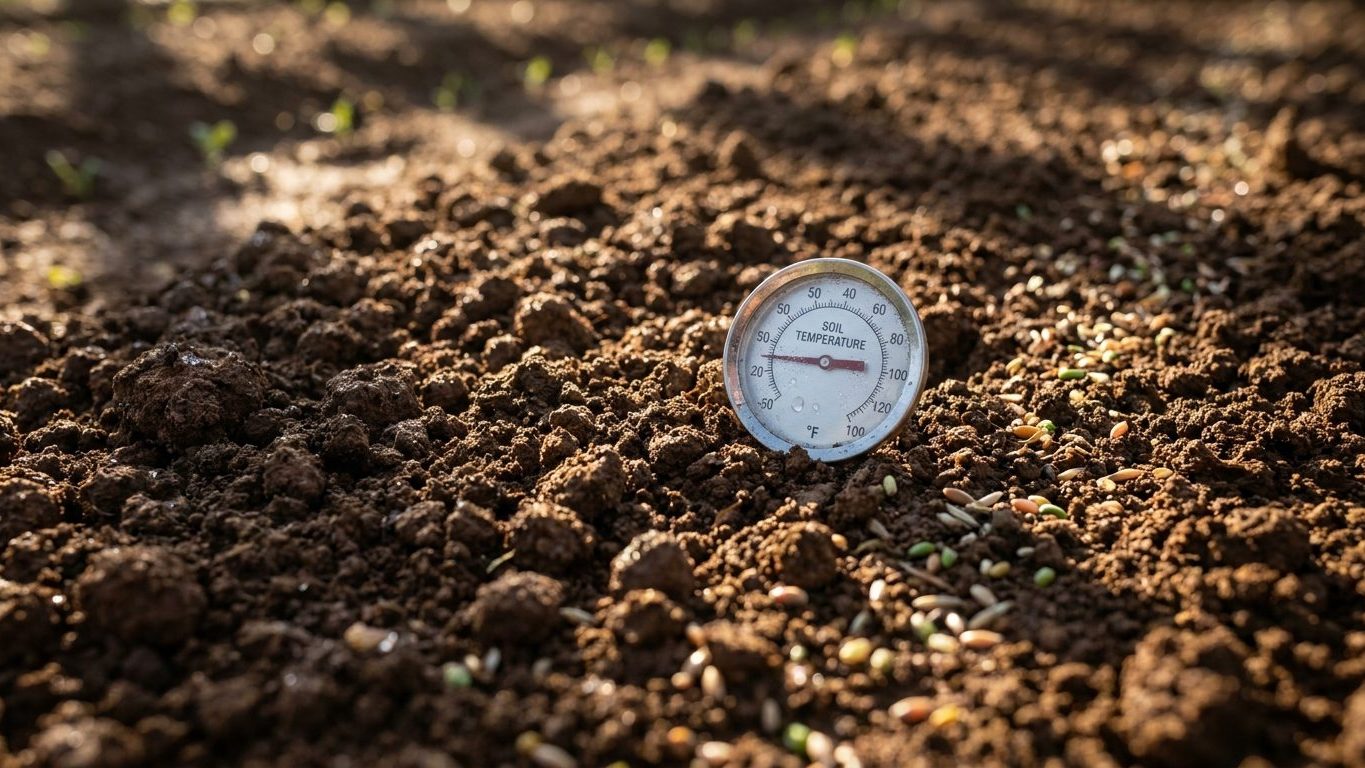
Cover crops go in the ground in Indiana once soil temperatures climb past the low 50s, which typically happens a few weeks after the last spring frost…
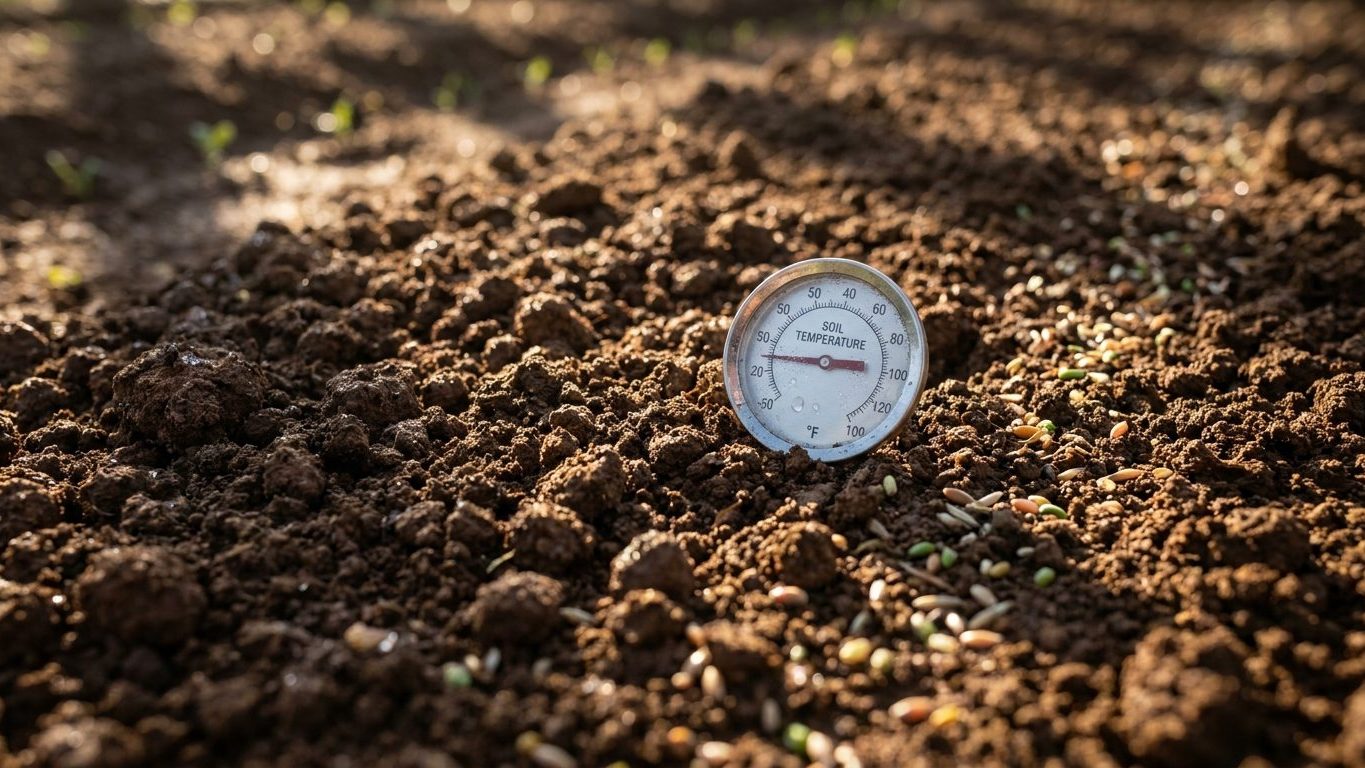
In Illinois, cover crops go into warm soil, not just frost-free air, and that soil warms up roughly two to three weeks after the average last spring frost.
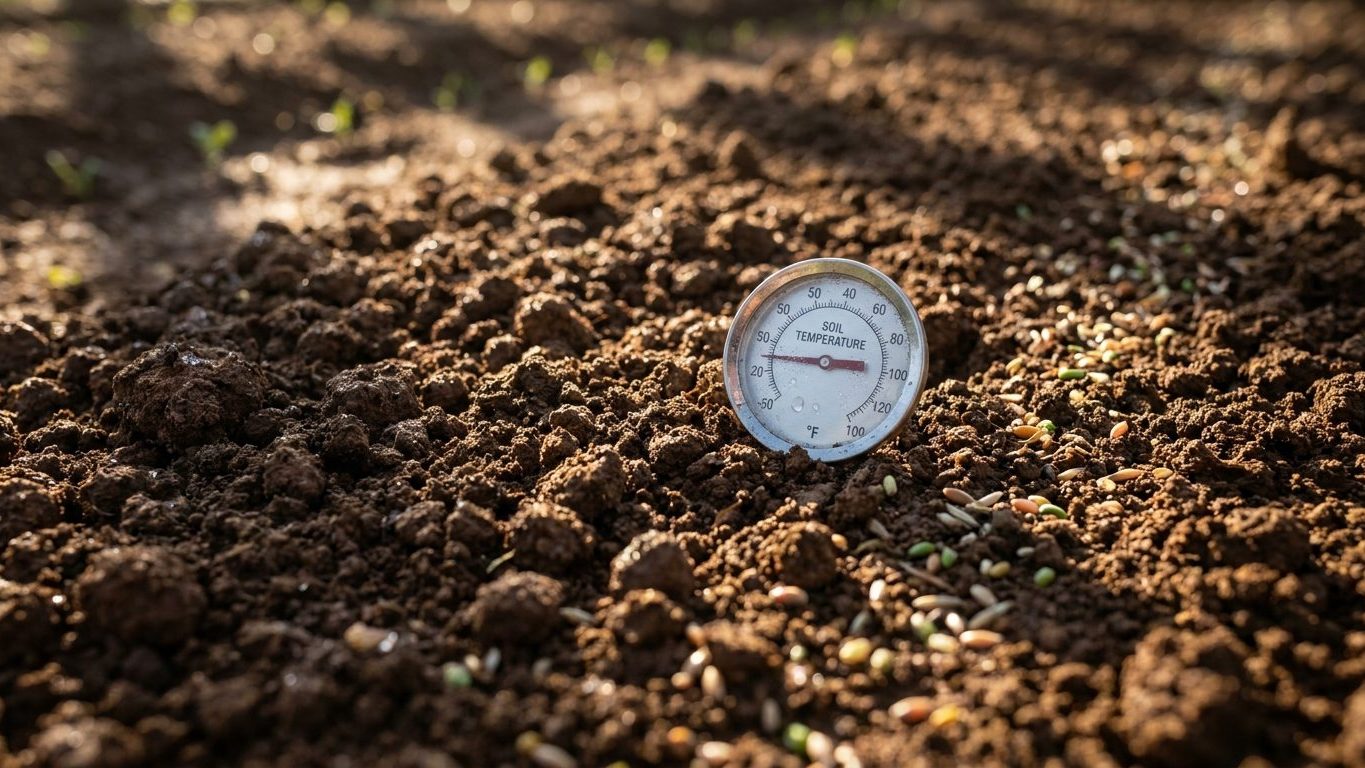
In Idaho, the answer to when you can grow a cover crop shifts by hundreds of miles and thousands of feet of elevation.
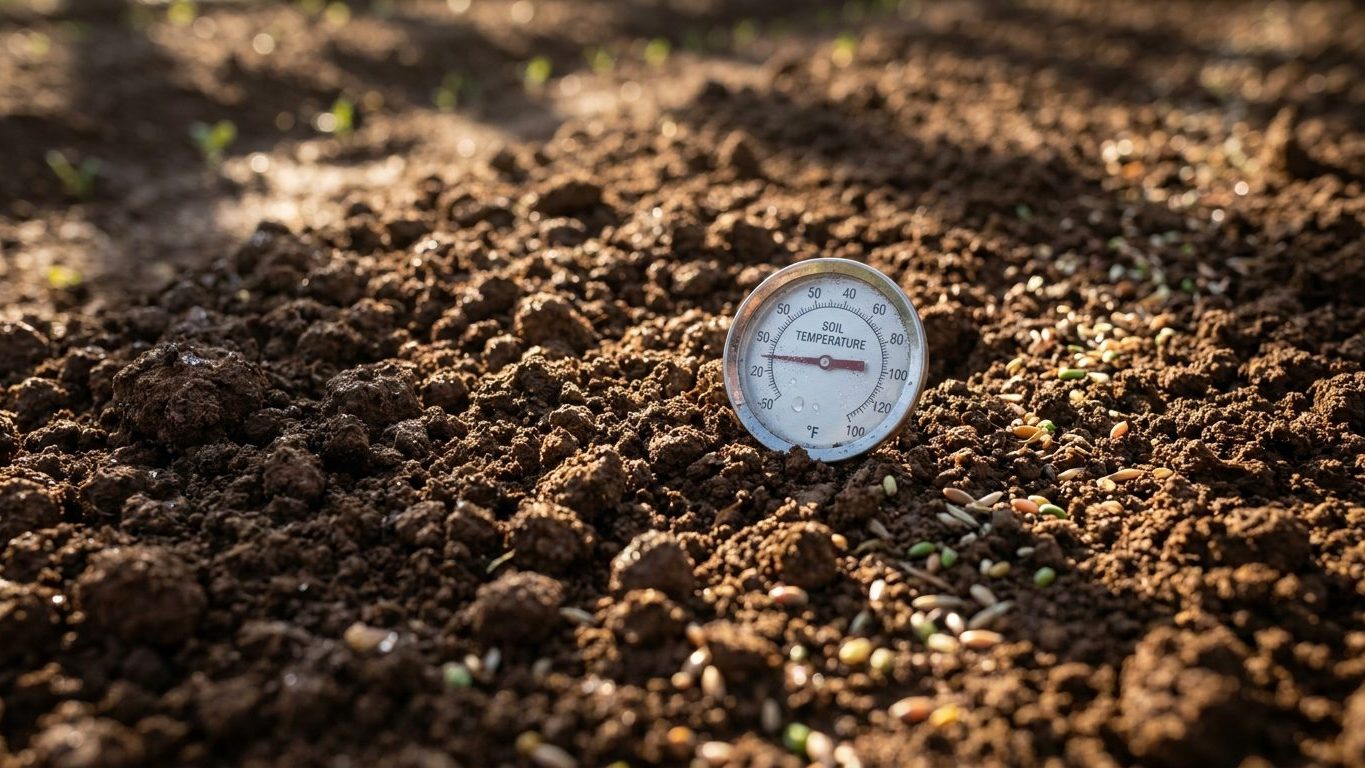
Growing cover crops in Hawaii means throwing out the calendar most mainland gardeners rely on.
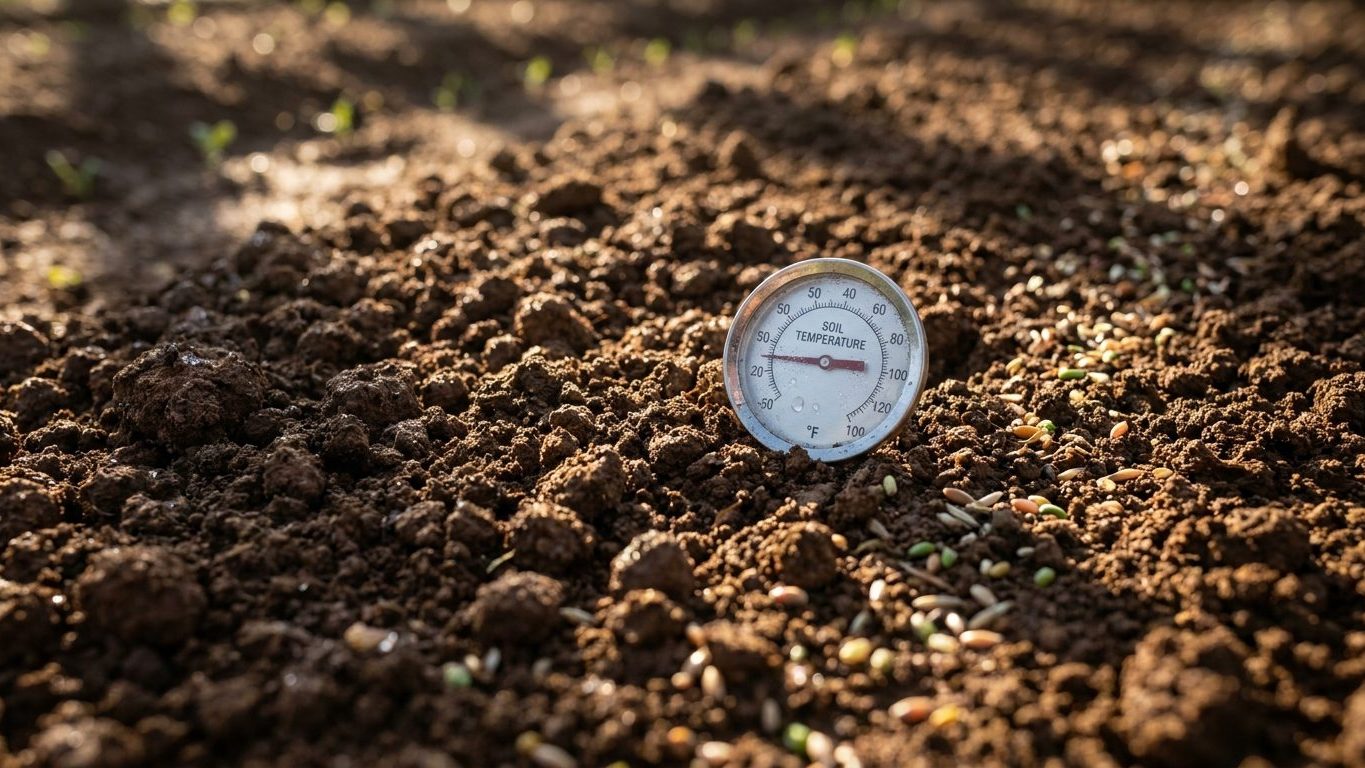
Georgia gardeners can start warm-season cover crops once soil temperatures climb past the mid-60s, which typically follows the last spring frost by two…
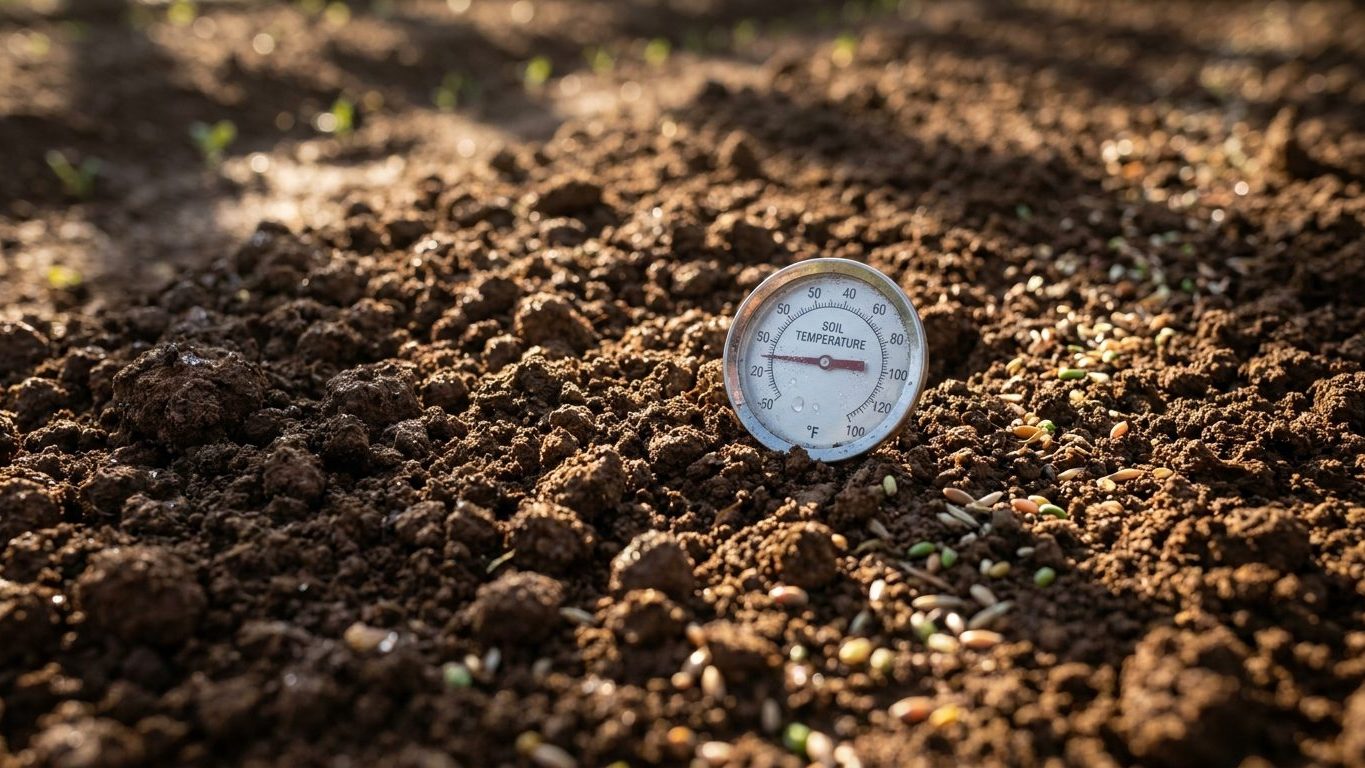
Florida doesn’t run on one cover-crop calendar. Near Jacksonville, cover crops go in once frost risk fades in late winter and come out before the first…
In Delaware, the soil is generally workable for a spring cover crop planting once you’re past the last spring frost window, typically the week of April 3…
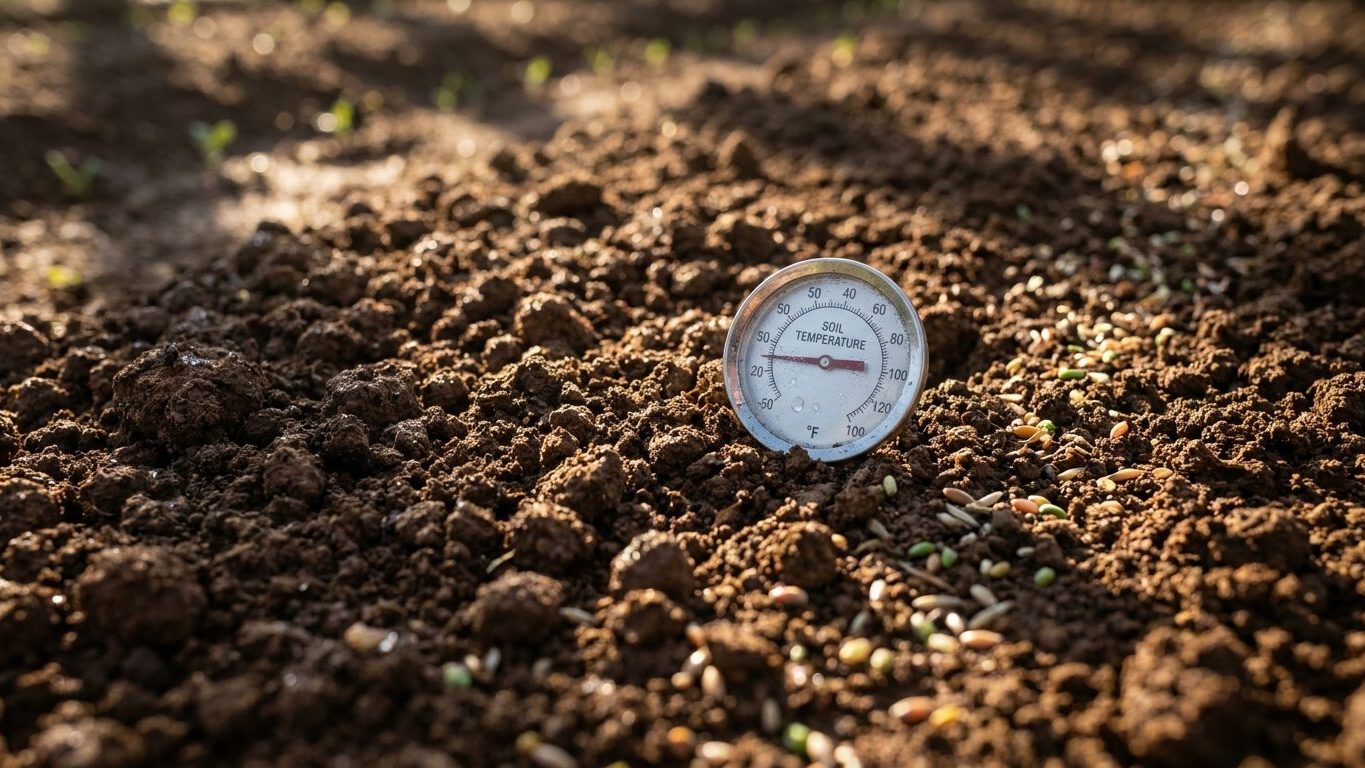
Cover crops in Connecticut go into the ground once soil temperature, not the calendar, says the risk of frost has passed, and they come out mechanically…