Cover Crops for Colorado Gardens
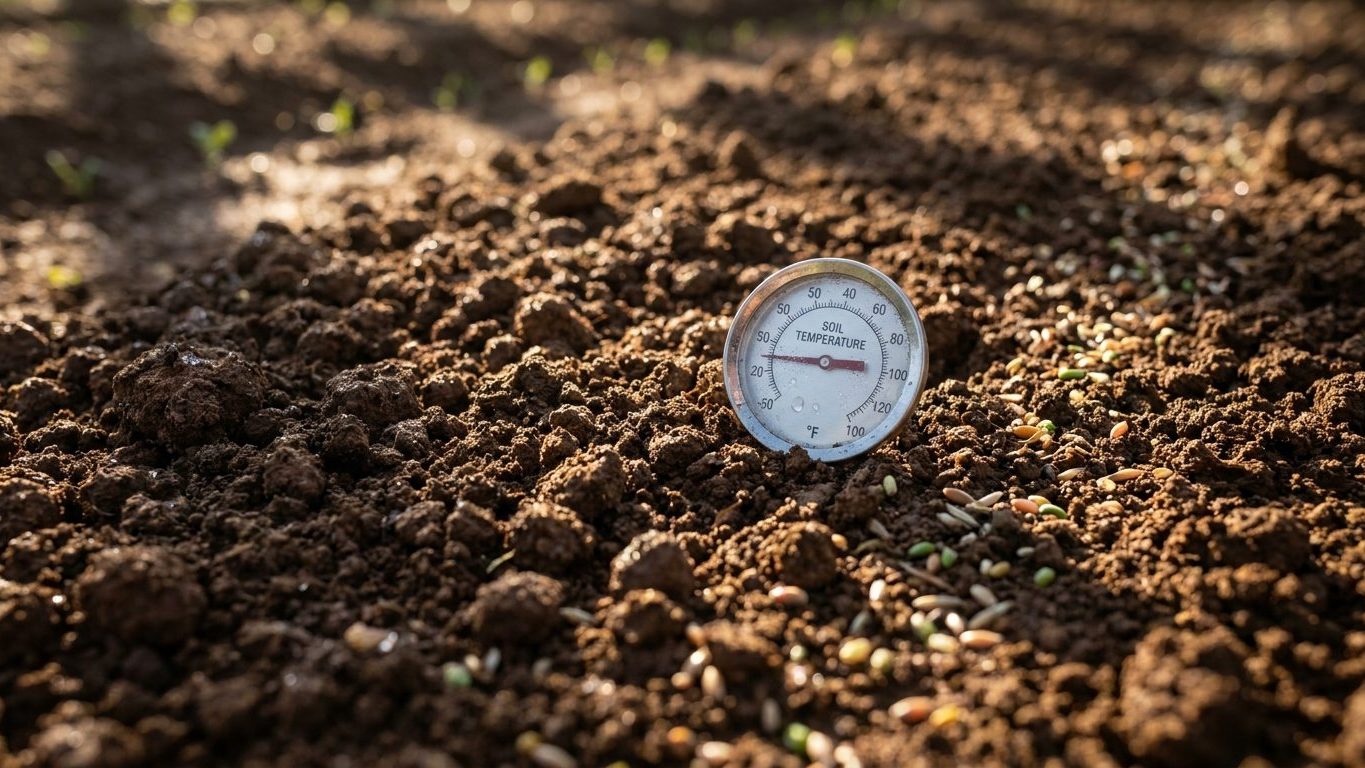
Cover crops go into Colorado soil once the ground itself has warmed, not on a fixed calendar date, and they come out most easily by mowing, crimping, or…
Home & garden, state by state
Cover crops go into Colorado soil once the ground itself has warmed, not on a fixed calendar date, and they come out most easily by mowing, crimping, or…
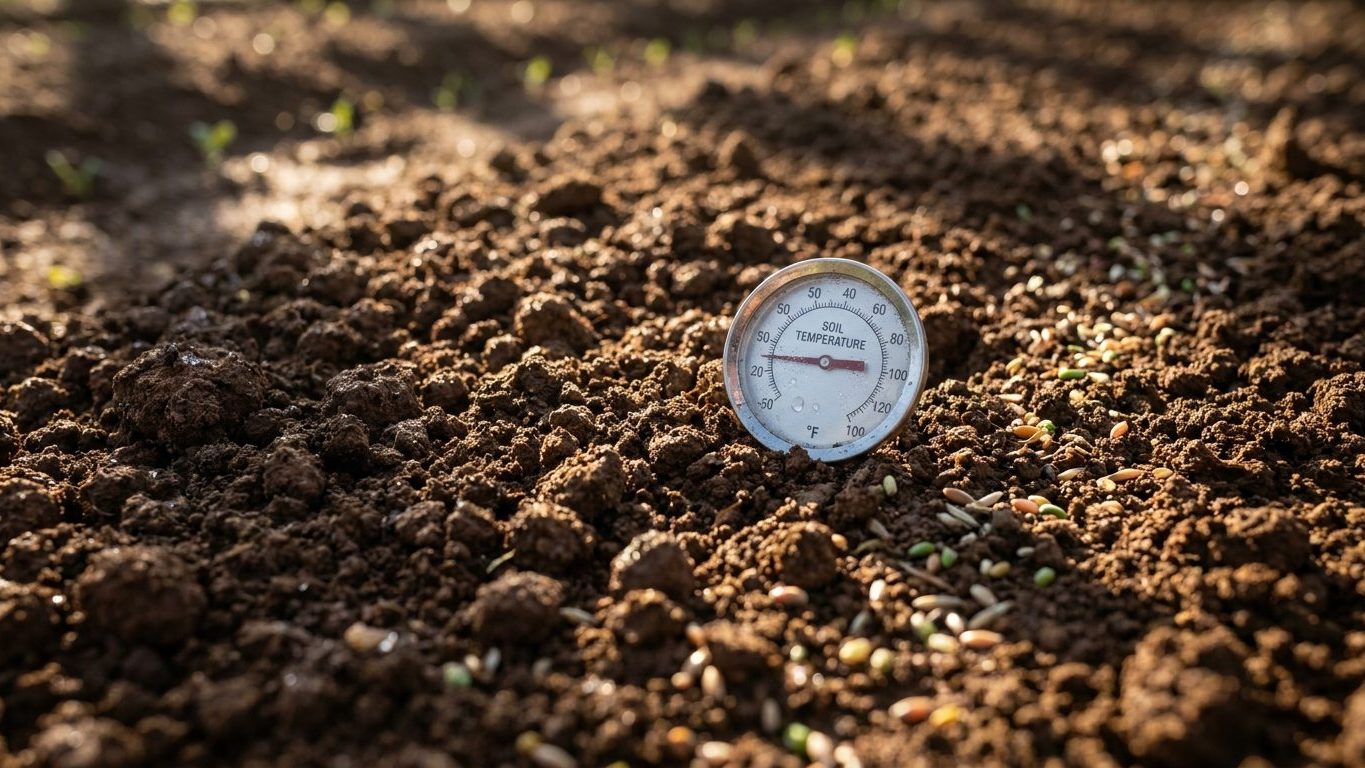
In coastal and Southern California, the search for a “last frost date” comes up empty: NOAA’s 30-year record shows zero days at or below 32°F.
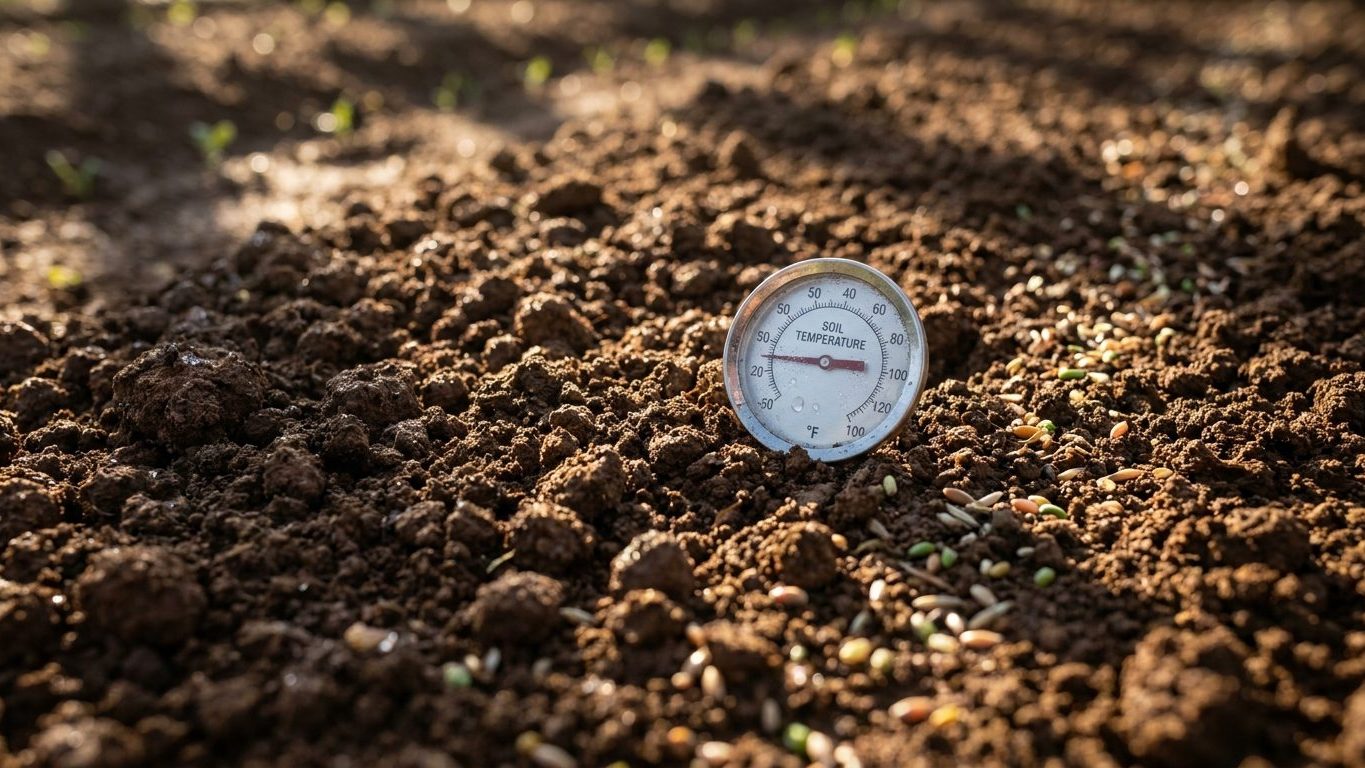
In coastal British Columbia, cover crops go into the ground once the soil itself has warmed, not on a fixed date circled on the calendar.
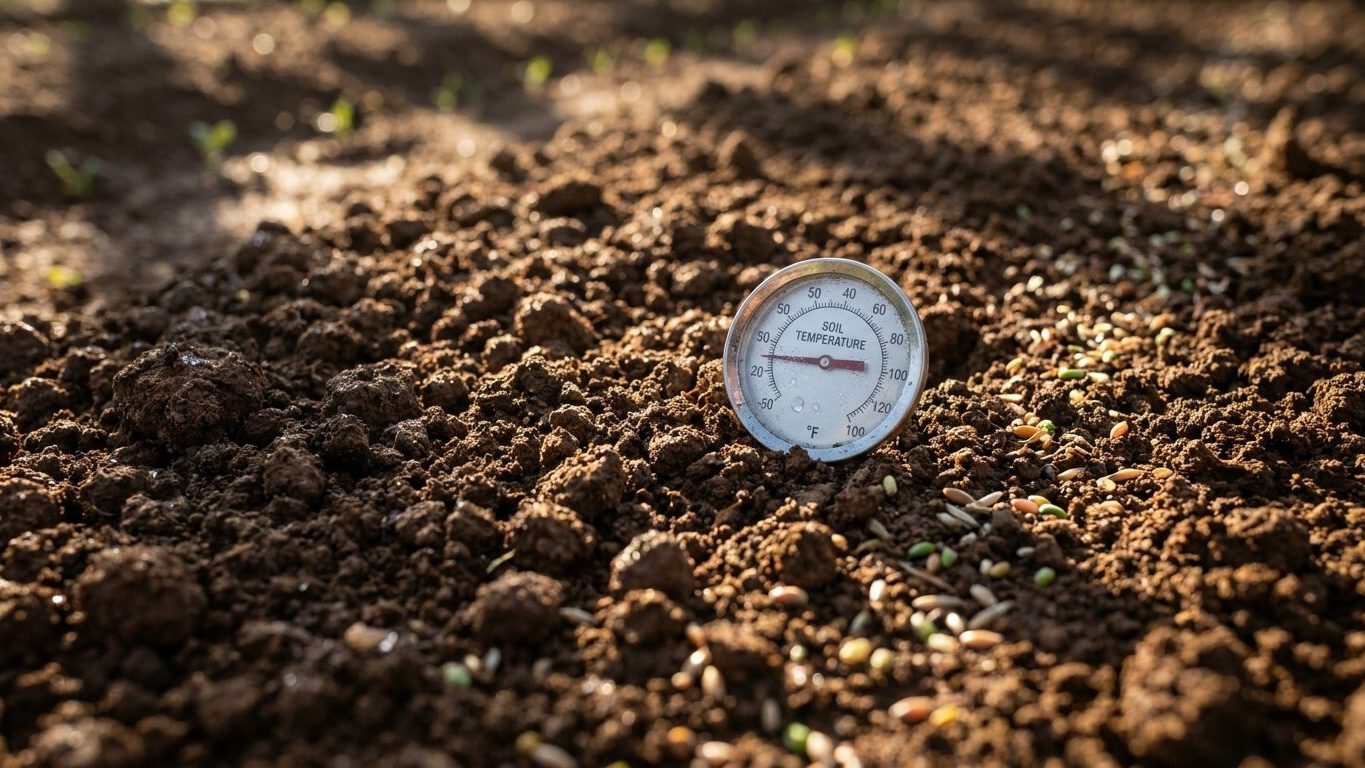
Arkansas gardeners can start seeding cover crops from mid-March through late fall, but the real trigger isn’t the calendar.
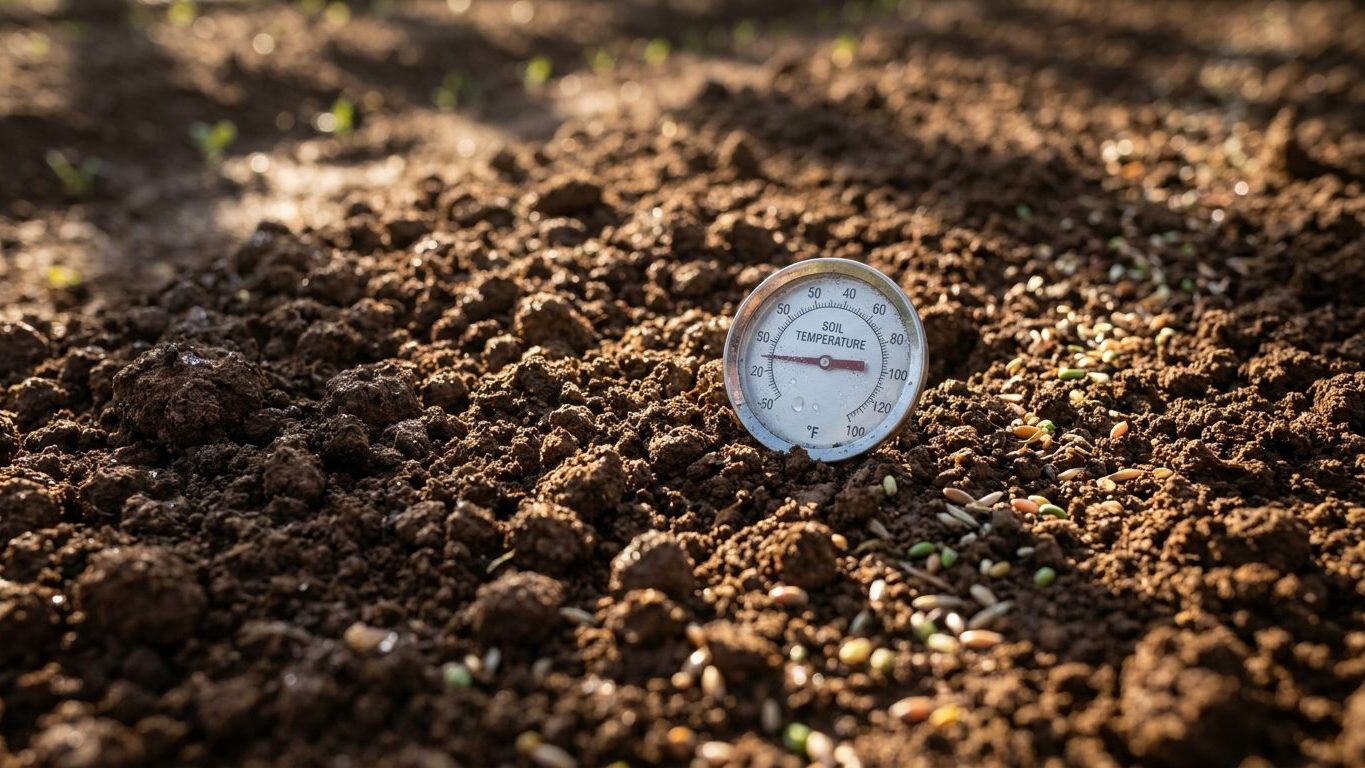
In most of Arizona, cover crops don’t wait for a killing frost, because there often isn’t one.
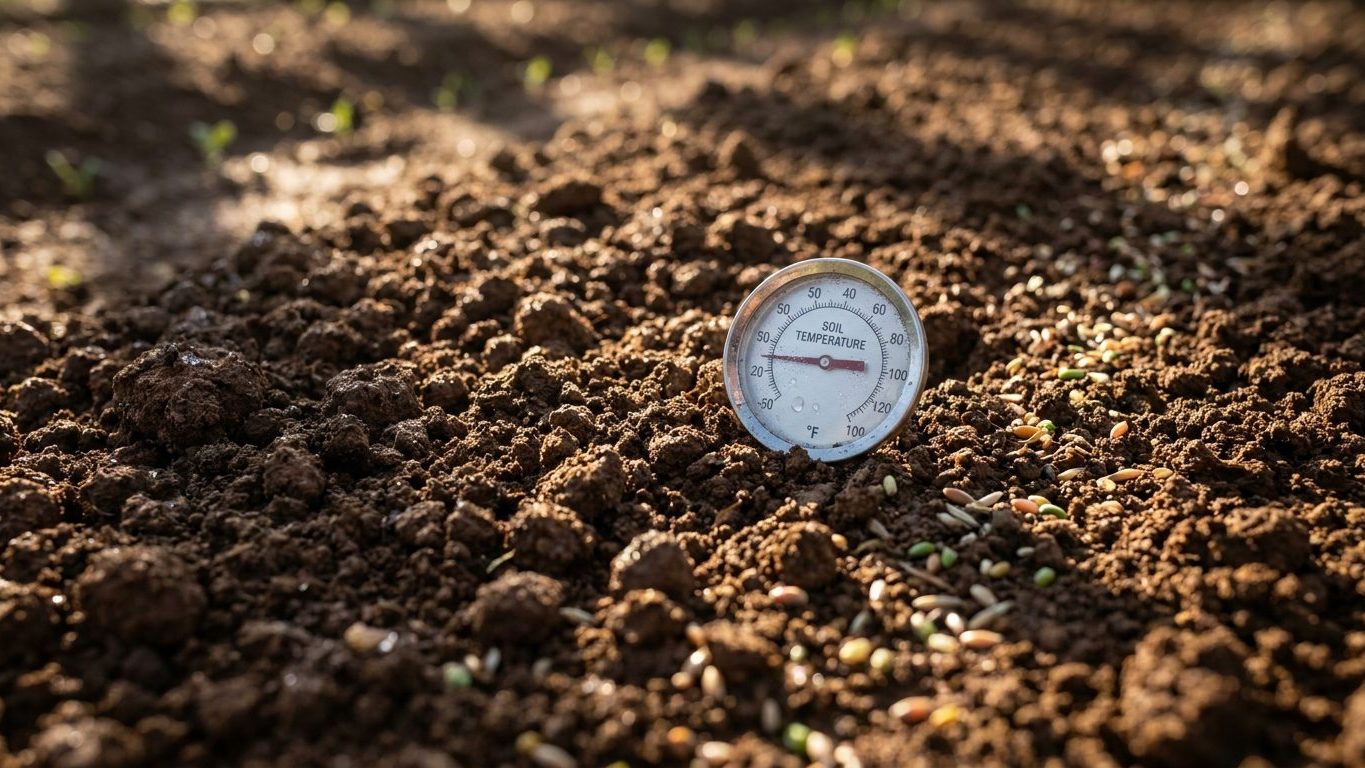
Alberta’s cover-crop calendar runs on a short, cold-edged window: sow after the soil has warmed past the average last frost near May 21, and plan…
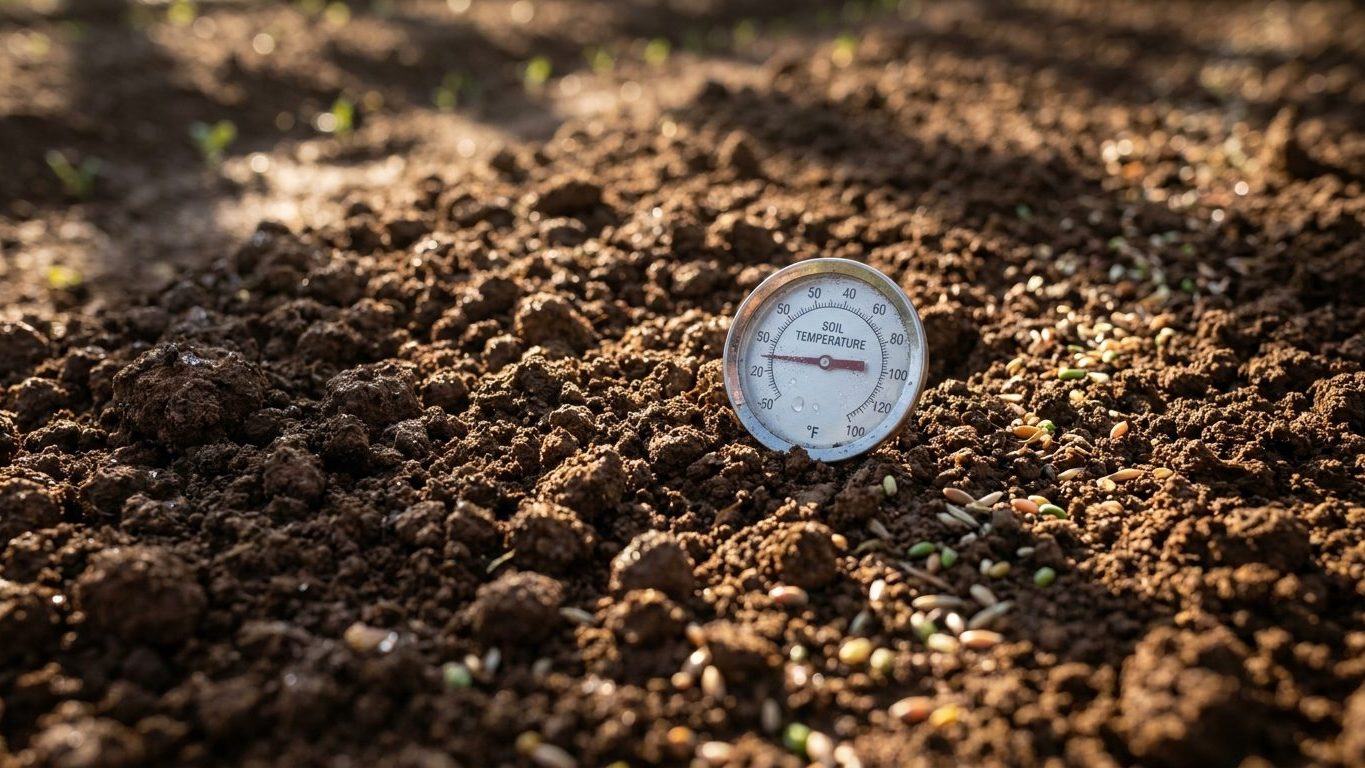
Anchorage’s cover-crop window opens once the soil itself warms, which lags a week or two behind the last frost date.
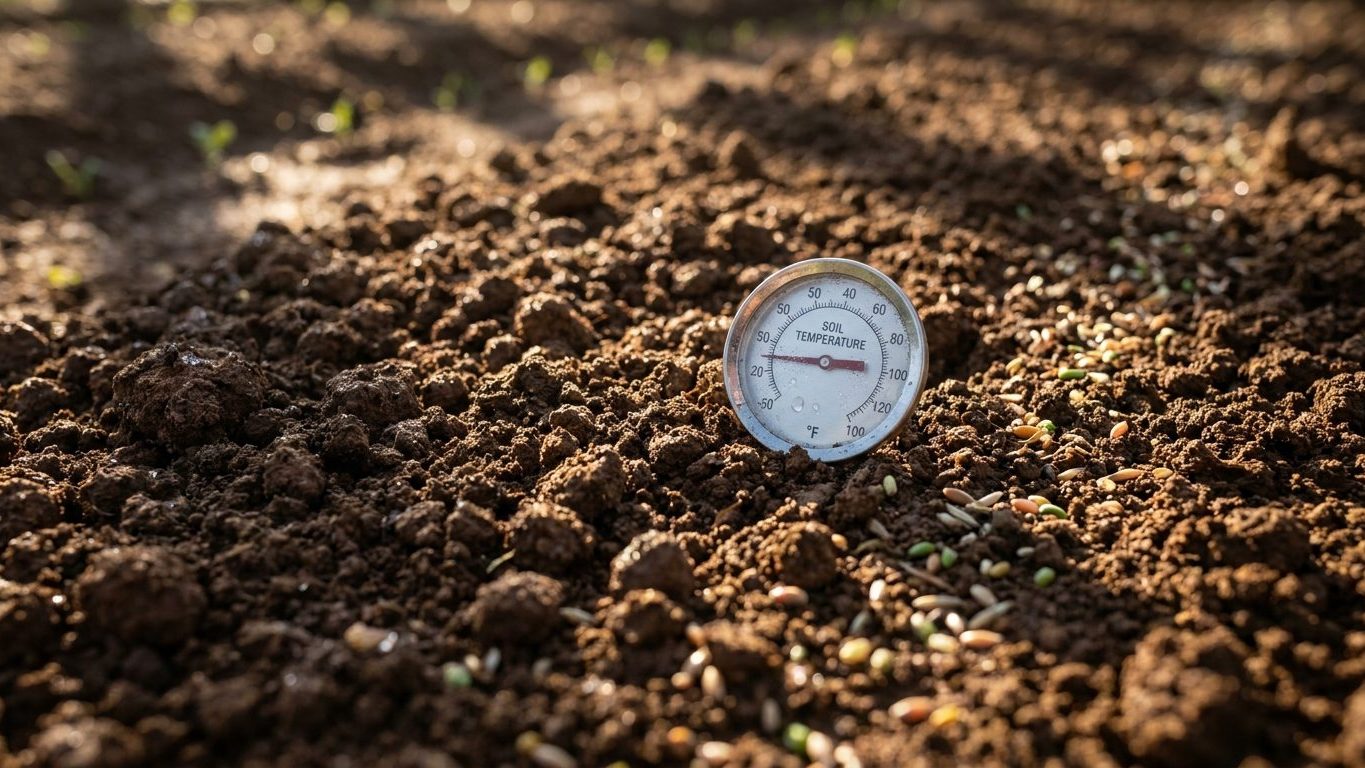
In Alabama, cover crops go into ground once soil temperature climbs into the workable range for the species you’re planting, which lands roughly two to…
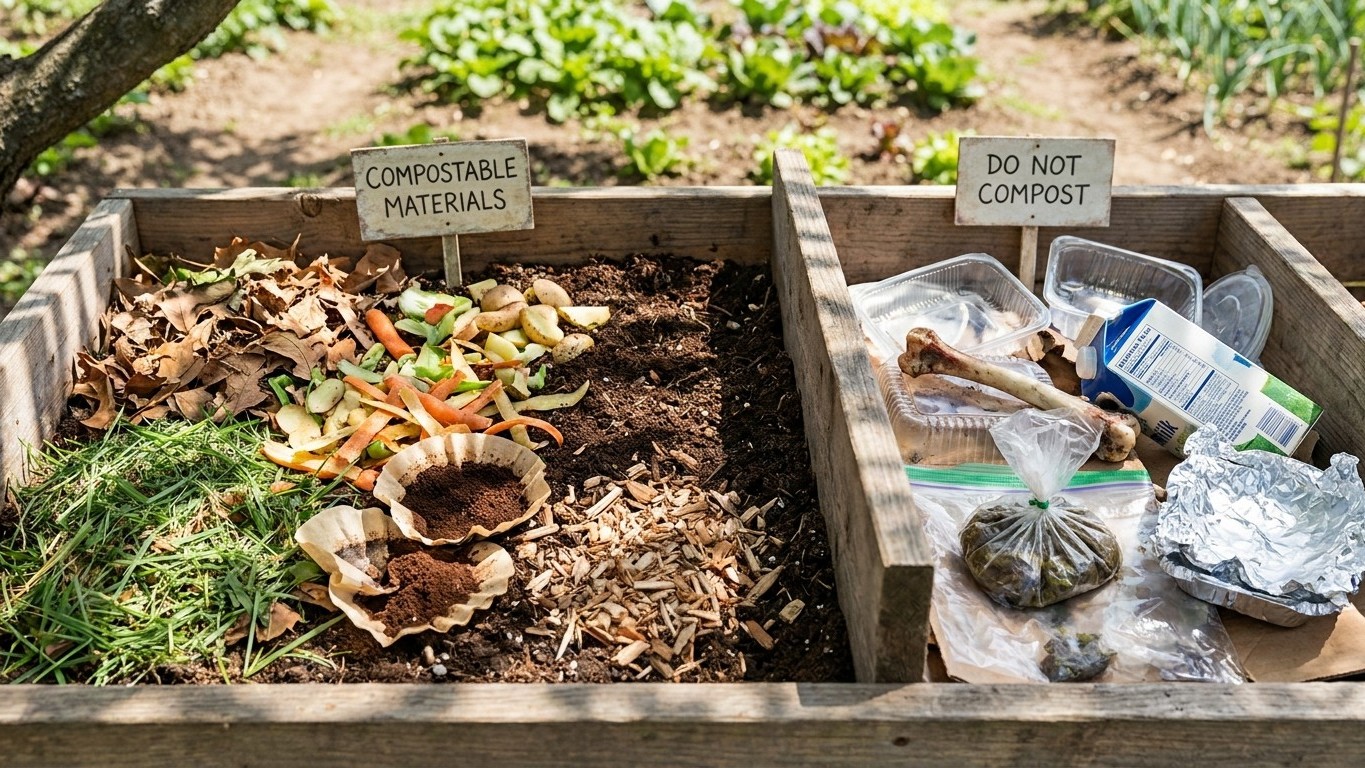
Compost accepts eight categories of household and yard waste: grass clippings, leaves and weeds, manures, coffee grounds, wood chips and sawdust, bark…
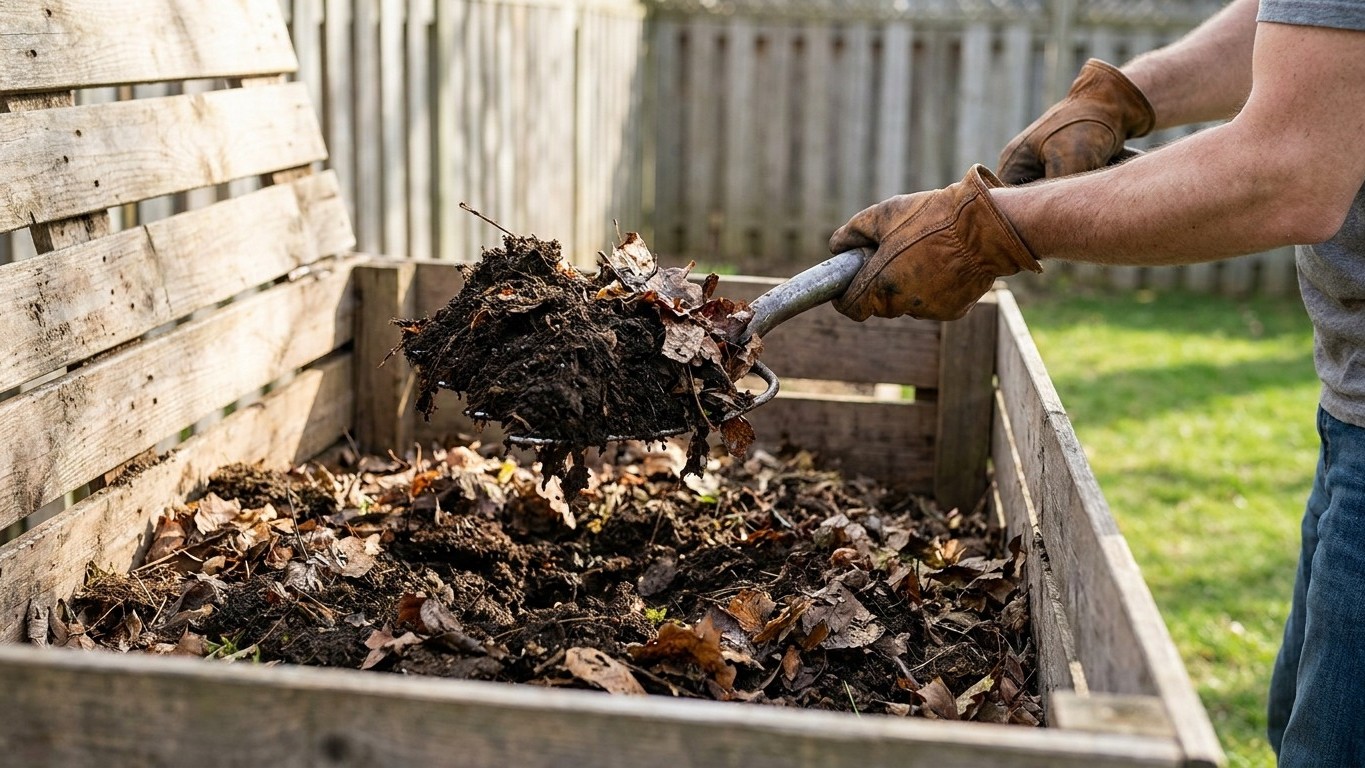
Turn a compost pile every week and it can finish in one to two months. Turn it once a month instead and expect four to six months.