Cover Crops for Wyoming Gardens
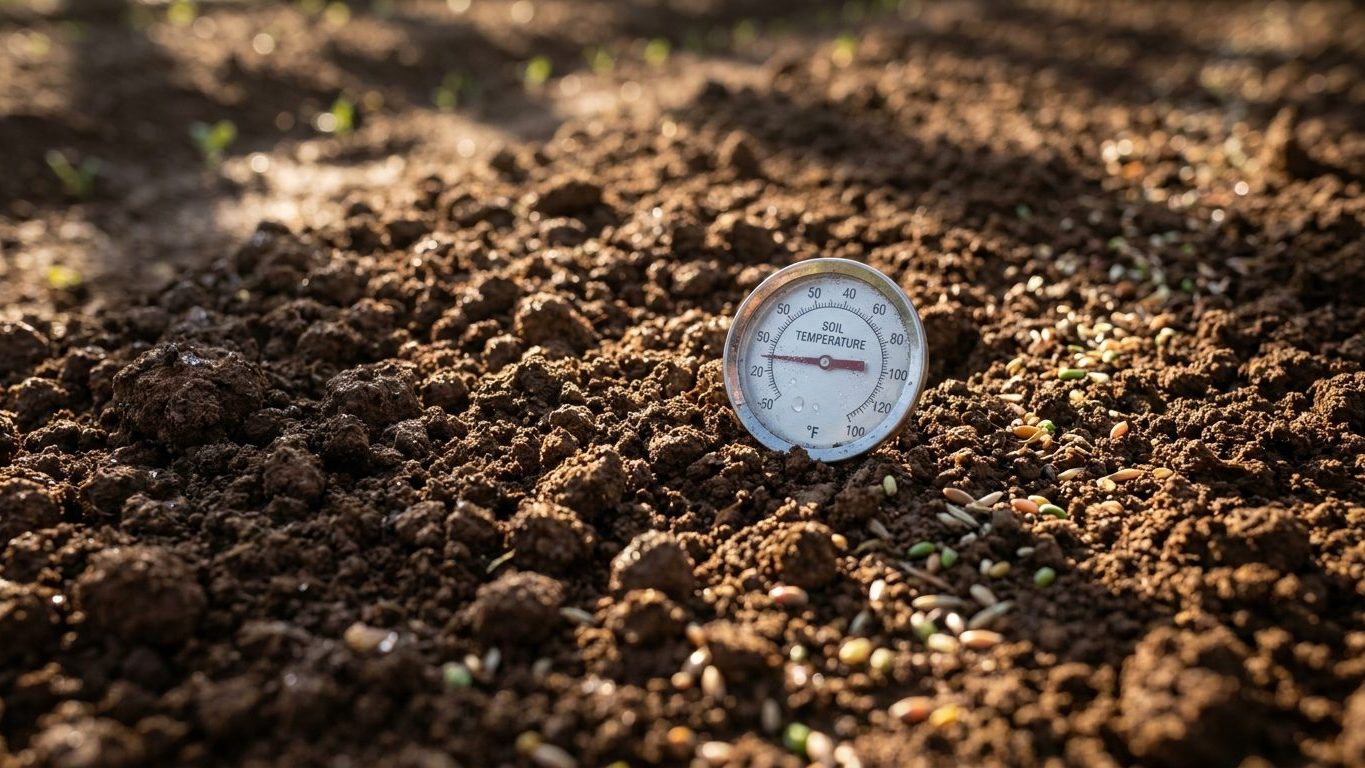
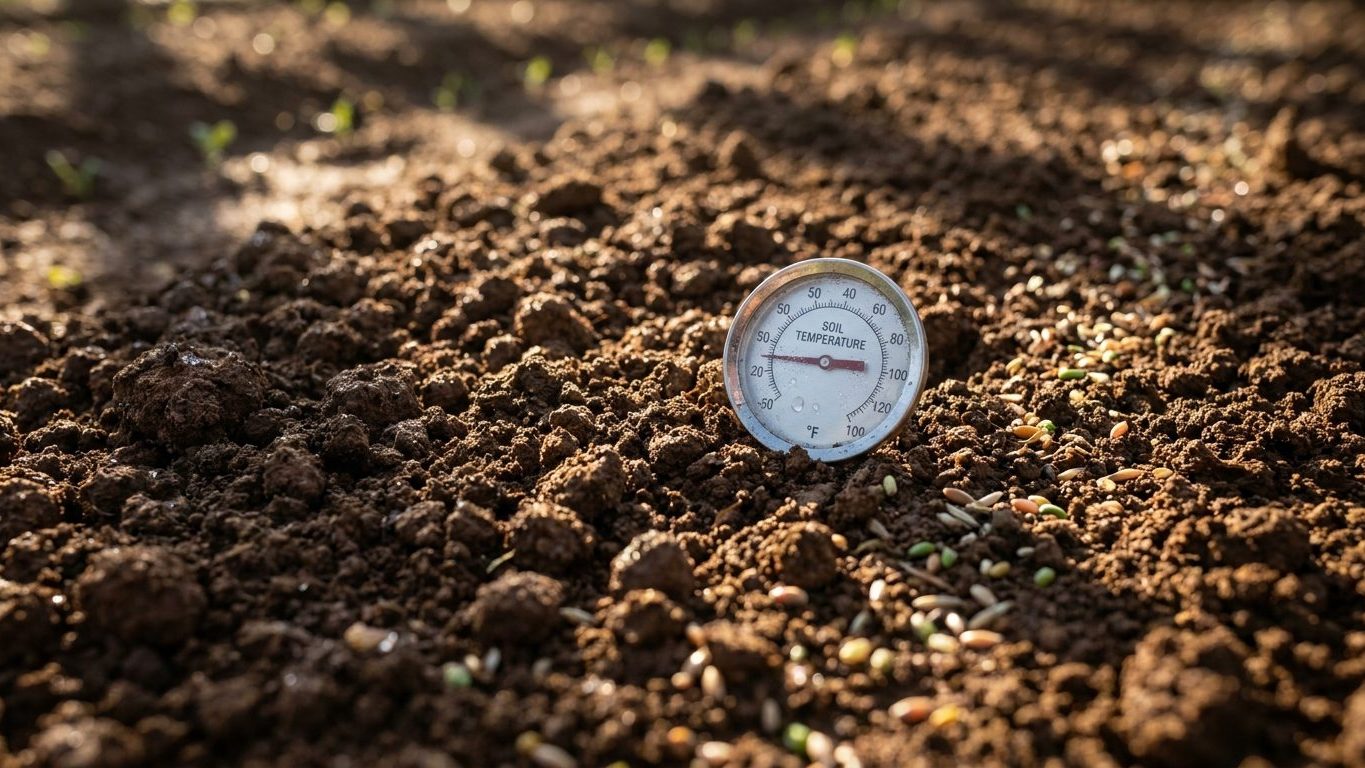
In most of Wyoming, cover crops go in the ground only after the soil itself has warmed, typically a week or two past the average last spring frost, and…
Home & garden, state by state
In most of Wyoming, cover crops go in the ground only after the soil itself has warmed, typically a week or two past the average last spring frost, and…
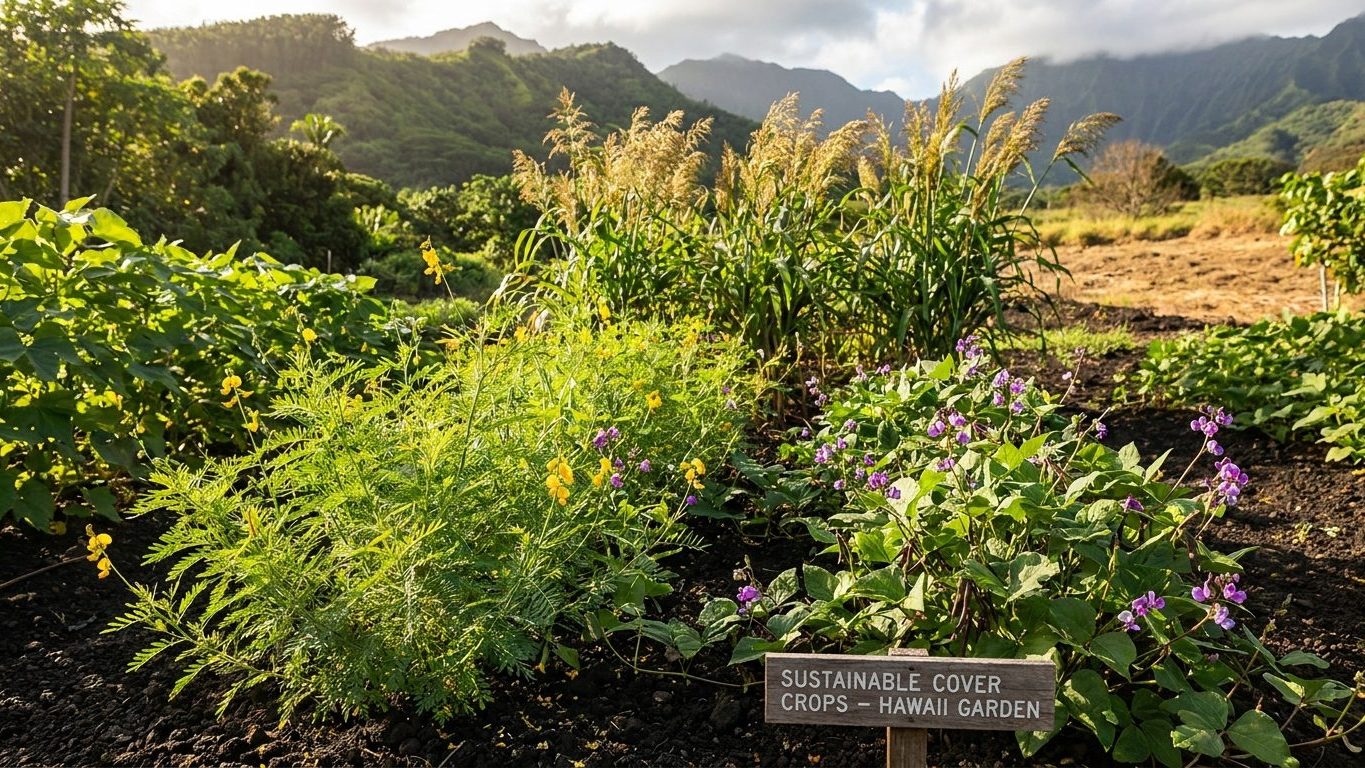
The best cover crops for Newfoundland and Labrador are the ones built for a short, cool season and a hard winter: fall-sown cereal rye for overwintering…
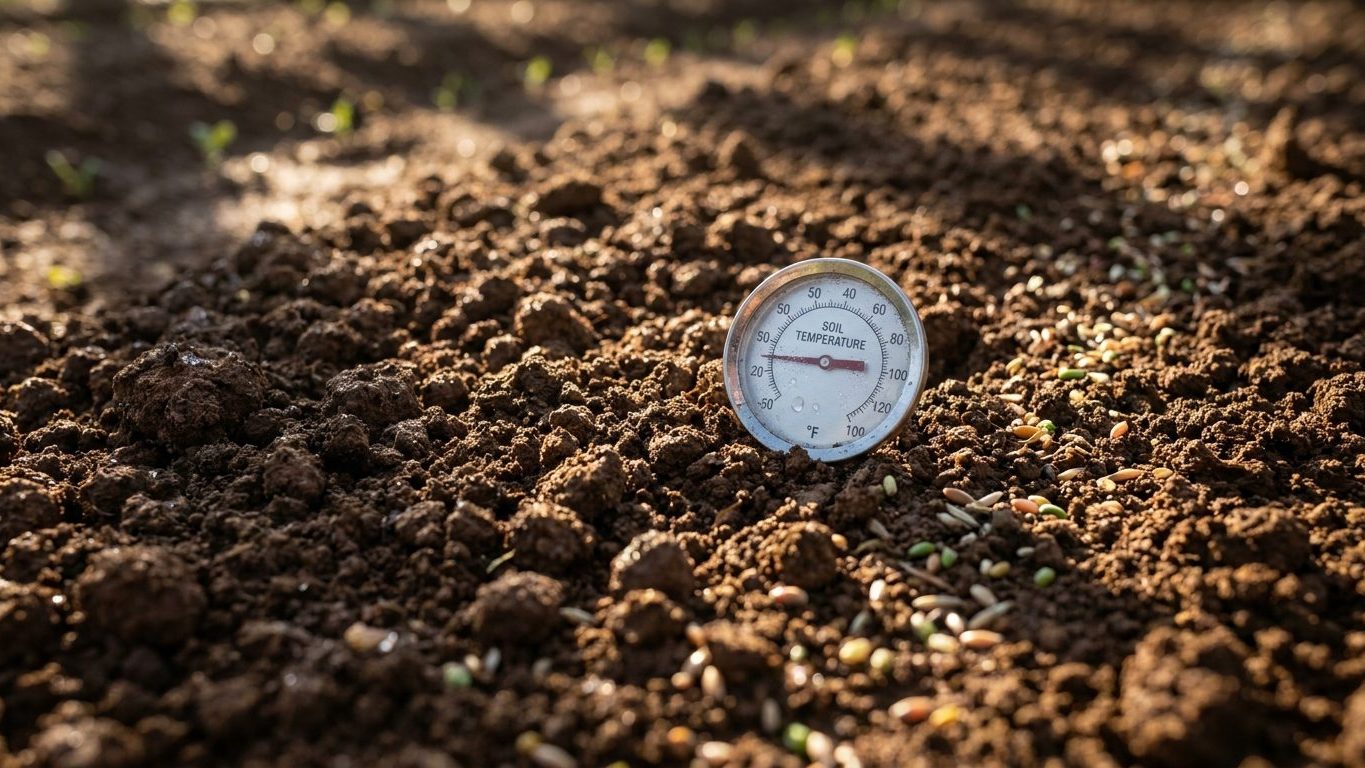
Cover crops go in the ground in Wisconsin once the soil has shed its spring chill, typically from mid-April through early May depending on where you…
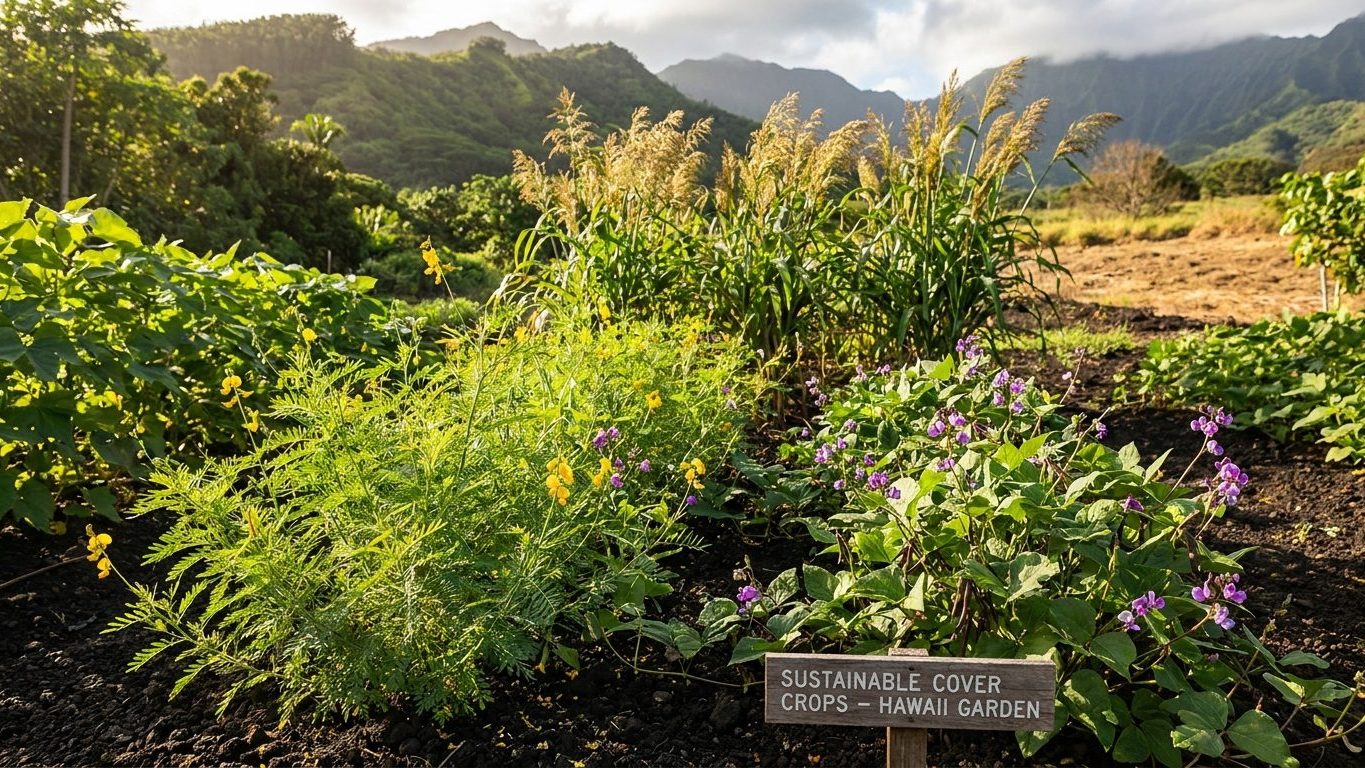
New Brunswick’s best cover crop depends on the job you need it to do: cereal rye if you want something that survives winter and holds the soil until…
West Virginia gardeners can seed cool-season cover crops like cereal rye, oats, and crimson clover from late summer into fall, and warm-season options…
Nevada’s best cover crop choice depends less on a sowing date and more on which of two very different climates you’re gardening in: the cool high desert…
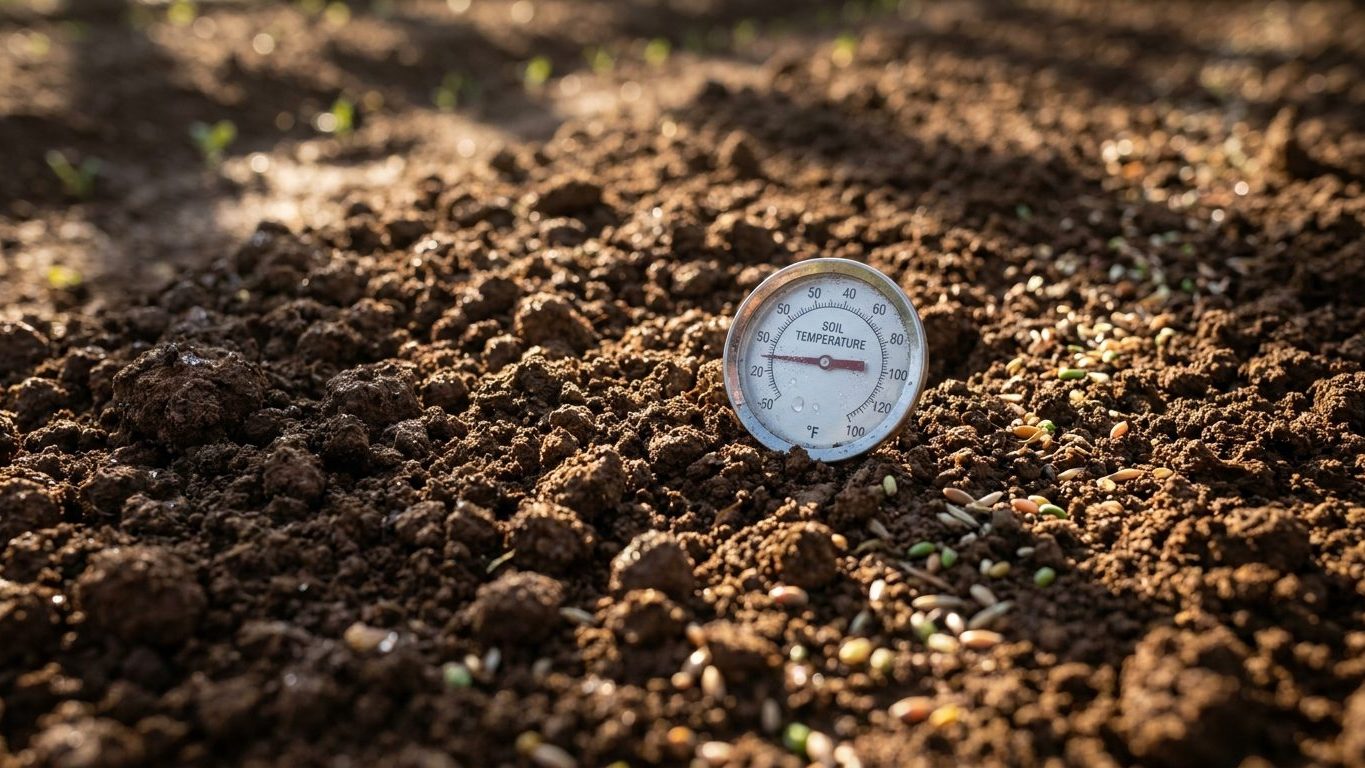
Cover crops go into Washington ground once the soil itself warms, not on the day frost risk officially ends.
Cereal rye and winter wheat are the safest bets for Nebraska cover crops because they survive the state’s coldest winters without fail, while legumes…
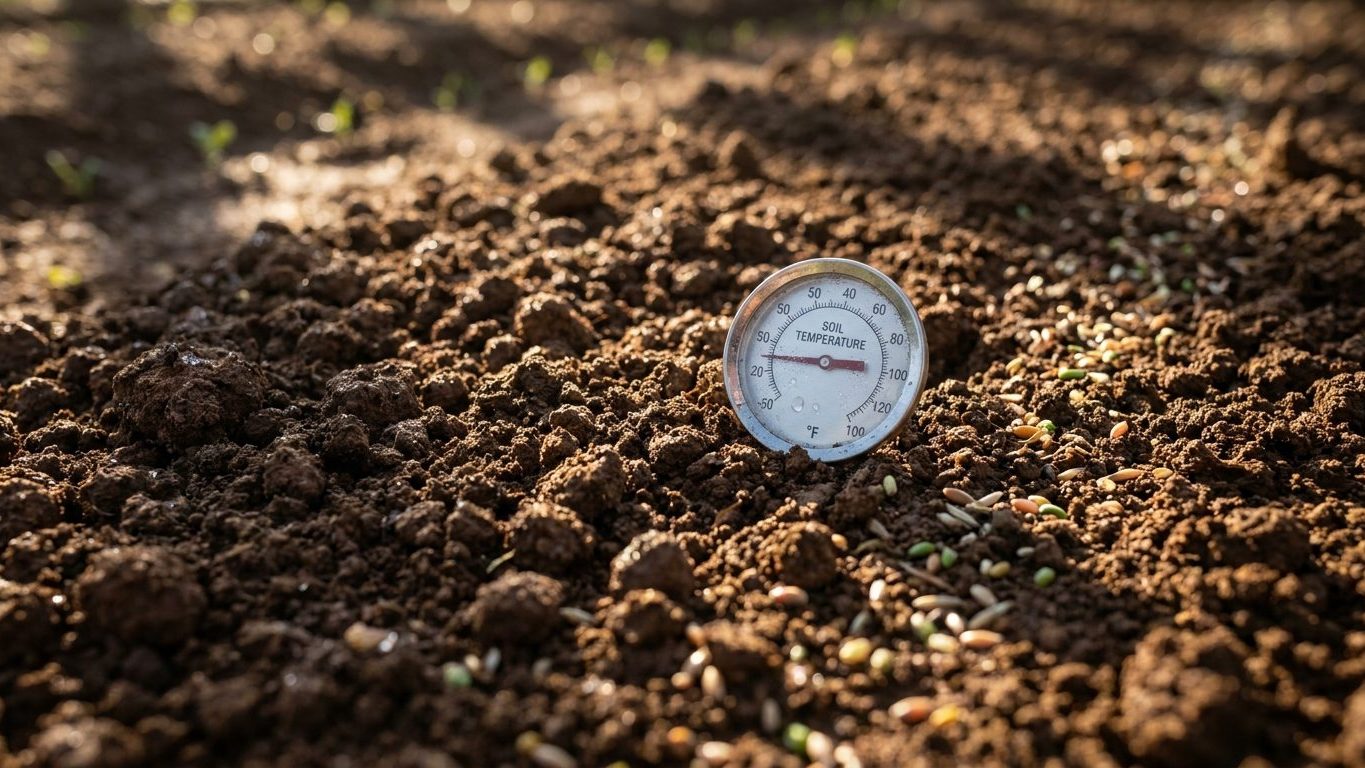
Cover crops go in Virginia once the soil itself holds steady warmth, not the day the calendar says frost is over.
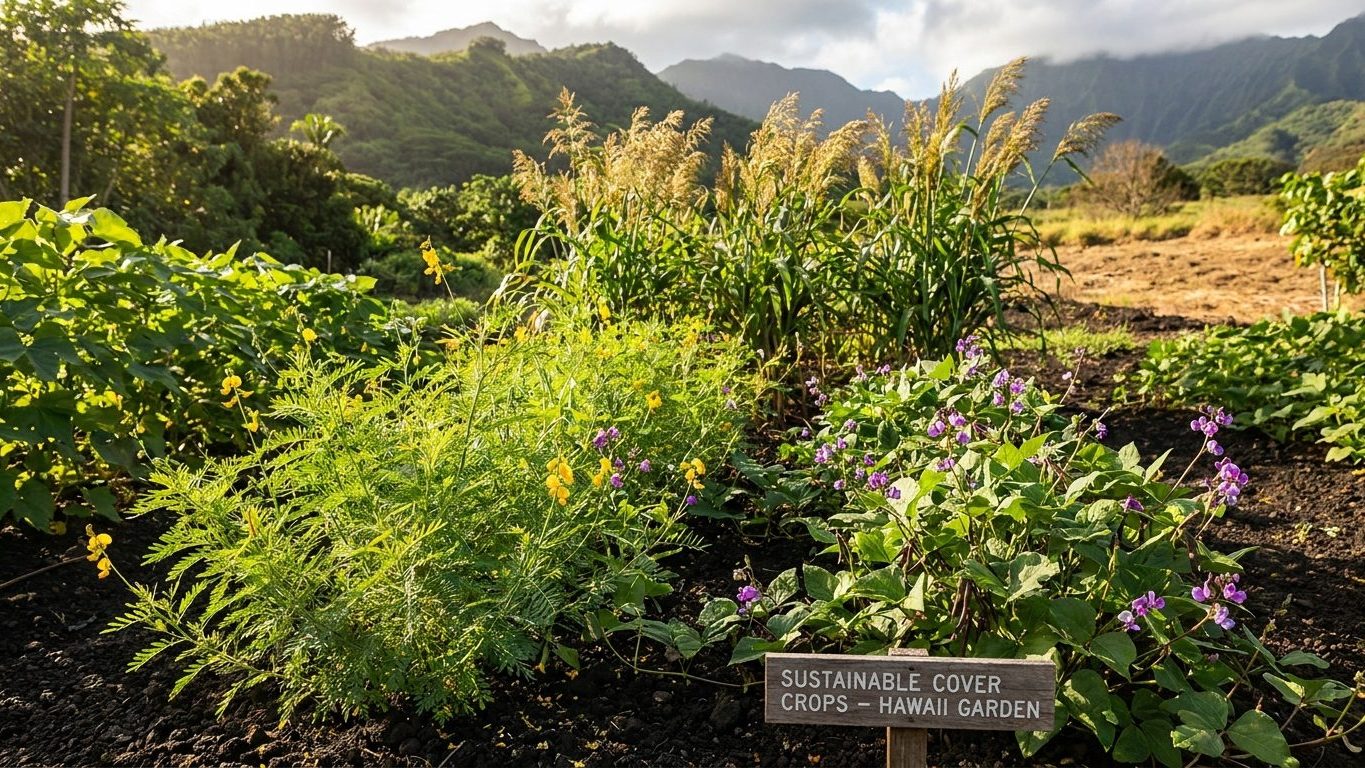
The best cover crops for Montana are winterkill annuals like spring oats, field peas, forage radish, and mustard, plus fast summer covers like buckwheat…