Cover Crops for Vermont Gardens
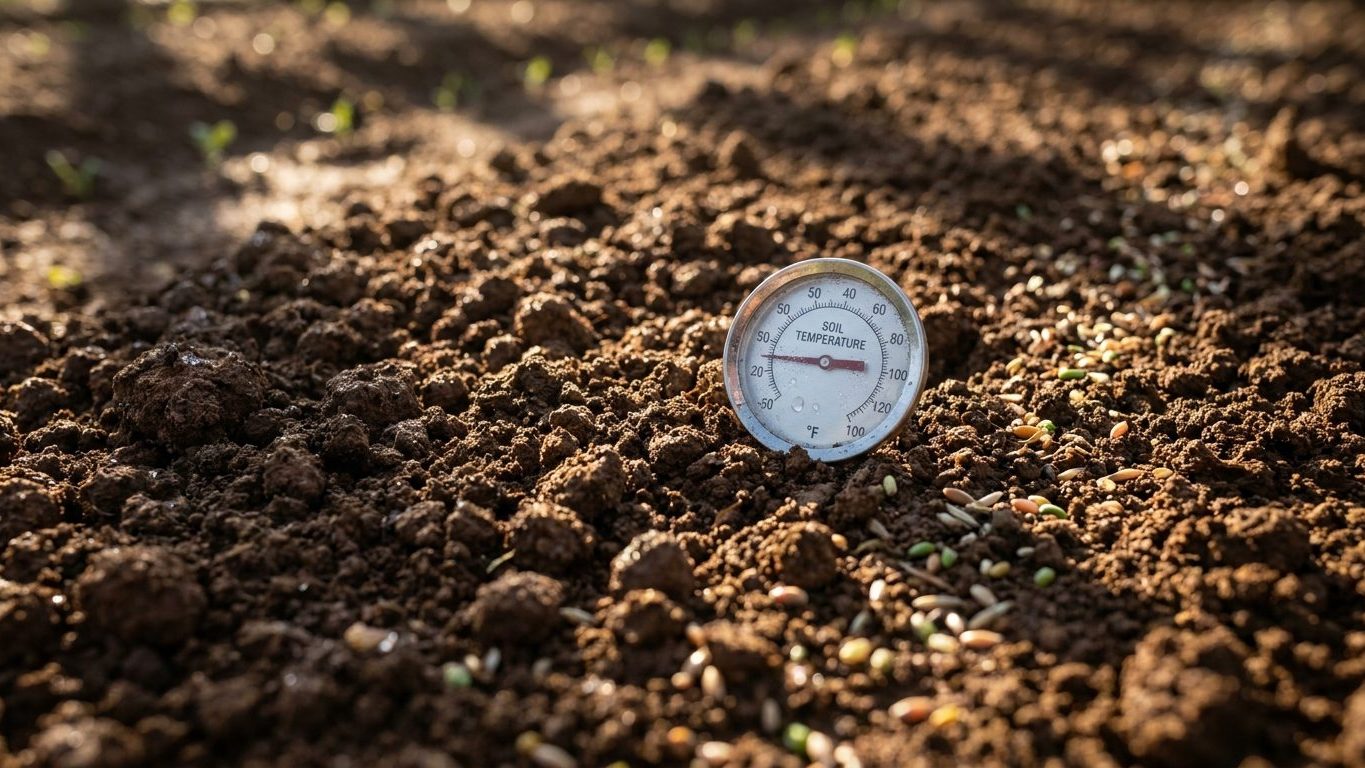
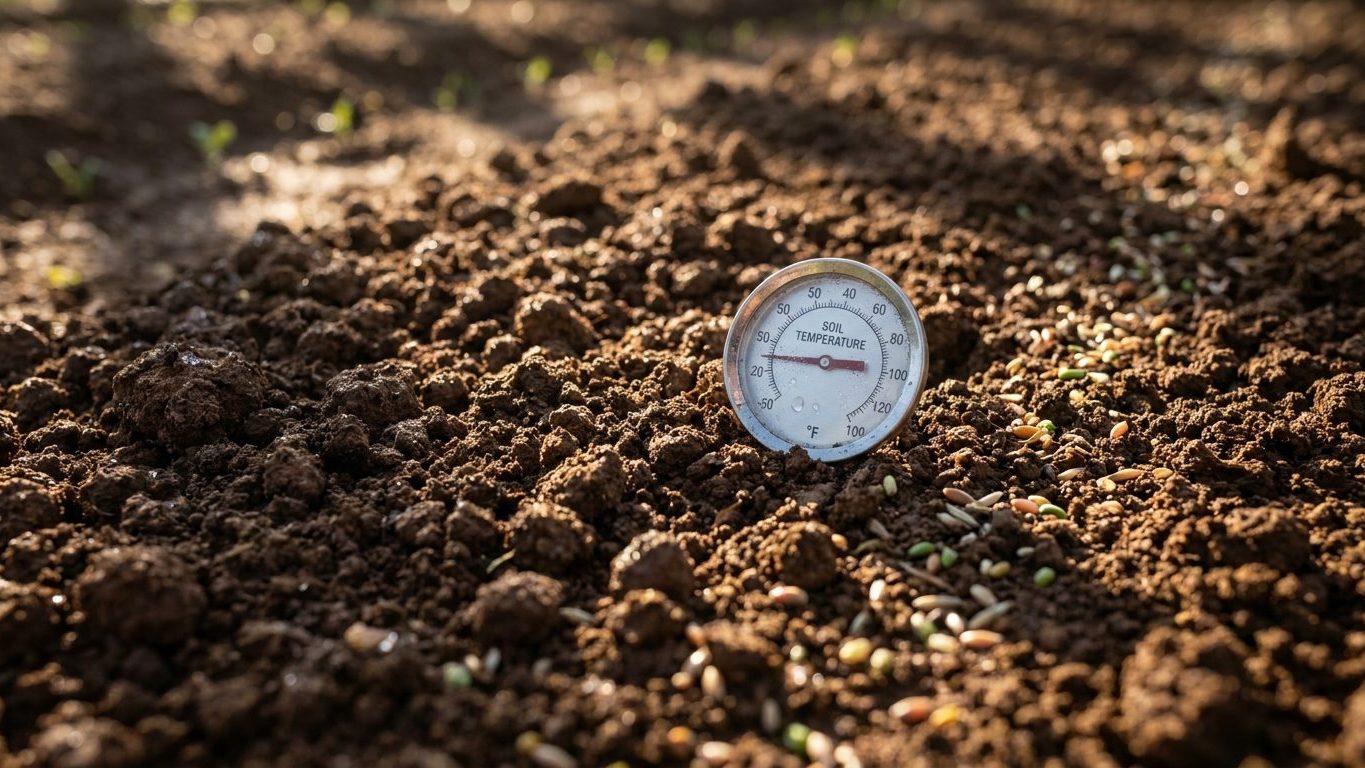
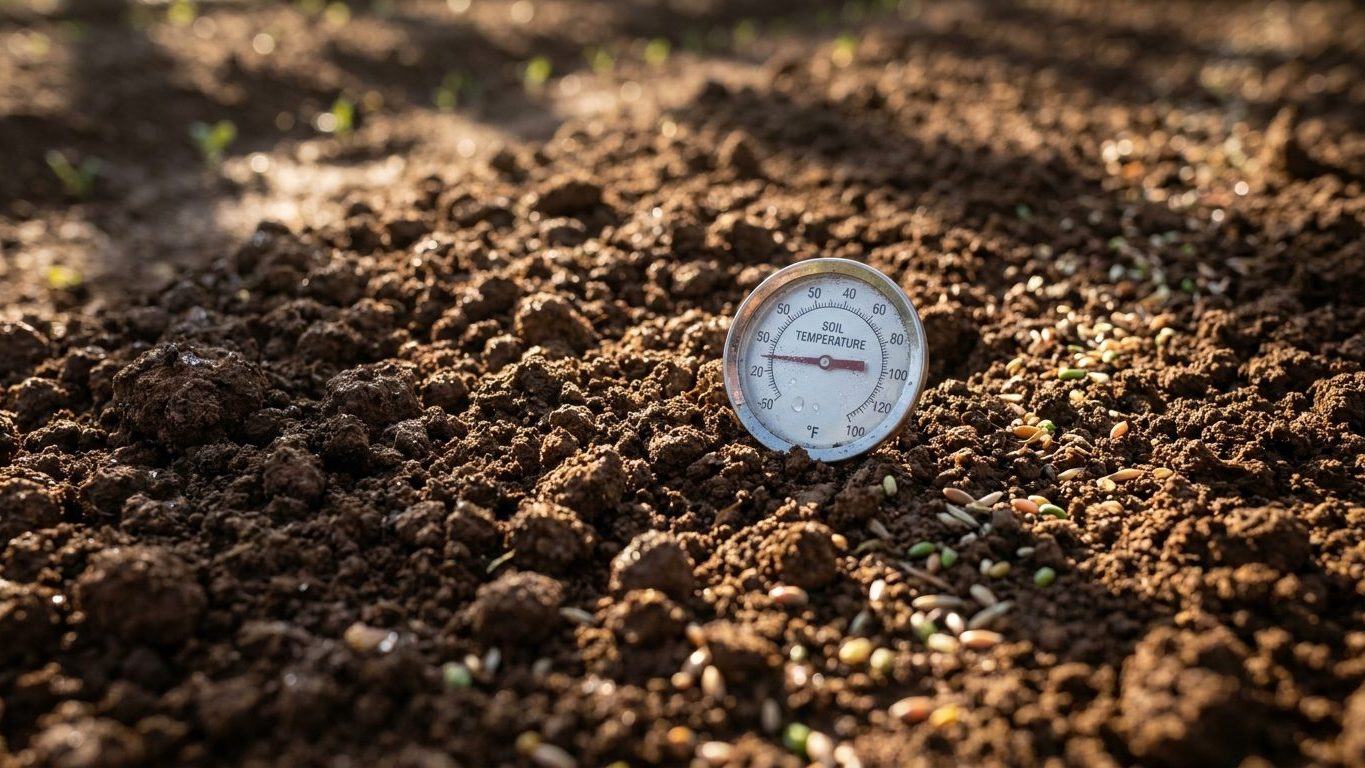
In most of Vermont, cover crop seeding for cool-season species can start once soil temperatures climb into the 50s, typically in mid-to-late May, while…
Home & garden, state by state
In most of Vermont, cover crop seeding for cool-season species can start once soil temperatures climb into the 50s, typically in mid-to-late May, while…
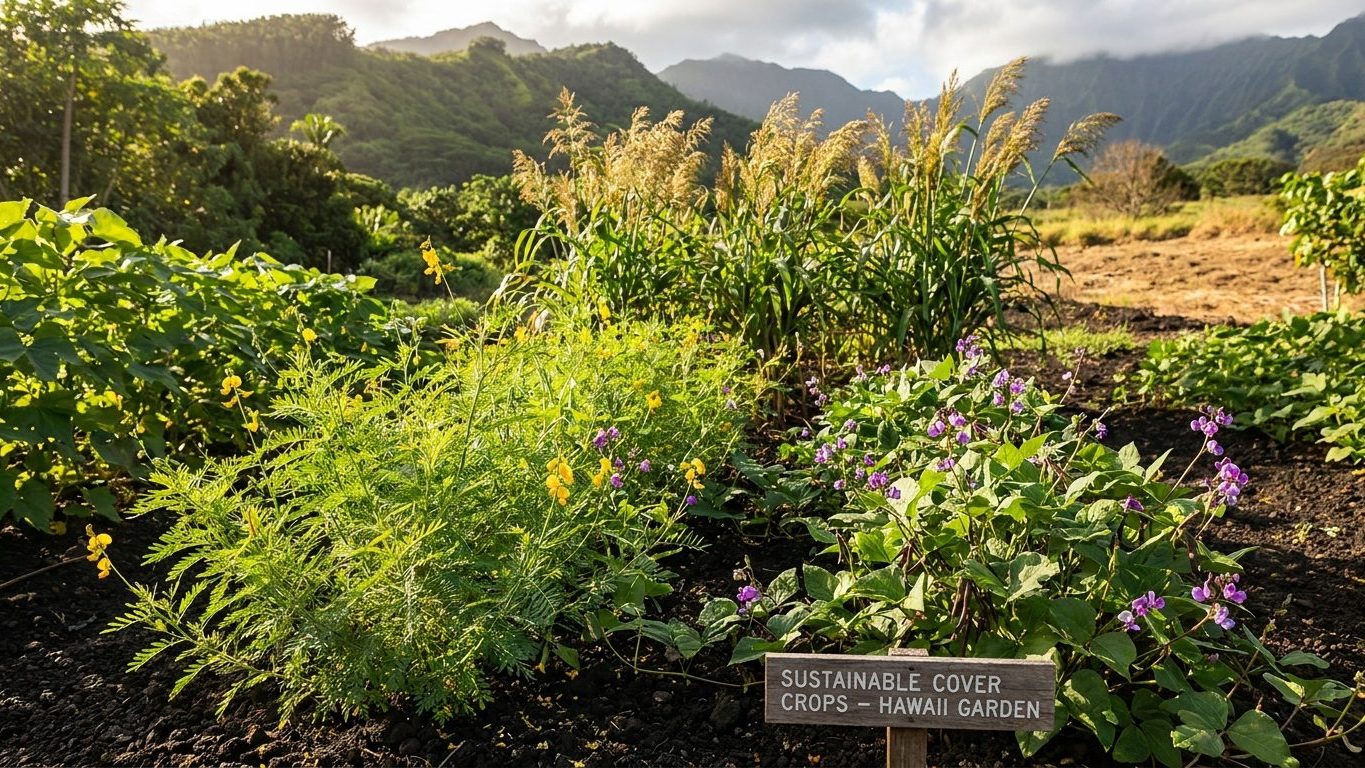
Missouri gardeners get the best mileage from cereal rye and hairy vetch through winter, and from buckwheat or cowpeas during the summer fallow.
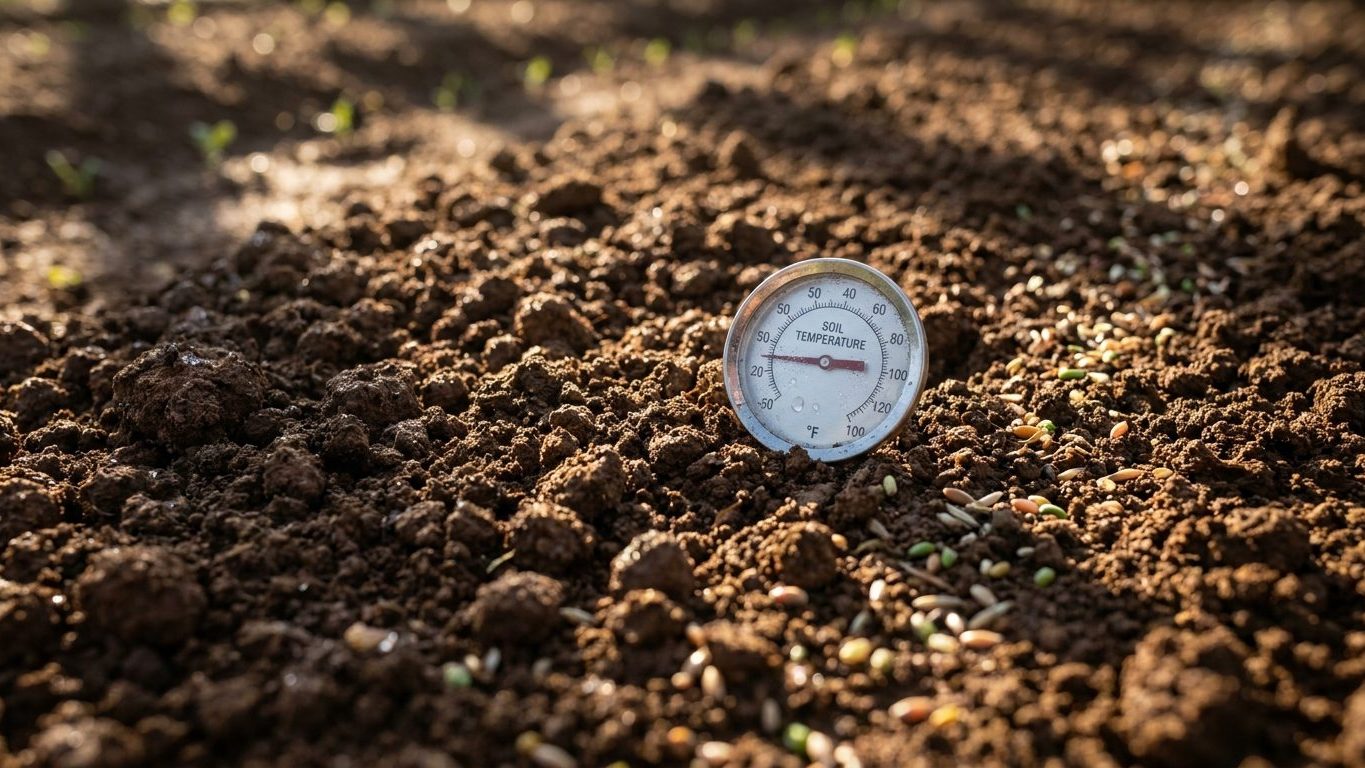
Utah’s cover-crop calendar answers to two things: how late the last spring frost lingers and how cold the coldest month runs.
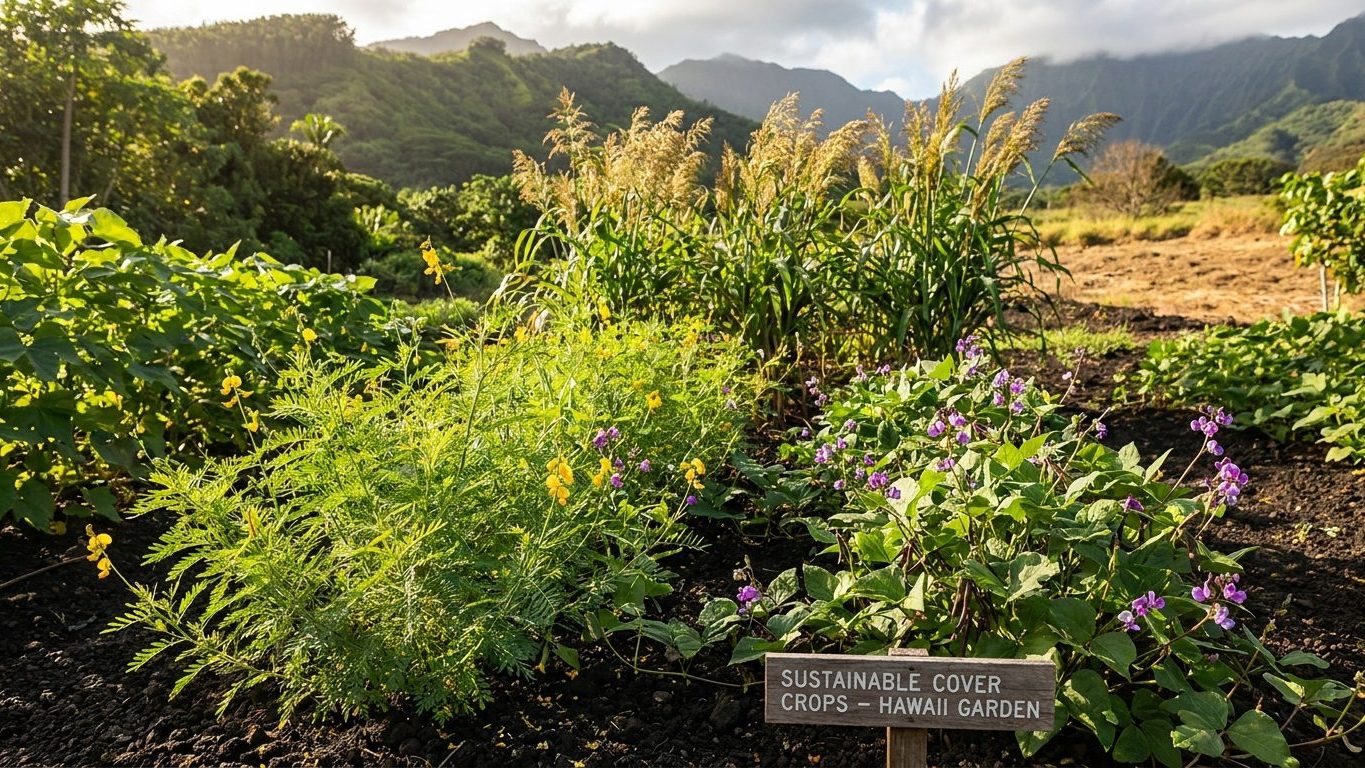
For most of Mississippi, the winning cover crop lineup pairs a fast summer legume like cowpea or sunn hemp with a fall-sown mix of cereal rye, crimson…
Cover crops in Texas don’t follow one calendar. Along the Gulf Coast, winters stay mild enough that legumes and cereals can grow almost year-round with…
The most reliable cover crops for Minnesota are winter cereal rye for overwintering ground cover, an oat-and-field-pea mix for a fast fall cover that…
Cover crops go into Tennessee gardens twice a year: a late-summer or fall sowing that protects and feeds bare beds through winter, and sometimes a…
Cereal rye is the one cover crop that works everywhere in Michigan, from the Upper Peninsula down to the Detroit suburbs.
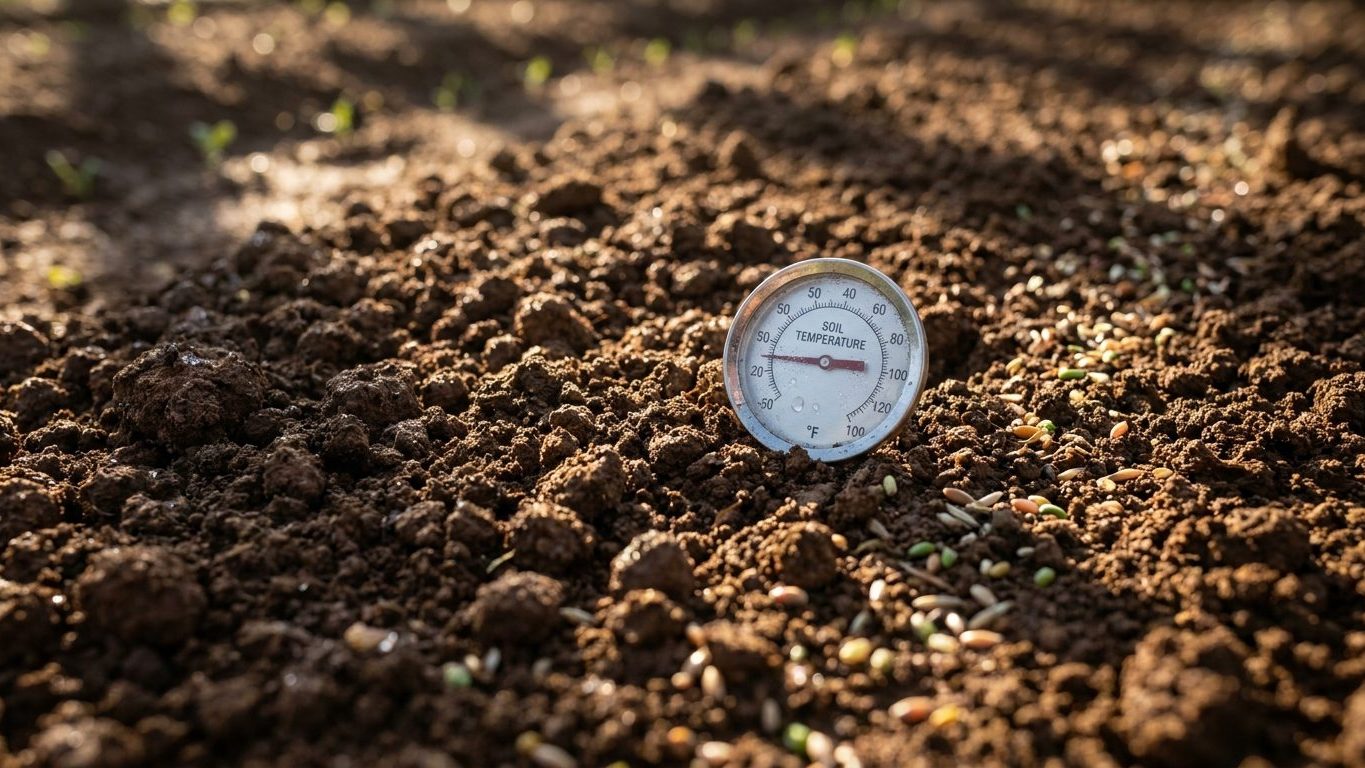
South Dakota gardeners plant cover crops in two windows: once the spring frost risk fades and the soil itself warms, and again in late summer ahead of…
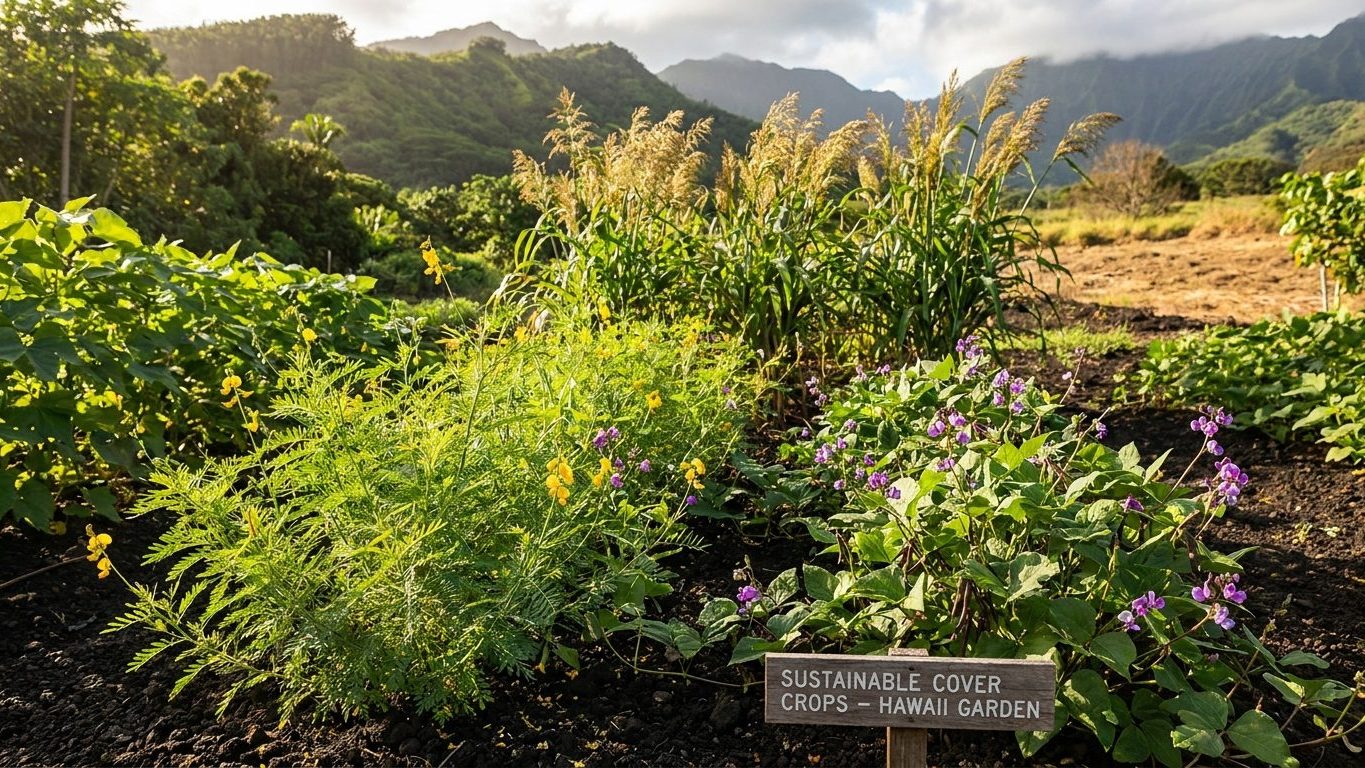
Massachusetts gardeners have two reliable windows: a fall planting of cereal rye or winter wheat right after the last harvest, and a summer gap filled…