Don Juan Rose: Bloom, Hardiness and Care
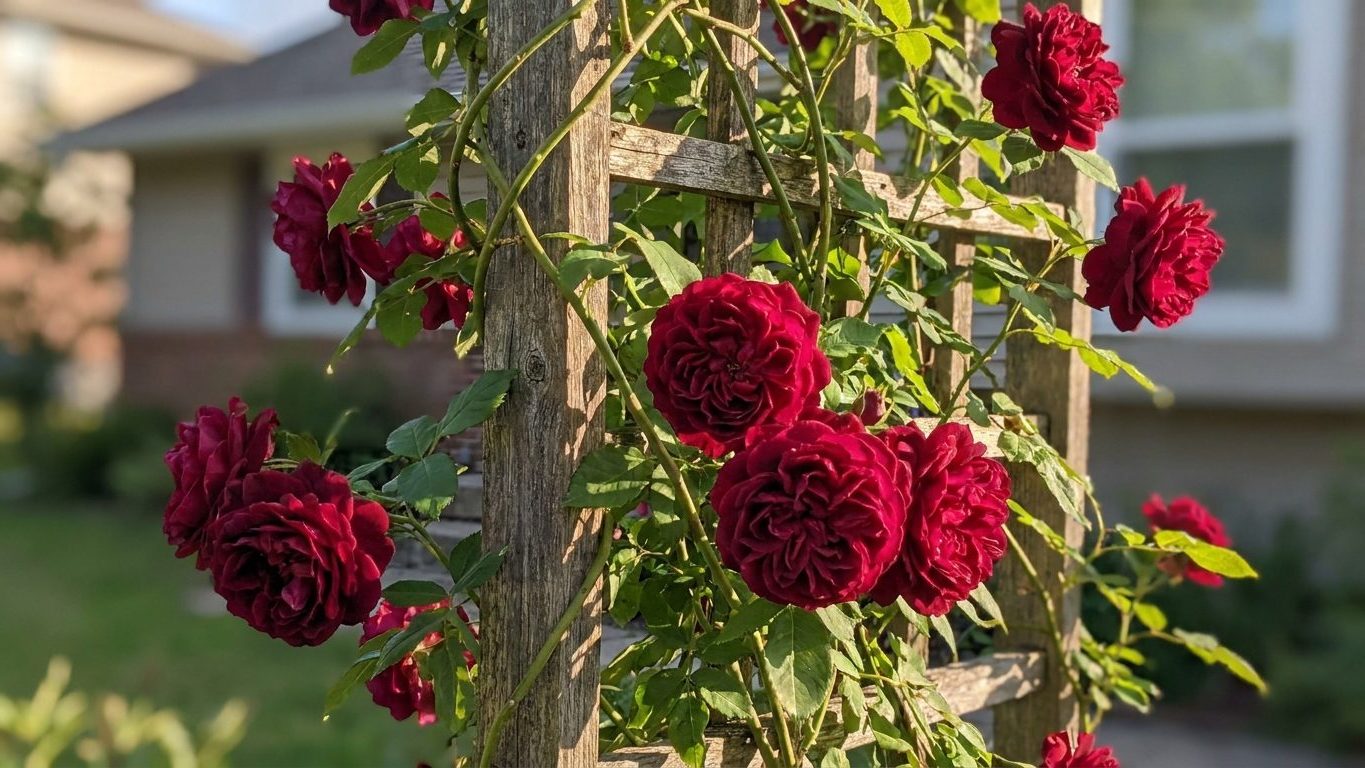
Don Juan is a climbing rose grown for large, velvety dark red double blooms with a tea and fruity scent, hardy from USDA zone 5a through 11b, and it…
Home & garden, state by state
Don Juan is a climbing rose grown for large, velvety dark red double blooms with a tea and fruity scent, hardy from USDA zone 5a through 11b, and it…
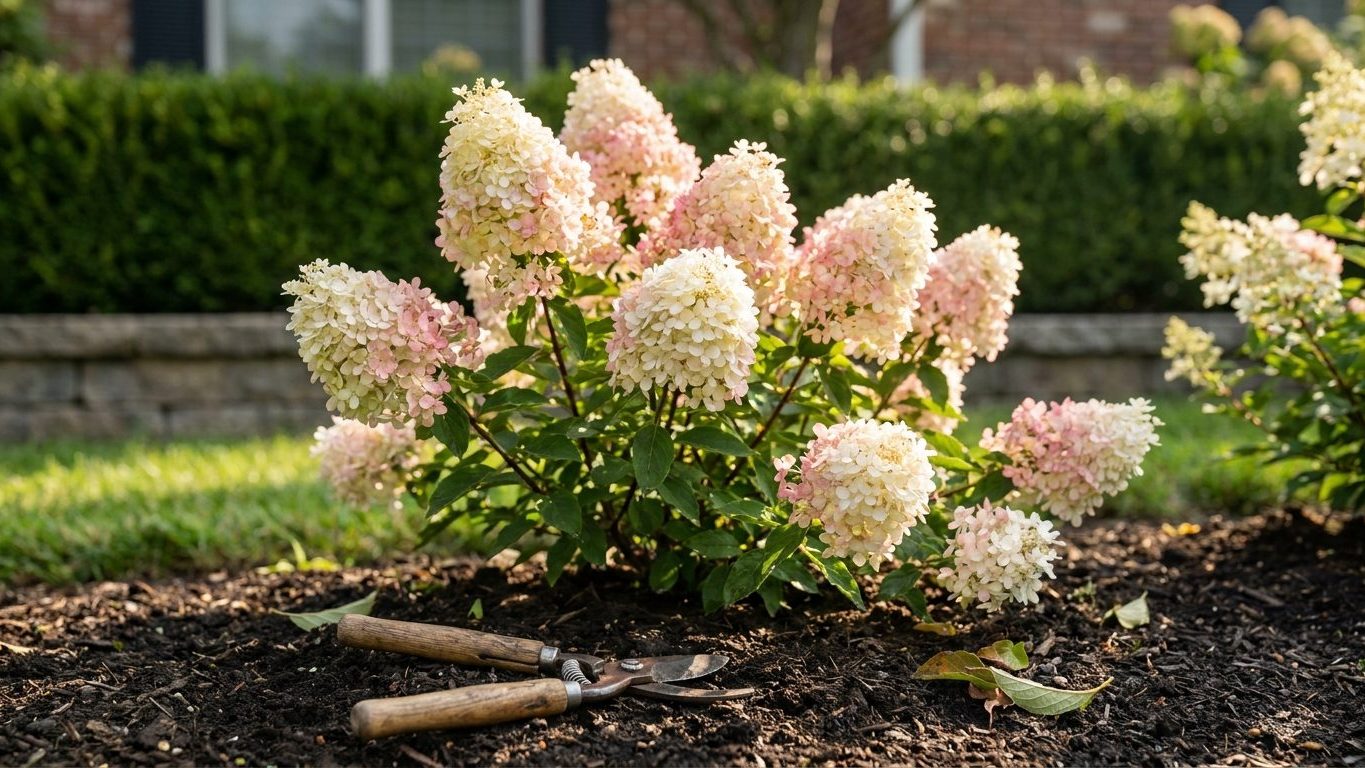
Bobo is a dwarf panicle hydrangea, hardy from USDA zone 3a through 8b, and it flowers on the current season’s growth rather than on wood set the year…
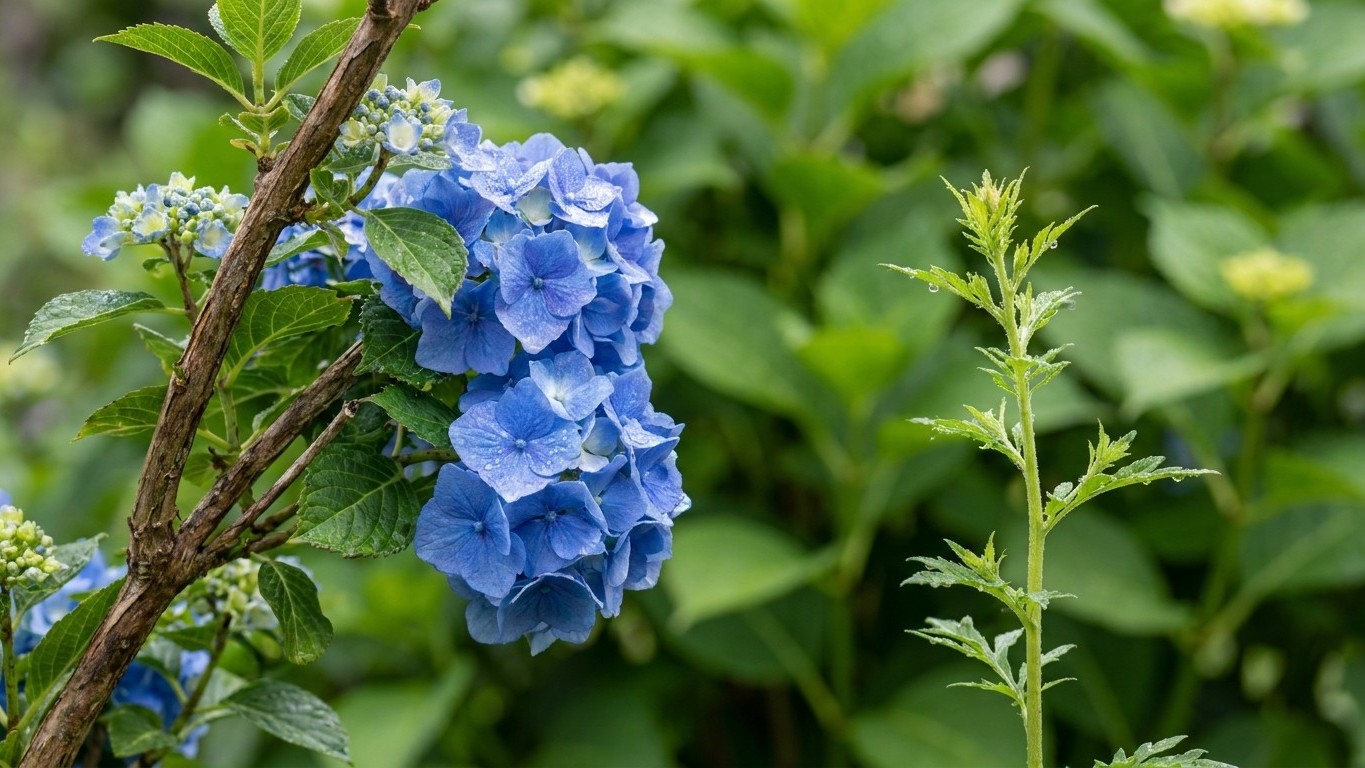
Alabama winters rarely kill a hydrangea plant outright. The real threat is timing: a mild stretch that fools the shrub into pushing new growth, followed…
Most rose bushes in Alabama get through winter with nothing more than a light layer of mulch, but the state’s USDA hardiness range of 7a to 9a means a…
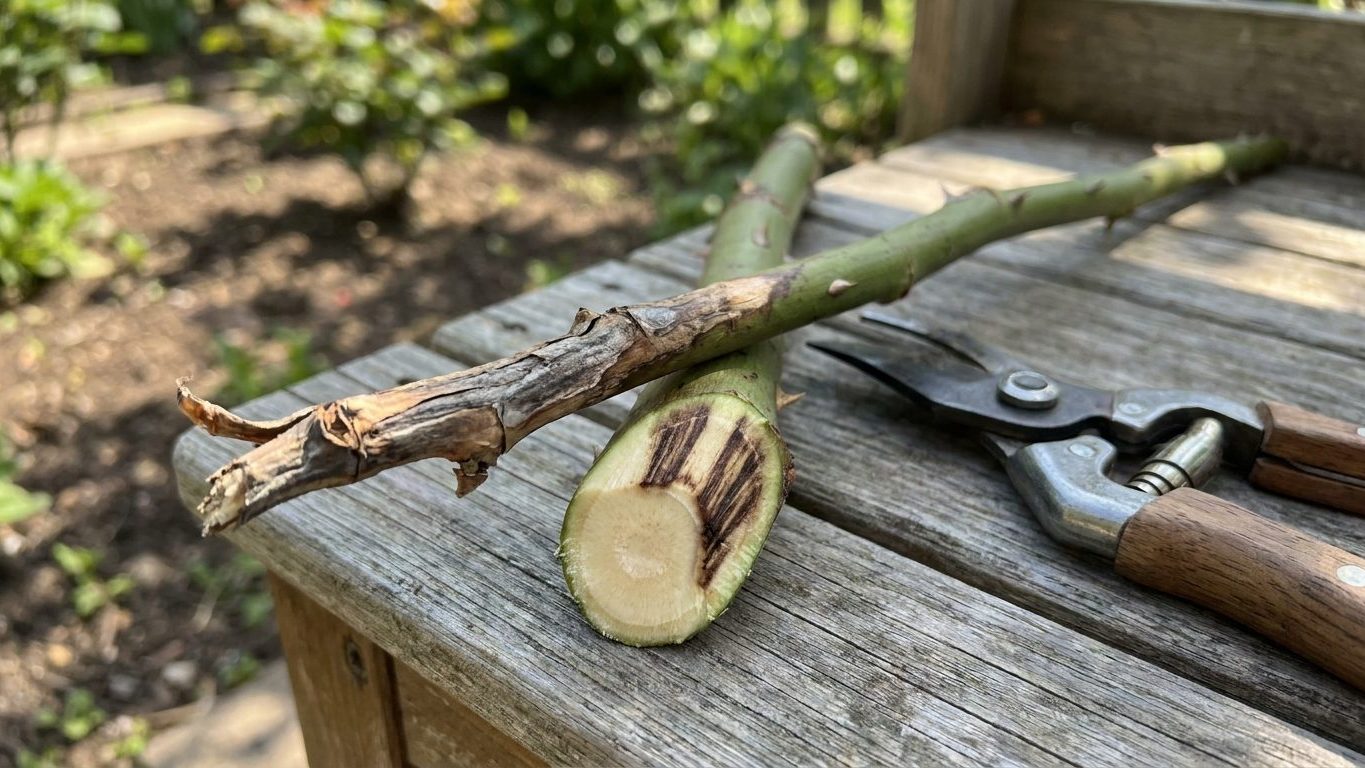
Cane dieback starting at the tip usually means either winter injury or a fungal canker got into the cane through a wound or pruning cut.
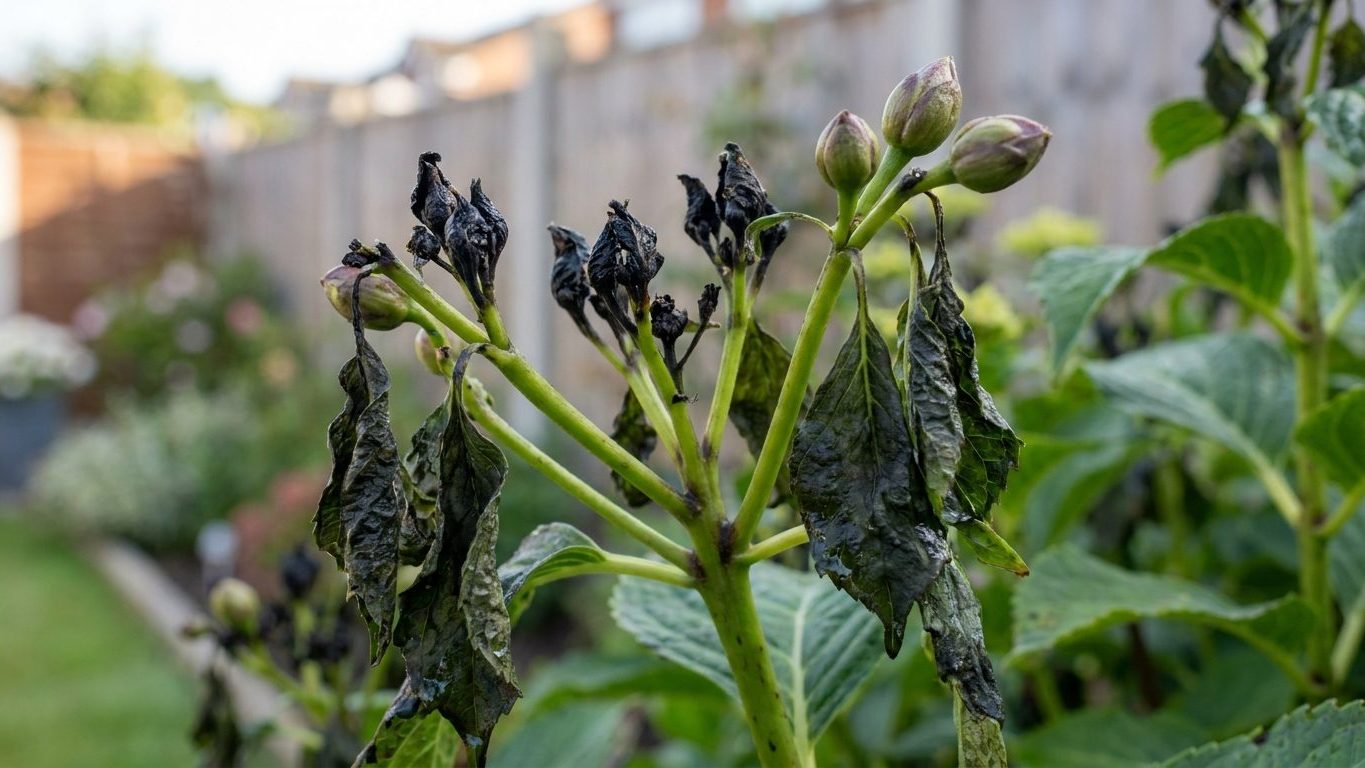
That blackened, limp tip on your hydrangea is bud death from a late-season freeze that hit after the plant had already woken up.
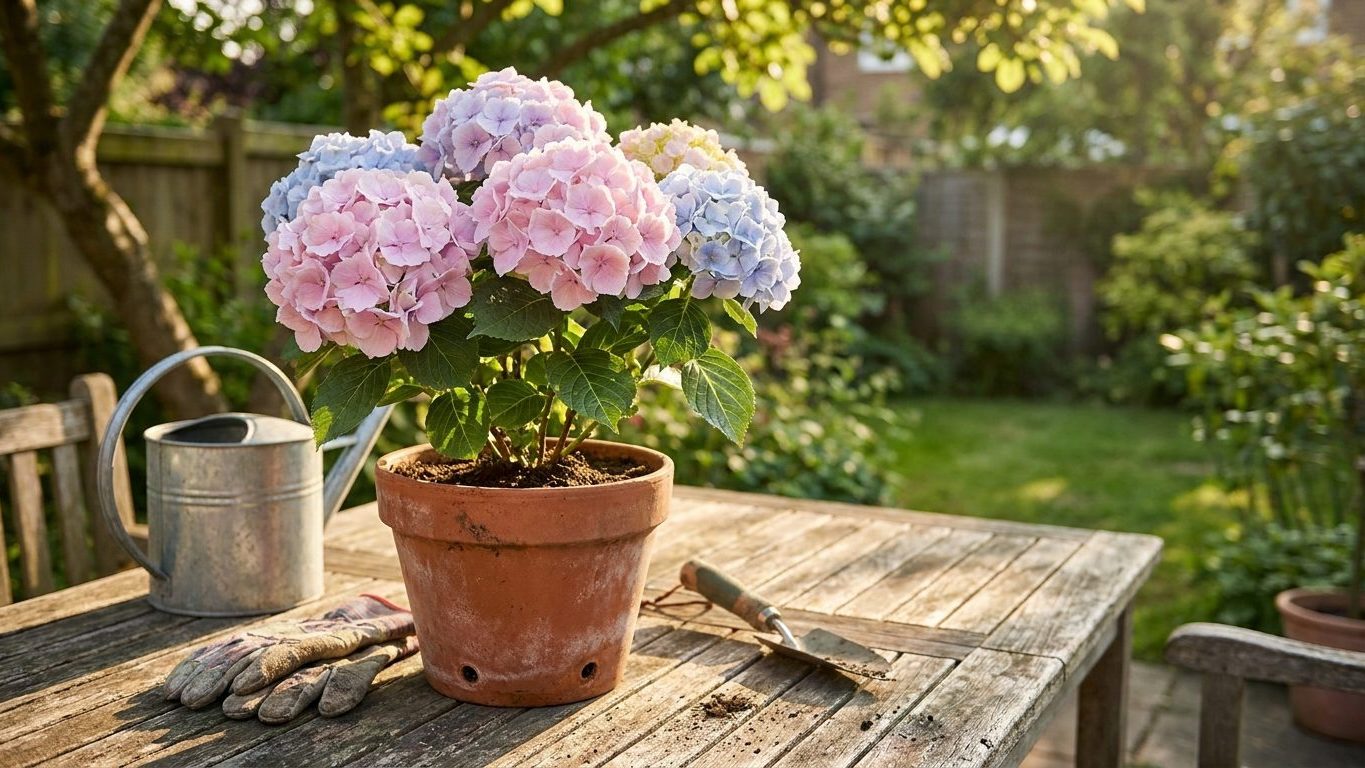
Pots work well for most hydrangea types, but the container itself becomes the limiting factor: root space, drainage and winter exposure all behave…
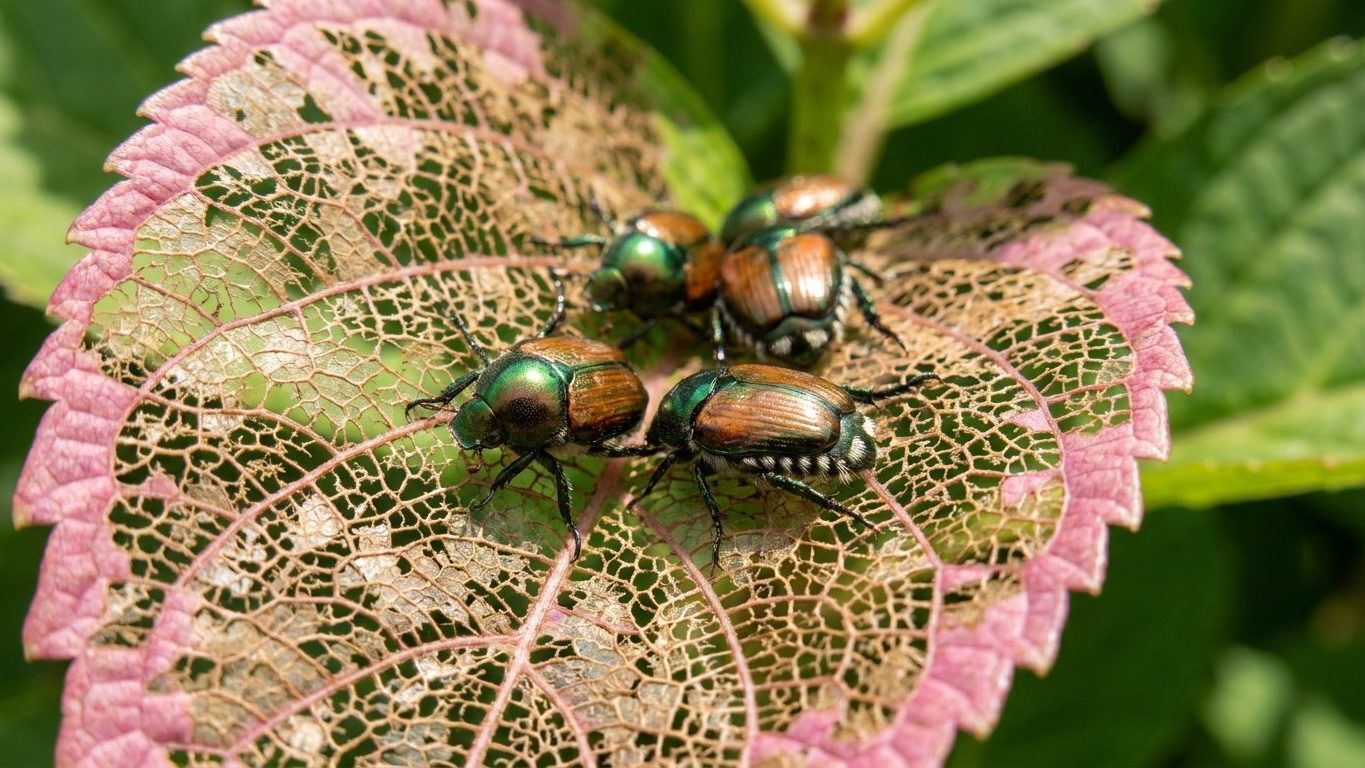
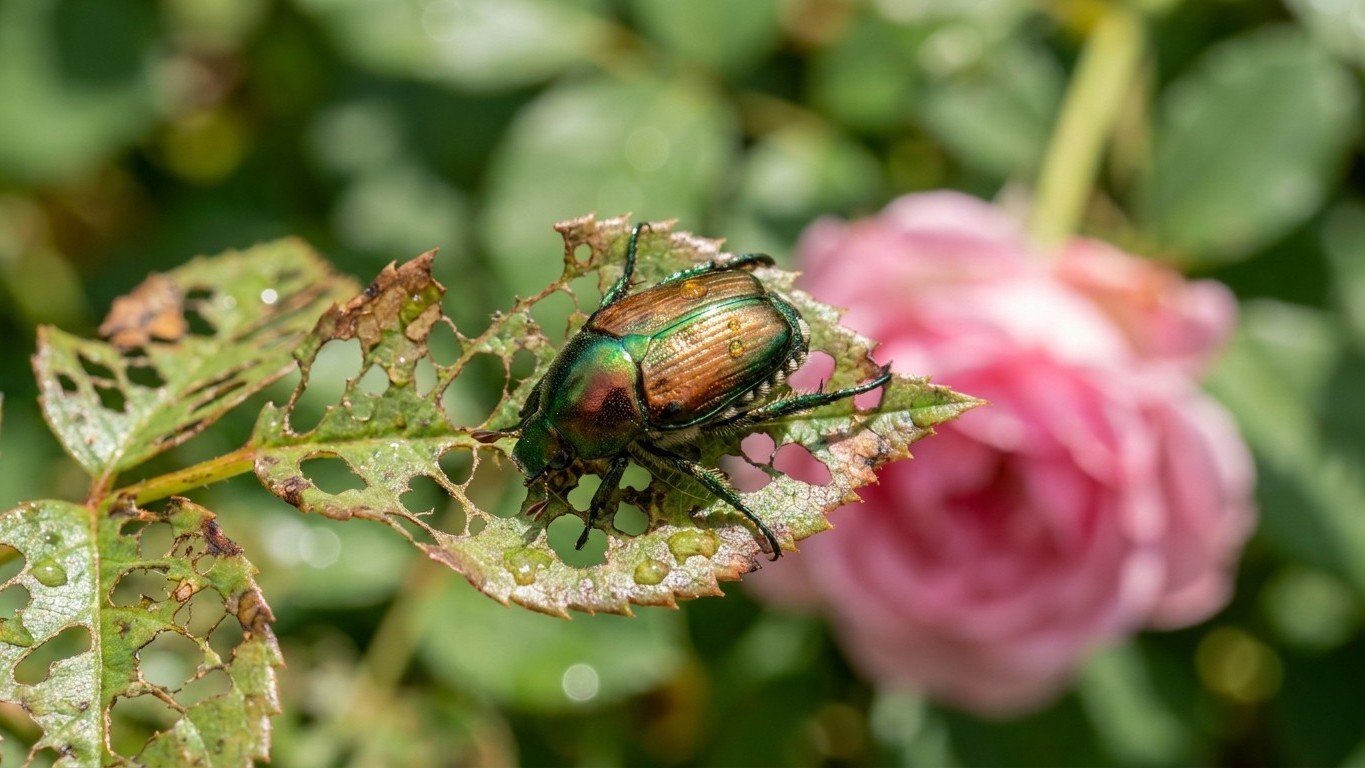
Skeletonized leaves on a hydrangea, the kind that look like brown lace with only the veins left standing, mean Japanese beetles.
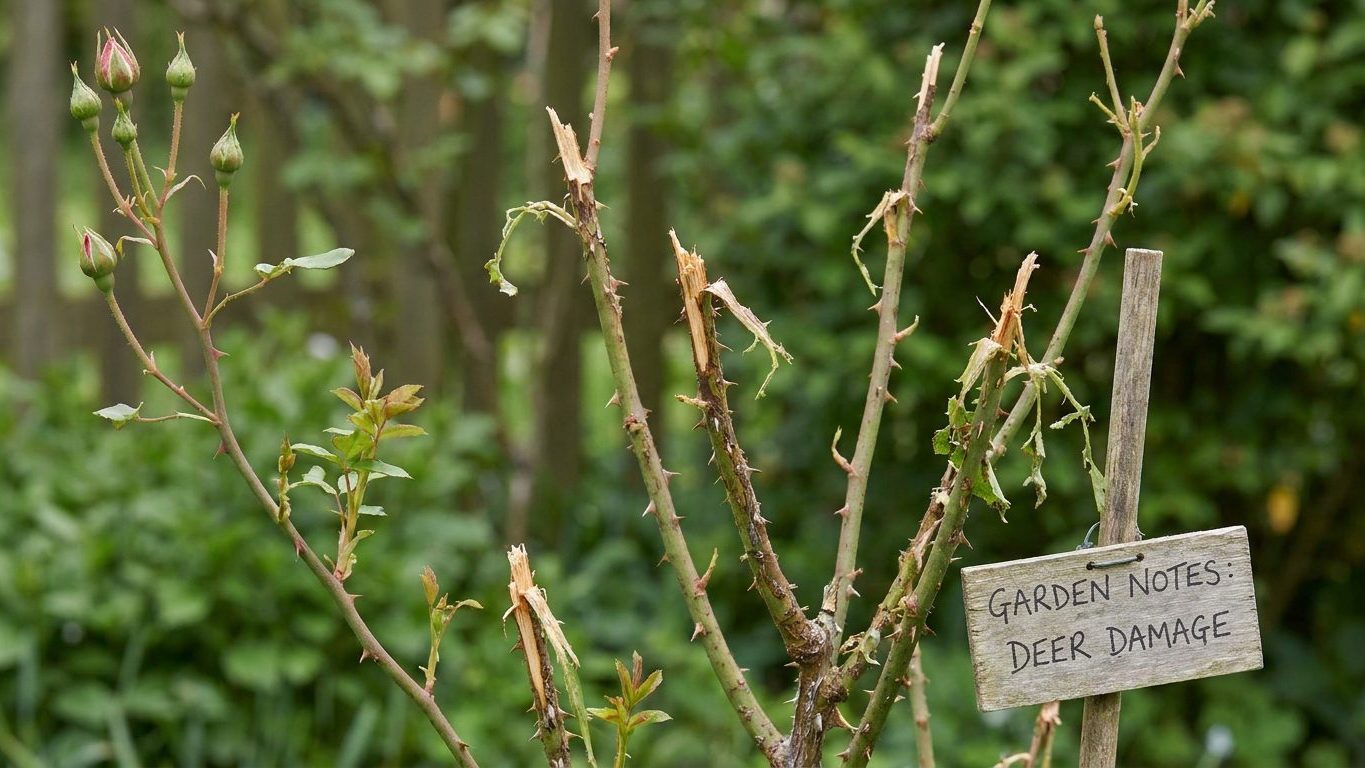
Deer damage on roses shows up as torn, ragged stems and stripped buds, usually overnight, and it rarely kills an established bush.
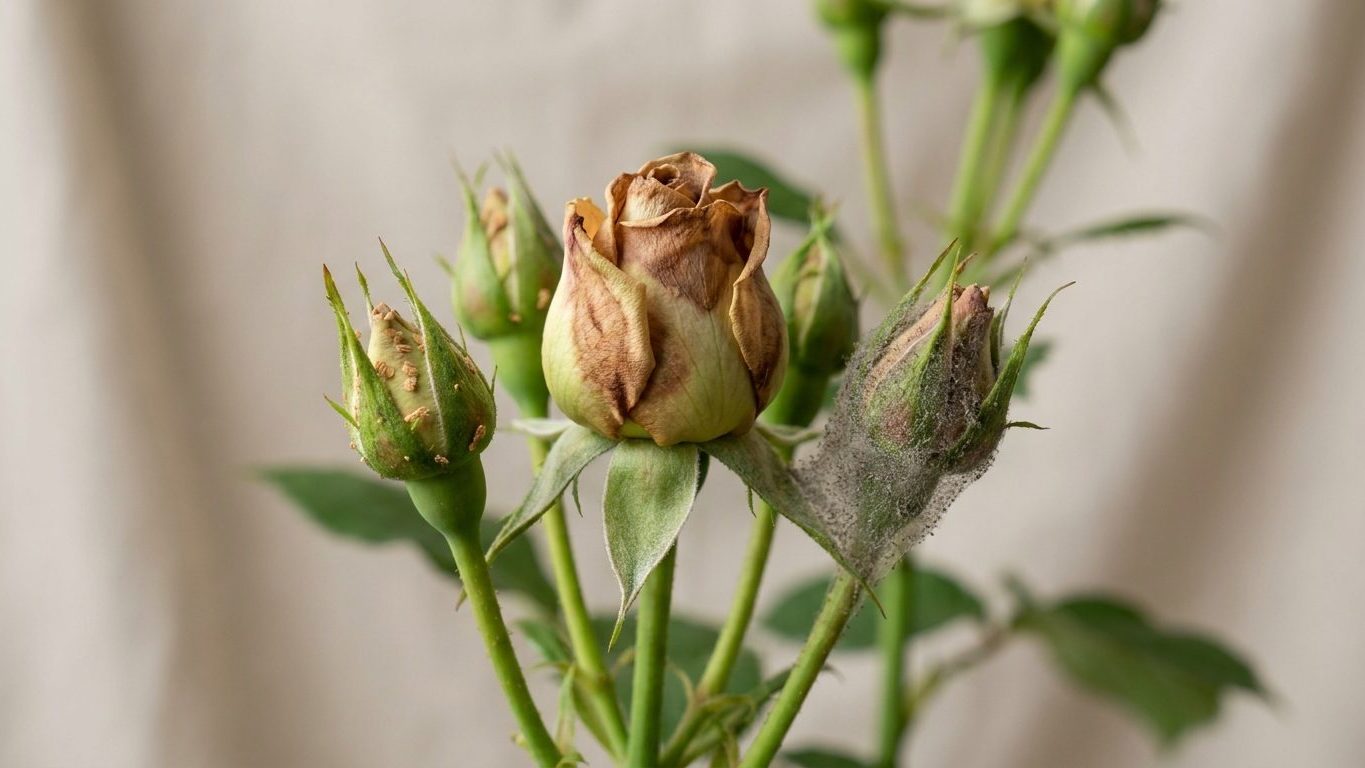
Buds that swell, then stop, then turn brown and mushy without ever unfurling are the signature of botrytis blight, a fungal disease that thrives in cool…