Hedge Plants for Alaska: What Holds, and What Only Looks Hardy
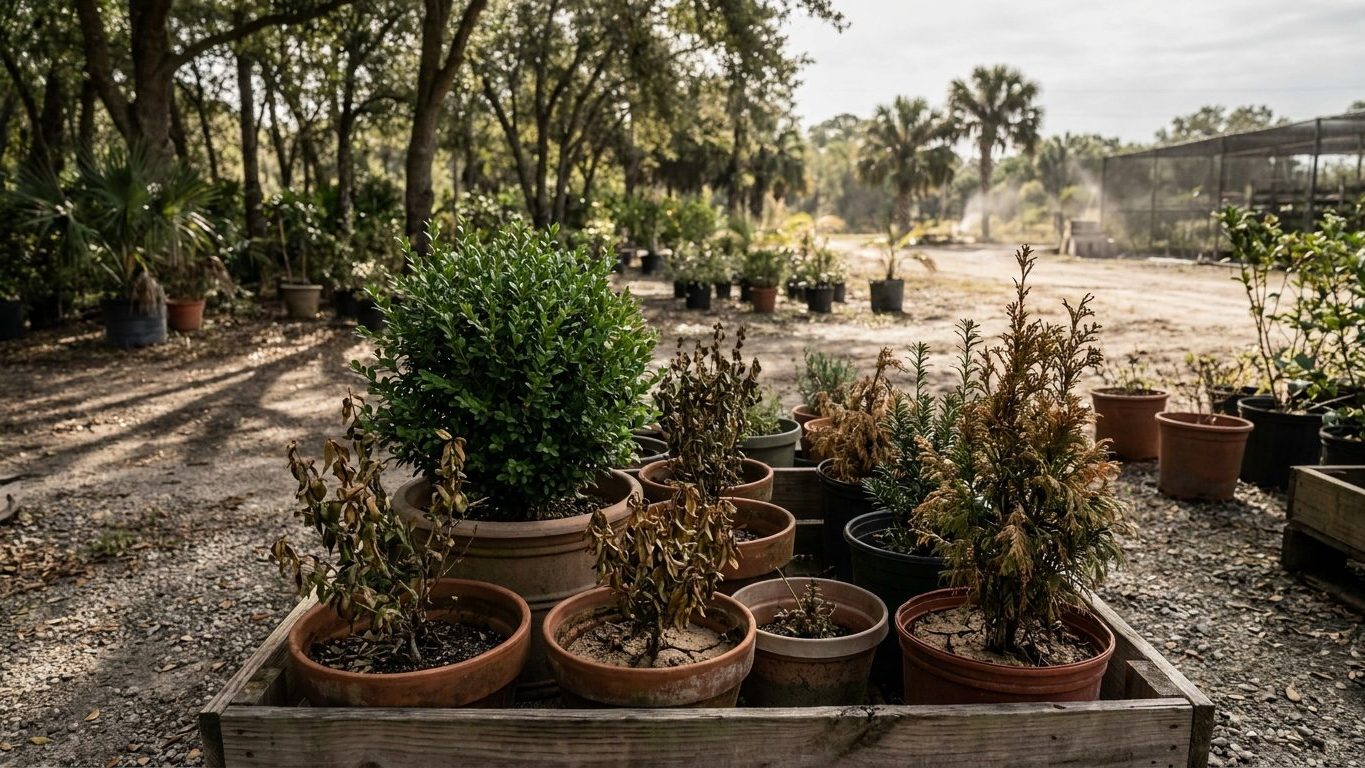
The honest answer is that no single hedge species covers Alaska, because Alaska itself covers USDA zones 1a through 8a, a spread wider than almost…
Home & garden, state by state
The honest answer is that no single hedge species covers Alaska, because Alaska itself covers USDA zones 1a through 8a, a spread wider than almost…
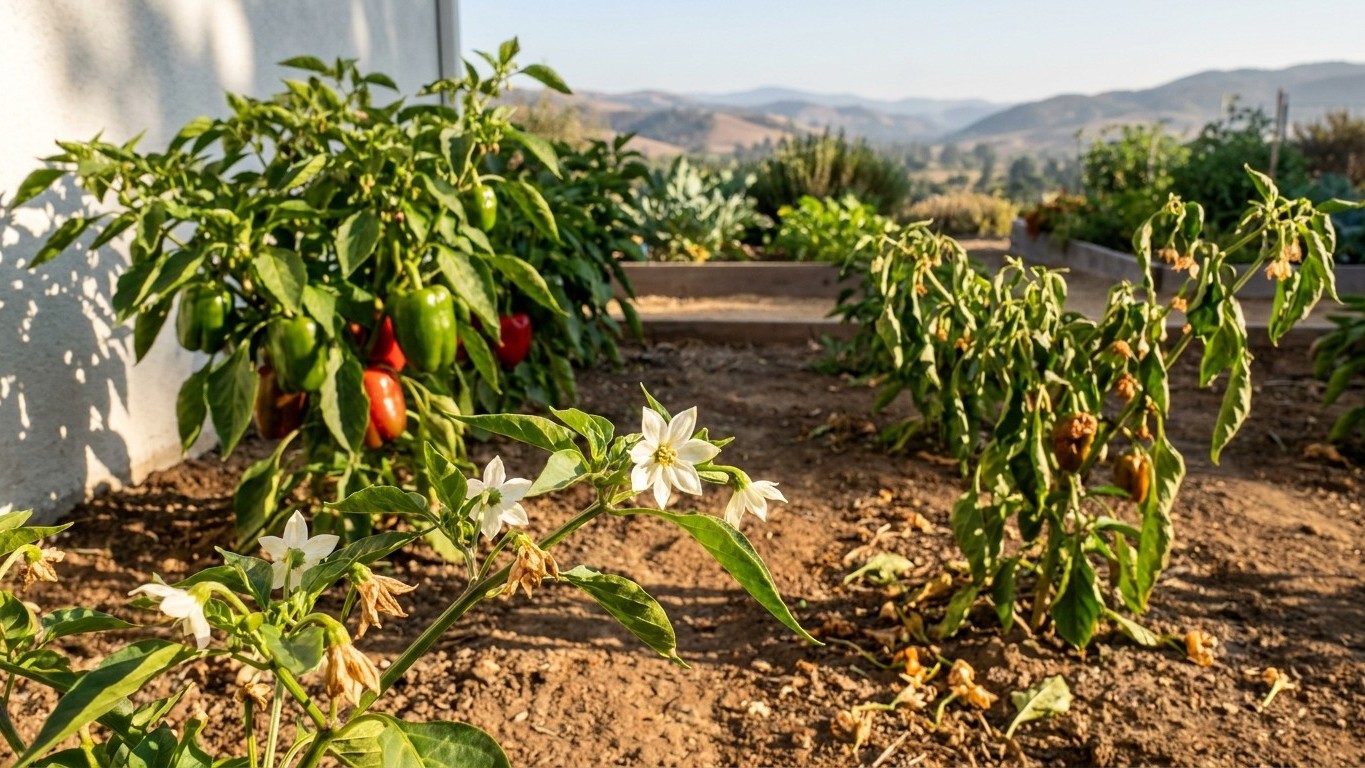
What Eats Pepper in Northwest Territories, and When — no territorial pest-monitoring service has published a documented list of insects feeding on pepper…
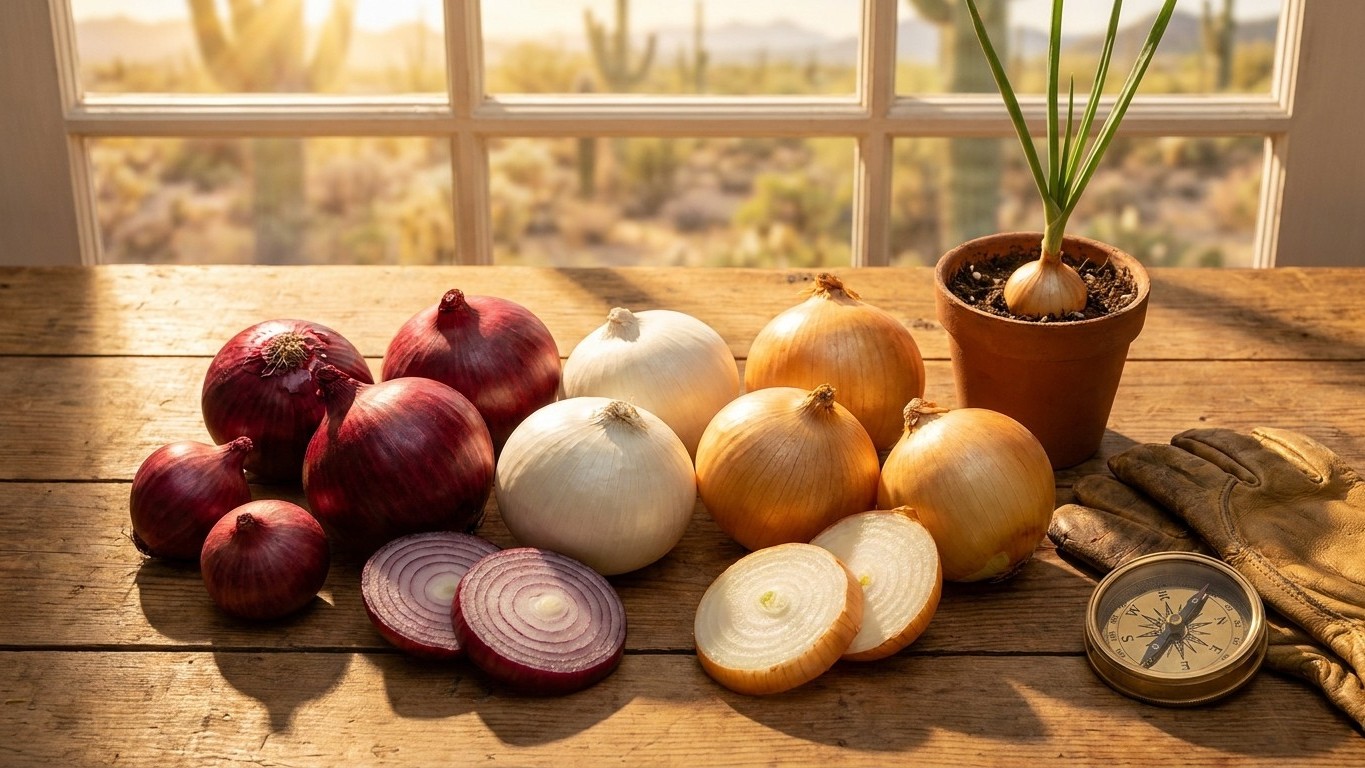
Quebec gardens see onion damage from three insects with real track records nearby: onion maggot, leek moth, and seedcorn maggot.
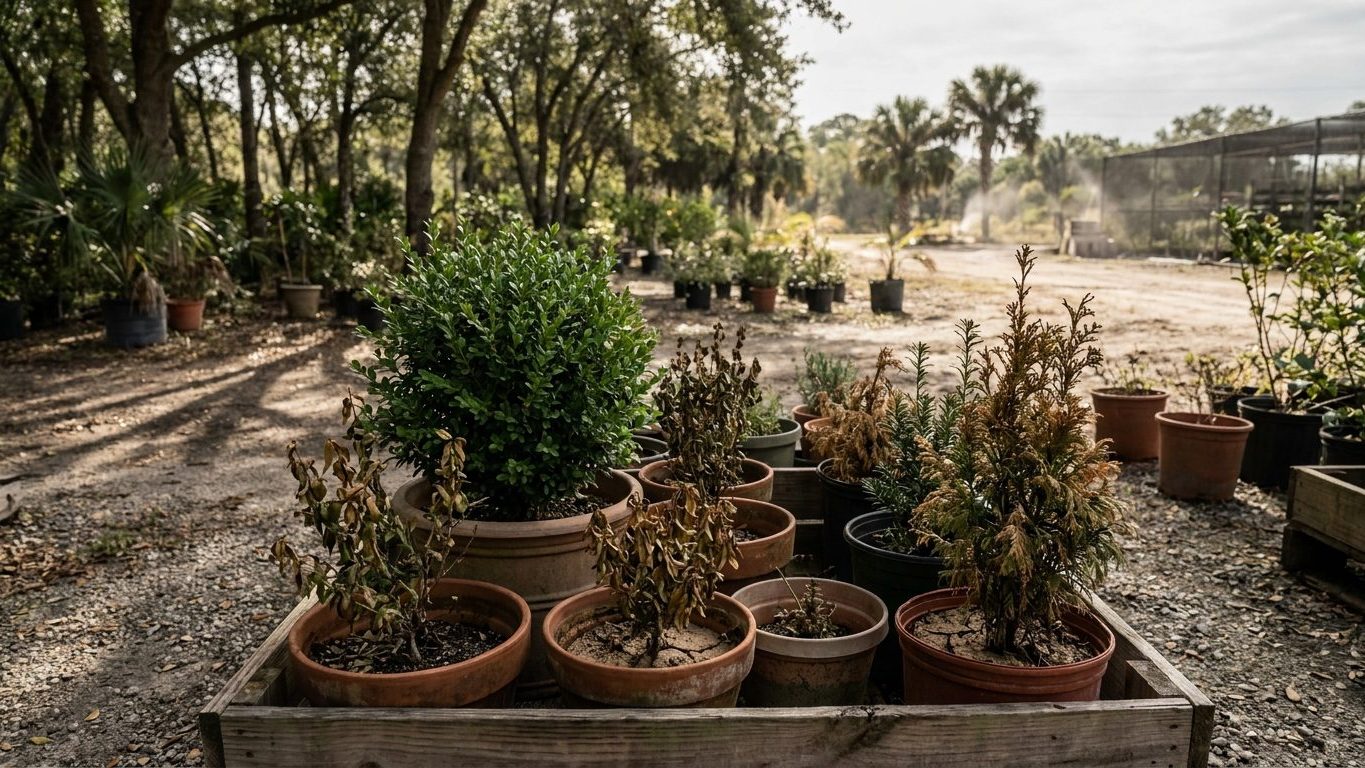
Twelve hedge species show up again and again in Alabama nursery lots and extension bulletins.
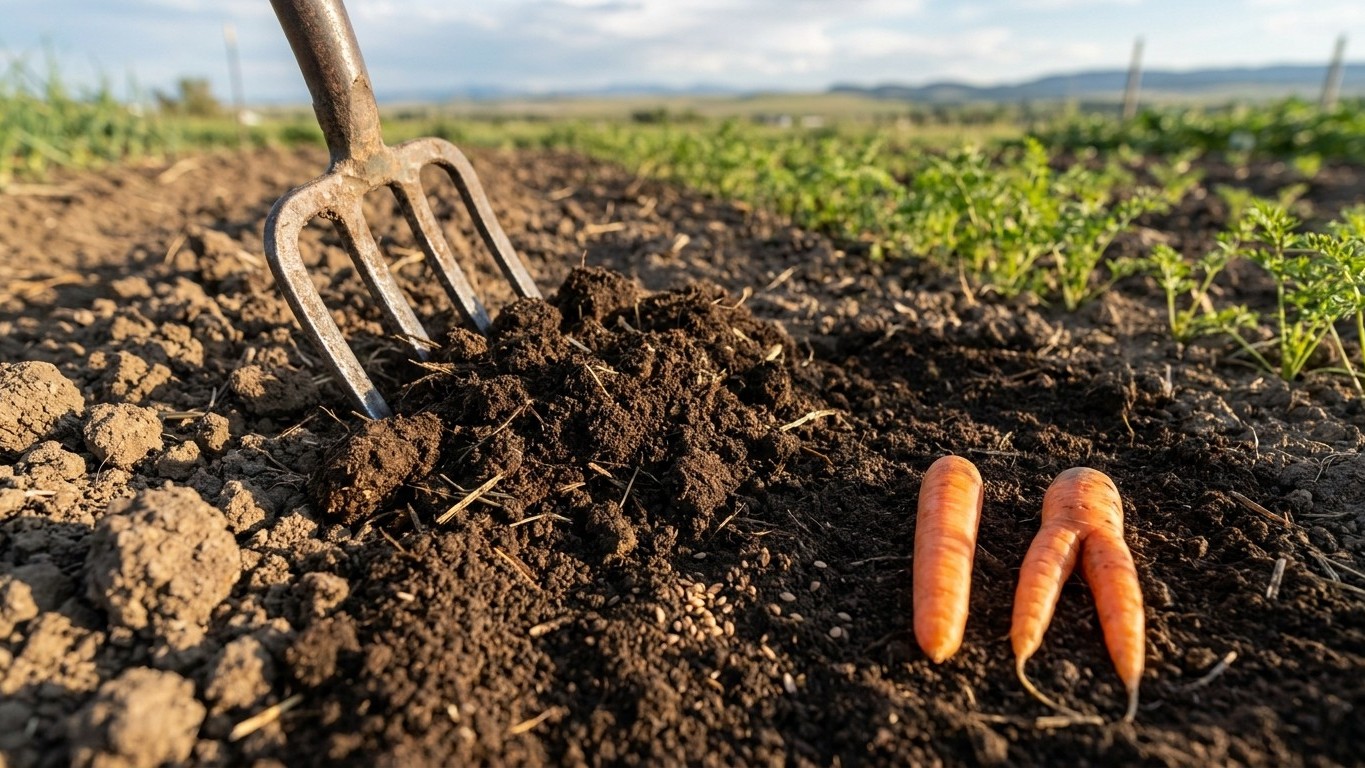
Carrots don’t ripen on a fixed date, they ripen on a signal: the shoulder of the root pushing up through the soil, full-colored and thick, while the…
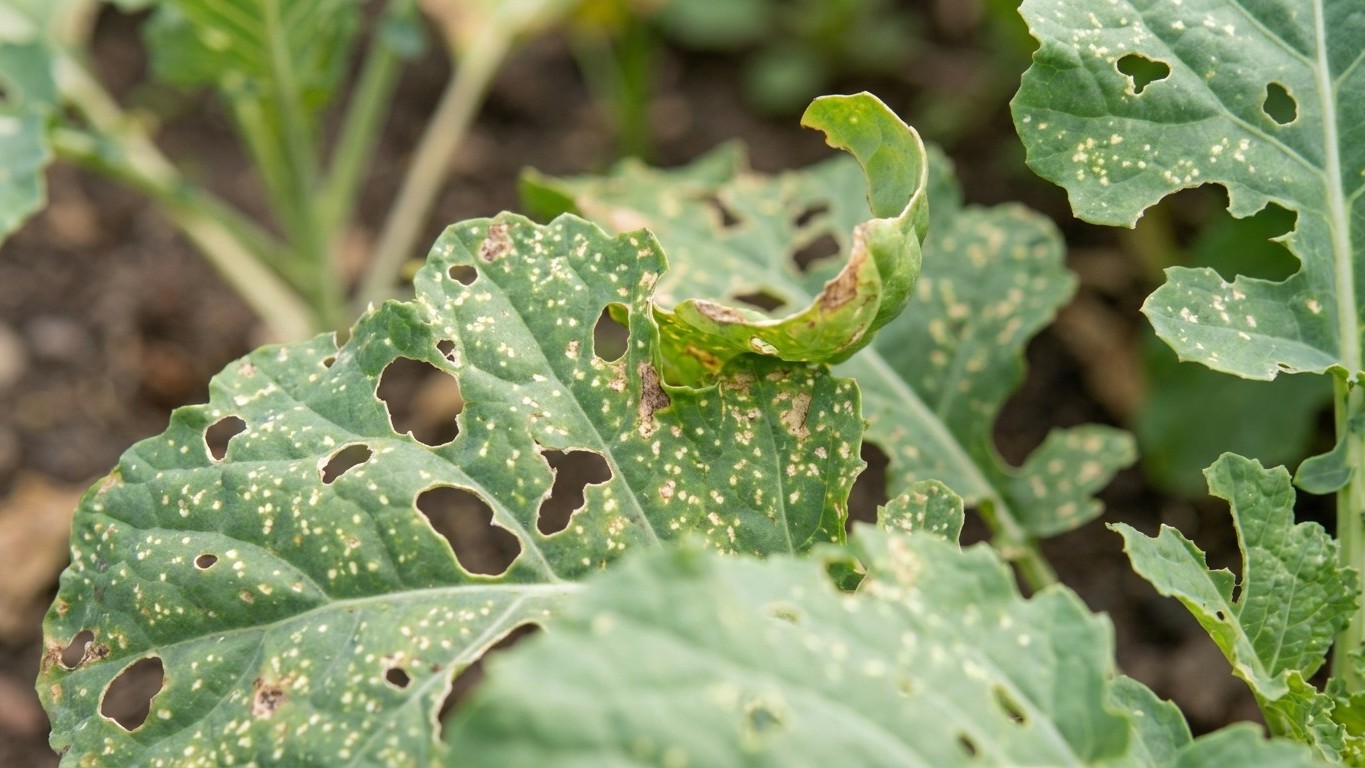
Summer squash in Mississippi rewards the gardener who checks plants every day or two, not the one watching a calendar.
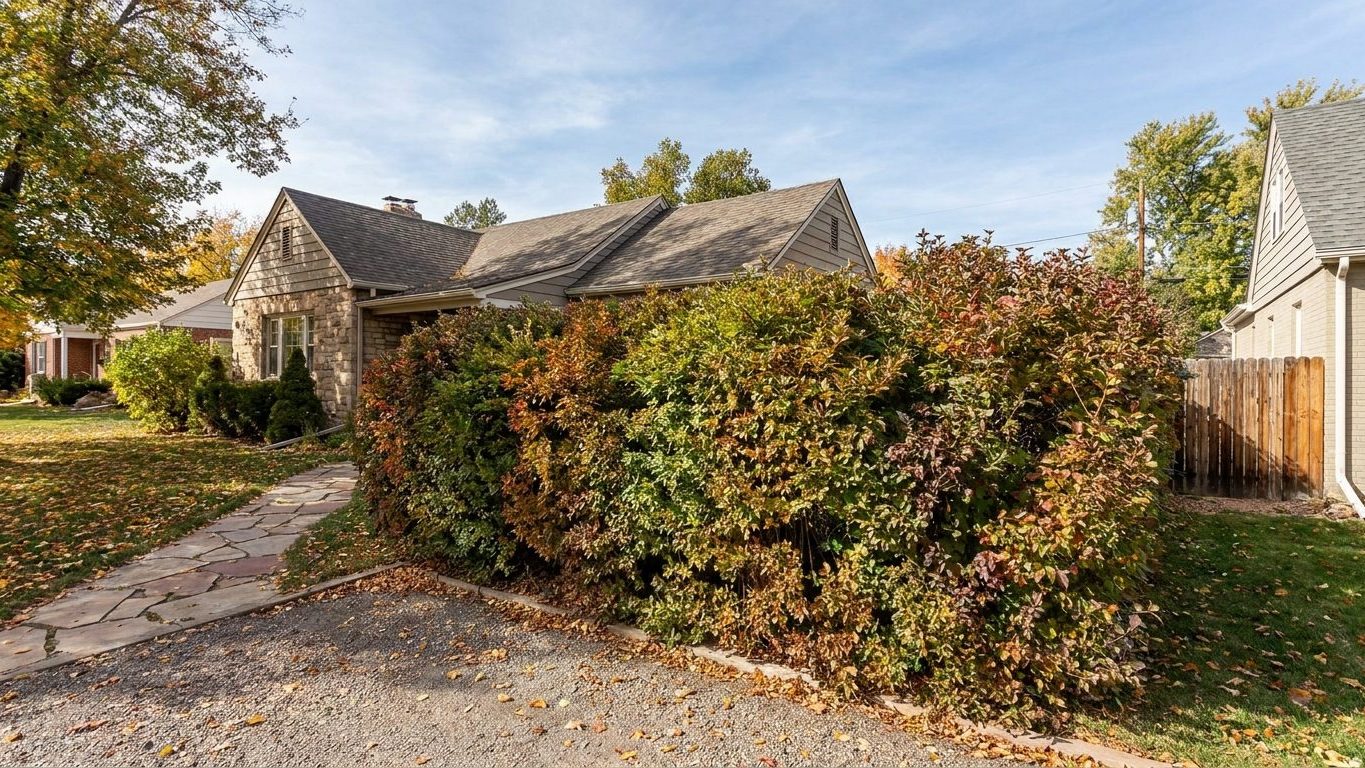
Short answer: Vermont has no statewide hedge height limit. No state statute sets a number in feet for how tall a hedge, fence, or living screen can grow.
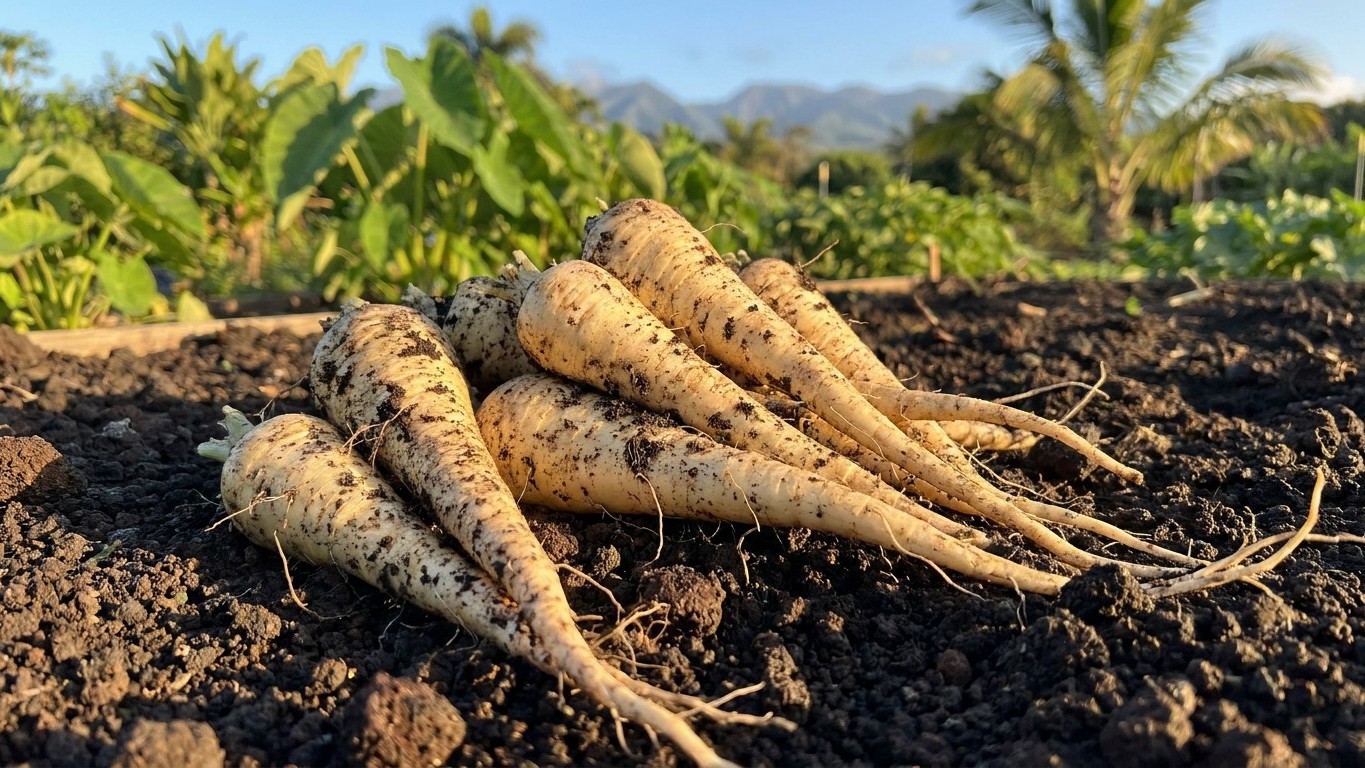
In Wyoming, parsnip tops draw grasshoppers, aphids, cutworms, flea beetles, blister beetles, and garden slugs, while root maggots tunnel into the taproot…
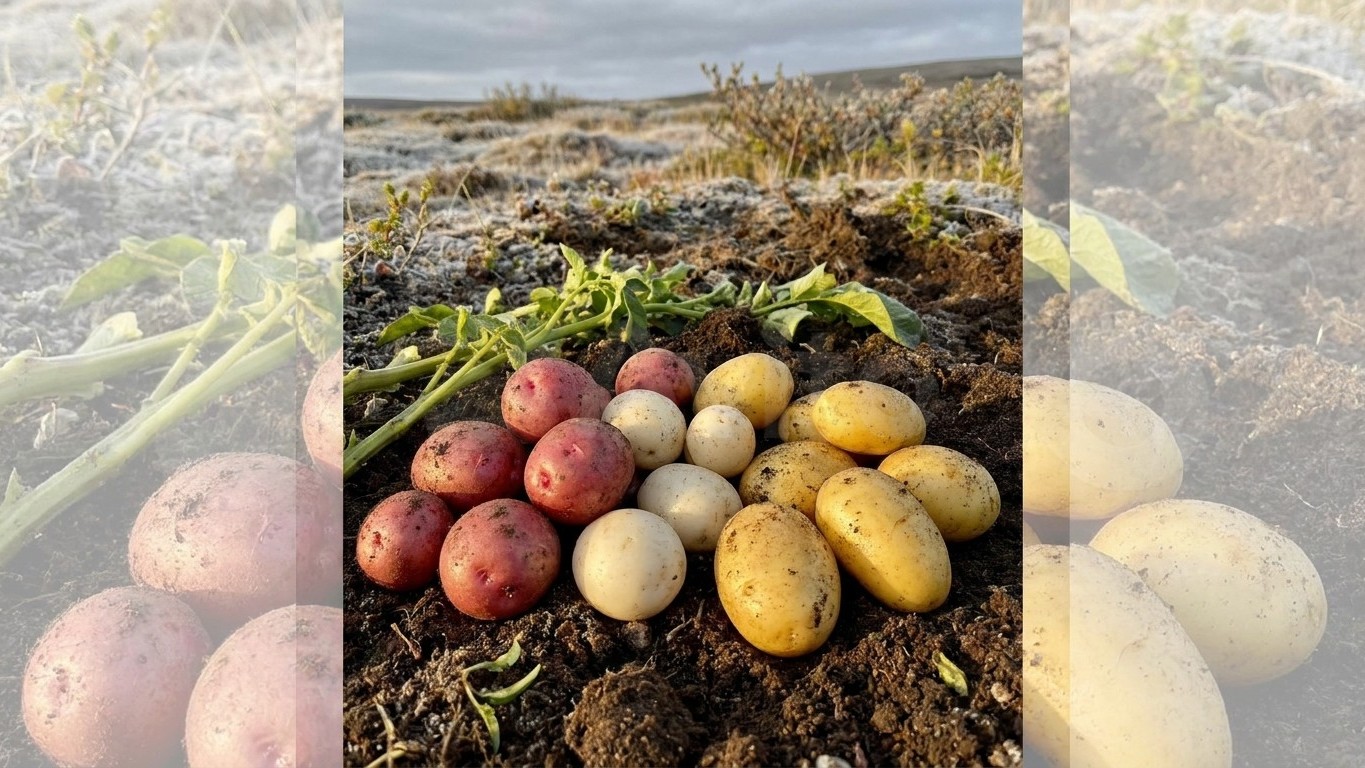
Clemson Cooperative Extension Home and Garden Information Center documents ten insect species as common vegetable garden pests across South Carolina.
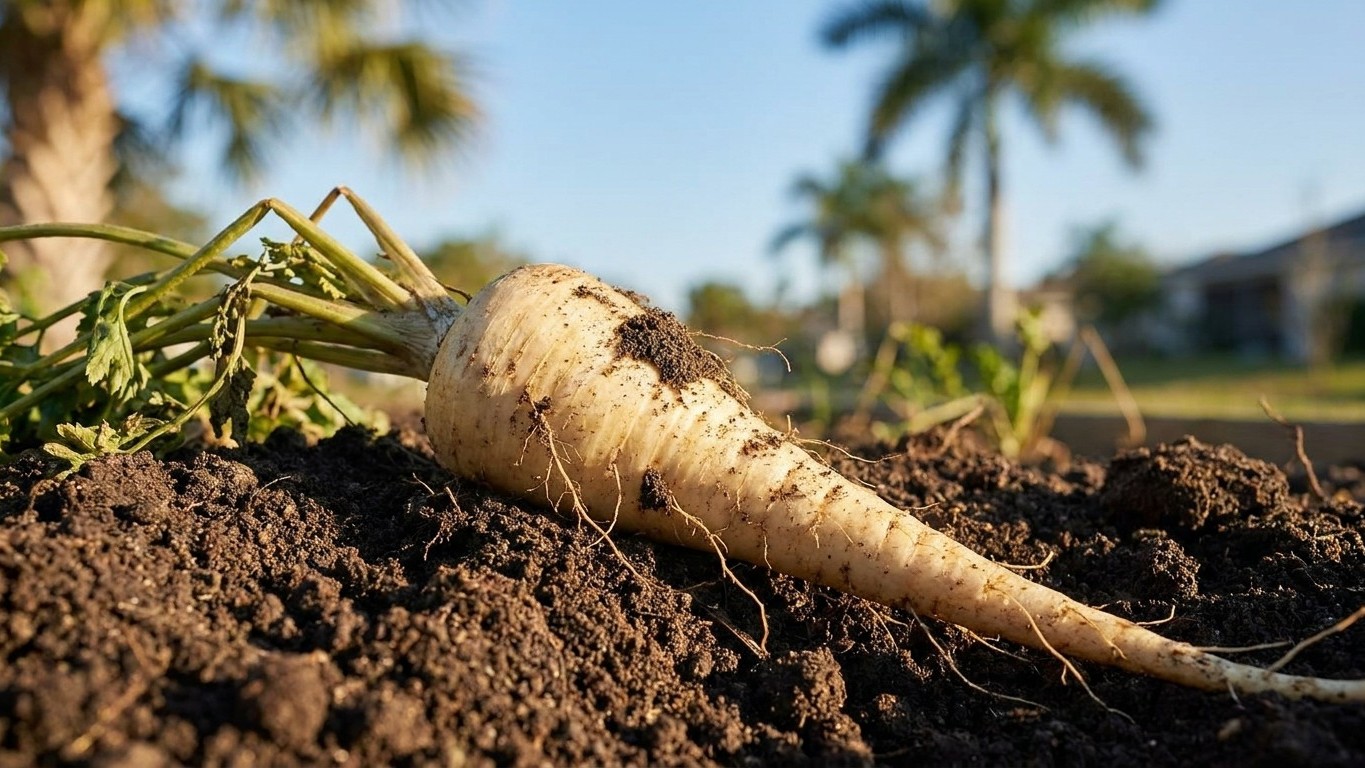
Wisconsin’s documented list of parsnip pests is short and mostly underground: aphids, flea beetles, slugs, cutworms and common stalk borer, seed corn…