Skip to content

The Homestead Post

Home & garden, state by state

  • Home
  • Garden
    • Flowers
    • Lawn
    • Soil & Compost
    • Trees & Shrubs
    • Vegetables
  • Home Care
    • Electrical
    • Foundations
    • HVAC
    • Plumbing
    • Roofing
  • Energy
    • Heating & Cooling
    • Insulation
    • Rebates & Credits
    • Solar
  • Pests
    • Ants
    • Mosquitoes
    • Rodents
    • Termites
    • Ticks
  • Decor
    • Bedrooms
    • Kitchens
    • Living Rooms
    • Outdoor Spaces
  • DIY
    • Repairs
    • Tools
    • Weekend Projects
  • State Guides
    • Northeast
      • Connecticut
      • Maine
      • Massachusetts
      • New Hampshire
      • New Jersey
      • New York
      • Pennsylvania
      • Rhode Island
      • Vermont
    • Southeast
      • Alabama
      • Arkansas
      • Delaware
      • Florida
      • Georgia
      • Kentucky
      • Louisiana
      • Maryland
      • Mississippi
      • North Carolina
      • South Carolina
      • Tennessee
      • Virginia
      • West Virginia
    • Midwest
      • Illinois
      • Indiana
      • Iowa
      • Kansas
      • Michigan
      • Minnesota
      • Missouri
      • Nebraska
      • North Dakota
      • Ohio
      • South Dakota
      • Wisconsin
    • Southwest
      • Arizona
      • New Mexico
      • Oklahoma
      • Texas
    • West
      • Alaska
      • California
      • Colorado
      • Hawaii
      • Idaho
      • Montana
      • Nevada
      • Utah
      • Wyoming
    • Pacific Northwest
      • Oregon
      • Washington
    • Canada
      • Alberta
      • British Columbia
      • Manitoba
      • New Brunswick
      • Newfoundland and Labrador
      • Northwest Territories
      • Nova Scotia
      • Nunavut
      • Ontario
      • Prince Edward Island
      • Quebec
      • Saskatchewan
      • Yukon

Starting Swiss Chard: Two Routes, Two Different Dates
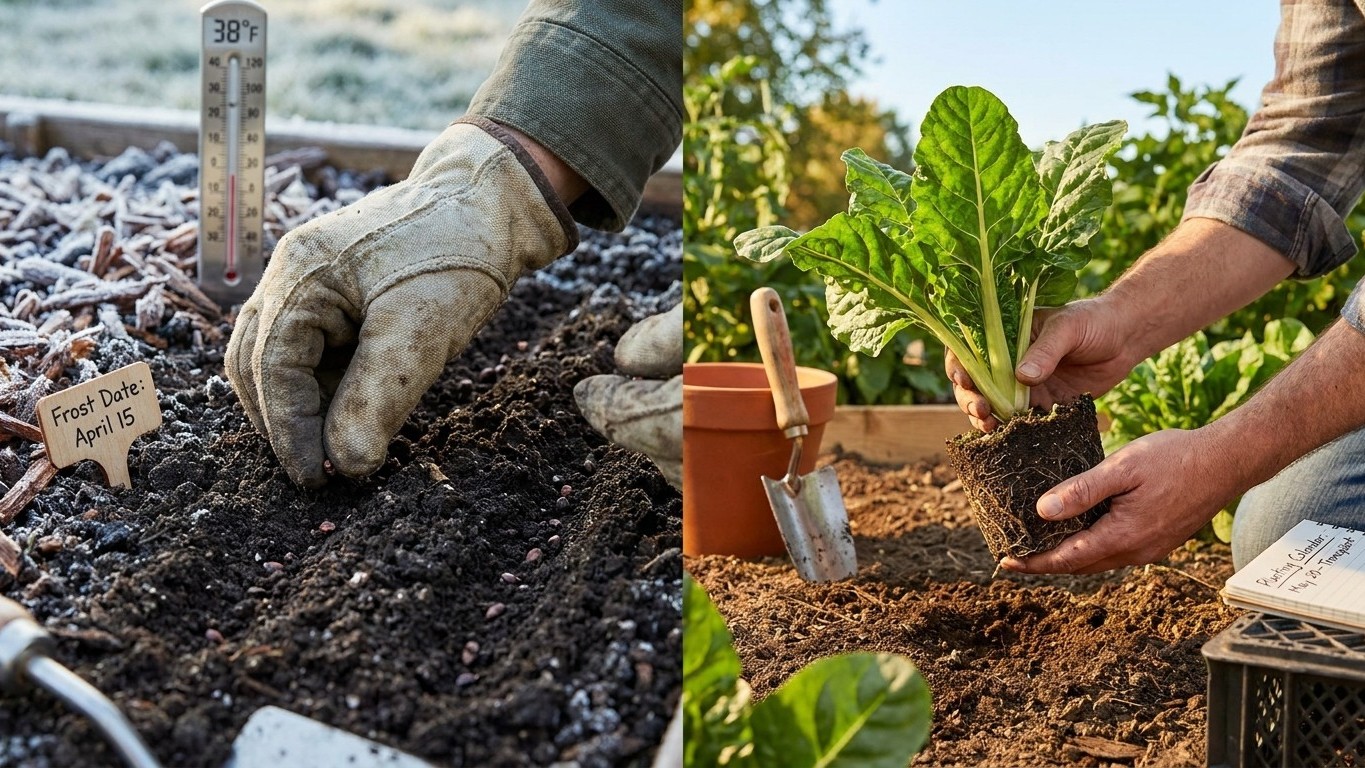
Starting Swiss Chard: Two Routes, Two Different Dates

Two planting routes, two different countdowns: if you’re starting seed, put it in the ground three to four weeks before your last frost-free date.
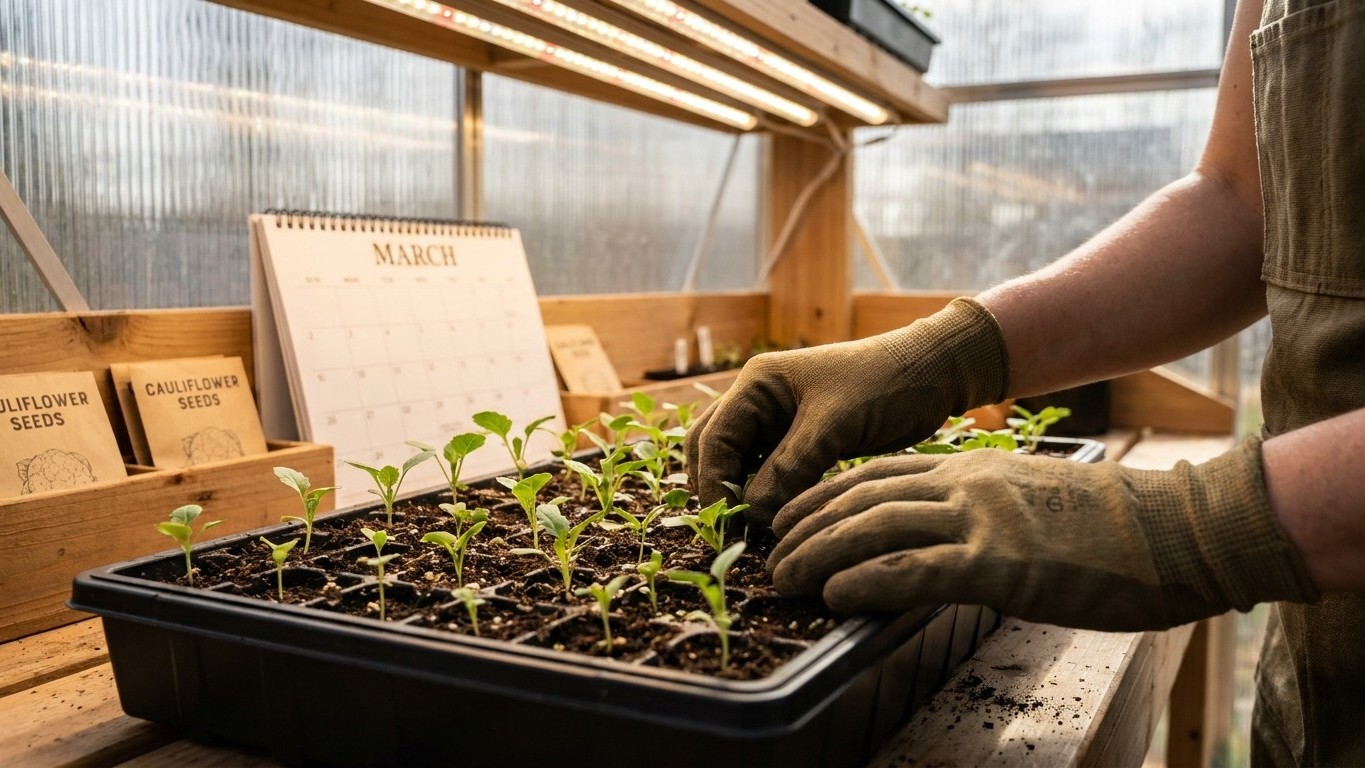
Starting Cauliflower Seed: Six to Seven Weeks, and Out One Week Later Than Cabbage

Starting Cauliflower Seed: Six to Seven Weeks, and Out One Week Later Than Cabbage

Cauliflower seed goes into trays six to seven weeks before the transplant goes into the garden, according to Utah State University Extension’s guide to…
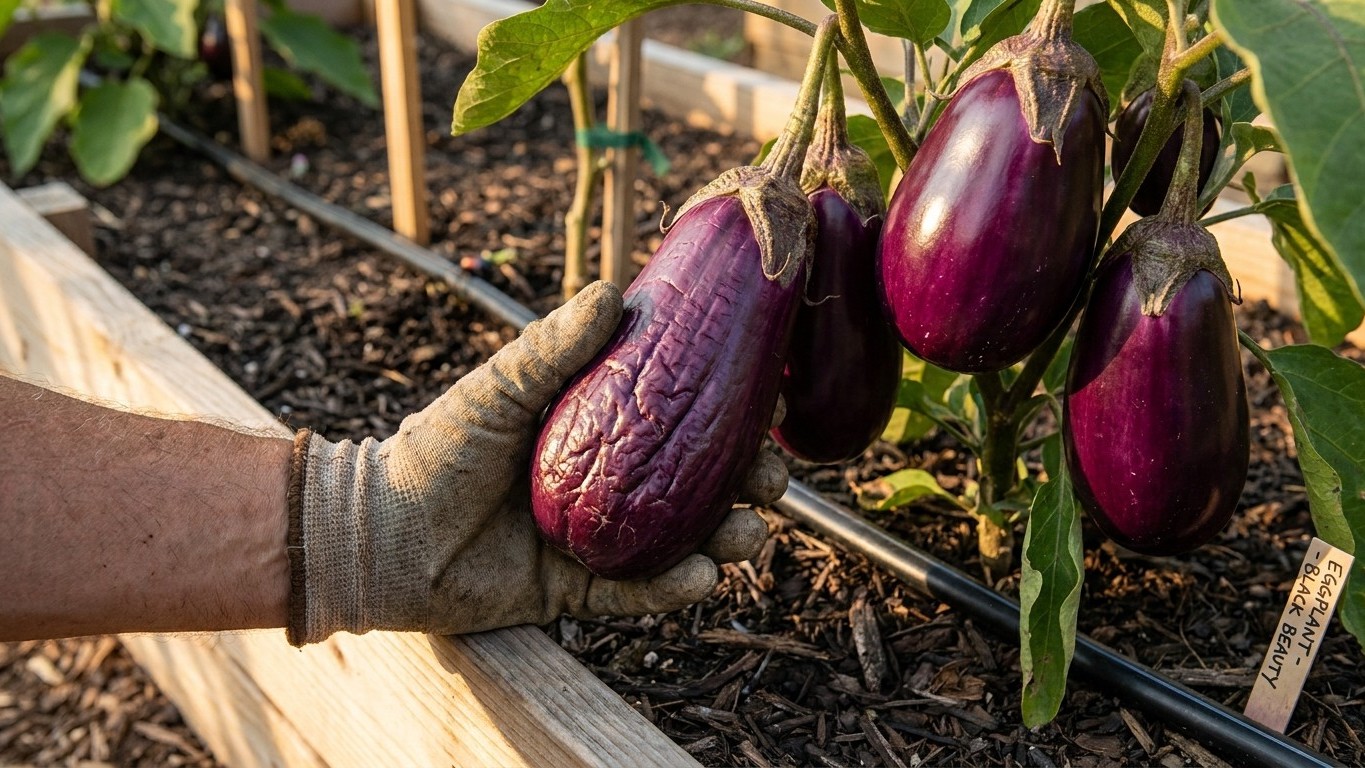
Tough, Leathery Eggplant: Four Causes, Two You Control

Tough, Leathery Eggplant: Four Causes, Two You Control

Eggplant skin turns tough and leathery for one of four reasons, and Utah State University Extension lays them out plainly: night temperatures below 55°F…
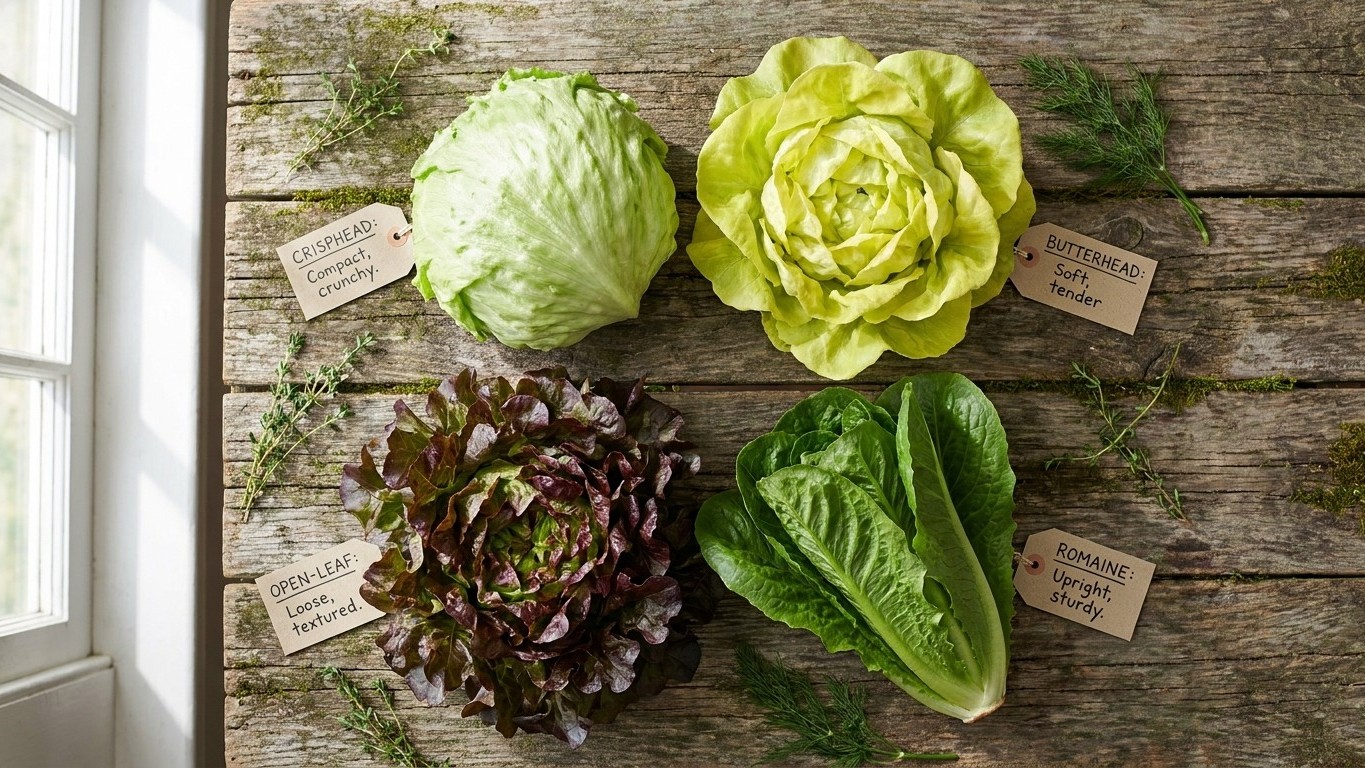
Crisphead, Butterhead, Cos and Leaf: What the Extension Names

Crisphead, Butterhead, Cos and Leaf: What the Extension Names

Utah State University Extension’s guide, Lettuce in the Garden, sorts lettuce into four head types: crisphead, butterhead, cos (romaine), and leaf.
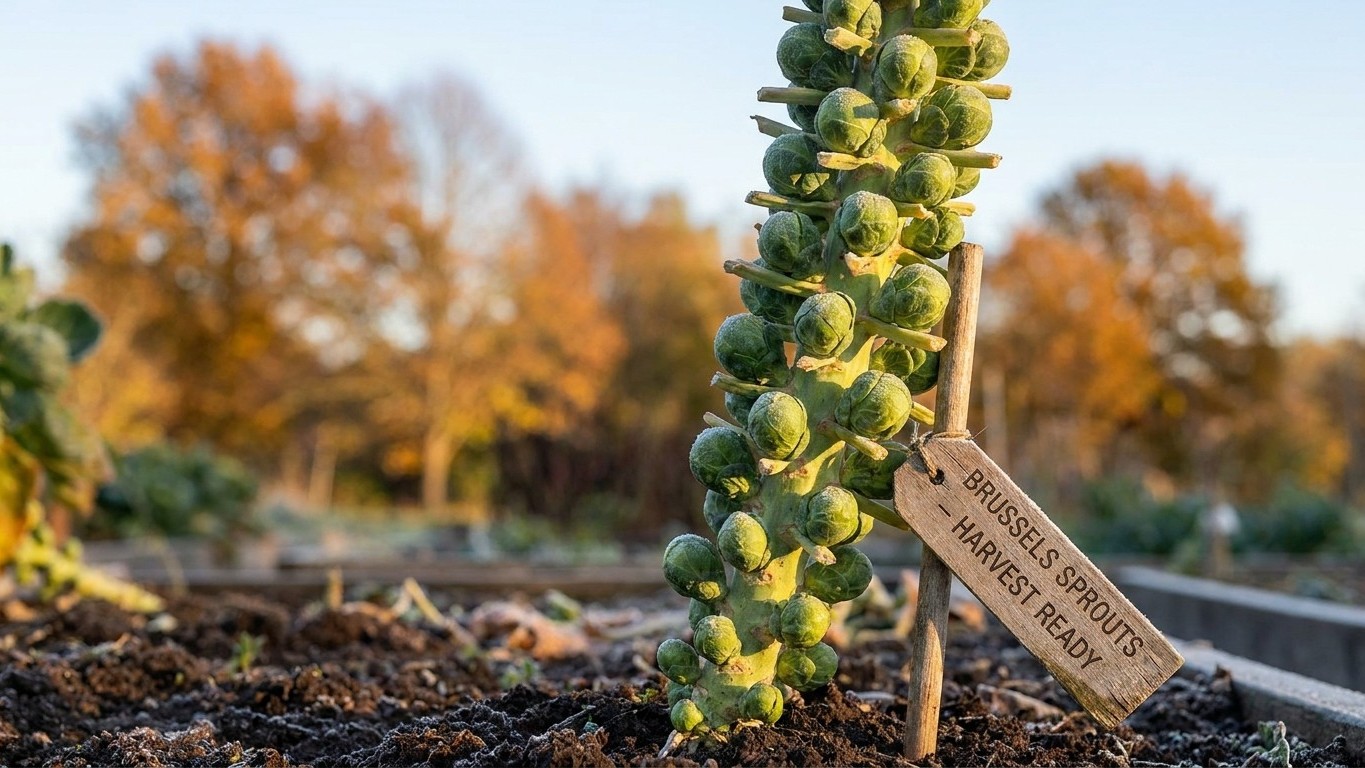
Brussels Sprouts Are a Summer Sowing, Not a Spring One

Brussels Sprouts Are a Summer Sowing, Not a Spring One

Brussels sprouts go into the ground in early summer, not spring, because they need to mature in autumn after the weather turns cold, not before it heats…
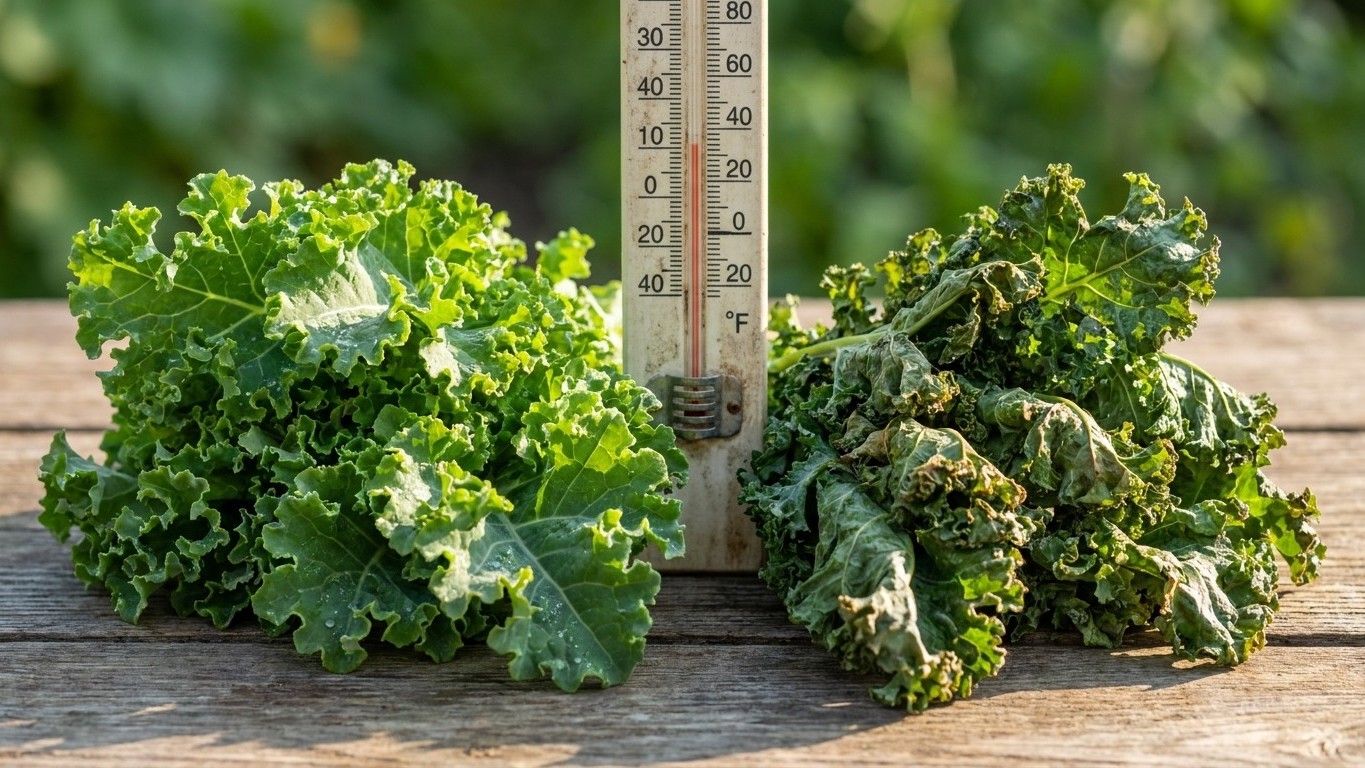
Why Kale Turns Bitter in Summer: The Gap Between Two Good Seasons

Why Kale Turns Bitter in Summer: The Gap Between Two Good Seasons

Kale turns bitter in summer because temperatures climb past the 75°F ceiling the plant needs, and according to Utah State University Extension’s guide…
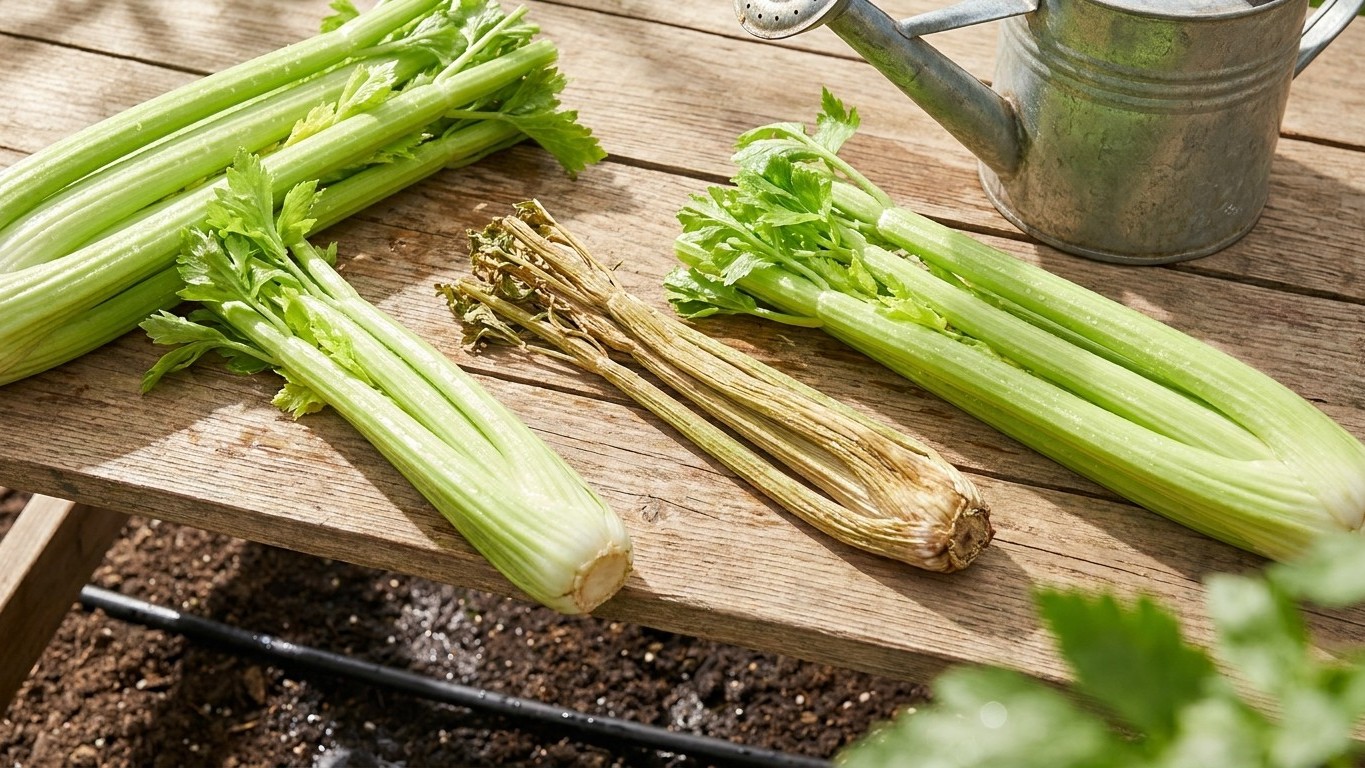
Stringy Celery Is a Water Record You Cannot Rewrite

Stringy Celery Is a Water Record You Cannot Rewrite

Stringy celery isn’t a phase you catch mid-harvest and fix with a heavier watering can.
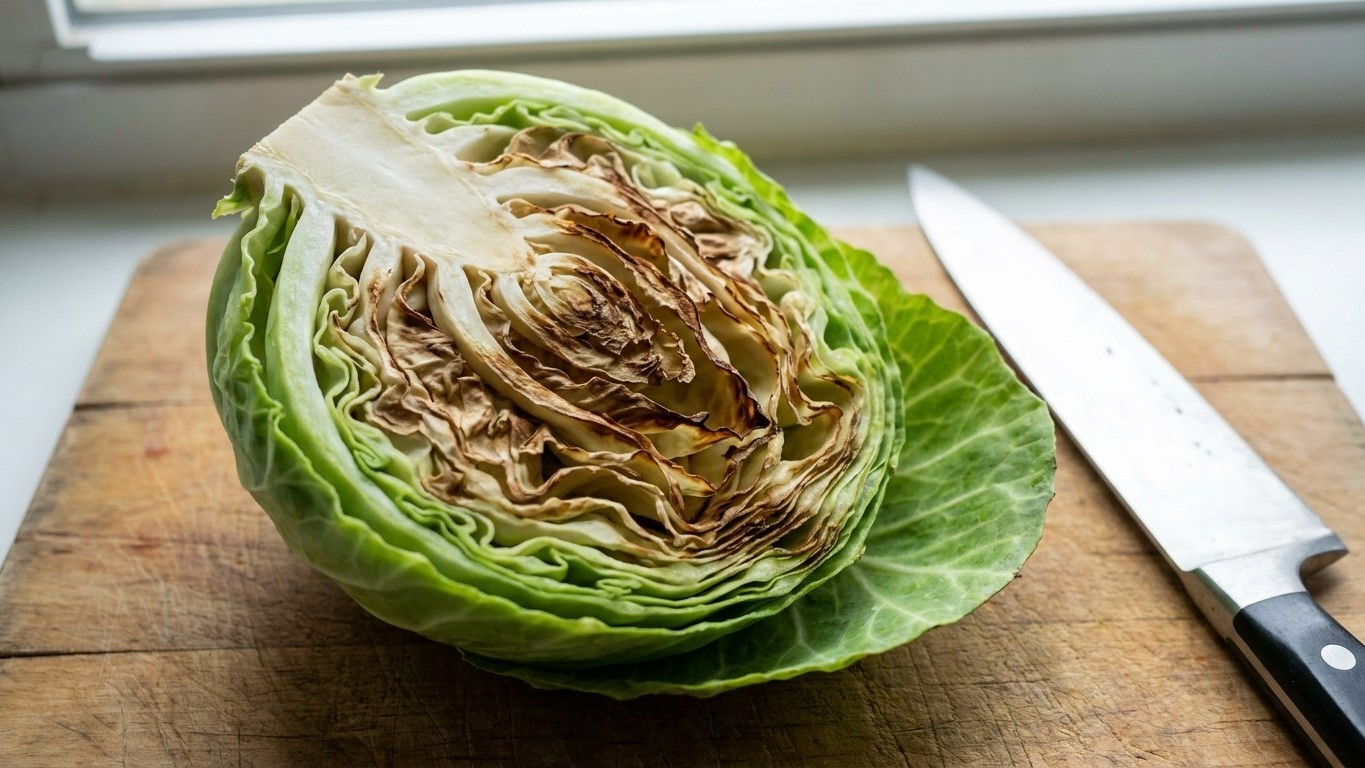
Tipburn in Cabbage: Calcium That Never Reached the Inner Leaves

Tipburn in Cabbage: Calcium That Never Reached the Inner Leaves

Tipburn shows up as brown, dead edges on the inner leaves of a cabbage head, and the fix is not more calcium in the soil.
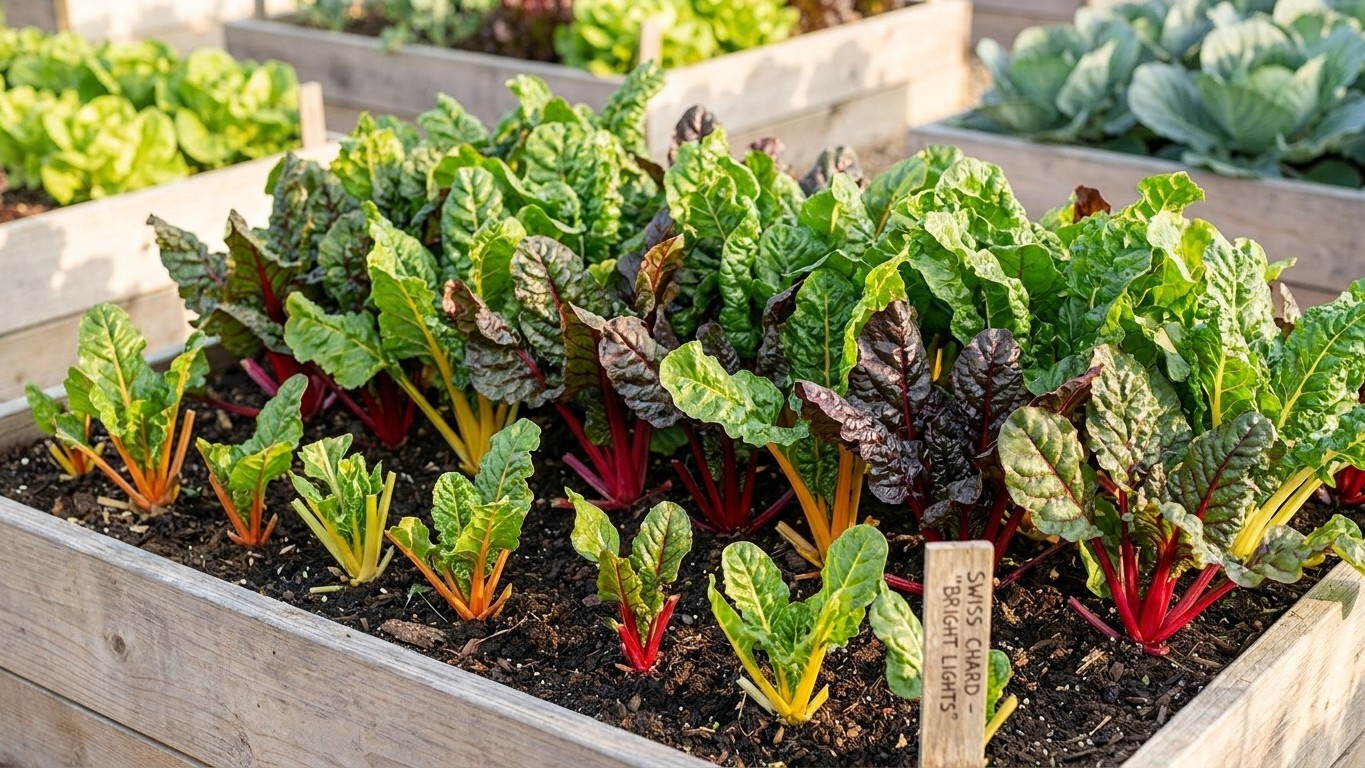
Six Inches Apart: The Tightest Spacing in the Garden, and Why

Six Inches Apart: The Tightest Spacing in the Garden, and Why

Six inches. That’s the tightest in-row spacing found anywhere in this garden cocoon, and it belongs to Swiss chard.
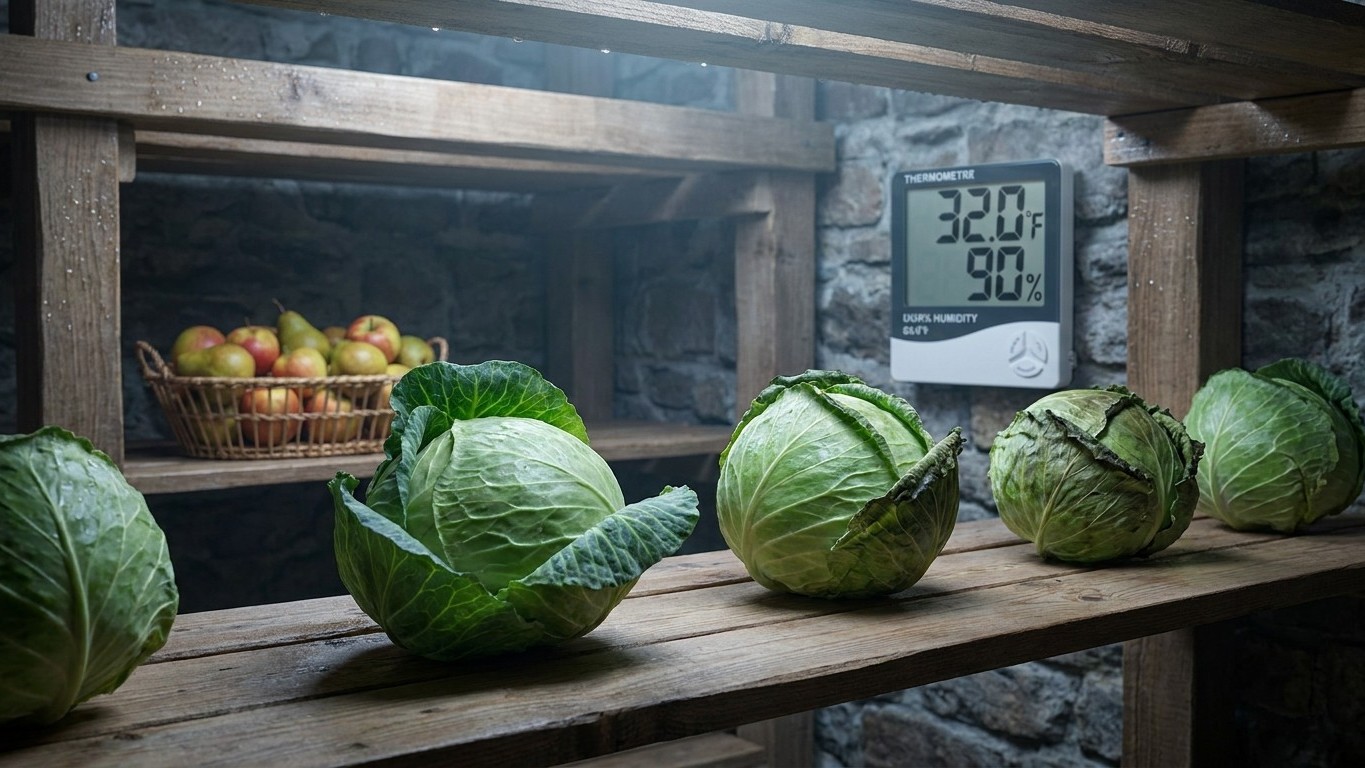
Storing Cabbage for Months — and Never Beside Apples

Storing Cabbage for Months — and Never Beside Apples

A cabbage head stored at 32 F and 95% relative humidity keeps for 2 to 6 months, according to Utah State University Extension’s guide to growing cabbage.

Older posts
Newer posts
← Previous Page1 … Page386 Page387 Page388 … Page768 Next →

The Homestead Post

Home and garden advice with the numbers attached — written for your climate, your season and your local rules.

Sections

  • Garden
  • Home Care
  • Energy
  • Pests
  • Decor
  • DIY

Popular states

  • California
  • Texas
  • Florida
  • New York
  • Pennsylvania
  • Ohio
  • Georgia
  • North Carolina
  • All states →

The Post

  • About us
  • Contact
  • Editorial guidelines
  • Affiliate disclosure
  • Privacy policy
  • Terms of use
© 2026 The Homestead Post·Home & garden, state by state