Skip to content

The Homestead Post

Home & garden, state by state

  • Home
  • Garden
    • Flowers
    • Lawn
    • Soil & Compost
    • Trees & Shrubs
    • Vegetables
  • Home Care
    • Electrical
    • Foundations
    • HVAC
    • Plumbing
    • Roofing
  • Energy
    • Heating & Cooling
    • Insulation
    • Rebates & Credits
    • Solar
  • Pests
    • Ants
    • Mosquitoes
    • Rodents
    • Termites
    • Ticks
  • Decor
    • Bedrooms
    • Kitchens
    • Living Rooms
    • Outdoor Spaces
  • DIY
    • Repairs
    • Tools
    • Weekend Projects
  • State Guides
    • Northeast
      • Connecticut
      • Maine
      • Massachusetts
      • New Hampshire
      • New Jersey
      • New York
      • Pennsylvania
      • Rhode Island
      • Vermont
    • Southeast
      • Alabama
      • Arkansas
      • Delaware
      • Florida
      • Georgia
      • Kentucky
      • Louisiana
      • Maryland
      • Mississippi
      • North Carolina
      • South Carolina
      • Tennessee
      • Virginia
      • West Virginia
    • Midwest
      • Illinois
      • Indiana
      • Iowa
      • Kansas
      • Michigan
      • Minnesota
      • Missouri
      • Nebraska
      • North Dakota
      • Ohio
      • South Dakota
      • Wisconsin
    • Southwest
      • Arizona
      • New Mexico
      • Oklahoma
      • Texas
    • West
      • Alaska
      • California
      • Colorado
      • Hawaii
      • Idaho
      • Montana
      • Nevada
      • Utah
      • Wyoming
    • Pacific Northwest
      • Oregon
      • Washington
    • Canada
      • Alberta
      • British Columbia
      • Manitoba
      • New Brunswick
      • Newfoundland and Labrador
      • Northwest Territories
      • Nova Scotia
      • Nunavut
      • Ontario
      • Prince Edward Island
      • Quebec
      • Saskatchewan
      • Yukon

Planting Lettuce Close: Spacing Is the Weeding
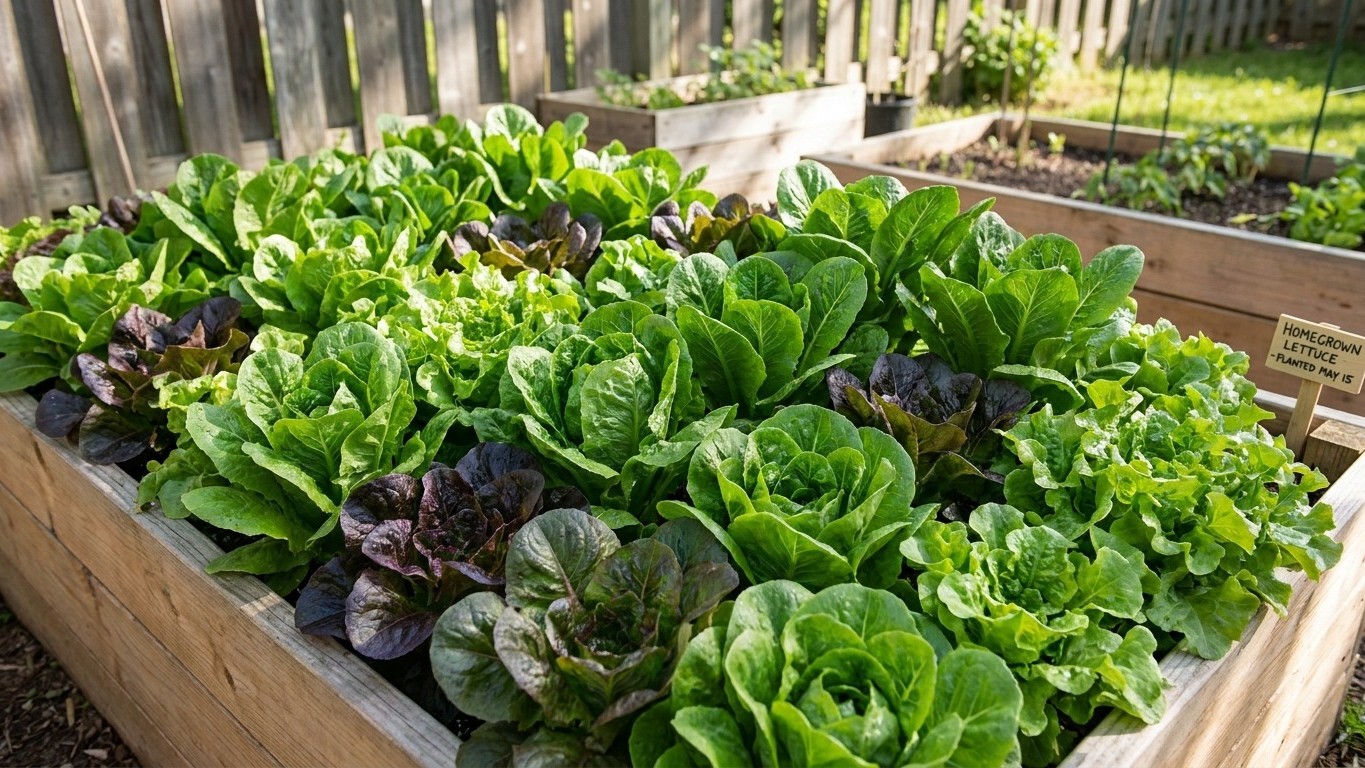
Planting Lettuce Close: Spacing Is the Weeding

Eight to twelve inches between plants, twelve to eighteen inches between rows, full sun.
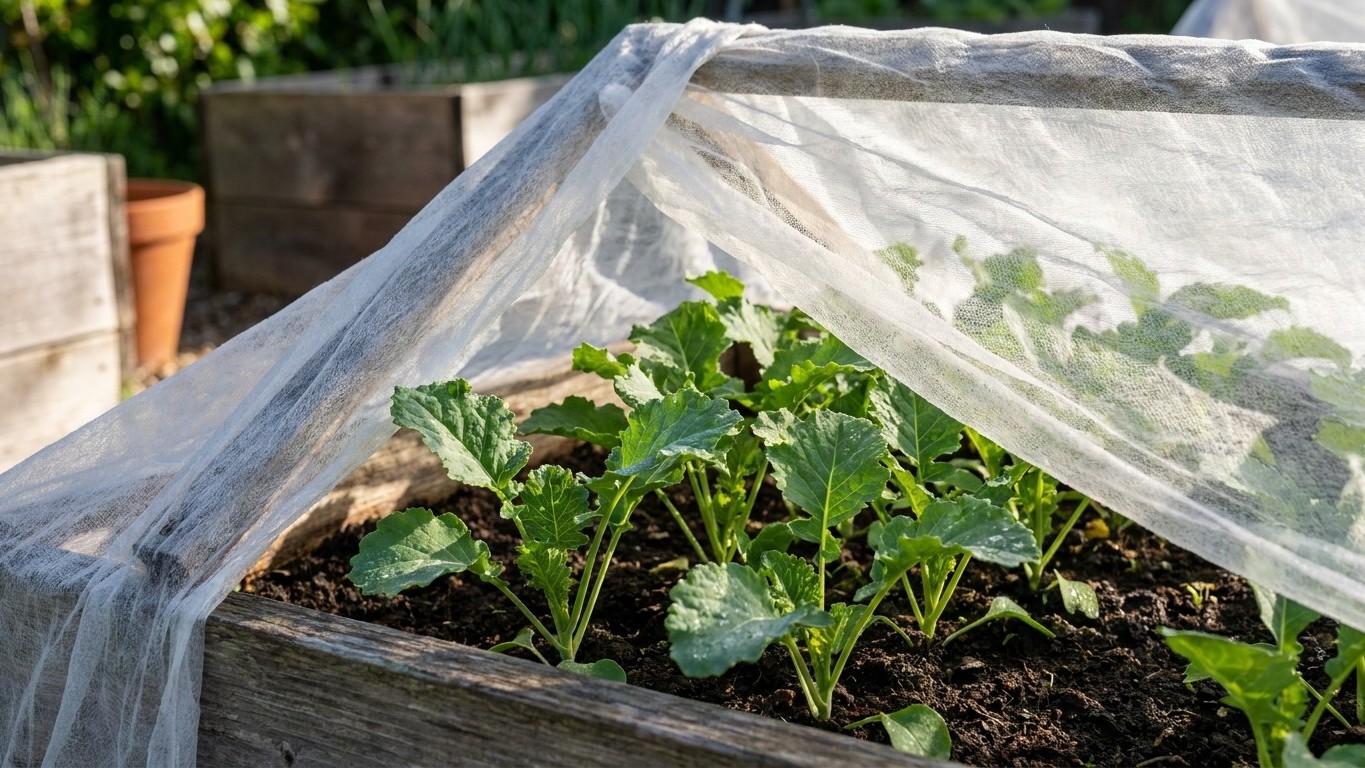
Aphids, Cabbage Worms and Flea Beetles on Kale — and the Cover That Does Two Jobs

Aphids, Cabbage Worms and Flea Beetles on Kale — and the Cover That Does Two Jobs

A single sheet of lightweight fabric, laid over kale seedlings, does double duty: it holds off frost damage and it keeps flea beetles from shredding…
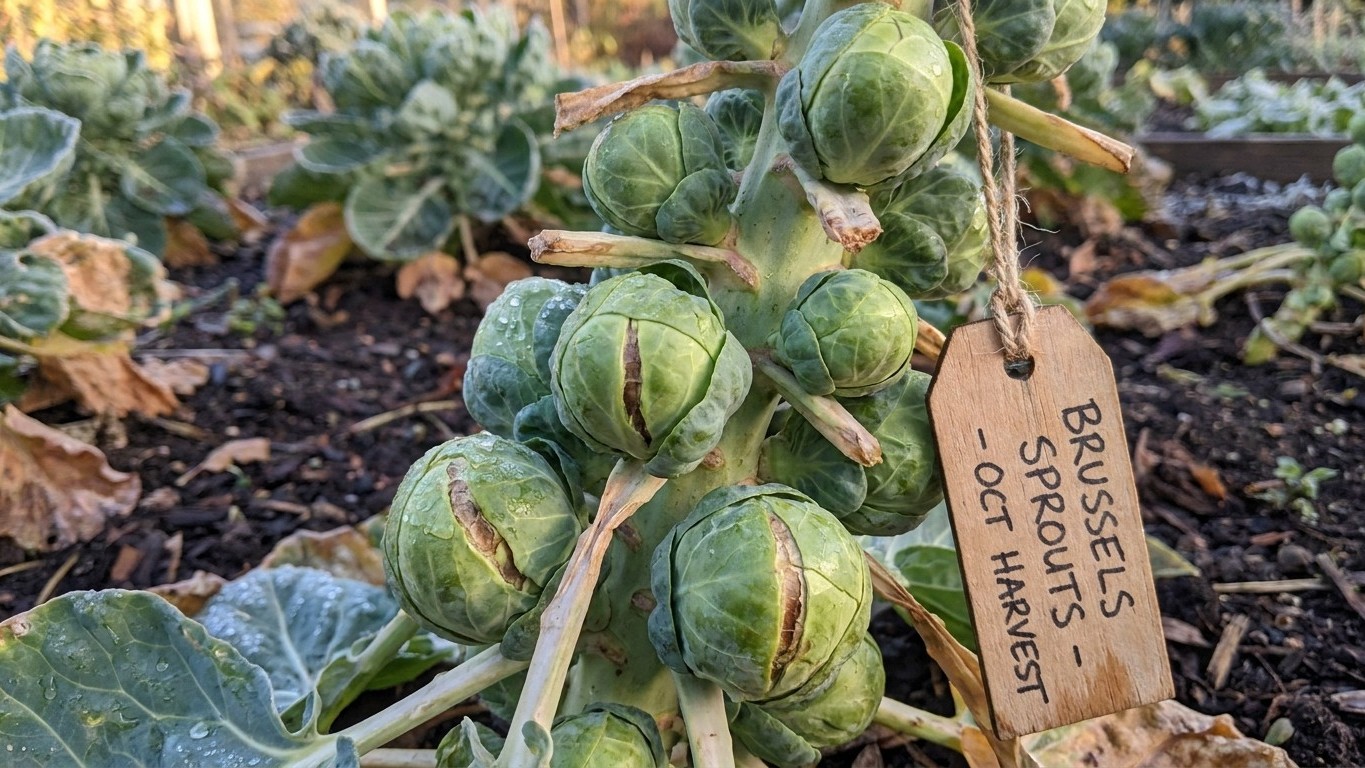
Loose or Split Sprouts: Two Faults Set at the Same Moment

Loose or Split Sprouts: Two Faults Set at the Same Moment

Loose or split Brussels sprouts almost always trace back to one moment: nitrogen or water applied after the sprouts have already started forming along…
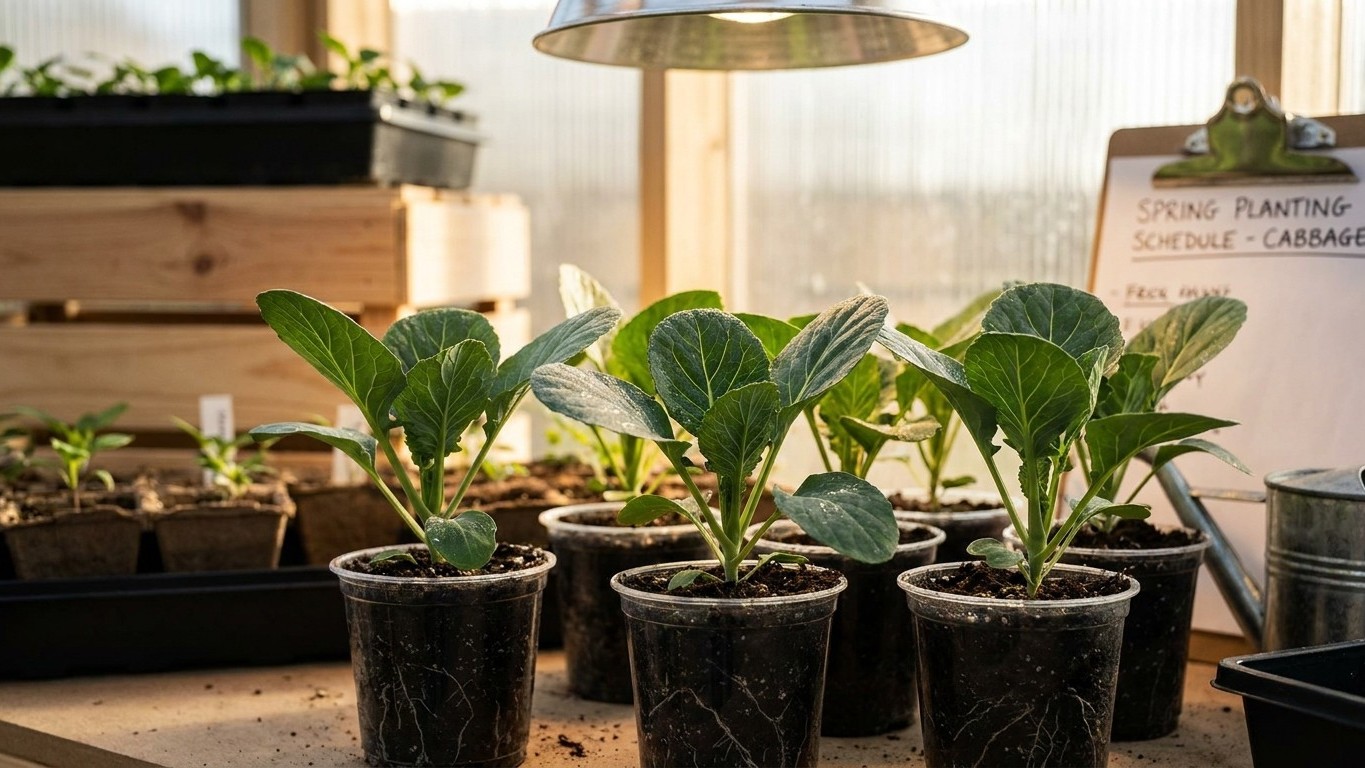
Starting Cabbage Seed: Six to Seven Weeks, and Out Before the Last Frost

Starting Cabbage Seed: Six to Seven Weeks, and Out Before the Last Frost

Six to seven weeks. That’s the figure Utah State University Extension gives for growing cabbage transplants indoors to the size they need before they go…
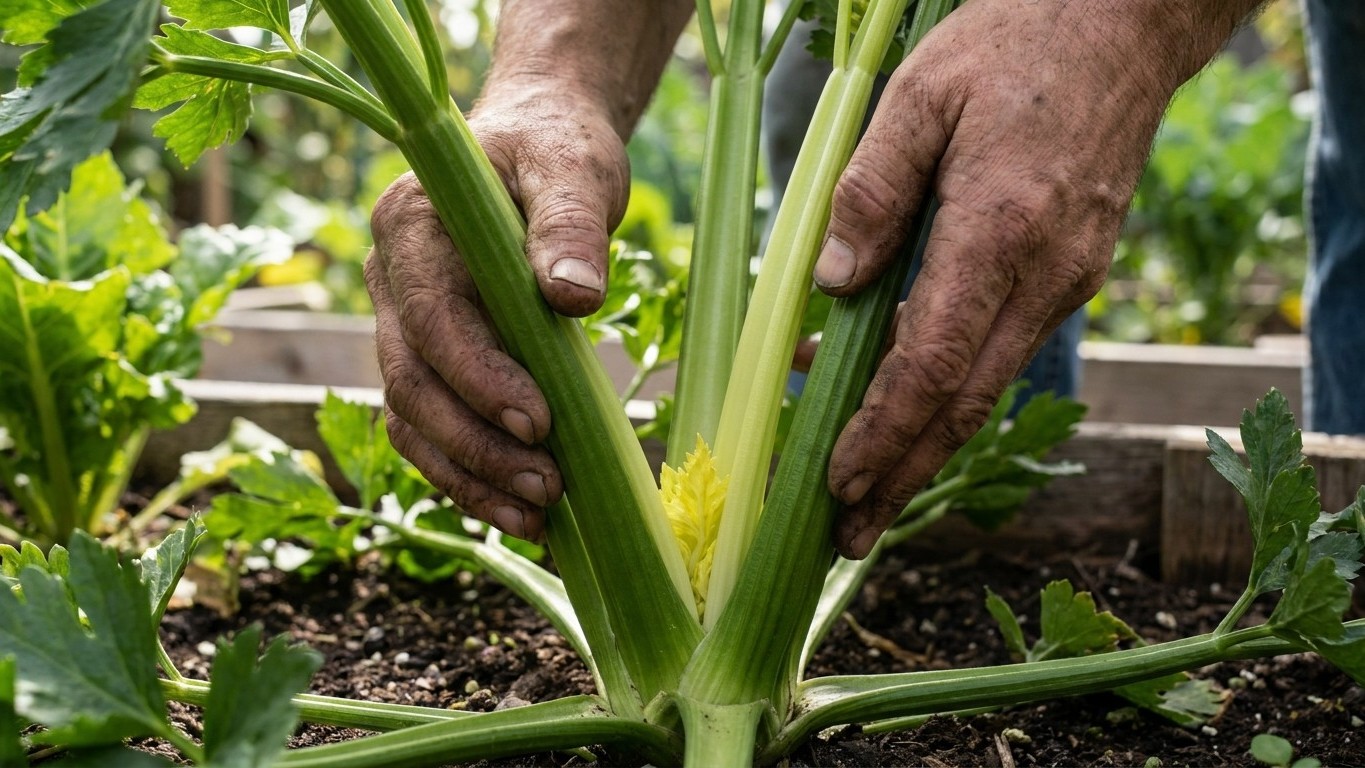
Harvesting Celery One Petiole at a Time

Harvesting Celery One Petiole at a Time

The short version: you don’t harvest celery all at once. You pull the outer petioles as soon as they hit a foot or more in length, leaving the center to…
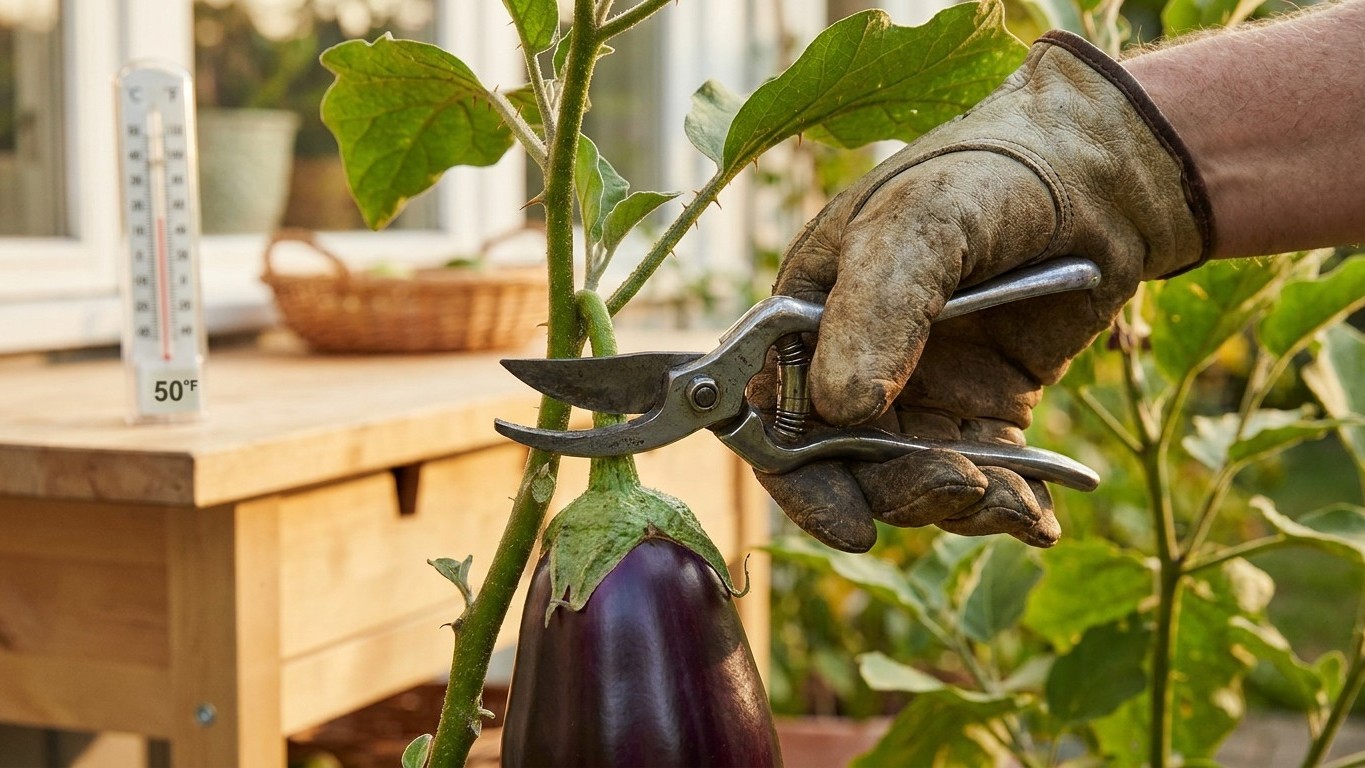
Cut, Don’t Twist — and Keep Eggplant Out of the Fridge

Cut, Don't Twist — and Keep Eggplant Out of the Fridge

The Utah State University Extension answers this in two lines: cut the stem with a knife or pruning shears rather than twisting the fruit off, wear…
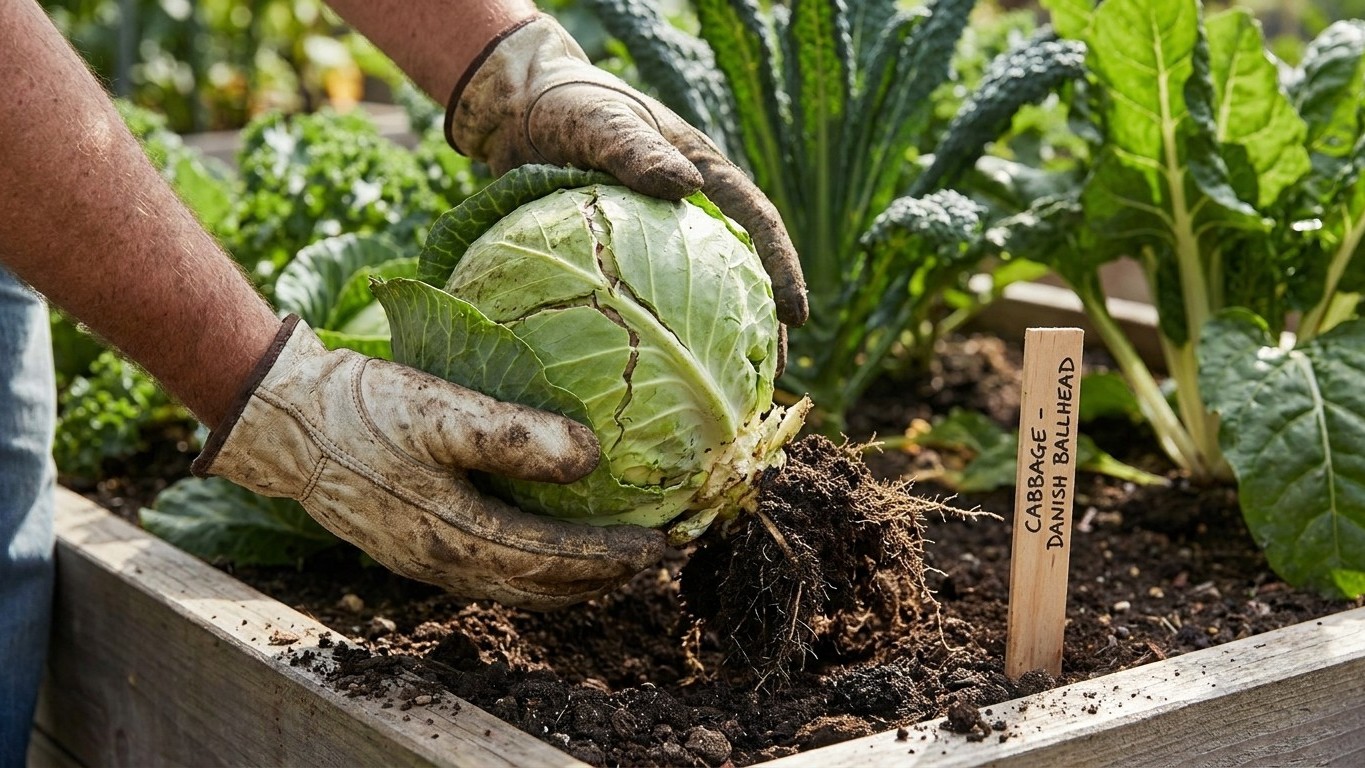
Cabbage Splitting: Lift the Head and Break Its Roots

Cabbage Splitting: Lift the Head and Break Its Roots

Split cabbage heads come from too much water moving into a head that’s already full, and the fix isn’t complicated.
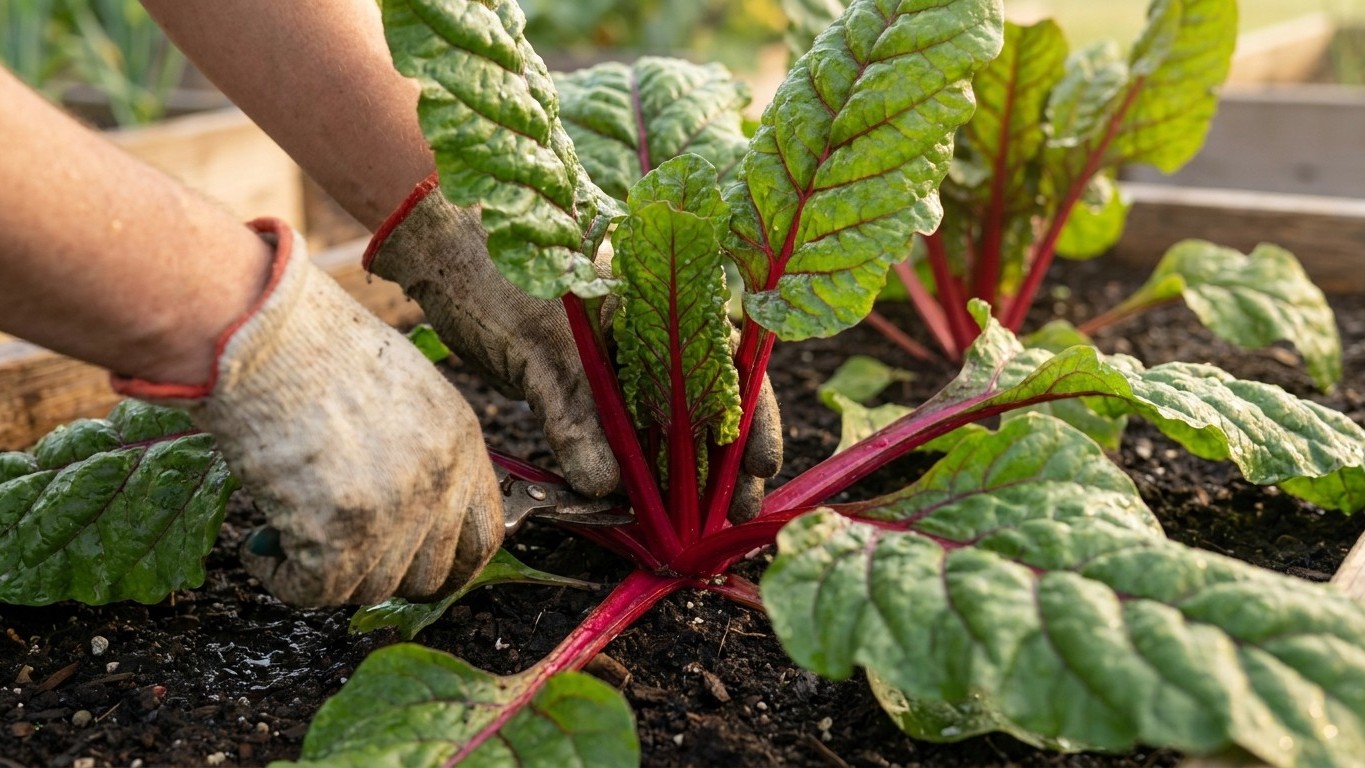
You Can Shear Swiss Chard to Two Inches — If You Spare One Point

You Can Shear Swiss Chard to Two Inches — If You Spare One Point

Yes: Swiss chard can be sheared down to within 2 inches of the soil, and the plant will keep producing.
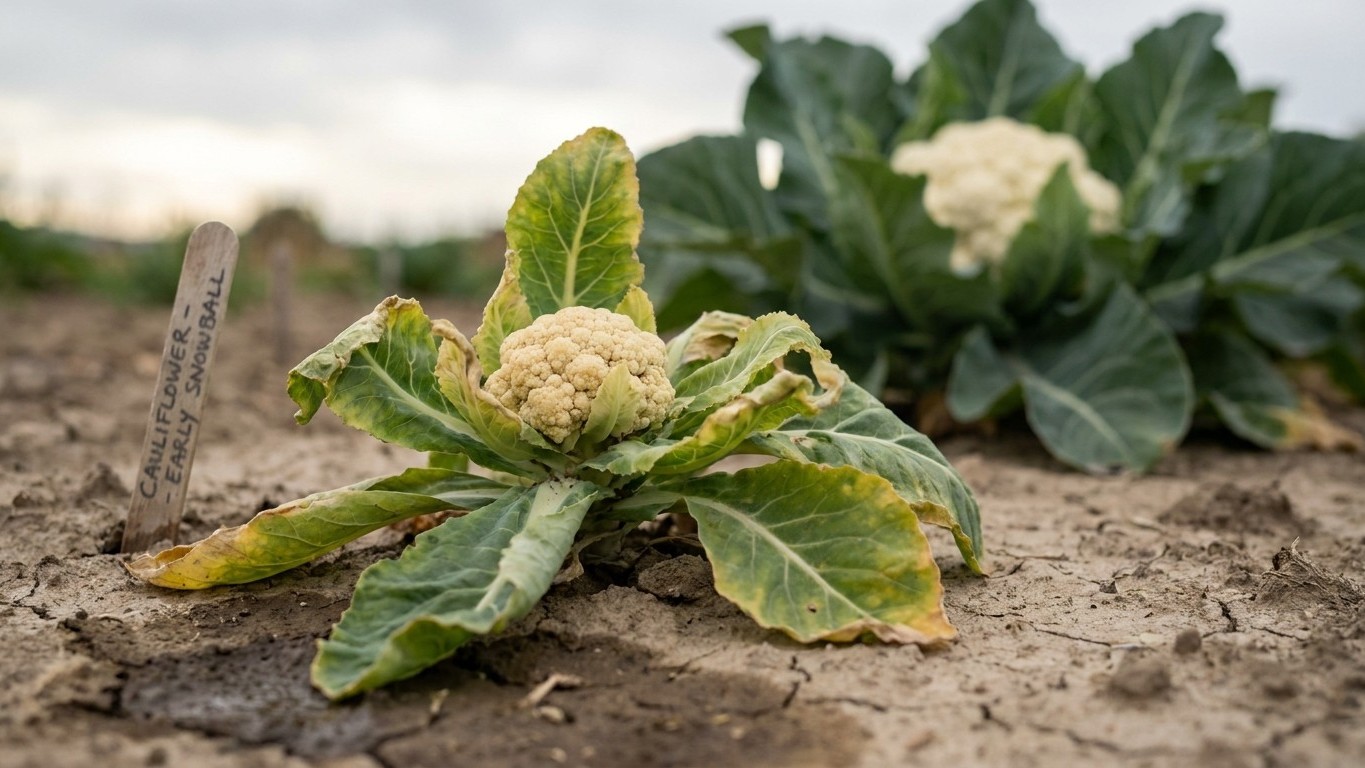
Buttoning in Cauliflower: Four Shocks That Stop a Plant Early

Buttoning in Cauliflower: Four Shocks That Stop a Plant Early

Buttoning in cauliflower comes down to four separate shocks, according to Utah State University Extension: dry soil, cold temperatures, low nitrogen, and…
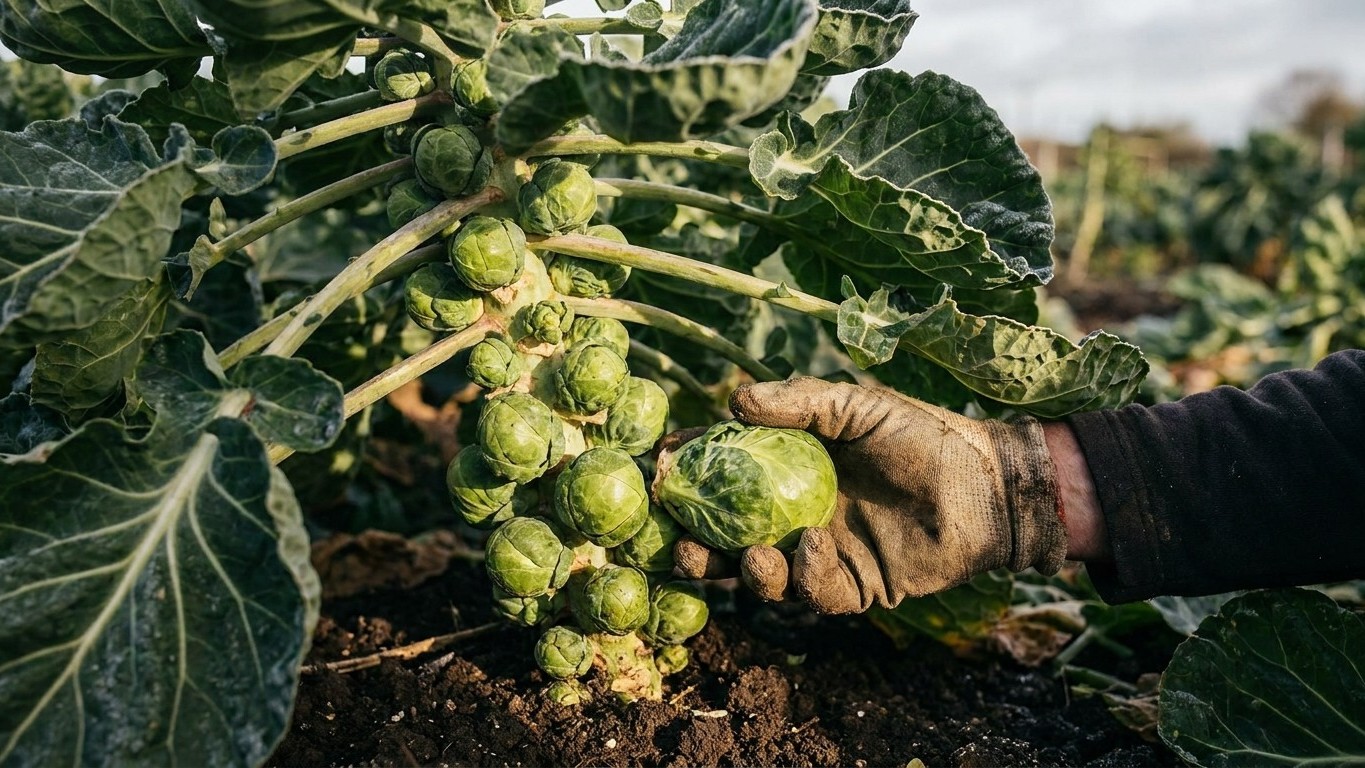
Picking Brussels Sprouts From the Bottom Up, and Keeping Them for Months

Picking Brussels Sprouts From the Bottom Up, and Keeping Them for Months

Brussels sprouts ripen from the base of the stalk upward, so the harvest itself works bottom-up: pick the lowest, tightest sprouts first and keep…

Older posts
Newer posts
← Previous Page1 … Page387 Page388 Page389 … Page767 Next →

The Homestead Post

Home and garden advice with the numbers attached — written for your climate, your season and your local rules.

Sections

  • Garden
  • Home Care
  • Energy
  • Pests
  • Decor
  • DIY

Popular states

  • California
  • Texas
  • Florida
  • New York
  • Pennsylvania
  • Ohio
  • Georgia
  • North Carolina
  • All states →

The Post

  • About us
  • Contact
  • Editorial guidelines
  • Affiliate disclosure
  • Privacy policy
  • Terms of use
© 2026 The Homestead Post·Home & garden, state by state