Will Carrots Fork in Tennessee Soil?
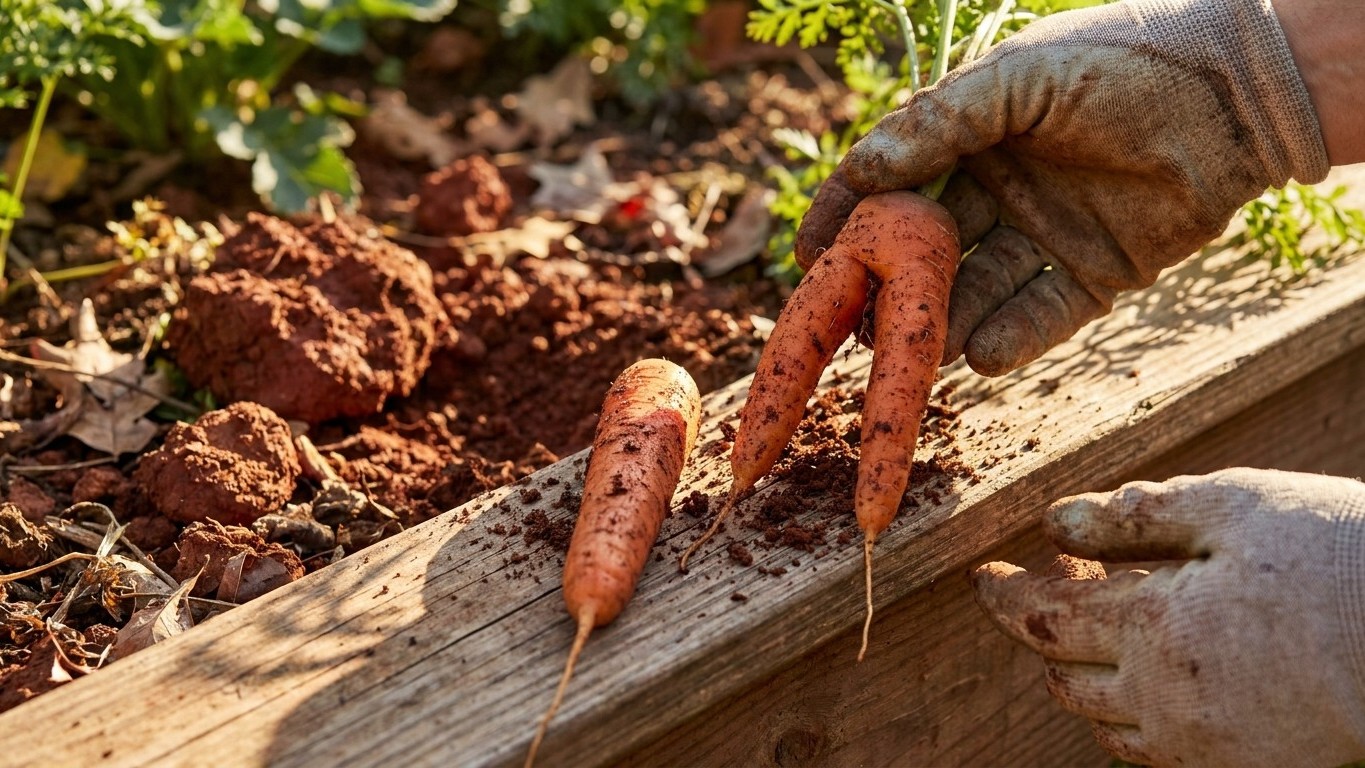
Tennessee’s benchmark soil, the Dickson series, runs 68 percent silt, 20 percent clay and just 11 percent sand, moderately well drained, with a surface…
Home & garden, state by state
Tennessee’s benchmark soil, the Dickson series, runs 68 percent silt, 20 percent clay and just 11 percent sand, moderately well drained, with a surface…
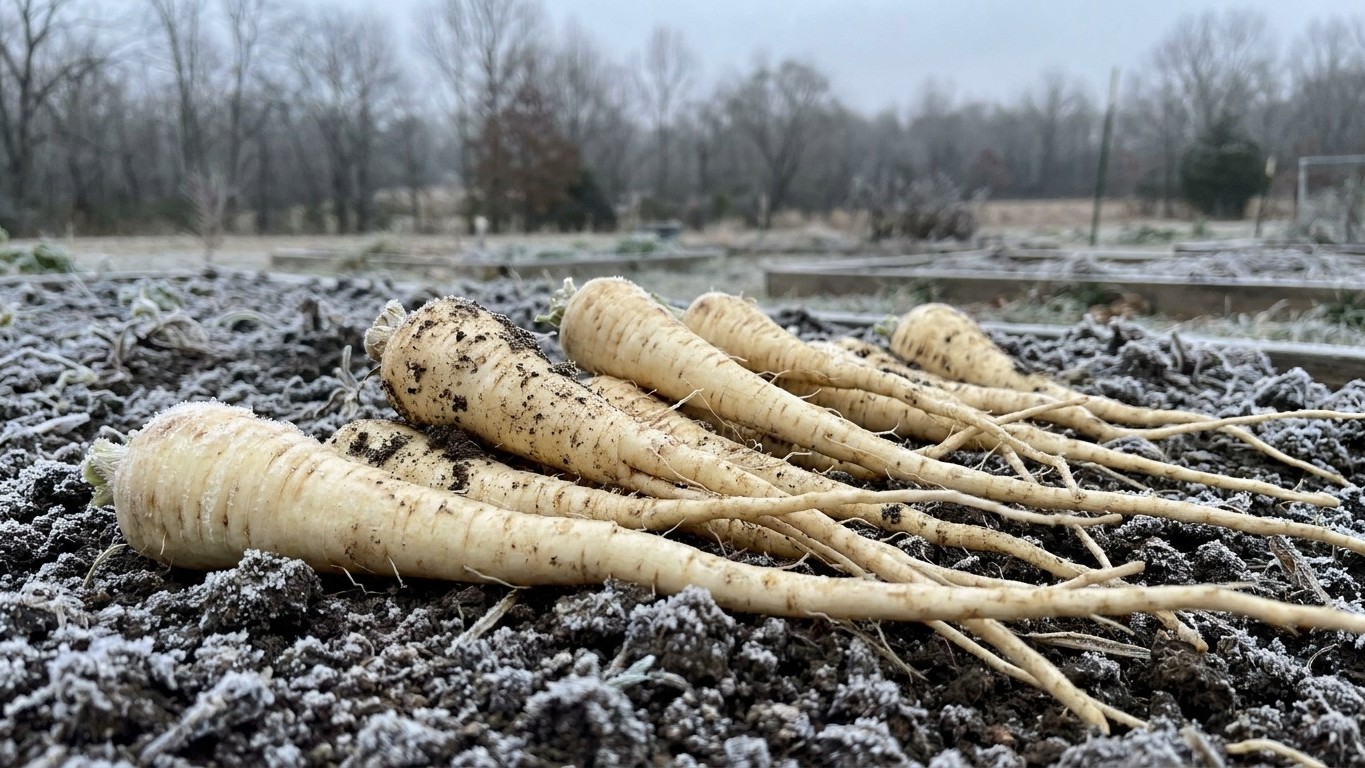
Saskatchewan winters settle half of this question before a single seed goes into the ground.
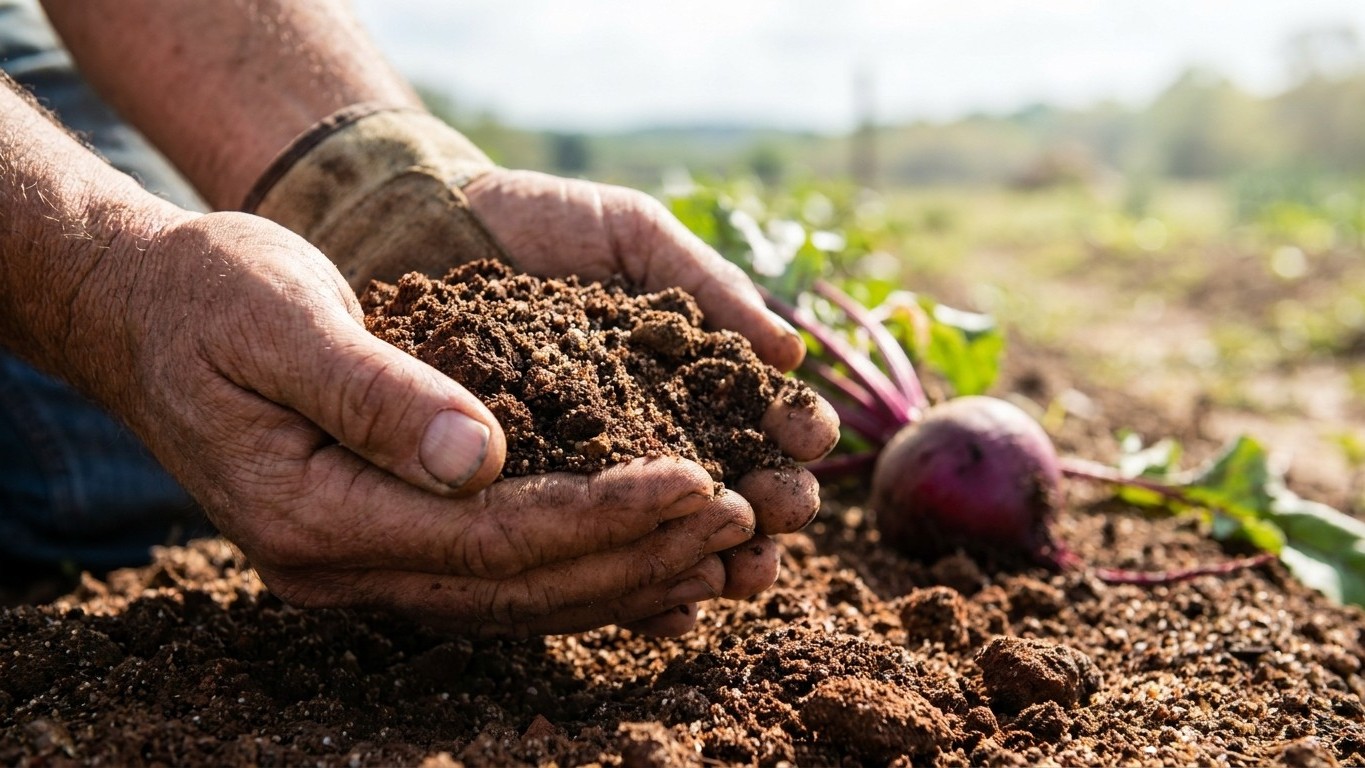
The Dickson series, Tennessee’s representative soil, runs 68 percent silt and only 11 percent sand at the surface, with acid pH around 5.0.
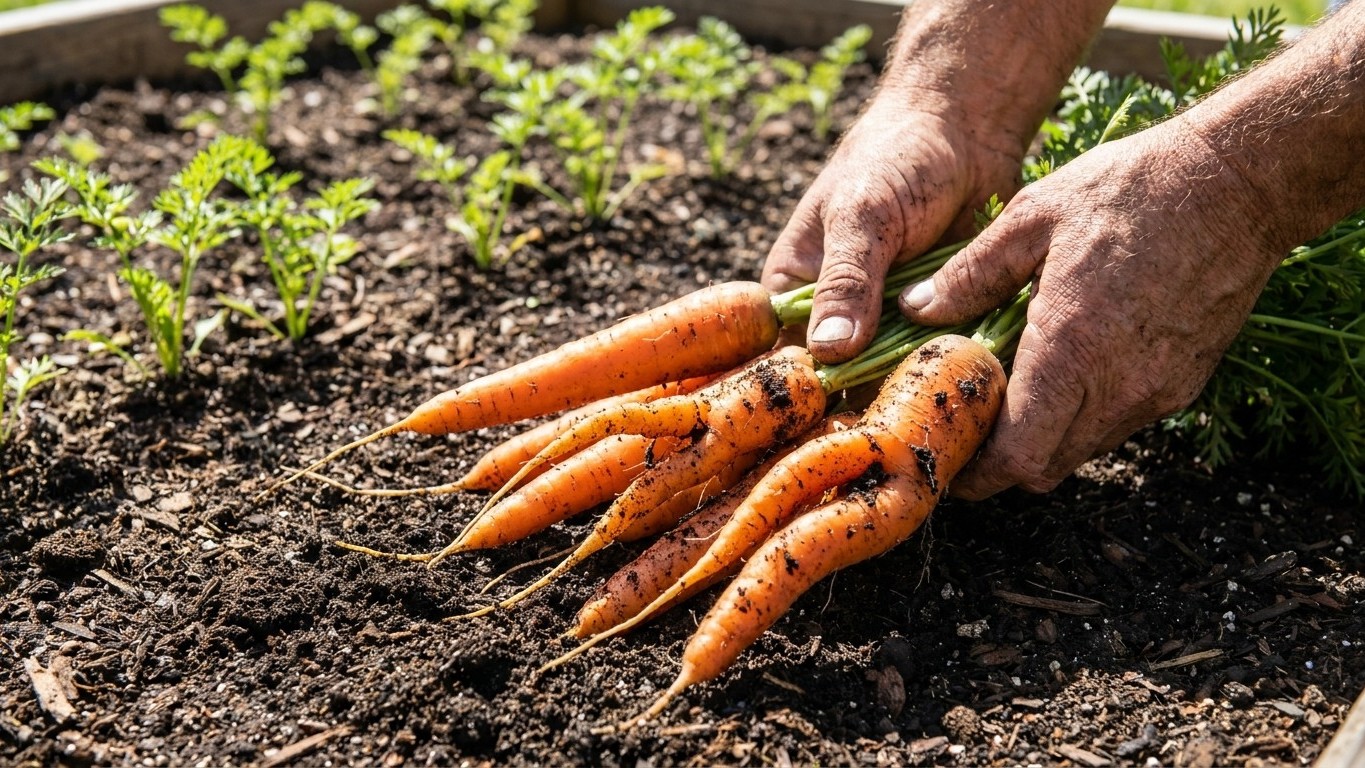
South Dakota gardeners can sow carrot seed directly into the garden bed as soon as the soil can be worked in spring, because carrot seed germinates in…
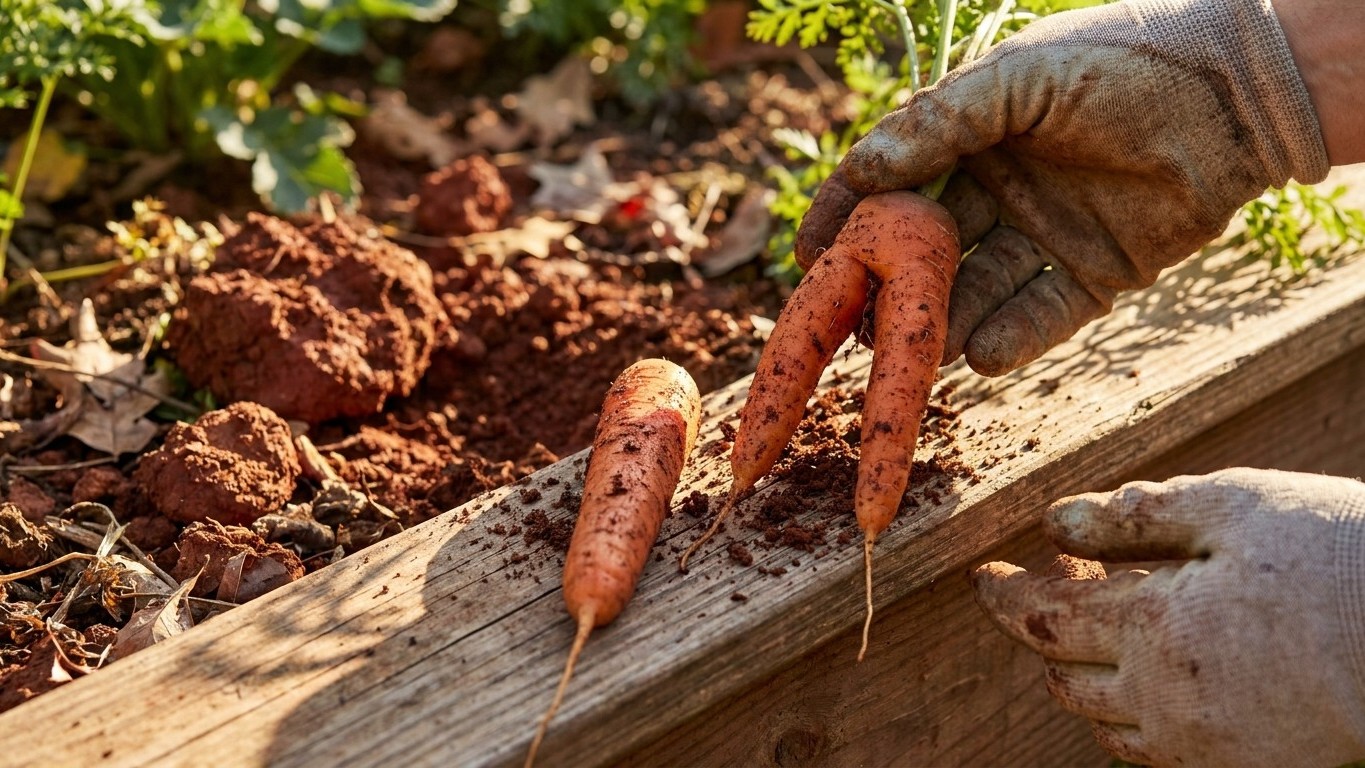
South Dakota’s official state soil, the Houdek series, is a loam-to-silt Mollisol that runs well drained with a surface pH near neutral.
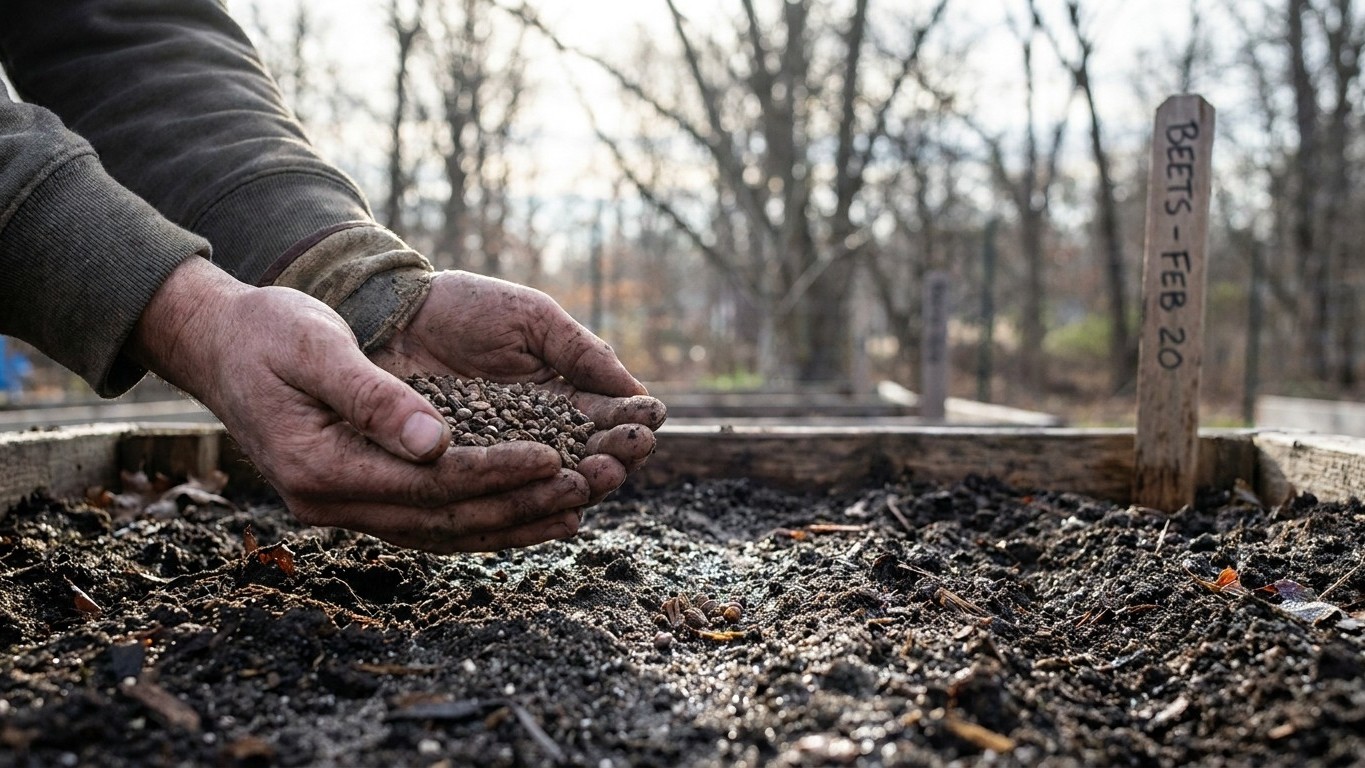
Sow beet seed directly into the garden bed two to three weeks before the last spring frost.
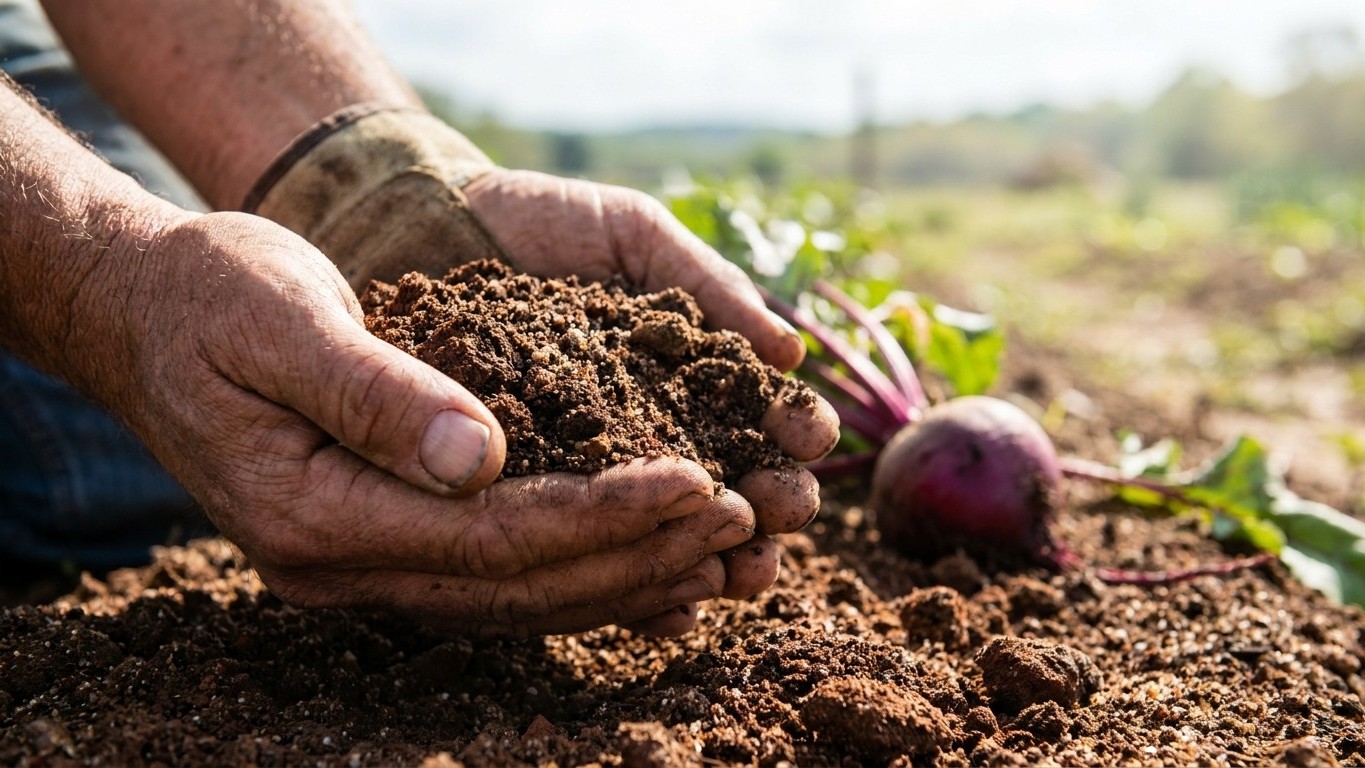
South Dakota’s benchmark soil, the Houdek series, is a well-drained loam that lines up reasonably well with what a beet root wants: deep ground, decent…
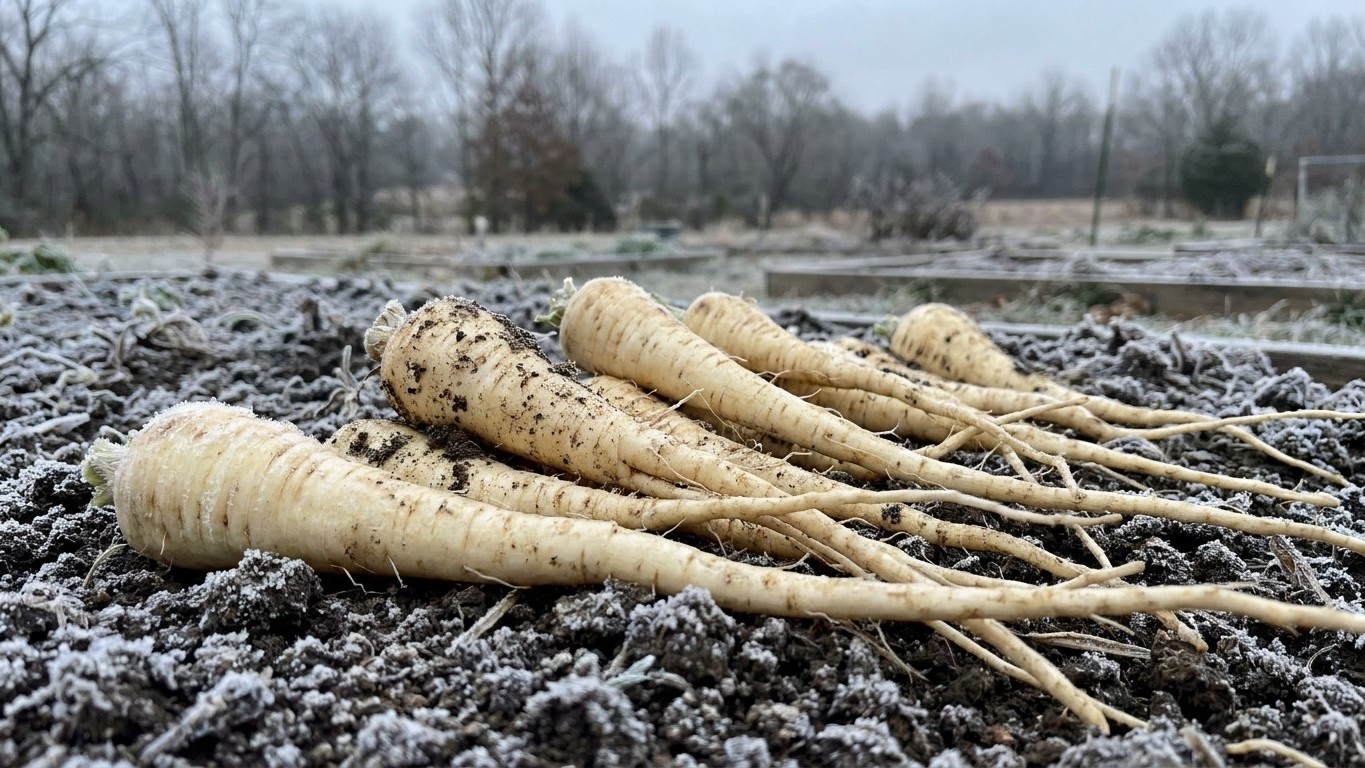
Rhode Island’s winters get cold enough, and the growing season is long enough, to answer both parsnip questions with a yes.
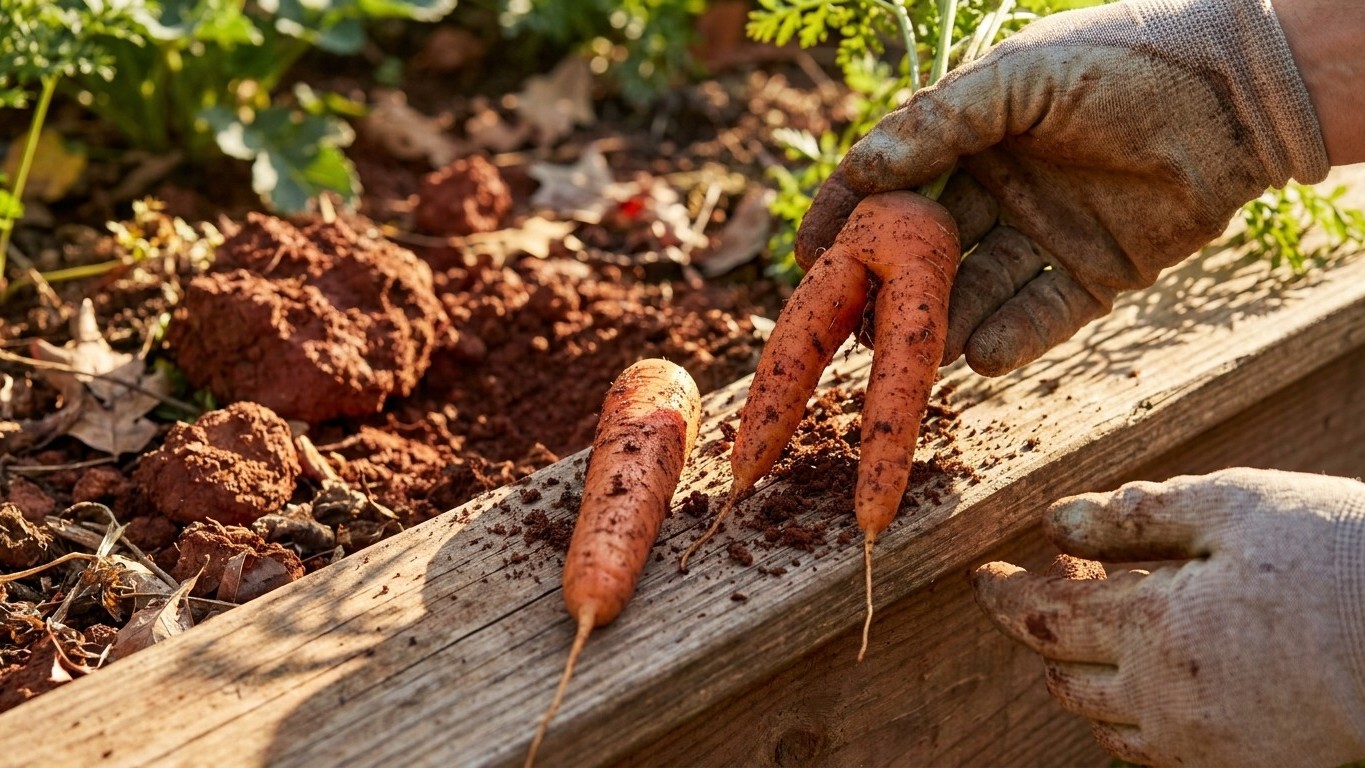
Yes, in this state’s representative soil carrots will almost certainly fork. That soil, the Bohicket series, runs 35 percent clay and drains so poorly…
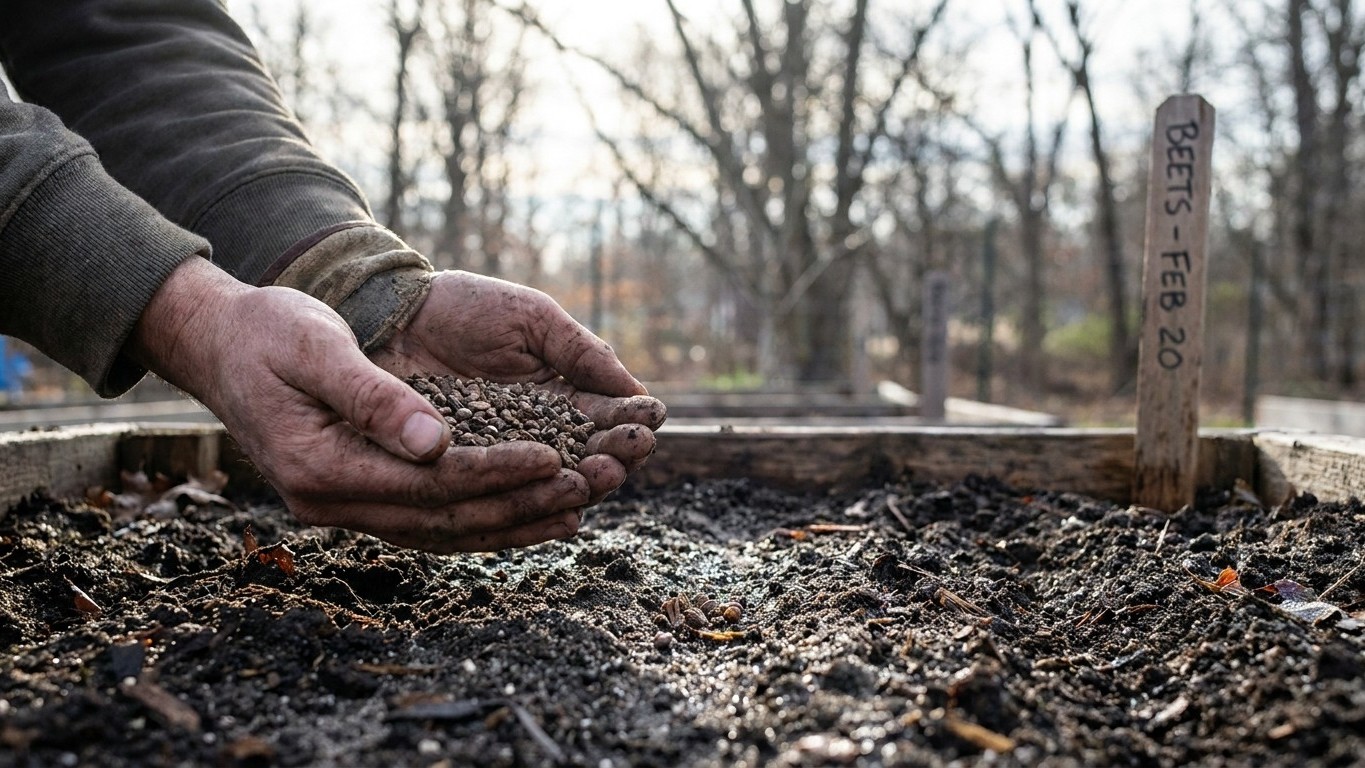
In most of South Carolina, beet seed goes into the ground between early February and early March, timed to land two to three weeks ahead of the last…