Will Carrots Fork in Nebraska Soil?
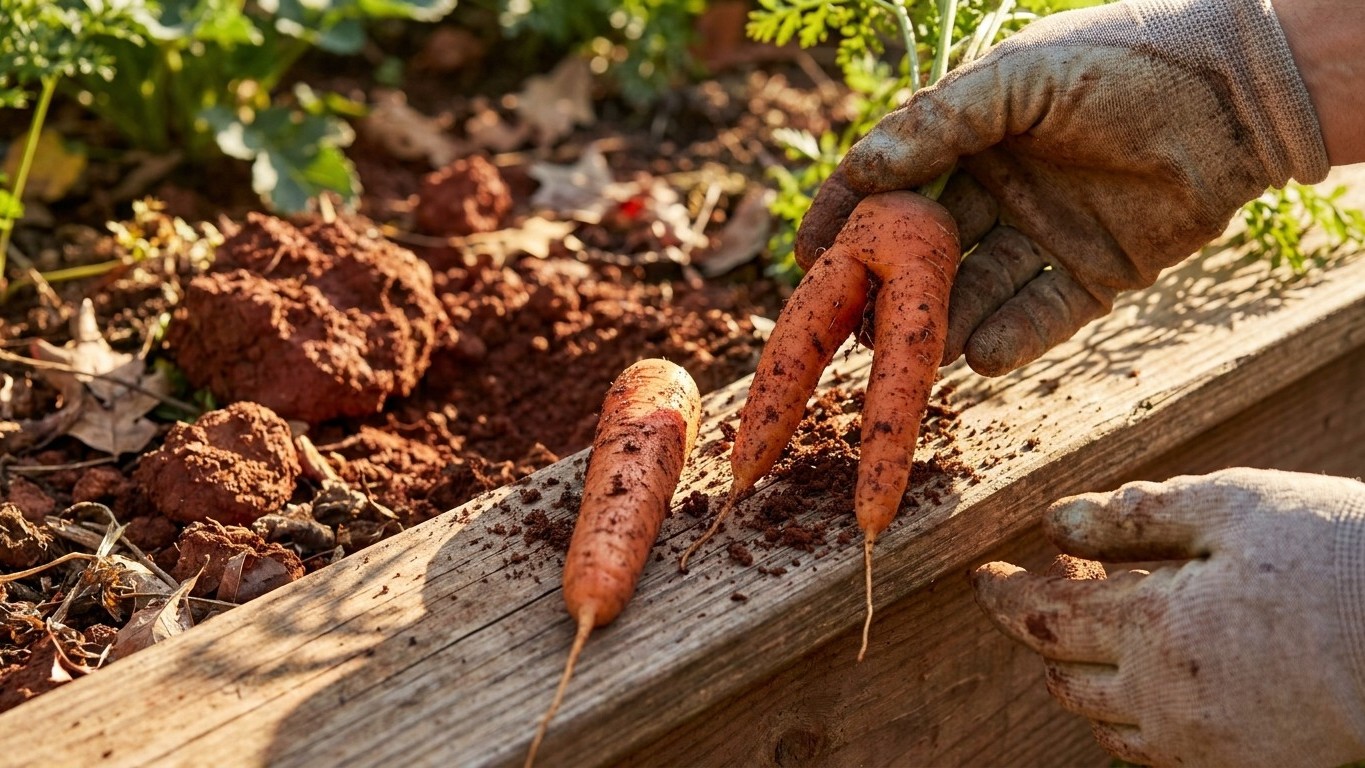
The short answer is no, not automatically. Nebraska’s own state soil, the Holdrege series, is a well-drained silt loam, not a dense clay, so it doesn’t…
Home & garden, state by state
The short answer is no, not automatically. Nebraska’s own state soil, the Holdrege series, is a well-drained silt loam, not a dense clay, so it doesn’t…
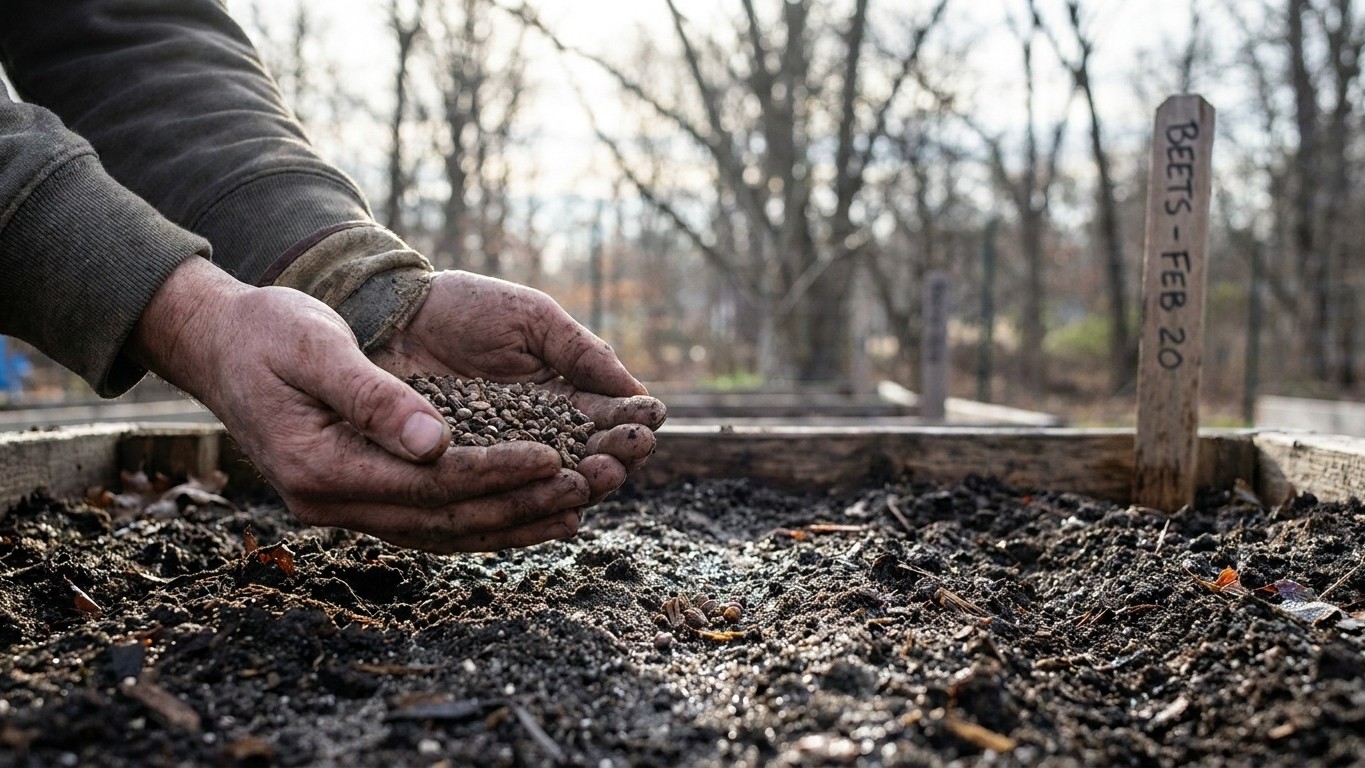
The short version: sow beet seed directly in the ground two to three weeks before the last spring frost.
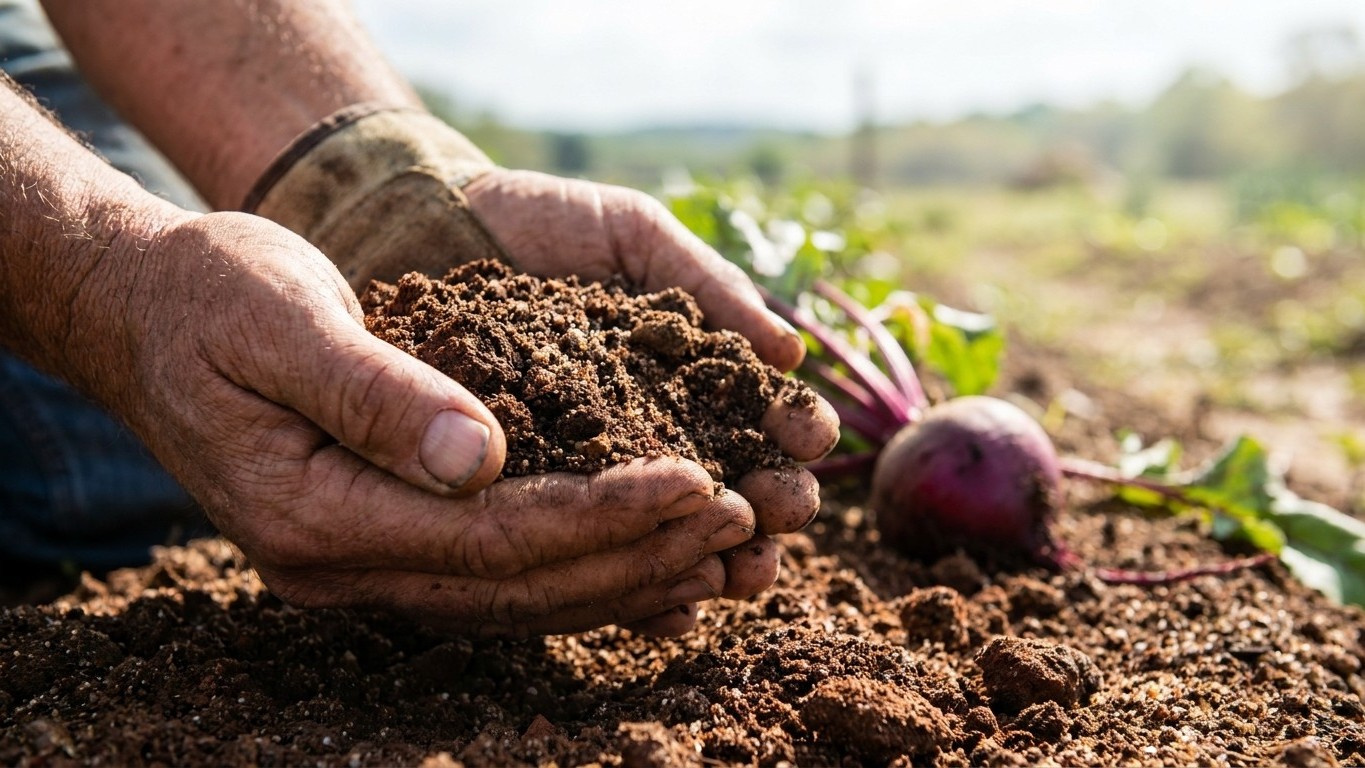
Nebraska’s benchmark ground is a deep, dark silt loam, not sand, and that matters before a single beet seed goes in.
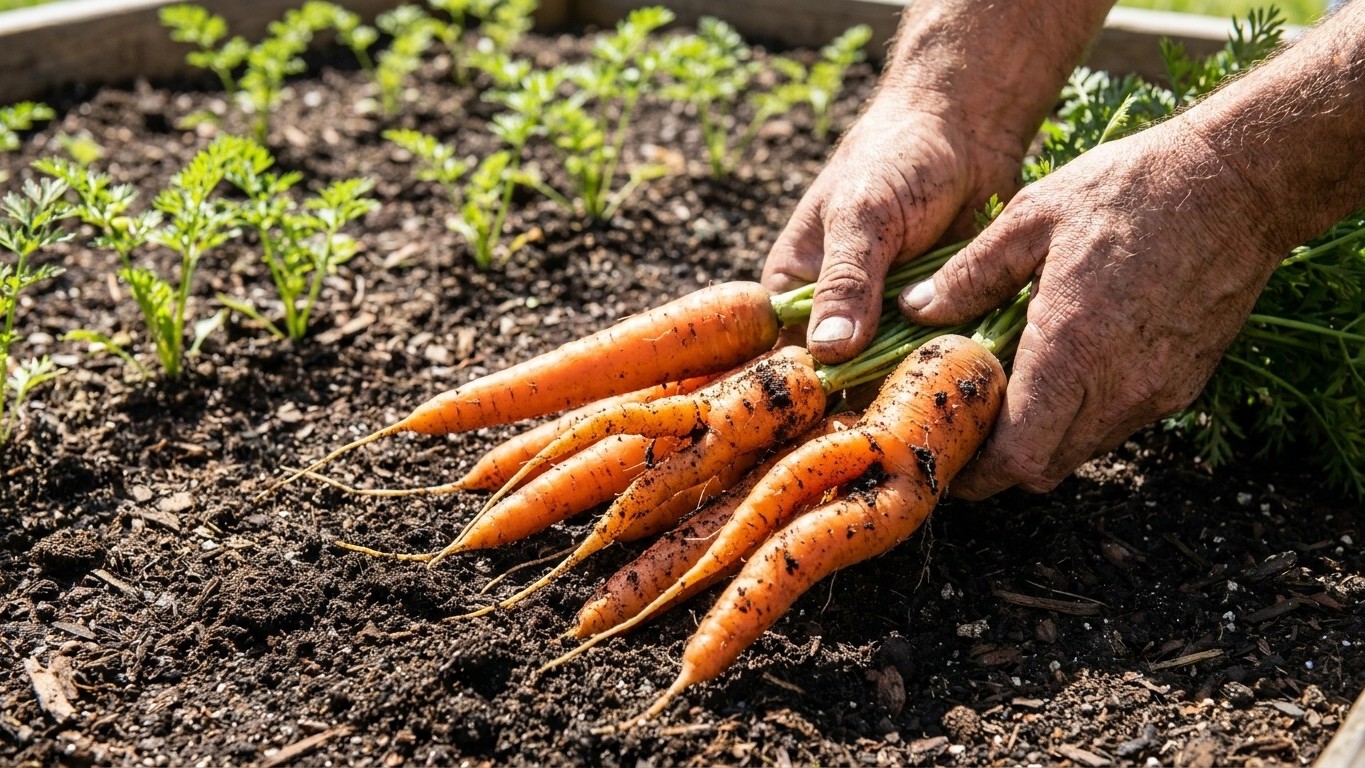
In Montana, carrots go into the ground from seed, counted back 70 to 100 days from your local average last frost date, since carrots are never…
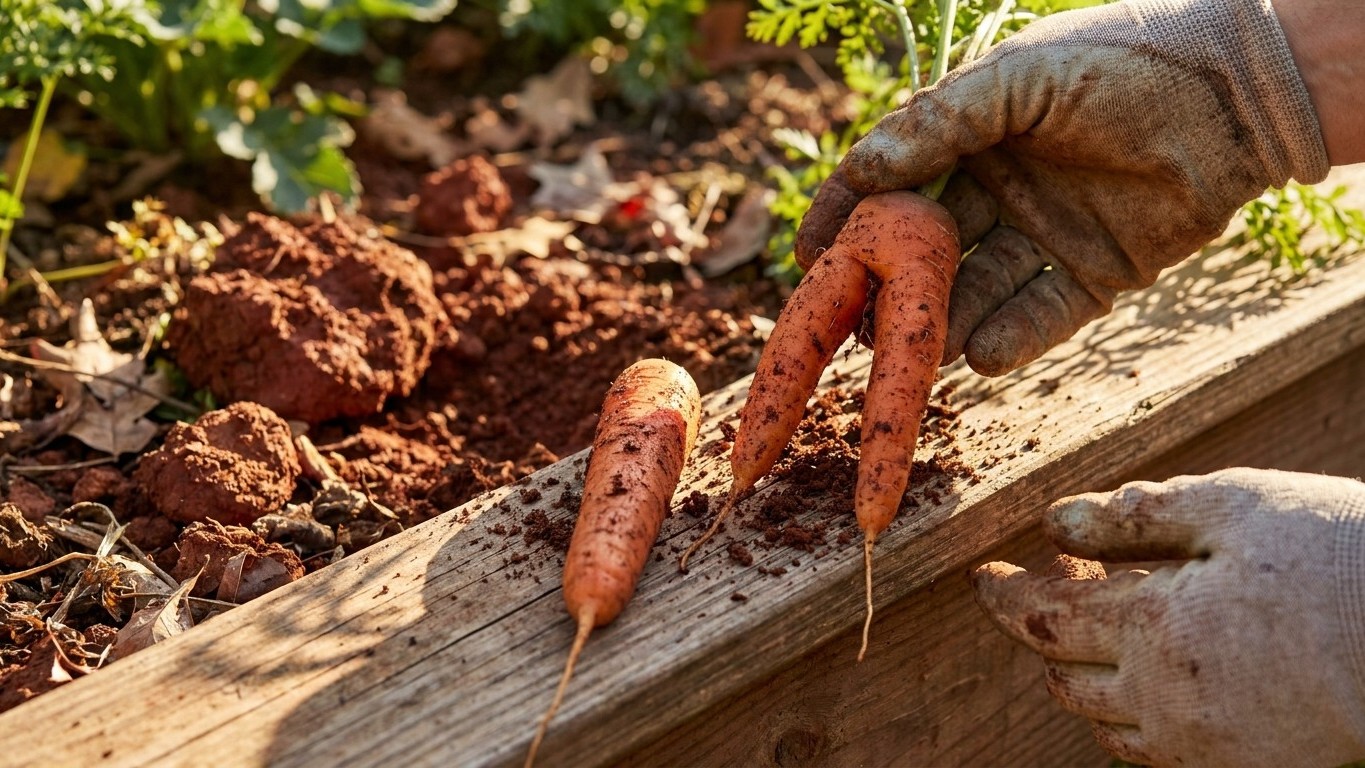
A carrot will fork in the Scobey series, the soil Montana calls its own, because that ground runs clayey rather than sandy.
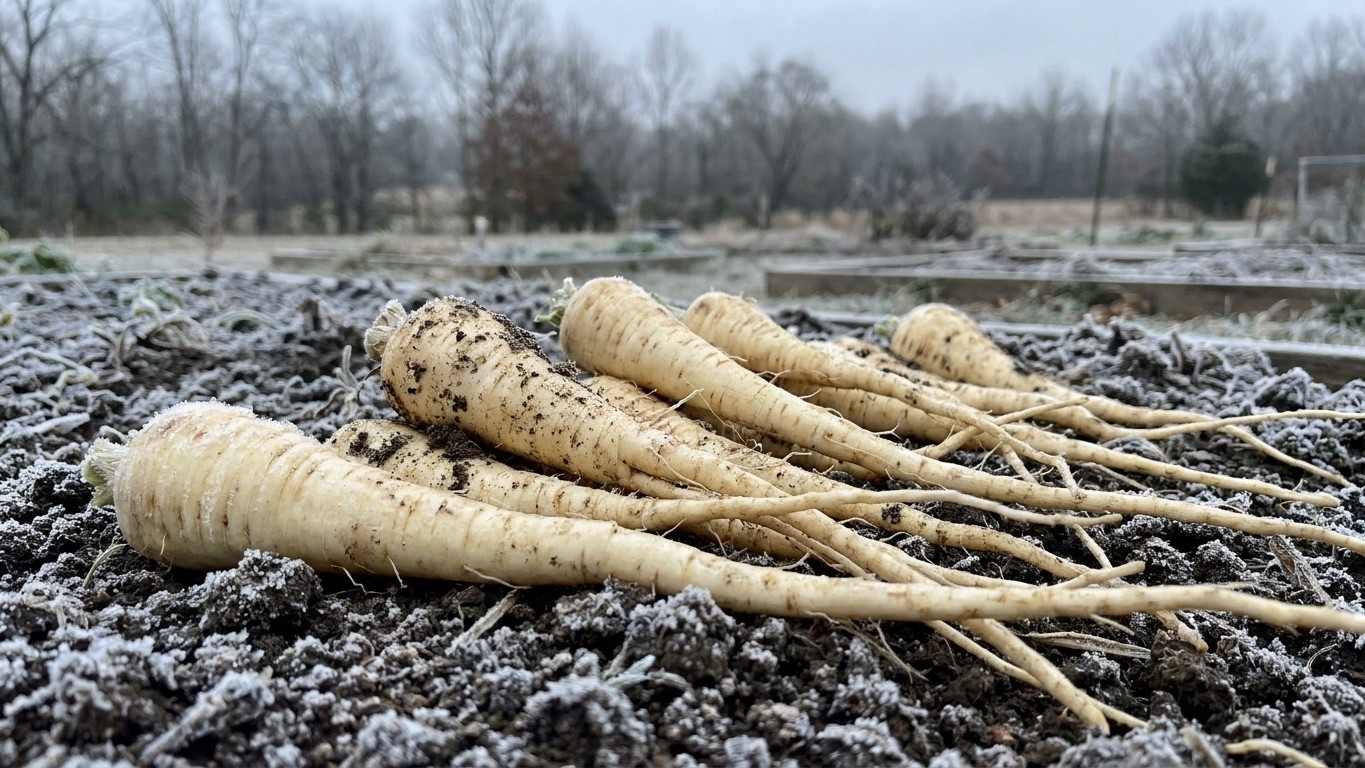
New Mexico’s high, dry winters deliver exactly what a parsnip needs: weeks of real cold.
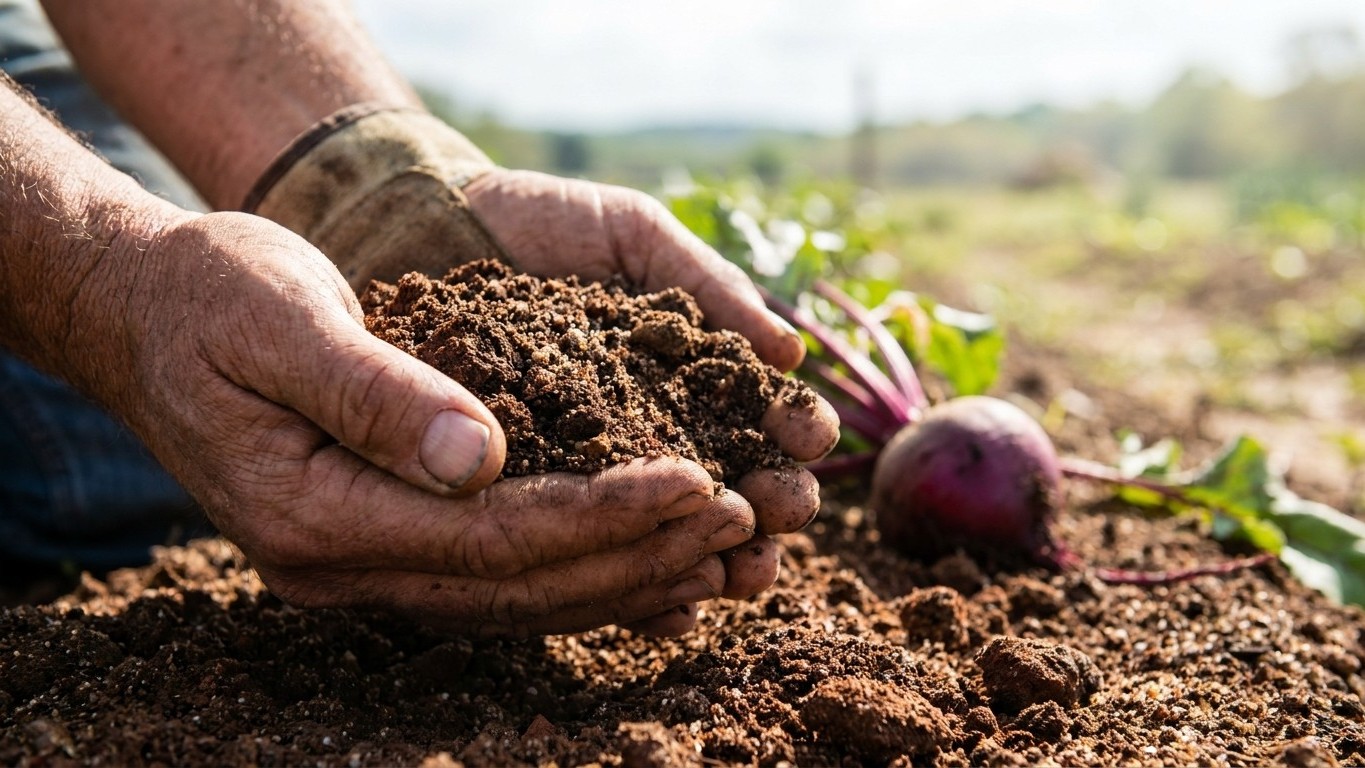
Montana’s official state soil, the Scobey series, is a well-drained Mollisol with roughly equal parts sand and silt (35 and 34 percent) and 31 percent…
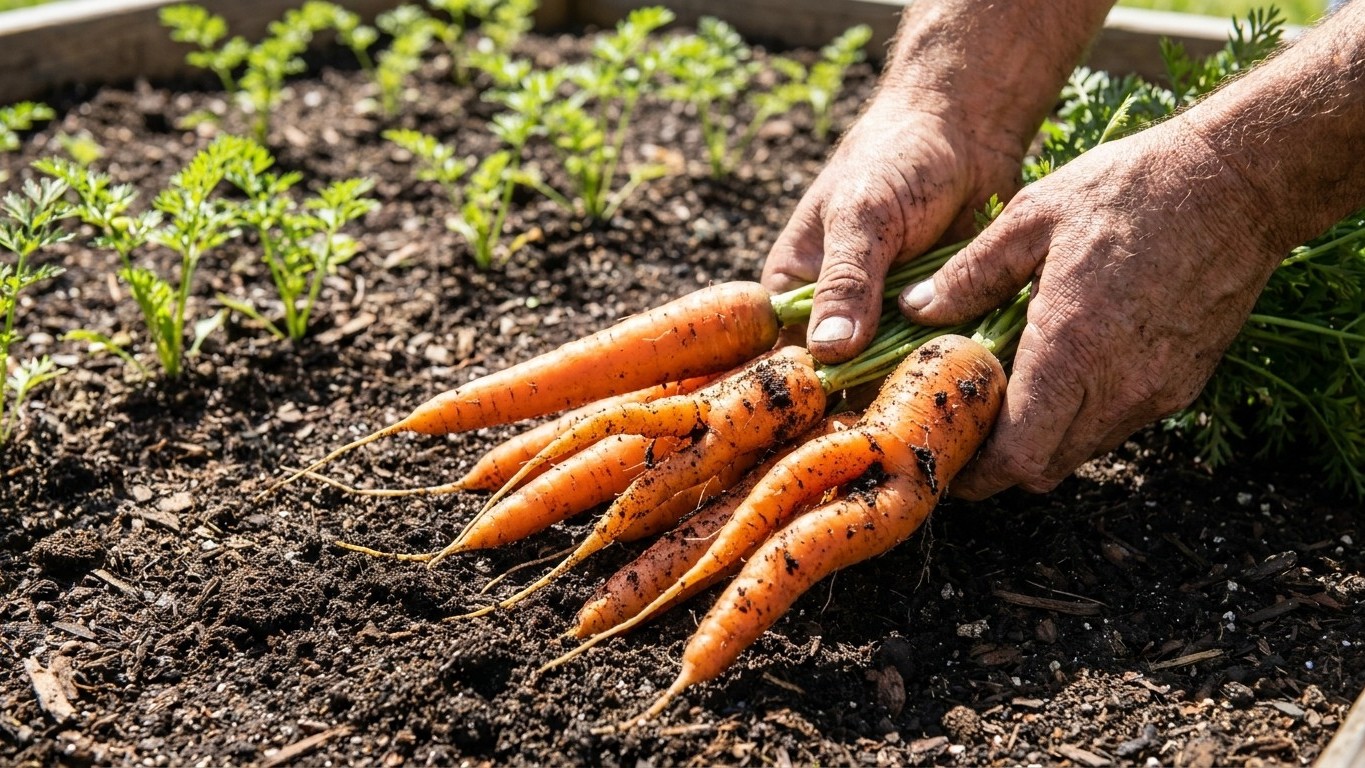
Carrots go into Missouri ground while the soil is still cool, counted backward from the last frost date for your county rather than a fixed calendar day.
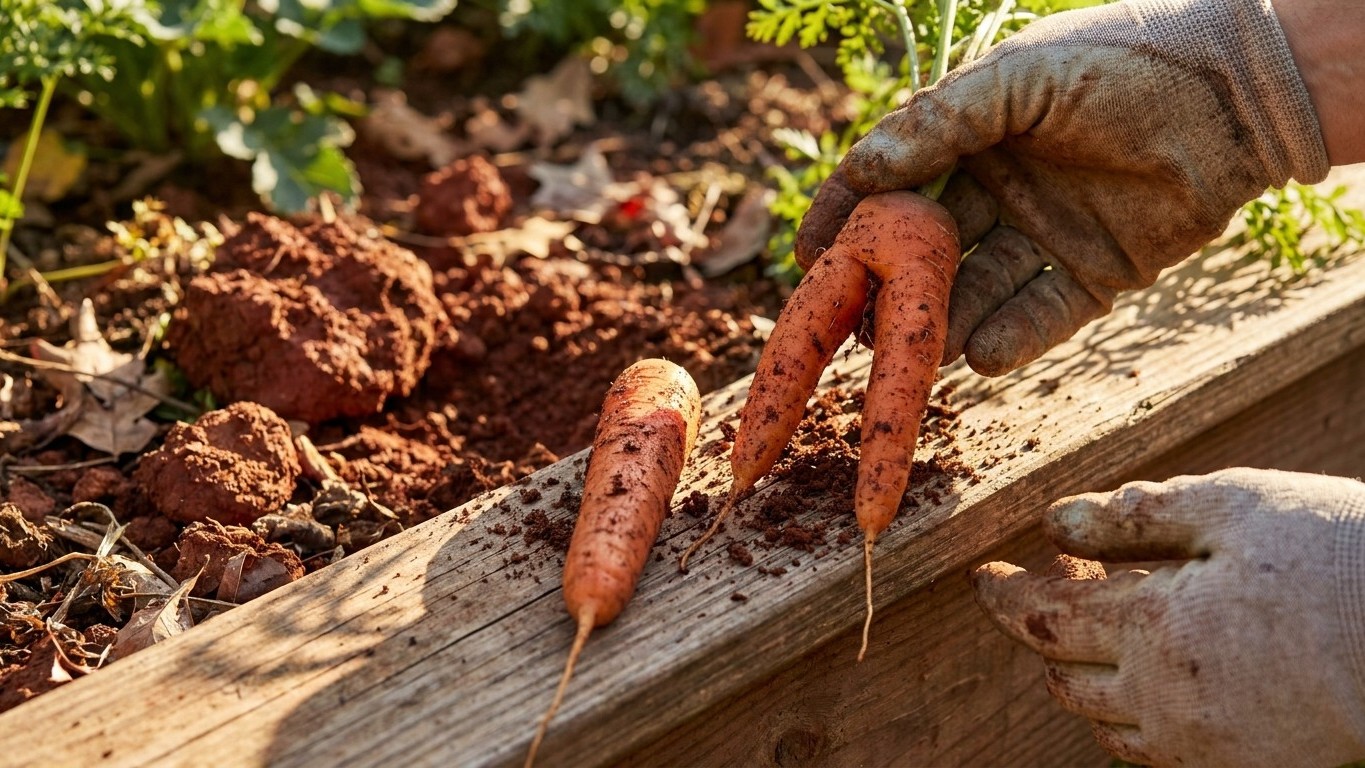
Missouri’s benchmark soil is a well-drained silt loam, not a heavy clay, so carrots have a decent shot at growing straight rather than forked.
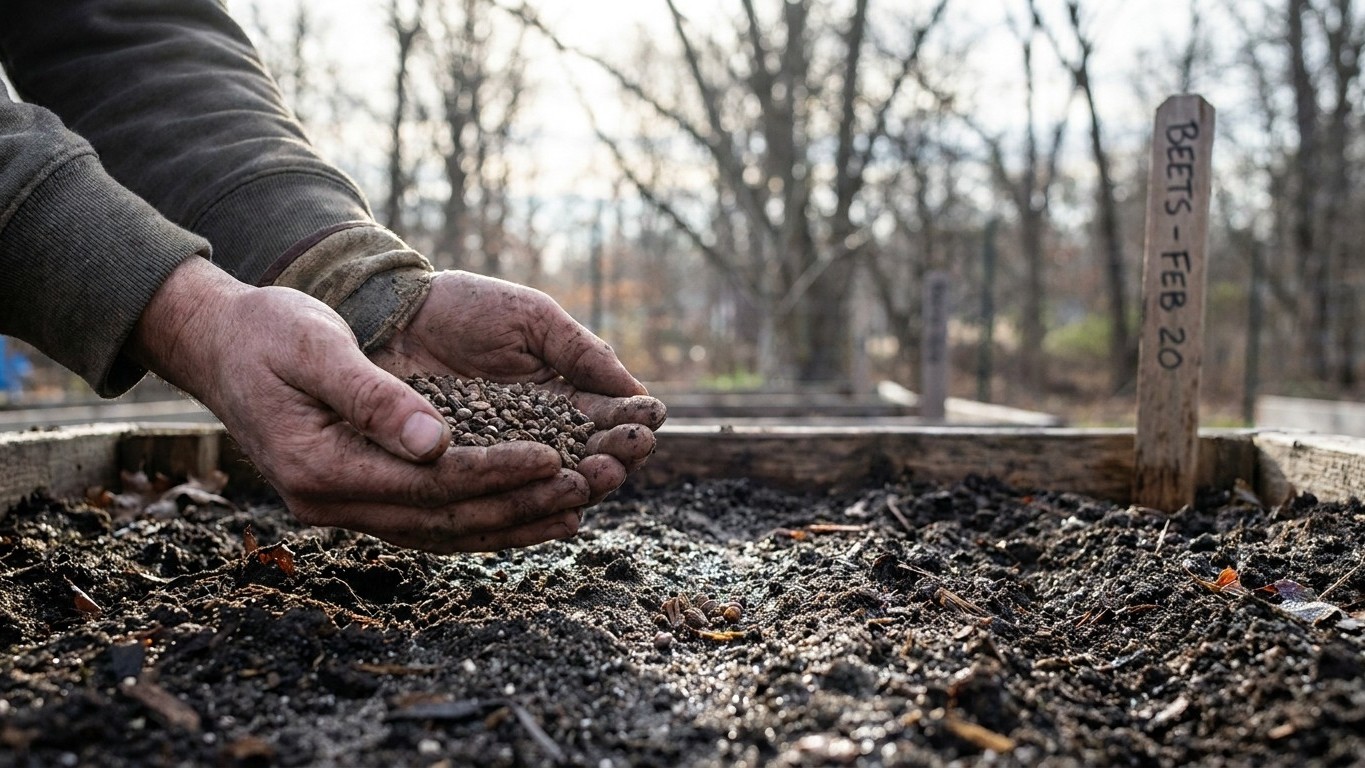
Sow beet seed directly into Missouri ground about two to three weeks before the last spring frost, which falls between April 6 and April 20 across most…