Will Carrots Fork in Minnesota Soil?
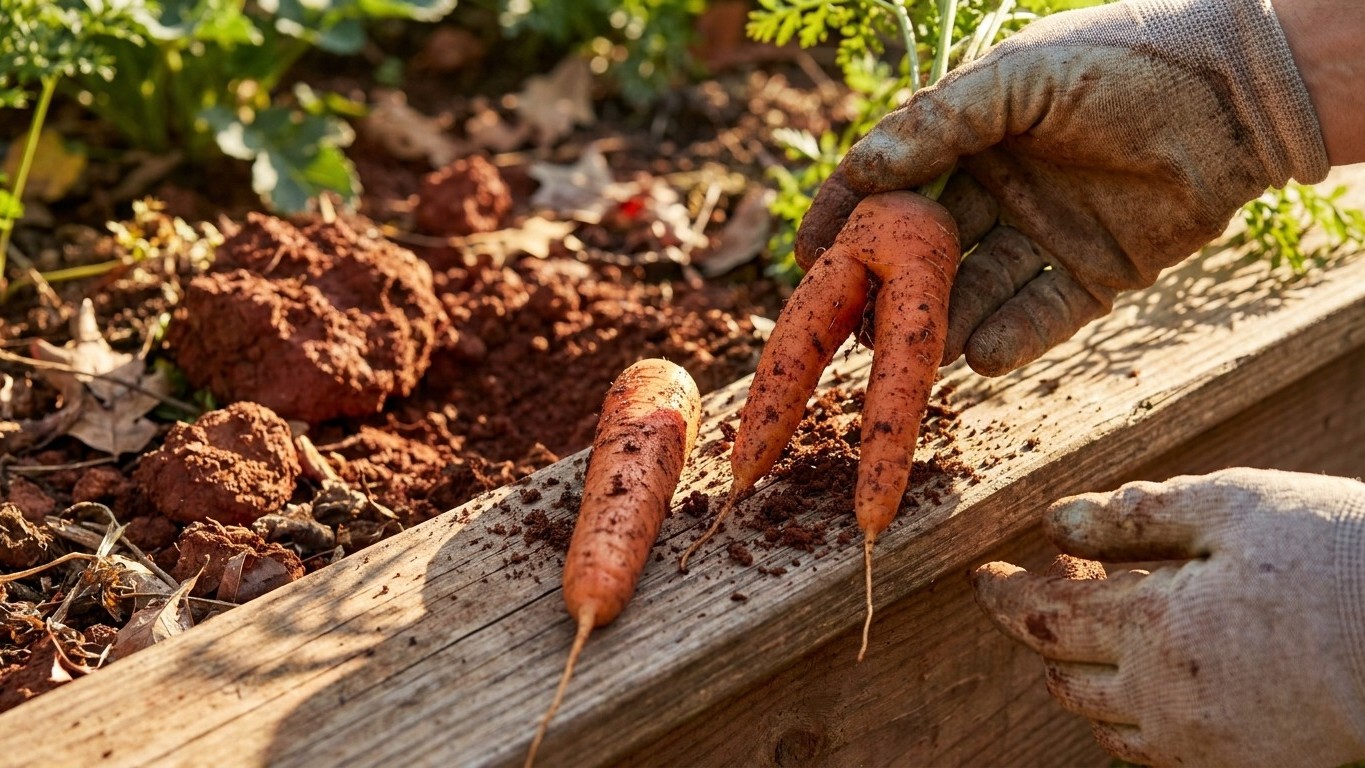
Minnesota’s official soil, the Lester series, is a loam built from 39 percent sand, 24 percent clay and 37 percent silt, and it drains well.
Home & garden, state by state
Minnesota’s official soil, the Lester series, is a loam built from 39 percent sand, 24 percent clay and 37 percent silt, and it drains well.
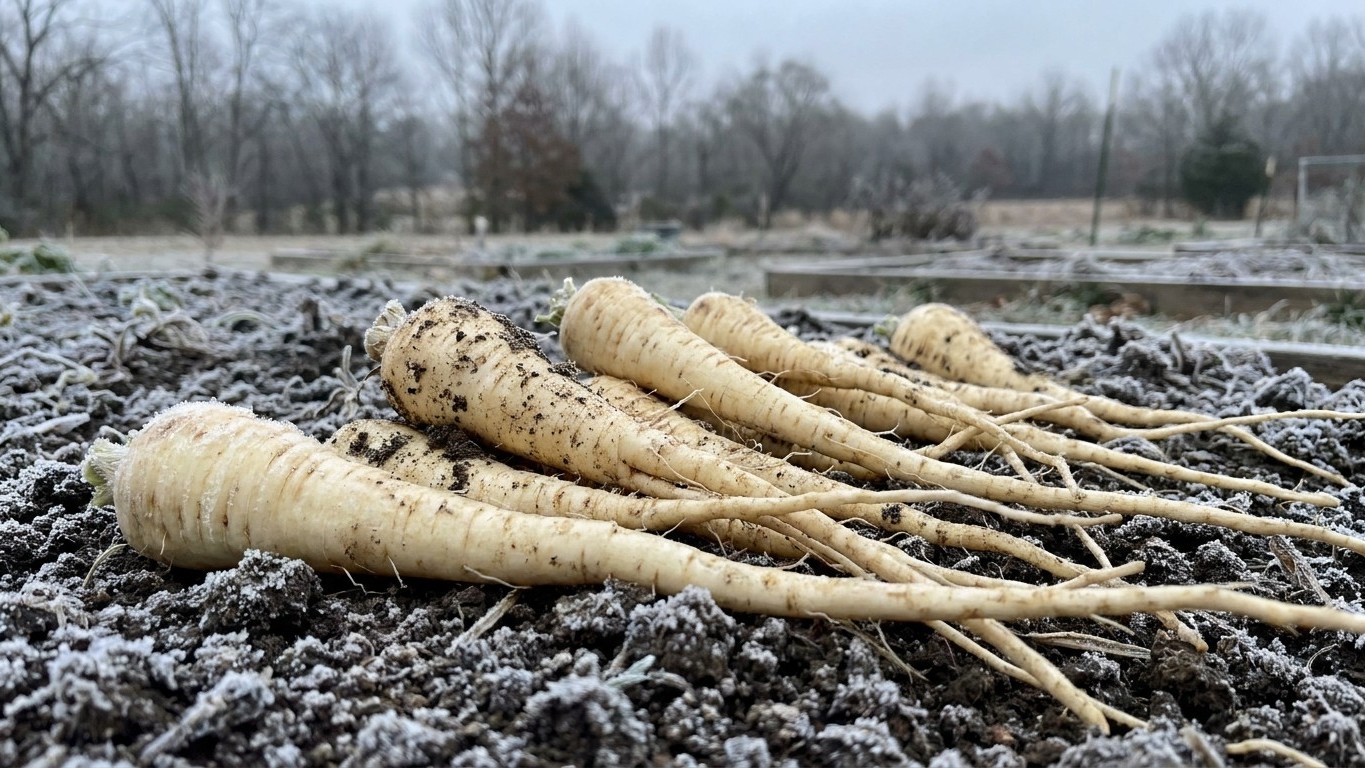
Yes, New Hampshire’s winters bring enough sustained cold to sweeten parsnips left in the ground.
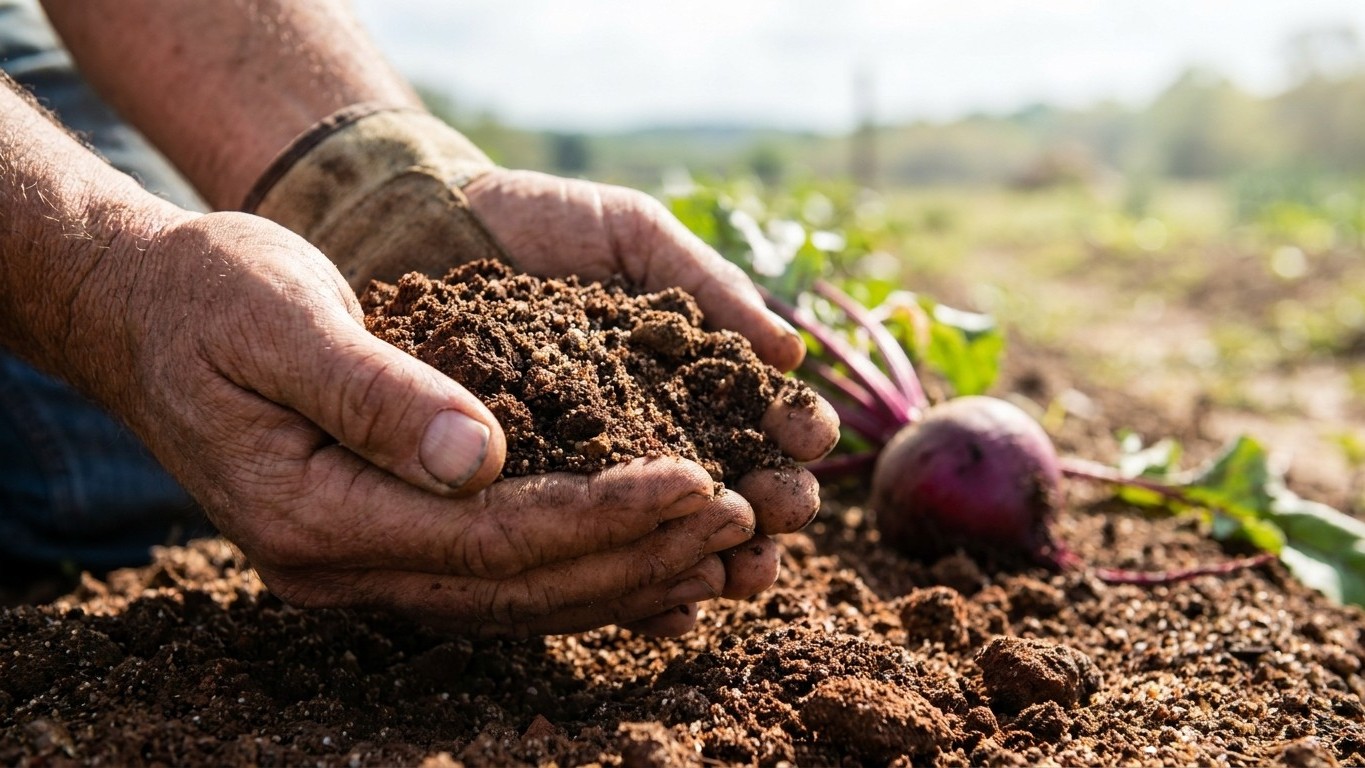
Minnesota’s representative soil, the Lester series, is a well-drained loam that leans slightly sandy and sits at a near-neutral pH, so a beet root can…
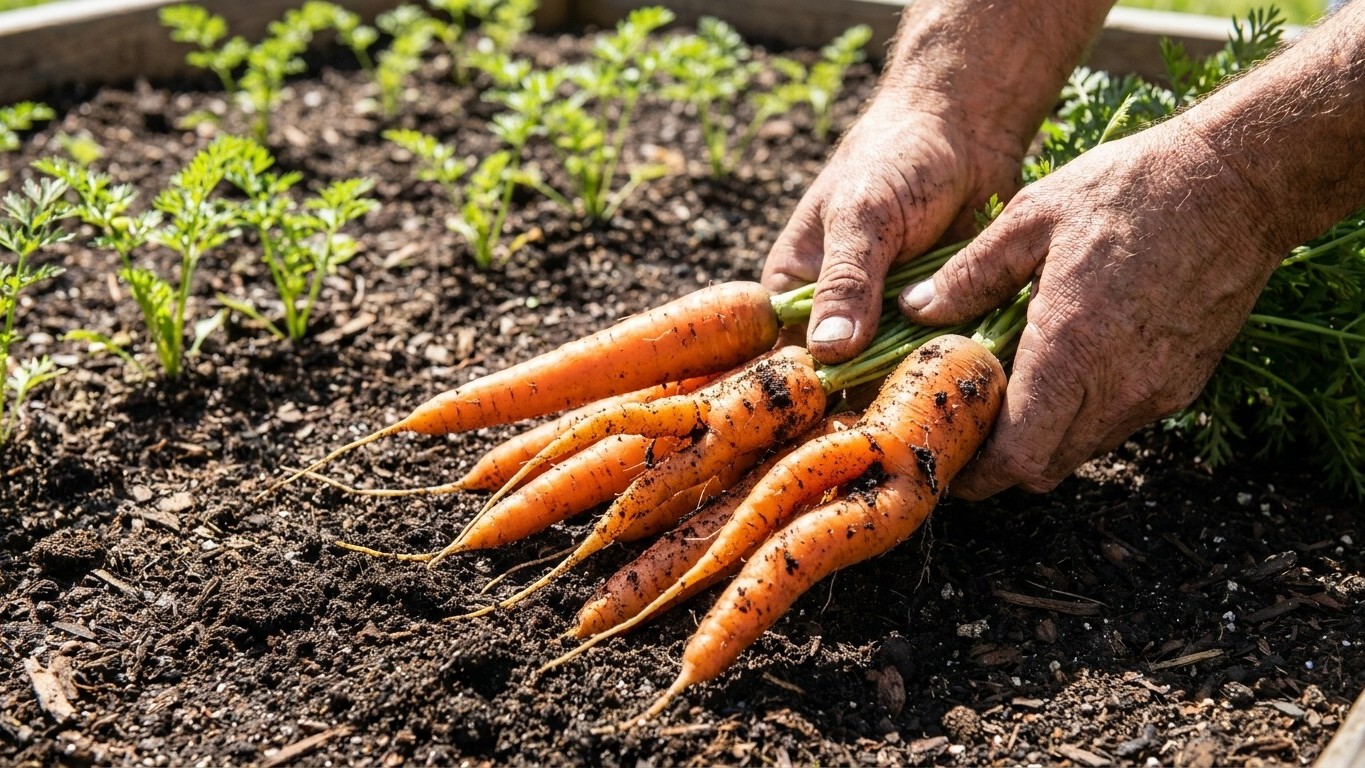
Carrots go into the ground as seed, never as transplants, about two to three weeks before your last spring frost date because the seed germinates fine in…
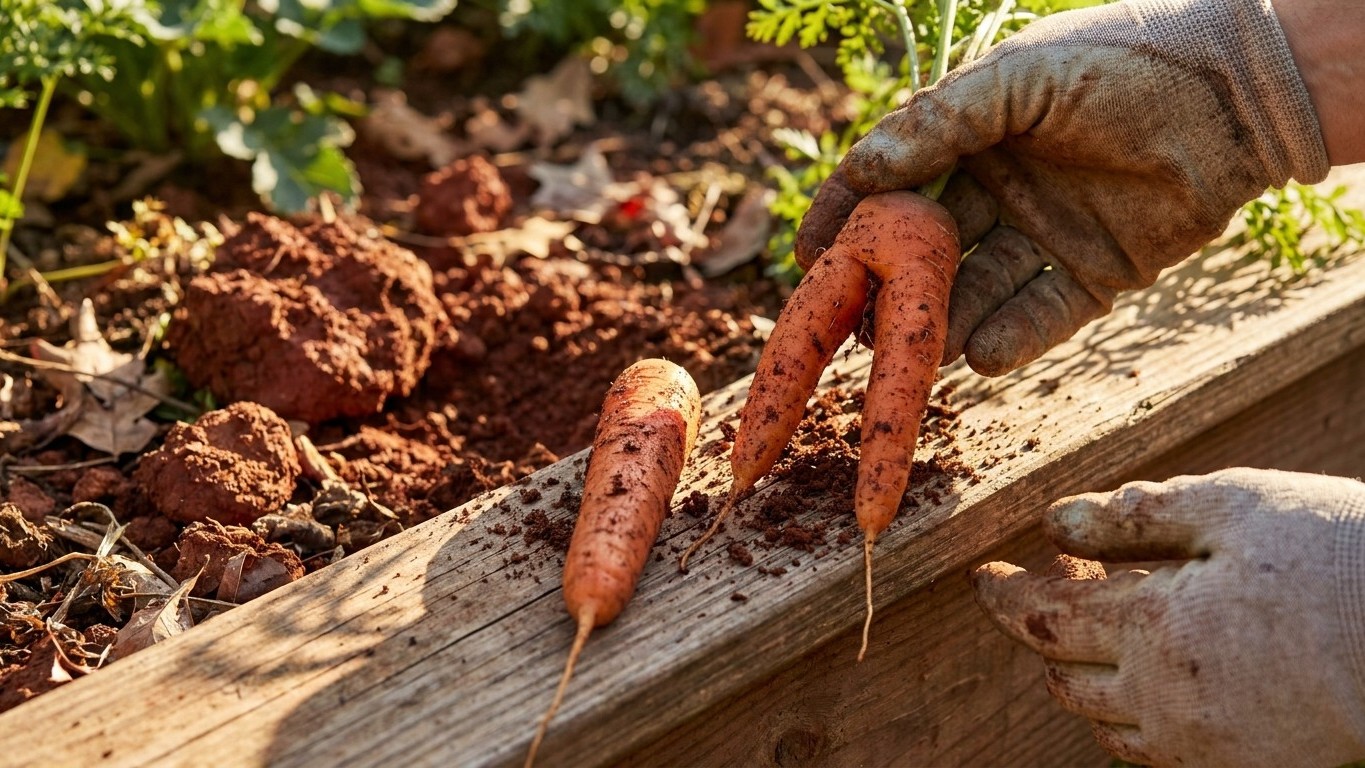
Michigan’s official state soil, the Kalkaska series, is sandy and loose enough that a carrot growing in it would have little reason to fork.
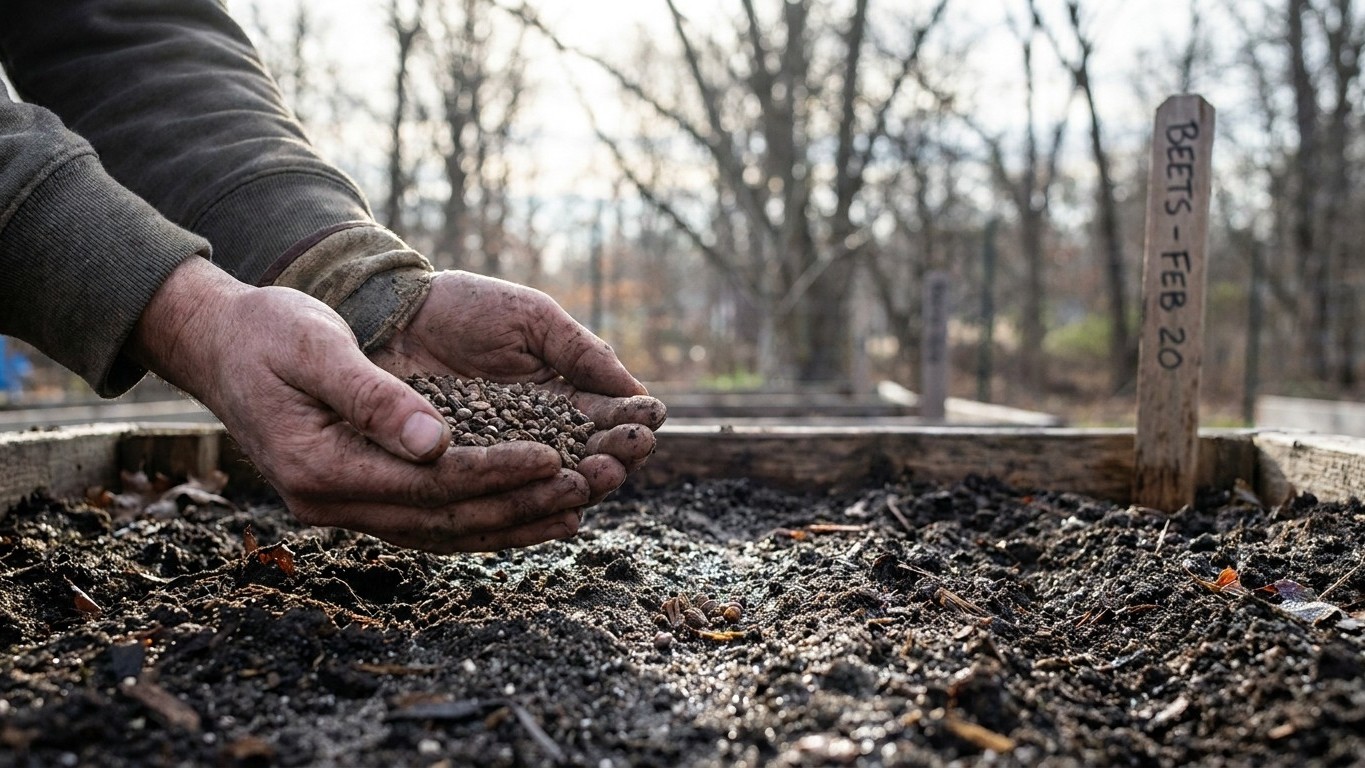
Sow beet seed directly into the ground two to three weeks before your area’s last spring frost date.
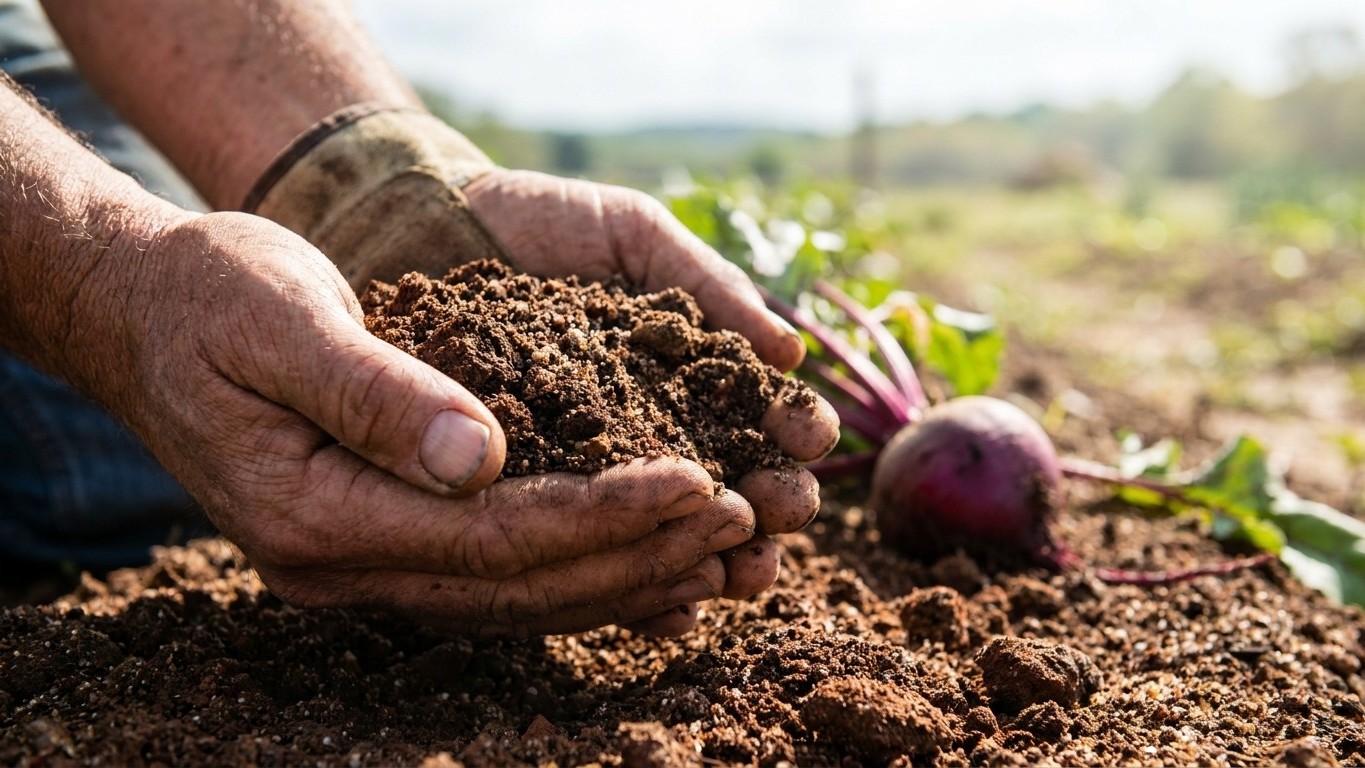
Michigan’s official state soil, the Kalkaska series, is sandy and drains fast, which lines up with what beets look for in a garden bed.
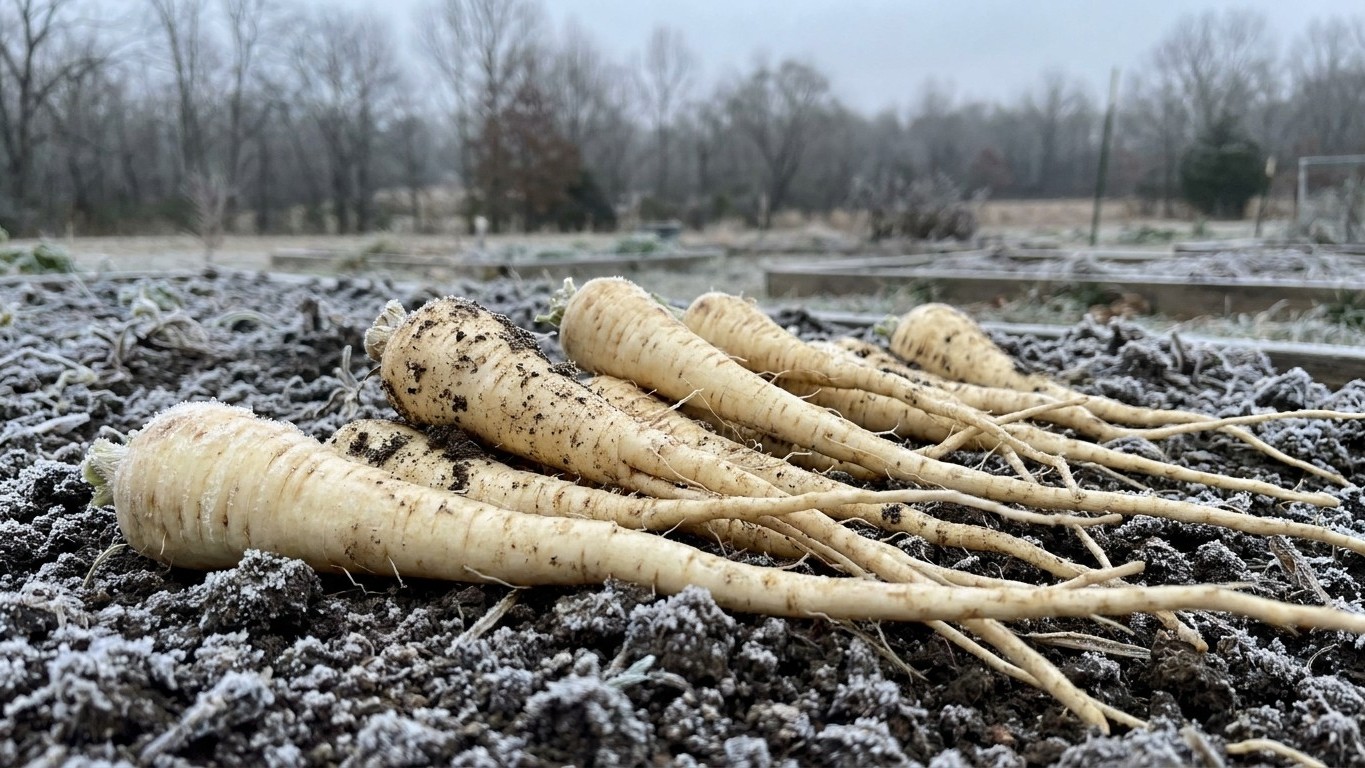
New Brunswick’s winters are cold enough to do the job: parsnips left in the ground here will sweeten, not just grow.
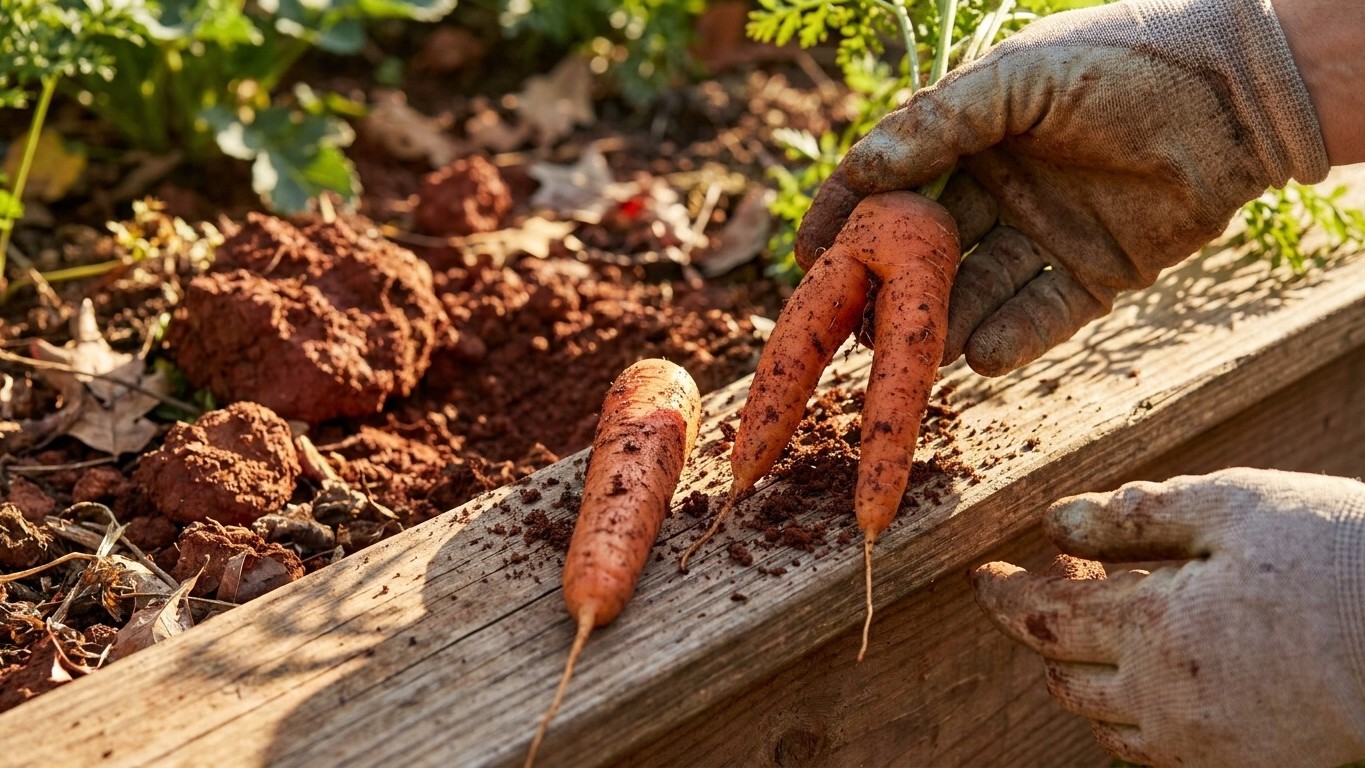
Massachusetts’s official state soil, the Paxton series, is sandy and well drained, exactly the texture Utah State University Extension says carrots need…
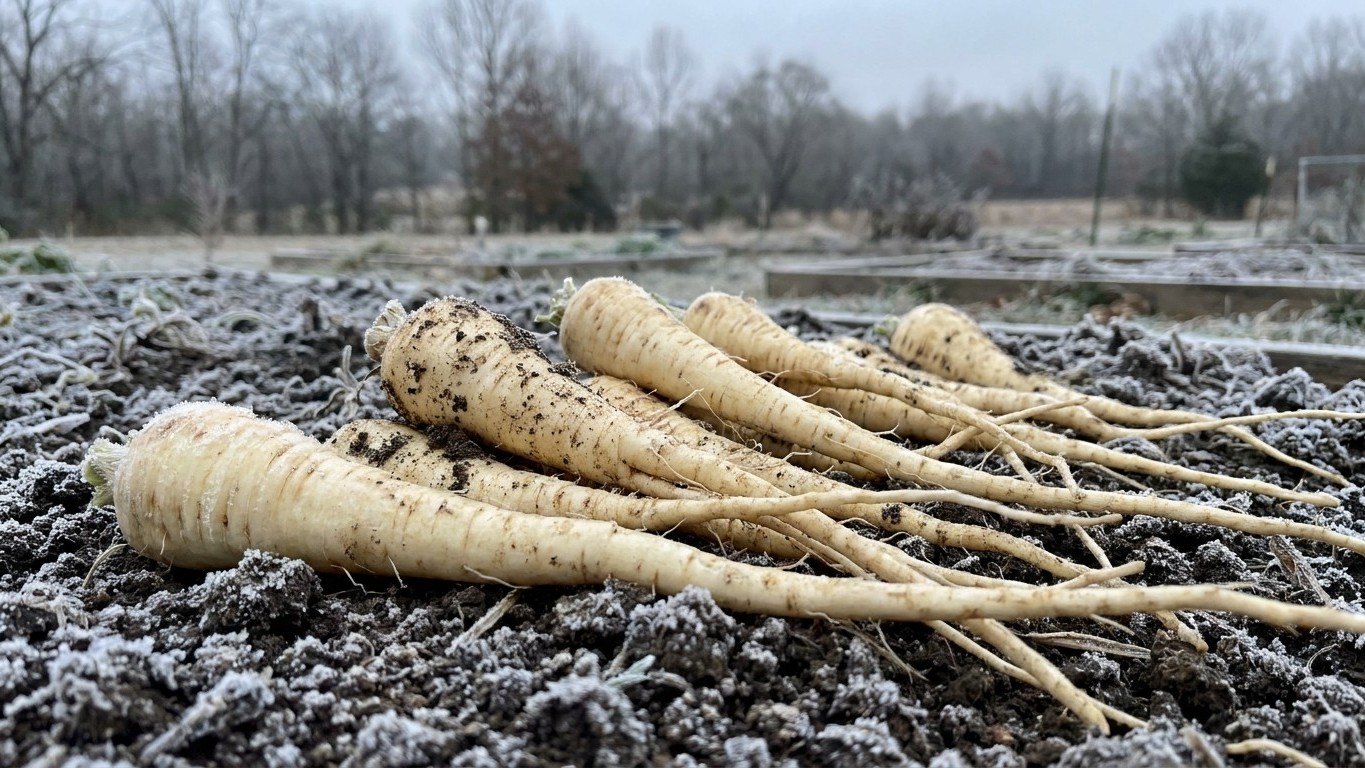
Indiana’s winters run cold enough, and its growing season stretches long enough, that parsnips sown directly in spring will not only reach full size but…