Growing Beets in Wyoming: Soil, Sowing and Bolting
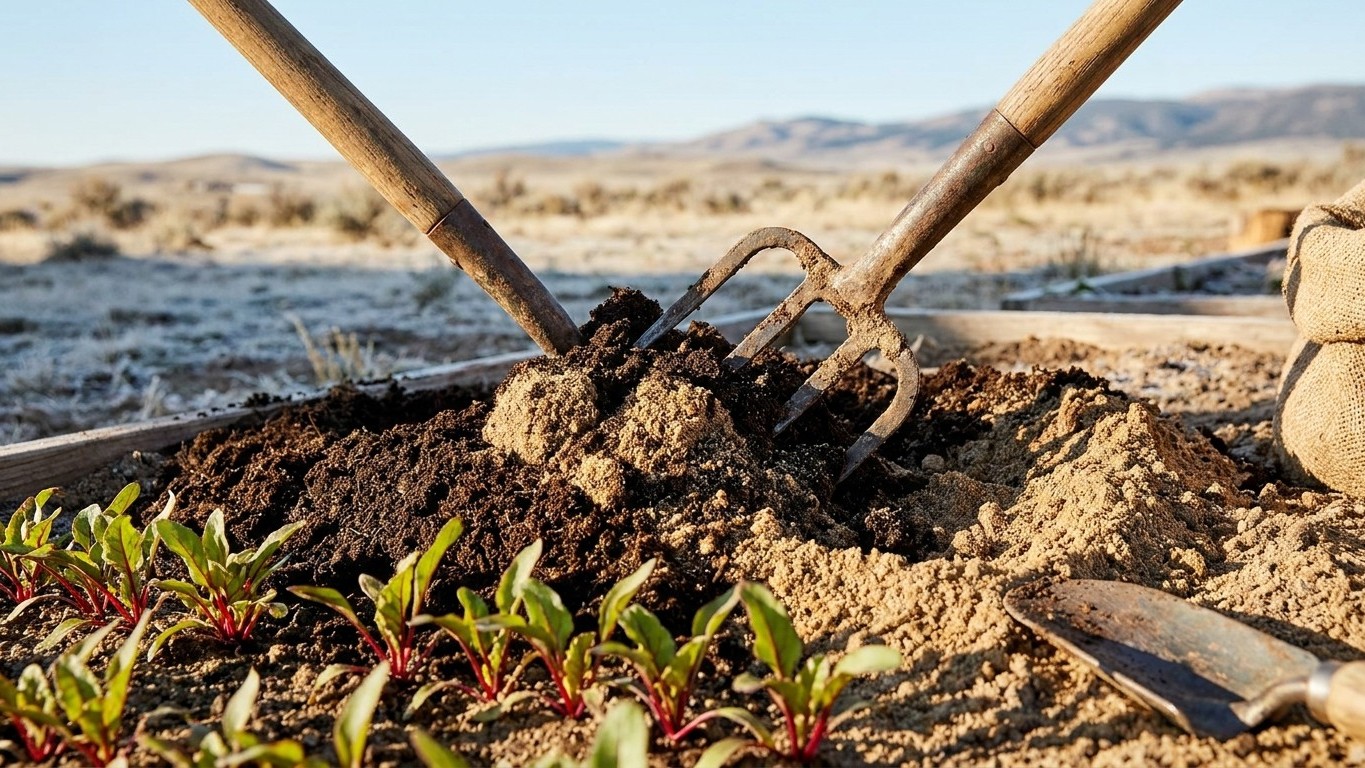
Wyoming’s dry, alkaline ground and a frost-free stretch that barely tops four months make beets a crop of timing more than luck.
Home & garden, state by state
Wyoming’s dry, alkaline ground and a frost-free stretch that barely tops four months make beets a crop of timing more than luck.
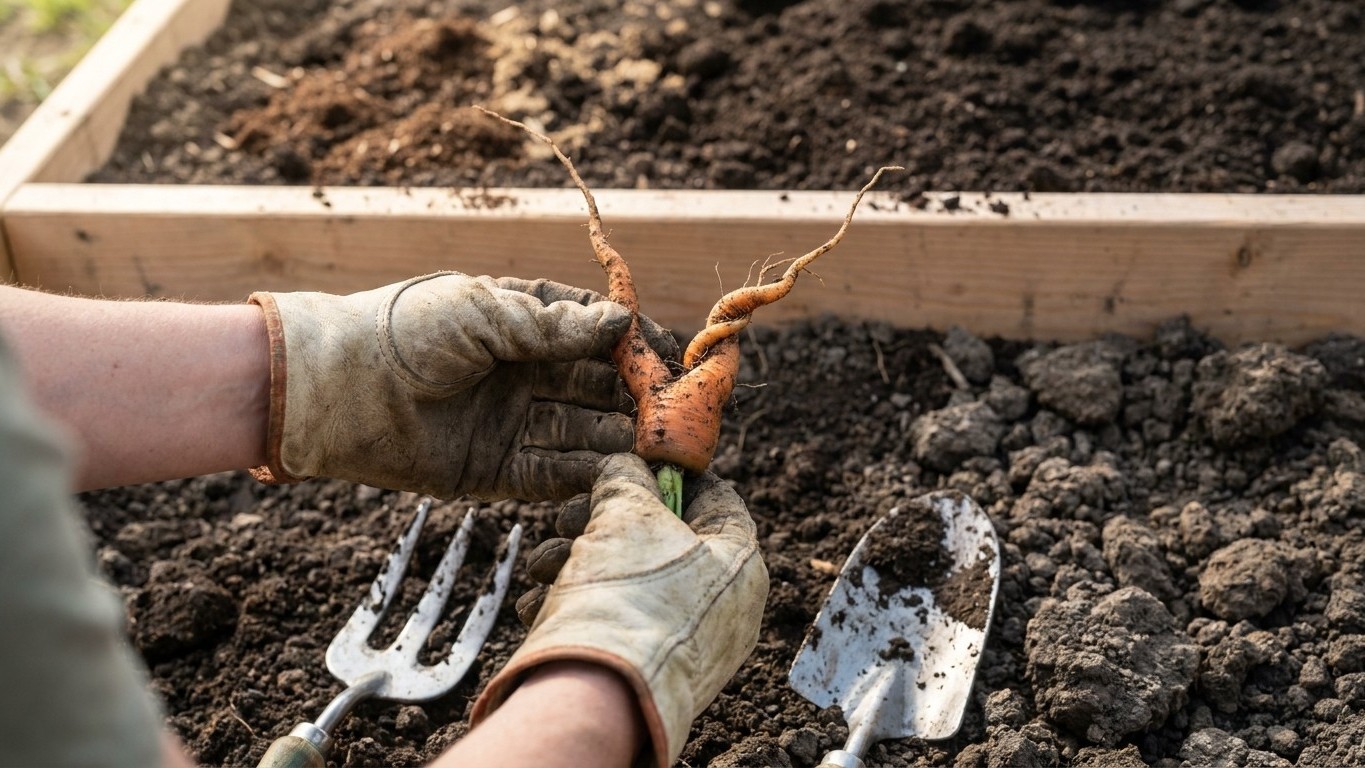
Wisconsin’s state soil, the Antigo series, is a well-drained silt loam that leans toward compaction rather than looseness.
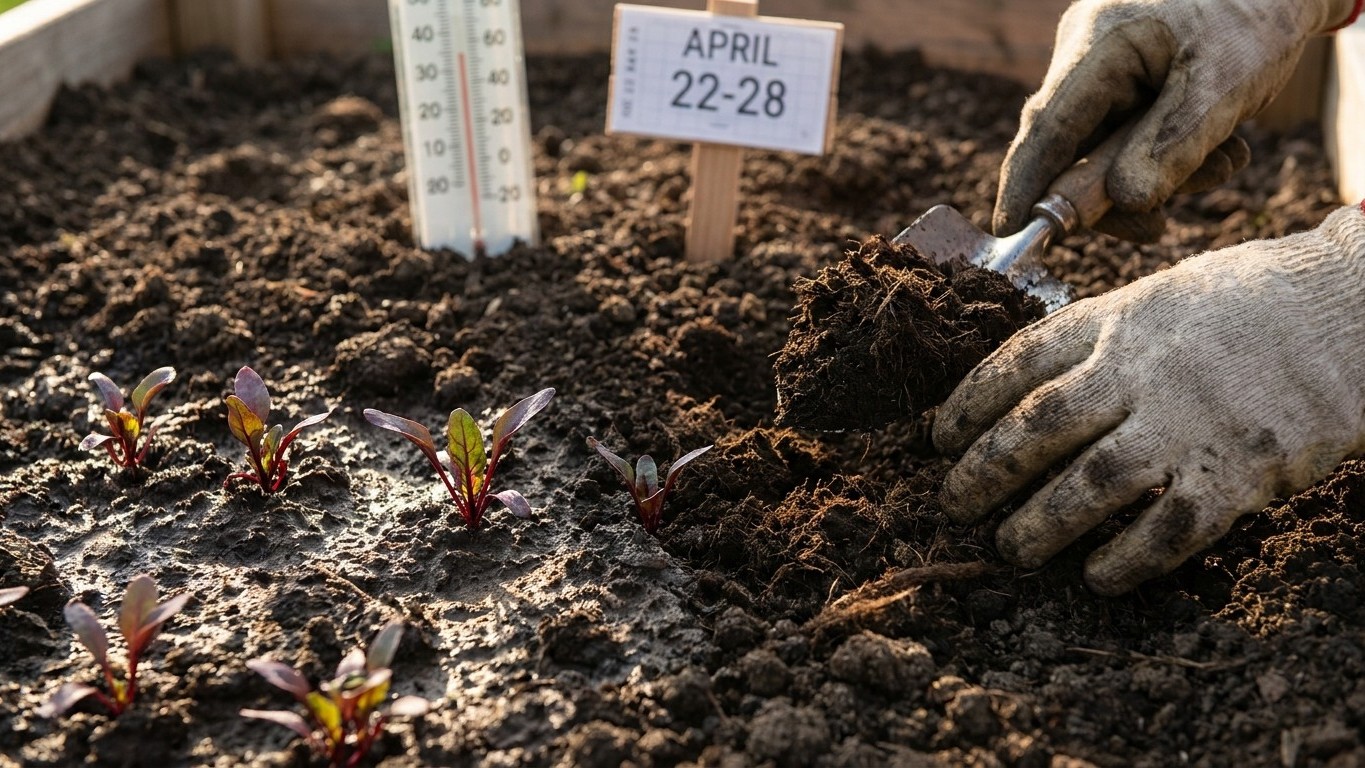
Wisconsin’s state soil holds water like a silt loam should, but it isn’t the sandy, deep-draining ground beets actually prefer.
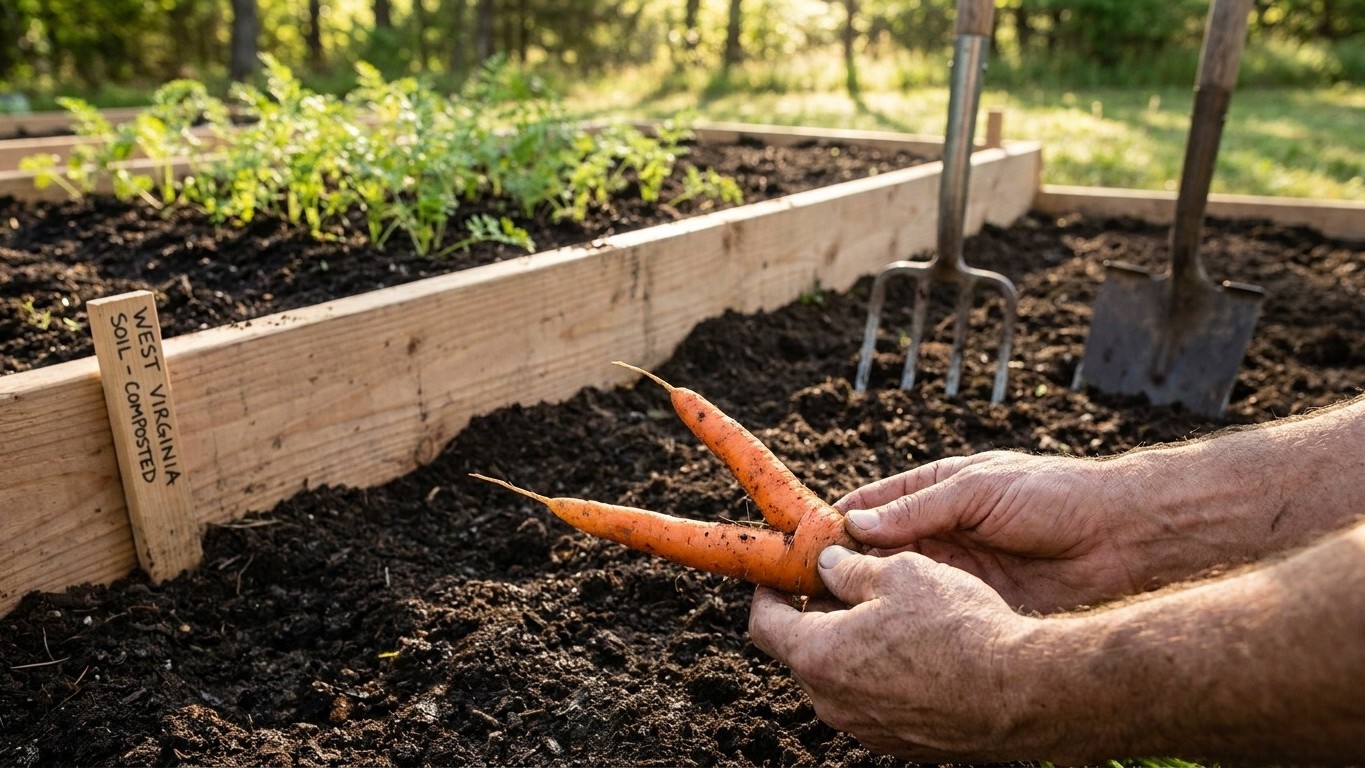
West Virginia’s official state soil is a strongly acid, silt-heavy loam that drains only moderately well, and carrots planted straight into it will often…
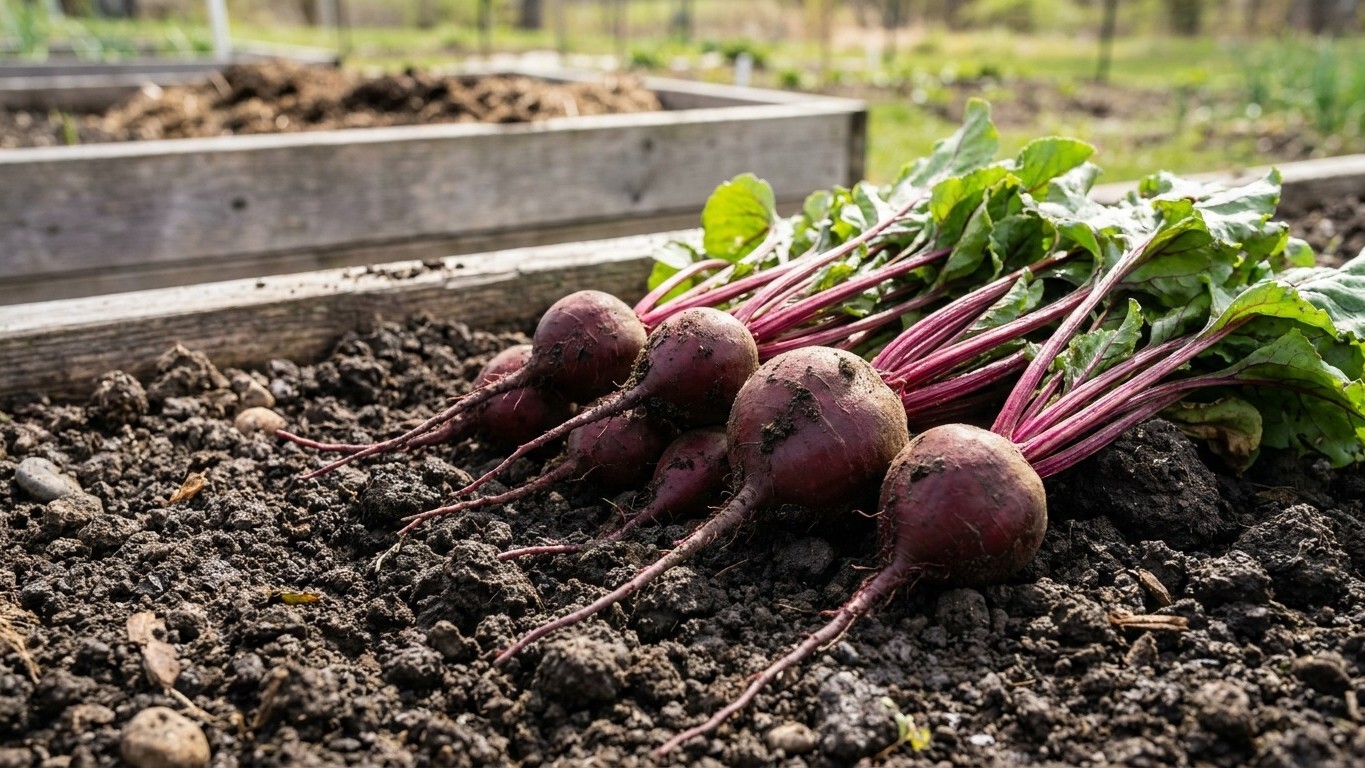
West Virginia’s state soil, the Monongahela series, is a strongly acid silt loam that drains only moderately well, and beets want the opposite: deep…
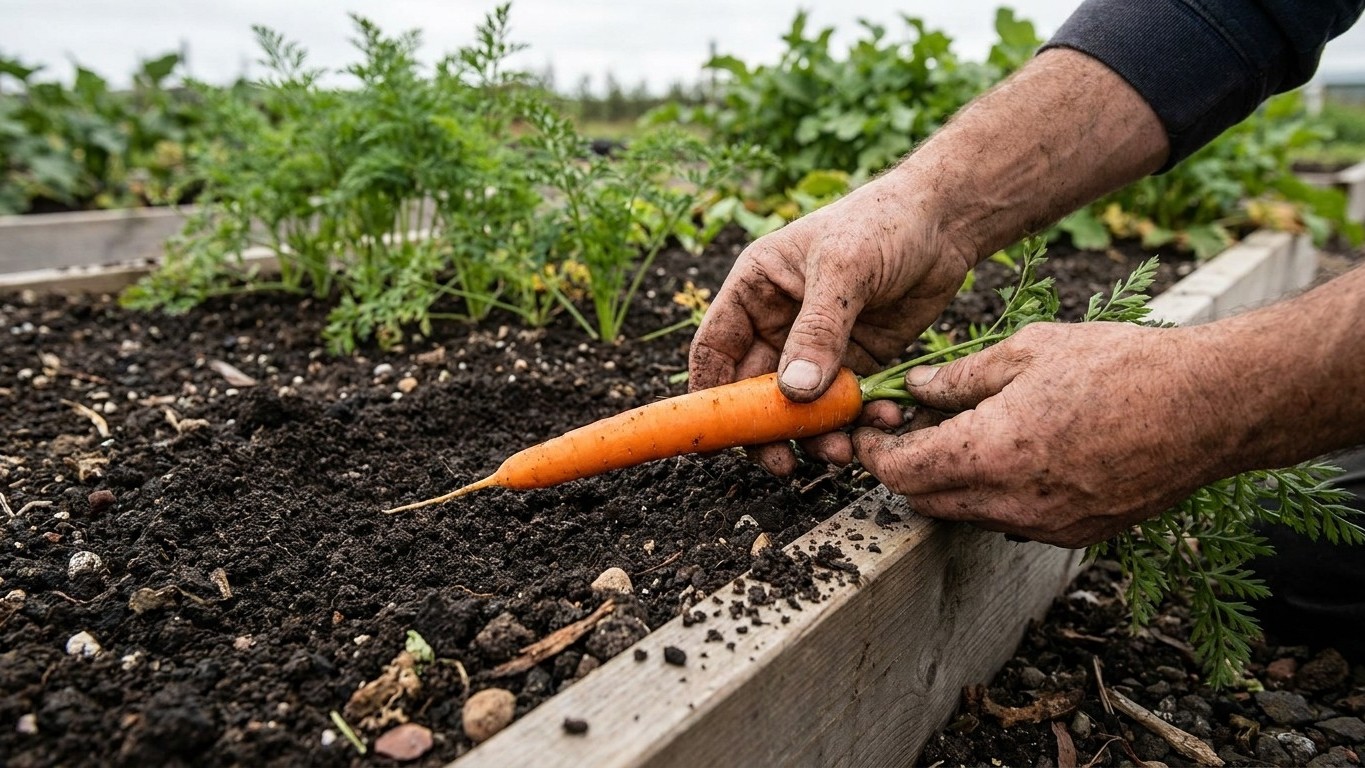
Washington’s representative soil, the Tokul series, is a volcanic-ash Andisol that’s light, porous, and strongly acid.
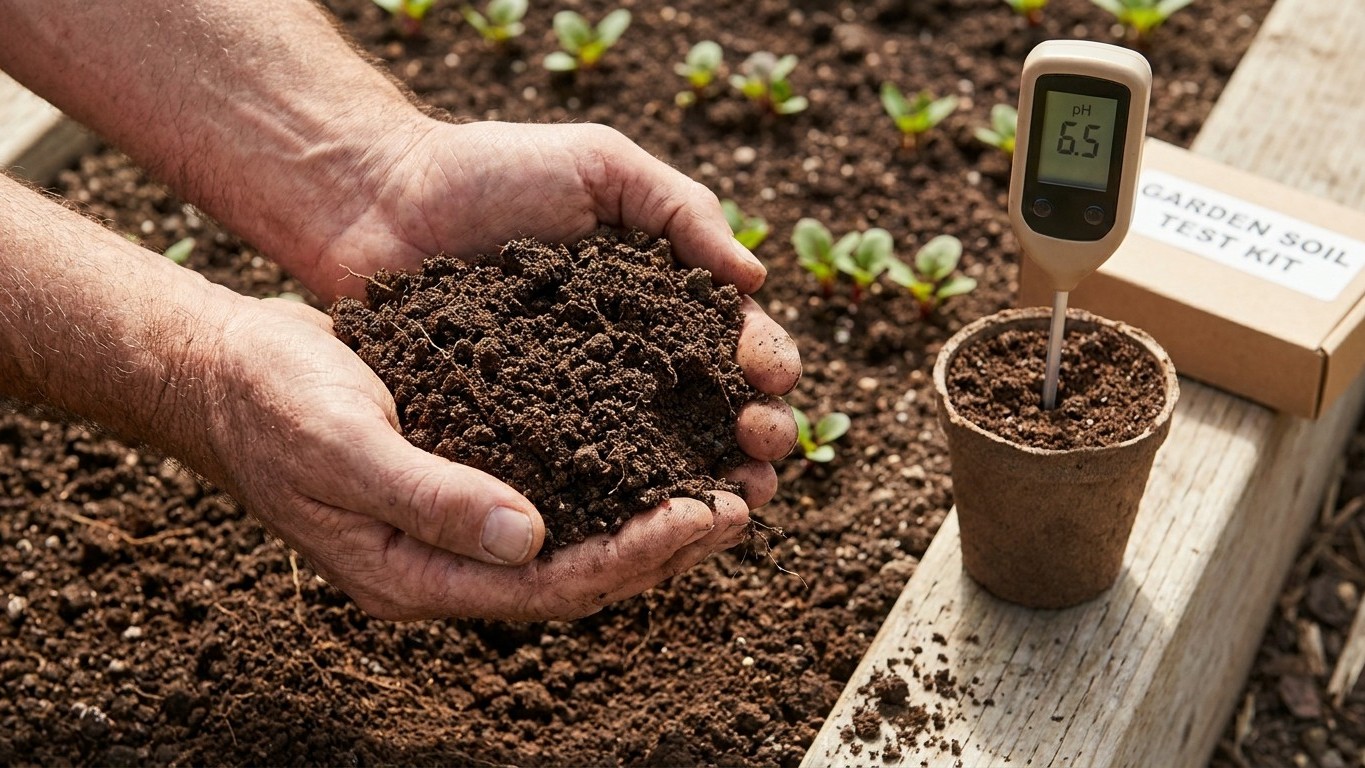
Washington’s official state soil, the Tokul series, is a volcanic-ash Andisol: light, porous, and unusually good at holding both water and phosphorus…
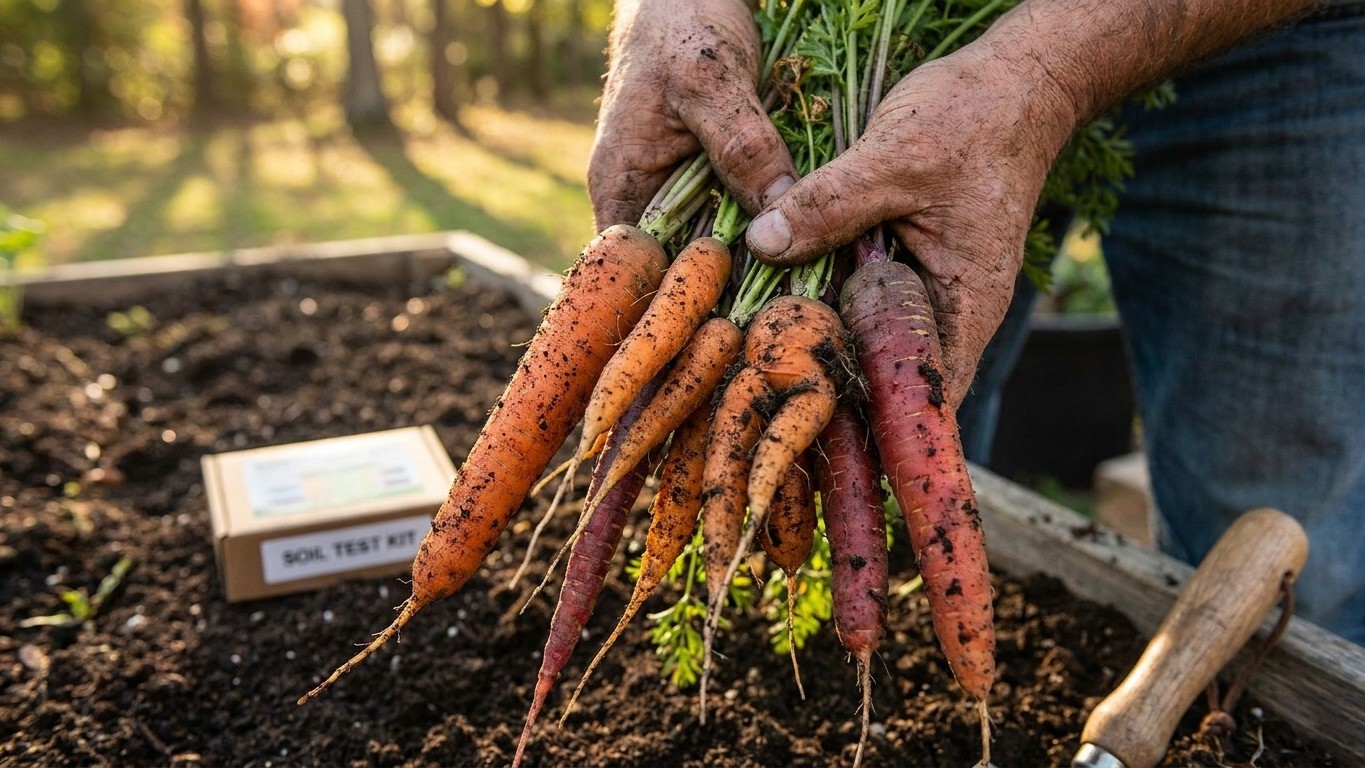
Virginia’s benchmark soil, the Pamunkey series, runs 50 percent sand and only 11 percent clay, well drained and slightly acid.
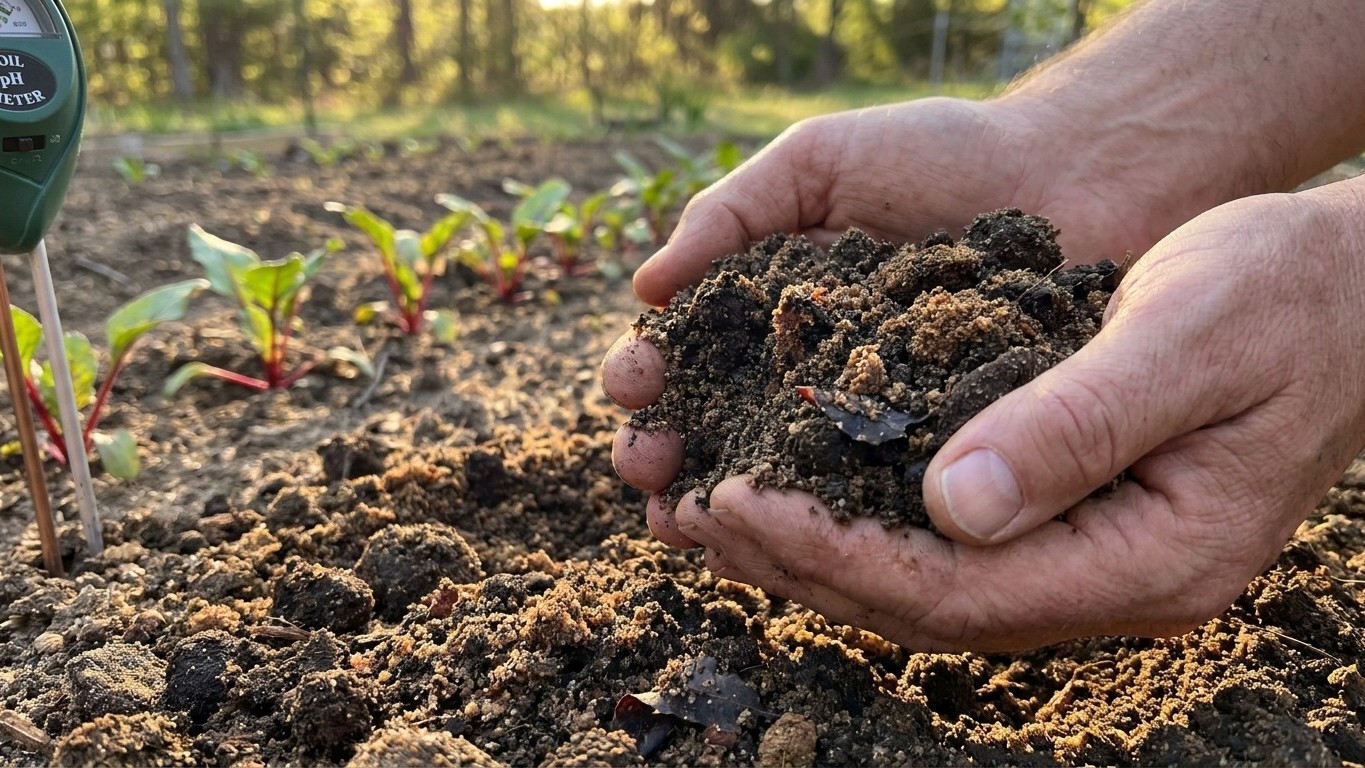
Virginia’s representative topsoil, the Pamunkey series, is a well-drained loam to silt loam running 50 percent sand, 39 percent silt and only 11 percent…
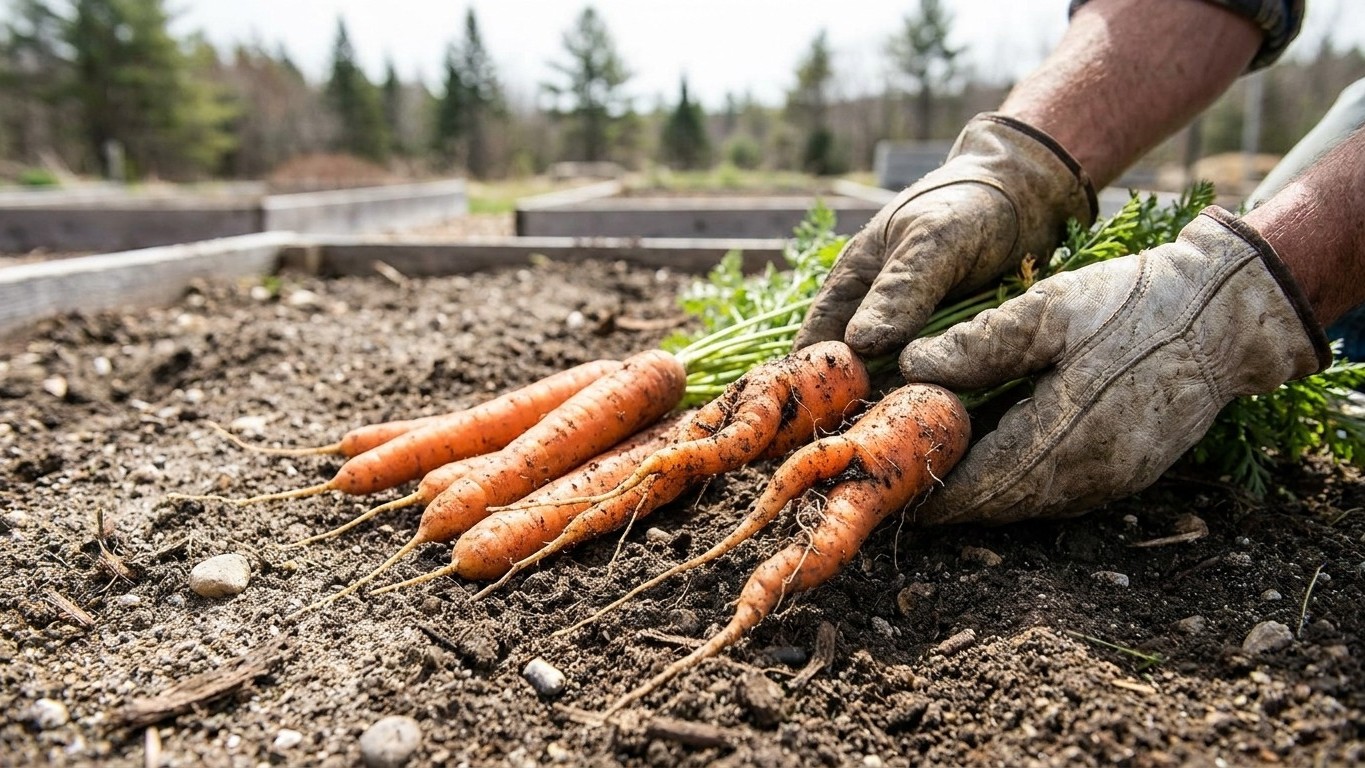
Vermont’s benchmark soil, the Tunbridge series, is sandy and well drained, which is exactly the texture carrots want.