Growing Carrots in South Carolina: Soil, Sowing and Forked Roots
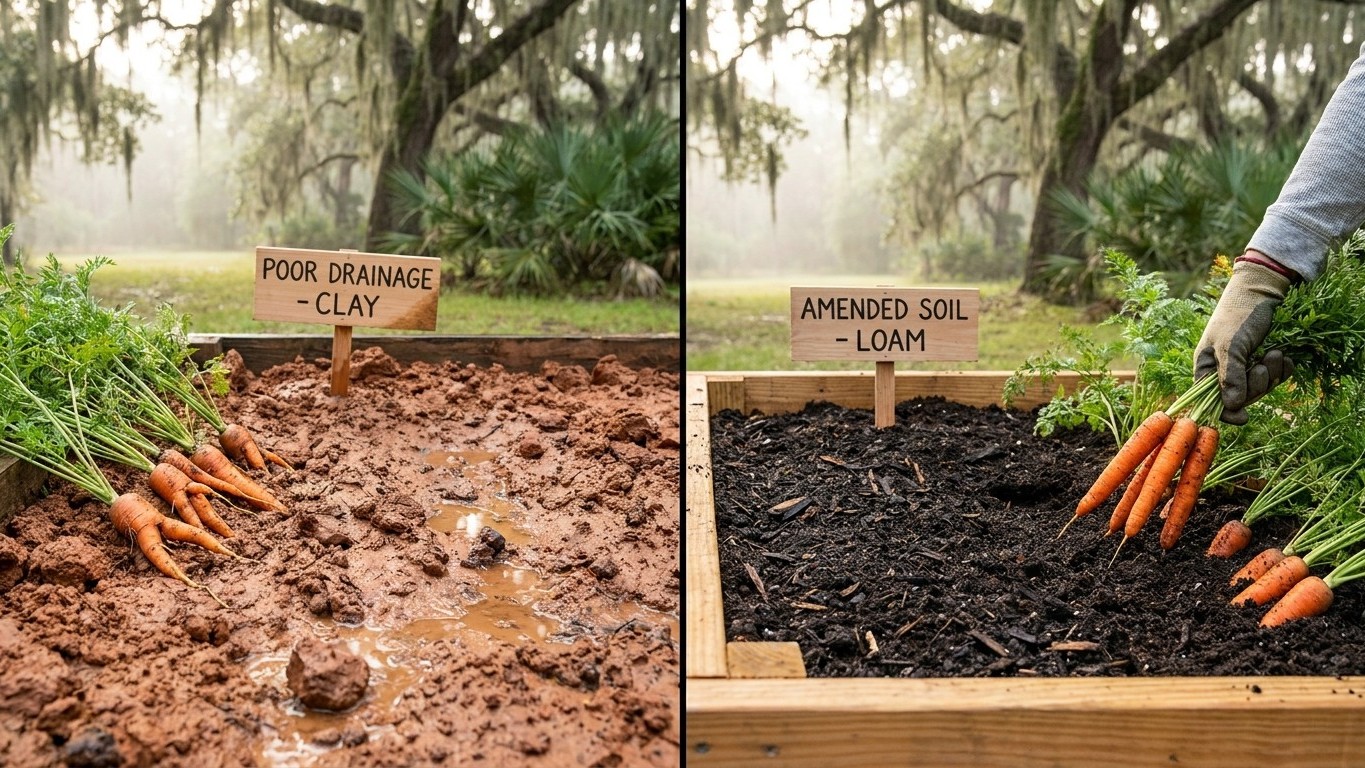
South Carolina’s official state soil, the Bohicket series, runs 35 percent clay and only 17 percent sand, sitting in the very poorly drained class.
Home & garden, state by state
South Carolina’s official state soil, the Bohicket series, runs 35 percent clay and only 17 percent sand, sitting in the very poorly drained class.
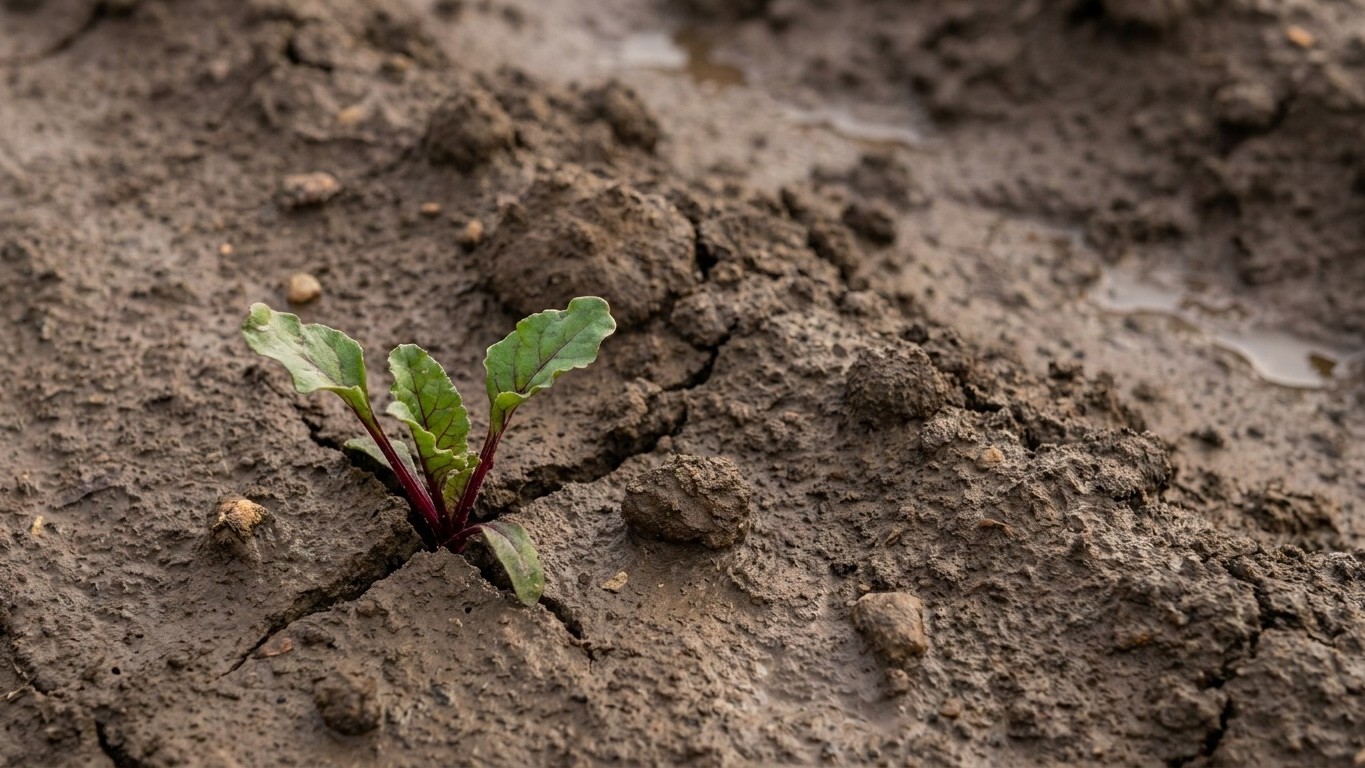
South Carolina’s answer starts with clay, not luck. The soil USDA lists to represent the state, the Bohicket series, holds water instead of shedding it…
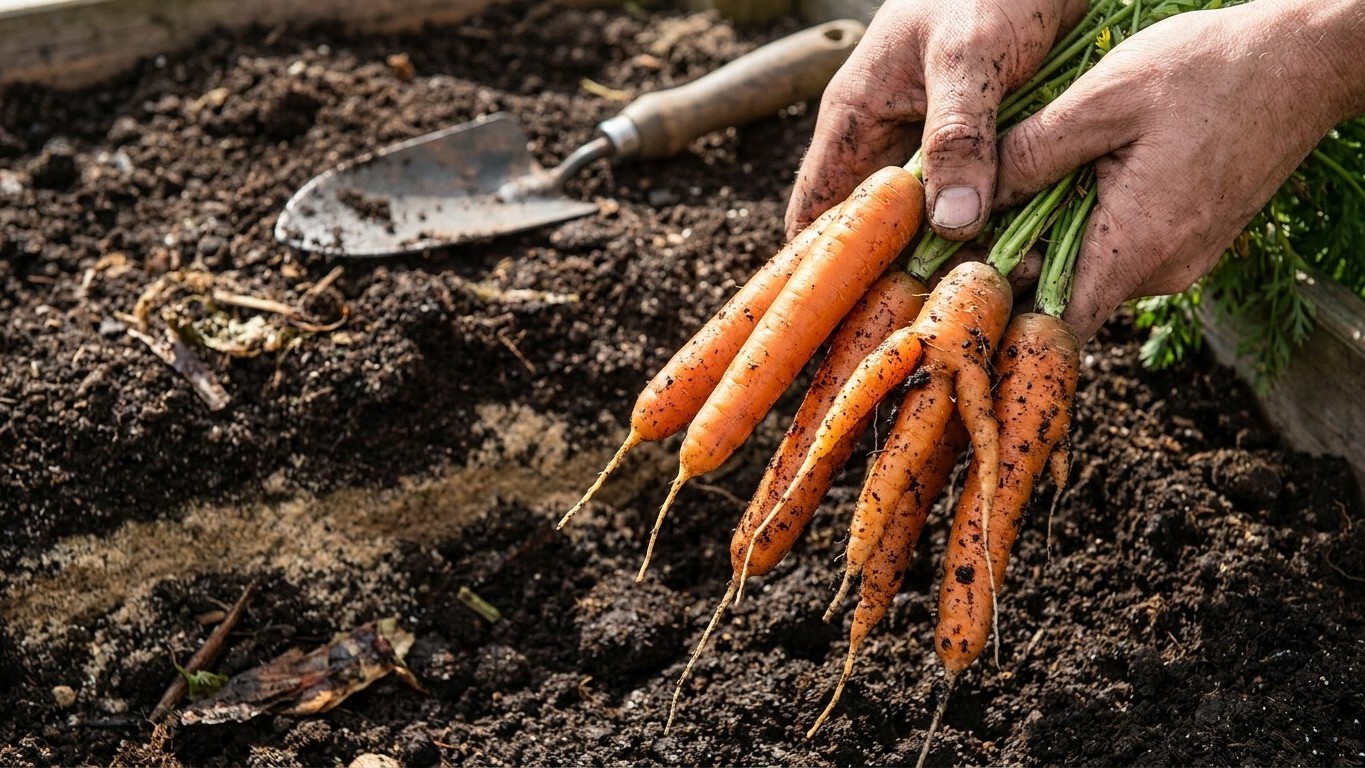
Saskatchewan’s farmland skews toward loamy, well-drained ground that carrots generally like, but that’s a provincial average, not your backyard.
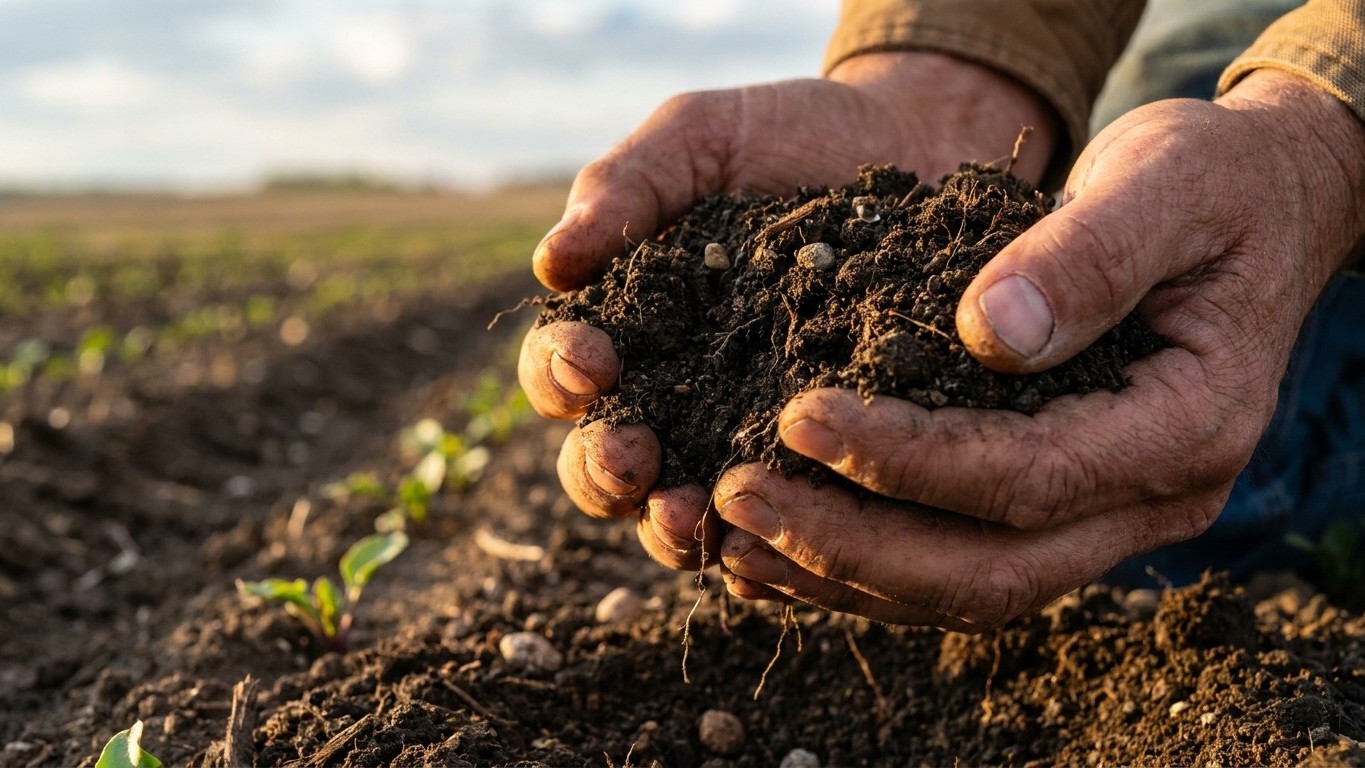
Saskatchewan’s dominant farmland soil, a Chernozem, already leans toward what a beet wants: loose, dark, rich in organic matter. The catch isn’t the dirt.
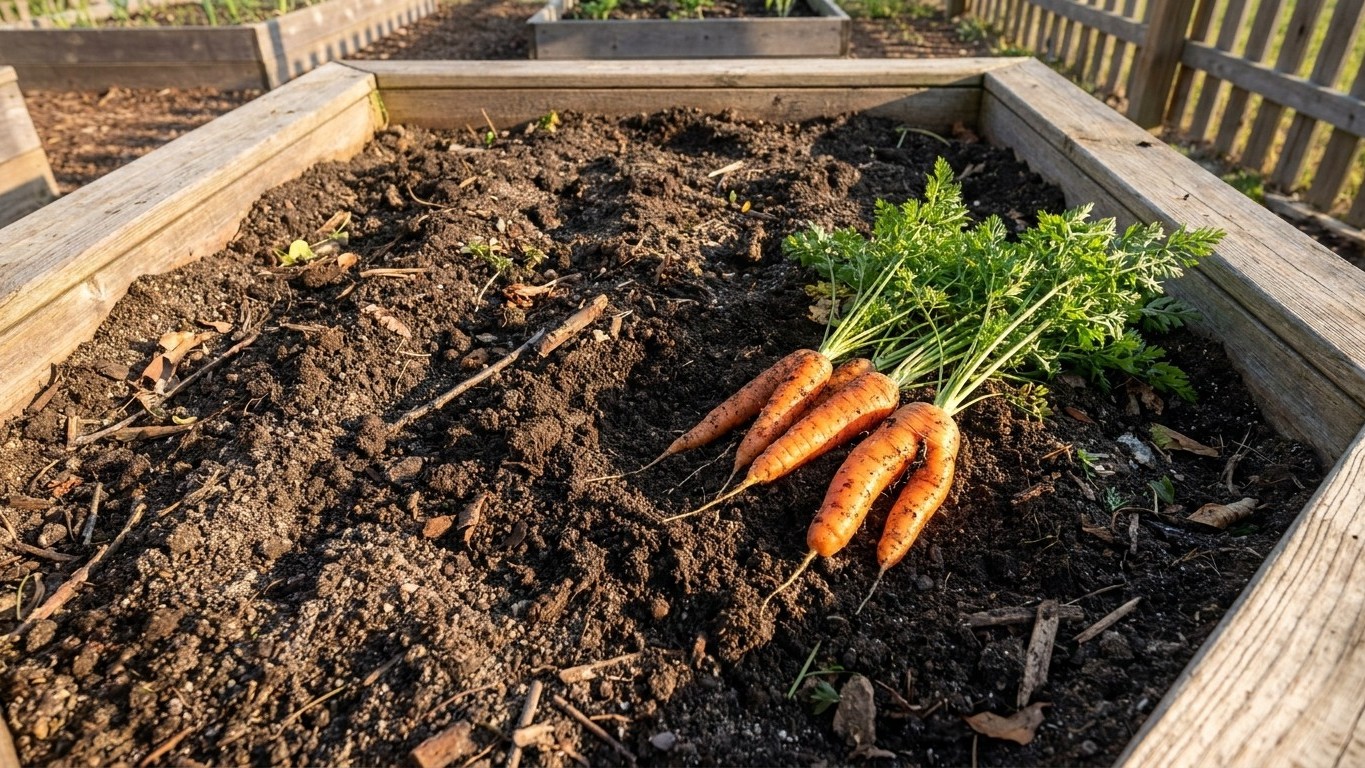
Rhode Island’s representative topsoil, the Narragansett series, is a well-drained silt loam: 34 percent sand, 60 percent silt, only 6 percent clay, with…
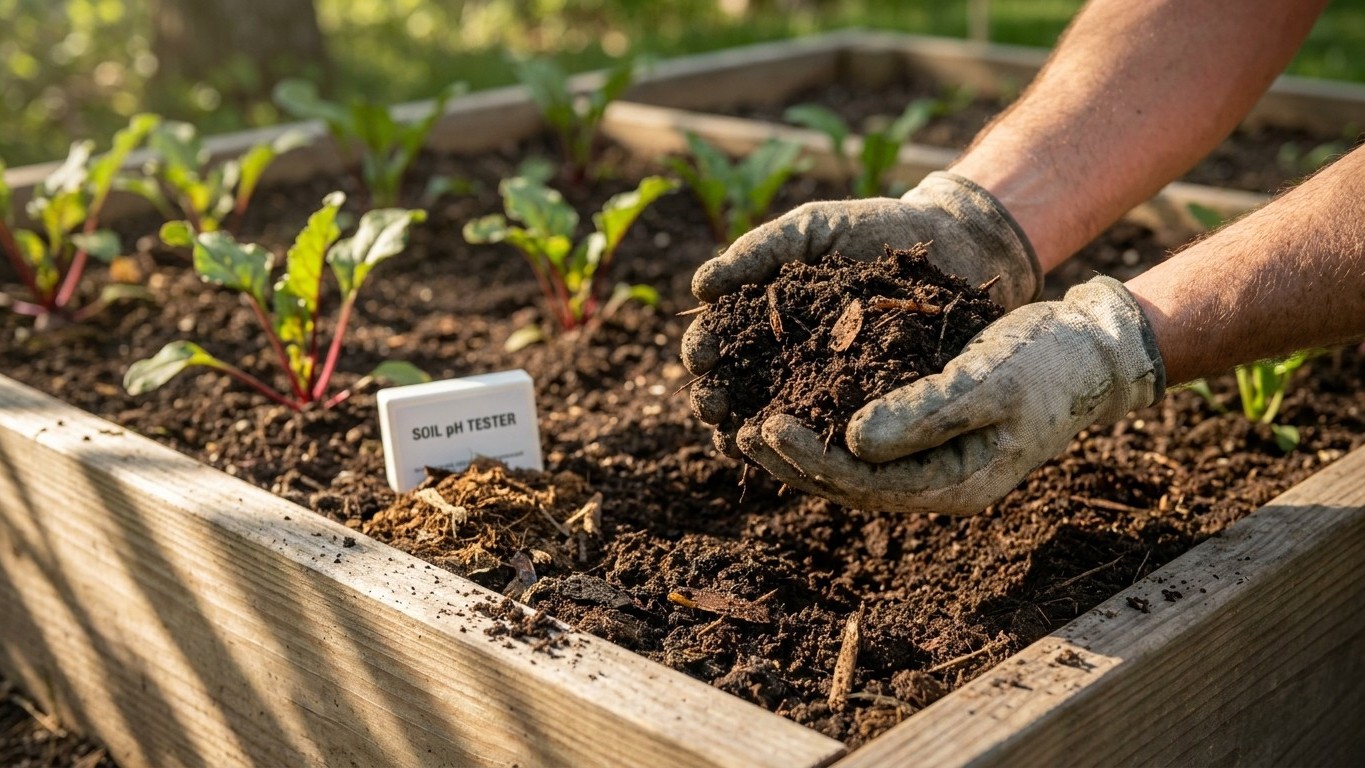
Rhode Island’s beets do best in loose, acidic ground that drains fast enough to avoid rot but holds moisture long enough to carry a seedling through its…
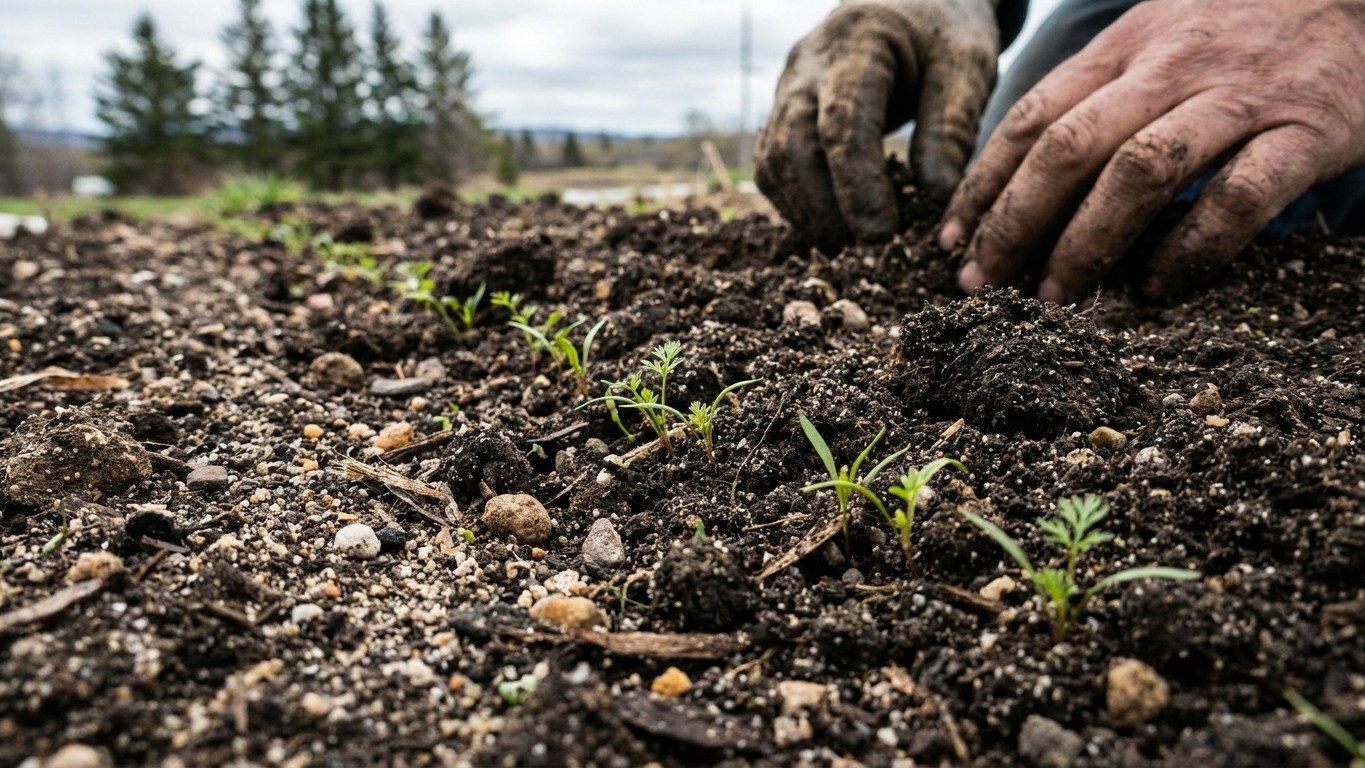
Quebec’s farmland leans acid and loamy, a mix that mostly drains well but carries enough clay to bend a carrot root in the wrong spot.
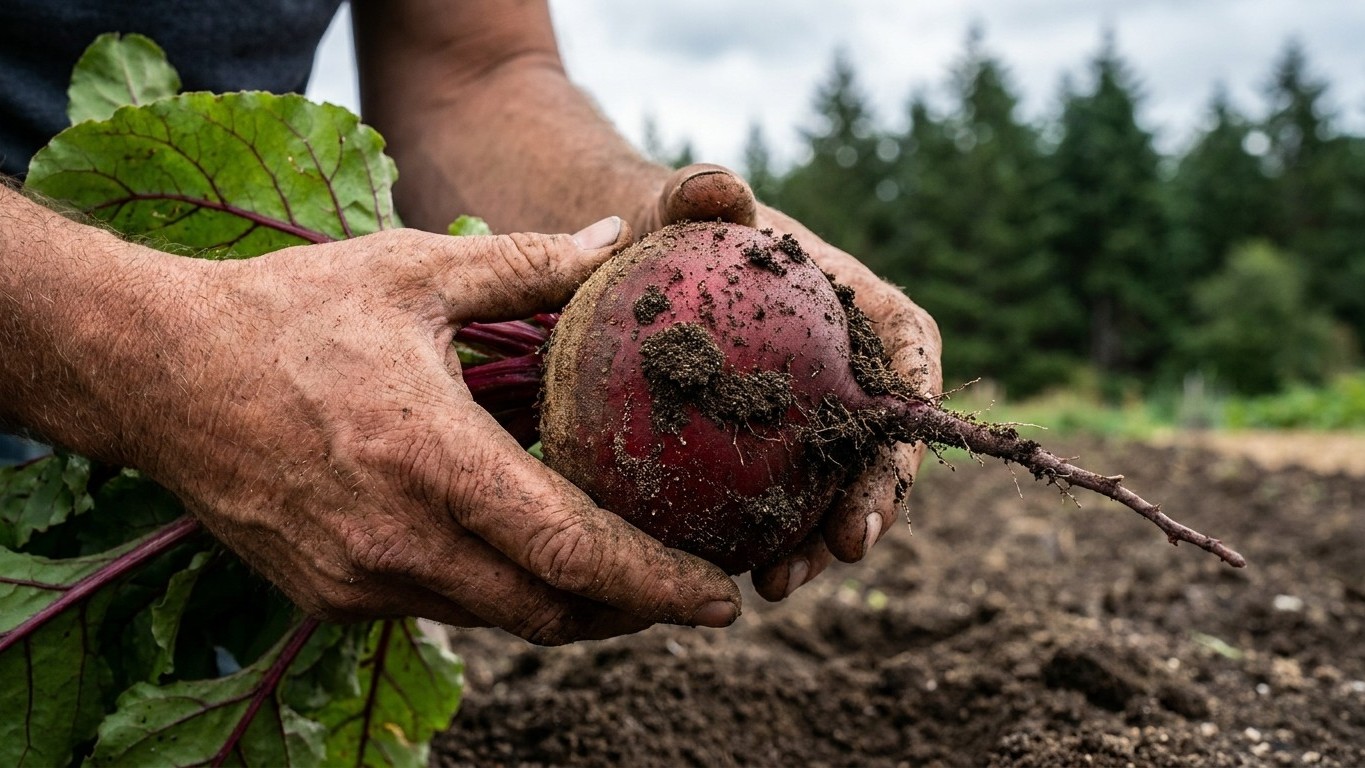
Quebec’s dominant soil, sandy and well drained but running acid under generations of conifer litter, gives beets a decent start on texture but a pH worth…
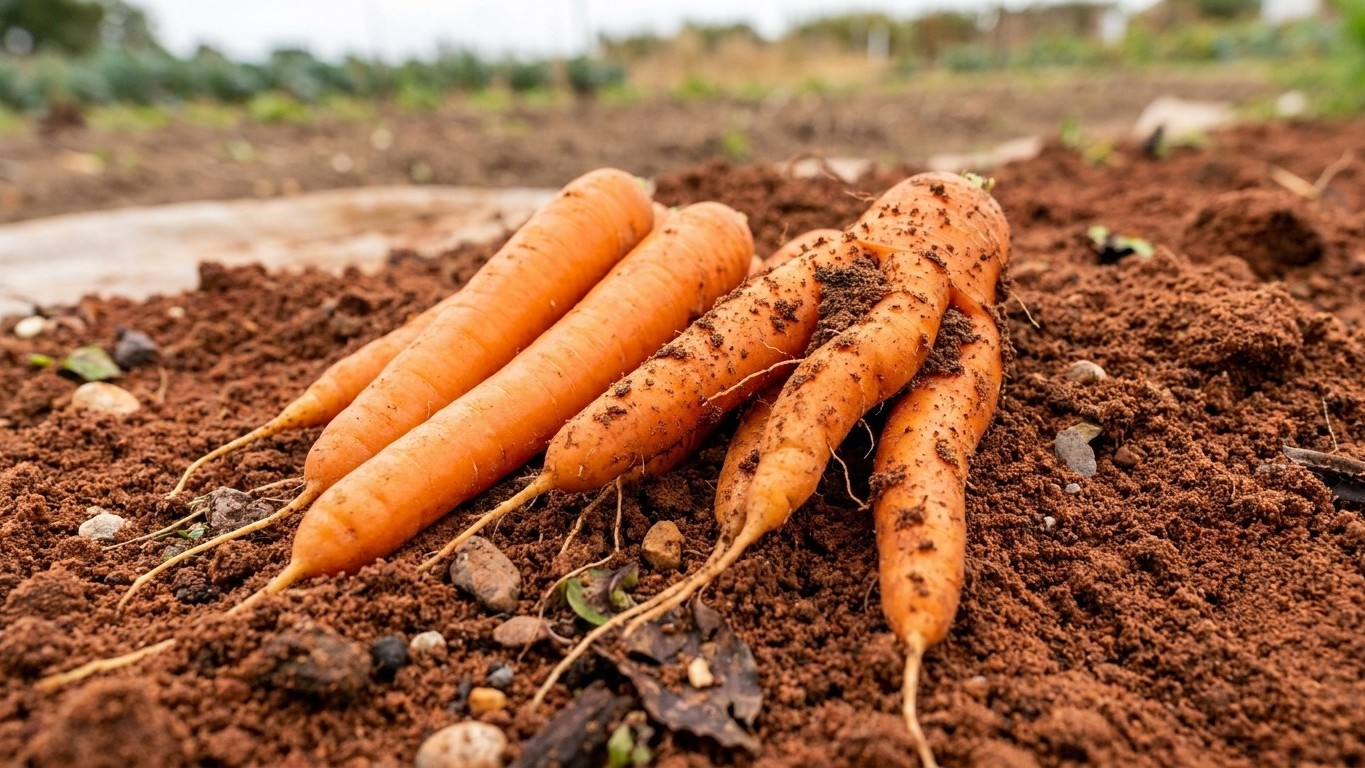
Prince Edward Island’s red soil has a reputation for being sandy, and the numbers back it up: 66 percent sand across the province’s mapped agricultural…
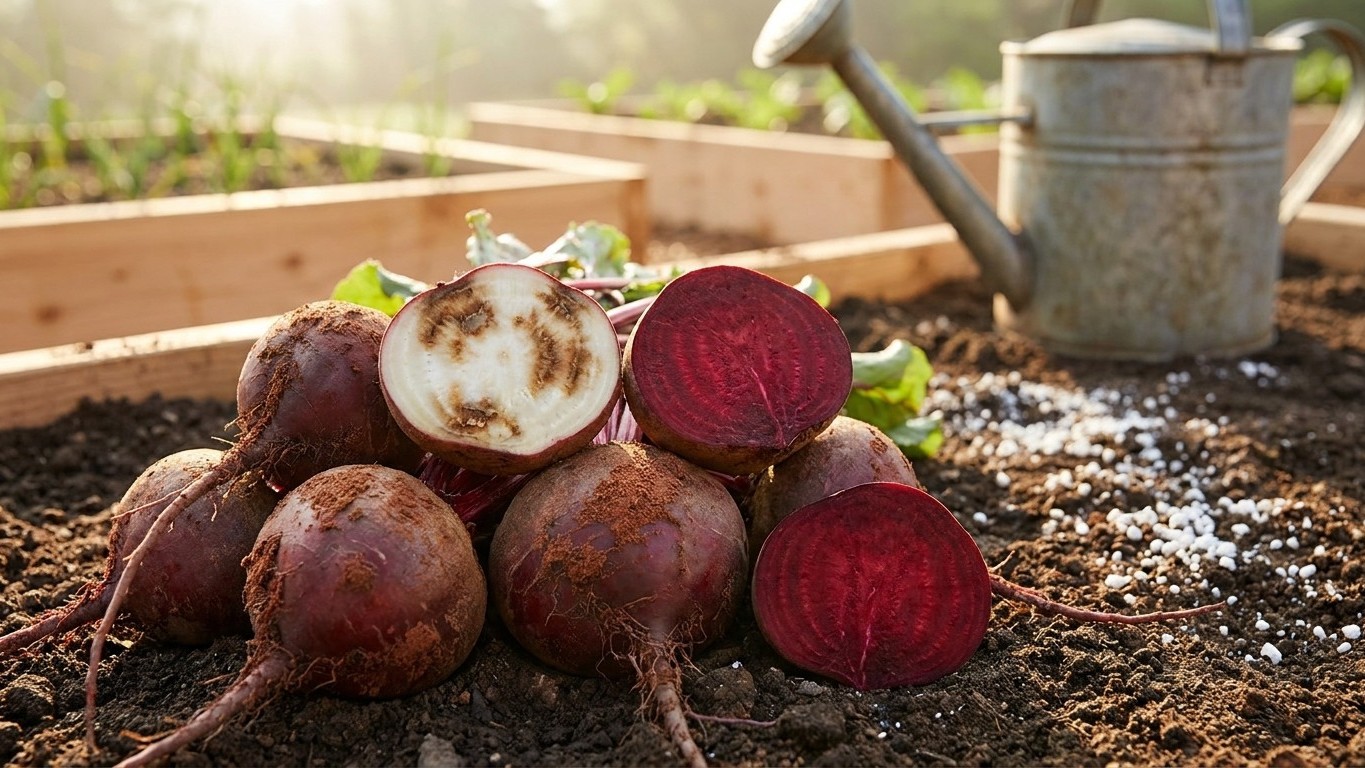
Prince Edward Island’s farmland leans acidic, sandy, and only fair at draining, which pushes beet growing toward raised beds, lime, and steady watering…