Growing Carrots in Minnesota: Soil, Sowing and Forked Roots
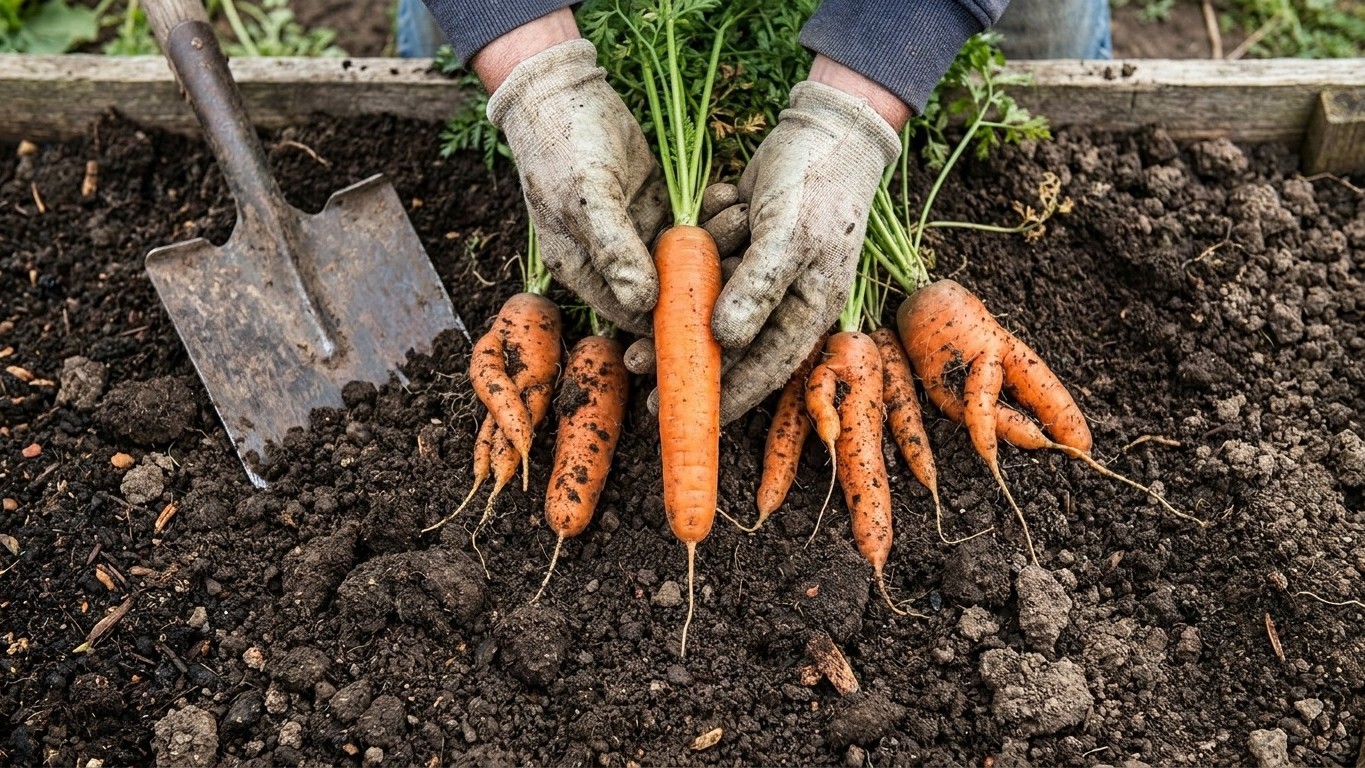
Minnesota’s benchmark soil, the Lester series, runs 39 percent sand, 24 percent clay and 37 percent silt with a near-neutral pH near 6.6.
Home & garden, state by state
Minnesota’s benchmark soil, the Lester series, runs 39 percent sand, 24 percent clay and 37 percent silt with a near-neutral pH near 6.6.
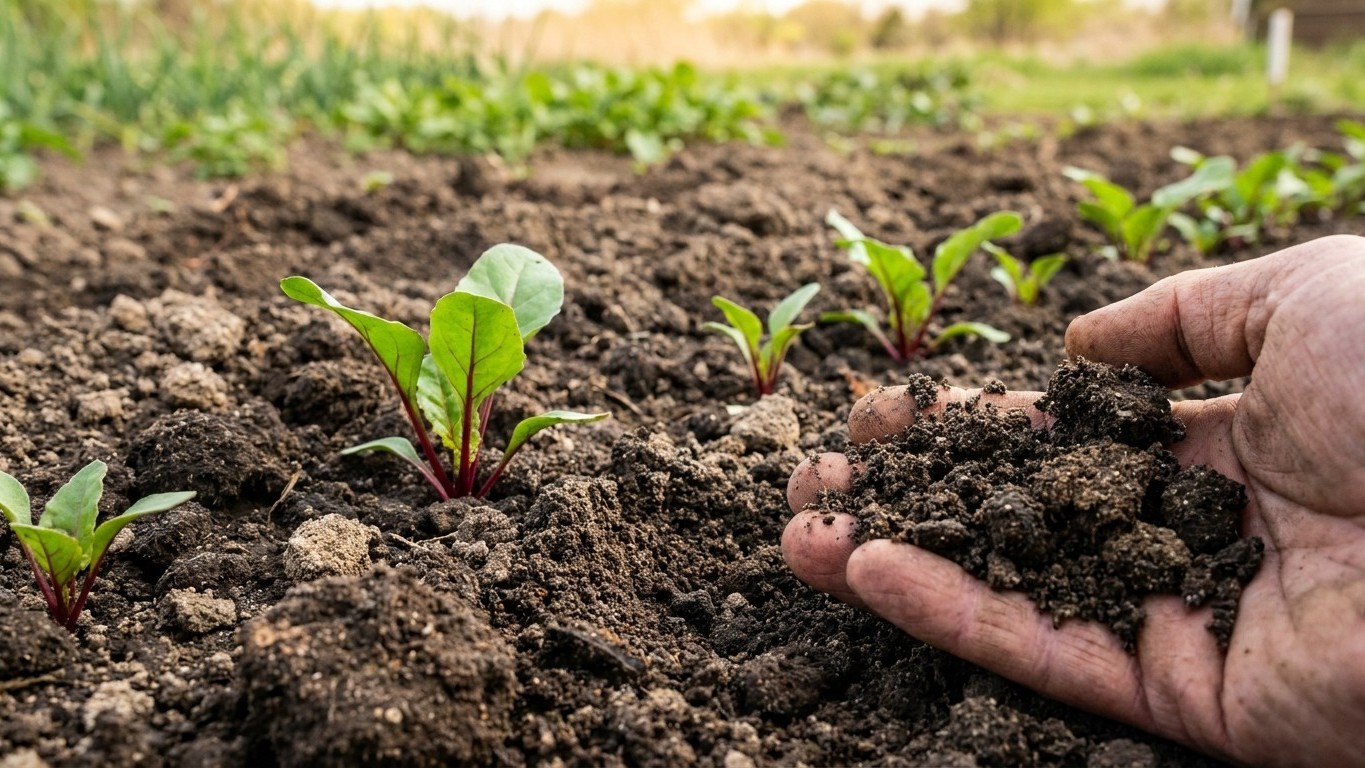
Minnesota’s own state soil, the Lester series, is a well-drained loam that leans slightly sandy and holds a moderate reserve of organic matter.
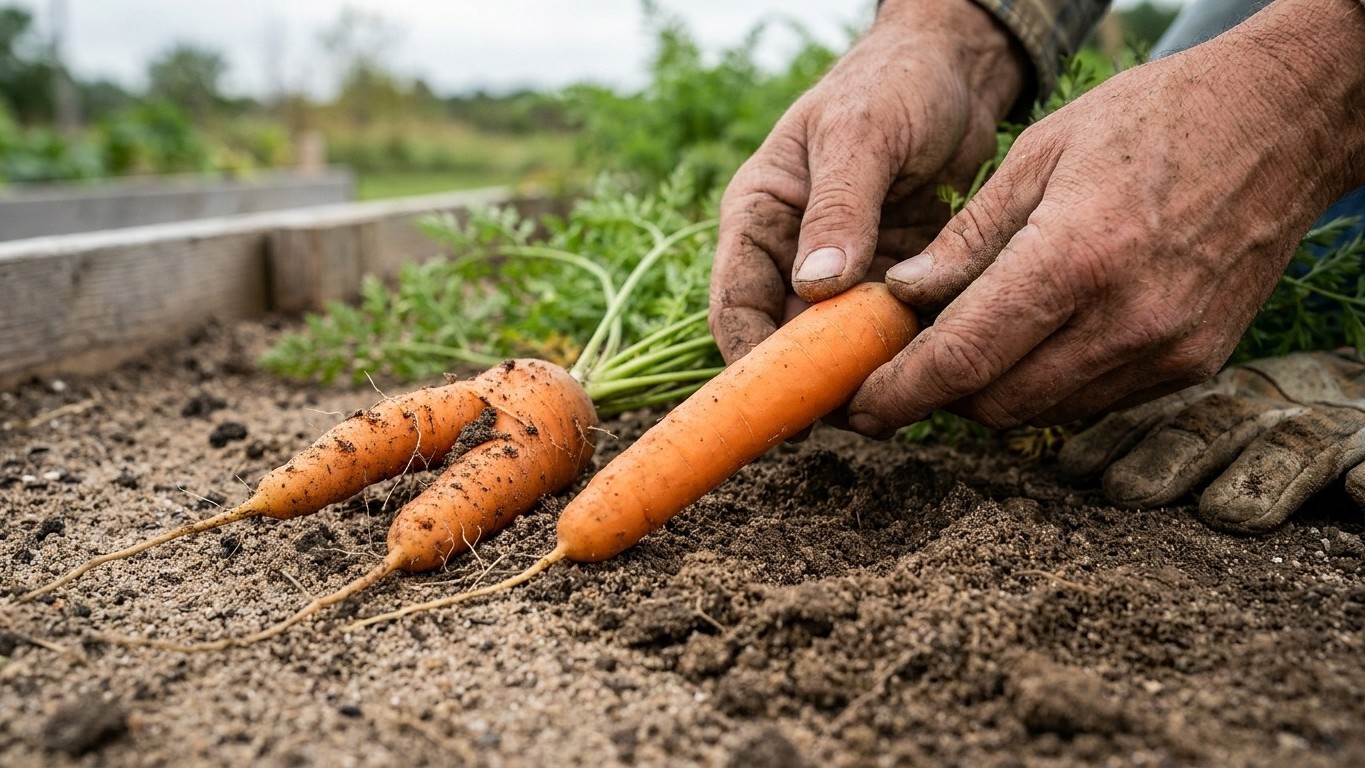
Michigan’s official state soil, the Kalkaska series, is sandy and acidic, exactly the kind of ground carrots like on paper but not necessarily the ground…
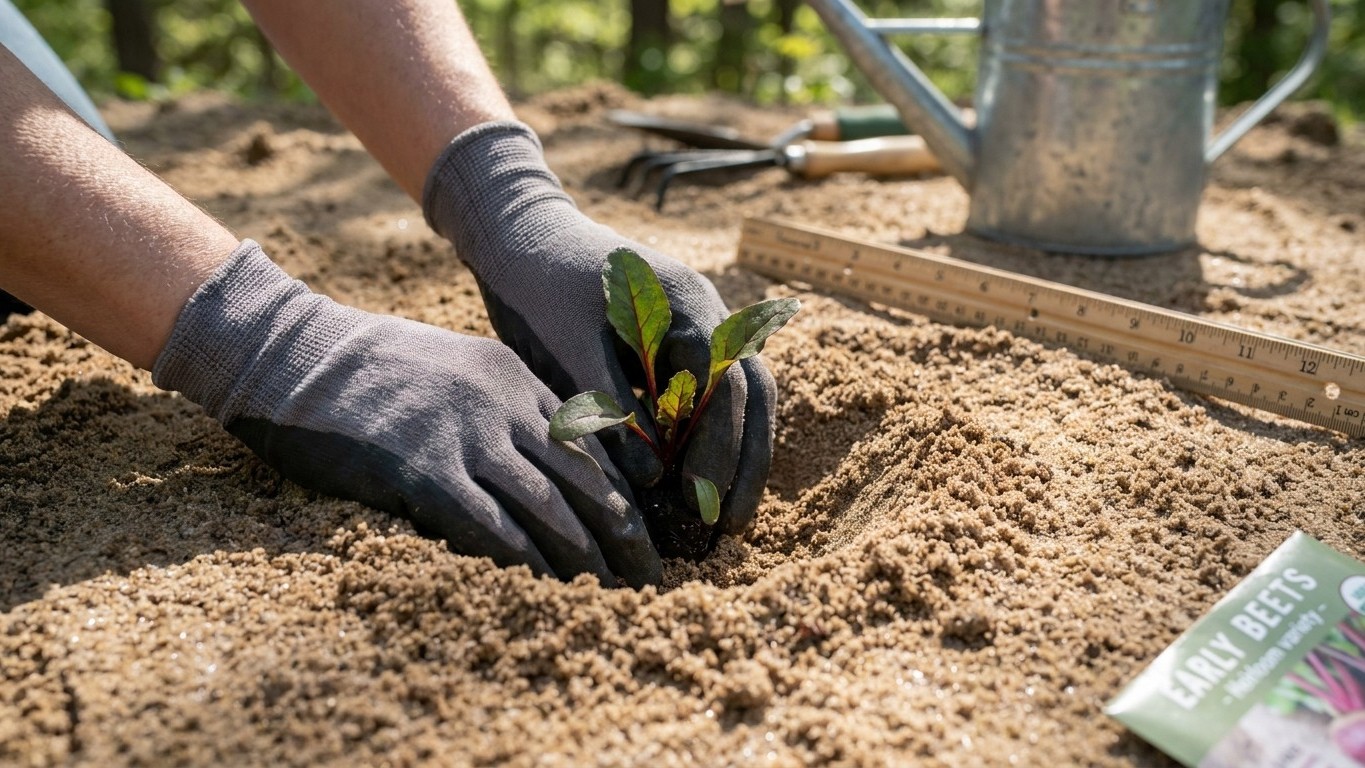
Michigan’s state soil runs sandy and acid, which means beet roots push through it easily but the ground drains fast and holds little moisture right when…
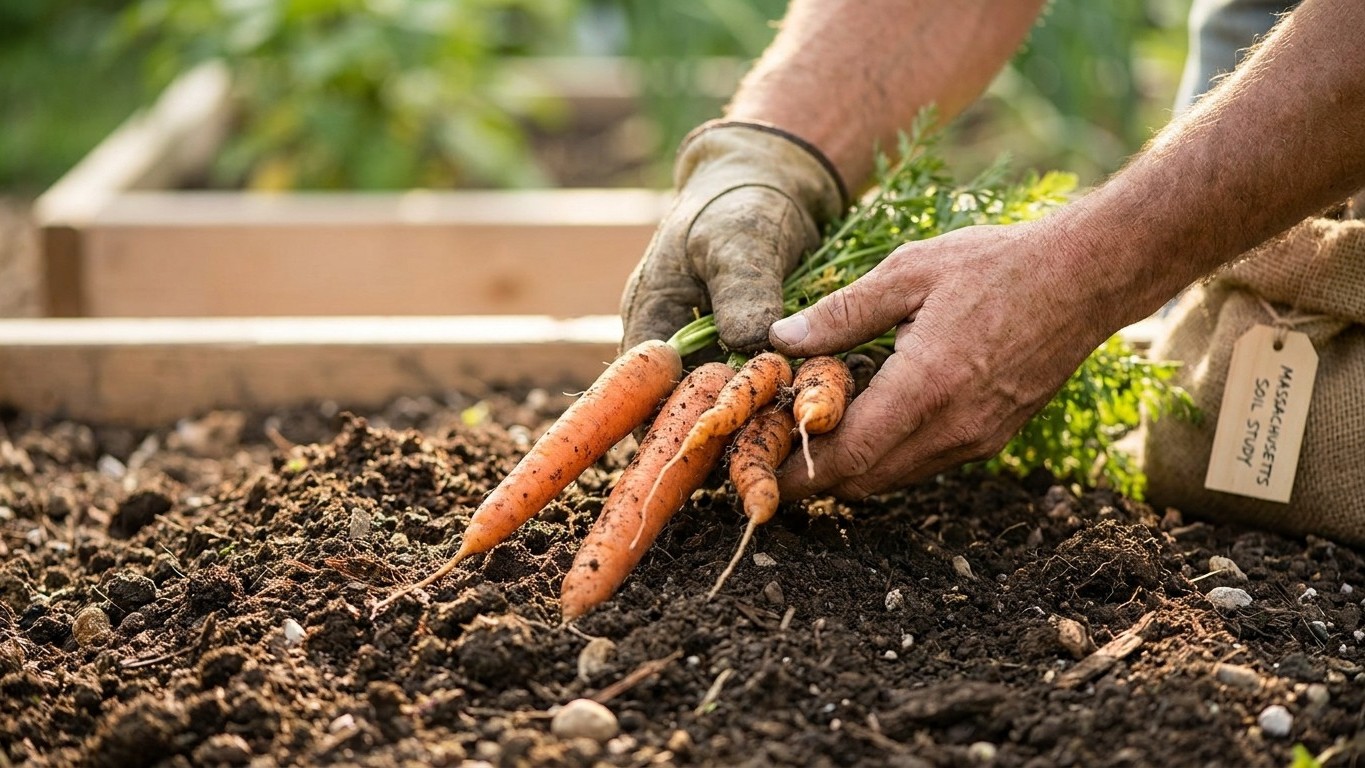
Massachusetts carrots do best in soil that drains fast and stays loose past the first foot, because the state’s own representative soil, sandy and mildly…
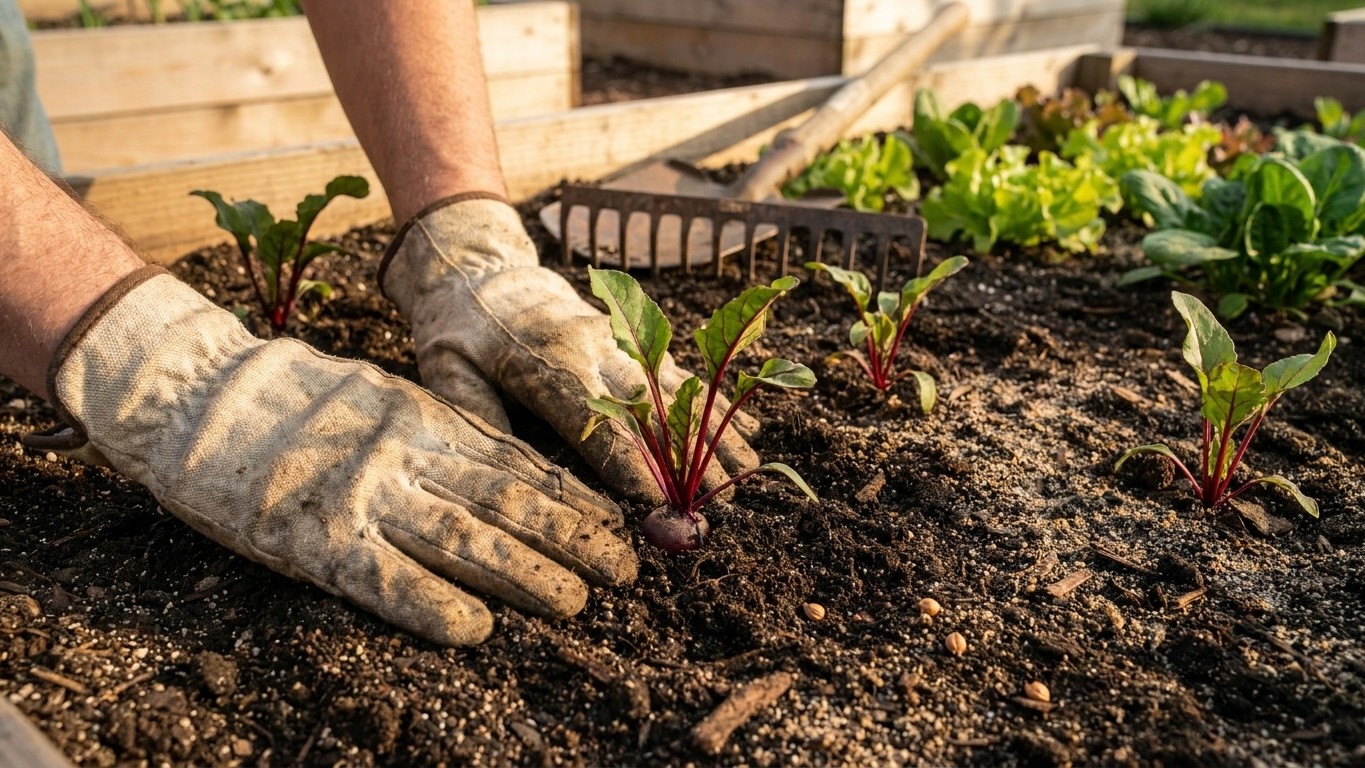
In Massachusetts, beets do best sown directly into deep, well-drained, sandy soil with organic matter worked in, about two to three weeks before the last…
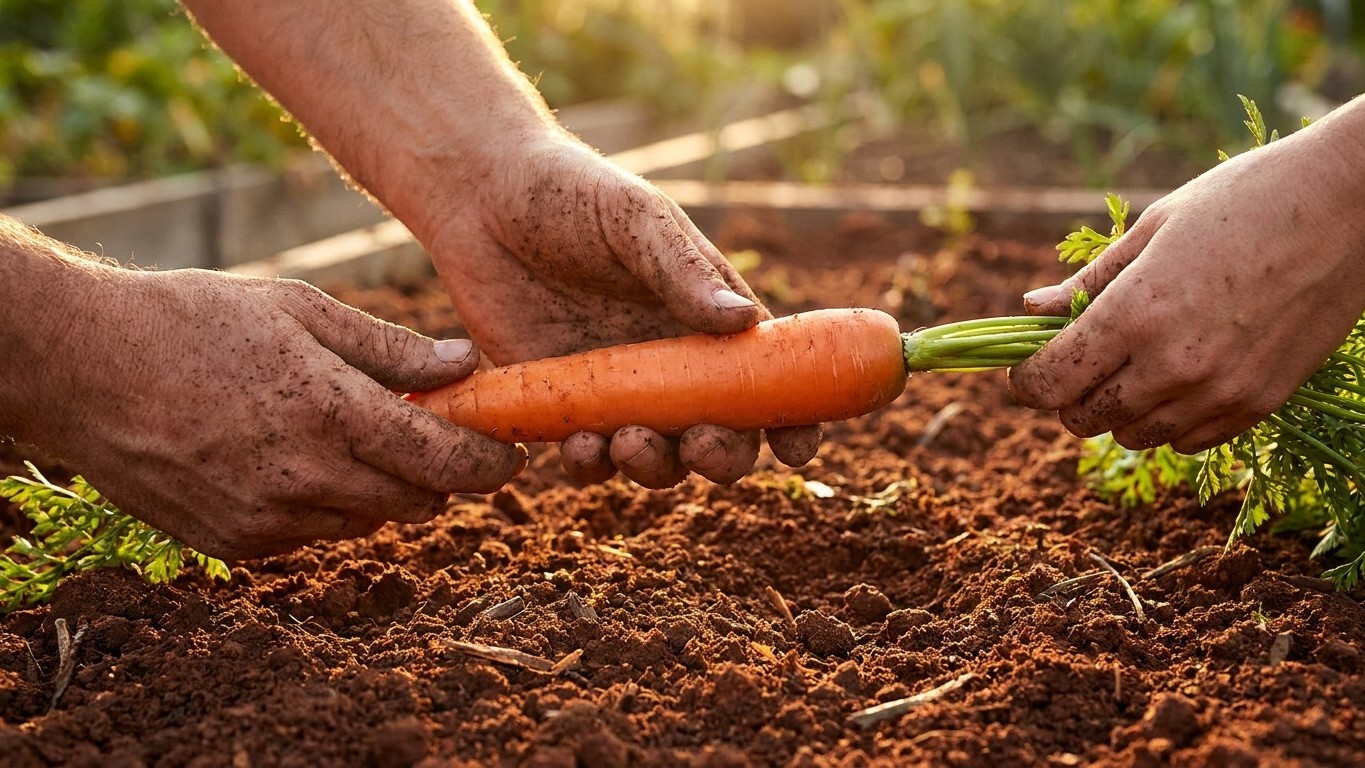
Maryland’s state-representative soil, the Sassafras series, is sandy and well drained, which is good news for carrots that hate wet feet and forked tips.
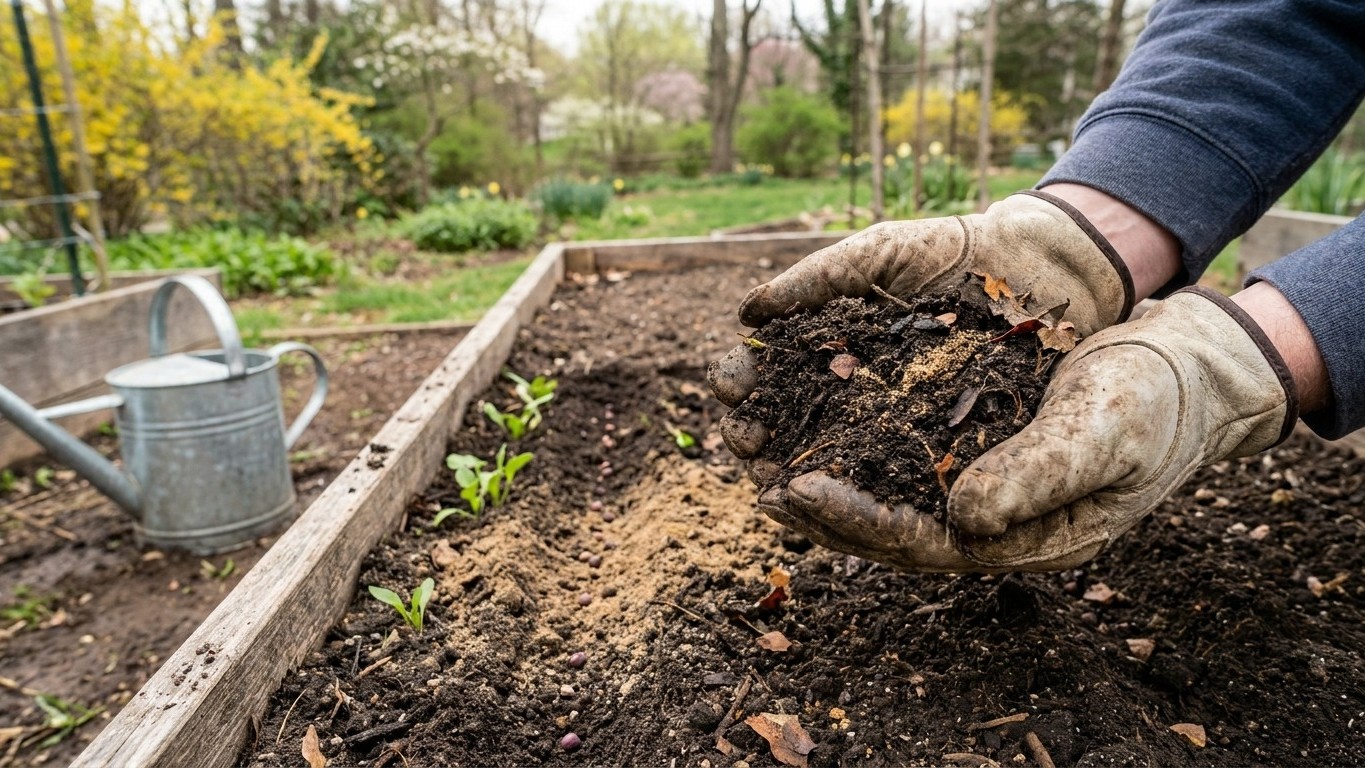
Maryland’s benchmark soil runs sandy, acid and fast-draining, decent bones for a beet but poor at holding nutrients and moisture without help.
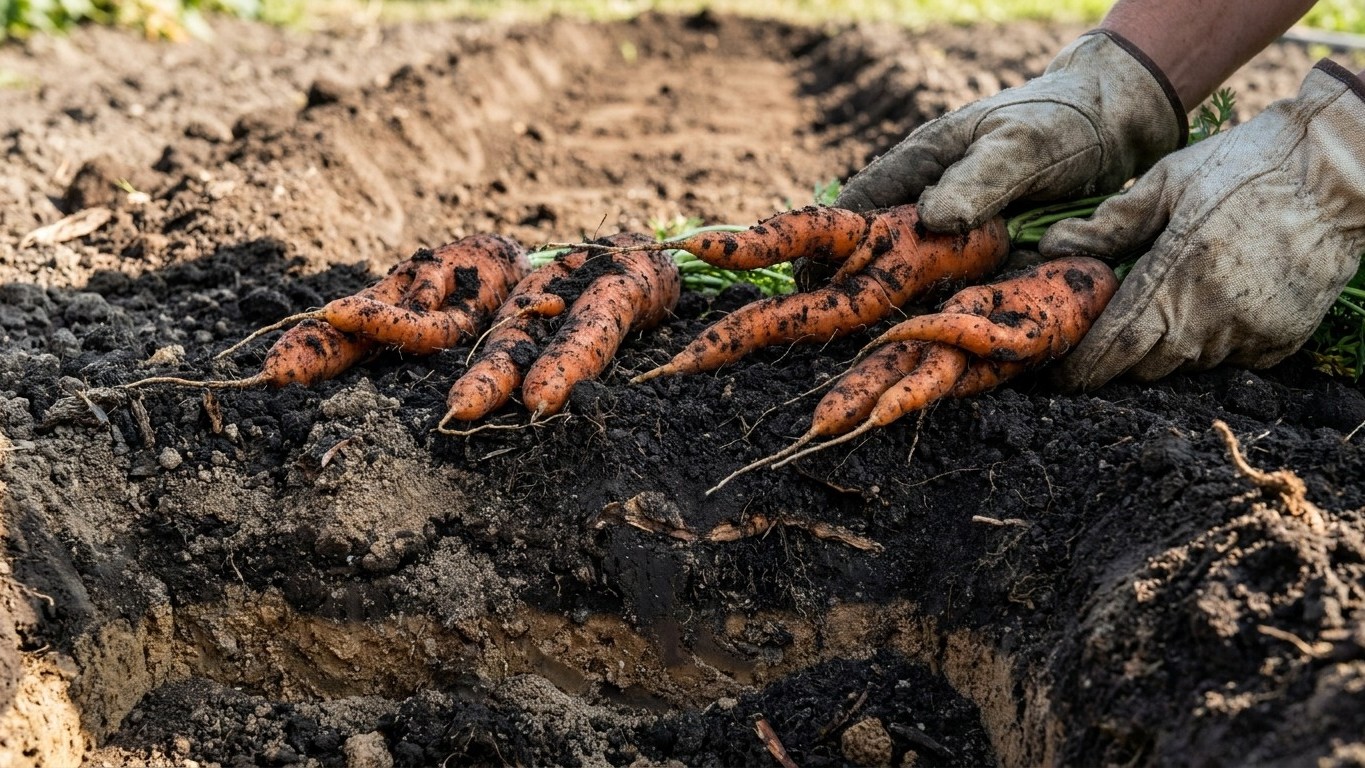
Manitoba’s typical garden soil runs 45 percent sand, 24 percent clay and 31 percent silt, a loam that leans alkaline (median pH around 7.6) and drains…
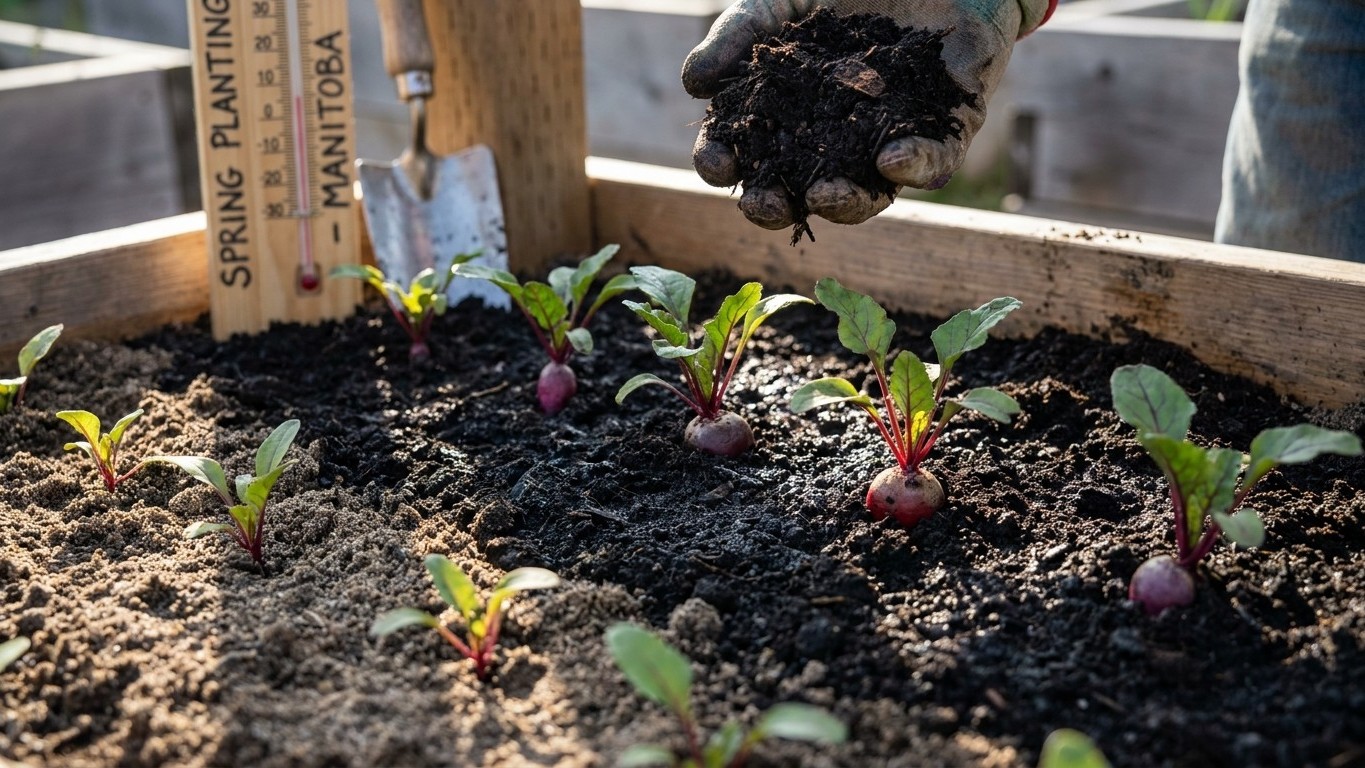
Manitoba’s ground runs alkaline and moisture-heavy in ways that push against what a beet actually wants: deep, well-drained, sandy soil loosened with a…